Market News July 28, 2023

Q2 2023 Central and Southern Oregon Real Estate Market Update

The following analysis of select counties of the Central and Southern Oregon real estate market is provided by Windermere Real Estate Chief Economist Matthew Gardner. We hope that this information may assist you with making better-informed real estate decisions. For further information about the housing market in your area, please don’t hesitate to contact your Windermere Real Estate agent.


Regional Economic Overview

The Central and Southern Oregon counties covered by this report added 3,890 new jobs over the past 12 months, which represents an annual growth rate of 1.6%. Crook, Deschutes, and Jackson counties all had solid job gains. While Jefferson, Josephine, and Klamath added jobs, they did so at a modest rate of .2 to .5%. The unemployment rate across the region was 4.6%. This is up from a rate of 4.3% in the same period of 2022. The lowest jobless rate was in Bend, where 4% of the labor force was jobless. The highest unemployment rate was in Klamath County, where 5.8% of the labor force is still without a job.

Central and Southern Oregon Home Sales

In the second quarter of 2023, 1,983 homes sold, representing a drop of 25.5% compared to the same period in 2022. However, sales were 20.1% higher than in the first quarter of the year.

Compared to the first quarter of 2023, sales rose significantly in all counties.

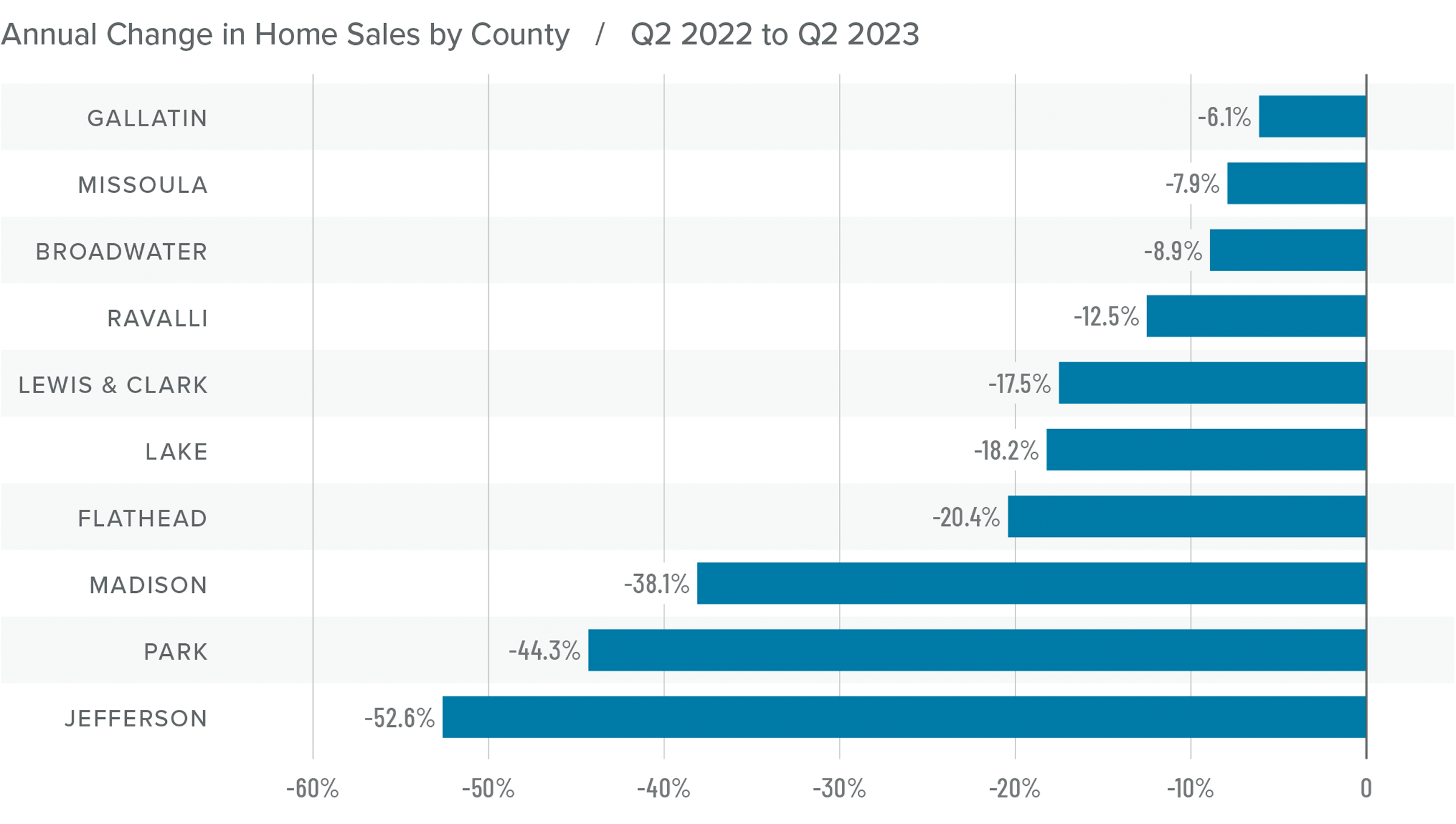
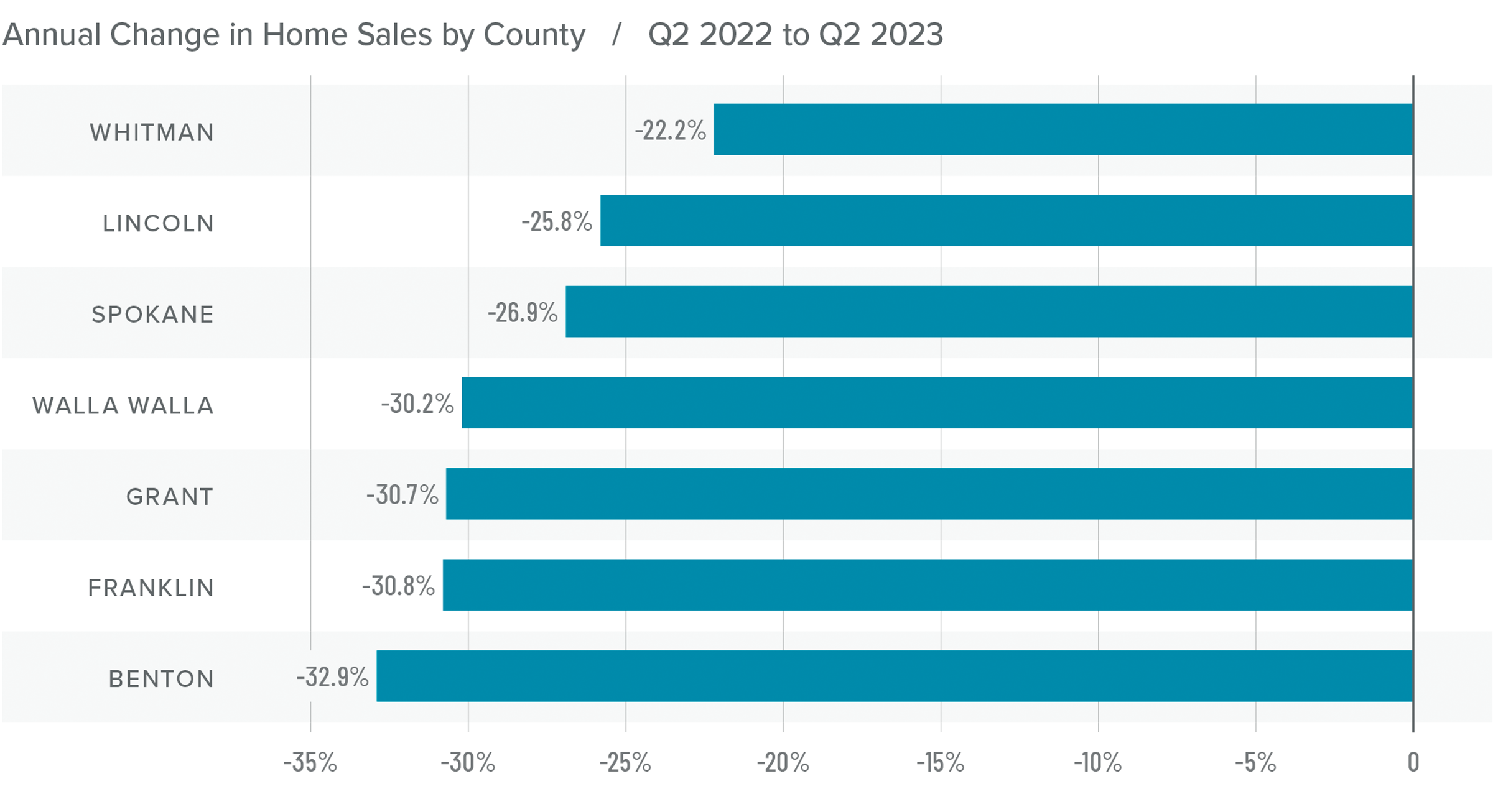
Sales fell across the board compared to the second quarter of 2022, with significant declines in all markets except Bend.

Higher sales can be mainly attributed to higher inventory levels. All markets contained in this report saw listing activity pick up as the spring progressed.

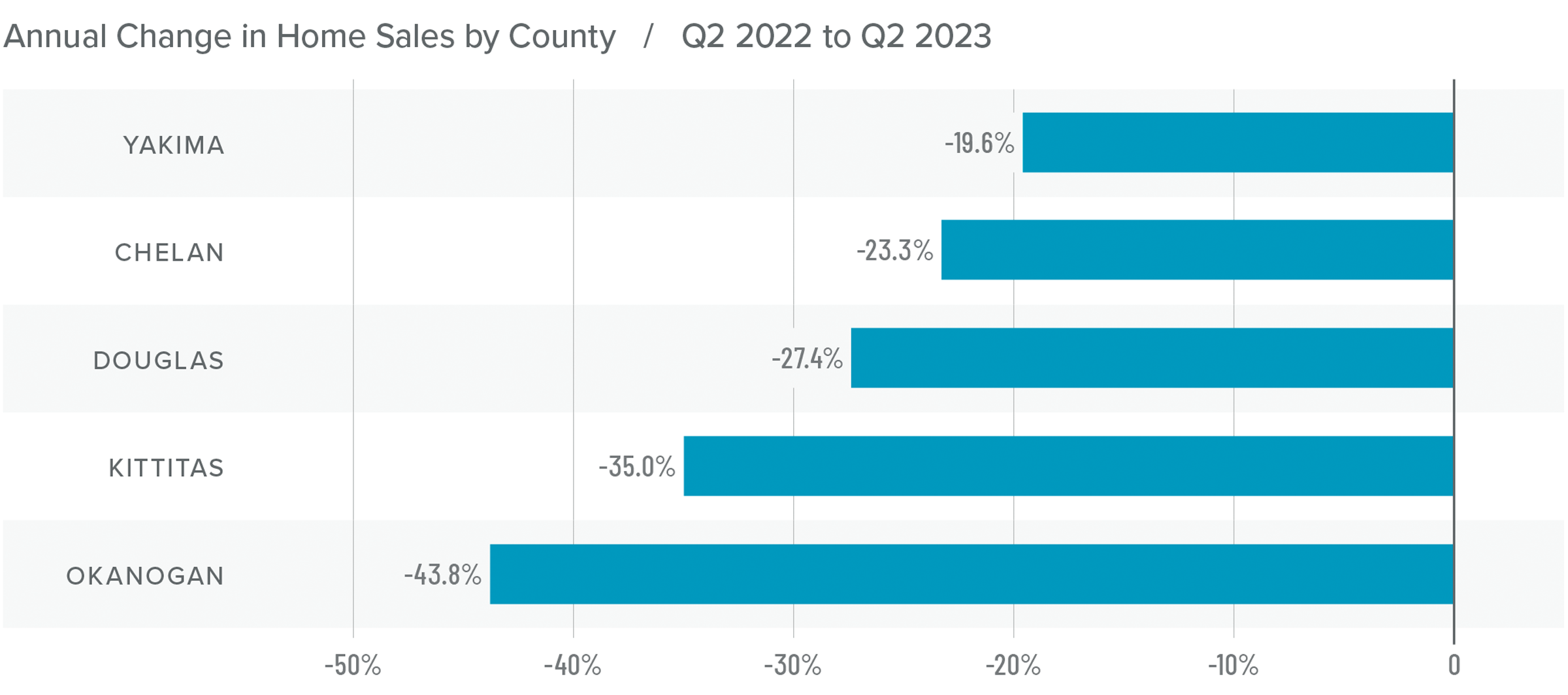
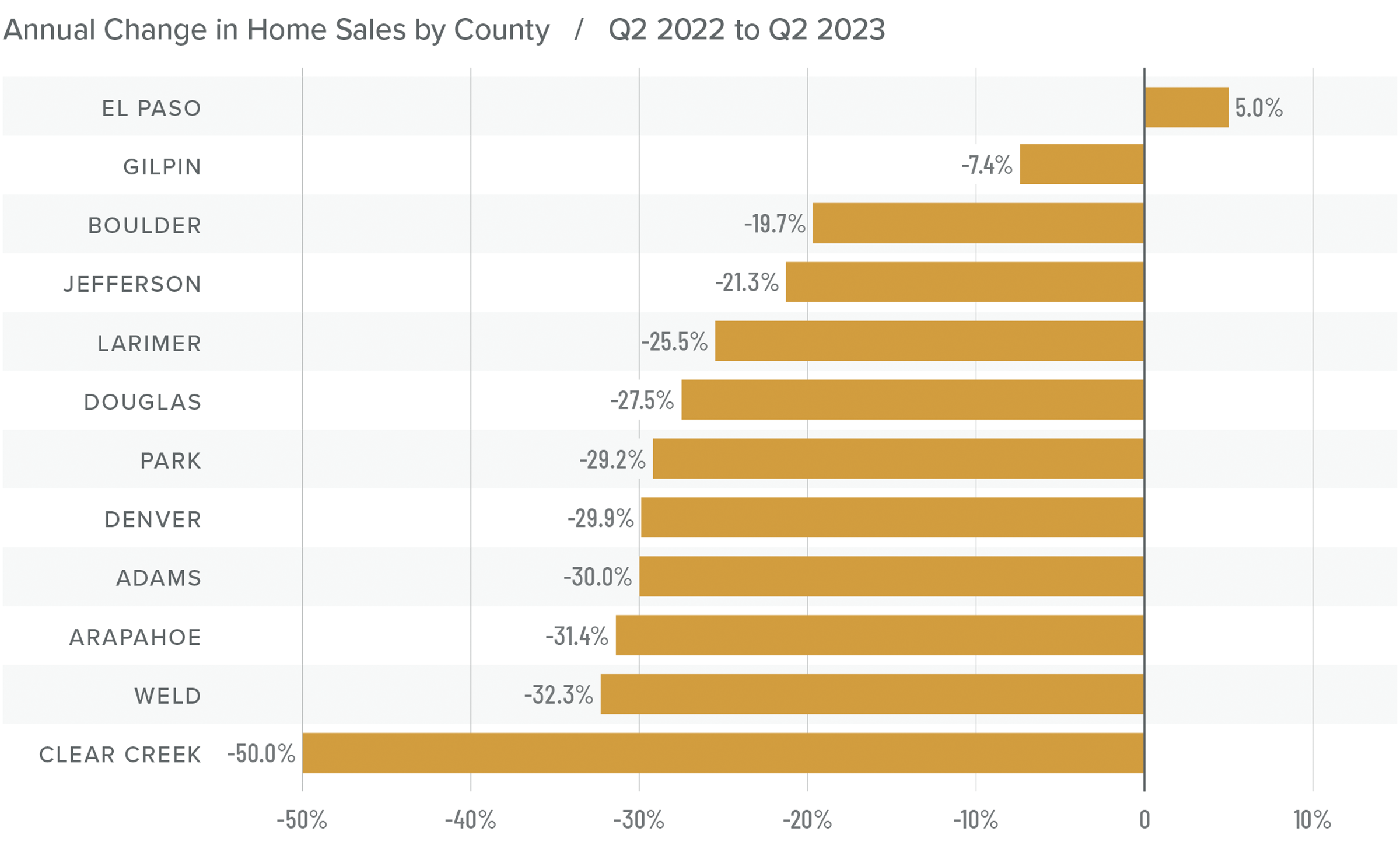
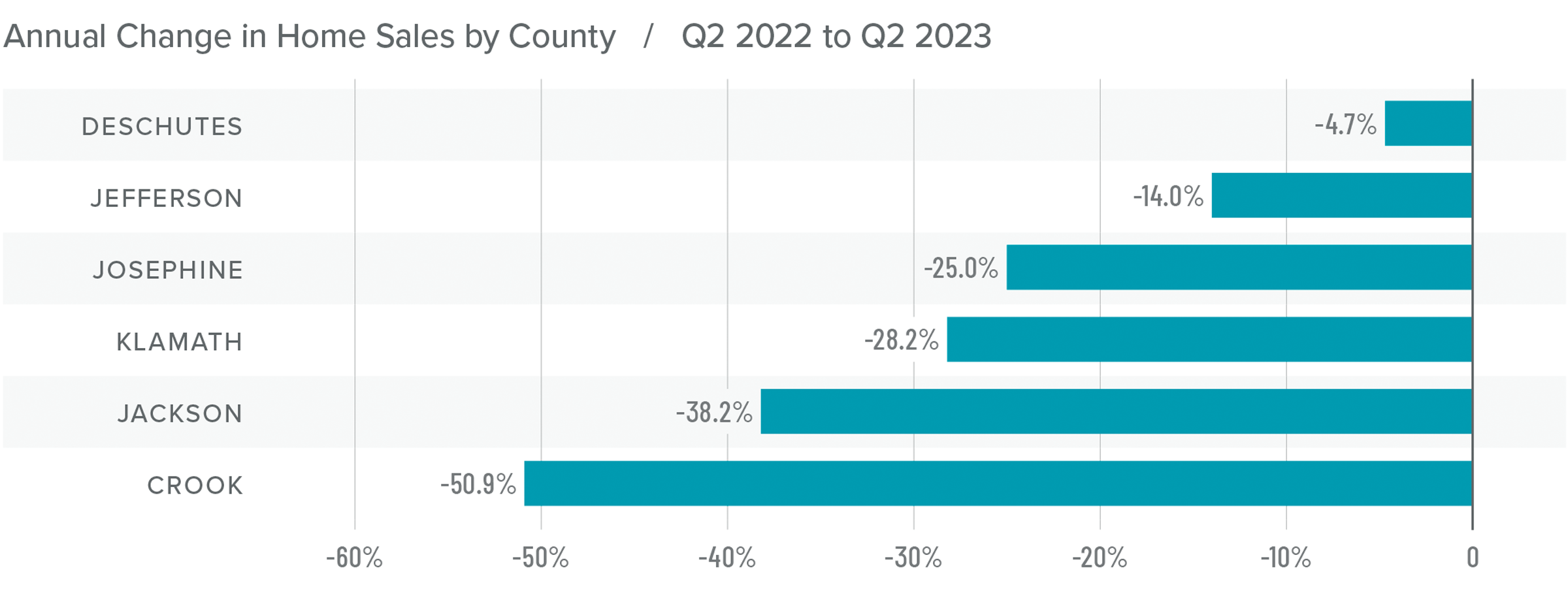
A graph showing the annual change in home sales by county for Central and Southern Oregon from Q2 2022 to Q2 2023. Deschutes had the least drastic change at -4.7%, while Crook had the most largest change at -50.9%.

Central and Southern Oregon Home Prices

Average sale prices in the region rose 1.6% year over year to $591,581. Prices were up 11.6% compared to the first quarter of 2023.

Compared to the first quarter of this year, average prices rose across the board. The Bend market showed the greatest increase, with prices up 9.5%.

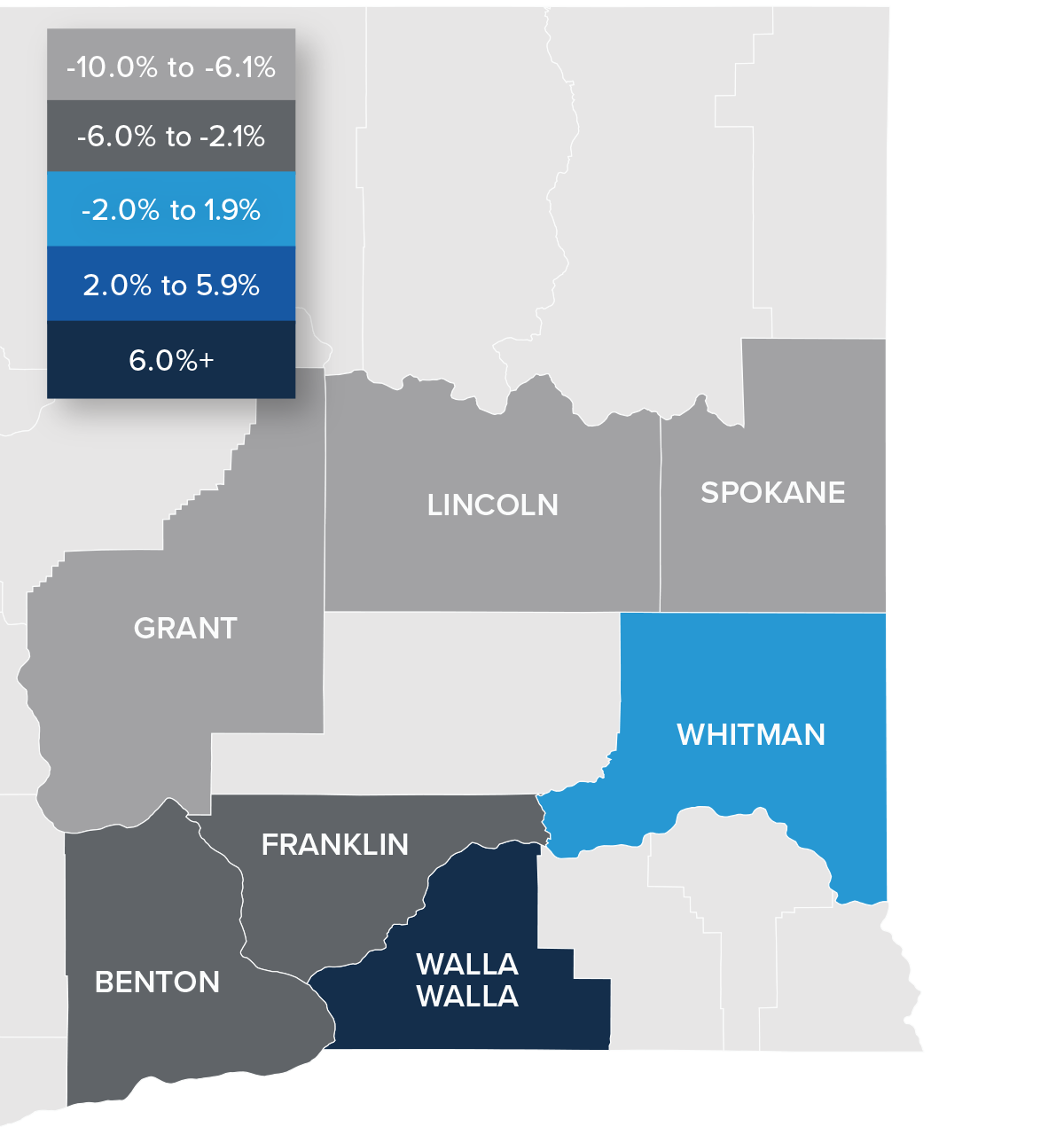
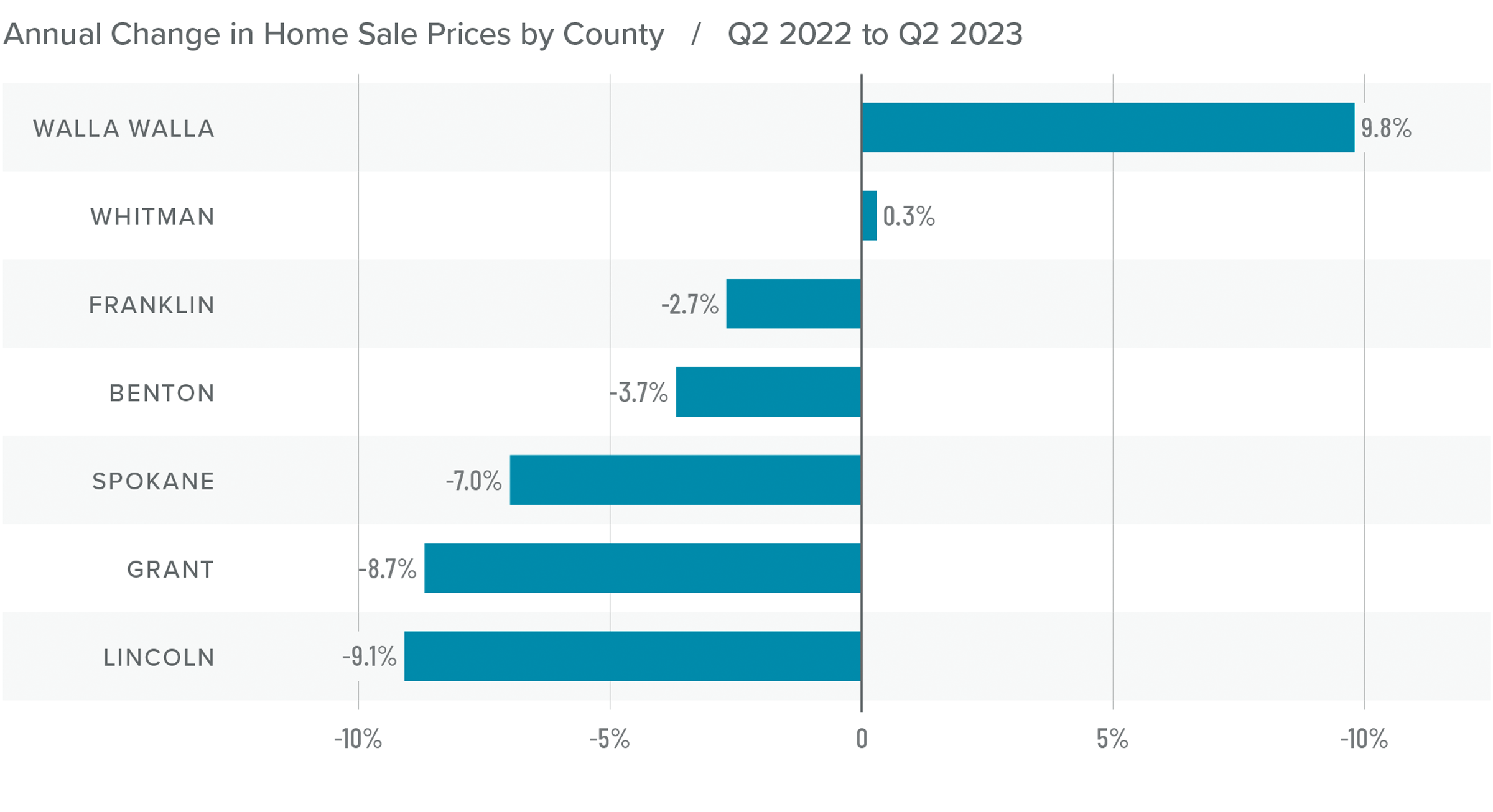
Three counties contained in this report saw sale prices rise year over year, while three fell. Prices in Crook County experienced a significant increase.

Compared to the first quarter, median list prices rose 2.2%. All markets except Crook County saw asking prices rise.

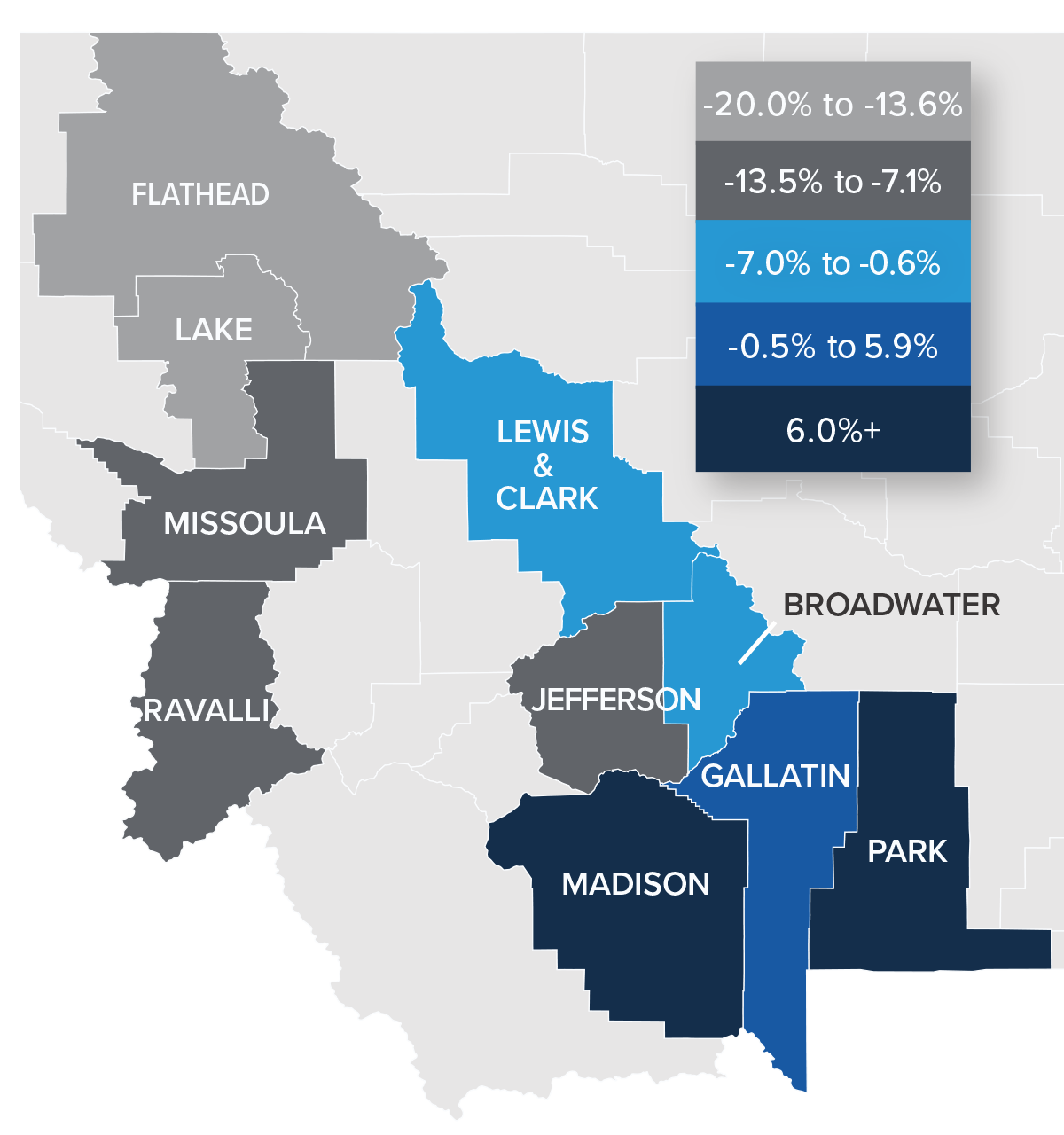
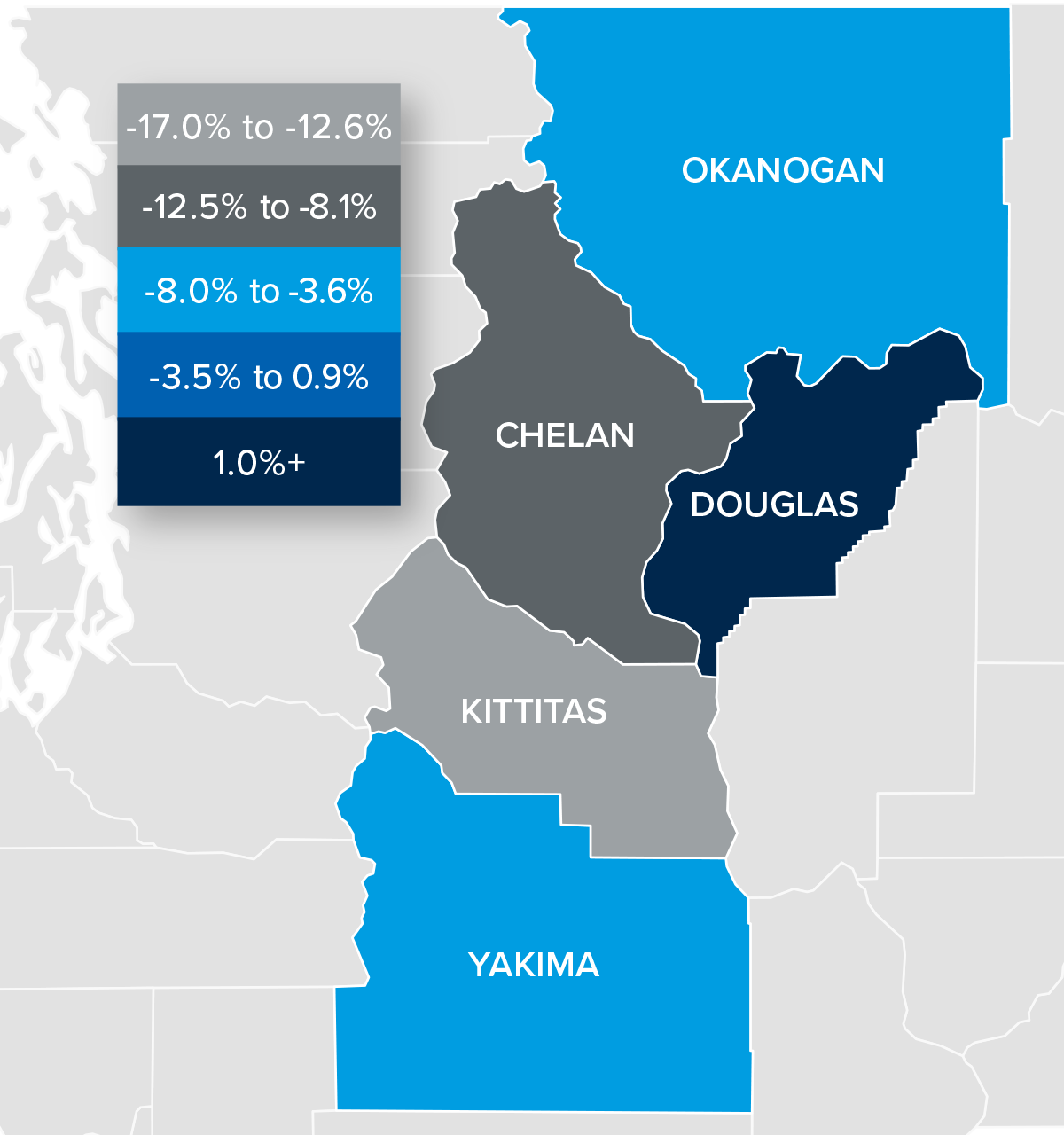
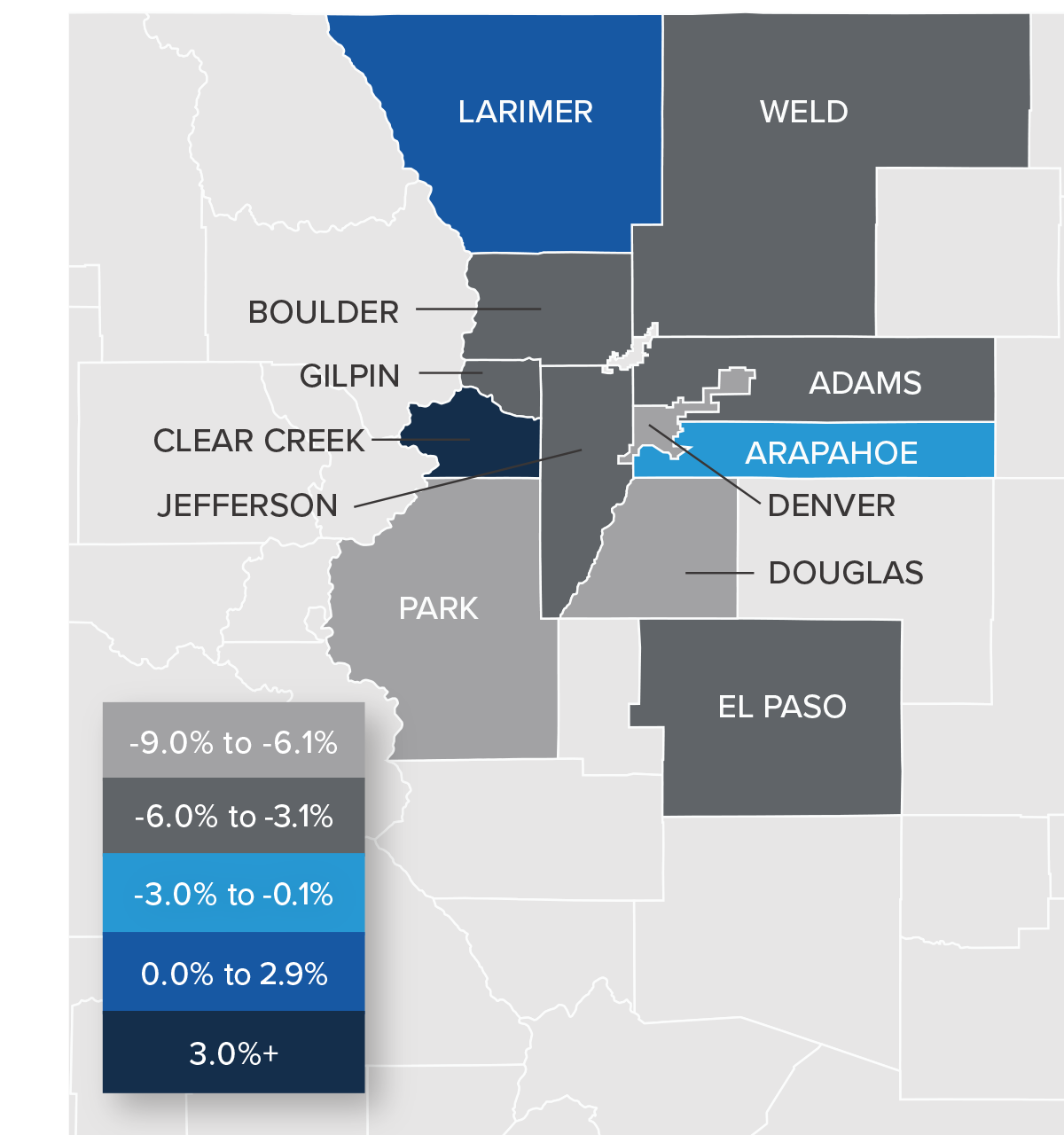
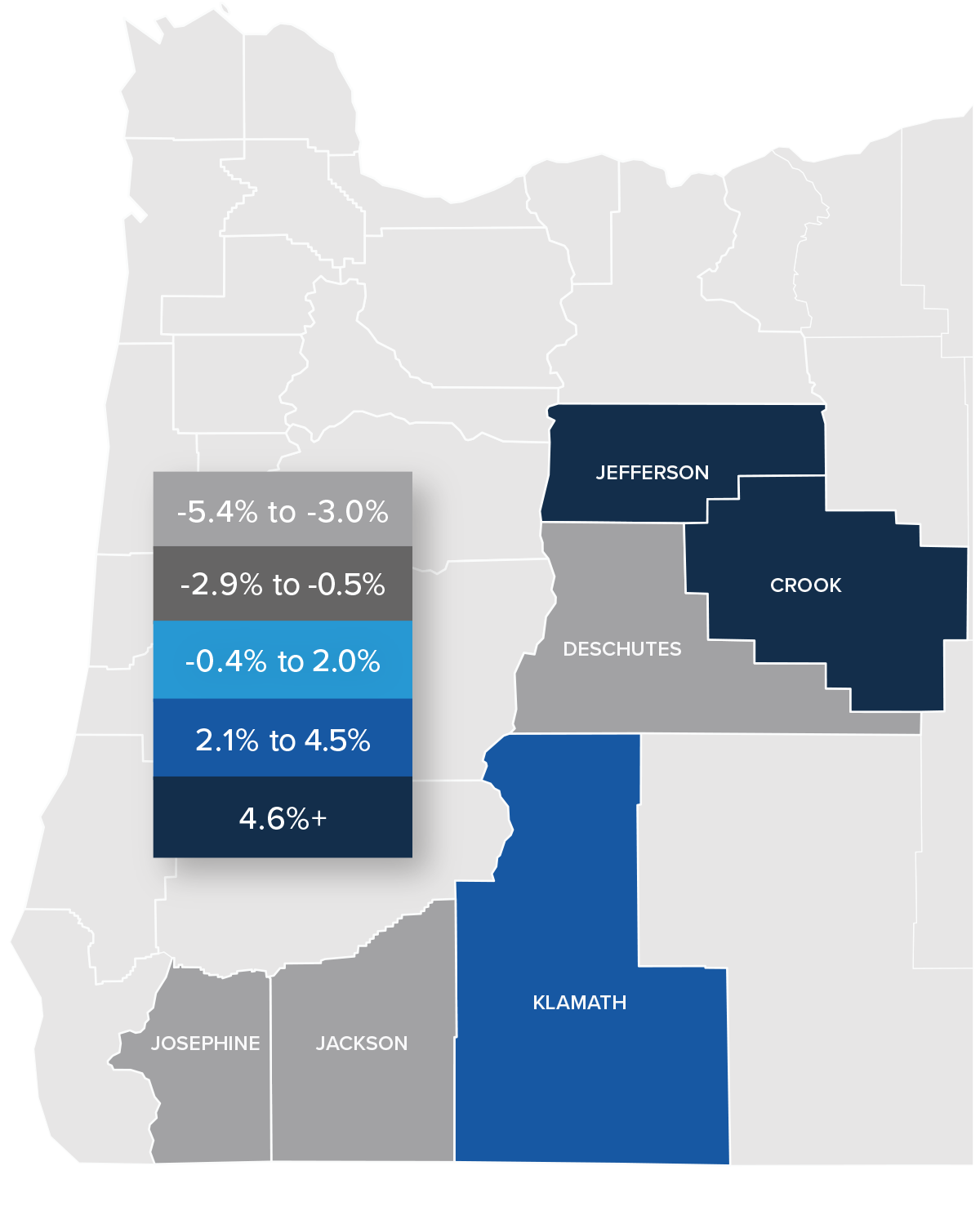
A map showing the real estate home prices percentage changes for various counties in Central and Southern Oregon. Different colors correspond to different tiers of percentage change. Deschutes, Jackson, and Josephine counties have a percentage change in the -5.4% to -3% range. Klamath County is in the 2.1% to 4.5% change range. Jefferson and Crook Counties are in the 4.6%+ change range.

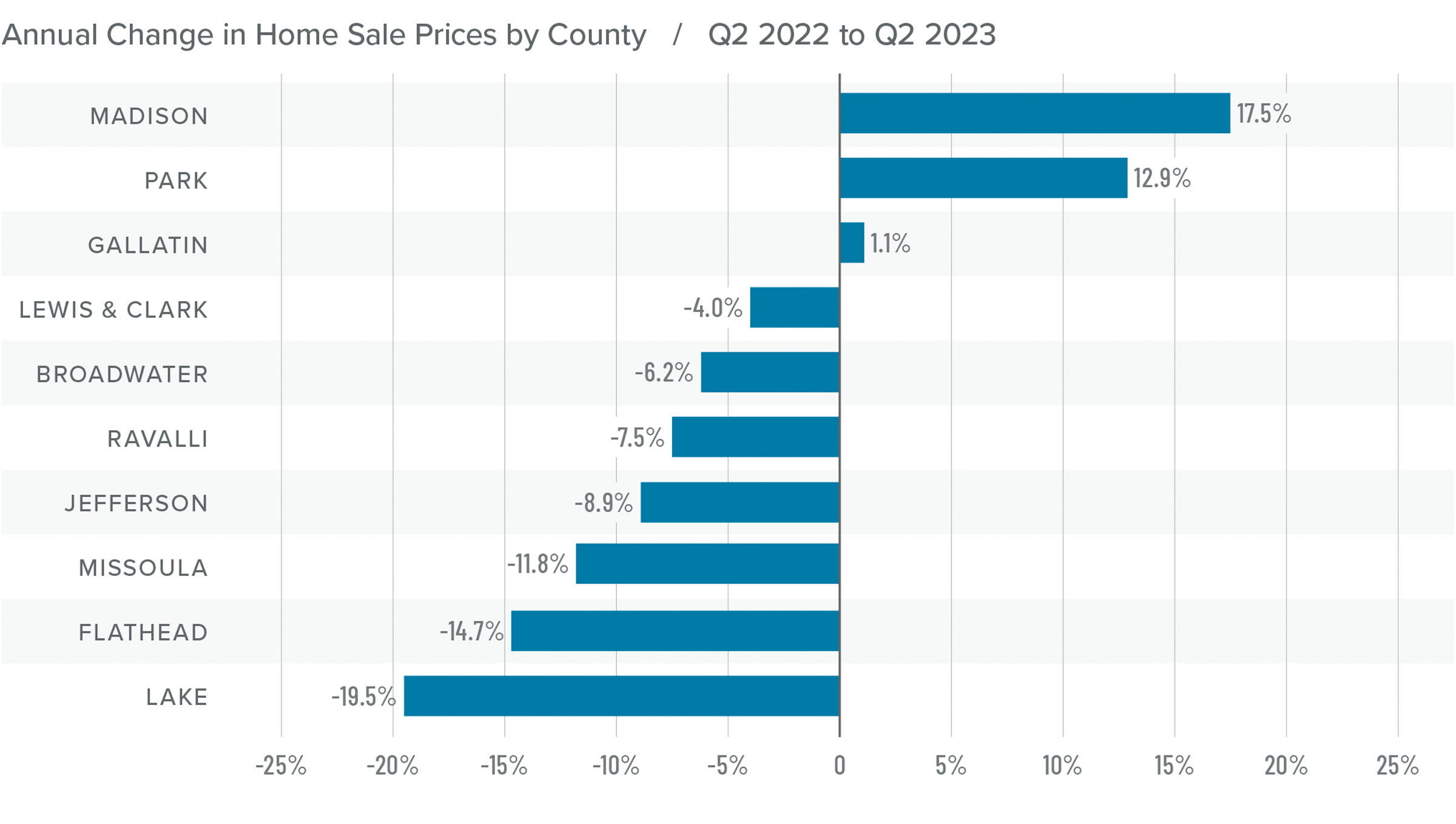
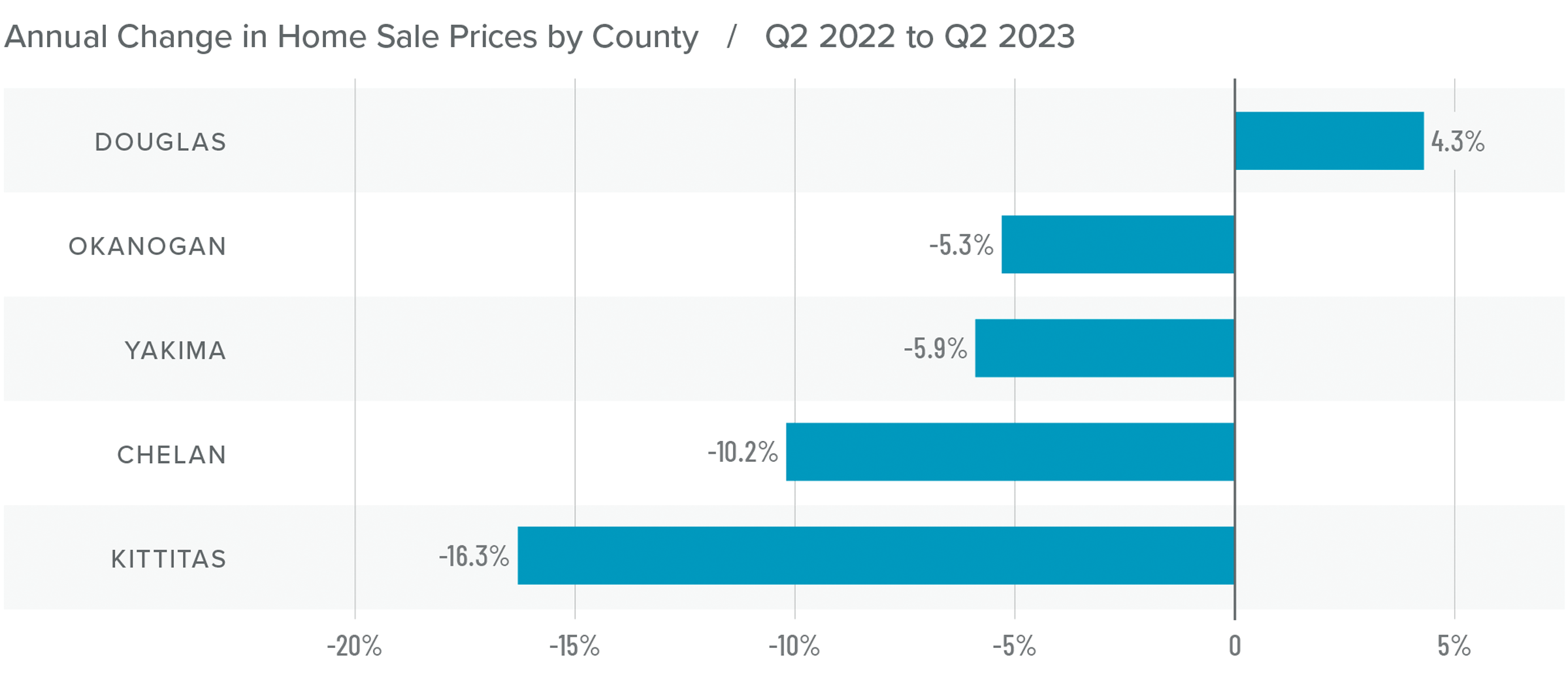
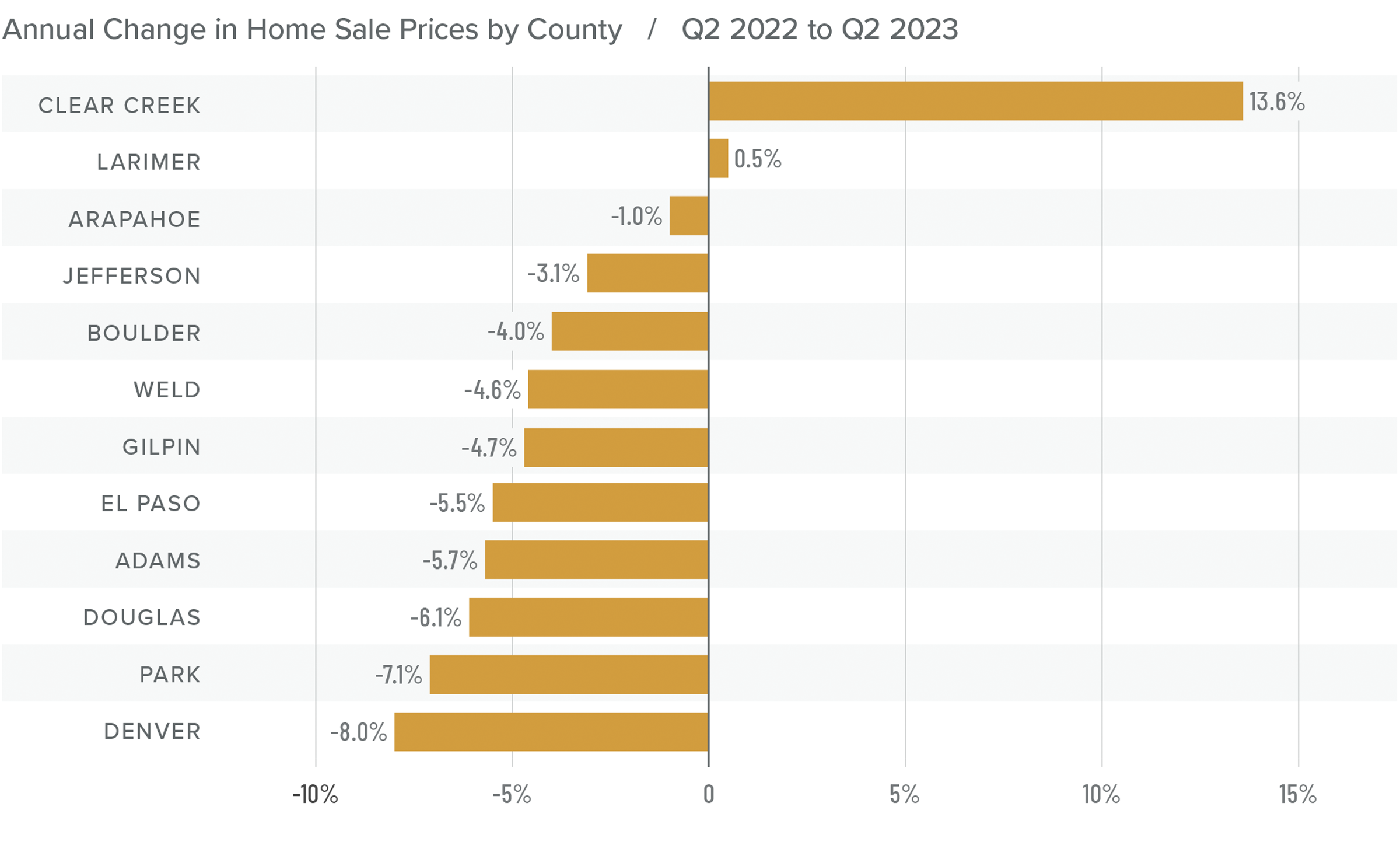
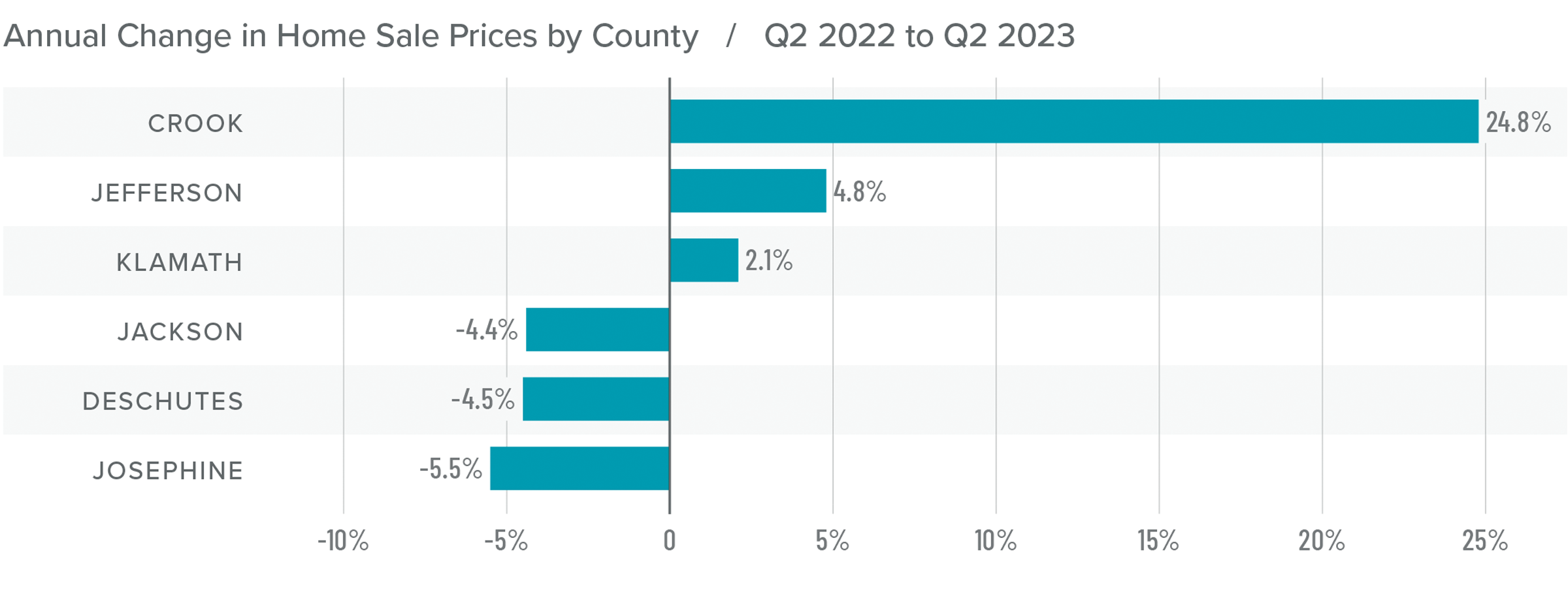
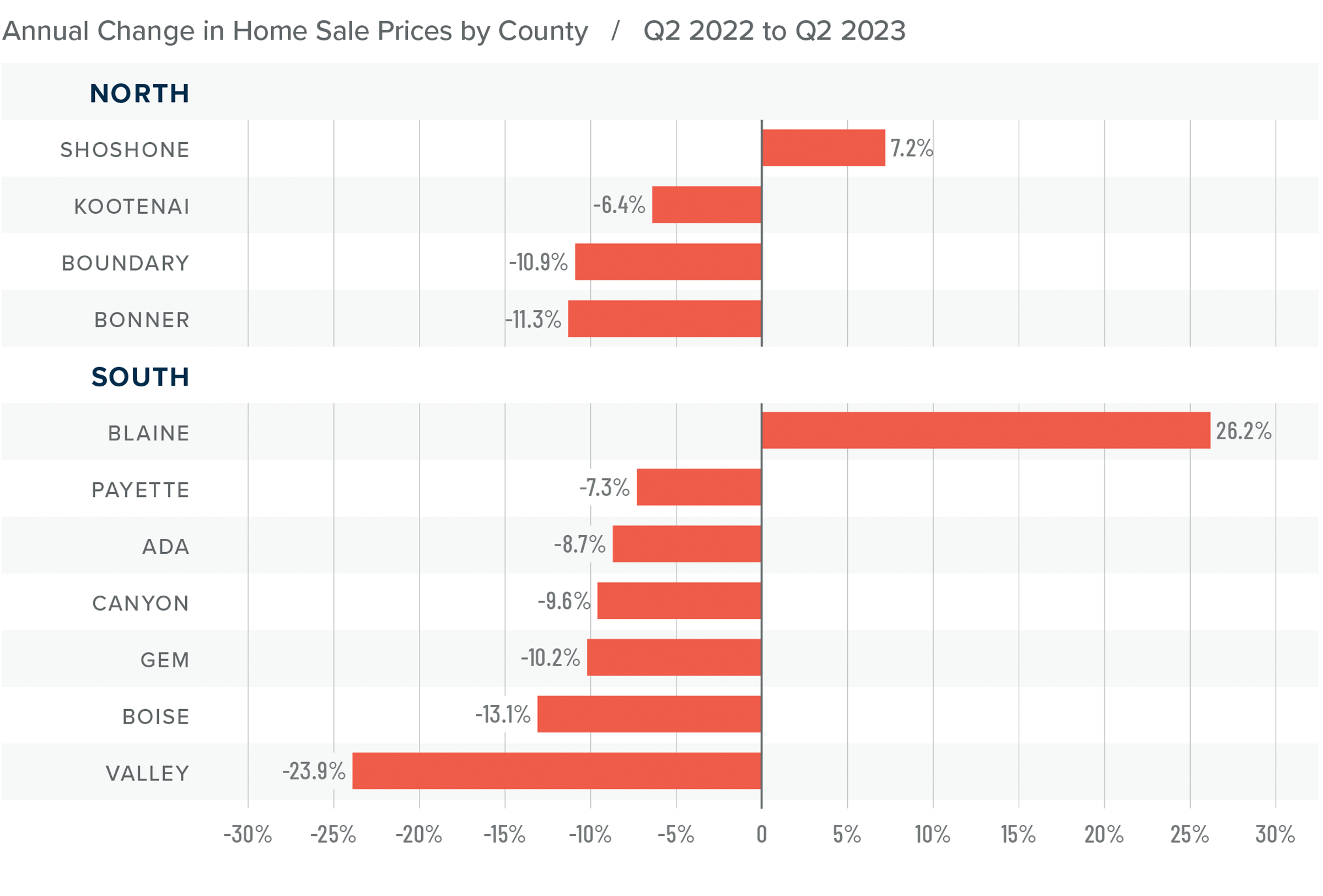
A bar graph showing the annual change in home sale prices by county in Central and Southern Oregon from Q2 2022 to Q2 2023. Crook County tops the list at 24.8%, while Josephine County had the greatest decline at -5.5%.

Mortgage Rates

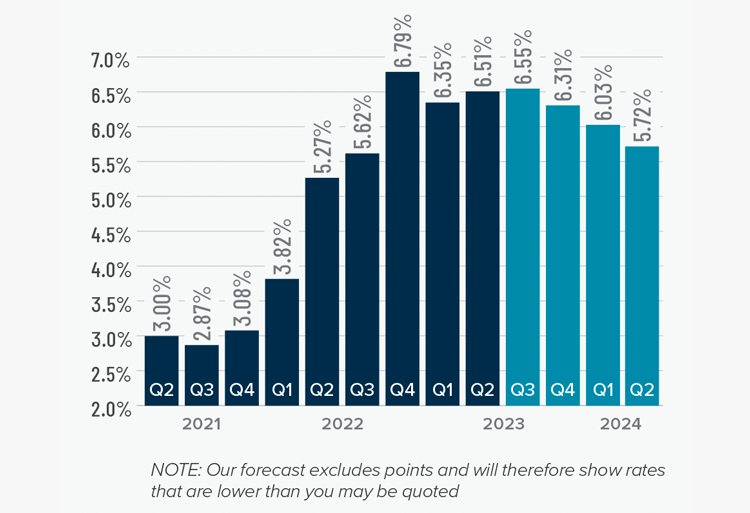
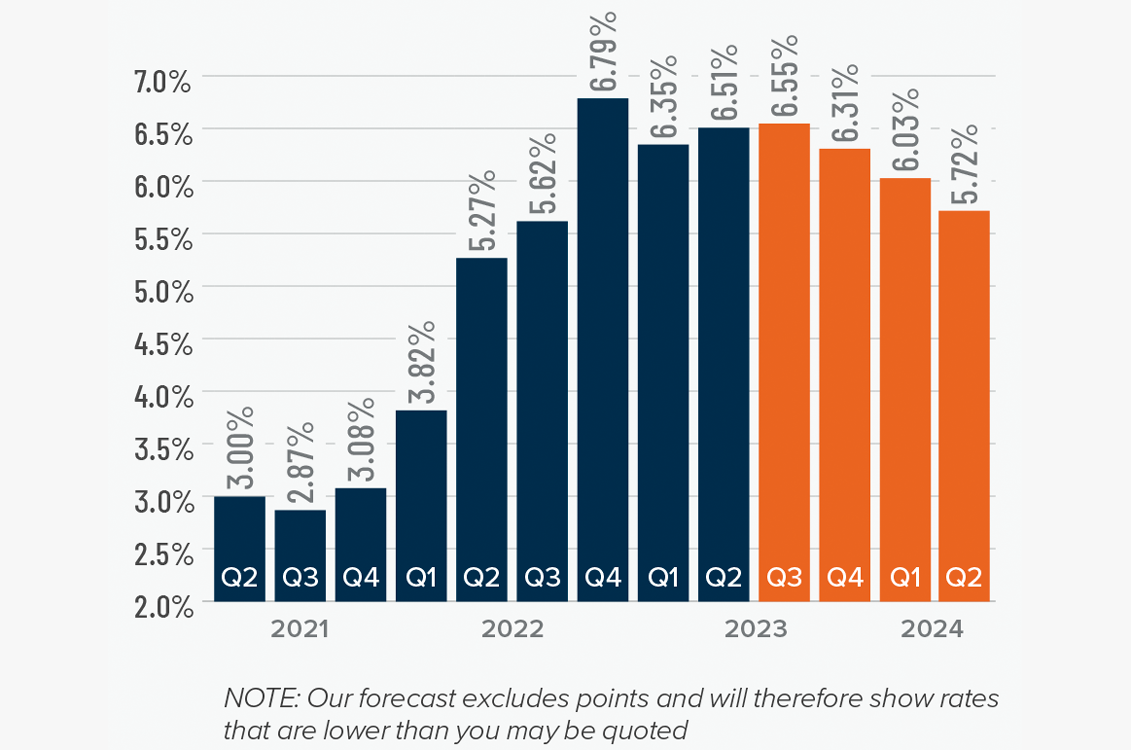
Although they were less erratic than the first quarter, mortgage rates unfortunately trended higher and ended the quarter above 7%. This was due to the short debt ceiling impasse, as well as several economic datasets that suggested the U.S. economy was not slowing at the speed required by the Federal Reserve.

While the June employment report showed fewer jobs created than earlier in the year, as well as downward revisions to prior gains, inflation has not sufficiently slowed. Until it does, rates cannot start to trend consistently lower. With the economy not slowing as fast as expected, I have adjusted my forecast: Rates will hold at current levels in third quarter and then start to trend lower through the fall. Although there are sure to be occasional spikes, my model now shows the 30-year fixed rate breaking below 6% next spring.
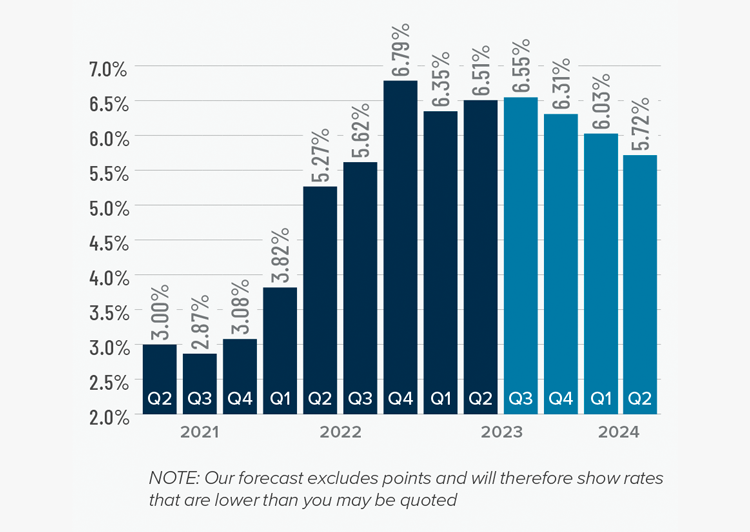
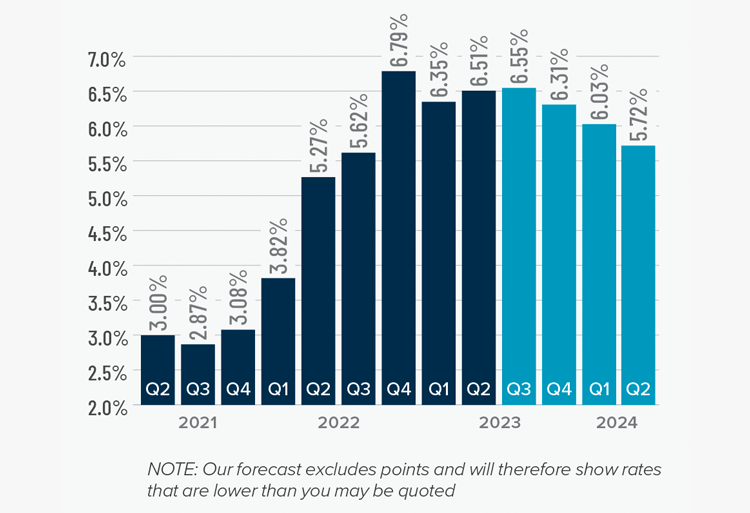
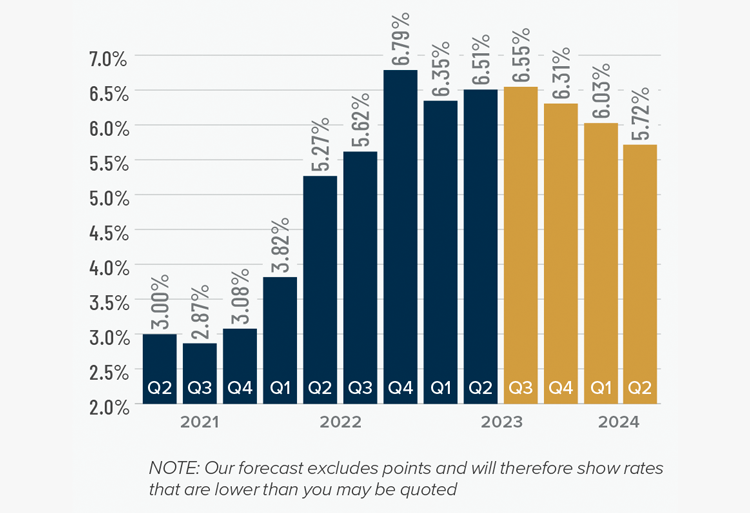
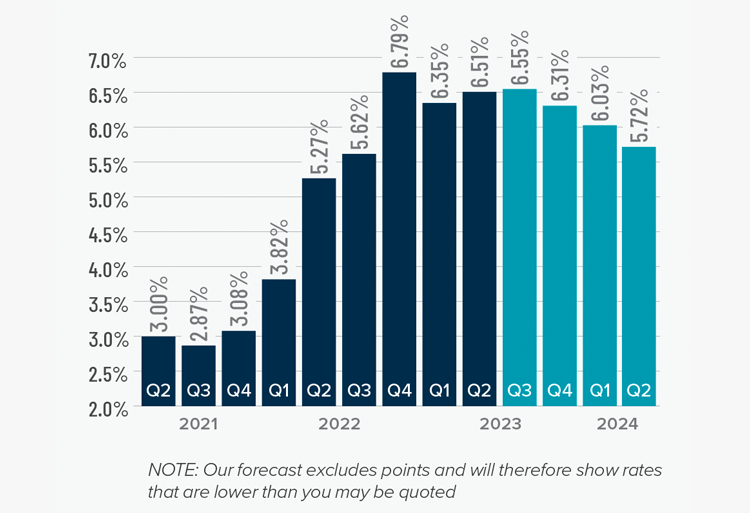
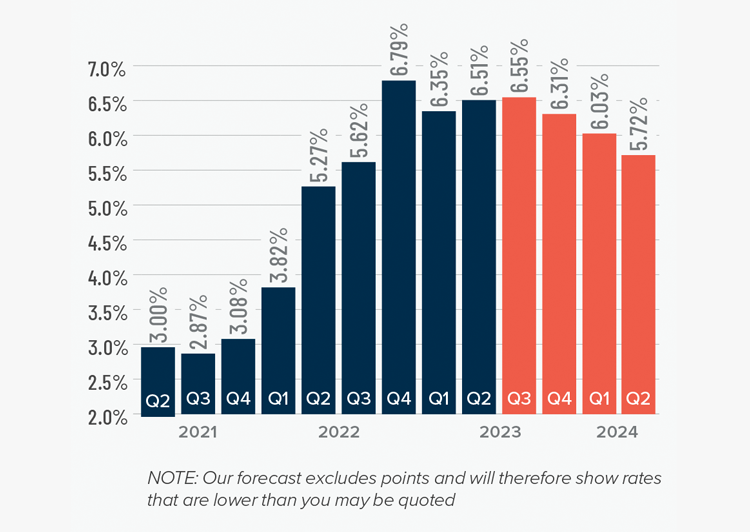
A bar graph showing the mortgage rates from Q2 2021 to the present, as well as Matthew Gardner's forecasted mortgage rates through Q2 2024. After the 6.79% figure in Q4 2022, 6.35% in Q1 2023, and 6.51% in Q2 2023, he forecasts mortgage rates going to 6.55% in Q3 2023, 6.31% in Q4 2023, 6.03% in Q1 2024, and 5.72% in Q2 2024.

Central and Southern Oregon Days on Market

The average time it took to sell a home in the region rose 23 days compared to the same quarter in 2022. It took 15 fewer days for a home to sell compared to the first quarter of 2023.

The average time it took to sell a home in the second quarter of 2023 was 52 days.

All counties saw market time rise compared to the same quarter in 2022, but it took less time for homes to sell in all counties compared to the first quarter of this year.

Buyers are taking advantage of greater choice in the market, regardless of higher mortgage rates.

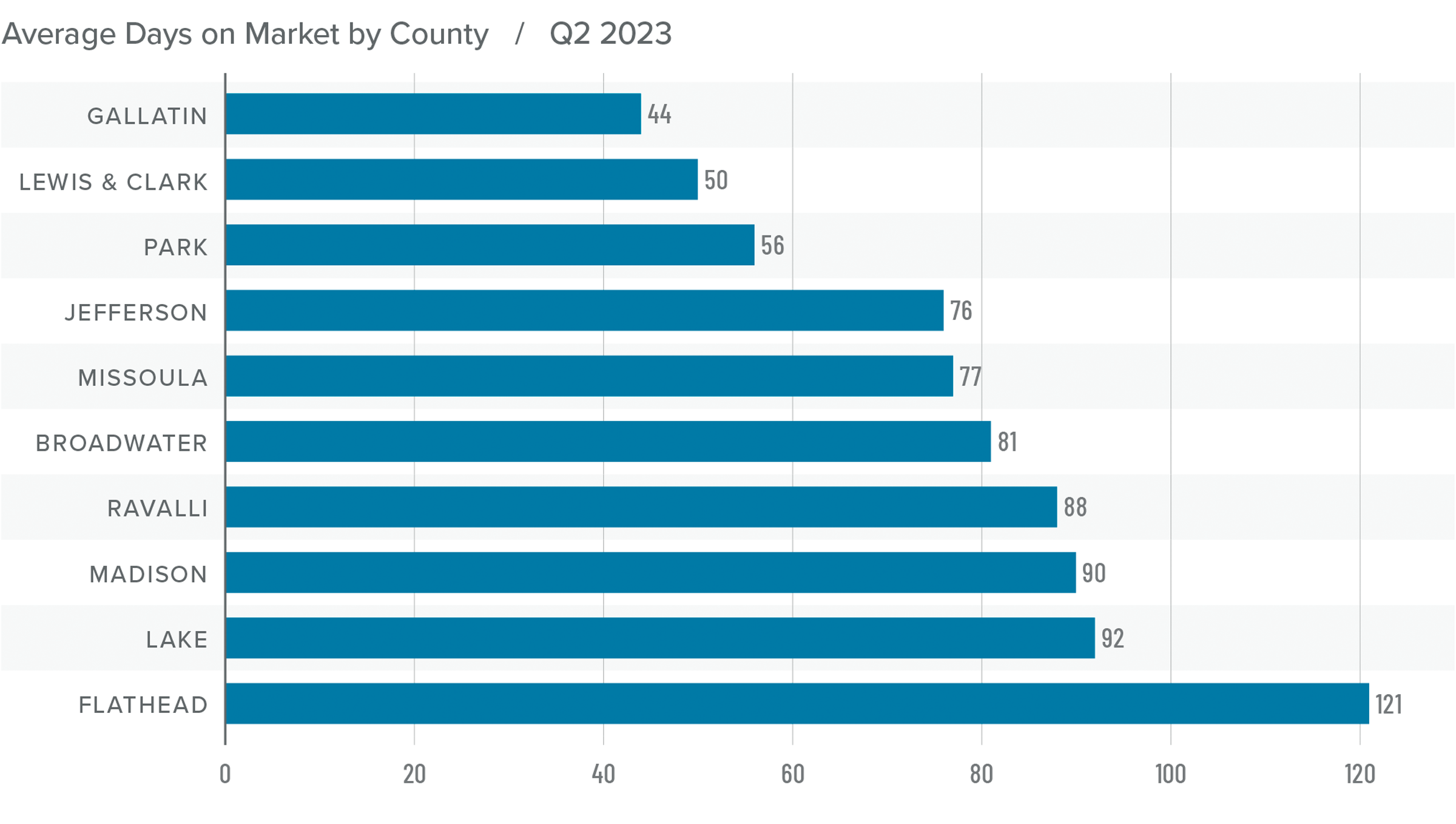
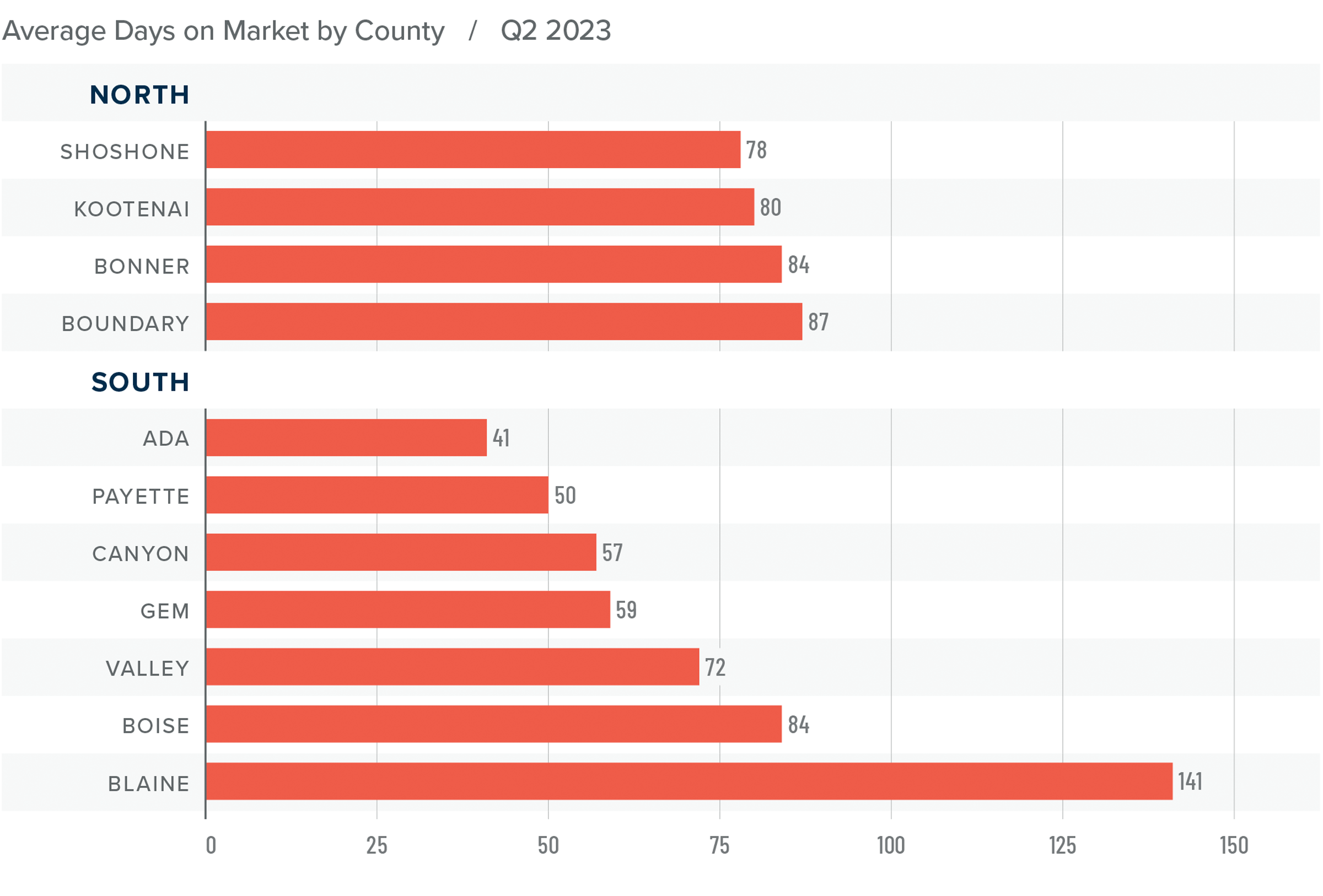
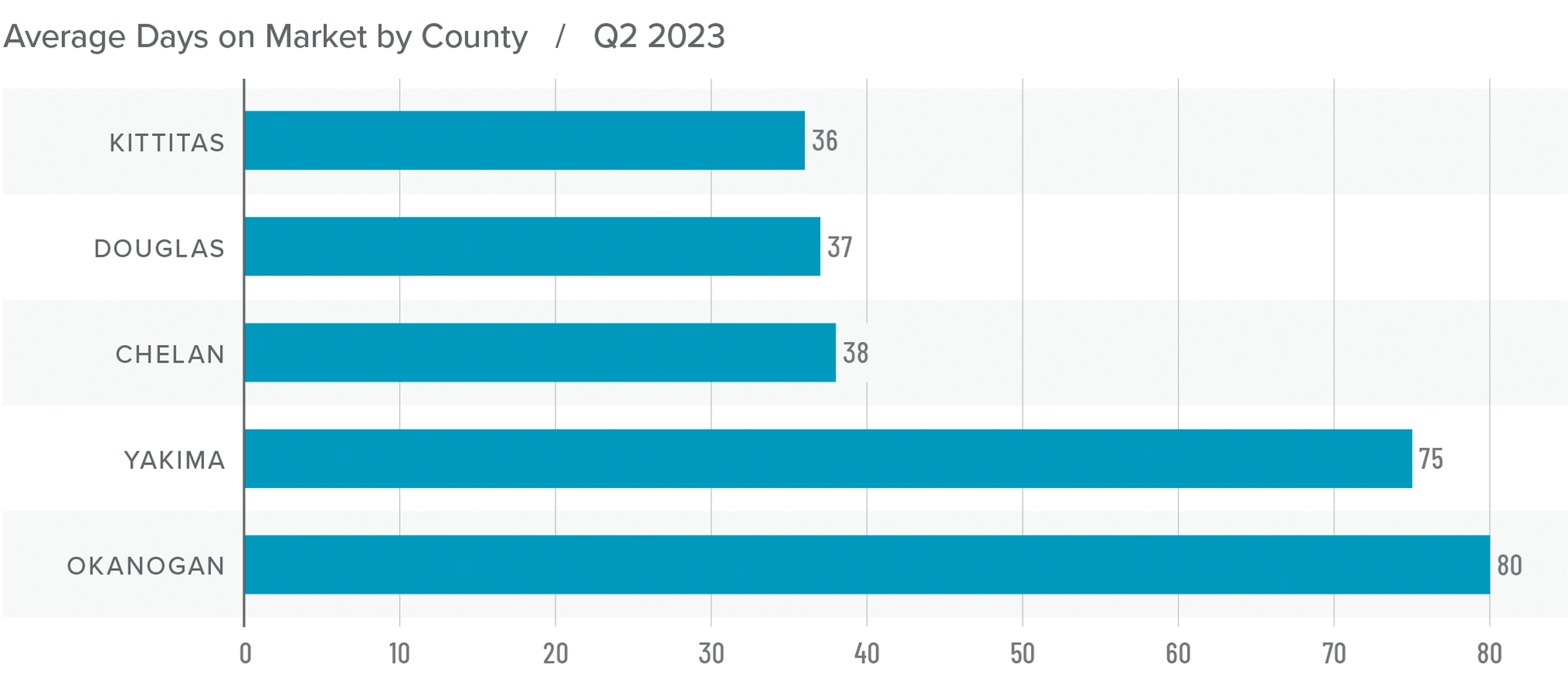
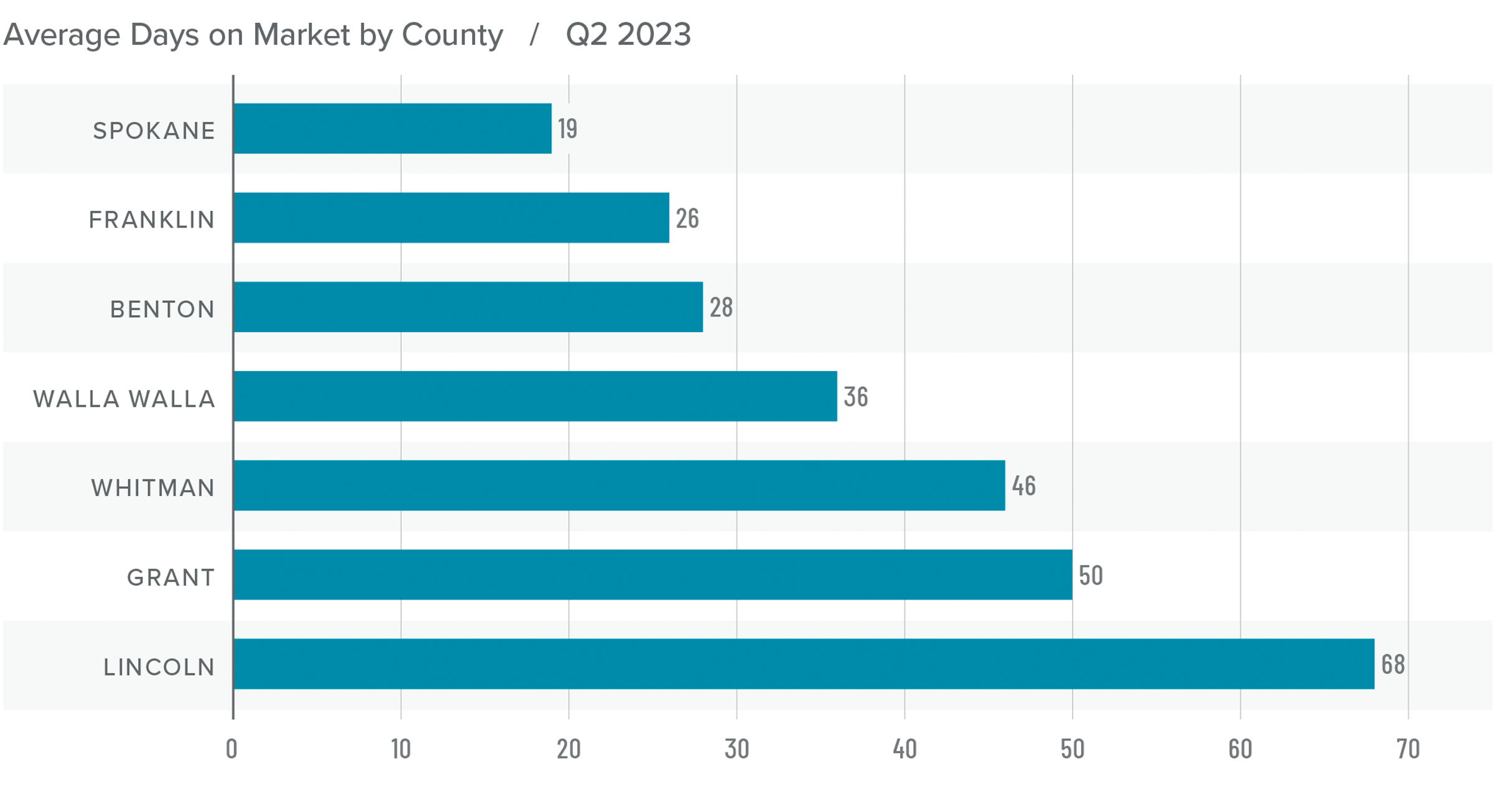
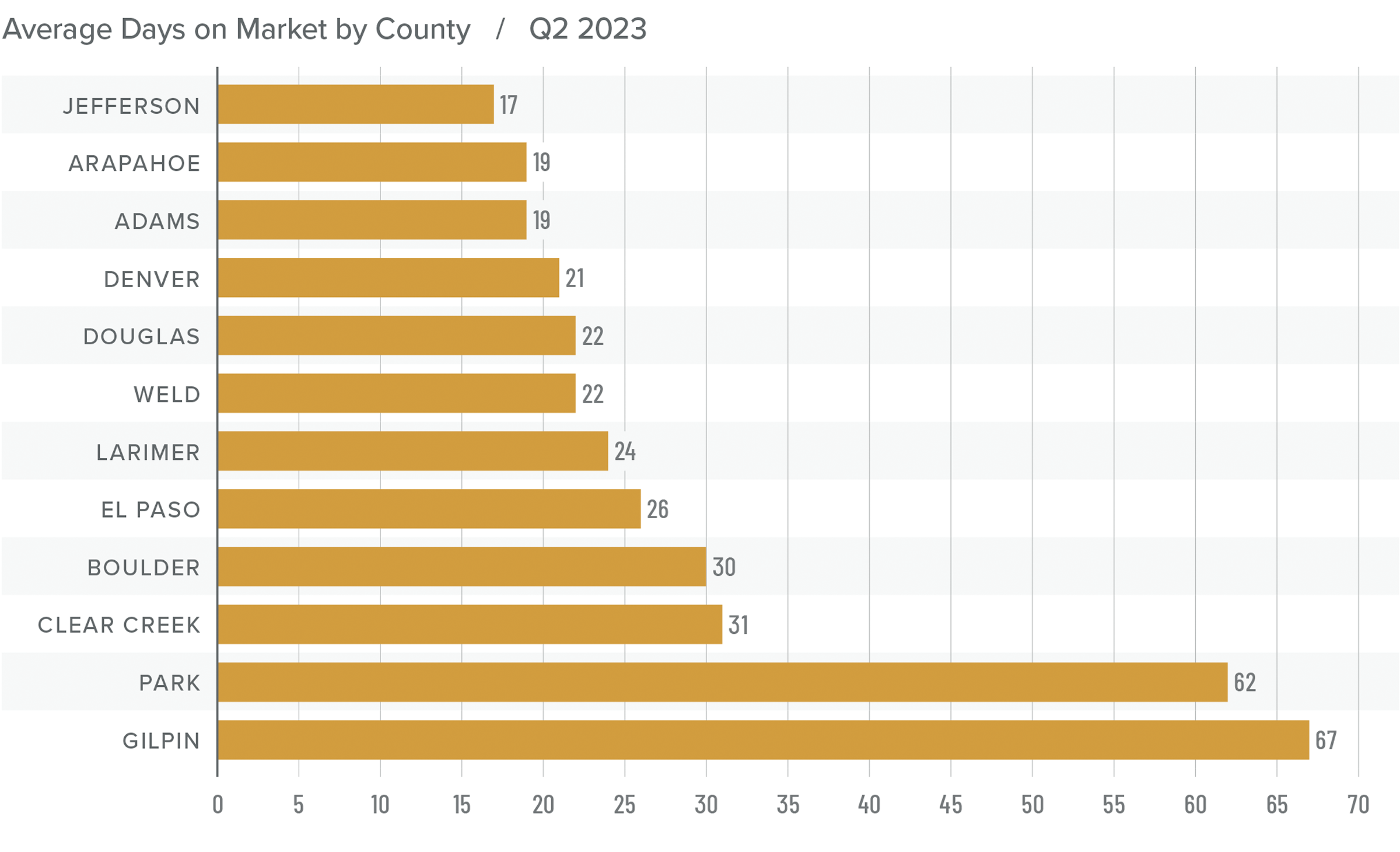
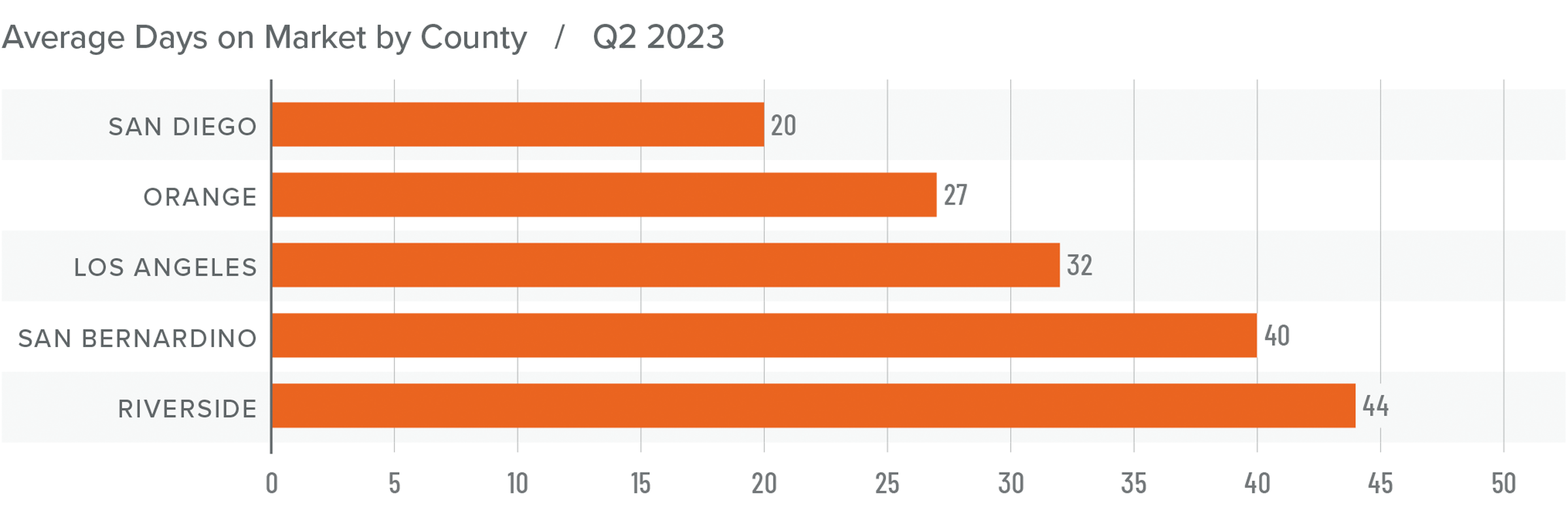
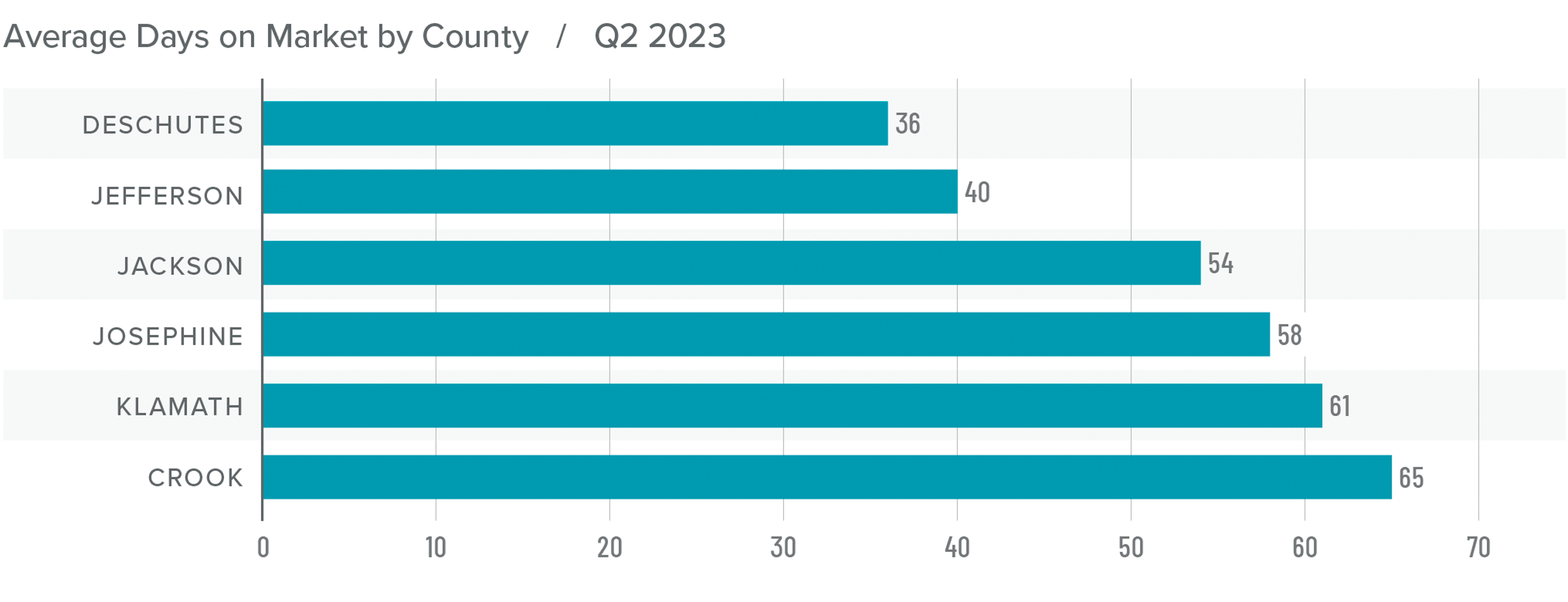
A bar graph showing the days on market by county for homes in Central and Southern Oregon in Q2 2023. Deschutes County had the lowest DOM at 36, while Crook had the highest at 65.

Conclusions

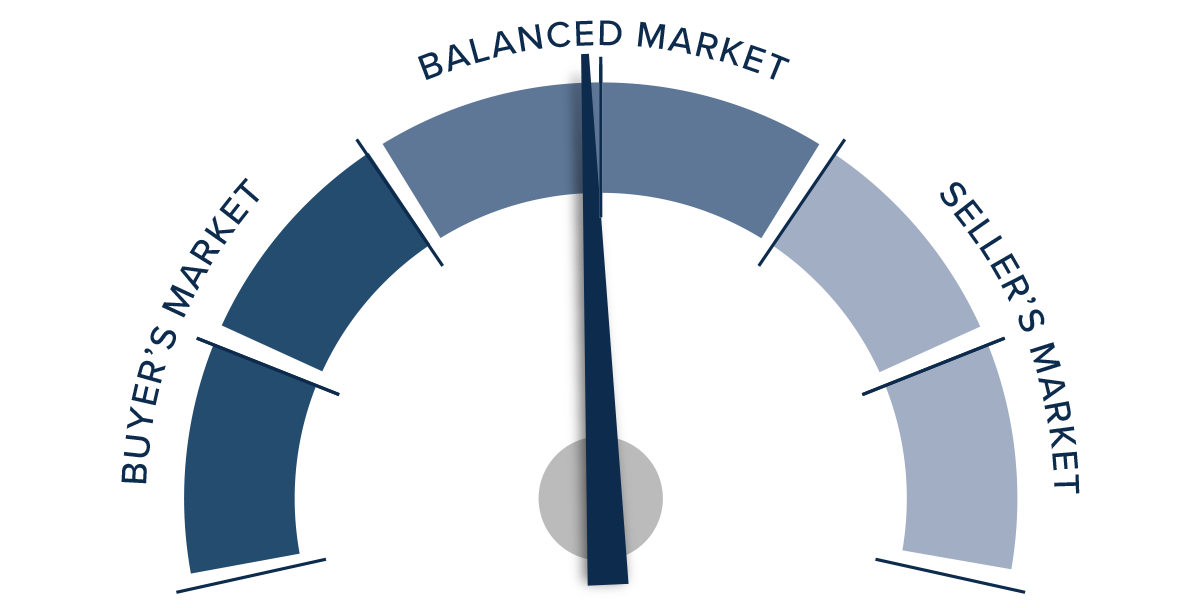
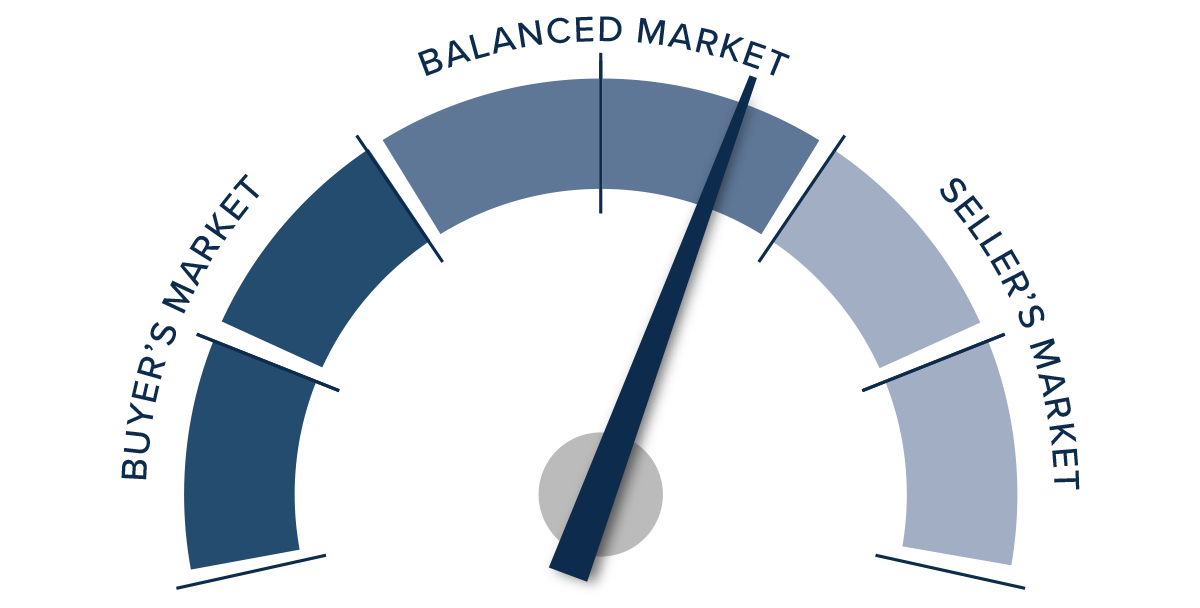
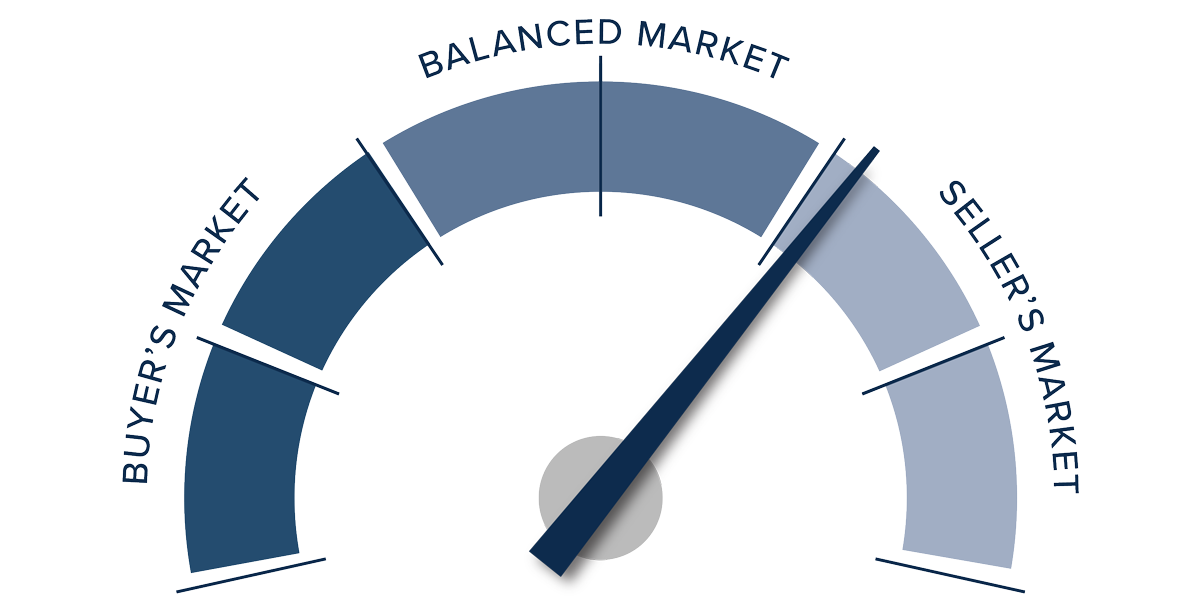
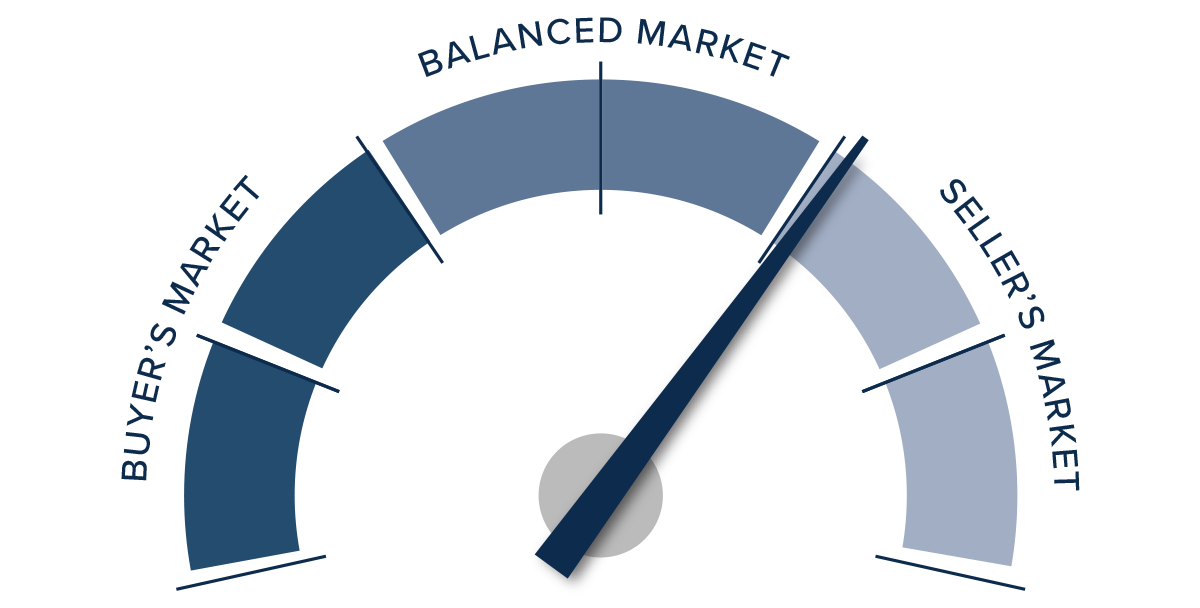
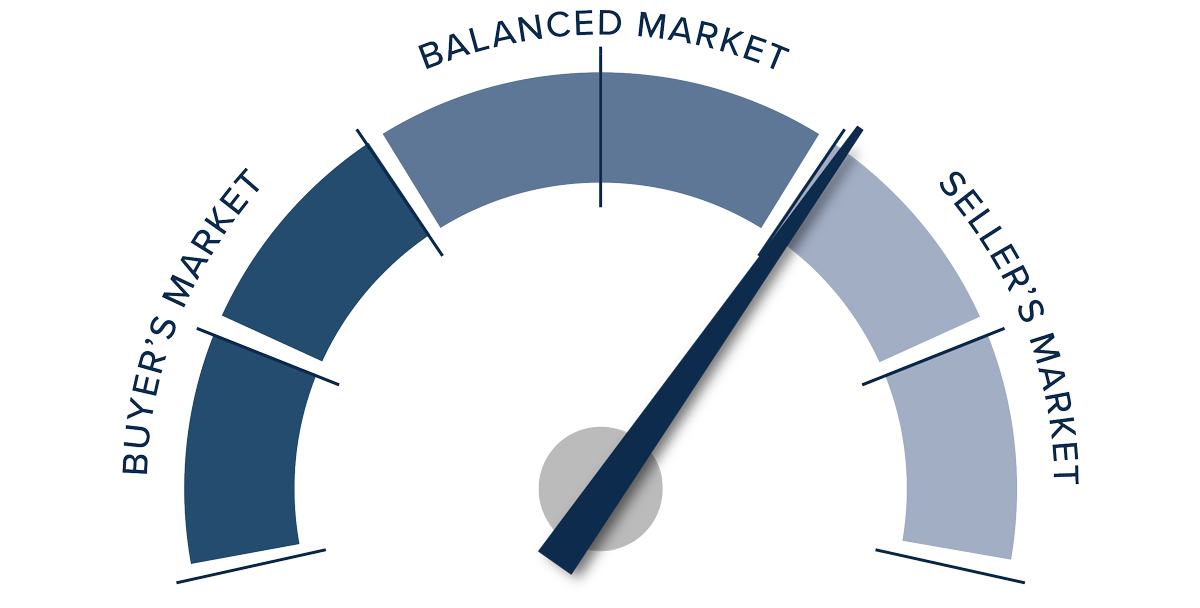
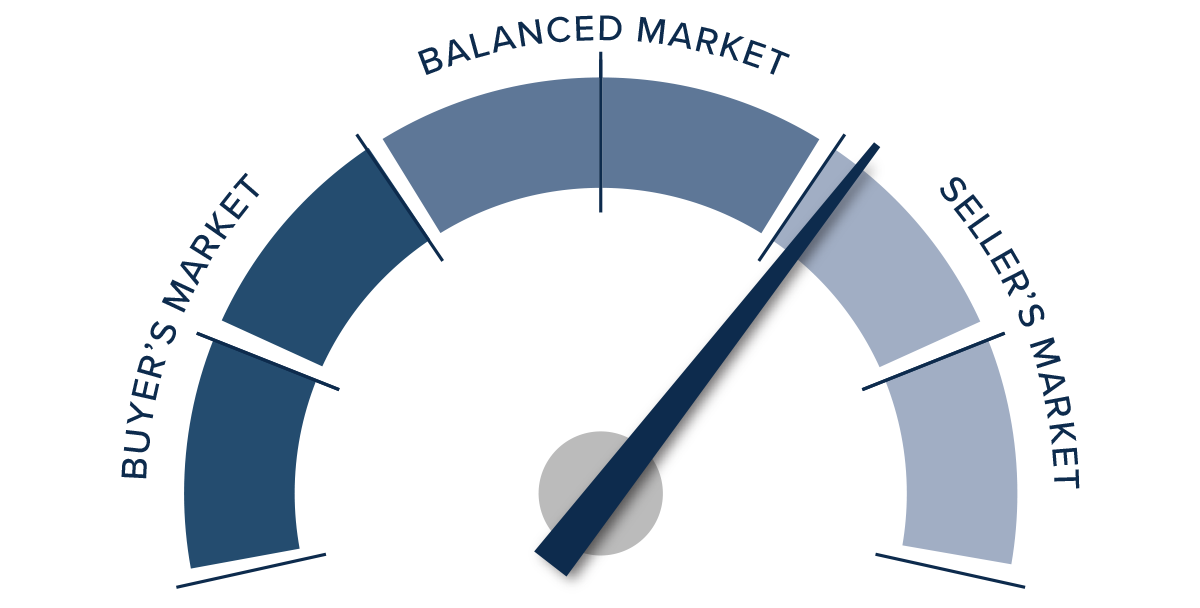
This speedometer reflects the state of the region’s real estate market using housing inventory, price gains, home sales, interest rates, and larger economic factors.

Rising sales and home prices, shorter market time, and higher list prices suggest that the tide may have turned, especially following the very unimpressive data we saw in the first quarter of the year. With an uptick in inventory, I was happy to see sales rise even when faced with higher mortgage rates. The question going forward will be whether or not home prices will continue to increase with higher financing costs in place.

A speedometer graph indicating a seller's market leaning toward a balanced market in Central and Southern Oregon for Q2 2023.

For the time being, it appears as if sellers have the upper hand. As such, I have moved the needle to show a market that is in their favor, but certainly not as much as it was in 2021 and early 2022.

About Matthew Gardner

Matthew Gardner - Chief Economist for Windermere Real Estate

As Chief Economist for Windermere Real Estate, Matthew Gardner is responsible for analyzing and interpreting economic data and its impact on the real estate market on both a local and national level. Matthew has over 30 years of professional experience both in the U.S. and U.K.

In addition to his day-to-day responsibilities, Matthew sits on the Washington State Governors Council of Economic Advisors; chairs the Board of Trustees at the Washington Center for Real Estate Research at the University of Washington; and is an Advisory Board Member at the Runstad Center for Real Estate Studies at the University of Washington where he also lectures in real estate economics.

Market News July 28, 2023

Q2 2023 Northwest Oregon and Southwest Washington Real Estate Market Update

The following analysis of select counties of the Northwest Oregon and Southwest Washington real estate market is provided by Windermere Real Estate Chief Economist Matthew Gardner. We hope that this information may assist you with making better-informed real estate decisions. For further information about the housing market in your area, please don’t hesitate to contact your Windermere Real Estate agent.


Regional Economic Overview

Employment in the Oregon counties covered by this report continues to expand, though the pace of growth is slowing. As it stands, employment levels are still down 20,220 jobs from the 2020 pre-COVID peak. Over the last 12 months, employers added 15,990 new jobs, representing an annual growth rate of 1.1%. Unemployment in the region continues to improve. The 3.5% jobless rate we saw in the second quarter was marginally lower than the 3.6% rate during the second quarter of 2022. In the Southwest Washington market areas, the pace of job gains is also slowing, but the area added 6,719 jobs over the past year for an annual growth rate of 2.9%. Unemployment was 3.6%, which is an improvement from the first quarter, as the area saw its labor force fall modestly.

Northwest Oregon and Southwest Washington Home Sales

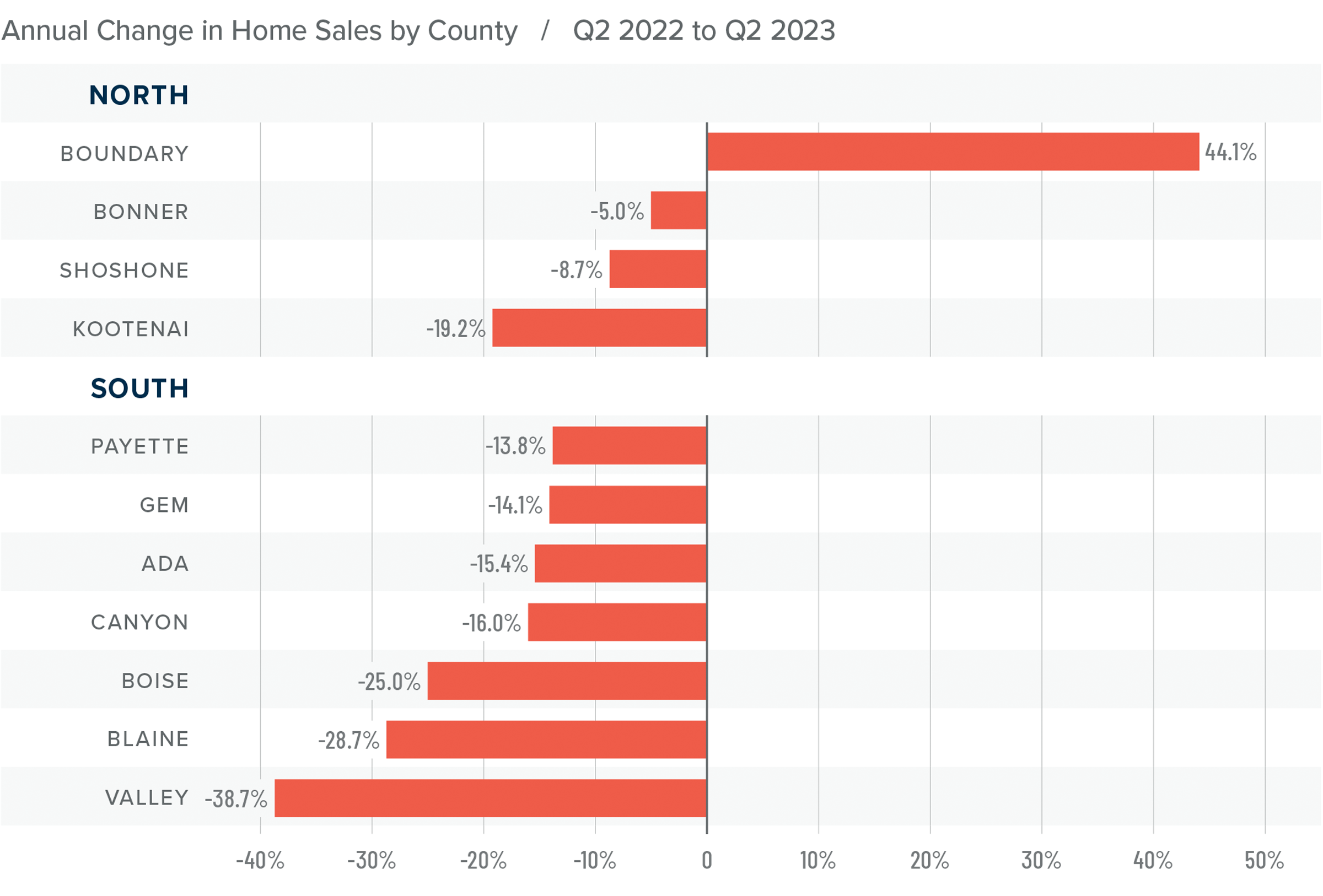
In the second quarter of 2023, 10,286 homes sold. Although this was down 32.6% from the same period in 2022, sales were 37.3% higher than in the first quarter of the year.

Higher sales can be attributed to an increase in the number of homes for sale. What was of particular interest was that sales managed to grow significantly even in the face of higher mortgage rates.

Sales fell in every county compared to the same period in 2022, but all markets had more sales compared to the first quarter of 2023.

It appears as if demand still exceeds supply, even with growing inventory levels in most markets.

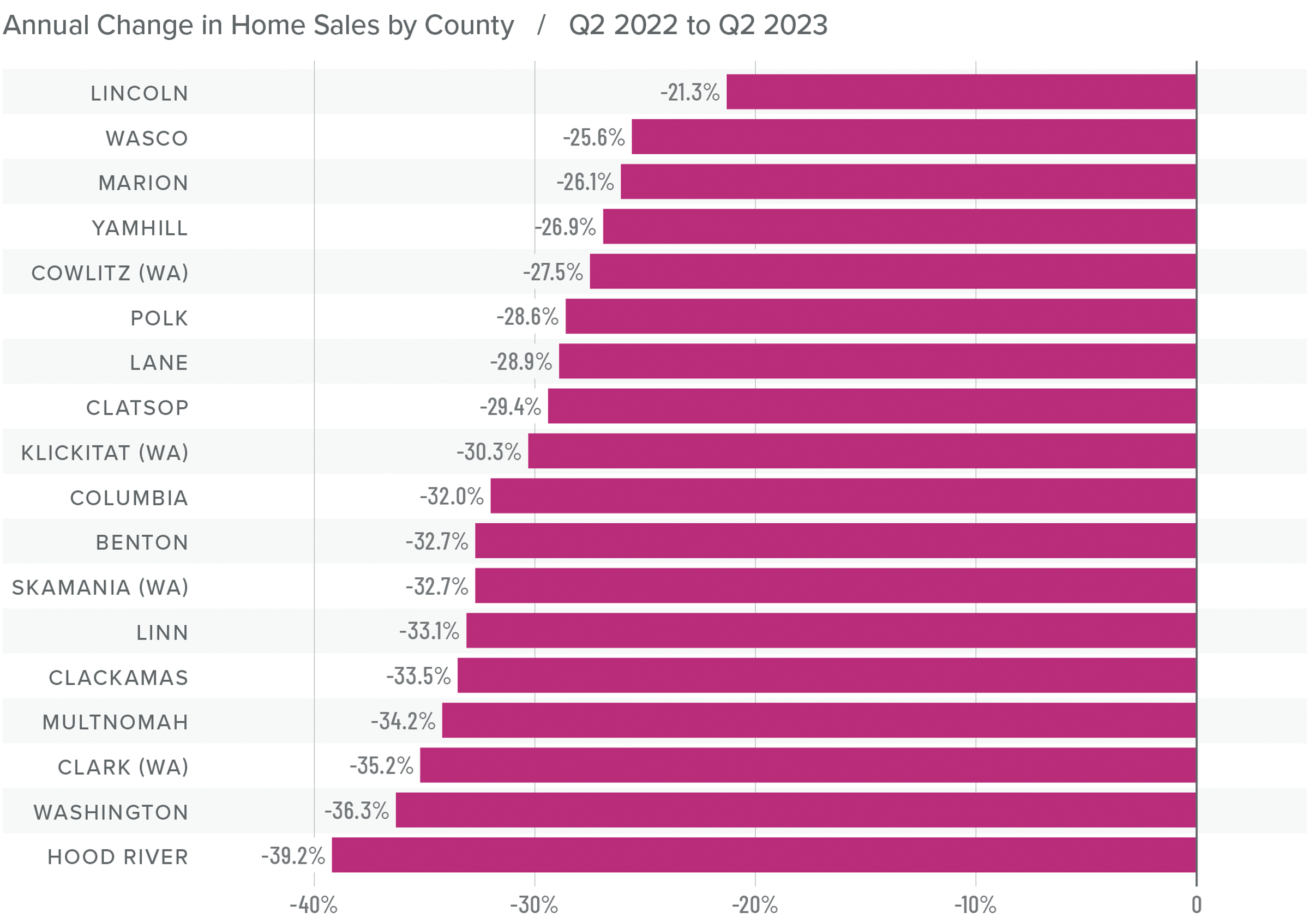
A graph showing the annual change in home sales by county for Northwest Oregon and Southwest Washington from Q2 2022 to Q2 2023. Lincoln had the least drastic change at -21.3%, while Hood River had the most largest change at -39.2%. Counties like Clatsop and Columbia were in the middle at around -30%, while Washington County had the second largest change at -36.3%.

Northwest Oregon and Southwest Washington Home Prices

The average sale price in the region fell 3.7% year over year, but there was a profound spring bump. Prices in the second quarter were 8.4% higher than in the first quarter of this year.

On average, median list prices rose 7% compared to the first quarter of this year, suggesting that home sellers are feeling confident about the market.

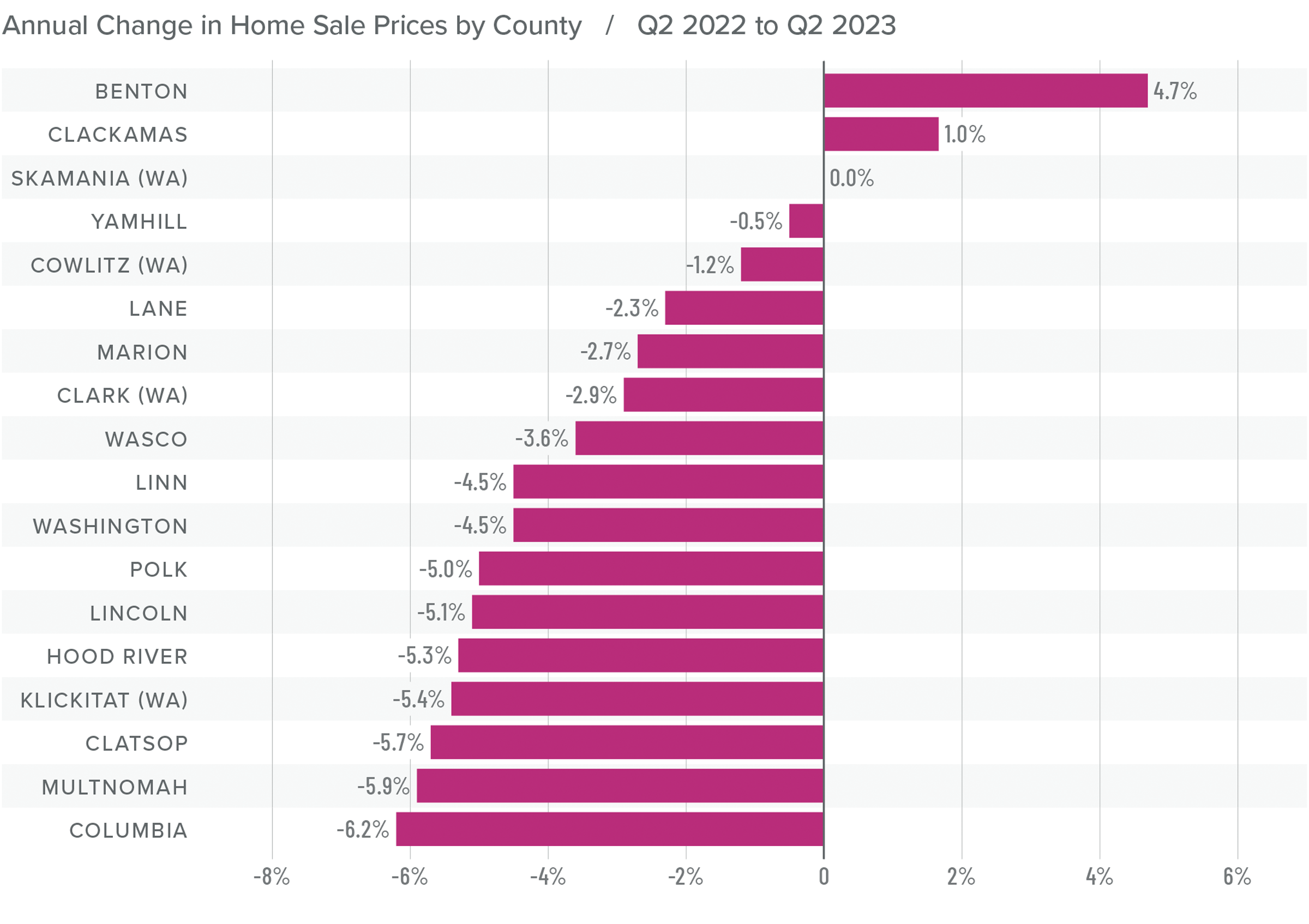
All but three counties saw average sale prices fall compared to the second quarter of 2022. Every county other than Clatsop, Linn, Marion, and Skamania saw prices rise compared to the first quarter of this year.

I expect home prices to rise as we move through the second half of the year, but mortgage rates will dictate the pace of growth.

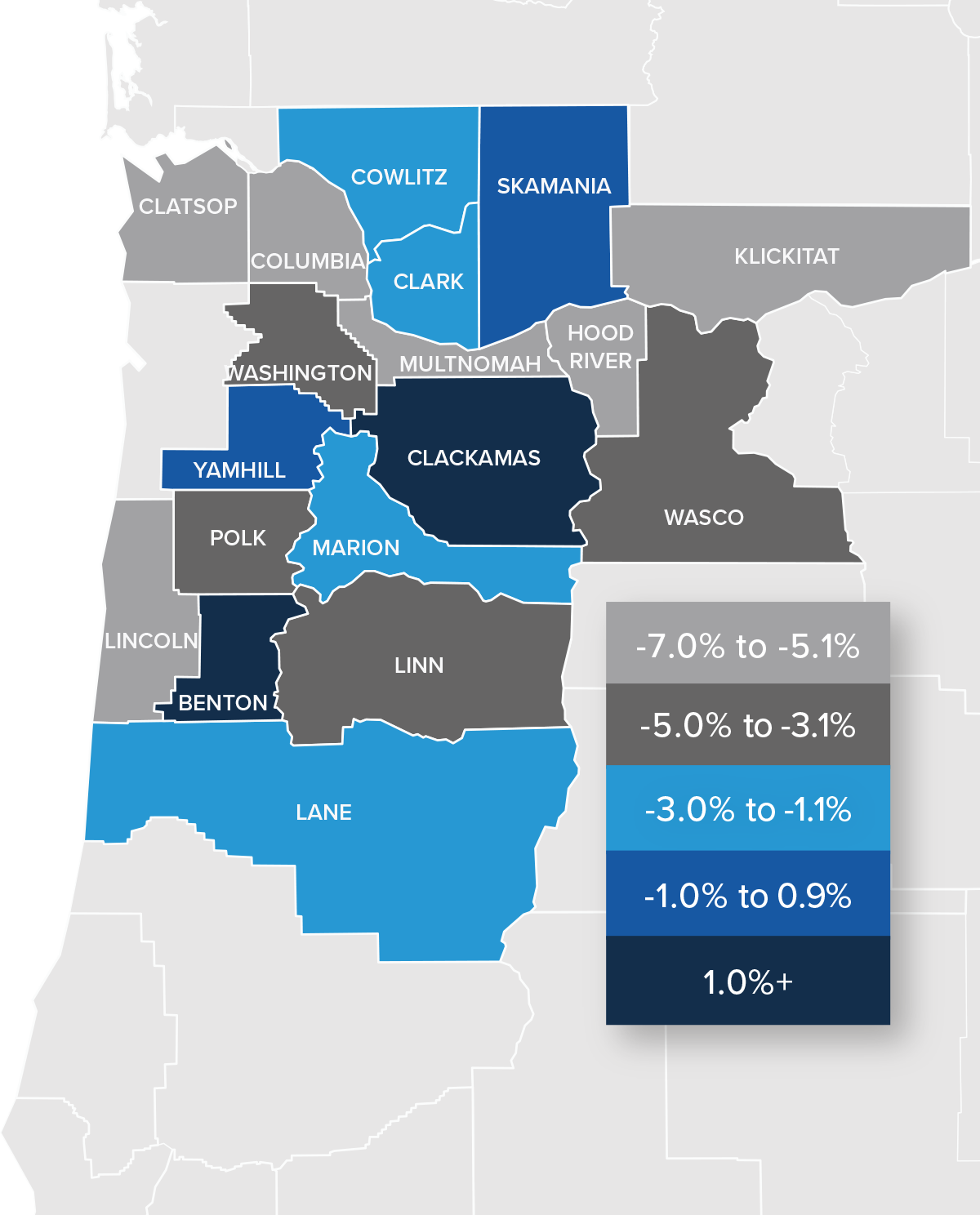
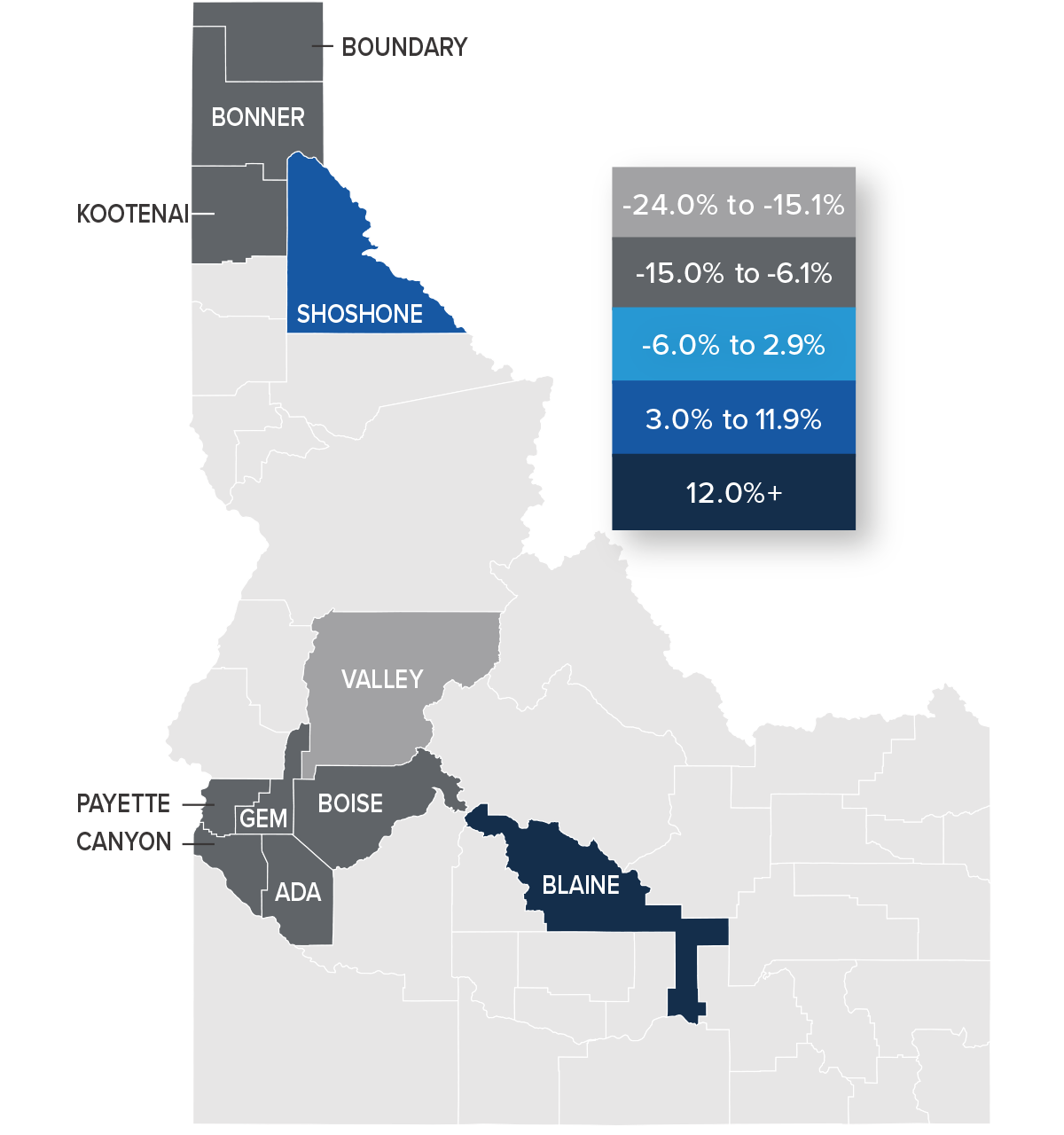
A map showing the real estate home prices percentage changes for various counties in Northwest Oregon and Southwest Washington. Different colors correspond to different tiers of percentage change. Clatsop, Columbia, Klickitat, Multnomah, Hood River, and Lincoln counties have a percentage change in the -7% to -5.1% range. Wasco, Washington, Polk, and Linn are in the -5% to -3.1% change range. Cowlitz, Clark, Marion, and Lane are in the -3% to -1.1% change range. Yamhill and Skamania are in the -1% to 0.9% change range. Benton and Clackamas counties were in the 1%+ change range.

A bar graph showing the annual change in home sale prices by county in Northwest Oregon and Southwest Washington from Q2 2022 to Q2 2023. Bento County tops the list at 4.7%, while Columbia County had the greatest decline at -6.2%. Wasco and Washington were toward the middle at around -4%, while Multnomah County had the second greatest decline at -5.9%.

Mortgage Rates

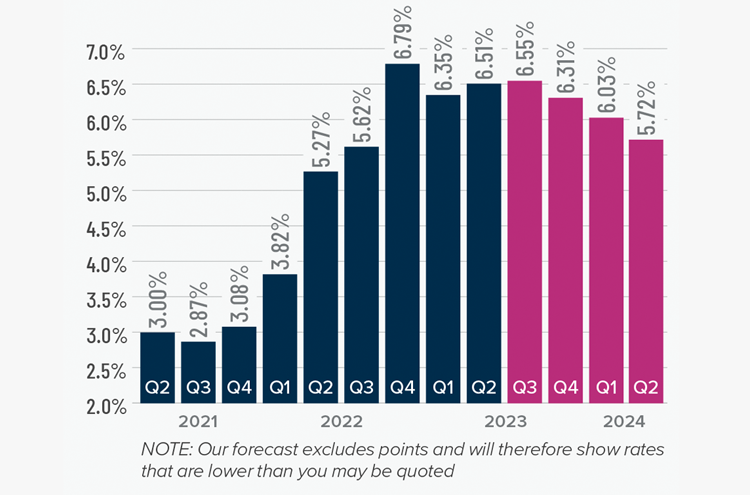
Although they were less erratic than the first quarter, mortgage rates unfortunately trended higher and ended the quarter above 7%. This was due to the short debt ceiling impasse, as well as several economic datasets that suggested the U.S. economy was not slowing at the speed required by the Federal Reserve.

While the June employment report showed fewer jobs created than earlier in the year, as well as downward revisions to prior gains, inflation has not sufficiently slowed. Until it does, rates cannot start to trend consistently lower. With the economy not slowing as fast as expected, I have adjusted my forecast: Rates will hold at current levels in third quarter and then start to trend lower through the fall. Although there are sure to be occasional spikes, my model now shows the 30-year fixed rate breaking below 6% next spring.

A bar graph showing the mortgage rates from Q2 2021 to the present, as well as Matthew Gardner's forecasted mortgage rates through Q2 2024. After the 6.79% figure in Q4 2022, 6.35% in Q1 2023, and 6.51% in Q2 2023, he forecasts mortgage rates going to 6.55% in Q3 2023, 6.31% in Q4 2023, 6.03% in Q1 2024, and 5.72% in Q2 2024.

Northwest Oregon and Southwest Washington Days on Market

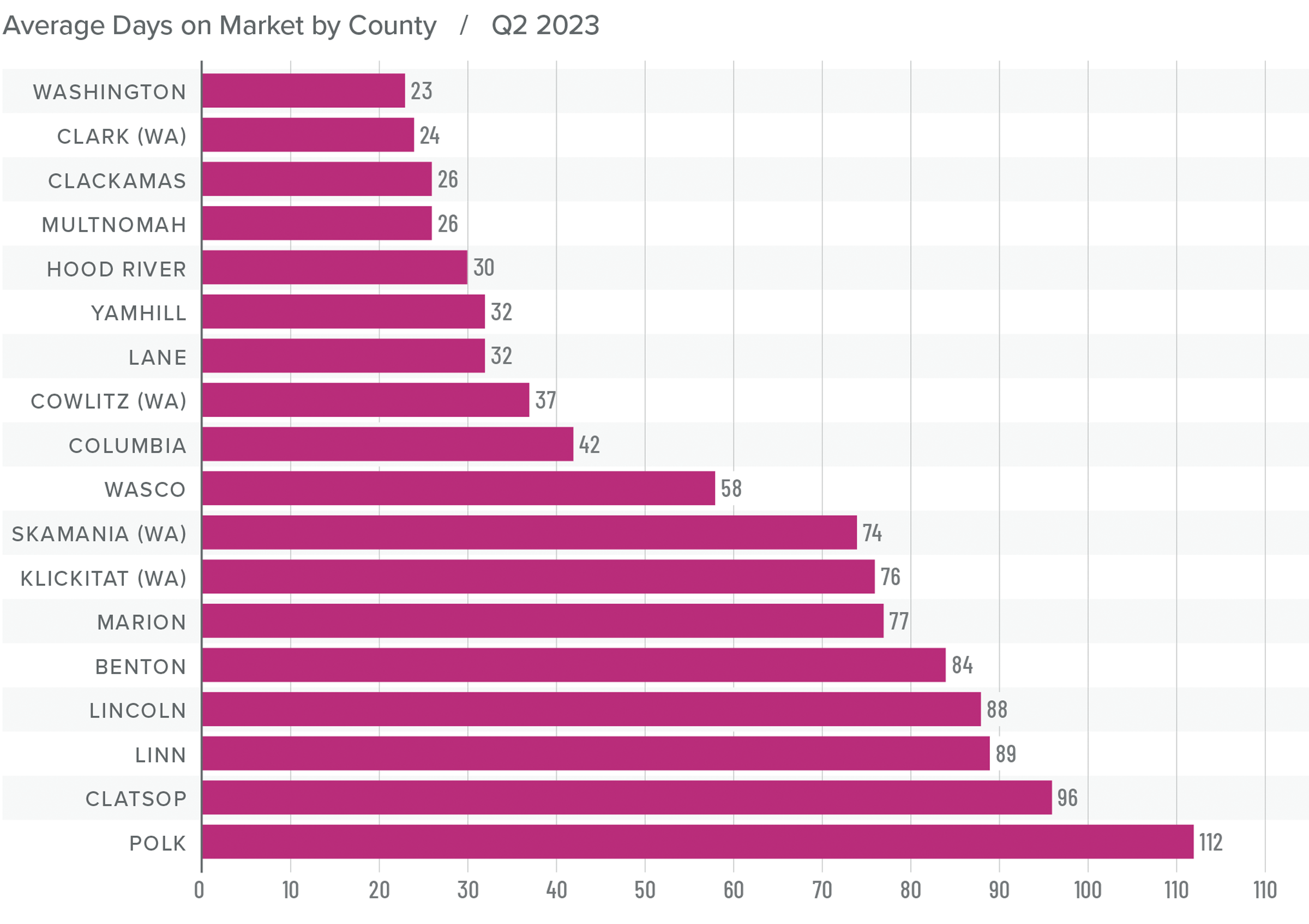
The average time it took to sell a home in the region rose 20 days compared to the same period in 2022. It took 14 fewer days for a home to sell compared to the first quarter of 2023.

The average time it took to sell a home in the second quarter of 2023 was 57 days.

All counties in this report except Benton saw days on market rise compared to the same period in 2022. Compared to the first quarter of 2023, market time fell in all counties except Clatsop, Polk, and Skamania.

The market appears to be shrugging off higher financing costs and is taking advantage of the modest growth in inventory.

A bar graph showing the days on market by county for homes in Northwest Oregon and Southwest Washington in Q2 2023. Washington County had the lowest DOM at 23, while Polk had the highest at 112. Columbia and Wasco counties were in the middle at around 50, while Clark County had the second lowest DOM at 24.

Conclusions

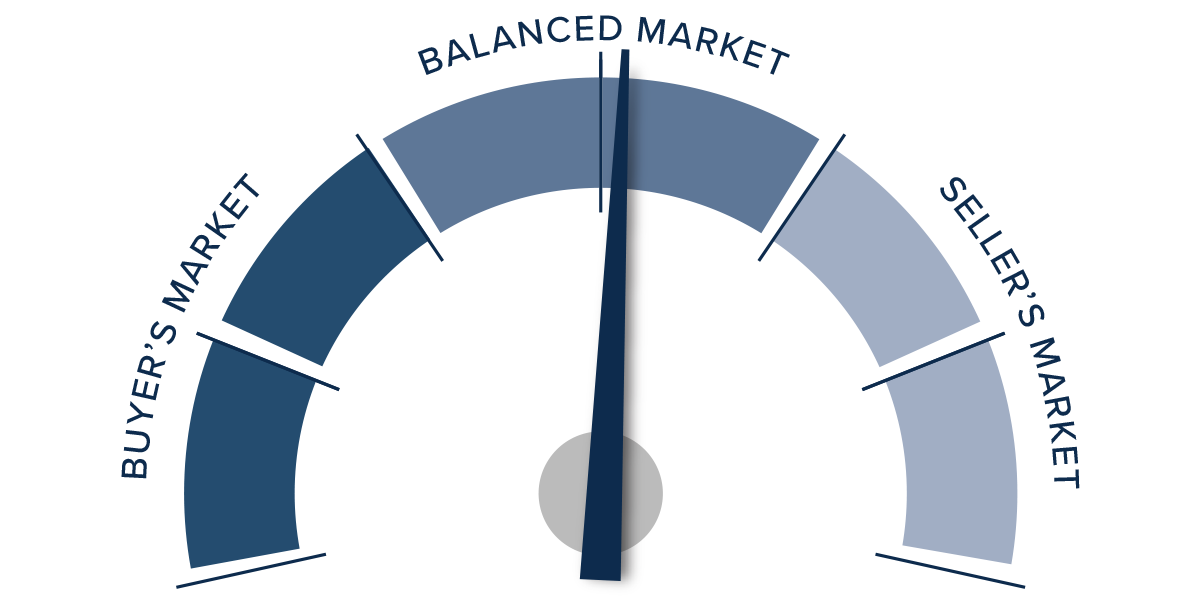
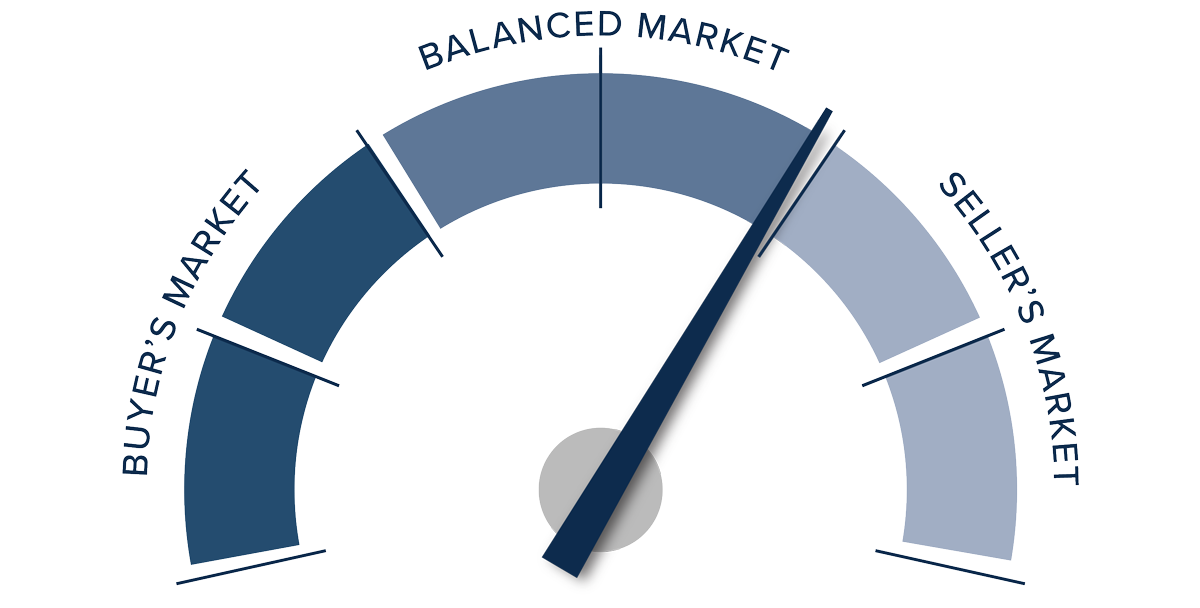
This speedometer reflects the state of the region’s real estate market using housing inventory, price gains, home sales, interest rates, and larger economic factors.

Rising list prices, home prices, and sales all point to a market that favors home sellers. Although one quarter of growth could be an anomaly, I do not believe this to be the case here.

A speedometer graph indicating a balanced market leaning toward a seller's market in Northwest Oregon and Southwest Washington for Q2 2023.

In the first quarter Gardner Report, I gave the advantage to home buyers, but I also stated that I could easily see the market returning to one that favors sellers as we approached the summer months. This appears to be the case. As such, I have moved the needle to favor home sellers again.

About Matthew Gardner

Matthew Gardner - Chief Economist for Windermere Real Estate

As Chief Economist for Windermere Real Estate, Matthew Gardner is responsible for analyzing and interpreting economic data and its impact on the real estate market on both a local and national level. Matthew has over 30 years of professional experience both in the U.S. and U.K.

In addition to his day-to-day responsibilities, Matthew sits on the Washington State Governors Council of Economic Advisors; chairs the Board of Trustees at the Washington Center for Real Estate Research at the University of Washington; and is an Advisory Board Member at the Runstad Center for Real Estate Studies at the University of Washington where he also lectures in real estate economics.
Market News July 27, 2023

Q2 2023 Western Washington Real Estate Market Update

The following analysis of select counties of the Western Washington real estate market is provided by Windermere Real Estate Chief Economist Matthew Gardner. We hope that this information may assist you with making better-informed real estate decisions. For further information about the housing market in your area, please don’t hesitate to contact your Windermere Real Estate agent.


Regional Economic Overview

As discussed in the first quarter Gardner Report, job growth continues to slow. Even though Western Washington added 54,391 new jobs over the past 12 months, which represented a decent growth rate of 2.3%, the slowdown in the creation of new jobs is palpable. The regional unemployment rate in May was 3.7%, which is marginally above the 3.4% of a year ago. As we enter the summer months, I have started to ponder the economic outlook for the balance of this year as well as looking ahead to 2024. Although many are still suggesting a looming recession, I remain unconvinced. However, if enough people expect to see an economic contraction, it can become a self-fulfilling prophecy, which has happened in the past!

Western Washington Home Sales

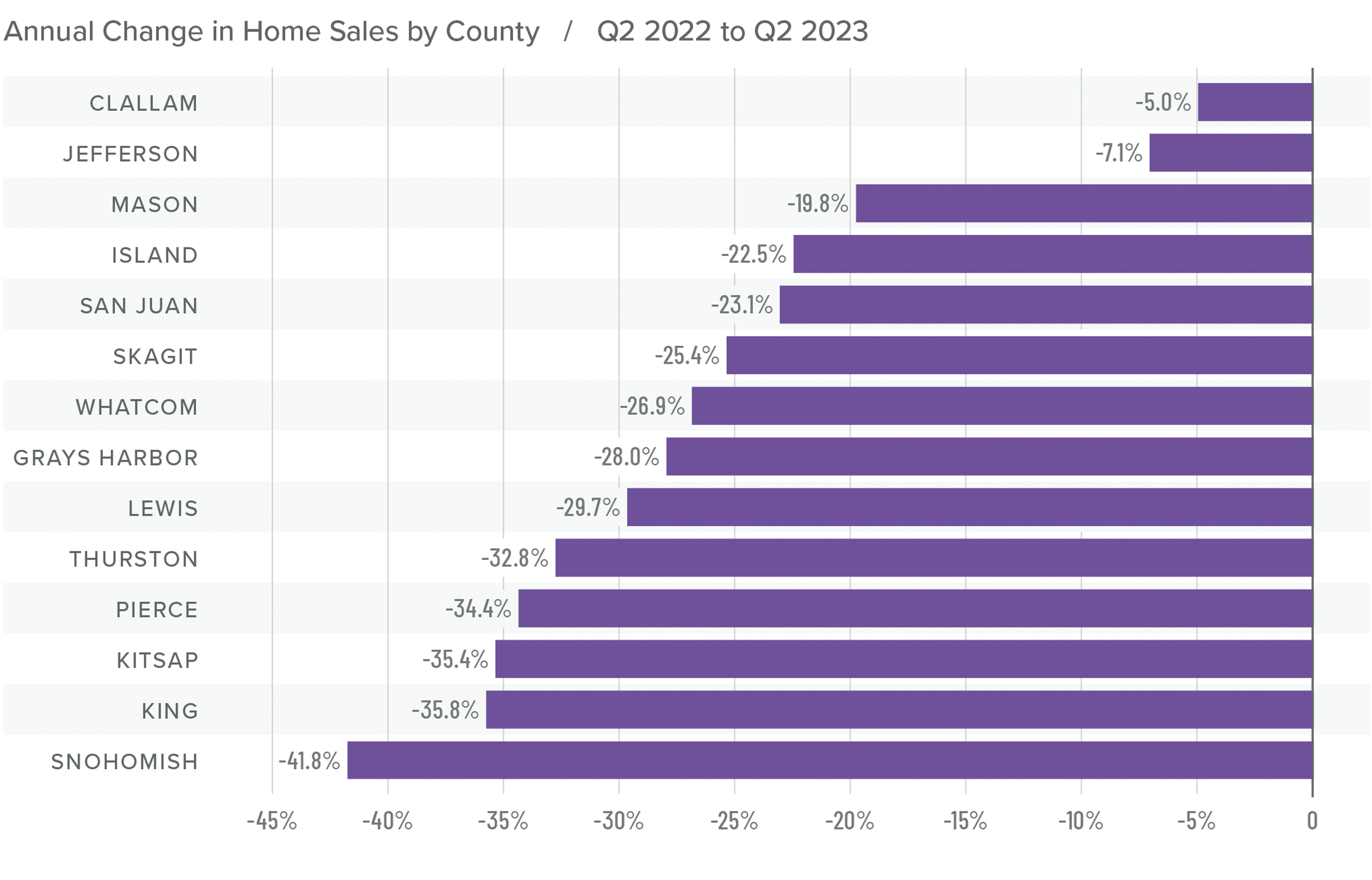
In the second quarter of 2023, 14,997 homes sold. This was down 34.4% from the second quarter of 2022, but up 43.8% from the first quarter of 2023.

The growth in quarter-over-quarter sales was due to the 21.7% increase in the number of homes for sale. While this is positive, it should be noted that inventory levels in the quarter were still 16% lower than a year ago.

Sales fell across the board compared to the same quarter in 2022 but were up in all markets compared to the first quarter of 2023.

Pending sales rose in all counties compared to the first quarter of this year, suggesting that sales in the upcoming quarter may show further improvement.

A graph showing the annual change in home sales by county for Western Washington from Q2 2022 to Q2 2023. Clallam had the lowest change at -5%, while Snohomish had the highest at 41.8%. Counties like Whatcom and Grays Harbor were in the middle at around 28%, while King county had the second largest change at -35.8%.

Western Washington Home Prices

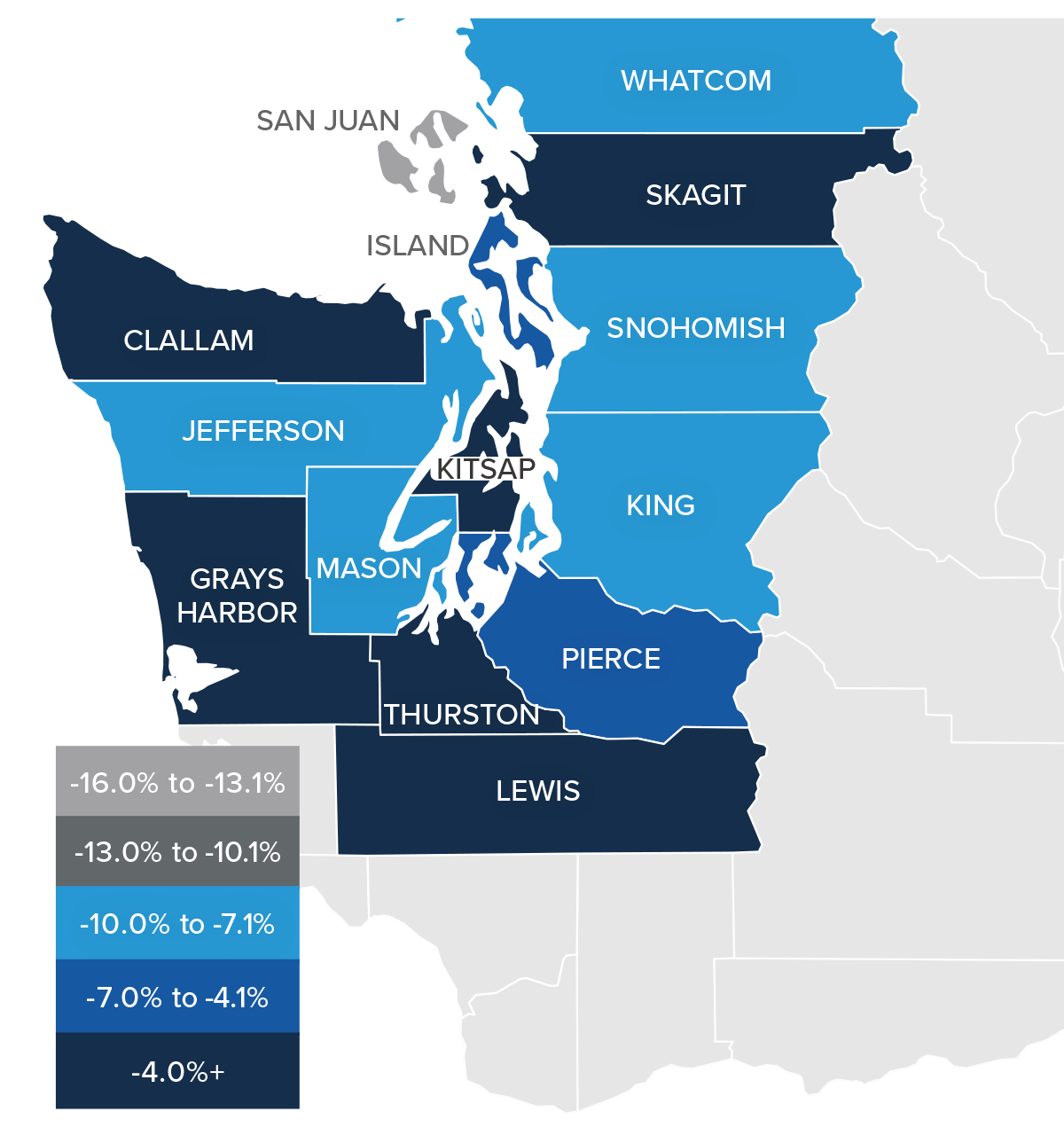
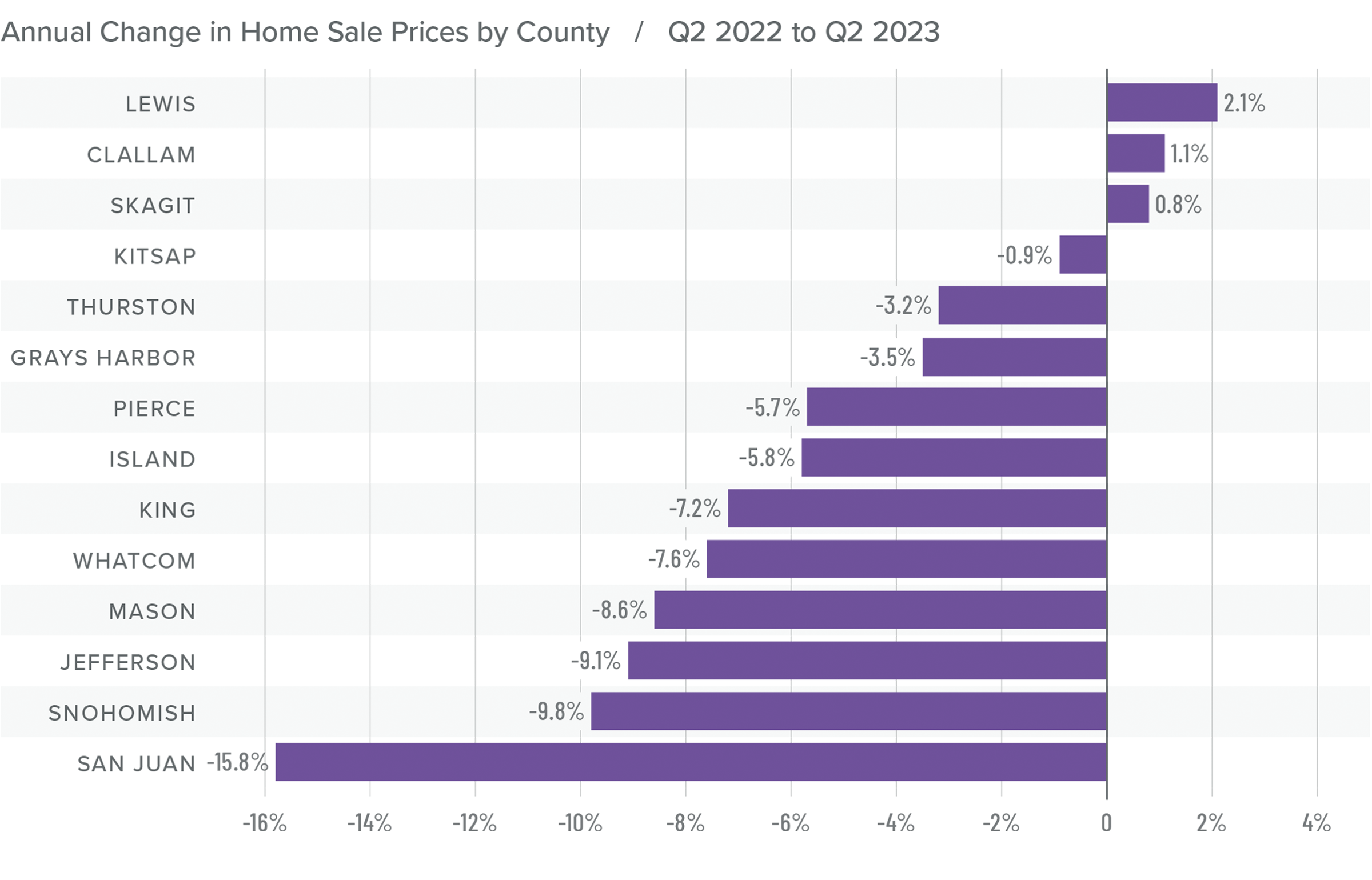
Sale prices fell an average of 7.6% compared to the second quarter of 2022 but were 11.7% higher than in the first quarter of this year. The average home sale price was $773,343.

Compared to the first quarter of this year, sale prices were higher in all counties except San Juan, which, as a small island county, is notorious for its extreme price swings.

The year-over-year drop in sale prices was not a surprise given that the market was peaking due to rapidly rising mortgage rates. That said, prices in Lewis, Clallam, and Skagit counties exceeded those of a year ago.

It was interesting to see list prices rising in all markets compared to the first quarter of the year. Even though inventory levels have risen, sellers still believe that they are in the driver’s seat.

A map showing the real estate home prices percentage changes for various counties in Western Washington. Different colors correspond to different tiers of percentage change. San Juan County has a percentage change in the -16% to -13.1% range, Whatcom, Snohomish, King, Mason, and Jefferson are in the -10% to -7.1% change range, Pierce is in the -7% to -4.1% change range, and Lewis, Skagit, Clallam, Grays Harbor, Kitsap, and Thurston are in the -4%+ change range.

A bar graph showing the annual change in home sale prices by county in Western Washington from Q2 2022 to Q2 2023. Lewis County tops the list at 2.1%, while San Juan county had the greatest decline at -15.8%. Pierce and King County were toward the middle at around 7%, while Snohomish County had the second greatest decline at -9.8%.

Mortgage Rates

Although they were less erratic than the first quarter, mortgage rates unfortunately trended higher and ended the quarter above 7%. This was due to the short debt ceiling impasse, as well as several economic datasets that suggested the U.S. economy was not slowing at the speed required by the Federal Reserve.

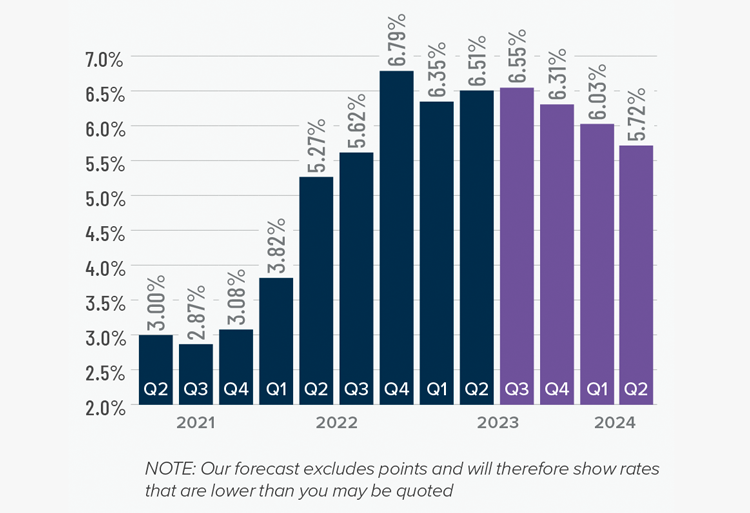
While the June employment report showed fewer jobs created than earlier in the year, as well as downward revisions to prior gains, inflation has not sufficiently slowed. Until it does, rates cannot start to trend consistently lower. With the economy not slowing as fast as expected, I have adjusted my forecast: Rates will hold at current levels in third quarter and then start to trend lower through the fall. Although there are sure to be occasional spikes, my model now shows the 30-year fixed rate breaking below 6% next spring.

A bar graph showing the mortgage rates from Q2 2021 to the present, as well as Matthew Gardner's forecasted mortgage rates through Q2 2024. After the 6.79% figure in Q4 2022, 6.35% in Q1 2023, and 6.51% in Q2 2023, he forecasts mortgage rates going to 6.55% in Q3 2023, 6.31% in Q4 2023, 6.03% in Q1 2024, and 5.72% in Q2 2024.

Western Washington Days on Market

It took an average of 35 days for homes to sell in the second quarter. This was 20 more days than in the same quarter of 2022, but 21 fewer days compared to the first quarter of this year.

Snohomish County became the tightest market in Western Washington, with homes taking an average of only 18 days to sell. Homes for sale in San Juan County took the longest time to sell at 81 days.

All counties contained in this report saw average days on market rise from the same period in 2022. Market time fell across the board compared to the prior quarter.

The greatest fall in days on market compared to the first quarter was in Clallam County, where market time fell 31 days. Also of note were Pierce, Thurston, and Whatcom counties, where market time fell 25 days.

A bar graph showing the days on market by county for homes in Western Washington in Q2 2023. Snohomish County had the lowest DOM at 18, while San Juan had the highest at 81. Whatcom, Skagit, and Jefferson counties were in the middle at around 30, while King county had the second lowest DOM at 19.

Conclusions

This speedometer reflects the state of the region’s real estate market using housing inventory, price gains, home sales, interest rates, and larger economic factors.

The increase in listing activity, while pleasing, still leaves the market short of inventory. Even with mortgage rates well above levels we’ve seen over the past few years, demand for homes still exceeds supply. Given that over 86% of homeowners with mortgages have an interest rate below 5% and more than a quarter have a rate at or below 3%, I see little incentive for them to sell if they don’t have to. This tells me that supply levels are unlikely to improve enough to meet demand until rates drop significantly.

A speedometer graph indicating a seller's market leaning toward a balanced market in Western Washington for Q2 2023.

With this supply-demand imbalance, it’s no surprise that prices are rising again following the decline in the second half of 2022. I expect prices to rise modestly as we move through the second half of 2023. Rising list and sale prices, shorter time on market, and higher pending and closed sales all offset higher mortgage rates. Given these factors, I have moved the needle in favor of sellers.

About Matthew Gardner

Matthew Gardner - Chief Economist for Windermere Real Estate

As Chief Economist for Windermere Real Estate, Matthew Gardner is responsible for analyzing and interpreting economic data and its impact on the real estate market on both a local and national level. Matthew has over 30 years of professional experience both in the U.S. and U.K.

In addition to his day-to-day responsibilities, Matthew sits on the Washington State Governors Council of Economic Advisors; chairs the Board of Trustees at the Washington Center for Real Estate Research at the University of Washington; and is an Advisory Board Member at the Runstad Center for Real Estate Studies at the University of Washington where he also lectures in real estate economics.
Market News July 24, 2023

Housing Market 2023: Home Prices, U.S. Demographics, and More

Harvard University’s latest edition of “The State of the Nation’s Housing” has arrived, and Windermere Chief Economist Matthew Gardner is here to break down what the data presented in the report means for the U.S. housing market in 2023 and beyond.

This video is the latest in our Monday with Matthew series with Windermere Chief Economist Matthew Gardner. Each month, he analyzes the most up-to-date U.S. housing data to keep you well-informed about what’s going on in the real estate market.


Housing Market 2023

Hello there, I’m Windermere Real Estate’s Chief Economist Matthew Gardner, and welcome to this month’s episode of Monday with Matthew. I spend a lot of time reading reports that relate to the housing market, but there is one in particular I’m always impatiently waiting for, and it’s published by my colleagues at the Joint Center for Housing Studies at Harvard University. Every year they release the The State of the Nation’s Housing report and it’s packed full of fascinating data about the ownership and rental housing markets, demographics, and it also discusses the challenges that lay ahead. So today, I wanted to touch briefly on just a few of the report’s high points, but I highly recommend you download it from their website.

What’s happening in the housing market?

A double line graph showing home price and apartment rent growth from 2004 to 2023. The year-over-year changes were stable between 2011 and 2020, rising to roughly 20% YOY by 2022 and have declined sharply during the past year. Housing market 2023.


As we all know, the for-sale housing market started softening in mid 2022 in response to rising interest rates and deteri­orating affordability. What was particularly notable was that season­ally adjusted home prices fell month over month last July and that was the first monthly drop in over a decade. And over in the rental market, asking rents—while still up year over year—also saw their pace of growth slow considerably, and that is a concern.

Is home construction slowing down?

A line chart showing the number of single-family homes under construction from 1970 to 2022. After a steady increase from 2010 to 2022, single-family construction has dropped dramatically while multifamily development has remained strong. Housing market 2023.


As you see here, multifamily construction continued to rise last year even as rental demand was softening. In fact, 547,000 new multifamily units were started in 2022, the highest number since the mid-1980s, and the 960,000 units under construction in March 2023 was the highest number seen in half a century. On the ownership side, it wasn’t surprising to see single-family construction falling significantly as buyers reacted to sharply higher borrowing costs.

The report also suggested that the decline in new construction was particularly acute for lower-priced homes. Builders just can’t produce entry-level product with current material, labor, and land costs; limited lot availability; and regulatory barriers such as minimum lot sizes that restrict production of entry-level housing production.

U.S. Population Demographics

A bar graph showing the annual population change in millions from 2011 to 2022. Both the natural population change and net immagration steadily decreased from 2014 to 2021 before rebounding slightly in 2022.


Now turning to demographics. Population growth—naturally the primary long-term driver of household growth—remains historically low. Overall, the U.S. population grew by 1.26 million people last year, or just 0.38%. Now, while this does represent a slight uptick from previous years that’s really not saying much as U.S. population growth hit 100-year lows in 2019, 2020, and 2021.

Increases in a country’s population come in two ways. The first is “natural” growth—which equals the number of persons born minus the number that have died—and the second is via immigration. Now, gains from immigration can be fickle because they are subject to unpredictable government policy changes as well as economic cycles here in the U.S. as well as in other countries. But natural growth is more predict­able because it is driven by slow-moving factors like birth and mortality rates. Until last year, natural growth had been the primary source of population growth in the U.S., but, as you saw in that last chart, things have shifted.

U.S. Population Growth & Migration

A map of the United States showing the counties with the greatest natural growth. There are many in Southern California, a few in western Washington Stage, a cluster in east Texas, and various counties spread throughout the Midwest and East Coast.


This map shows counties with the highest level of natural growth and it’s dominated by large metro markets in California, Texas, Southern Florida and parts of the Northwest. But, what I found very interesting was that the numbers were remarkably low. Only six counties—three in California, two in Texas, and one in New York—saw natural growth above the 10,000 level and 75% of counties across the country saw negative natural growth.


A map of the United States showing the counties with the greatest domestic migration. There are many in Florida and other states along the East Coast. There are several clusters throughout the Mountain West as well as a handful in East Texas.


So with natural growth slowing, states will understand the importance of attracting new residents from other markets as domestic migration will become a more important driver of household growth and housing demand. Here you see that Maricopa County, AZ saw the largest gains from domestic migration but, statewide, Florida dominated last year with 319,000 people moving there. Texas came in second with a net gain of over 230,000 people. But on the other end of the spectrum, California was the biggest loser with net 343,000 people leaving, followed by New York who lost 300,000 residents.


A map of the United States showing the counties with the greatest international migration. There are several counties represented in western Washington State, southern California, southwestern Arizona, and south Florida. There are a few dozen counties scattered throughout the Northeast.


It was international migration that accounted for a full 80% of total growth last year and it was the largest source of total population growth for 26 states and 29% of all counties across the country. The biggest winners were LA County in California, Miami-Dade County in Florida, and Harris County, Texas.

These were just some of the highlights of the report and the biggest conclusions I found were that, in the ownership market, supply will remain tight in the resale arena and new construction will not fill that void, especially as it comes to the entry level product. Housing affordability will not improve. This will continue to be a big issue across the country.

An oversupply of apartments coming online will further moderate rents, but renters will also find affordability to be a big concern. Demographic trends suggest that low domestic population growth going forward will lower new household formations and it’s quite likely that population and household growth will start to rely wholly on immigration earlier than the government expects.

So, there you have it. As always, I’d love to hear your thoughts on this subject so feel free to leave your comments below. Until next month, stay safe out there and I’ll see you soon. Bye now.

To see the latest real estate market data for your area, visit our quarterly Market Updates page.


About Matthew Gardner

As Chief Economist for Windermere Real Estate, Matthew Gardner is responsible for analyzing and interpreting economic data and its impact on the real estate market on both a local and national level. Matthew has over 30 years of professional experience both in the U.S. and U.K.

In addition to his day-to-day responsibilities, Matthew sits on the Washington State Governors Council of Economic Advisors; chairs the Board of Trustees at the Washington Center for Real Estate Research at the University of Washington; and is an Advisory Board Member at the Runstad Center for Real Estate Studies at the University of Washington where he also lectures in real estate economics.
Living July 17, 2023

5 Tips to Organize Your Closet

An untidy closet can clutter your mind. Organize your closet section by section and you’ll improve your morning routine, get rid of extra belongings, and clean up your home in the process. Before you begin your closet purge, it helps to visualize how you want it to look. Your closet’s size and dimensions will determine much of what you’re able to accomplish, but the goal is to get it nice and neat regardless of size. Here are a few tips to help you get started.
5 Tips to Organize Your Closet

1. Start From Scratch

Before you can build up the closet you’ve wanted, you have to empty out the old one. Start by clearing your closet of all your belongings and placing them in nearby storage. Take out all your hangers and any clothing bins that aren’t fixed in place. This allows you to take a step back and build from the ground up. It’s also an opportunity to clean the corners and hard-to-reach areas that don’t normally make it into your cleaning routine.

2. Add Shelves

Take measurements while your closet is empty to see what shelving can fit. When shopping for shelves, consider your wardrobe inventory. Do you have more pairs of shoes than pants? Which items take up more space than others? This will help you decide on the perfect set of shelves to address your needs. Keep in mind that the most commonly used items should go toward the front of your closet for easy access. Seasonal items like raincoats, snow gear, and bathing suits that you don’t use as often can go toward the back. Design your shelves to address these needs.

3. Maximize Space

Maximizing your closet space comes down to two main factors: design and storage. You can have the best closet design in the world, but if it doesn’t allow room for storage, then your wardrobe will be overflowing before you know it. Shelves with multipurpose storage and vacuum bags are two space-saving products that can make a huge difference in available space. A clothing rack is a useful tool, not only because it allows you to hang clothing neatly along the rod, but some products also come with underneath storage that can free up even more space.


A Caucasian woman buttons a shirt hanging on the door of her wardrobe. She has organized her closet with her pants and shirts neatly folded behind her.

Image Source: Getty Images – Image Credit; miljko


4. Use Corners

Yes, your closet walls provide a nice home for shelving, clothing racks, hanging rods and the like. However, they’re not the only space where you can focus your organizing efforts. Instead of missing out on the negative space in the corners of your closet, use them to your advantage. Search for corner shelves that fit within your dimensions and fill them with items you would have had to place elsewhere. You’ll be surprised at how much space they can save.

5. Curate Your Closet

Now that you’ve taken steps to organize your closet, you’re ready to curate it. Iris Miyasaki (wardrobebysaki.com) is an expert in closet curation. As she puts it, closet curation is a stylistic approach to organization; it’s all about looking at your wardrobe through the lens of how those pieces get used in your life and arranging from there. “When you can see all your clothes, shoes, and accessories, you’ll want to use them more. I focus on creating a visual palette for my clients, whether that means organizing by color, silhouette, or types of items. The idea is to create a closet they’ll want to ‘shop’ in,” says Miyasaki. Once your closet is cleaned out, you’ll have freed up the mental space to look at your closet with curation in mind.

For more on all things home décor and homeowner tips, head to the Living section of our blog:

Windermere Blog – Living


­­­­­­Featured Image Source: Getty Images – Image Credit: wip-studiolublin

Selling July 12, 2023

10 Important People in the Home Selling Process

Good news! Selling a home is not a solo endeavor. Your goal in selling your home is to get the best price in a timeframe that meets your needs. To do that, you’ll enlist a team of professionals. So, who are the parties involved in a real estate transaction? Let’s review ten important people in the home selling process so you can be prepared once you’re ready to sell your home. And to understand the process from the buyer’s side, check out 10 Important People in the Home Buying Process.

10 Important People in the Home Selling Process

1. Real Estate Agent 

We’re starting this list with your real estate agent for a reason. The agent representing you is known as a listing agent, and they will be your personal MVP of the selling process. Not only will they conduct a Comparative Market Analysis (CMA) to set a competitive price for your home, but they also know how to market it effectively, they’ll negotiate on your behalf, and they’ll guide you through the process of finalizing the transaction. When searching for an agent, find someone whose professionalism you respect, someone who knows the local market, and most importantly, someone who cares about your goals.

2. Remodeling Contractors

Having your home in tip-top shape when you sell will help you boost its value and get the best price. If you’re thinking about selling, it’s a great time to complete remodeling projects that will help your home stand out amongst the competition. Yes, you have a significant pay day coming when you sell your home, but you want to focus your attention on high ROI remodeling projects that will get you the most bang for your buck. Talk to your agent about which home renovations are drawing buyer interest and strategize accordingly.

3. Home Inspector

Another important aspect of preparing your home for sale is being aware of what repairs it needs, which is why some sellers conduct a pre-listing inspection. Getting the information in this report before you hit the market will help you schedule repairs quickly and shows buyers a level of transparency that informs their buying process. Even if you don’t get a pre-listing inspection, a home inspector will enter the fold eventually. But hiring your own professional early on will give you a better understanding of your property’s condition.

4. Home Staging & Real Estate Photographer

We’re combining a couple professionals in real estate marketing here, but both are critical to successfully selling your home. Home staging can boost home value and helps buyers more easily imagine themselves living somewhere new. And in today’s world, it’s more important than ever to represent your home well online. High quality real estate photos maximize your home’s appeal and differentiate it from other listings. Both a professional home stager and real estate photographer will help you attract buyer interest. And for the do-it-yourself crowd, consider our 7 Tips for Staging Your Home Yourself.

5. The Right Buyer

We’d be remiss if we didn’t mention the party on the other side of the transaction—the buyer! To find the right offer, it’s important that you communicate with your agent regarding your goals. There are multiple layers to a buyer’s offer beyond the price, so the better your agent understands what meets your needs, the quicker they can identify it and the better they can negotiate on your behalf. For more, read How to Negotiate as a Seller.


A young male home seller meets with his female real estate agent—one of the most important people in the home selling process—to discuss the sale of his home and sign paperwork.

Image Source: Getty Images – Image Credit: Drazen Zigic


6. Mortgage Broker and Mortgage Lender

Whereas a buyer’s agent helps them find and make an offer on your home, their mortgage broker assists them in securing substantial financing to actually purchase it. Once the buyer gets approved for a loan, their mortgage lender takes over the home financing process. Buyers may choose to work directly with a mortgage lender.

7. Home Appraiser

During the process of selling your home, the buyer’s lender will hire a professional appraiser to evaluate your home’s location, size, and condition along with recent sales of comparable listings to determine its appraised value. This is to ensure that the buyer isn’t overpaying for the property and that you’re not underselling it. Knowing the difference between appraised value and market value will help you understand how a home’s eventual sales price comes to be.

8. Title Company

A home sale isn’t official until ownership has been transferred from the seller to the buyer. To do this, you’ll meet with a title officer during the closing process to sign paperwork and transfer the deed. The title company will conduct a search of the property’s records to make sure it’s in good legal standing and is fit to sell.

9. Escrow Company

So, how does the buyer’s money actually make its way to you? That’s where escrow comes in. Escrow in real estate is a third-party company responsible for holding the funds while the deal is in motion and disbursing them once it goes through. Though you may not meet the person responsible for routing the money for your home sale, they’re a key part of the closing process.

10. Moving Company

Congratulations, you’ve sold your home! Whether it’s arranging utility service or updating your banking information, there are a thousand little things to do during this exciting time. Keep track of your moving timeline with our comprehensive Moving Checklist.

Thinking about selling your home? Start by finding the right agent, one of the most important people in the home selling process. Connect with a local Windermere agent to get answers to all your questions from list to closing.


­­­­­­Featured Image Source: Getty Images – Image Credit: SolStock

Design July 10, 2023

5 Features of Mediterranean Interior Design

There’s so much beauty in the countries that border the Mediterranean Sea, it’s no wonder the design style derived from this area of the world has the same effect on a home’s interior. Mediterranean interior design, part of the larger coastal design family, creates interiors that harmonize with the outdoors. Here are a few of its most common features.

5 Features of Mediterranean Interior Design

1. Mediterranean Materials

This style borrows primarily from the longstanding traditions found in Greece, Spain, and Italy, with additional influence from Mediterranean countries like Morocco and France. People have lived in this area of the world for thousands of years, each civilization attaining high levels of achievement in art and culture. Accordingly, the common materials that make up this interior design style show a timeless appeal. Dark wood, marble, or terra cotta tile are popular flooring choices, while the walls are typically made of stucco or plaster.


A Mediterranean interior design style bathroom with typical coastal design elements like marble tile, minimal accessories, and natural décor.

Mediterranean interior design bathroom | Image Source: Getty Images – Image Credit: FollowTheFlow


2. Mediterranean Color Palette

Prepare to be inspired. The colors found in a typical Mediterranean palette are tailor-made to make your interior come to life. Each hue is a rich variation of the colors we’re most familiar with in interior design. Golden yellows, olive greens, rich reds, and cobalt blues form the basis of the Mediterranean style. These colors all pop against a white stucco backdrop and evoke liveliness while being grounded in natural and organic elements like the sun, trees, and water.


A Mediterranean interior design style bedroom with typical coastal design elements like stucco and natural décor.

Mediterranean interior design bedroom | Image Source: Getty Images – Image Credit: amriphoto


3. Harmony with Nature

The ultimate Mediterranean interior is at one with nature; it’s somewhere you can walk around barefooted while a gentle breeze blows through the room. From its exposed wood beams to natural stone walls, everything about Mediterranean interior design embraces the outdoors and the elements derived from it. Open-air patios are often the central entertaining space, putting an emphasis on indoor-outdoor living.


A Mediterranean interior design style living with typical coastal design elements like exposed beams, a connection to the outdoors, and natural décor.

Mediterranean interior design living room | Image Source: Getty Images – Image Credit: Julieanne Birch


4. Mediterranean Decorative Elements

Overall, Mediterranean design takes a less-is-more approach to home décor. Relying on the natural beauty of its elements, its philosophies on design have more in common with mid-century modern interior design than, say, eclectic style. Common decorative items include textured walls, tapestries, mosaic inlays, and Italian-style pottery and art. The countries that form the inspiration for Mediterranean style all have their unique take on sculpture art, commonly found in historical buildings and traditional architecture. Accordingly, sculpted detailing is a fitting décor feature in this style.

5. Bringing People Together

At the end of the day, people are an important part of Mediterranean interior design. Family spaces are a priority, as are communal seating arrangements in areas like the living room, dining room, and outdoor patio. Once you design your home this way, you can’t help but invite family and friends over to celebrate together. The open spaces and natural elements create a welcoming environment that is meant to be shared. Happy hosting!

For more information on home décor, read our blog post on contemporary interior design and how it differs from the modern style:

Contemporary Interior Design


­­­­­­Featured Image Source: Getty Images – Image Credit: xavierarnau

Buying July 5, 2023

Buying a Second Home

Primary homes are associated with putting down roots. Maybe you have plans to remodel your home and sell it for a profit at some point down the road, but for the foreseeable future, primary homes are usually bought with the intention of living in them for quite some time. Second homes, however, offer several options to homeowners seeking to expand their property portfolios. The following information will help you get the ball rolling on your second home purchase.

Buying a Second Home

The second home buying process starts with a question: What are you looking to get out of your second home? Is it a vacation home or an income-producing investment? Do you have visions of the property generating cash flow as a short-term rental? Or perhaps your long-term goal is to retire there. Whatever the case may be, you’ll need to prepare financially.

If you don’t plan to pay cash, purchasing a second home means you’ll have a new mortgage stacked on top of your existing one. To prepare for the uptick in homeownership expenses, it’s critical that you have a solid savings strategy in place and that you’re steadily making progress toward your goals. All the typical costs associated with buying a home apply here, except you’ll likely face higher interest rates this time when applying for a home loan. In general, second home loans pose greater risk to lenders, leading to higher interest rates than what homeowners typically see on their primary home loans.

Two of your greatest assets in buying a second home are your real estate agent and your mortgage broker. Your agent will share helpful information about the market where you’re buying, they’ll help find the home that best fits your needs, and they’ll help you craft a winning offer. Your mortgage broker will help you find the right home loan for you. In the meantime, you can do a little homework on your own to help you get an idea of what your second home purchase will look like.

Use our free Home Monthly Payment Calculator by clicking the button below. With current rates based on national averages and customizable mortgage terms, you can experiment with different values to get an estimate of your second home monthly payment for any listing price. Add the numbers to your current monthly mortgage costs to make a well-informed estimation of your total monthly mortgage costs.


A young Black man walks into the living room of his second home, a modern loft with a large deck. He is rolling his suitcase behind him and holding a carry-on bag on his shoulder.

Image Source: Getty Images – Image Credit: Giselleflissak


For more information on preparing to buy a second home, read the following blog post:

What to Consider When Buying a Second Home


­­­­­­Featured Image Source: Getty Images – Image Credit: AleksandarNakic

Living July 3, 2023

6 Home Cleaning Tips to Eliminate Household Odors

A home that smells fresh feels fresh. But as all homeowners know, even after spending hours cleaning your home top to bottom, musty and unclean smells somehow find a way to hang around. We’ll take a look at some of the most common household odors and offer home cleaning tips to eliminate them room by room. Plug your nose, throw on a pair of rubber gloves, and let’s dive in! 

1. Get Rid of Kitchen Odors

In many ways, the kitchen is the heart and soul of a home, but all that cooking and baking comes with a consequence: bad odors. From rotting food to stale air, the kitchen can easily whip up bad smells to combat. Start by emptying your refrigerator and use warm, soapy water to wipe down the shelves. Dispose of expired food products and clean up leaking food containers. Deep clean your dishwasher next, scrubbing those tough-to-reach spots in the back and clearing out the food traps. Next time you take out your garbage and compost, give the trash cans a quick wash with soapy water. Natural cleaning solutions can also help to supercharge your cleaning efforts. Baking soda can easily cut through grease, while lemon and salt can make a powerful mixture to eliminate odors. For more, read the following blog post:

 2. Bathroom Cleaning Tips

The toilet and the shower are the main culprits in the bathroom for unwanted odors. Proactively cleaning and regularly maintaining your toilet can prevent bad smells and potential water damage from material buildup. Don’t let that toilet scrubber collect dust; regularly clean the rings in your toilet bowl and use toilet spray to maintain freshness. Your shower is a magnet for mold growth, especially around the ring of your bathtub and along the bottom of your shower curtain. Use a one-part white vinegar to four-parts water mixture in a spray bottle to clean your shower curtain, or simply throw it in the wash for a solo cycle next time you do laundry.

3. Carpet Cleaning

Your carpet and flooring may not immediately come to mind as candidates for emitting household odors, but they are. It is generally recommended to clean all household rugs and carpets every six to twelve months. If you do not have a carpet cleaner at home, they are widely available for rent at local hardware and/or carpet cleaning stores. If you have hardwood floors, purchase a hardwood cleaning solution to mix with water. Consider picking up some knee pads, too!


A young woman using home cleaning tips to eliminate common household odors. She scrubs her hardwood living room floor while listening to music.

Image Source: Getty Images – Image Credit: Publishing Group


4. Eliminate Pet Odors

You can’t live without your furry friends, but sharing a home with them means you have to deal with some extra smells. Most importantly, clean up pet accidents right away to prevent lingering odors and potential damage. Regularly cleaning all pet toys eliminates germs and leaves them smelling fresh. The same goes for pet bedding and blankets: regularly run these items through the wash to absorb pet odors. And next time you’re at the store, consider picking up a pet-specific cleaning solution to really zap that pet must from the air.

5. Improve Home Air Quality

All odors travel to our noses by air. Improving air quality improves the health of your household while helping to eliminate odors. Consider investing in an air purifier with HEPA filters to remove dust, pollen, mold, and bacteria from the air in your home. Crack a window when cooking to let air cycle naturally and prevent it from getting stale.

6. Bedroom Cleaning Tips

In the bedroom, bad odors usually stem from fabrics and dirty clothes. Consider storing dirty laundry in the laundry room to banish all smelly clothing and add in a fabric freshener cleanse to your seasonal cleaning methods. After all, the bedroom is where you’re breathing air for hours at a time each night, so it’s worth it to purify your surroundings as much as possible. Also consider adding candles or essential oils to really sweeten the air in the bedroom.


For more helpful home cleaning tips, learn how to get your appliances cleaner than ever:

7 Tips for Cleaning Your Appliances


­­­­­­Featured Image Source: Getty Images – Image Credit: PeopleImages

More June 30, 2023

Stories and Memories from Windermere’s 39th Annual Community Service Day

Community Service Day has been an annual tradition at Windermere since 1984. Each year in June, our offices close their doors for a day to volunteer in their local communities. Windermere agents, office owners, and staff join together to complete various neighborhood improvement projects for local organizations. Here are several Community Service Day stories from across the Windermere network this year.

Community Service Day 2023

California

The Golden State was well represented during this year’s Community Service Day. The Alameda office’s relationship with their local food bank began three years ago when they helped set up the organization’s Island Community Market, and they’ve done their part to ensure the event goes off without a hitch ever since. This year, Windermere folks restocked shelves and lent a hand wherever they were needed to feed as many people as possible. For their efforts, they got a heartwarming shoutout on social media from the Alameda Food Bank.


A group of real estate agents from the Windermere office in Alameda, California volunteering together on Community Service Day 2023.

Front row (L-R): Karen Bierwith, Kathy Ratto, Karen Miller, Sharon Mancillas, and Peter Fletcher. Middle row (L-R): Dona Fuller, Hanna Fry, and Sally Anne Rudloff. Back row: Chris Curtis & Shannon Reese | Image Source: Shannon Reese


Windermere Tower Properties in Riverside, California has served the local area for over 30 years. The owners, agents, and staff there are deeply connected and care about the wellbeing of the community. These values are shared by local organization Keep Riverside Clean & Beautiful, so they were a natural partner for CSD. 25 agents cleaned up Shamel Park, where many of their children often gather to play. They picked up trash, picked weeds, removed graffiti, and by the end of the day, the park felt brand new.


A group of real estate agents from the Windermere office in Riverside, California volunteering together on Community Service Day 2023.

Top Row: James Monks, Scott Gieser, Dan Clark, Tom Tilden, Brent Lee | 2nd Row: Lisa Buchanan, Leighton Silva, Jonathan Steele, Jacob Gamble, Jake & Roger Halstead | 3rd Row: Sarah Ayala, Cheryl Smith, Tracey Ayala, Patti Triplett, Kelly Alfaro, Carol Karidakes, Chris Silva, Sid Chapoose, Maya Landrum | Image Source: Darla Monks


Oregon

Moving north, the Windermere offices in Oregon were busy helping their communities. The Gearhart office, along with staff from Windermere Realty Trust helped out their longtime friends at Camp Kiwanilong this year, whose mission embodies the positive change the local Windermere offices strive to effect in their community. In the past, they’ve worked together to provide scholarships to families undergoing financial hardships and make sure local kids have equal access to summer camp. This year, the volunteers spent a day painting cabins, power washing canoes, and performing trail maintenance. They also donated $2,250 through the Windermere Foundation for Kiwanilong’s scholarship fund.


A group of real estate agents from the Windermere office in Gearhart, Oregon volunteering together on Community Service Day 2023.

L to R: Tina Chapman, Katy Walstra Smith, Jenny Frank, Craig Weston, Pam Ackley, Cynthia O’Reilly, Josie Davis, Pam Birmingham, Kate Merrell, Barbara Maltman | Image Source: Josie Davis


Children experiencing homelessness all too often face the unfortunate reality of not having a place to sleep at night. This is where Portland Shed comes in. The agents and staff at the Portland – MLK Office had been in talks with the local organization for months, trying to find the most effective way they could help. They encouraged Portland Shed to apply for a grant, which was approved by the Windermere Foundation in March for $5,000. When it came time for CSD, the MLK office knew where they were headed. 25 agents helped build 20 beds for Shed’s “Sleep in Heavenly Peace” program, and a small group of agents delivered two beds to children and families in need.


A group of real estate agents from the Portland MLK Windermere office volunteering together on Community Service Day 2023.

L to R (back): Joe Spanish, Cathe Woodruff, Amy Romberg, Tony Carpenter, Matt Moran, Doug Meyer | Middle/Front: Mel George, Jenny Nickila, Jeanne Dixon, Renee Susak, Teresa Peyralans, Andrea Baffaro, Emma Pulitzer, Daniel Fagan, Andrea Young, Willow Emmett, Darren Balogh, Gina Gunderson, Meg Barrett, Lisa Stevens, Sarah Renard, Chelsie Coon | Not Pictured: Tammy Going | Image Source: Daniel Fagan


Sometimes a common name can bring people together. Windermere Heritage in Salem, Oregon found common ground with Powerland Heritage Park, both in their name and their purpose. Powerland is a community of museums that collectively preserve antique farm equipment. This wasn’t the typical partner for the local Windermere folks’ CSD plans, but they felt the need to do something out of the ordinary this year and raise awareness for an organization people may not have known about. They spent the day boosting curb appeal and completing various landscaping projects. And riding tractors!


A group of real estate agents from the Windermere Heritage office in Oregon volunteering together on Community Service Day 2023.

Front Row L to R: Melissa Irvin, Ashleigh Fordham, Shelli McKenzie | 2nd Row: Kelly Swift, Patti Williamson, Alysha Condit. Alexandria Dillon. Laura Fordham, Ryan Fordham, Paula Fordham, Juan Vasquez, Debbie Aldrich, Shelly Sampson, Sarah Roelof, Back Row: Chris Aldrich, Jerod Condit, Gerrit Roelof | Image Source: Paula Fordham


Montana

Windermere Bozeman-Downtown continues to do great things in the Bozeman community. For Community Service Day this year, they continued their tradition of volunteering for Eagle Mount, a local organization providing sports and recreational opportunities for people with disabilities and young people impacted by cancer. The Windermere team gathered to set up and support The Western Rendezvous, Eagle Mount’s largest annual fundraiser.


A group of real estate agents from the Windermere Bozeman-Downtown office volunteering together on Community Service Day 2023.

First Row L to R: Kevin Schwartz, Haley Krueger, Kelly Martin, Bobby Goodman, Tony Neal, Susie Dixson, Kim Stevens, Alicia Schmidt, Sami Ormesher, Tyler Wilkinson | Back Row: Tyler Johnson, Isaac Nelson, Bart May, Jennifer May, Aaron Ziegler, Mike Stem | Image Source: Natalie McDonald


Anyone who’s been to Montana knows how connected the communities are to the natural land. For the residents of Whitefish, knowing about the surrounding wild lands and contributing to their upkeep is of utmost importance. Whitefish Legacy Partners was a natural fit for their CSD efforts, given the organization’s dedication to maintaining Montana’s natural beauty. The Windermere Whitefish team spent the day working as a crew maintaining the existing trail and supporting new trail construction. Not only were they happy to do their part to preserve their natural surroundings, but they also now feel more confident in their ability to teach other community members how they can do the same.


A group of real estate agents from the Windermere office in Whitefish, Montana volunteering together on Community Service Day 2023.

L to R: Seth Dornbusch, Dave Peterson, Trevor Howard, Coco Jensen, Ty Heaton, Ian Padron, Sarah MacCormick, Kelly Ortmeier, Tim Killen | Image Source: Natalie McDonald


Utah

“The National Ability Center is close to our hearts,” says Alisa Scott, Social Media Manager at Windermere Utah. The NAC empowers individuals of all abilities to build self-esteem and lifetime skills through sport, recreation, and education. As residents of Utah, the local Windermere team is at home outdoors. They were motivated by the local non-profit’s dedication to providing outdoor recreation opportunities for children and adults who might not otherwise have it, so for their CSD project they completed a variety of landscaping tasks to help improve the facilities. But the connection between these two didn’t stop there.

NAC’s mission aligns with the Windermere Foundation by providing self-esteem, confidence, and a safe place for children to thrive. This inspired Windermere Utah to donate $5,000 last year, and after another year of developing the relationship, they were happy to double their philanthropic efforts for this special organization in 2023. After a long day of hard work, they presented a $10,000 check that brought ear-to-ear smiles throughout the room.


A group of real estate agents and staff from the Windermere Utah offices and community members volunteering together on Community Service Day 2023.

Pictured: Front: Tracy Meyer, Jeff Fons, Leanne Dannacher, Grady Kohler, Monica Wells, Megan Amis, Baylee Vaughn, Lexi Relleve | 2nd Row: Amy Dobbs, Cherie Major, Angelique Mealing, Cameron Carpenter, Karen Brown, Ali North, Jessie Lanning, Michelle Still, Zacharie Dunn | Back: Rachael Burks, Damon Fetters, Kelly Cherry, Peter Clark, Daimon Bushi, Andrew Phillips, Cameron Boone, Jim Kelley, Haley Soto | Image Source: Dallin Green


Colorado

Community Service Day is all about making our neighbors’ day a little brighter. A group of 20 agents from the Fort Collins and Windsor offices in Colorado did exactly that. They partnered up with Neighbor to Neighbor, energized by their dedication to provide sustainable housing, supportive services, and education to local families. The agents helped clean up one of the organization’s properties in a rental community that was undergoing massive renovations. Neighbor to Neighbor needed lots of landscaping help to get the property rent-ready again, and with Windermere Colorado’s help, they were able to get back up and running.


A group of real estate agents from the Fort Collins and Windsor Windermere offices in Colorado volunteering together on Community Service Day 2023.

Pictured: Rondi duPont, Jenn Frank, Karla Laferriere | Image Source: Natalie Parsons


Washington

Neighborhood improvement projects come in different sizes. For their community service efforts this year, Windermere Bellevue South dug out an 80-yard-long area that had been taken over by an invasive group of blackberry bushes. They partnered with the Oxbow Farm and Conservation Center, who plan to plant a new batch of native plants in the area. It was hard work, but with a workforce of 40 strong, the Bellevue South team was able to completely clear the bushes by the end of the day. Oxbow looks forward to restoring the balance of natural biodiversity in the area. Great job, team!


A group of real estate agents from the Windermere Bellevue South office in Washington State volunteering together on Community Service Day 2023.

Pictured: A group of 40 agents and staff from Windermere Bellevue South | Image Source: Windermere Bellevue South


Windermere Mercer Island started the month of June off with a donation to the Mercer Island Boys and Girls Club, combining agents’ “over and above” contributions to the tune of over $2,600. The funds will go toward sponsoring children in summer programs who may not have the means to pay, which means more children can participate in enriching activities and have memorable summer experiences. For CSD, the Mercer Island agents supported the Boys and Girls Club’s All Island Track and Field Event. They helped check in over 1,200 kids, acted as timers on the field, and distributed awards at the end. The event ran smoothly, and the agents left feeling proud they were able to create a meaningful summer memory for so many kids.


A group of real estate agents from the Windermere Mercer Island office volunteering together on Community Service Day 2023.

Pictured: Doug McKiernan, Lis Brown, Rachel Mehmedagic, Anni Zilz, Donna Cowles, Jake Kanev, Tori Franzen, Jessica Livingston, Trish Coy, Julie Barrows, Jennifer Craven, Erin Ewing, Petra Varney, Allen Hovsepian, Lisa Dong, Yvonne Willard, Robert Craven, Marianne Parks | Image Source: Sara Katayama


Get your tissues ready. Windermere Northwest Living takes pride in their close connection with the Foundation for Vancouver Public Schools and the Fruit Valley Community Learning Center, which hosts a food drive for students who rely on the school for food. As summer approaches, this food drive helps families when school is out. After gathering $3,000 in agent donations to buy groceries, they donated over $5,400 for the organization to ensure they’re able to continue to support the community. The agents at Windermere were left speechless by the gratitude Fruit Valley showed them, but Fruit Valley principal Matthew Fechter was able to put the impact of the event into words. Pictured: Matthew Fechter | Video Source: Sophie Dziak


Read more about Windermere’s philanthropic efforts, past Community Service Day events, the Windermere Foundation and more on our blog: Windermere Blog


­­­­­­Featured Image Source: Dallin Green | dallingreen.com