Facebook
 X
X
 Pinterest
 Copy Link
According to a 2017 back-to-school survey, parents will spend an average of $501 per child on school supplies, clothes and accessories, computers and hardware, and electronic gadgets for the school year. For school supplies alone, the average spend per child is $104, which can be a lot for parents who are having difficulties just trying to make ends meet.
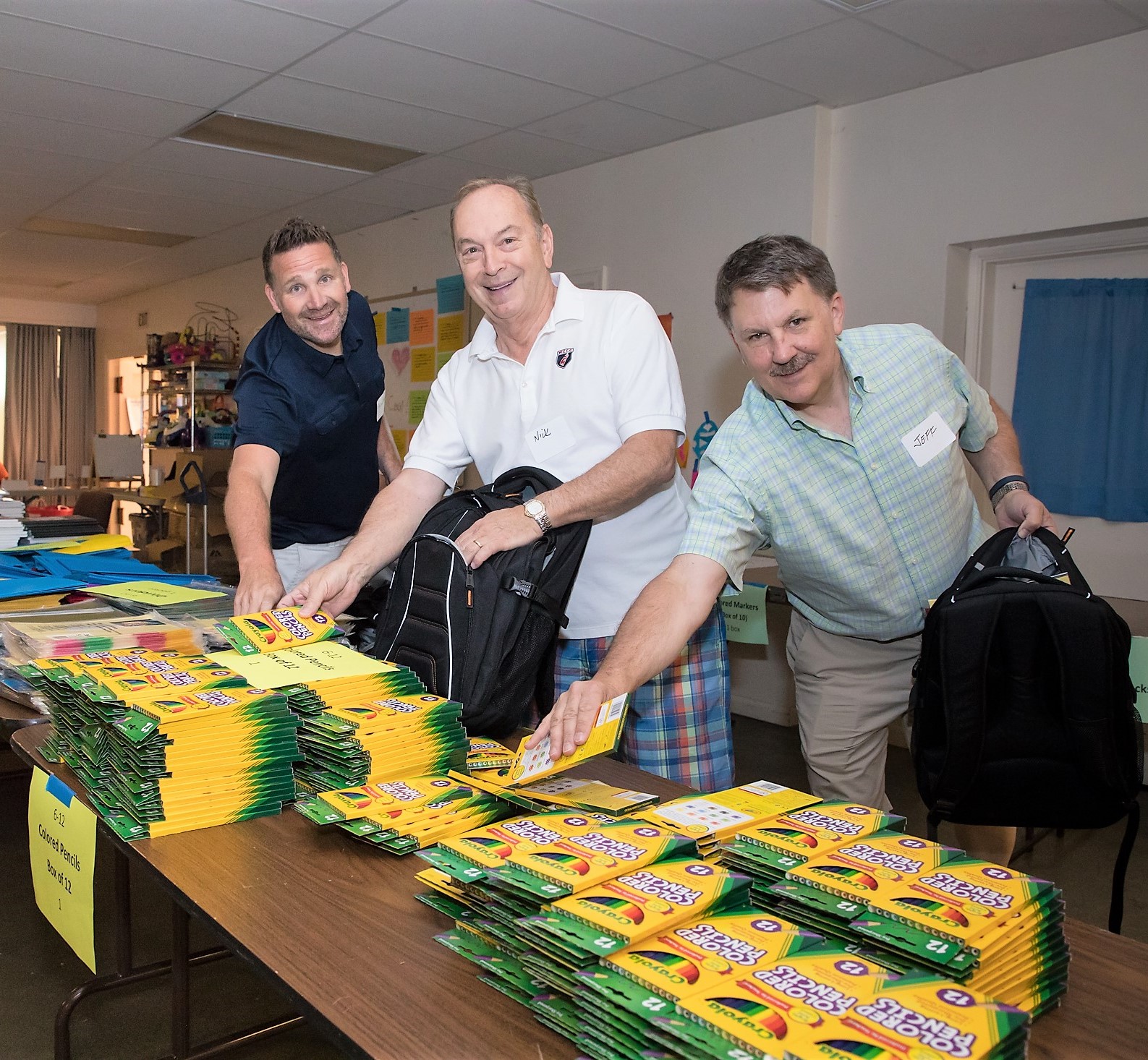
Thankfully, through donations from the Windermere Foundation, many of our Windermere offices are able to support local nonprofit organizations that provide backpacks, supplies, and other back-to-school necessities to children and families in need. Some offices have even made this an annual giving/volunteer event.
These are just a few of the Windermere offices that volunteer their time and donate funds to support programs that help children whose families would otherwise be unable to afford the basic necessities for the school year.
El Sobrante, CA
On July 15, the Windermere El Sobrante office kicked off their annual back-to-school supply drive with an ice cream social at their office. At the event they collected backpacks, school supplies and other donations, and provided ice cream for attendees. The drive ran from July 11 through August 10. Office staff also shopped for additional backpacks and supplies. Backpacks were then filled with supplies according to age, and delivered to three local area schools to distribute to students in need at the beginning of the school year.
Helena, MT
From June 26 through August 18, the Windemere Helena office supported The Angel Fund’s 11th Annual Stuff the Bus school supply drive. Agents purchased school supplies to fill up a bin at their office. This is the first year that the office has supported this drive. Students in need from over 30 schools in Helena and surrounding areas benefitted from this event.
Seattle, WA
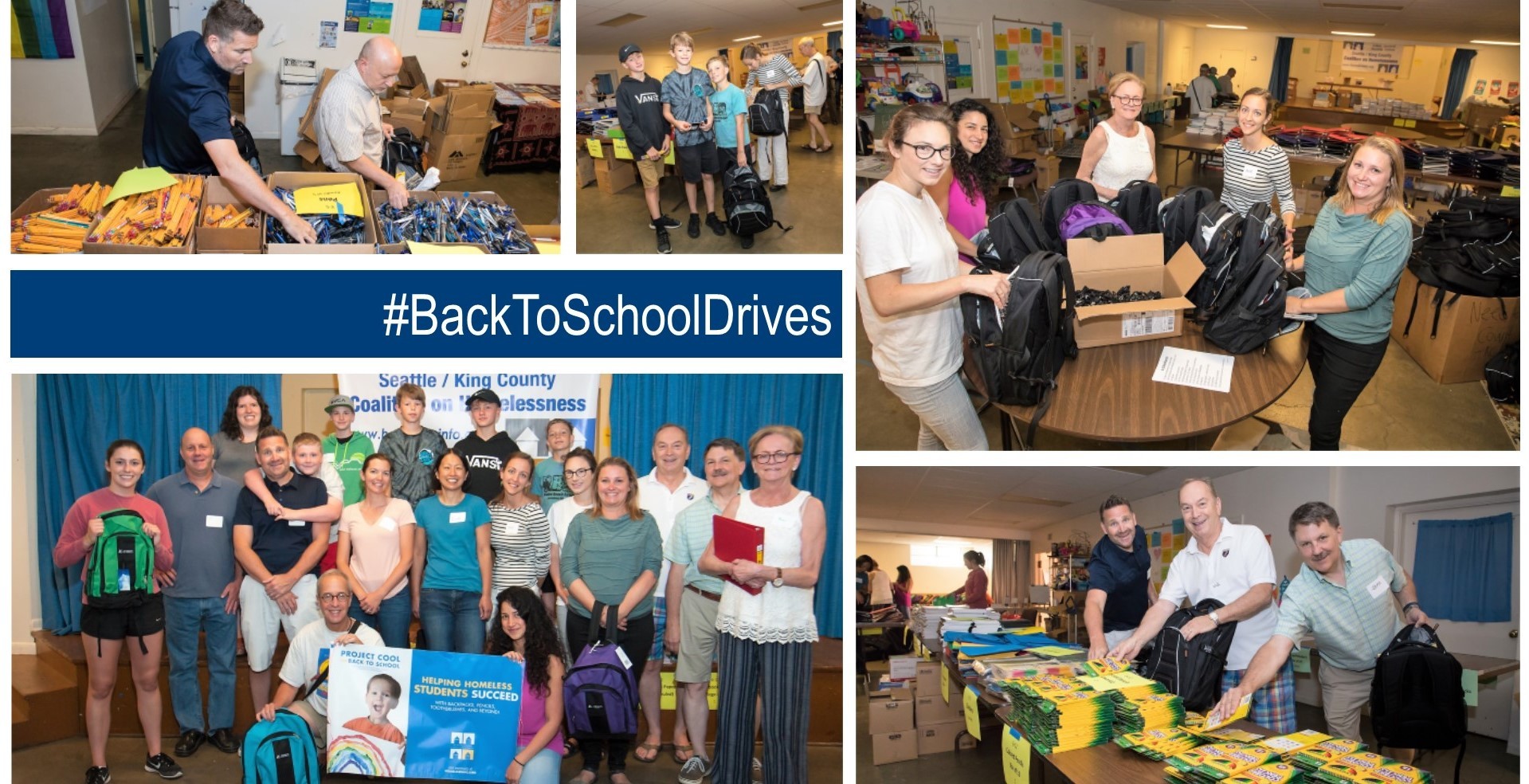
For the past six years, the Windermere Mount Baker office has supported the Seattle/King County Coalition on Homelessness’s Project Cool back-to-school supply drive by holding drives to collect school supplies, and by participating in their annual backpack-stuffing event. This year, the office made a $1,000 donation to Project Cool through the Windermere Foundation, and 18 Windermere agents, staff, and family members volunteered on July 18 where they stuffed 100 of the 1,100 backpacks provided that day. The stuffed backpacks were delivered to various local social service organizations and homeless shelters, to be distributed to children in need.
 Generous donations from Windermere owners, agents, staff, and the community continue to make it possible for the Windermere Foundation to support programs like Project Cool. If you’d like to help children in need in your community during the school year, or throughout the year, please consider donating to the Windermere Foundation. To learn more about the Windermere Foundation, visit http://www.windermere.com/foundation







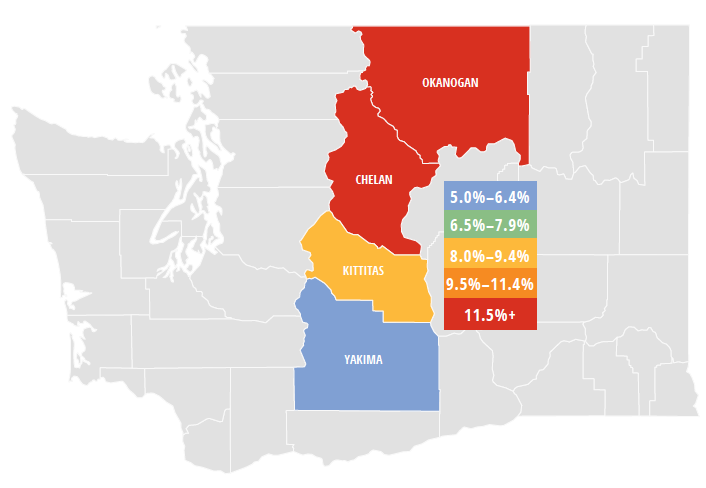
 The average home price in the region rose 12.6% year-over-year to $290,811.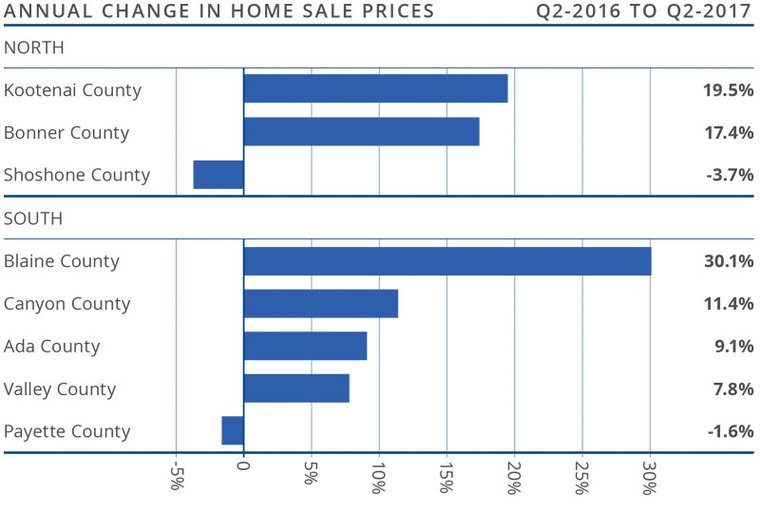
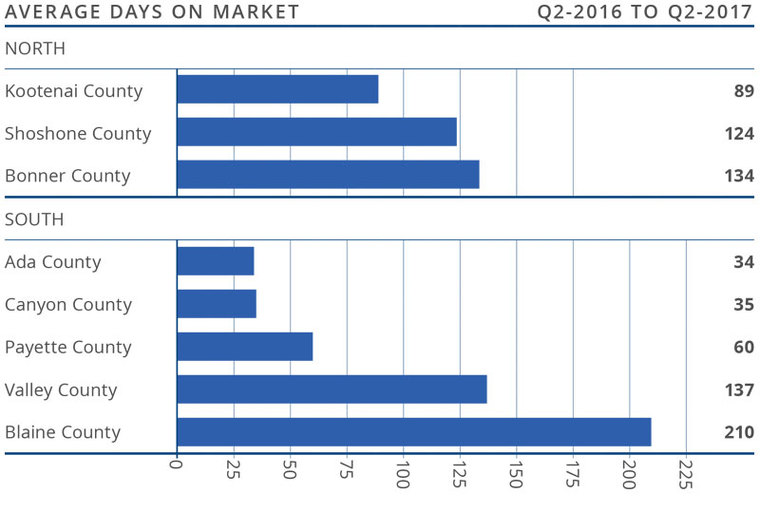
 The speedometer reflects the state of the region’s housing market using housing inventory, price gains, home sales, interest rates, and larger economic factors. Consumer confidence in the housing market seems to have returned, causing the markets in this report to perform well overall and for home prices to continue trending upward.
 Matthew Gardner is the Chief Economist for
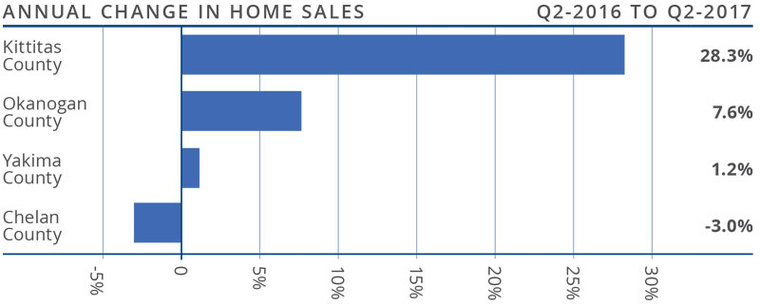
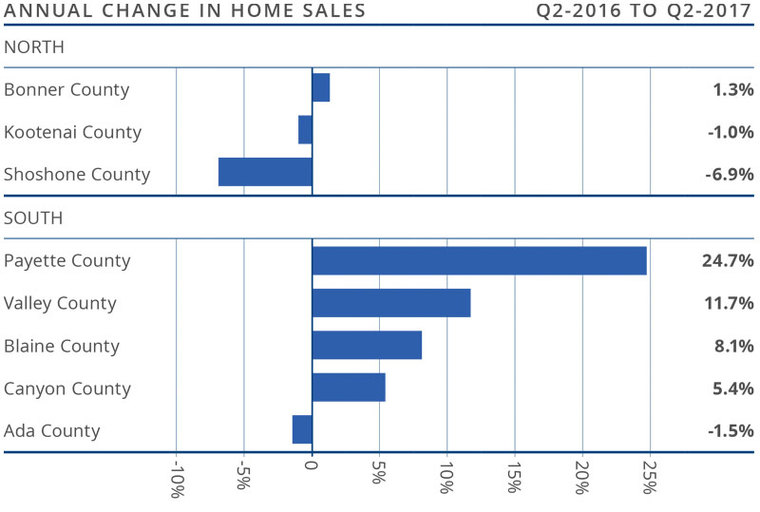
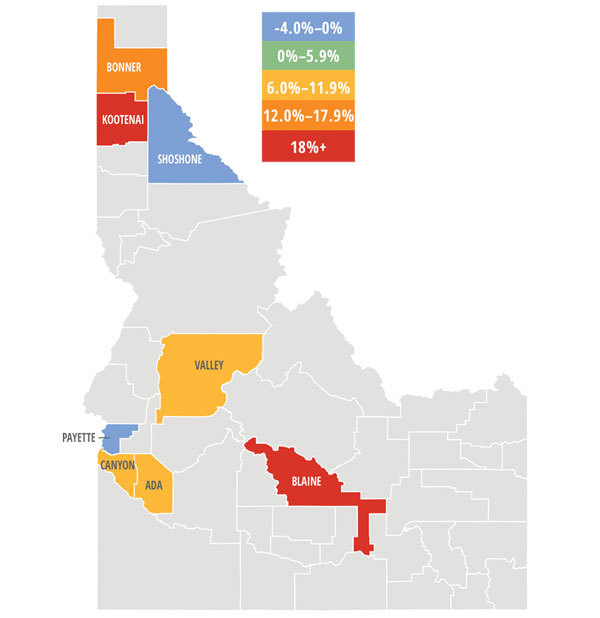
 Year-over-year, the average home price in the region rose by 9.1% to $275,979. Price growth remains robust as demand exceeds supply.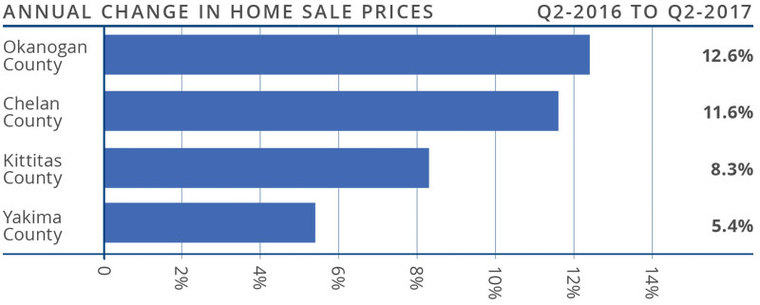

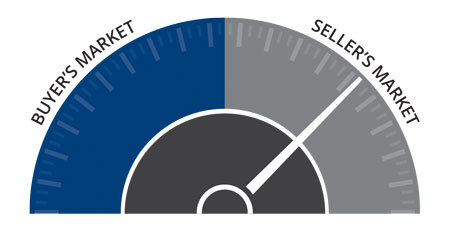 This speedometer reflects the state of the region’s housing market using housing inventory, price gains, home sales, interest rates, and larger economic factors. For the second quarter of 2017, the needle is well into sellers’ territory. Prices in several markets are still trending above average and inventory issues remain.
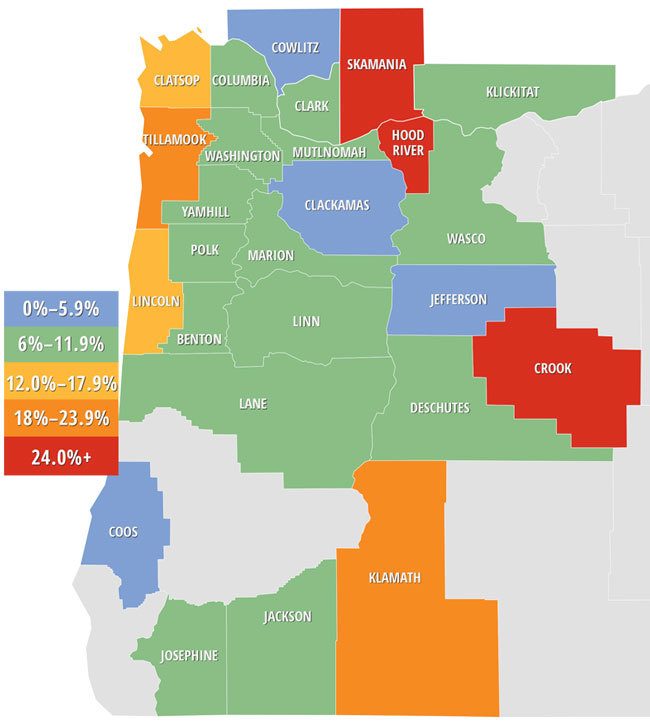 The average home price in the region rose 7.8% year-over-year to $362,845. This is down from 9.4% in the first quarter of 2017.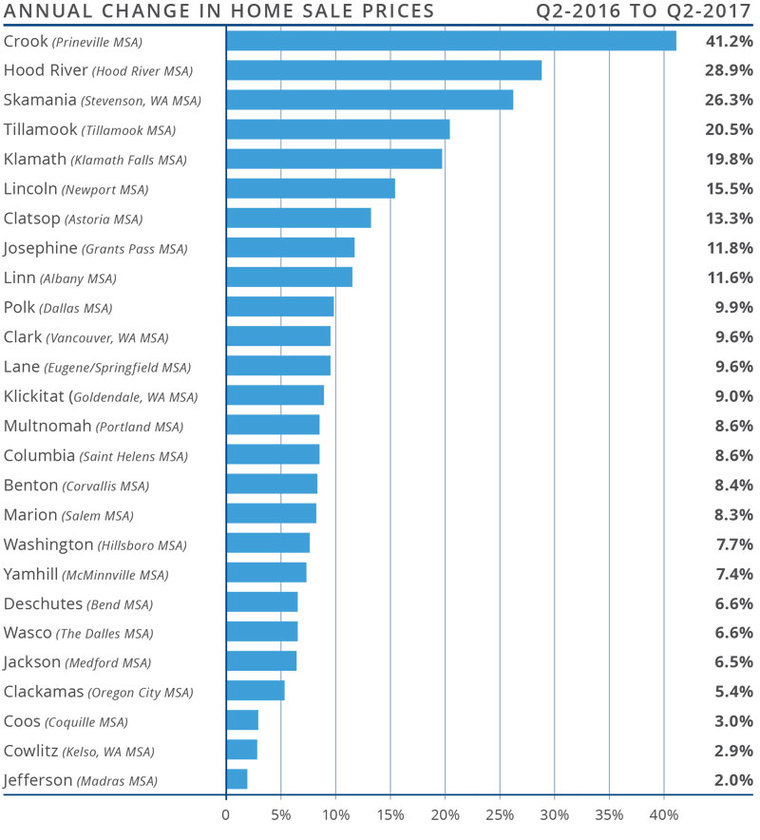
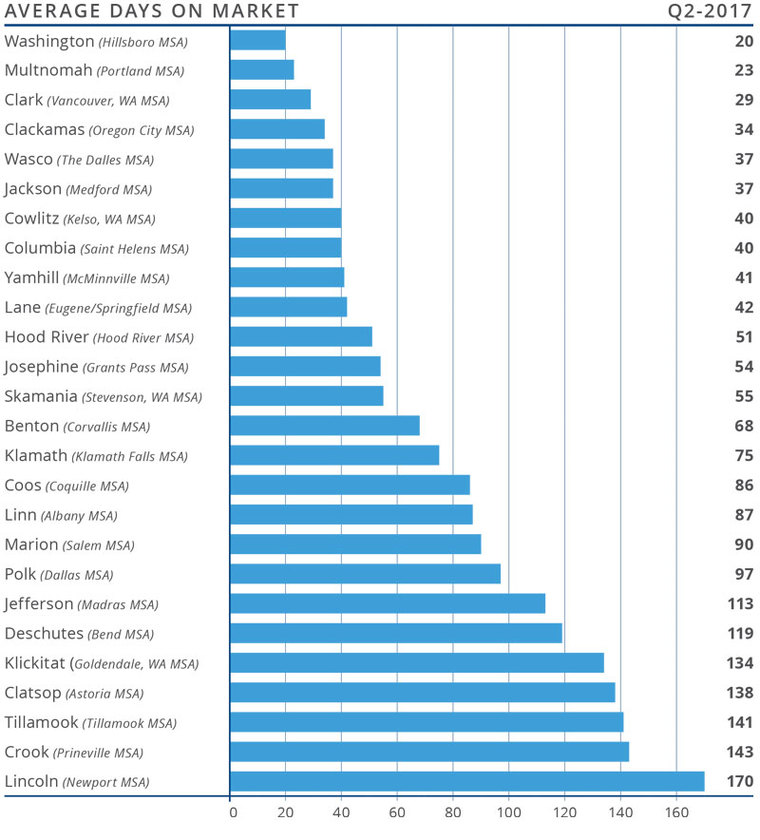
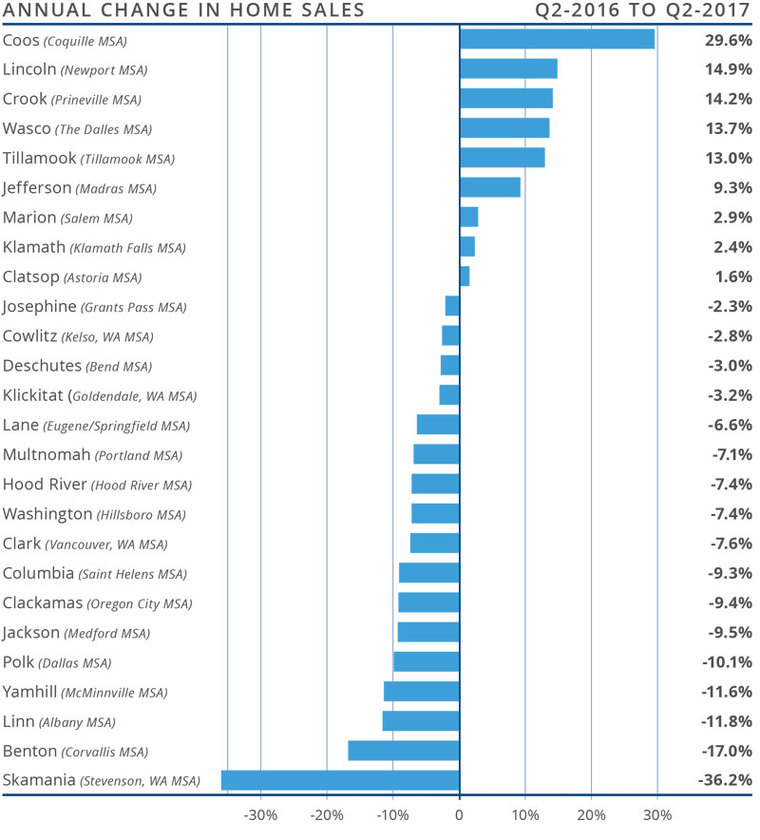
 The speedometer reflects the state of the region’s housing market using housing inventory, price gains, home sales, interest rates, and larger economic factors. Housing markets throughout Oregon continue to benefit greatly from the robust regional economy. Even as home sales have slowed in some counties, the market is remarkably tight and will likely remain that way for the balance of the year. As such, I have moved the needle slightly more toward sellers for the second quarter.