Living August 26, 2020

Preparing for the School Year at Home

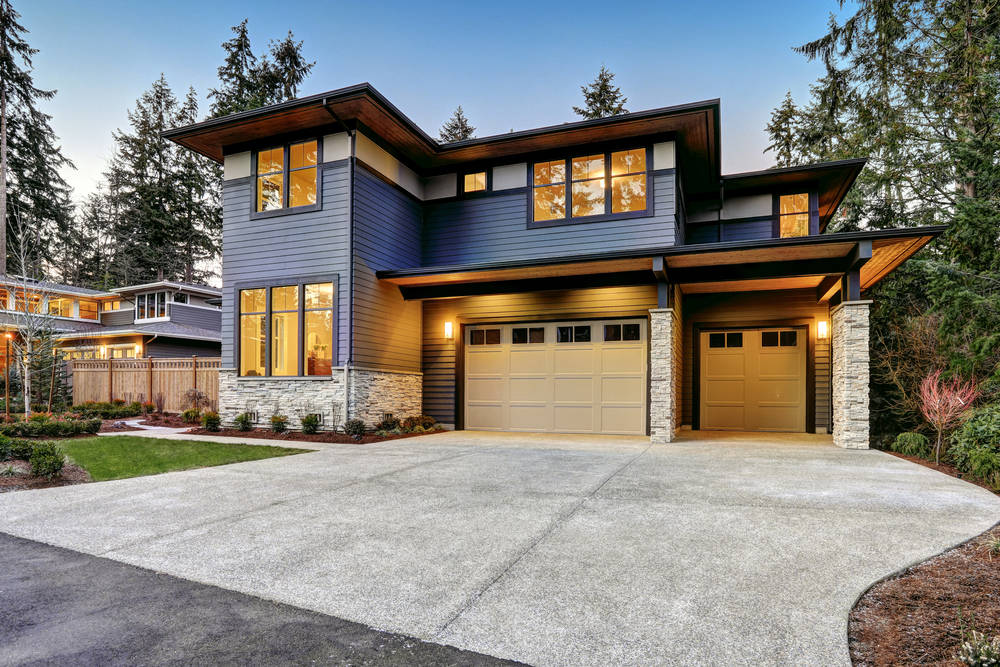
Image source: Shutterstock


For those whose children will be taking classes online or participating in remote learning this school year, keeping the following tips in mind will help create an at-home learning environment that prioritizes health and learning, while being able to adjust to this year’s unknowns.  

A home cannot fully replace all that a formal school classroom has to offer. However, what it lacks in traditional classroom appeal it makes up for in comfort and familiarity. Prepping your home to take on this additional role will help set your child up for success during what will be a unique academic year for many.


Set the tone

One of the best ways to set your children up for success this school year is to get them excited. It is important to communicate that this school year, even with all its unknowns, is an exciting opportunity for new and creative ways to learn and grow. Helping your child understand the unique learning possibilities your home provides will get the school year off to an enthusiastic start.


Create a space 

Establishing a designated space for school at home is important for a child’s ability to focus and to associate a space with learning. How you create a classroom environment will depend on your home and your needs. If your child is most comfortable in their room, try incorporating their classroom setup there. Depending on your child’s age, it may help to have toys or familiar room objects nearby. However, if your child is distracted by their own room, it may be better to set up elsewhere to help them focus, such as a nook or office. 

Allowing your child the freedom to make the space their own will help stimulate their imagination, which is vital to their learning and enjoyment of school. 

Wherever the home classroom is, be sure that area has minimal distractions, maintains a strong internet connection, and is well-stocked with school supplies within reach at all times.


Back to school

To maintain a sense of normalcy, keep your family’s back-to-school traditions intact this year, such as picking out school supplies, back to school clothes shopping, and everyone’s favorite first day of school photo. These ceremonies of preparation for the school year will build excitement while bringing some familiarity to those final days of summer.

Establish a routine

Just as adults have discovered new routines to parallel the shift to remote work, children need a shift in their daily flow to mirror the change to remote learning. The rigor of their school schedule will determine how much flexibility you have in putting together a routine. 

Stay active, incorporating movement breaks throughout the day to make up for the lack of physical activity. Plan out times away from their computer screens to differentiate between work and play time.  It’s recommended that children move at least 60 minutes a day, so prioritize exercise and movement, going outside when possible. This change of scenery is a helpful intermission for children. It gives their eyes a rest from their screens and returns them to their learning space feeling refreshed and revitalized. 


Granted, your ability to facilitate your child/children’s preparedness and monitor their continued learning is based on various factors like your work schedule and what resources your school district is providing for at-home learning. No matter your household’s situation, taking these factors into consideration where possible will help set your student(s) up for success.

Market News August 24, 2020

Matthew Gardner Weekly COVID-19 Housing & Economic Update: 8/24/2020

More August 19, 2020

Windermere Foundation Has Raised over $825,000 This Year!


Image source: Shutterstock


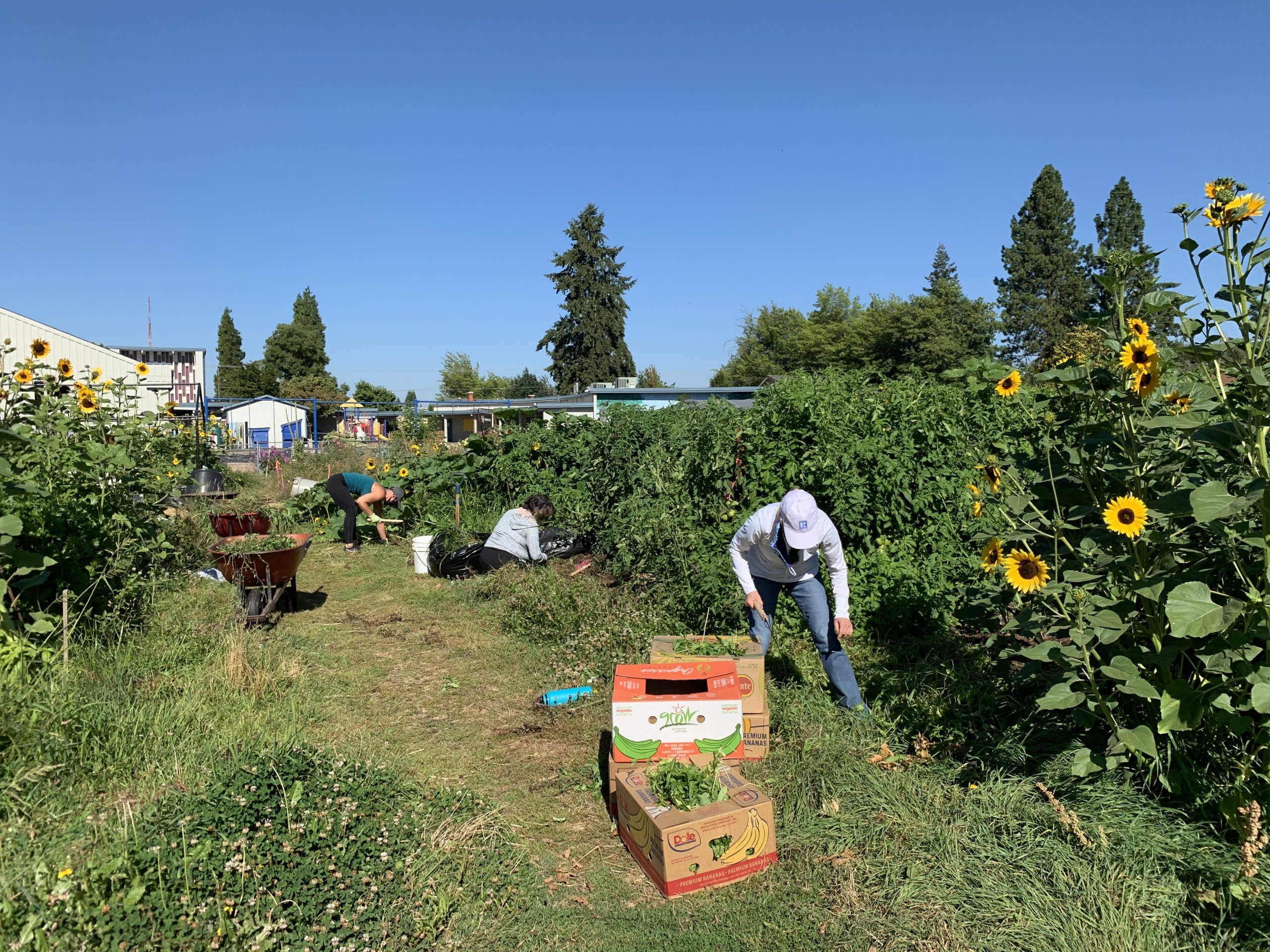
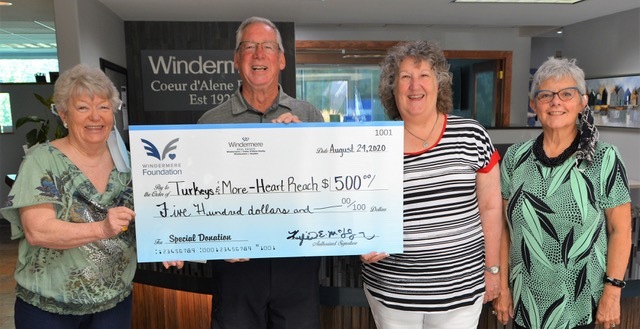
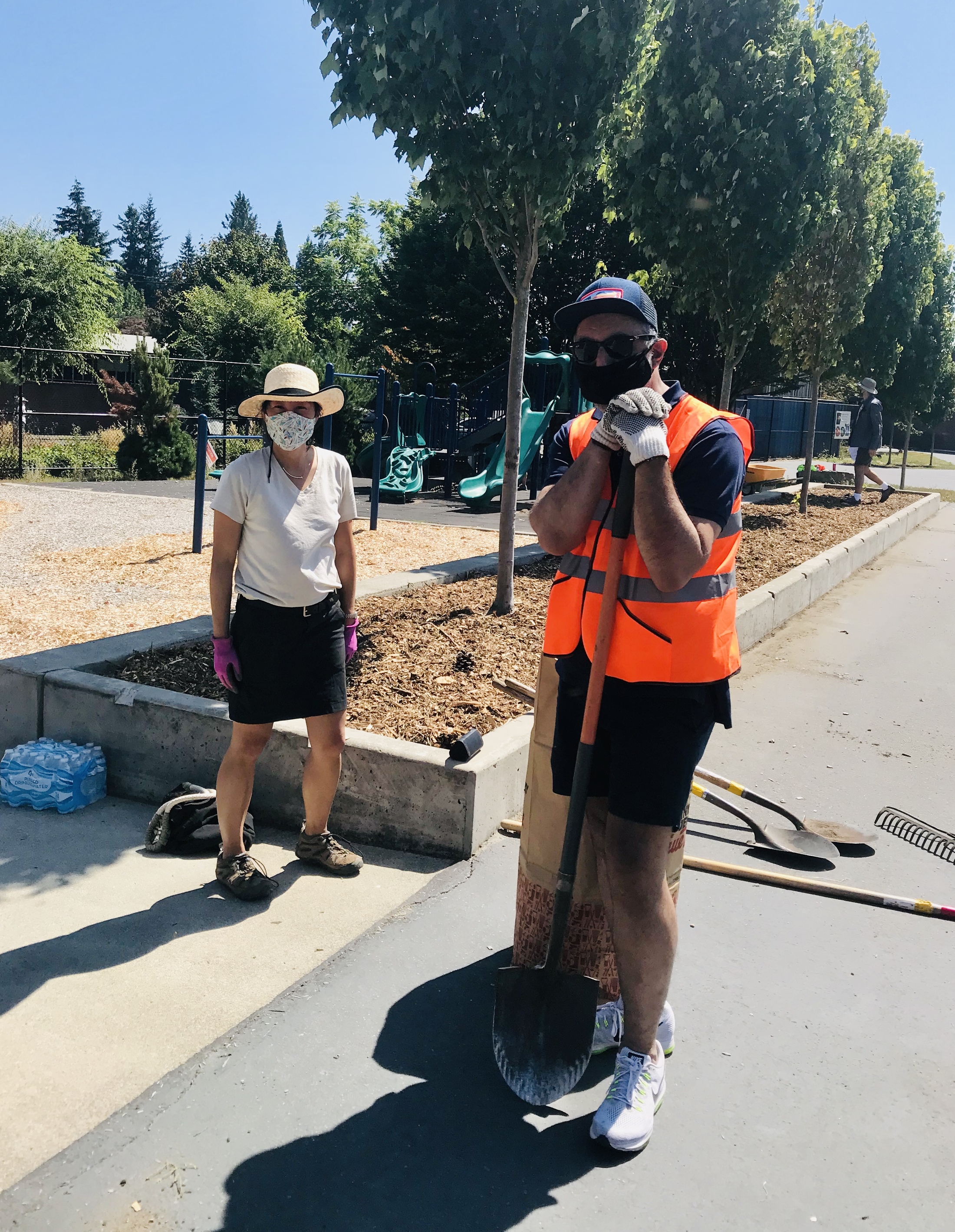
The first half of 2020 has brought uncertain times and unprecedented change, and across our network, our agents and offices have rallied with their communities through the challenges of the COVID-19 pandemic. We’ve seen offices come together in support of their neighbors by providing meals to frontline workers, donating to local food banks, and giving their time in support of low-income and homeless families impacted by COVID-19. So far this year, we’ve raised over $825,000, with over $500,000 coming in second quarter alone, bringing the total raised by the Windermere Foundation to $41.8 million.


Here’s how some of our offices have served their communities during the COVID-19 pandemic:


Sedro Woolley & Mount Vernon, WA

Over the course of the first half of the year, the Windermere Sedro Woolley and Windermere Mount Vernon offices have donated more than $5,000 combined to the Helping Hands Food Bank to help their mission of providing local families with healthy meals through the pandemic.


Gearhart & Cannon Beach, OR (Windermere Realty Trust)

In a joint effort through Windermere Realty Trust, the Oregon Coast offices of Cannon Beach and Gearhart raised $2,000 for the organization Food 4 Kids. Food 4 Kids’ goal is to supply elementary and middle school students in the Seaside School District with supplementary weekend meals during the school year, currently feeding 235 children.


Penrith Home Loans 

Earlier this year, Windermere’s mortgage partner, Penrith Home Loans, donated a total of $12,000 to the Windermere Foundation.

“The Windermere Foundation’s dedication to supporting low-income and homeless families in our communities aligns with the personal values of the employees who make up Penrith Home Loans,” said Maya Dartiguenave, Marketing Manager at Penrith Home Loans.

Penrith’s donations supported the organizations Hopelink and Share Vancouver. Hopelink was chosen by Penrith because of their holistic approach to helping people out of poverty and its mission “to promote self-sufficiency for all members of our community.” Share Vancouver was chosen because of its commitment to making Vancouver, Washington a home for everyone in the community. Examples of their work include employing an outreach team directly on the streets of Vancouver, providing emergency shelters, offering free meals to hungry children and subsidized housing to low-income families.


Neighbors in Need 

Between April 21 and May 5, the entire Windermere network came together to support local food banks through our Neighbors in Need fundraising campaign. Offices were challenged to raise $250,000, to be matched by the Windermere Foundation, for a total goal of $500,000. While coping with increased demand and a bottlenecked pipeline of food supply due to COVID-19, food banks were—and continue to be—desperate for funds to continue to serve those in need. Neighbors in Need surpassed the original goal of $500,000, raising a total of $690,000, and helping hundreds of food banks.

“I’m incredibly proud of how our offices and the community came together to raise much needed money and awareness to help food banks keep up with unprecedented needs,” said Windermere Foundation Executive Director, Christine Wood. “I hope we inspire others to do the same.”

These are just a few examples of how the donations flowing through the Windermere Foundation propel us forward in our mission to support low-income and homeless families in the communities across the Western U.S. If you’d like to help support organizations and programs in your community, please click the Donate button.


To learn more about the Windermere Foundation, visit WindermereFoundation.com.

Market News August 10, 2020

Matthew Gardner Weekly COVID-19 Housing & Economic Update: 8/10/2020

Market News August 3, 2020

Matthew Gardner Weekly COVID-19 Housing & Economic Update: 8/3/2020

Market News July 30, 2020

Hawaii/Maui Real Estate Market Update


The following analysis of select Maui real estate markets is provided by Windermere Real Estate Chief Economist Matthew Gardner. We hope that this information may assist you with making better-informed real estate decisions. For further information about the housing market in your area, please don’t hesitate to contact your Windermere agent. 


ECONOMIC OVERVIEW

COVID-19 has significantly impacted employment on Maui, causing the loss of 25,450 jobs in April alone and driving the unemployment rate up from 2.1% to 35.8%. The mandatory 14-day self-quarantine proclamation made by Governor Inge remains in place, but some jobs have started to return. In June, 5,600 jobs returned and the unemployment rate dropped slightly to a still remarkably high 23.4%. Although it is certainly too early to say we are out of the woods, the direction of jobs is mildly positive. I do expect to see further job gains, but it remains unlikely that there will be significant improvement until September when the mandatory pre-travel testing program is scheduled to start. Pre-testing should lead to more visitors who are currently staying away because of the self-isolation protocols.


HOME SALES

❱ In the second quarter of 2020, 356 homes sold, a drop of 39.7% compared to the second quarter of 2019, and 34.7% lower than in the first quarter of 2020.

❱ Sales did rise in the North Shore area, but the increase only amounted to 2 additional sales. The largest drop in sales was in South Maui, where 136 fewer transactions closed compared to a year ago.

❱ Sales and listings were both lower in the second quarter compared to the same quarter in 2019, but listing activity was 3.8% higher than in the first quarter of this year. However, this increase in the choice of homes for sale wasn’t enough to stimulate buyers.

❱ Pending home sales were 37.7% lower than a year ago and 28.5% lower than in the first quarter of this year. This means closings in the third quarter will not impress.


HOME PRICES

❱ Interestingly—and somewhat counterintuitively— the average home price on the island rose 6.9% year-over-year to $974,308 and was 10.7% higher compared to the first quarter of 2020.

❱ Affordability remains a significant issue and, even with significantly slower home sales, prices continue to appreciate. Thus far we have yet to see signs of a COVID-19-related slowdown in price growth.

❱ All markets other than the West Side saw prices rise significantly. North Shore had the largest increase.

❱ It is too early to say what effects COVID-19 will have on housing values on Maui. I will be watching this closely, specifically as it pertains to buyers of vacation homes.


DAYS ON MARKET

❱ The average number of days it took to sell a home on Maui rose 12 days compared to the second quarter of 2019.

❱ The amount of time it took to sell a home dropped on the West Side but rose in all other areas.

❱ In the second quarter, it took an average of 69 days to sell a home. West Side homes sold at the fastest pace. It is taking the longest time to sell in North Shore.

❱ Rising market time may be due to more choice, but I believe it is more a function of price.


CONCLUSIONS

This speedometer reflects the state of the region’s real estate market using housing inventory, price gains, home sales, interest rates, and larger economic factors.

Unsurprisingly, the Island is still reacting to the influences of COVID-19. Demand has not disappeared completely, though it is significantly lower than it should be. The pandemic is influencing the direction of the housing market, but I remain hopeful we will start to see it return to some sort of normalcy this fall.

Price growth was significant, which would normally favor sellers; however, due to lower demand, I am moving the needle more in favor of home buyers.


ABOUT MATTHEW GARDNER

As Chief Economist for Windermere Real Estate, Matthew Gardner is responsible for analyzing and interpreting economic data and its impact on the real estate market on both a local and national level. Matthew has over 30 years of professional experience both in the U.S. and U.K.

In addition to his day-to-day responsibilities, Matthew sits on the Washington State Governors Council of Economic Advisors; chairs the Board of Trustees at the Washington Center for Real Estate Research at the University of Washington; and is an Advisory Board Member at the Runstad Center for Real Estate Studies at the University of Washington where he also lectures in real estate economics.

Market News July 30, 2020

Big Island of Hawaii Real Estate Market Update


The following analysis of the Big Island real estate market is provided by Windermere Real Estate Chief Economist Matthew Gardner. We hope that this information may assist you with making better-informed real estate decisions. For further information about the housing market in your area, please don’t hesitate to contact your Windermere agent. 


ECONOMIC OVERVIEW

COVID-19 has significantly impacted employment on the Big Island, causing the loss of 19,800 jobs in April alone and driving the unemployment rate up from 2.9% to 23.4%. The mandatory 14-day self-quarantine proclamation made by Governor Inge remains in place, but some jobs have started to return. In June, 6,950 jobs returned and the unemployment rate dropped modestly to 13.7%. Although it is certainly too early to say we are out of the woods, the direction we seem to be headed is mildly positive. I do expect to see further job gains, but it remains unlikely we will see significant improvement until September when the mandatory pre-travel testing program is scheduled to start. Pre-testing will likely lead to more visitors who are currently staying away because of the self-isolation protocols.


HOME SALES

❱ In the second quarter of 2020, 582 homes sold on the Big Island, a drop of 36.7% compared to the second quarter of 2019, and 28.5% lower than in the first quarter of 2020.

❱ Sales were lower in seven markets but rose in two. The North Hilo and Hamakua markets both experienced sales growth. The greatest declines in sales were in South and North Kohala.

❱ The contraction in sales came as inventory levels dropped 14.5% from a year ago. The average number of homes for sale in the quarter was also down 5.1% from the first quarter of 2020.

❱ Pending home sales were 9.3% lower than in the first quarter, which will likely lead closed sales to drop further in the third quarter.


HOME PRICES

❱ Even as sales activity dropped, the average home price on the Island rose an impressive 10.5% year-over-year to $578,931. However, prices were 6.7% lower compared to the first quarter of 2020.

❱ Affordability remains an issue, and demand from vacation buyers has slowed significantly. I believe buyers will return when allowed, and they will look to take advantage of historically low-interest rates.

❱ Prices rose in six markets and dropped in the other three. Appreciation was again strongest in the small South Kohala market area, but there were also significant price increases in North Hilo and North Kona.

❱ Due to COVID-19, I expect the market to continue underperforming until the state lifts the more onerous travel restrictions.


DAYS ON MARKET

❱ The average time it took to sell a home on the Big Island dropped 16 days compared to the second quarter of 2019.

❱ The amount of time it took to sell a home dropped in Hamakua, North Kohala, South Kohala, North Kona, and Kau, but rose in all other markets.

❱ In the second quarter, it took an average of 92 days to sell a home. Homes sold fastest in Hamakua and slowest in North Hilo.

❱ It took 11 fewer days to sell a home in the second quarter than in the first quarter of this year.


CONCLUSIONS

This speedometer reflects the state of the region’s real estate market using housing inventory, price gains, home sales, interest rates, and larger economic factors.

Unsurprisingly, the Island is still reacting to the influences of COVID-19. Demand has not disappeared completely, though it is significantly lower than it should be. The pandemic is influencing the direction of housing, but I remain hopeful that we will start to see the market return to some sort of normalcy this fall.

With lower demand, I am moving the needle more in favor of home buyers. The lack of homes for sale is keeping it from technically becoming a buyer’s market—but it’s close.


ABOUT MATTHEW GARDNER

As Chief Economist for Windermere Real Estate, Matthew Gardner is responsible for analyzing and interpreting economic data and its impact on the real estate market on both a local and national level. Matthew has over 30 years of professional experience both in the U.S. and U.K. 

In addition to his day-to-day responsibilities, Matthew sits on the Washington State Governors Council of Economic Advisors; chairs the Board of Trustees at the Washington Center for Real Estate Research at the University of Washington; and is an Advisory Board Member at the Runstad Center for Real Estate Studies at the University of Washington where he also lectures in real estate economics.

Market News July 29, 2020

Northern California Real Estate Market Update


The following analysis of the Northern California real estate market is provided by Windermere Real Estate Chief Economist Matthew Gardner. We hope that this information may assist you with making better-informed real estate decisions. For further information about the housing market in your area, please don’t hesitate to contact your Windermere agent. 


ECONOMIC OVERVIEW

COVID-19 has significantly impacted employment in Northern California, causing the loss of more than 434,000 jobs in March and April and driving the unemployment rate up from 3.9% in March to 13.4% in April. However, although there is certainly a long way to go, employment has started to return. In May and June, the region regained 85,900 jobs and the unemployment rate dropped slightly to 12.2%. Although it is certainly too early to say we are out of the woods, we seem to be headed in a positive direction. That said, COVID-19 infection rates in California started to rise significantly in June, forcing the state to reinstate some restrictions. This is likely to slow the economic recovery until the rising infection rate gets back under control.


HOME SALES

❱ In the second quarter of 2020, 9,124 homes sold, a drop of 34.5% compared to the second quarter of 2019. However, there were some encouraging signs: total closings were up 47.4% in the second quarter from the first quarter of this year.
❱ Sales were negative across the board compared to the second quarter of 2019. The largest drop in sales was in Alameda County; the smallest decline was in small Shasta County.
❱ Listing activity was down 30.5% compared to the second quarter of 2019, but rose 58.6% compared to the first quarter of 2020.
❱ I was encouraged to see pending home sales up significantly from the first part of this year and I hope that will translate to higher closings in the third quarter.


HOME PRICES

❱ The average home price in the Northern Californian counties contained in this report rose 1.5% year-over-year to $979,616.
❱ The most affordable counties in terms of average sale prices were Shasta and Solano, though price growth in these markets was very solid.
❱ Average prices rose in all counties contained in this report, with impressive increases in San Luis Obispo and Napa counties.
❱ Home-price growth is a function of supply and demand. Supply levels picked back up in the second quarter, which is a good thing. However, it remains to be seen if demand will rebound given rising COVID-19 infection rates.


DAYS ON MARKET

❱ The average time it took to sell a home in the Northern Californian counties covered by this report dropped nine days compared to the second quarter of 2019.
❱ The amount of time it took to sell a home dropped in all counties other than Placer and San Luis Obispo, which were up by three days and one day, respectively.
❱ In the second quarter, it took an average of 40 days to sell a home, with homes selling fastest in Santa Clara County and slowest in Shasta County.
❱ The greatest drop in market time was in Shasta County, where it took 48 fewer days to sell a home than in the second quarter of 2019.


CONCLUSIONS

This speedometer reflects the state of the region’s real estate market using housing inventory, price gains, home sales, interest rates, and larger economic factors.

The drop in listings caused by COVID-19 in first quarter is starting to rebound, but the region is still reacting to the impact of the pandemic. Demand, although not as robust as I would like to see, is still there, as demonstrated by significant price increases. But a resurgence in COVID-19 cases continues to make the direction of the housing market uncertain.

Assuming the state gets new infection rates back under control and the region starts to reopen again, I expect the market to start performing a bit better later in the year. As such, I am leaving the needle in the same position as in the first quarter of this year.


ABOUT MATTHEW GARDNER

As Chief Economist for Windermere Real Estate, Matthew Gardner is responsible for analyzing and interpreting economic data and its impact on the real estate market on both a local and national level. Matthew has over 30 years of professional experience both in the U.S. and U.K. 

In addition to his day-to-day responsibilities, Matthew sits on the Washington State Governors Council of Economic Advisors; chairs the Board of Trustees at the Washington Center for Real Estate Research at the University of Washington; and is an Advisory Board Member at the Runstad Center for Real Estate Studies at the University of Washington where he also lectures in real estate economics.


Market News July 29, 2020

Nevada Real Estate Market Update


The following analysis of the greater Las Vegas real estate market is provided by Windermere Real Estate Chief Economist Matthew Gardner. We hope that this information may assist you with making better-informed real estate decisions. For further information about the housing market in your area, please don’t hesitate to contact your Windermere agent.


ECONOMIC OVERVIEW

COVID-19 had an extraordinary impact on employment in Las Vegas, causing the loss of more than 230,000 jobs in April alone and driving the unemployment rate up from 7.2% to 34%. However, although there is a long way to go, jobs have started to return. In May and June, the region regained 93,500 jobs and the unemployment rate dropped modestly to 28.4%. (The most recent Labor Department data I have access to is for May; as I write this, June numbers have not yet been released.) Although it is certainly too early to say we are out of the woods, we seem to be headed in a positive direction. That said, COVID-19 infection rates in Nevada started increasing in June and may slow the economic recovery if the direction is not reversed.


HOME SALES

❱ A total of 6,100 homes were sold in the second quarter of 2020, a decrease of 36.1% compared to the same period a year ago, and 22.5% lower than in the first quarter of 2020.

❱ Pending sales were 19.8% lower year-over-year and were 7.4% lower than in the first quarter of 2020. Uncertainty about a recovery is clearly holding buyers—and sellers—back.

❱ Sales dropped significantly across the board, with particularly large drops in the Southeast, Green Valley, and The Lakes/Section 10 neighborhoods.

❱ The significant impacts of COVID-19 across the country are very evident in Las Vegas, specifically because of its major dependence on the leisure and hospitality sectors of the economy. As I suggested in the first quarter Gardner Report, we should assume that market activity will continue to be negatively affected until normal business operations resume.


HOME PRICES

❱ Although home sales have pulled back significantly, it has yet to hit home prices. Regionally, prices rose 7.4% compared to the second quarter of 2019 to an average of $337,642. Sale prices were also up 3.2% compared to the first quarter this year.

❱ Annual home price growth remains impressive, rising at rates well above the national average.

❱ Prices rose in every sub-market other than Anthem compared to the same quarter last year. The strongest price growth was in the Queensridge sub-market. Prices were only slightly lower in Anthem.

❱ Interest rates hit all-time lows in July and were trending lower through the second quarter. This may be part of the reason prices continued to rise. Additionally, inventory levels remain well below where they were a year ago and this can drive prices higher.


DAYS ON MARKET

❱ The average time it took to sell a home in the region dropped five days from the second quarter of 2019.

❱ Regionwide, it took an average of only 38 days to sell a home in the second quarter of 2020, which is 11 fewer days than during the first quarter.

❱ Days-on-market dropped in 12 sub-markets and rose in 3 compared to a year ago.

❱ The greatest drop in market time was in The Lakes/Section 10 and Southwest neighborhoods. In both markets, it took an average of 12 fewer days to sell a home than a year ago. The greatest increase in market time was in North Las Vegas, but the increase was a modest 2 days.


CONCLUSIONS

This speedometer reflects the state of the region’s real estate market using housing inventory, price gains, home sales, interest rates, and larger economic factors.

Clearly, the market is still reacting to the influences of COVID-19. The significant price increases point to buyer demand, but the pandemic is still making the direction of the area’s housing market uncertain. That said, I remain hopeful that we will start to get some clarity as we move through the balance of the year. Assuming the state gets new infection rates back under control, and Las Vegas continues to reopen, I anticipate the market will start to perform at its potential later this year. As such, I am leaving the needle in the same position as last quarter.


ABOUT MATTHEW GARDNER

As Chief Economist for Windermere Real Estate, Matthew Gardner is responsible for analyzing and interpreting economic data and its impact on the real estate market on both a local and national level. Matthew has over 30 years of professional experience both in the U.S. and U.K.

In addition to his day-to-day responsibilities, Matthew sits on the Washington State Governors Council of Economic Advisors; chairs the Board of Trustees at the Washington Center for Real Estate Research at the University of Washington; and is an Advisory Board Member at the Runstad Center for Real Estate Studies at the University of Washington where he also lectures in real estate economics.

Market News July 28, 2020

Park City Real Estate Market Update


The following analysis of select neighborhoods in the Park City real estate market is provided by Windermere Real Estate Chief Economist Matthew Gardner. We hope that this information may assist you in making better-informed real estate decisions. For further information about the housing market in your area, please don’t hesitate to contact your Windermere agent. 


ECONOMIC OVERVIEW

COVID-19 had a significant impact on employment in Utah, causing the loss of more than 144,000 jobs in March and April and raising the state’s unemployment rate to 10.4%. For comparison, peak unemployment following the Great Recession was only 8%.

That said, it appears as if Utah’s massive contraction in employment is behind us (at least for now). Employment in the state rose by 40,400 jobs in May, an increase of 2.8% in just one month, allowing the unemployment rate to drop to 8.5%.

Although it is certainly too early to say that we are out of the woods, we seem to be headed in a positive direction. That said, COVID-19 infection rates in Utah started increasing in June and may slow the economic recovery if the direction is not reversed. Regardless, I do not believe that it is likely to have a significant impact on the housing market.


HOME SALES

❱ In the second quarter of 2020, 131 homes sold in the Park City area, a drop of 37.3% from the second quarter of 2019, and down 22.9% from the first quarter of this year.

❱ Home sales were a mixed bag, with increases in 4 neighborhoods but declines in 14. The areas that saw sales activity increase are all very small.

❱ The drop in sales came as inventory levels rose more than 300%. The most likely explanation is that concerns over COVID-19 outweighed the additional choice of available homes.

❱ Pending home sales were 15.6% lower than a year ago, but only 3.1% lower than in the first quarter. This makes me hopeful that the market will start to stabilize as we move through the balance of the year.


HOME PRICES

❱ The average home price in the Park City neighborhoods contained in this report rose 1.9% year-over-year to $1.159 million. Sale prices were 0.6% higher than in the first quarter of 2020.

❱ The most affordable neighborhoods in terms of average sale prices were Kimball, Heber North & East, Wanship, Hoytsville, Coalville, and Rockport. The most expensive were Upper Deer Valley Resort & Empire Pass, Promontory, and Thaynes Canyon.

❱ Prices rose in a majority of neighborhoods, with significant gains in the Promontory, Thaynes Canyon, Jeremy Ranch, and Lower Deer Valley Resort & Deer Crest neighborhoods. Annual sale prices dropped in seven markets, with the Canyons Village area experiencing the steepest decline.

❱ The Park City market is relatively small, but with some very expensive real estate. It will be interesting to see if COVID-19-related impacts persist or if we start to see a return to normal activity.


DAYS ON MARKET

❱ The average time it took to sell a home in the Park City area rose three days compared to the second quarter of 2019.

❱ The amount of time it took to sell a home dropped in nine market areas and rose in nine compared to a year ago.

❱ In the second quarter of this year, it took an average of 101 days to sell a home. Homes sold fastest in Summit Park and slowest in the Canyons Village neighborhood.

❱ The greatest drop in market time was in the Tuhaye/Hideout neighborhood, where it took 91 fewer days to sell a home than during the same period a year ago.


CONCLUSIONS

This speedometer reflects the state of the region’s real estate market using housing inventory, price gains, home sales, interest rates, and larger economic factors.

Clearly, the Park City housing market was still reacting to the influences of COVID-19 during the second quarter. I see demand, but the pandemic is still making the direction of housing uncertain. That said, I remain hopeful that we will start to get some clarity as we move through the balance of the year. Assuming the state gets new infection rates back under control, I can see the market start to perform at its potential in the second half of the year. As such, I am leaving the needle in the same position as last quarter.


ABOUT MATTHEW GARDNER

As Chief Economist for Windermere Real Estate, Matthew Gardner is responsible for analyzing and interpreting economic data and its impact on the real estate market on both a local and national level. Matthew has over 30 years of professional experience both in the U.S. and U.K. 

In addition to his day-to-day responsibilities, Matthew sits on the Washington State Governors Council of Economic Advisors; chairs the Board of Trustees at the Washington Center for Real Estate Research at the University of Washington; and is an Advisory Board Member at the Runstad Center for Real Estate Studies at the University of Washington where he also lectures in real estate economics.