Living November 21, 2018

How to Stay Safe During the Holidays With Design and Planning

While many people look forward to the arrival of a jolly red-suited visitor one night this winter, for all of us the holidays are a gift and a danger. All of us want to stay safe from burglary, and there's nothing paranoid about taking a bit of extra time to stay safe. The holidays are a time for relaxation, peace of mind, and sharing love and affection. From old-school security tricks to new digital home monitoring tools, there are many options when it comes to keeping our homes safe and preserving that sensibility. 

Security bars and gates:

Sometimes the simplest security is just deterring people from trying to get in. While security bars across windows are a great way to keep intruders out of your home, they can be a real eyesore. Luckily, there are now options for decorative security bars that simultaneously protect your home while enhancing its beauty.

Upgrade your locks:

A poorly installed deadbolt can make it easy for an intruder to kick in your door. Start by making sure that your door frames are in good condition and then look into getting a higher quality deadbolt. You’ll find everything from classic models with keys, or digital options that require passcodes or a fingerprint.

It’s also a good idea to check all the locks on your windows. Some older models are easy to jimmy open with a little wiggling. For ground floor windows, you may want to consider double locks. It goes without saying, leaving windows open during the summer is a bad idea – especially those that can be easily accessed.

Exterior and interior home lighting:

Having your exterior lights on timers or motion sensors is a good way to deter nighttime snoopers.  Add sensor lights to key entry points on your home, including the front door, back door, and/or basement entries. If you have an unused side yard, consider lighting there too. Keeping your home lit makes unwanted visitors weary of being seen.

If you will be gone from your home for an extended period of time, consider using timed lighting options in your home to make it appear someone is around. You can select timers for bedrooms or living areas. Also, you can program a radio to turn on and off for sound.

Alarm systems:

If you are considering an alarm, you have an array of options that vary from self-install motion detection kits to full-service home security systems.  If you choose to do-it-yourself, you will want to install motion detectors on doors and windows – especially those that can be easily accessed on the ground floor. In most cases, these kits also offer a 24-hour call service for an extra fee.

Full-service security systems can include everything from an alarm system and panic buttons to and integration with your smoke detectors/ fire prevention system. These services are expensive up front but usually have a reasonable monthly rate. And keep in mind, having a home security system installed can also reduce your insurance rates.

If installing an alarm system is cost-prohibitive or does not fit your lifestyle, consider purchasing stickers and a sign that state that your home is monitored by a trusted security system, and place them so they are visible at every entrance.

Security cameras:

Security cameras are readily available for home installation. You can install these in prominently viewed places to deter burglars. There are do-it-yourself install options and professional systems that come along with monitoring services.  There are even options that will work with your smartphone. If the cost of security cameras is too steep for your budget, you can purchase fake cameras to act as a visible deterrent for intruders.

Build your community:

Programs like Neighborhood Watch are very successful in some communities, by creating an environment where everyone is looking out for each other. Building close-knit relationships with your neighbors can go a long way in making you feel safe at home. Whether this is through a formalized program, or a shared agreement with your community, developing relationships with your neighbors is a great way to keep your home safe.


Living November 19, 2018

Go for Gold This Thanksgiving

We're in the thick of autumn now, with Thanksgiving just days away. That means it's time to start considering how to best showcase your home before the calendar shifts fully into winter. One of the cheeriest bits of fall is the shifting colors that bring a canopy of rustic rainbow hues to a walk through the neighborhood. You can bring that cozy feeling inside yourself with some golden-dipped creativity.

Gilded Pears – Use real or fake pears, whichever you prefer, spray paint gold, and allow them to dry completely. You can add little flags to the top if you’re really feeling crafty.  

Magnolia Wreath – Collect some Magnolia branches and use a wreath frame as a base. Spray paint the green side of each leaf with gold and then assemble using wire. Supposedly it’s not as complicated as it looks!

Dipped Pinecones  – First, you’ll want to make sure your cones are clean and dry. Apply gold leaf adhesive using a foam brush; deciding how much you add will determine how much of the cone is covered in gold. After they dry, it’s time to add gold leaf, which comes in whisper-thin sheets about 5” square. Wrap it around the cone and use a clean foam brush to rub it into the adhesive. Then give it a light spray with sealant and allow them to dry.

Gold Acorns – Hand pick your acorns, clean, and oven-dry them to make sure they are pest free. Paint them gold and then add a layer of clear shellac for a shiny look. Lastly, you’ll want to use a hot glue gun to attach the caps since they naturally fall off after the acorns dry. You can use these as filler in a glass vase or simply scatter them on a tabletop.

Shimmering Maple Garland – All you’ll need is a bag of artificial leaves, bought at any craft store, some Elmer’s glue, glitter, and string. Use a paintbrush to apply glue to each leaf and sprinkle lots of glitter over them. Let the glue set, then shake off the excess glitter, punch a hole at the top and attach a ribbon. Tie them all to a large strand and voilà, a perfect garland for the holidays.

Petite Pumpkins – If you are still head over heels for pumpkins, then using small ones for place cards will add some spice to your table. Tape each pumpkin halfway with painters tape, it can be horizontal, diagonal, you pick! Next paint the bottom portion with gold craft paint (may need multiple layers) and with the last layer still wet, generously sprinkle gold glitter over the painted half. After your pumpkin is dry and you’ve shaken off the excess glitter, wrap beading foil tightly around the stem. Leave a little extra at the end for you to bend for your place card.

More November 14, 2018

Windermere Donates $25,000 to California Wildfire Relief Fund

Like much of the nation, we’ve been heartbroken by the horrifying images and statistics rolling in as California suffers from the worst wildfires in the state’s history. For our staff, agents, and franchise owners who live and work in the affected areas, it’s a threat to their clients, their families, and their communities. Everything that Windermere is is thanks to the hard work and dedication of our team, and #WeAreWindermere is a mantra we hold to in good times and in bad. It is for that reason that the Windermere Foundation is donating $25,000 to the California Community Foundation’s Wildfire Relief Fund. 

The California Community Foundation (CCF) has over a century of experience supporting communities throughout California, with a stellar reputation for putting donations directly towards the causes they support. In 2003, the CCF created their Wildfire Relief Fund, and have raised over $5 million to help victims of wildfires rebuild. The CCF’s Wildfire Relief Fund puts their efforts towards “those who were displaced or lost housing, belongings and/or employment, or suffered physical or mental health problems,” as well as helping to rebuild homes, providing case management services, basic needs assistance, mental health services, provided respiratory equipment, and much more.

We’re proud to support the CCF’s Wildfire Relief Fund and hope you will consider doing the same. You can donate by visiting their site here.

More November 14, 2018

Windermere Foundation to Donate $25,000 to California Community Foundation Wildfire Relief Fund


Like much of the nation, we’ve been heartbroken by the horrifying images and statistics rolling in as California suffers from the worst wildfires in the state’s history. For our staff, agents, and franchise owners who live and work in the affected areas, it’s a threat to their clients, their families, and their communities. Everything that Windermere is is thanks to the hard work and dedication of our team, and #WeAreWindermere is a mantra we hold to in good times and in bad. It is for that reason that the Windermere Foundation is donating $25,000 to the California Community Foundation’s Wildfire Relief Fund. 

The California Community Foundation (CCF) has over a century of experience supporting communities throughout California, with a stellar reputation for putting donations directly towards the causes they support. In 2003, the CCF created their Wildfire Relief Fund, and have raised over $5 million to help victims of wildfires rebuild. The CCF’s Wildfire Relief Fund puts their efforts towards “those who were displaced or lost housing, belongings and/or employment, or suffered physical or mental health problems,” as well as helping to rebuild homes, providing case management services, basic needs assistance, mental health services, provided respiratory equipment, and much more.

We’re proud to support the CCF’s Wildfire Relief Fund and hope you will consider doing the same. You can donate by visiting their site here.


Selling November 12, 2018

5 Home Improvements That Will Boost Your Property Value

A home is the largest investment most people will make in their lifetime, so when it comes time to sell, homeowners often wonder what they can do to get the most return on their investment. Many have the misconception that remodeling is the way to go, but that isn’t always the case. Rather than going all-in on upgrading your home, you should know which home improvements are worth it, and which ones aren’t. 

We’ve sifted through the research and come up with a quick list of five home improvements that’ll help buyers fall in love with your home when it comes time to sell. 

1. Add a little curb appeal 

Curb appeal is critical. As the name suggests, it’s the first thing buyers see when pulling up to the front of any home so it needs to be in nearly pristine condition. Start with the garage door for the most immediate return. According to Remodeling Magazine’s 2018 Cost vs. Value report and Money.com, the cost of updating your worn builder-grade garage door with an upscale steel model is about $3,470, and it’ll boost your home’s value by 98.3 percent of the installation price, which means you’ll lose about $60 when it’s all said and done.

Landscaping can also go along way for a minimal upfront investment. Six rounds of fertilizer and weed control will set you back about $330, but when it comes time to sell, you’ll see an ROI of about $1,000 according to a survey by the National Association of Realtors

Other improvements you can easily make to your curb appeal include:

  • Pressure wash the exterior
  • Liven up your front door with a fresh coat of paint
  • Replace hardware such as doorknobs and knockers
  • Install updated house numbers
  • Make your walkways pop with new greenery or flowers
  • Plant a succulent garden
  • Update your porch lights 
  • Add a little charm with window flower boxes
  • Stage your porch 


2. Install hardwood floors 

Installing or upgrading hardwood floors is pretty failsafe as most buyers love it. Ninety-nine percent of real estate agents agree that homes with hardwood floors are easier to sell, and 90 percent of agents say that they sell for a higher sale price, according to the National Wood Flooring Association. Similarly, research from the National Association of Realtors shows that 54 percent of homebuyers are willing to shell out extra cash for homes with hardwood.

As for your return on investment, NAR’s 2017 Remodeling Impact Report projects that homes that already have hardwood floors will likely see 100 percent return. On the flip side, installing hardwood flooring pays off almost as well with a 91 percent return on investment. It can cost about $5,500 to install, and it’s projected to add about $5,000 to the home value. These estimates may vary depending on the type of flooring you install. 


3. Upgrade your kitchen

According to the National Association of Realtors, real estate agents believe that complete kitchen renovations, kitchen upgrades, and bathroom renovations will add the most resale value to a home (in that order). However, complete kitchen renovations can be costly and unnecessary. In fact, kitchen remodels have some of the worst return on investment stats. Remodeling Magazine’s 2017 Cost Vs. Value report found that a mid-range kitchen remodel cost exceeds its resale value by more than $21,000, and that number more than doubles in an upscale remodel. Rather than spend a ton of cash and weeks (or months) on renovating, put a little elbow grease and a small budget into it. 

Instead of doing a full renovation, focus on these smaller updates:

  • Clean
    • Organize your pantry
    • Use a little Murphy Oil Soap and hot water on all of your cabinets
      • Polish cabinets with Howard Feed-In-Wax
      • Tighten all hinges
    • Clean grout and tiles 
    • Shine your sinks and hardware until you can see your face in it
    • Deep clean your stove
  • Give your kitchen a fresh coat of neutral paint
  • Update lighting fixtures, and replace light bulbs
  • Spring for a new cabinet and door hardware
  • Make your countertops look new
  • Upgrade your appliances


4. Go green

Today’s younger generations are embracing eco-friendly living, and millennials are leading the pack. According to the National Association of Realtors’ 2018 Home Buyer and Seller Generational Trends Report, millennials make up the largest segment of buyers, holding strong at 34 percent of all buyers.  

When it comes to attracting buyers who are willing to pay top dollar, going green makes sense. A Nielson study found that, of more than 30,000 millennials surveyed,66 percent are willing to shell out more cash for conservation-conscious, sustainable products. Depending on where you live, consider installing solar panels, wind turbines, and eco-friendly water systems

No matter where you live, attic insulation replacement and weather stripping are safe bets. Attic insulation replacement was a top home improvement upgrade last year, and homeowners saw a 107.7 percent return on the investment. Weather stripping, a fairly inexpensive DIY project, costs, on average, about $168 nationally.


5. Create a summer retreat

Homes with pools can fetch a higher selling price if done properly. There are in-ground pools and above-ground pools. To truly add value, you’d want to go with an in-ground pool. It’s a permanent investment that costs more upfront, but above-ground pools don’t really add anything to a home other than a nice personal oasis from hot weather. 

Pools cost about $1,000 on average to maintain between the seasonal openings and closings, necessary upkeep and utility bills, according to Houselogic.com and financial consultant Dave Ramsey’s website. Some buyers might not be up for that cost. However, pools can help sell a home especially when you live in a higher-end neighborhood where everyone has pools and in warmer climates like Florida, Arizona or Hawaii. 

Ramsey wrote that a well-marketed in-ground pool can boost a home’s value as much as 7 percent, but he stresses the importance of making sure the style of the pool matches the house and surrounding property. Be sure that any pool doesn’t completely consume the outdoor space. Pools that make sense locationally and complement the property are the best. If the pool is just an expensive eyesore, it’s probably better to remove it. 

With these upgrades, your home will surely see a higher price tag when you go to sell because, as the numbers show, buyers swoon for an outdoor retreat, a like-new kitchen, classic hardwood flooring, and green upgrades. 


Our guest author is Sarah Stilo, the Content Marketing Coordinator for HomeLight, which helps pair homebuyers with agents. They can be found at HomeLight.Com.

Market News November 8, 2018

Montana Real Estate Market Update


The following analysis of the Montana real estate market is provided by Windermere Real Estate Chief Economist Matthew Gardner. We hope that this information may assist you in making better-informed real estate decisions. For further information about the housing market in your area, please don’t hesitate to contact your Windermere agent.


ECONOMIC OVERVIEW

According to the Labor Department, Montana added 7,400 non-agricultural jobs between September 2017 and September 2018, representing an annual growth rate of 1.6%. For perspective, the U.S growth rate is about 1.7%. The state experienced pretty substantial monthly increases in employment over the last few months and I hope this will continue even as we see a slowdown in employment in the agricultural and coal mining sectors. By the end of the year, I believe Montana’s non-farm employment will increase by 1.9%. In September, the state unemployment rate was a healthy 3.6%, down from 4.1% a year ago.
 

HOME SALES ACTIVITY

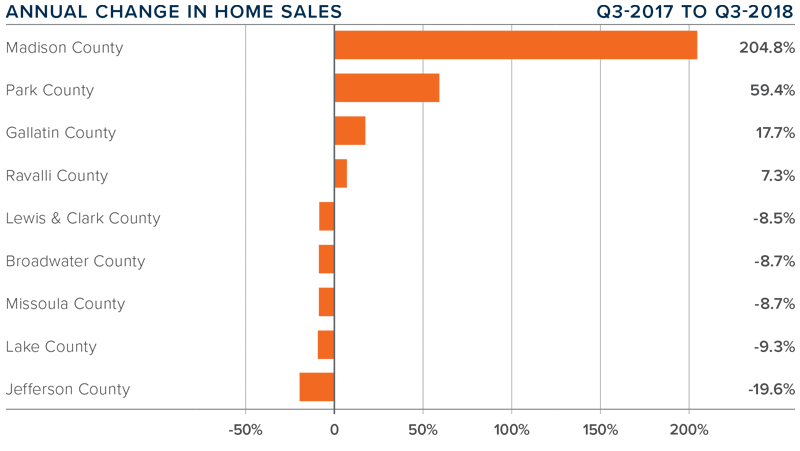
  • 1,847 homes sold during the third quarter of 2018, an increase of 1.5% over the same period in 2017.
     
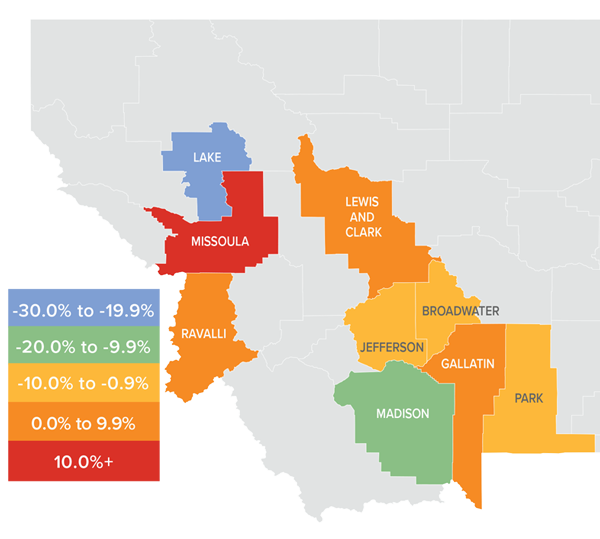
  • Total sales activity rose in four of the counties analyzed in this report. The largest annual increase was seen in Madison County, which had a substantial 205% increase, from 21 home sales to 64. Sales fell in the five remaining counties. The greatest decline was in Jefferson County, where sales were down 19.6% (representing a drop of 27 units).
     
  • The number of homes for sale remains somewhat tepid, with an average of 1,670 active listings in the counties contained in this report.
     
  • Inventory levels remain an obstacle to sales because the number of listings is well below buyer demand. I believe it is unlikely we will see any significant increases as we close out the year, but I am hoping the spring market should bring some relief to buyers.


HOME PRICES

  • The average home price in the region continued to rise in third quarter, with a year-over-year increase of 8.8% to $334,112.
     
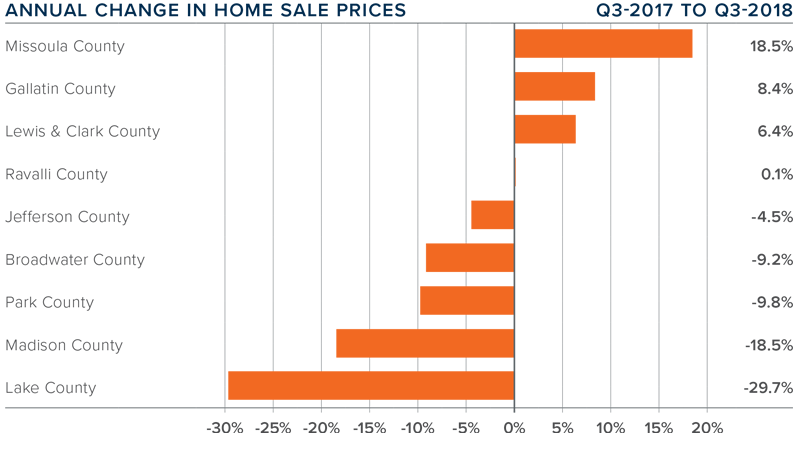
  • Price appreciation was strongest in Missoula County, where home prices rose by a substantial 18.5%.
     
  • In addition to Missoula County, two other counties had solid price increases when compared to a year ago. Ravalli County sales prices were essentially the same as a year ago.
     
  • The takeaway from this data is that demand is still exceeding supply, which continues to drive up home prices.


DAYS ON MARKET

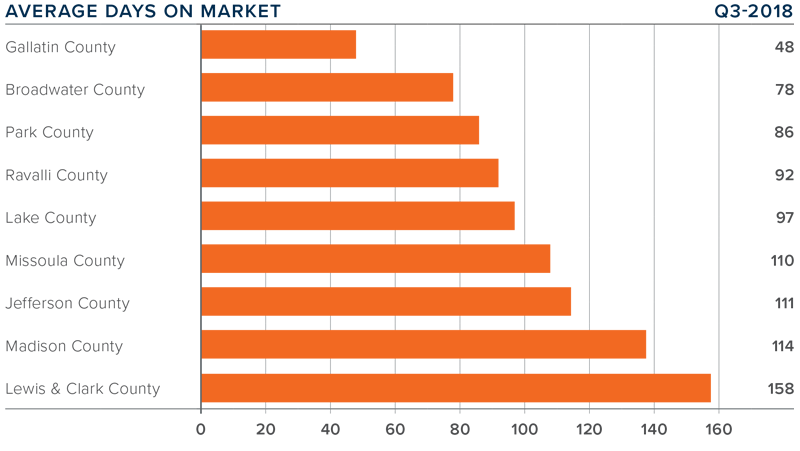
  • The average number of days it took to sell a home dropped 26 days compared to the third quarter of 2017.
     
  • Homes sold fastest in Gallatin County and slowest in Lewis and Clark County. In six counties — Ravalli, Lake, Broadwater, Jefferson, Gallatin, and Madison — days on market dropped when compared to the third quarter of 2017.
     
  • During the third quarter, it took an average of 126 days to sell a home in the region.
     
  • The takeaway here is thatin most markets, supply continues to exceed demand.


CONCLUSIONS

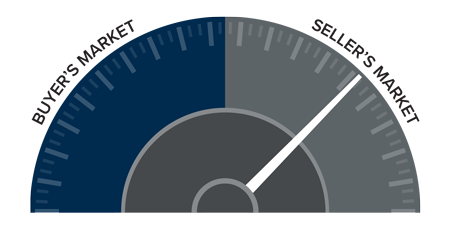
The speedometer reflects the state of the region’s housing market using housing inventory, price gains, home sales, interest rates, and larger economic factors. 

For the third quarter of 2018, I have kept the needle well in sellers’ territory. There continues to be a shortage of homes for sale, and those that are well-priced and well positioned are selling relatively quickly. Housing affordability remains a concern in some markets, which is something I will be keeping an eye on as we move through the fall and into 2019.


Matthew Gardner is the Chief Economist for Windermere Real Estate, specializing in residential market analysis, commercial/industrial market analysis, financial analysis, and land use and regional economics. He is the former Principal of Gardner Economics and has more than 30 years of professional experience both in the U.S. and U.K. 

Market News November 7, 2018

Oregon and Southwest Washington Real Estate Market Update


The following analysis of the Oregon and Southwest Washington real estate market is provided by Windermere Real Estate Chief Economist Matthew Gardner. We hope that this information may assist you with making better-informed real estate decisions. For further information about the housing market in your area, please don’t hesitate to contact your Windermere agent.


ECONOMIC OVERVIEW

Oregon added 42,000 new jobs over the past 12 months, representing a very solid annual growth rate of 2.2%. In the second quarter Gardner Report, I stated that job growth in Oregon was starting to taper, but since then the state has made adjustments to figures from the last three years that now suggest job growth was stronger than originally reported.

The Southwest Washington market (Clark, Cowlitz, Skamania, and Klickitat Counties) added 8,590 new jobs over the past 12 months which represents an annual growth rate of 4.1%.

Oregon’s unemployment rate was 3.8% in August, well below the 4.2% rate of last year. In Southwest Washington, the unemployment rate was 4.6%, down from 5.2% last year.


HOME SALES ACTIVITY

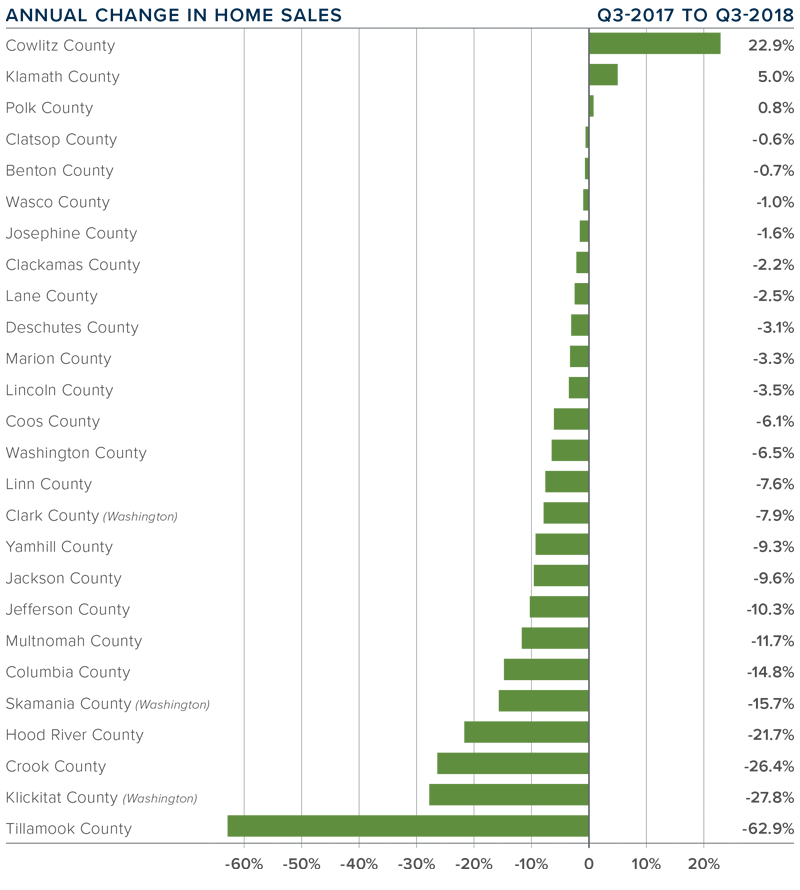
  • Third quarter home sales dropped 6.6% when compared to the same period last year, with a total of 18,486 transactions occurring.
     
  • Sales rose the most in Cowlitz County, which saw a 22.9% increase compared to the third quarter of 2017. There was also a solid increase in Klamath County. Home sales fell the most in Tillamook, Klickitat, Crook, and Hood River Counties.
     
  • Year-over-year sales rose in three counties but dropped in the other 23 counties contained in this report.
     
  • The drop in sales is likely not a result of declining demand, rather it is a function of rising inventories in many markets (especially those close to large employment centers).


HOME PRICES

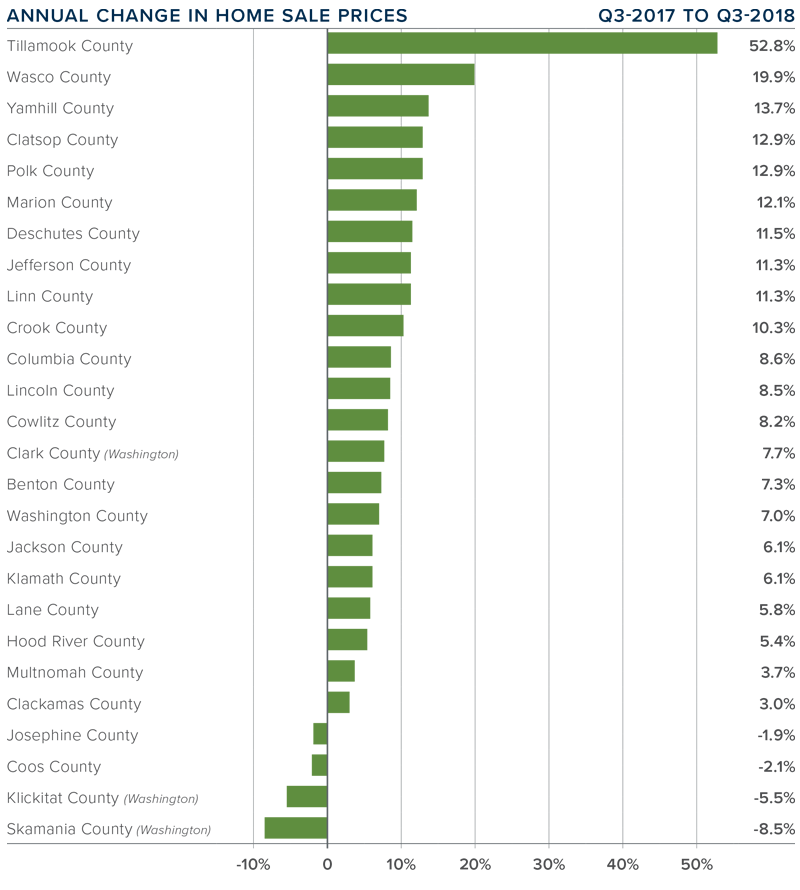
  • The average home price in the region rose 6.8% year-over-year to $390,636. However, we did see a modest 0.6% price decline when compared to the second quarter of this year.
     
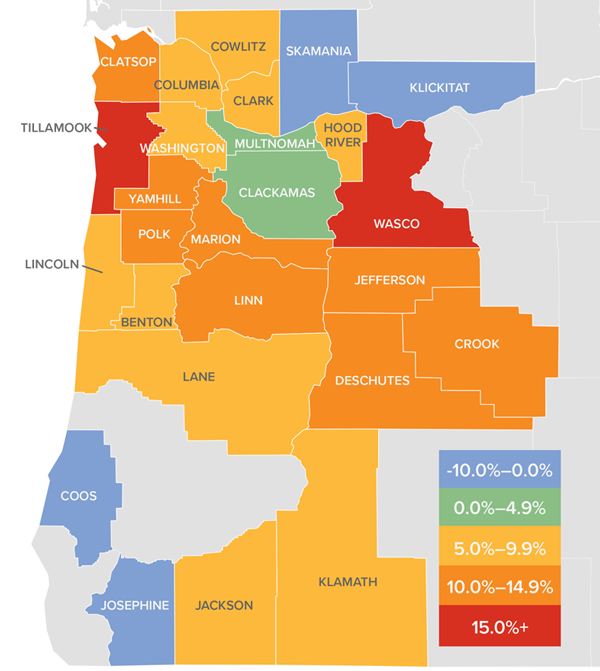
  • Tillamook County led the market with the strongest annual price growth. Homes there sold for 52.8% more than a year ago, but this is likely because it’s a very small market that can be prone to significant swings.
     
  • Similar to last quarterall but four counties experienced price growth compared to a year ago, with 10 of them experiencing double-digit increases.
     
  • The takeaway from this section is that price growth is slowing as some markets reach an affordability wall.


DAYS ON MARKET

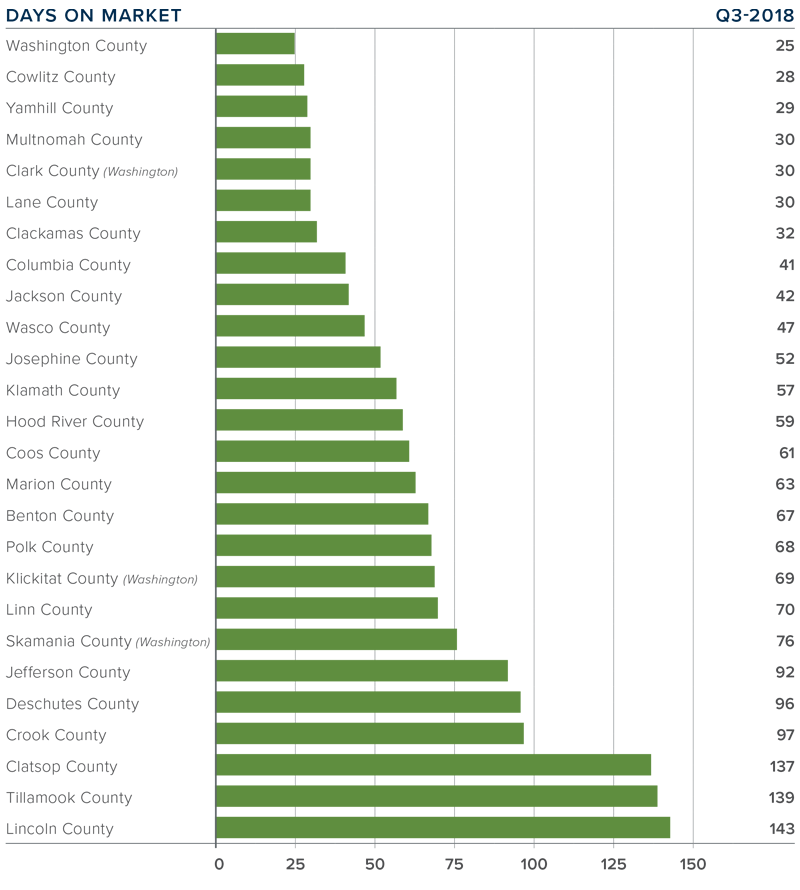
  • The average number of days it took to sell a home in the region dropped by one day compared to the third quarter of 2017 and was down by six days from the second quarter of 2018.
     
  • The average time it took to sell a home last quarter was 65 days.
     
  • Fourteen counties saw the length of time it took to sell a home drop or remain static compared to a year ago. Twelve counties saw market time rise.
     
  • Homes again sold the fastest in Washington (25days), Cowlitz (28 days), and Yamhill (29 days) Counties.


CONCLUSIONS

The speedometer reflects the state of the region’s real estate market using housing inventory, price gains, home sales, interest rates, and larger economic factors.

The region’s economy remains strong and this will continue to drive demand for housing. However, as I review the data, there appears to be a shift in the air, with rising inventory levels and slowing sales. I do not see this as being a cause for concern, but instead a shift toward a more balanced market. The rise in inventory indicates that there are clearly home sellers who believe the housing market in their area has peaked and now is the time to sell. As such, I have moved the needle further toward buyers, but it still remains a seller’s market.


Matthew Gardner is the Chief Economist for Windermere Real Estate, specializing in residential market analysis, commercial/industrial market analysis, financial analysis, and land use and regional economics. He is the former Principal of Gardner Economics and has more than 30 years of professional experience both in the U.S. and U.K.

Market News November 6, 2018

Idaho Real Estate Market Update


The following analysis of select Idaho real estate markets is provided by Windermere Real Estate Chief Economist Matthew Gardner. We hope that this information may assist you with making better-informed real estate decisions. For further information about the housing market in your area, please don’t hesitate to contact your Windermere agent.


ECONOMIC OVERVIEW

Job growth in Idaho remains fairly strong. Over the past 12 months, the state has added 22,000 new jobs, representing a solid growth rate of 3.1%.

In August, the state unemployment rate was 2.8%, down from 3.1% a year ago. The state is, essentially, at full employment, and it appears my forecast predicting that Idaho would add just over 20,000 new jobs in 2018 will likely come true.


HOME SALES ACTIVITY

  • 6,592 homes were sold during the third quarter, representing a very modest drop of 0.3% from the third quarter of 2017.
     
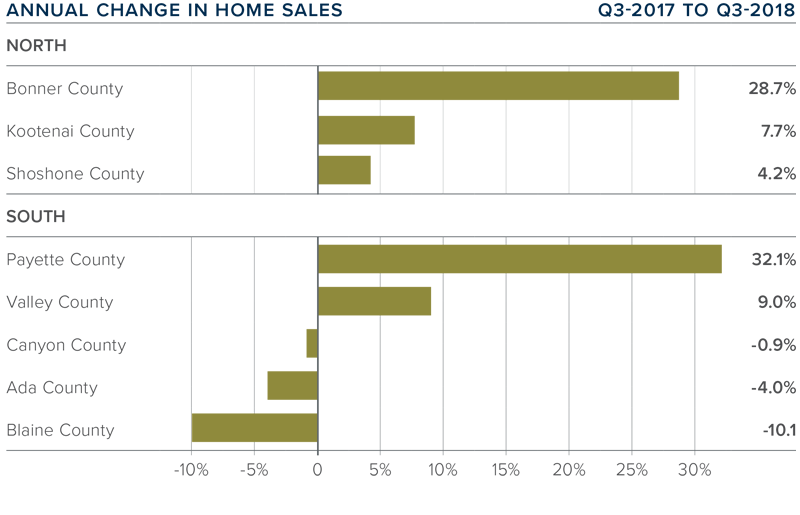
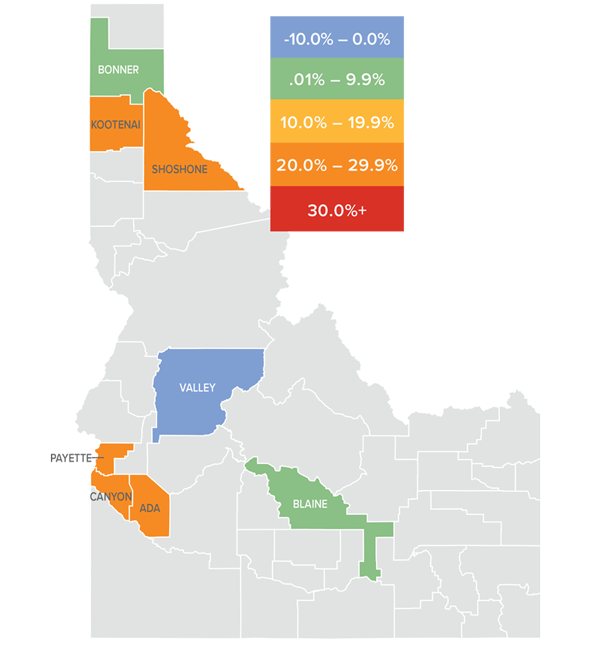
  • In Northern Idahosales again rose the fastest in Bonner County, where they were up by a substantial 28.7% relative to the third quarter of 2017. There were more modest increases in the other two counties. In Southern Idaho, we saw substantial sales growth in the relatively small Payette County but lower sales in Canyon, Ada, and Blaine Counties.
     
  • Demand for housing remains strong, but pending sales saw a modest decline. Listing activity remains at relatively low levels and, given substantial growth in home prices, this may be limiting the ability for some to buy. I am hoping inventory levels will rise, but it is unlikely that this will happen until next spring.


HOME PRICES

  • The average home price in the region rose 15.7% year-over-year to $326,329.
     
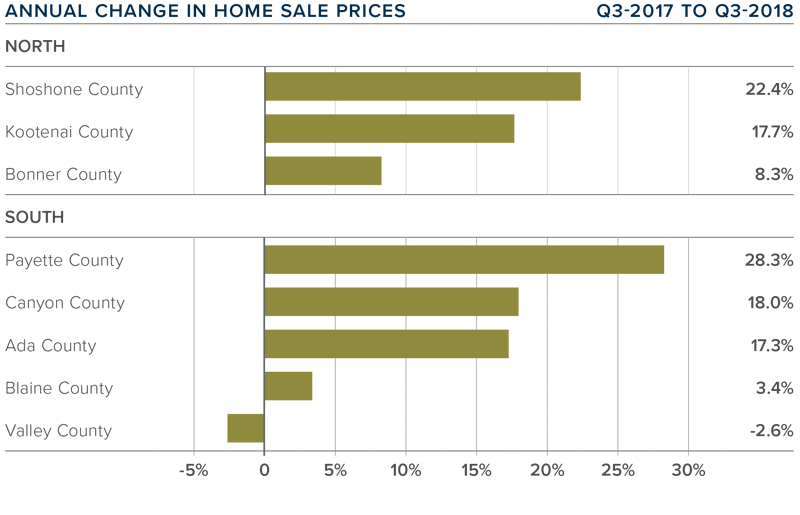
  • Payette County led the market with the strongest annual price growth. Homes there sold for 28.3% more than a year ago, but this is a small market with very few sales, so it is subject to severe swings in average sale prices.
     
  • There were price increases in all but one county compared to the third quarter of 2017. The outlier was Valley County, which had a very modest drop.
     
  • As I have stated in prior reports, listing activity continues to drive home prices up at above-average rates. I do not see this changing substantively until the new year.


DAYS ON MARKET

  • It took an average of 93 days to sell a home in Northern Idaho and 72 days in the southern part of the state.
     
  • The average number of days it took to sell a home in the region dropped six days when compared to the third quarter of 2017 and was down by nine days from the second quarter of this year.
     
  • Homes in all but two surveyed counties took less time to sell than they did in the same quarter of 2017. The outliers were Valley and Kootenai, which saw the time it took to sell a house rise, but very modestly.
     
  • Homes again sold the fastest in Canyon and Ada Counties, where it took an average of 26 and 27 days, respectively.


CONCLUSIONS

The speedometer reflects the state of the region’s housing market using housing inventory, price gains, home sales, interest rates, and larger economic factors. 
Job growth continues to spur the housing market in Idaho and this is unlikely to change. The number of available homes for sale is still well below where I would like it to be, which is causing prices to continue to rise at above-average rates. That said, limited sales growth may be a function of housing affordability, which may be keeping some buyers on the fence.

I will be interested to see if this trend continues in the fourth quarter. Given these factors, I have moved the needle just a little more in favor of home sellers.


Matthew Gardner is the Chief Economist for Windermere Real Estate, specializing in residential market analysis, commercial/industrial market analysis, financial analysis, and land use and regional economics. He is the former Principal of Gardner Economics and has more than 30 years of professional experience both in the U.S. and U.K.

Living November 5, 2018

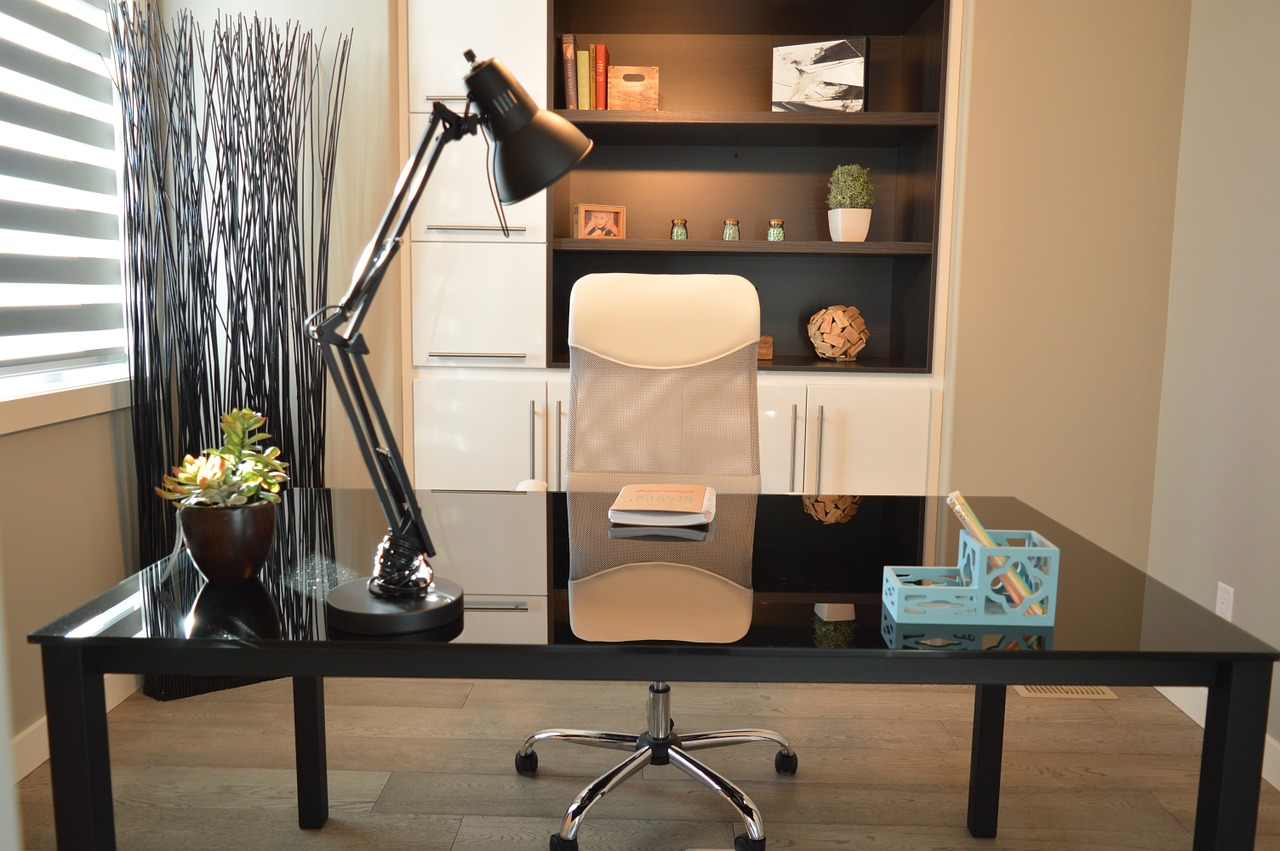
Designing the Perfect Home Office to Work From Home In Style

Working from home is an aspiration for many of us, but to do so effectively takes work. A disorganized space at home can be just as troublesome as a hectic office. The most disciplined telecommuters will tell you that you need a structured routine and organization to rise and grind and get into work mode.

Having a designated workspace is quite possibly the most important piece to the work-from-home pie. Even if you live in a small space, you need to find a balance between home and office. People who work from home often have a difficult time separating work hours from their non-work hours because it's so easy to keep at it late into the night. But maintaining a balance and shutting down the computer is important for overall wellbeing. What are some other must-haves for a successful home office? Here are the top five:


  1. Natural Light – Study upon study tells us that natural light is needed to boost productivity and mood. Make sure to set your desk up as close to a window as you can. If being near a window isn’t an option, a natural light lamp is the next best thing. It helps balance your body clock and leaves you feeling rested and refreshed.
     
  2. To-Do List or Planner – Start each day off by making a to-do list outlining what you need to get done before the end of the workday. Make sure to set a realistic time frame in which all of that should be completed, so you can check each one off the list and feel immense accomplishment once you've completed them all.
     
  3. Storage – If you have a big enough space, put in a large bookshelf where you can organize everything (think storage boxes). It reduces clutter and looks stylish. Using your walls and cabinetry is the most efficient use of space.
     
  4. Calendar – Many people tend to rely on digital calendars these days because of their convenience. When all of your devices sync together and pop up with reminders, you never have to worry about missing an appointment. However, many people find that it helps to keep a paper calendar handy too so you can easily view your whole month at a glance.
     
  5. Space for Inspiration – It doesn't matter what field you work in, having a source of inspiration in your workspace is essential. Whether it's a photo of your family, your dream car, or that vacation you've been dying to take, having that inspiration right in front of you provides a constant reminder of why you do what you do.
Market News November 5, 2018

Central Washington Real Estate Market Update


The following analysis of the Central Washington real estate market is provided by Windermere Real Estate Chief Economist Matthew Gardner. We hope that this information may assist you with making better-informed real estate decisions. For further information about the housing market in your area, please don’t hesitate to contact your Windermere agent.

ECONOMIC OVERVIEW

Washington State continues to be one of the fastest growing states in the nation and there is little to suggest that there will be any marked slowdown in the foreseeable future. Over the past year, the state has added 105,900 new jobs, representing an annual growth rate of 3.2%. This remains well above the national rate of 1.65%. Private sector employment gains continue to be robust, increasing at an annual rate of 3.7%. The strongest growth sectors were Construction (+7.4%), Information (+6.2%), and Professional & Business Services (+6.1%). The state’s unemployment rate was 4.5%, down from 4.8% a year ago.

The counties within Central Washington have added 2,861 new jobs over the past 12 months, representing a growth rate of 1.2%. The local unemployment rate for the area continued to fall, with a drop from 5.6% to 4.9%.

HOME SALES ACTIVITY

  • Last quarter, home sales throughout Central Washington dropped by 1.7% to 1,387 sales, but they were 6.8% higher than the second quarter of this year.
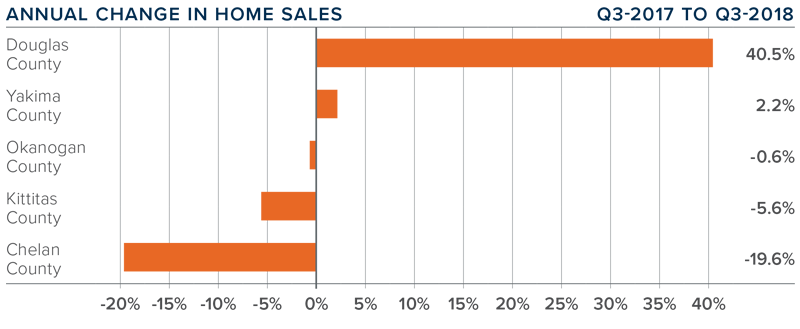
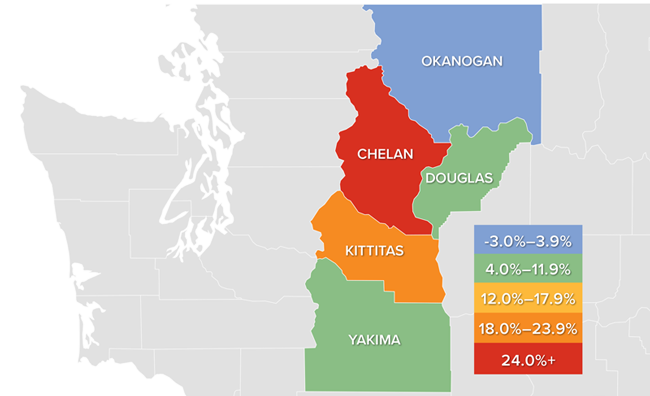
  • Sales rose most in Douglas County, which had an impressive 40.5% increase over the third quarter of 2017. Yakima was the only other county that saw sales rise. There was a significant drop in sales in Chelan County, which may be a function of high home prices in that area.
  • The number of pending home sales—an indicator of future closings — was up 4.1% compared to the second quarter, indicating that closings will likely rise in the final quarter of the year.
  • have been suggesting that the shortage of homes for sale was an issue, but that appears to be reversing course. Total listings were up 12.1% compared to the second quarter of this year.

HOME PRICES

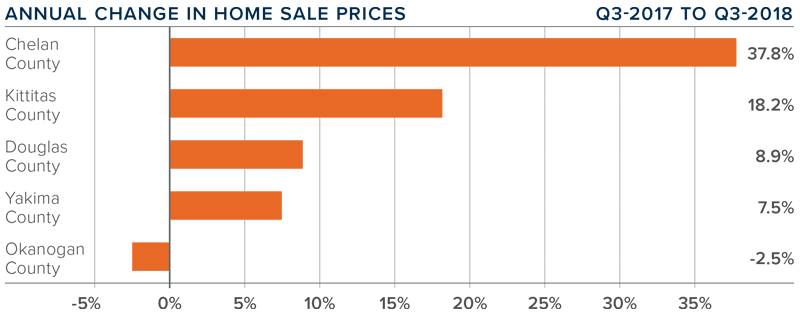
  • Year-over-year, the average home price in the region rose 15% to $327,412. Price growth remains well above the long-term average, but I expect that additional inventory will start to cool home price appreciation.
  • Okanogan County was the only market that saw average sale prices drop, but small markets can experience significant swings in price. I do not see this as a pervasive issue.
  • Prices rose in four of the five counties in this report compared to the third quarter of 2017. Chelan County stood out with a very substantial increase of 37.8%.
  • Home-price growth has been increasing at above-average rates due to supply constraints. However, I believe additional inventory will start to taper price increases.

DAYS ON MARKET

  • The average number of days it took to sell a home dropped eight days when compared to the third quarter of 2017.
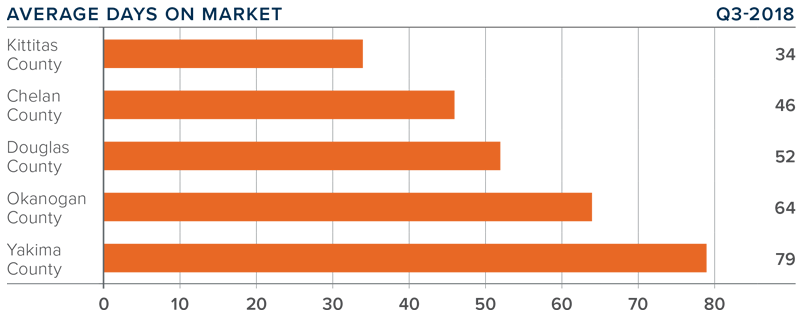
  • The average time it took to sell a home in the region was 55 days, down 12 days when compared to the second quarter of 2018.
  • All the markets contained in this report, other than Douglas, saw days-on-market drop from the same quarter in 2017.
  • Homes again sold fastest in Kittitas County, where it took an average of just 34 days to sell a home. The greatest drop in days on market was in Okanogan County, where it took 43 fewer days than in the third quarter of last year.

CONCLUSIONS


This speedometer reflects the state of the region’s real estate market using housing inventory, price gains, home sales, interest rates, and larger economic factors.
For the third quarter of 2018, I have moved the needle a little toward buyers. Increases in inventory, together with modestly slowing home price growth, should take some of the “froth” off the market for the balance of the year.

Mr. Gardner is the Chief Economist for Windermere Real Estate, specializing in residential market analysis, commercial/industrial market analysis, financial analysis, and land use and regional economics. He is the former Principal of Gardner Economics, and has more than 30 years of professional experience both in the U.S. and U.K.