Market News October 28, 2020

Colorado Real Estate Market Update


The following analysis of the Metro Denver & Northern Colorado real estate market is provided by Windermere Real Estate Chief Economist Matthew Gardner. We hope that this information may assist you with making better-informed real estate decisions. For further information about the housing market in your area, please don’t hesitate to contact your Windermere agent. 


ECONOMIC OVERVIEW

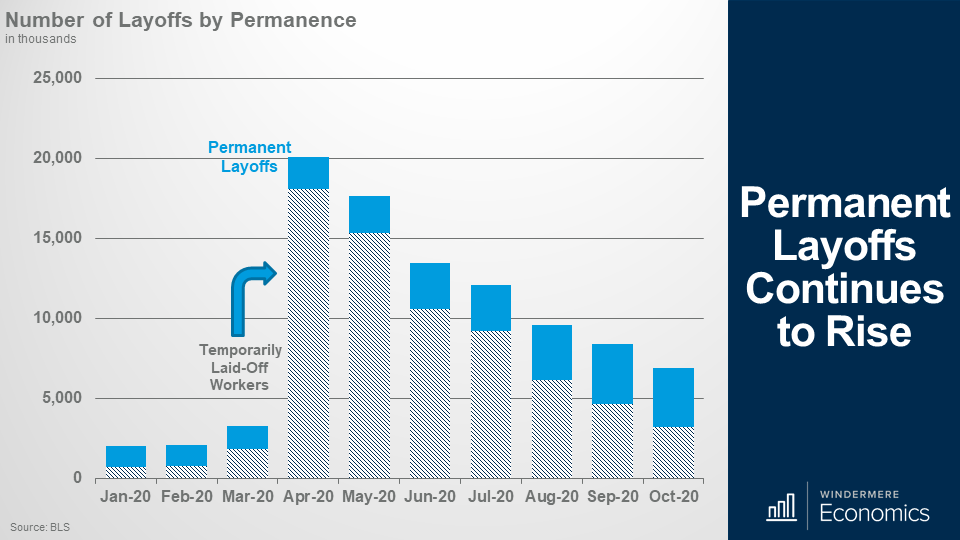
What a difference a quarter makes! Following the massive job losses Colorado experienced starting in February—the state shed over 342,000 positions between February and April—the turnaround has been palpable. Through August, Colorado has recovered 178,000 of the jobs lost due to COVID-19, adding 107,500 jobs over the past three months, an increase of 4.2%. All regions saw a significant number of jobs returning. The most prominent was in the Denver metropolitan service area (MSA), where 78,800 jobs returned in the quarter.

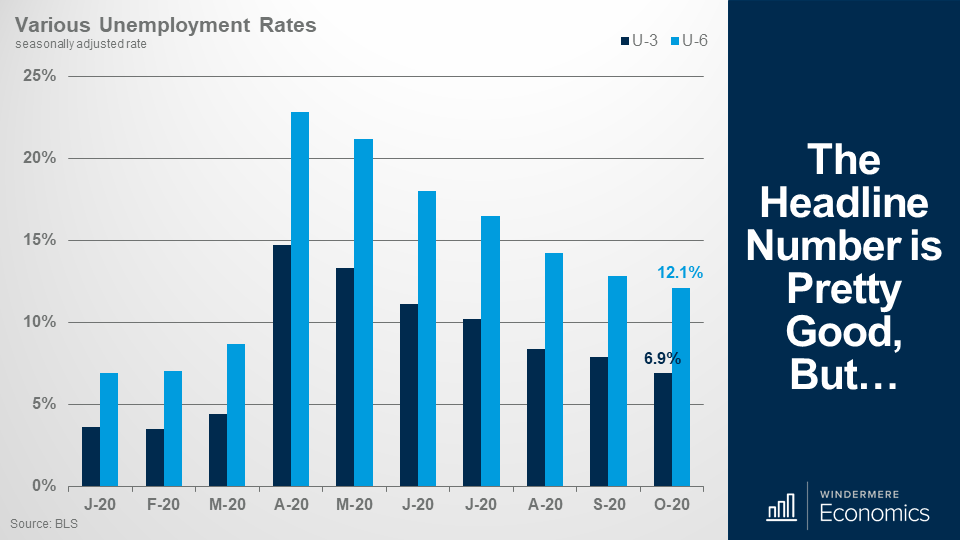
Although employment in all markets is recovering, there is still a way to go to get back to pre-pandemic employment levels. The recovery in jobs has naturally led the unemployment rate to drop: the state is now at a respectable 6.7%, down from a peak of 12.2%. Regionally, all areas continue to see their unemployment rates contract. I would note that the Fort Collins and Boulder MSA unemployment rates are now below 6%. Cases of COVID-19 continue to rise, which is troubling, but rising rates have only slowed—not stopped—the economic recovery. Moreover, it has had no noticeable impact on the state’s housing market.


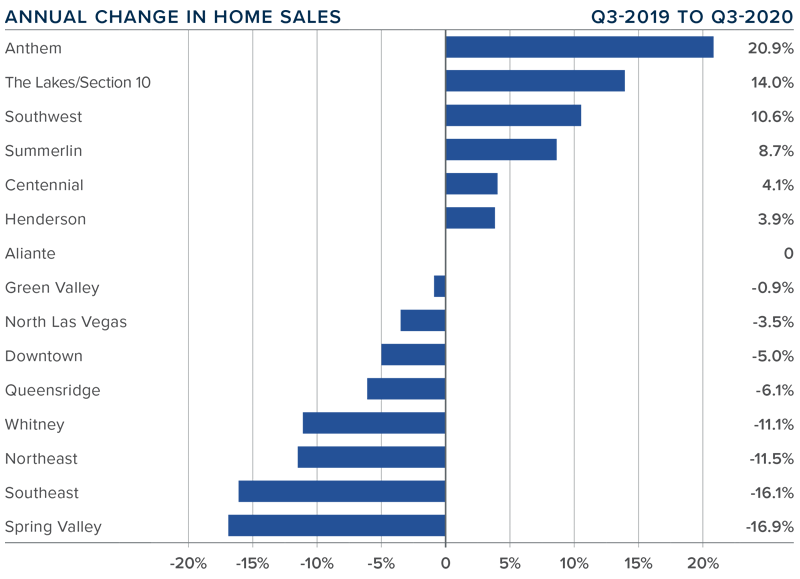
HOME SALES

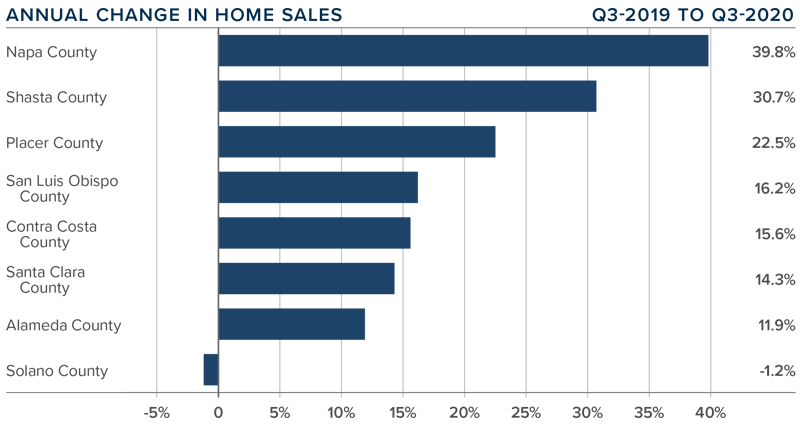
  • In the third quarter of 2020, 15,065 homes sold. This represents an increase of 20.4% over the third quarter of 2019, and a remarkable 52.7% increase over the second quarter of this year.
  • Home sales rose in all markets other than El Paso compared to the second quarter of 2019. I believe sales are only limited by the number of homes on the market.
  • Inventory levels remain remarkably low, with the average number of homes for sale down 44.5% from the same period in 2019. Listing activity was 17.8% lower than in the second quarter of 2020.
  • Even given the relative lack of inventory, pending sales rose 17.8% from the second quarter, suggesting that closings for the final quarter of the year will be positive.


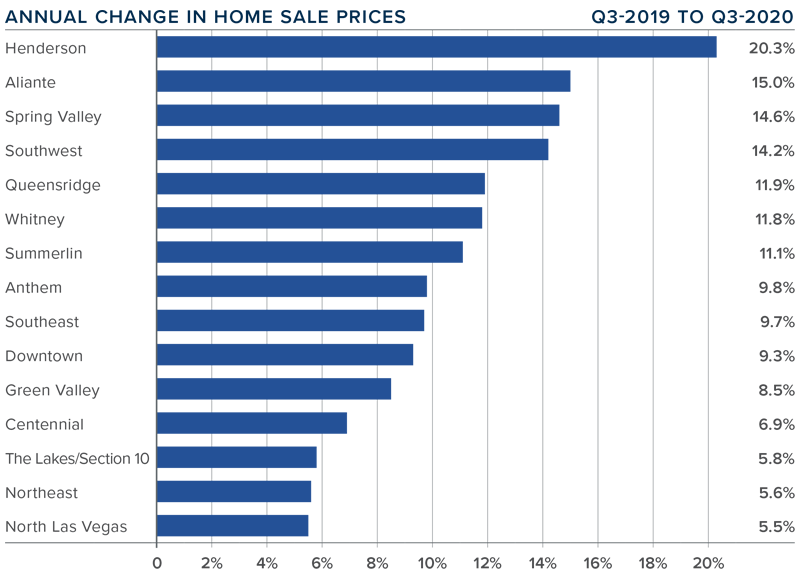
HOME PRICES

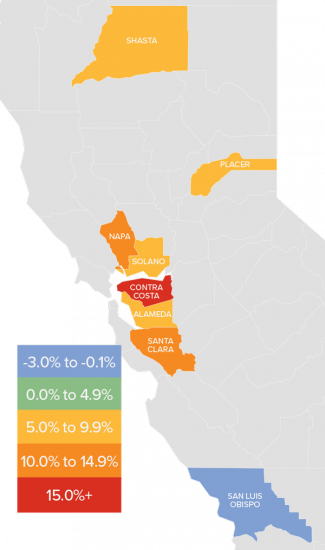
  • After taking a pause in the second quarter, home prices rose significantly in the third quarter, with prices up 11.9% year-over-year to an average of $523,193. Prices were up 7.4% compared to the second quarter of this year.
  • Interest rates have been dropping. Although I do not see there being room for them to drop much further, they are unlikely to rise significantly. This is allowing prices to rise at above-average rates.
  • Year-over-year, prices rose across all markets covered by this report. El Paso, Clear Creek, and Gilpin counties saw significant price appreciation. All but four counties saw double-digit price gains.
  • Affordability in many Colorado markets remains a concern, as prices are rising at a faster pace than mortgage rates have been dropping.


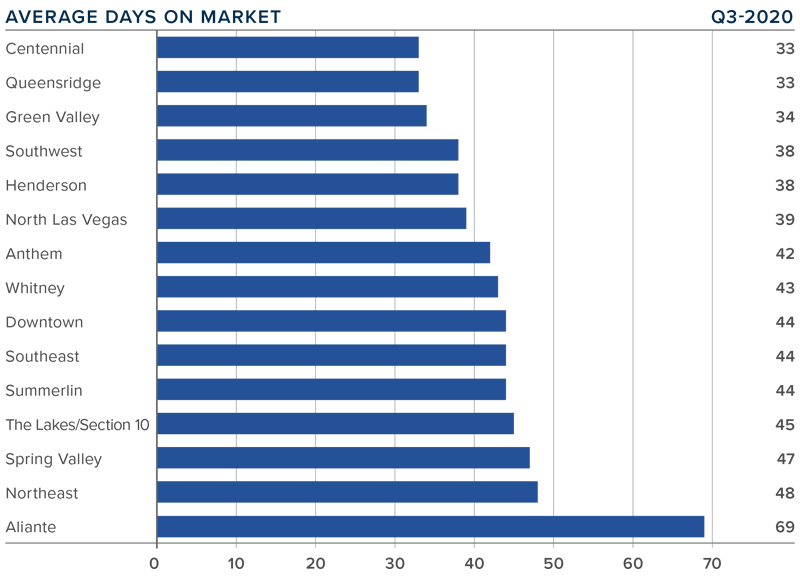
DAYS ON MARKET

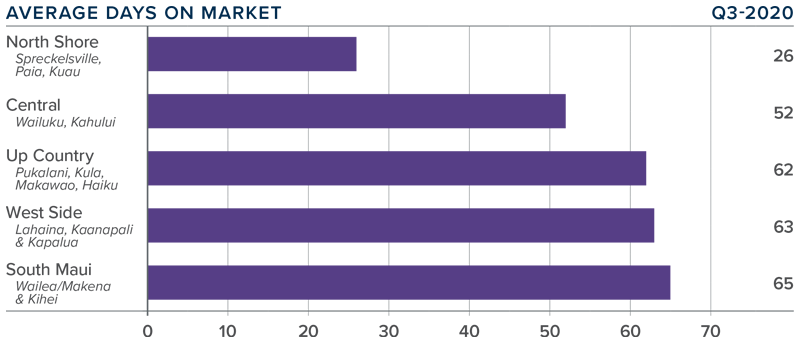
  • The average number of days it took to sell a home in the markets contained in this report dropped one day compared to the third quarter of 2019.
  • The amount of time it took to sell a home dropped in nine counties, remained static in two, and rose in one compared to the third quarter of 2019.
  • It took an average of 29 days to sell a home in the region.
  • The Colorado housing market continues to demonstrate solid demand, and the short length of time it takes to sell a home suggests buyers are competing fiercely for available inventory.


CONCLUSIONS

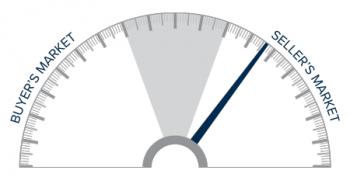
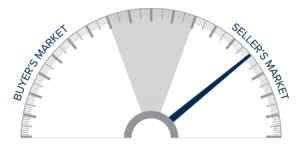
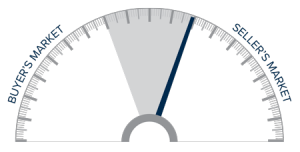
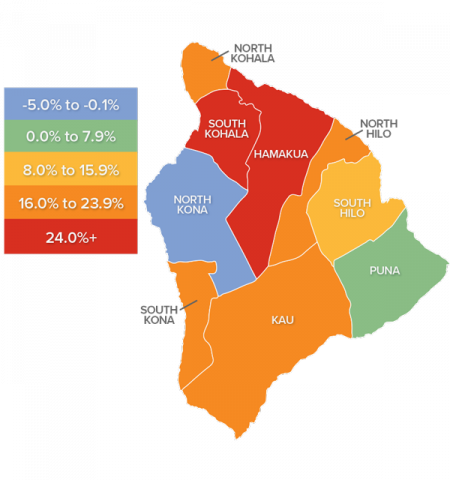
This speedometer reflects the state of the region’s real estate market using housing inventory, price gains, home sales, interest rates, and larger economic factors.

 
Demand for housing is significant, and sales activity is only limited by the lack of available homes to buy. Prices are rising on the back of very competitive mortgage rates and a job market in recovery. I suggested in my second quarter report that the area would experience a “brisk summer housing market” and my forecast was accurate. As such, I have moved the needle a little more in favor of home sellers.


ABOUT MATTHEW GARDNER

As Chief Economist for Windermere Real Estate, Matthew Gardner is responsible for analyzing and interpreting economic data and its impact on the real estate market on both a local and national level. Matthew has over 30 years of professional experience both in the U.S. and U.K.

In addition to his day-to-day responsibilities, Matthew sits on the Washington State Governors Council of Economic Advisors; chairs the Board of Trustees at the Washington Center for Real Estate Research at the University of Washington; and is an Advisory Board Member at the Runstad Center for Real Estate Studies at the University of Washington where he also lectures in real estate economics.

Market News October 28, 2020

Southern California Real Estate Market Update


The following analysis of the Southern California real estate market is provided by Windermere Real Estate Chief Economist Matthew Gardner. We hope that this information may assist you with making better-informed real estate decisions. For further information about the housing market in your area, please don’t hesitate to contact me.


ECONOMIC OVERVIEW

We are seeing some “green shoots” in the regional economy, but employment levels across the Southern Californian counties contained in this report are still well below where they were before COVID-19 hit. For perspective, the region shed more than two million jobs between March and May. That said, it appears as if we turned the corner in June, and the latest data available (August) shows the region has recovered more than 640,000 of the lost jobs.

Although some jobs are returning, the current level remains well below where it was in the spring. It is, therefore, unsurprising to see the unemployment rate remain elevated. In August, unemployment averaged 13.4% across the region. It was lowest in Orange and San Diego counties, at 9.9%. It was highest, at 16.6%, in Los Angeles County. I expect we will continue to see jobs return, but the rate will be tepid. A hard-struck economy, in concert with ongoing wildfires, will act as headwinds to a full economic recovery.


HOME SALES

  • There were 53,498 homes sold in the third quarter of 2020, representing a year-over-year increase of 8%. This number was up a remarkable 59.2% from the second quarter.
  • Pending home sales (an indicator of future closings) rose 39.8% from the second quarter, suggesting closings in the final quarter of 2020 will be positive.
  • Third quarter sales rose in all but one county relative to a year ago. The exception was Los Angeles County, where sales dropped 1.4%. Outside of L.A., the growth in transactions was impressive across the board.
  • There was an average of only 23,225 homes for sale in the third quarter—down 40.4% from a year ago and 13.8% lower than in the second quarter of this year. Choice for buyers in the market remains very limited.


HOME PRICES

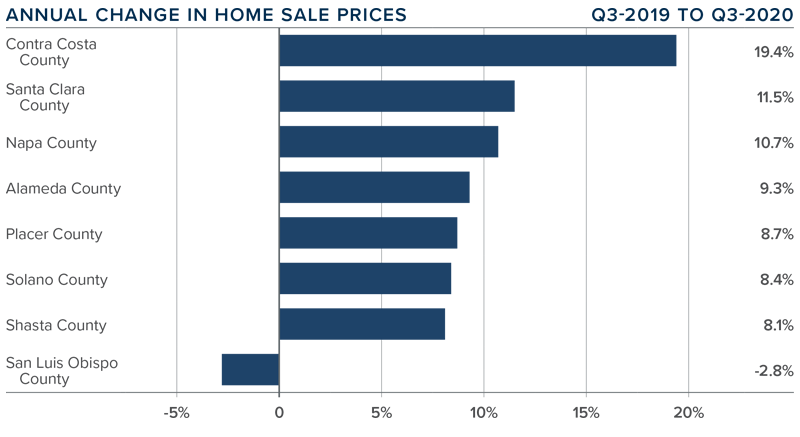
  • Year-over-year, the average sale price in the region was $812,553. This was 12.2% higher than a year ago and 11.8% higher than in the second quarter of 2020.
  • Very competitive mortgage rates are allowing prices to rise at well-above-average rates. Although this has been very good for would-be buyers, affordability concerns continue to increase given that prices are rising faster than mortgage rates have been dropping.
  • The region saw double-digit price growth across all counties contained in this report, with very significant increases in the relatively affordable Riverside County.
  • I predict mortgage rates will remain very low, and that will drive demand. Prices will continue to rise, especially as there is a significant lack of homes for sale—demand is clearly exceeding supply. At some point, price growth will slow, but it is unlikely to happen this year.


DAYS ON MARKET

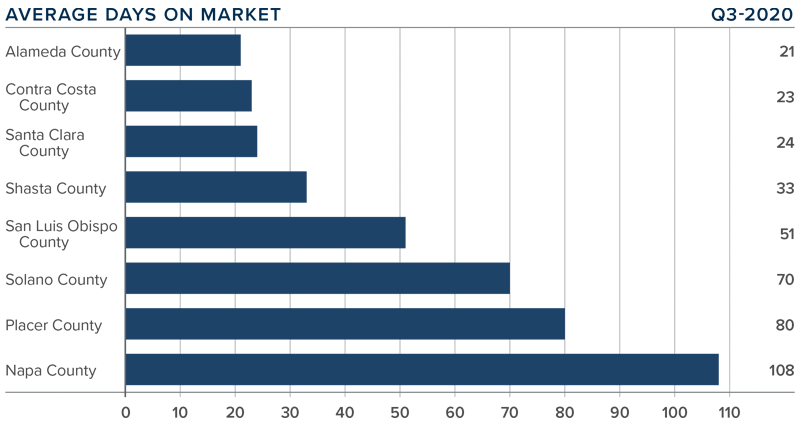
  • In the third quarter, the average time it took to sell a home in the region was 33 days, which is 9 fewer days than a year ago and 2 fewer days than in the second quarter of 2020.
  • Homes in San Diego County continue to sell at a faster rate than other markets in the region. In the third quarter it took an average of only 21 days to sell a home. This is 8 fewer days than it took a year ago.
  • All markets contained in this report saw the time it took to sell a house drop compared to the third quarter of 2019.
  • The drop in market time is a function of limited inventory levels and significant demand.


CONCLUSIONS

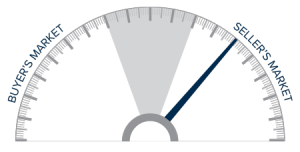
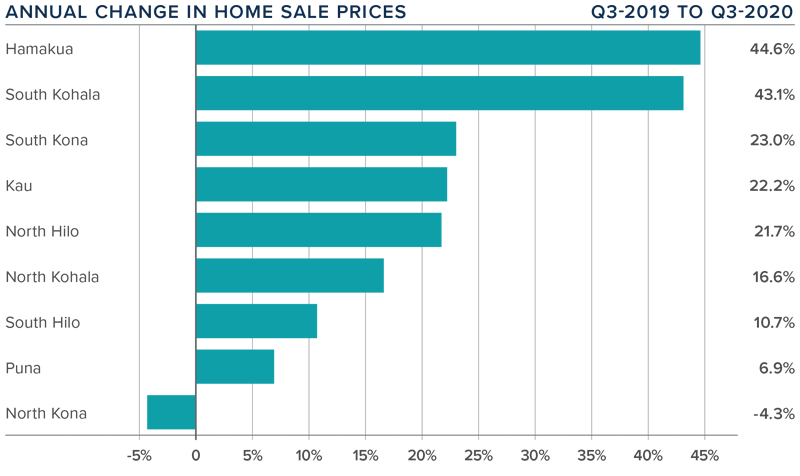
This speedometer reflects the state of the region’s real estate market using housing inventory, price gains, home sales, interest rates, and larger economic factors.

Buyer demand has reappeared—even in the face of an economy with significant levels of unemployment. Housing is clearly a bright spot in an otherwise moribund economy. Demand is likely to remain strong, but this could change if workers are allowed to continue working remotely indefinitely and decide to move to more affordable markets both inside and outside of the state.

Even given the possible headwinds mentioned here, I am moving the needle a little more in favor of sellers as solid demand is still in place.


ABOUT MATTHEW GARDNER

As Chief Economist for Windermere Real Estate, Matthew Gardner is responsible for analyzing and interpreting economic data and its impact on the real estate market on both a local and national level. Matthew has over 30 years of professional experience both in the U.S. and U.K.
In addition to his day-to-day responsibilities, Matthew sits on the Washington State Governors Council of Economic Advisors; chairs the Board of Trustees at the Washington Center for Real Estate Research at the University of Washington; and is an Advisory Board Member at the Runstad Center for Real Estate Studies at the University of Washington where he also lectures in real estate economics.

Market News October 27, 2020

Oregon and Southwest Washington Real Estate Market Update


The following analysis of the Oregon and Southwest Washington real estate market is provided by Windermere Real Estate Chief Economist Matthew Gardner. We hope that this information may assist you with making better-informed real estate decisions. For further information about the housing market in your area, please don’t hesitate to contact your Windermere agent.


ECONOMIC OVERVIEW

The region continues to recover from the very significant COVID-19-induced contraction in employment earlier in the year. Oregon lost a remarkable 252,800 jobs in April alone, but the contraction was remarkably short. Numbers started to improve in May, with more than 112,000 jobs returning. The Southwest Washington region saw a drop in total employment of almost 30,000 jobs, but that also turned around in May, with more than 14,500 jobs returning.

The massive drop in employment drove the unemployment rate. Oregon was up to 14.9% in April, but that rate has now dropped to 7.7%. The unemployment rate in Southwest Washington dropped from 14.6% to 9.4%. The recovery is palpable, though the pace has slowed. The kinds of jobs returning differ, with service industry jobs taking far longer to ramp up. I still expect to see further improvement as we move through the balance of the year, but the increase in jobs is likely to continue to be muted until a vaccine is freely available.


HOME SALES

  • Third quarter home sales have recovered very rapidly, with total transactions up 11.1% compared to the same period a year ago. A total of 20,649 homes sold.
  • Unsurprisingly, sales rose in a vast majority of counties, but there were modest declines in sales in four counties. However, most of these are small markets that can be subject to significant swings.
  • Growth was 44% higher than in the second quarter of 2020.
  • Housing is clearly recovering faster than the economy as a whole, and pending sales suggest that the fourth quarter will be a good one. That said, the state is still suffering from a lack of supply, which will ultimately limit the number of home sales.


HOME PRICES

  • The average home price in the region rose a significant 14.1% year-over-year to $460,527. Prices were 9.4% higher compared to the second quarter of 2020.
  • Klickitat County led the market with the strongest annual price growth but, again, this is a very small market prone to significant swings. Prices were lower in Skamania County, but the decline was very modest.
  • All but one of the counties contained in this report experienced price growth compared to the third quarter of 2019. Annual price growth picked up significantly in the third quarter.
  • The takeaway here is that home prices are rising at a significant pace as buyers enjoy historically low mortgage rates. That said, prices are now rising faster than rates are falling and this suggests we will see a slowing down in the pace of home-price appreciation.


DAYS ON MARKET

  • The average number of days it took to sell a home in the region actually rose two days compared to the third quarter of 2019, though it took five fewer days to sell a home than in the second quarter of 2020.
  • The average time it took to sell a home in the third quarter was 61 days.
  • Sixteen counties saw the length of time it took to sell a home drop compared to a year ago; ten counties saw market time rise.
  • Homes again sold the fastest in Washington County, where it only took 22 days to sell.


CONCLUSIONS

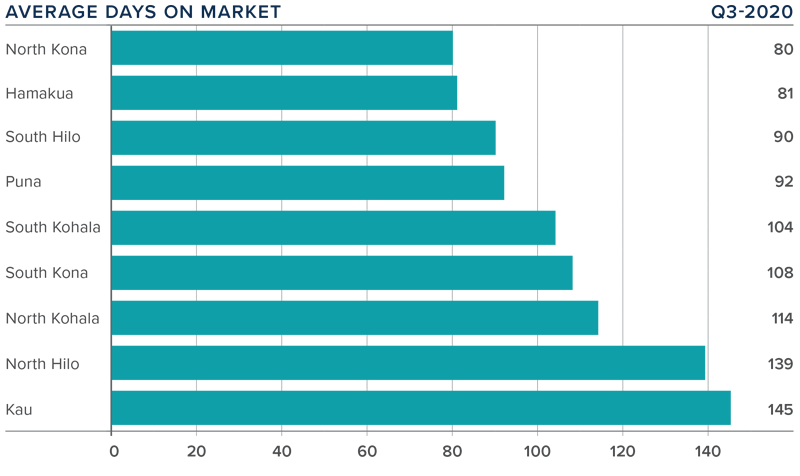
This speedometer reflects the state of the region’s real estate market using housing inventory, price gains, home sales, interest rates, and larger economic factors. 

Closed sales are up by a significant percentage, prices are increasing at very robust rates, and it is clear that demand is significantly exceeding supply. When combined with historically low interest rates, it’s clear the market has rebounded and now significantly favors home sellers.

Given these factors, I have moved the needle further in the favor of sellers.


ABOUT MATTHEW GARDNER

As Chief Economist for Windermere Real Estate, Matthew Gardner is responsible for analyzing and interpreting economic data and its impact on the real estate market on both a local and national level. Matthew has over 30 years of professional experience both in the U.S. and U.K.
In addition to his day-to-day responsibilities, Matthew sits on the Washington State Governors Council of Economic Advisors; chairs the Board of Trustees at the Washington Center for Real Estate Research at the University of Washington; and is an Advisory Board Member at the Runstad Center for Real Estate Studies at the University of Washington where he also lectures in real estate economics.

Market News October 26, 2020

Matthew Gardner COVID-19 Housing & Economic Update: 10/26/2020

Market News October 26, 2020

Western Washington Real Estate Market Update


The following analysis of the Western Washington real estate market is provided by Windermere Real Estate Chief Economist Matthew Gardner. We hope that this information may assist you with making better-informed real estate decisions. For further information about the housing market in your area, please don’t hesitate to contact your Windermere agent.


REGIONAL ECONOMIC OVERVIEW

Employment numbers in Western Washington continue to improve following the massive decline caused by COVID-19. For perspective, the area shed more than 373,000 jobs between February and April. However, the recovery has been fairly robust: almost 210,000 of those jobs have returned. Unemployment levels remain elevated; the current rate is 8.2%. That said, it is down from 16.6% in April. The rate, of course, varies across Western Washington counties, with a current low of 7.2% in King County and a high of 11.2% in Grays Harbor County. The economy is healing, but the pace of improvement has slowed somewhat, which is to be expected. That said, I anticipate that jobs will continue to return as long as we do not see another spike in new infections.


HOME SALES

  • Sales continued to improve following the COVID-19-related drop in the first quarter of the year. There were 25,477 transactions in the quarter, an increase of 11.6% from the same period in 2019, and 45.9% higher than in the second quarter of this year. 
  • Listing activity remains woefully inadequate, with total available inventory 41.7% lower than a year ago, but 1.6% higher than in the second quarter of this year.
  • Sales rose in all but two counties, though the declines were minimal. The greatest increase in sales was in San Juan County, which leads one to wonder if buyers are actively looking in more isolated markets given ongoing COVID-19-related concerns.
  • Pending sales—a good gauge of future closings—rose 29% compared to the second quarter of the year, suggesting that fourth quarter closings will be positive.


HOME PRICES

  • Home-price growth in Western Washington rose a remarkable 17.1% compared to a year ago. The average sale price was $611,793.
  • When compared to the same period a year ago, price growth was strongest in Mason, Island, and San Juan counties. Only one county saw prices rise by less than ten percent.
  • It was even more impressive to see the region’s home prices up by a very significant 9.4% compared to the second quarter of 2020. It is clear that low mortgage rates, combined with limited inventory, are pushing prices up.
  • As long as mortgage rates stay low, and there isn’t an excessive spike in supply (which is highly unlikely), prices will continue to rise at above-average rates. That said, if this continues for too long, we will start to face affordability issues in many markets.


DAYS ON MARKET

  • The average number of days it took to sell a home in the third quarter of this year dropped two days compared to a year ago.
  • Snohomish County was the tightest market in Western Washington, with homes taking an average of only 16 days to sell. All but two counties—Lewis and San Juan—saw the length of time it took to sell a home rise compared to the same period a year ago.
  • Across the region, it took an average of 36 days to sell a home in the quarter. It is also worth noting that it took an average of 4 fewer days to sell a home than in the second quarter of this year.
  • The takeaway here is that significant increases in demand, in concert with remarkably low levels of inventory, continue to drive market time lower.


CONCLUSIONS

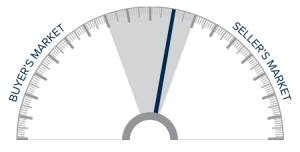
This speedometer reflects the state of the region’s real estate market using housing inventory, price gains, home sales, interest rates, and larger economic factors. 

High demand, favorable interest rates, and low supply clearly point to a seller’s market in Western Washington. As such, I am moving the needle even more in favor of sellers.

As I suggested earlier in this report, although the market is remarkably buoyant, I am starting to see affordability issues increase in many areas—not just in the central Puget Sound region—and this is concerning. Perhaps the winter will act to cool the market, but something is telling me we shouldn’t count on it.


ABOUT MATTHEW GARDNER

As Chief Economist for Windermere Real Estate, Matthew Gardner is responsible for analyzing and interpreting economic data and its impact on the real estate market on both a local and national level. Matthew has over 30 years of professional experience both in the U.S. and U.K.
In addition to his day-to-day responsibilities, Matthew sits on the Washington State Governors Council of Economic Advisors; chairs the Board of Trustees at the Washington Center for Real Estate Research at the University of Washington; and is an Advisory Board Member at the Runstad Center for Real Estate Studies at the University of Washington where he also lectures in real estate economics.

Buying October 19, 2020

The Remote Worker’s Home Buying Process

Image Source: Getty Images


The pandemic’s influences on home life are far-ranging, prompting buyers to look at home ownership through a new lens. Remote work has created a paradigm shift in the wants and needs of homebuyers. Here’s what the remote worker should keep in mind when looking to buy.

Location

The location, location, location cliché has taken on new meaning for homebuyers who work from home. Because remote work gives us the opportunity to work from anywhere, home searches are expanding. Work commute times typically play a significant role in the home buying process; however, many buyers now have the option to view homes further away from their places of work.


Those who previously dreamed of the quiet life, but didn’t want the commute that came with it, are now able to make a move toward a more suburban environment. If you prefer to be away from the hustle and bustle of a downtown area but don’t want to feel isolated, search for properties in the suburbs with active town centers. 

The proper space

When COVID-19 began sending workers home in the early months of 2020, homeowners worldwide discovered their varied level of preparedness for remote work. Some had spacious home offices and were able to make the transition easily. Others had to create makeshift workspaces out of living rooms or bedrooms. What we have learned is that a dedicated workspace is paramount to productive remote work, its importance emphasized by the unknown timeline of a return to working in-person in many parts of the country.  

 
Before you buy: 
 
  • When searching for homes, understand that a home office situated in an open floor plan is more prone to distraction. 
  • Look for features such as an additional bedroom, finished basement, or bonus room that offer ample space to create your remote work environment. 
  • Having a designated space you can associate solely with work will not only drive your focus but helps to balance your home and work life. It allows you to wrap up the workday, leave your home office, and easily transition back into the goings on of your household.


After you buy: 
 
  • Light it up: You’ll want plenty of light in your home office to stay fresh throughout the work week. If you are next to a window, let in as much natural light as possible. Add in desk and floor lamps to brighten your space. 
  • Work comfortably: While working at home, it’s easy to sit in one place for hours on end. Shop for comfortable desk chairs that provide proper lumbar support. Explore alternatives to desk chairs like yoga balls and standing desks. 
  • Personalize: Adding personal touches will help to make your home office feel comfortable. Inspirational quotes, your favorite artwork, and pictures of loved ones are all types of décor that will keep you inspired in your remote work. 


For all these considerations and more, talk with your Windermere agent about how your remote work is shifting where you’re looking for a home and what you’re looking for when it’s time to move there. 

Living October 14, 2020

Modern Design Trends

Image source: Shutterstock


Modern design can tie your home together while making a statement. Getting to know the modern farmhouse, mid-century modern, and industrial design trends will help to determine which is best for your home.


Modern Farmhouse 

Bringing country living to wherever you call home, modern farmhouse is a style marked by sleek lines, vintage touches, and natural textures that still delivers a comfortable feel. Widespread use of the term “modern farmhouse” did not pick up steam until the mid-2010s, only gaining in popularity since.

In your home: 
  • Color: A defining characteristic of the modern farmhouse is a whitewashed palette, which offers a satisfying contrast to the use of natural wood. Cream is also a popular choice. Floral accents are typically used to add depth to the whitewashed backdrop.


  • Features: Exposed beams, antique items, and rustic décor form the makeup of a modern farmhouse-inspired dwelling. Barn lighting and gooseneck lamps are the most fitting lighting choices. Round out your modern farmhouse look with shiplap wherever you see fit, board-and-batten siding, and Shaker cabinets for your kitchen.


Mid-Century Modern 

A movement begun in—you guessed it—the middle of the twentieth century, mid-century modern (MCM) took shape in a post-war America that saw a migration to urban areas, thus influencing design of the era to be more mindful of smaller living spaces.

In your home: 
  • Philosophy: Mid-century modern is as much an artistic movement as a design trend. MCM designs are simple in form, emphasizing function and organic influences, and are meant for everyone to use. Consider these characteristics when planning your décor.


  • Color: The color palette most commonly associate with MCM is earthy tones. If you’re looking to add more pop but want to stay true to the earthy palette, experiment with pastels.
  • Furniture: Typical MCM design features in furniture include juxtaposing larger pieces with skinny legs, peg legs, the use of lighter-colored woods such as teak, and fun geometric shapes. Beloved favorites include credenzas, dressers, and egg chairs.


Industrial 

Inspired by warehouses, factories and unexpected materials such as shipping containers, Industrial design brings home the raw, hardwearing aesthetic typically associated with spaces like reclaimed yards, hangars, and ports. Customization is popular in Industrial design, and like mid-century modern, simplicity is emphasized.

In your home:
  • Color: The Industrial color palette is predominantly neutral. Texture is a more defining feature than color, which gives you flexibility when it comes to decorating. With neutral colors, it is easier to keep your home’s color palette aligned and complimentary.
  • Materials: How do you make your home feel like a warehouse? Materials go a long way in accomplishing this. Industrial go-to materials for furniture and beyond include wood, aluminum, copper, steel, stone, and tin. Avoid soft materials like plush that would take away from the hardworking feel inherent in Industrial.
  • A touch of nature: Due to its emphasis on recycled and reused materials, plant life and nature-centric accents are fitting compliments to Industrial design. Indoor plants, cactus, and flowers are popular items for sprucing up an Industrial space while adding an appropriately placed touch of color.


Although these trends vary in style and application, they all share a statement-making capability. When incorporating them into your home, know that any of these features will definitively shape the look and feel of your home.

Market News October 12, 2020

Matthew Gardner COVID-19 Housing & Economic Update 10/12/2020

More October 9, 2020

Windermere Offices Continue to Give Back Through COVID-19


Pictured L to R: Hoku Beebe, Samantha Dallas, Emma Reeves of Windermere Spokane


Through the challenges and restrictions of the COVID-19 pandemic, Windermere offices have stepped up to support their local communities.


Windermere Utah

In an effort organized by Windermere agent Lisa Jungemann, the Utah office donated $5,000 through the Windermere Foundation to the American Foundation for Suicide Prevention, an organization dedicated to saving lives and bringing hope to those affected by suicide. Jungemann also hosted a fundraiser and short walk for AFSP’s Walk Out of Darkness Day on September 12, bringing the total amount raised to $22,300. Walk Out of Darkness is a part of the organization’s signature fundraising series of community, campus, and overnight walks.


Windermere RE/Maple Valley

The Storehouse Covington Food Bank is an organization near and dear to Windermere agent Diana Patterson of the Maple Valley office. Since 1999, The Storehouse’s vision for the Covington community has been to empower their neighbors to reach their full potential by reducing food insecurity. Once on the receiving end of their services, Patterson now serves as a volunteer in an effort to give back to her community. Noticing the strain the COVID-19 pandemic placed on The Storehouse’s ability to serve its community, Patterson partnered with the organization in April for a two-day drive through donation event to replenish their shelves. The effort yielded 1,227 pounds of food and raised over $2,000 in donations.


Diana Patterson with some of the donations for The Storehouse Covington Food Bank


Windermere Spokane

The Windermere Spokane team partnered with their local Big 5 Sporting Goods store to support Family Promise of Spokane, purchasing roughly 90 pairs of shoes and socks for children in the community to start their new school year off on the right foot. Family Promise specializes in connecting homeless families to their neighborhoods, increasing support networks and re-enforcing the skills needed to maintain housing.


Pictured L to R: Laura Zahn, Barb Pielli, and Wendy Shiley handing out socks at the Spokane Big 5 Sporting Goods


Windermere Homes & Estates

Windermere Homes & Estates and Feeding San Diego have made a significant impact for the those in need in their community. Feeding San Diego, a member of Feeding America, envisions a hunger-free and healthy San Diego by connecting every person facing hunger with nutritious meals by maximizing food rescue. Including donations made during our Neighbors in Need campaign this year and a canned food drive during the holidays last year, the Homes & Estates team’s efforts have provided 665,000 meals to the San Diego community.


These are just some examples of the commitment to serve that offices throughout our network have shown during the COVID-19 pandemic. We will continue to showcase these stories as we persist in our support of those in need throughout our local communities.


To find out more about the Windermere Foundation or to make a donation, please visit windermerefoundation.com.

Selling October 7, 2020

10 Steps to Selling Your Home

Navigating everything involved with selling your home can seem intimidating. Breaking the process down step by step will keep you organized and ready to work with your agent toward a successful home sale.

1. Choose an Agent

A lot goes into choosing the right agent. If you’re unsure where to start, get referrals from trusted friends, family, and neighbors. Although the ultimate goal is the sale, think about your compatibility outside of the transaction. Their ability to connect with you on a human level through the ups and downs of a home sale is just as important as their expertise and knowledge of the market.

2. Set a Timeline 

Depending on your local housing market conditions, your timeline for selling your home may vary. However, a timeline is valuable in that it will keep you organized throughout the selling process and allows you to adjust if circumstances change. Your agent will work with you to build the ideal timeline.

3. What is Your Home Worth?

The key to selling quickly is correctly pricing your home from the first day it hits the market. In particular, overpricing can lead to serious complications in the selling process. Your agent can provide you with a Comparative Market Analysis (CMA) to better determine the best price of your home. CMAs provide information on comparable home sales in your area, both pending and sold, within the past six months.

While an agent will always have the best information, you can also try our automated value estimate tool as a starting point. Our seller page features home values and market information about what buyers are looking for in your area.

4. Repair & Upgrade

Now it’s time to get to work on the house! This is the perfect time to tackle any and all outstanding projects or repairs. Create a list separating which repairs can be done yourself and which need professional attention. This is the time to consider a pre-sale home inspection to identify structural and mechanical problems before your home is on the market.

5. Make the Best First Impression

Making an impactful first impression goes a long way in the minds of buyers, so roll up your sleeves and prepare to check off that to-do-list. Start by cleaning up the garden and lawn, clearing out gutters, and adding color to your flower beds. Apply a fresh coat of paint anywhere you spot peeling or cracked paint. A great way to make an impact is by staging your home, with the goal of making each room feel as spacious and welcoming as possible.

6. Show Your Home 

Discuss virtual home tour options with your agent and other ways to generate maximum buyer interest. For in-person showings, it’s best that you leave the premises so the buyer can freely ask their agent questions and visualize the home as their own.

7. Offers & Negotiation 

If you are in a seller’s market—defined by low inventory and high buyer competition—it is likely that you will receive offers at – or above – asking price. You can respond to an offer by a) accepting the offer, b) making a counteroffer, or c) rejecting the offer. Counteroffers should always be made in writing and provide a short window of time for the potential buyer to respond. If you are selling in a buyer’s market, you may have to be more open to negotiation. Discuss negotiation strategies with your agent to work toward a satisfying final price.

8. Prepare for Closing Costs

There are costs throughout the selling process, and as the close date approaches, that remains true. Be sure to budget for your real estate agent’s commission, and other common seller’s costs like title insurance, recording fees, and government transfer tax, among others.

9. Home Inspection

Buyer offers are usually contingent upon a professional home inspection. Ask your agent for a home inspection checklist, so you know what the inspector is looking for ahead of time. They typically inspect the home’s foundation, structure, roof, plumbing and electrical systems, floors, windows, doors, and more for signs of damage and weathering.

10. Closing Time

Congratulations! Your home is sold, but there are still some final steps before the deal is done. This is the time to ask the buyer to release any contingencies, sign the title, and close escrow before handing over the keys. Consult your real estate agent for any questions about legal documentation and settlement costs.

If you’d like more information about selling your home, an experienced Windermere Real Estate agent is ready to help. Click the button below to get started.