Market News September 5, 2018

What You Need to Know About the US Luxury Housing Market

Luxury homes sales across the U.S. continue to perform strongly, but I’m noticing some headwinds starting to appear that are worthy of a closer look.

It’s often thought that luxury real estate runs totally independent of the overall market, and while this is true in some respects, there are definitely correlations between high-end housing and the rest of the market.

The first similarity is that the luxury market has suffered from some the same inventory constraints that are almost endemic across all price points in the U.S. But, similar to the overall market, we are starting to see a rise in inventory, which should be good news for real estate agents and luxury home buyers alike.

Impact of rising inventory 

This increase in the number of luxury homes for sale has started to have a tapering effect on price growth, which again, is similar to what we’re seeing in the rest of the market. But as real estate professionals, we know full well that all housing is local and some markets are performing far better than others.

For example, luxury markets in Maui, Northern California, Colorado, and Sarasota, Florida, are all experiencing substantial price growth, while there are noticeable slowdowns in many parts of New York and New Jersey. Even Queens and Jersey City, which have continued to benefit from high demand, have seen price growth stall recently, indicating that those markets could be losing some steam.  

Why the slowdown? 

The slowing of luxury sales in certain areas around the country piqued my interest, so I decided to explore why this is happening. The first thing I noticed is that cities with high property taxes are fairly prevalent on the list of slowing markets; this includes cities like Boston, Austin, New York City, and Chicago. It is likely that the federal tax changes limiting the deductibility of property taxes are the culprit for such slowdowns in these areas.

Something else that has undoubtedly impacted luxury home sales in markets, such as New York City and Seattle, is the significant decline in foreign buyers from countries like China and Canada. According to the National Association of Realtors, the number of purchases by international buyers fell by 21 percent between 2017 and 2018, amounting to a drop of $32 billion – the largest decline on record.  Foreign buyers spent $121 billion on 266,754 properties, making up 8 percent of the buyers of existing (previously lived in) homes.

My research tells me that foreign home buyers are pulling back amid political uncertainty in the U.S. Ongoing concerns about a potential trade war, combined with rhetoric against foreigners, have done their part to dampen some of the enthusiasm to invest in U.S. housing. Also playing a role in this slowdown is the Chinese Central Government which has started placing tighter controls on the ability to spend money outside of mainland China. And finally, rising home prices and a strong U.S. dollar are likely two other key factors behind the tumbling interest in luxury real estate from overseas buyers.

So how do I see the luxury market performing in 2019?

Luxury real estate sales in markets like Boston, Clearwater, Austin, and Alexandria, Virginia will continue to slow down for the reasons stated earlier, but in other parts of the country, home buyers will provide the demand needed to keep the market plugging along at a healthy pace. 

The changes affecting mortgage interest deductions and property taxes will also continue to impact the luxury market in certain areas, but this will, to a degree, be offset by other tax changes that favor high-income households and increase their disposable income. Something else that will help keep the luxury real estate market afloat in the coming year is jumbo mortgage interest rates which remain remarkably competitive compared to historic standards.   

On a whole, high-end real estate sales have been strong over the past few years. While I am predicting somewhat of a slowdown next year given the headwinds discussed earlier, 2019 will be remembered as a year where balance started to return to the luxury housing market. 

 

Mr. Gardner is the Chief Economist for Windermere Real Estate, specializing in residential market analysis, commercial/industrial market analysis, financial analysis, and land use and regional economics. He is the former Principal of Gardner Economics, and has more than 30 years of professional experience both in the U.S. and U.K. 

Market News August 30, 2018

How Restrictive Growth Policies Affect Housing Affordability In Many Cities

More August 29, 2018

Providing Scholarships and School Supplies to Students in Need


It’s that time of year again! As families prepare to send their kids back to school, Windermere agents have been out in their communities raising money to support programs that provide school supplies and scholarships to students in need.

These are a just a few examples of how Windermere agents are making a difference.


Education First Scholarship Program

Seattle, WA:  For the second year in a row, agents with the Windermere Wall Street Group offices have pooled their local Windermere Foundation funds to sponsor college scholarships for low-income youth who strive to improve their lives. Through a partnership with Education First, students receive tuition assistance along with access to college coaching services to stay on track.

The Windermere Wall Street, Magnolia, and Queen Anne offices used their funds to sponsor Yosef Yirdaw, who plans to study computer science at Eastern Washington University. Originally an orphan from Ethiopia, he shined in high school with both academics and cross country.

The Windermere office in West Seattle sponsored Brandon Olivera, a Chief Sealth High School graduate heading to the University of Washington, who is setting an example for his younger brothers to follow. During high school, Brandon spent many hours working in his father’s restaurant while making sure to help his siblings with their homework.

Both scholars will be the first in their families to attend college. The Windermere Wall Street Group offices have generously donated a total of $12,000 to Education First’s scholarship program since 2016.


Equipped 4 Success School Supply Drive

Alameda, CA:  Through the Windermere Foundation, Windermere Bay Area Properties offices donated $1,000 to the Alameda Education Foundation (AEF) to purchase new backpacks and supplies for their Equipped 4 Success School Supply Drive. Contributions to the drive provide homeless, formerly homeless, and low-income students with the materials they need to be ready to learn on the first day of school.

The mission of the Alameda Education Foundation is to engage the community, raise funds, and coordinate programs to support and enhance the quality of K-12 public education in Alameda.


Make The “Change” For Lewis County


Centralia, WA:  On August 21, the Windermere Centralia office teamed up with KELA/KMNT Radio to host the Make The “Change” For Lewis County fundraising event. A school bus was parked next to the Windermere office to collect school supplies, checks, cash or change, and KELA/KMNT Radio was on site broadcasting live from the event. Over $2,000 worth of school supplies were collected for Lewis County schoolkids in need.


High Point Healthy Families Celebration


Seattle, WA:  Approximately 830 community members attended this annual event on August 15 hosted by Neighborhood House, whose mission is to partner with diverse individuals and families to build community and achieve their goals for health, education, and self-sufficiency. With the help of a $3,000 donation from the Windermere Foundation, Neighborhood House was able to purchase enough school supplies to stuff 500 backpacks and serve 100 more school-aged youth than last year. Seattle Mayor Jenny Durkan was also on hand at the event to help distribute backpacks.
 

Thanks to the generous donations and support of Windermere owners, agents, staff, and the public, the Windermere Foundation has been able to raise over $36 million since 1989 to support local non-profit organizations that provide services to low-income and homeless families in our communities. If you’d like to help support programs in your community, please click on the Donate button.

To learn more about the Windermere Foundation, please visit WindermereFoundation.com.
Buying August 27, 2018

Building Character – Balancing a Home’s Personality and Amenities

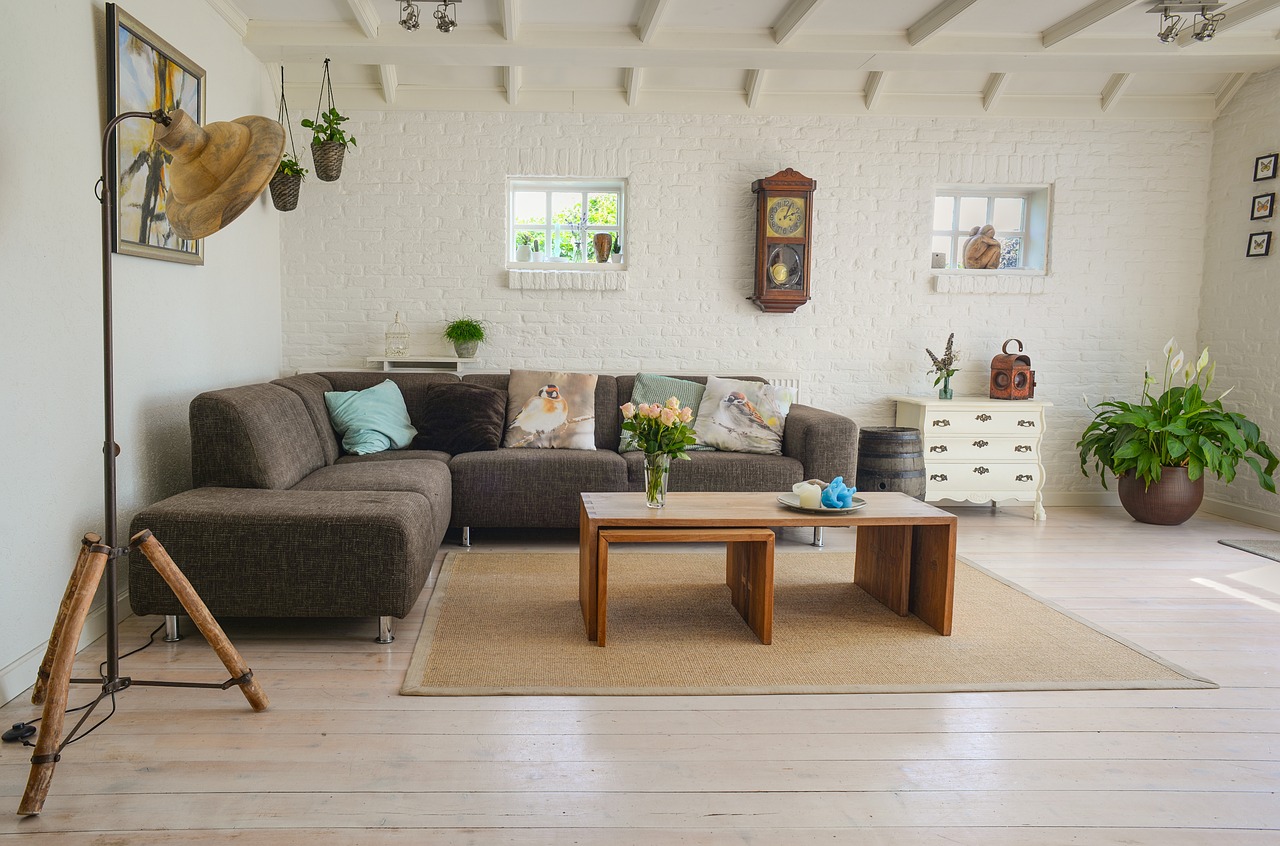
It's sometimes said that the limitations of a house are what help make it a home. For many, however, it is a point of pride to accept only the finest in their new residence. How can you find the balance between cultivating a lived-in home with personality and quirks versus a house with cutting-edge amenities that improve quality of life? To get to the bottom of that, we gathered a list six keys to consider when selecting and developing the home of your dreams:

The neighborhood

Surprisingly, one of the biggest factors in choosing a new home isn’t the property itself, but rather the surrounding neighborhood. While new homes occasionally spring up in established communities, most are built in new developments. The settings are quite different, each with their own unique benefits.

Older neighborhoods often feature tree-lined streets; larger property lots; a wide array of architectural styles; easy walking access to mass transportation, restaurants and local shops; and more established relationships among neighbors.

New developments are better known for wider streets and quiet cul-de-sacs; controlled development; fewer aboveground utilities; more parks; and often newer public facilities (schools, libraries, pools, etc.). There are typically more children in newer communities, as well.

Consider your daily work commute, too. While not always true, older neighborhoods tend to be closer to major employment centers, mass transportation and multiple car routes (neighborhood arterials, highways and freeways).

Design and layout

If you like VictorianCraftsman or Cape Cod style homes, it used to be that you would have to buy an older home from the appropriate era. But with new-home builders now offering modern takes on those classic designs, that’s no longer the case. There are even modern log homes available.

Have you given much thought to your floor plans? If you have your heart set on a family room, an entertainment kitchen, a home office and walk-in closets, you’ll likely want to buy a newer home—or plan to do some heavy remodeling of an older home. Unless they’ve already been remodeled, most older homes feature more basic layouts.

If you have a specific home-décor style in mind, you’ll want to take that into consideration, as well. Professional designers say it’s best if the style and era of your furnishings match the style and era of your house. But if you are willing to adapt, then the options are wide open.

Materials and craftsmanship

Homes built before material and labor costs spiked in the late 1950s have a reputation for higher-grade lumber and old-world craftsmanship (hardwood floors, old-growth timber supports, ornate siding, artistic molding, etc.).

However, newer homes have the benefit of modern materials and more advanced building codes (copper or polyurethane plumbing, better insulation, double-pane windows, modern electrical wiring, earthquake/ windstorm supports, etc.).

Current condition

The condition of a home for sale is always a top consideration for any buyer. However, age is a factor here, as well. For example, if the exterior of a newer home needs repainting, it’s a relatively easy task to determine the cost.  But if it’s a home built before the 1970s, you have to also consider the fact that the underlying paint is most likely lead0based, and that the wood siding may have rot or other structural issues that need to be addressed before it can be recoated.

On the flip side, the mechanicals in older homes (lights, heating systems, sump pump, etc.) tend to be better built and last longer.

Outdoor space

One of the great things about older homes is that they usually come with mature trees and bushes already in place. Buyers of new homes may have to wait years for ornamental trees, fruit trees, roses, ferns, cacti and other long-term vegetation to fill in a yard, create shade, provide privacy, and develop into an inviting outdoor space. However, maybe you’re one of the many homeowners who prefer the wide-open, low-maintenance benefits of a lightly planted yard.

Car considerations

Like it or not, most of us are extremely dependent on our cars for daily transportation. And here again, you’ll find a big difference between newer and older homes. Newer homes almost always feature ample off-street parking: usually a two-car garage and a wide driveway. An older home, depending on just how old it is, may not offer a garage—and if it does, there’s often only enough space for one car. For people who don’t feel comfortable leaving their car on the street, this alone can be a determining factor.

Finalizing your decision

While the differences between older and newer homes are striking, there’s certainly no right or wrong answer. It is a matter of personal taste, and what is available in your desired area. To quickly determine which direction your taste trends, use the information above to make a list of your most desired features, then categorize those according to the type of house in which they’re most likely to be found. The results can often be telling.

Living August 22, 2018

Outfitting Your Home to Survive the Threat of Wildfires

Much of the Western United States is grappling with the same issue this summer – the specter of smoke and fire from some of the largest forest fires in recent memory. For individuals, even the decreased air quality can be a threat, while the destruction that the fires themselves can wreak is devastating. Homeowners living near impacted areas are often left with an impossible choice – pack up what they can and evacuate or remain in a dangerous location and hope for the best. Thankfully, homes needn’t be defenseless against the heat. To help fortify your home against damage stemming from fires, we brought together advice from a few experts.


Opt for Flame-Resistant Walls and Roofing

  • It may be obvious but building a home out of non-flammable materials like brick, stucco, metal, or concrete is a key way to prevent a fire from taking hold initially.
     
  • The troublesome spaces tend to be beyond the core of the home. Decks, balconies, and overhangs all commonly include wooden components that can be easy points of egress for embers.
     
  • Replacing or coating these accent points with fireproof materials is a short-term expense that, much like insurance, prevents far greater financial strains in the future.


No Space is Too Small to Protect

  • Think that little vent in the attic is too small to be an issue? Think again! 
     
  • Even vents built into kitchens and dryers should be considered as potential problem areas. Protecting these can allow continued circulation of air without incurring an excess fire risk.
     
  • Wire screens with 1/8th” to 1/4th” between screen bars are typically enough to keep treacherous embers from sneaking into your home.


Fortify Your Windows

  • The most vulnerable spots in most homes are glassy exterior windows. While their views are understandably gorgeous, they can be easy pressure points for fires to overpower.
     
  • If you have the means to replace single-plane glass with wire glass or fireproof safety glass, that’s a worthwhile expense to ensure neither flames themselves nor radiant heat can shatter into your home.
     
  • Beyond simply upgrading the glass, installing retractable fireproof exterior panels is the safest route to fire protection. And don’t forget your skylights!
Design August 20, 2018

Avoiding the Pitfalls of Home Addition Construction

When dissatisfaction with your current home strikes, it can be exciting to launch into a plan for a new addition. A new living room, bedroom, or more can add value to your home while improving your quality of life. 

On the other hand, even a modest addition can turn into a major construction project, with architects and contractors to manage, construction workers traipsing through your home, hammers pounding, and sawdust everywhere. And although new additions can be a very good investment, the cost-per-square-foot is typically more than building a new home, and much more than buying a larger existing home.


Define your needs

To determine if an addition makes sense for your particular situation, start by defining exactly what it is you want and need. By focusing on core needs, you won’t get carried away with a wish list that can push the project out of reach financially.

If it’s a matter of needing more space, be specific. For example, instead of just jotting down “more kitchen space,” figure out just how much more space is going to make the difference, e.g., “150 square feet of floor space and six additional feet of counter space.”

If the addition will be for aging parents, consult with their doctors or an age-in-place expert to define exactly what they’ll require for living conditions, both now and over the next five to ten years.


Types of additions

Bump-out addition—“Bumping out” one or more walls to make a first-floor room slightly larger is something most homeowners think about at one time or another. However, when you consider the work required, and the limited amount of space created, it often figures to be one of your most expensive approaches.

First-floor addition—Adding a whole new room (or rooms) to the first floor of your home is one of the most common ways to add a family room, apartment or sunroom. But this approach can also take away yard space.

Dormer addition—For homes with steep rooflines, adding an upper floor dormer may be all that’s needed to transform an awkward space with limited headroom. The cost is affordable and, when done well, a dormer can also improve the curb-appeal of your house.

Second-story addition—For homes without an upper floor, adding a second story can double the size of the house without reducing surrounding yard space.


Garage addition—Building above the garage is ideal for a space that requires more privacy, such as a rentable apartment, a teen’s bedroom, guest bedroom, guest quarters, or a family bonus room.


Permits required

You’ll need a building permit to construct an addition—which will require professional blueprints. Your local building department will not only want to make sure that the addition adheres to the latest building codes, but also ensure it isn’t too tall for the neighborhood or positioned too close to the property line. Some building departments will also want to ask your neighbors for their input before giving you the go-ahead.


Requirements for a legal apartment

While the idea of having a renter that provides an additional stream of revenue may be enticing, the realities of building and renting a legal add-on apartment can be sobering. Among the things you’ll need to consider:

  • Special permitting—Some communities don’t like the idea of “mother-in-law” units and therefore have regulations against it or zone-approval requirements.
  • Separate utilities—In many cities, you can’t charge a tenant for heat, electricity, and water unless utilities are separated from the rest of the house (and separately controlled by the tenant).
  • ADU Requirements—When building an “accessory dwelling unit” (the formal name for a second dwelling located on a property where a primary residence already exists), building codes often contain special requirements regarding emergency exists, windows, ceiling height, off-street parking spaces, the location of main entrances, the number of bedrooms, and more.

In addition, renters have special rights while landlords have added responsibilities. You’ll need to learn those rights and responsibilities and be prepared to adhere to them.


Average costs

The cost to construct an addition depends on a wide variety of factors, such as the quality of materials used, the laborers doing the work, the type of addition and its size, the age of your house and its current condition. For ballpark purposes, however, you can figure on spending about $200 per square foot if your home is located in a more expensive real estate area or about $100 per foot in a lower-priced market.

You might be wondering how much of that money your efforts might return if you were to sell the home a couple years later? The answer to that question depends on the aforementioned details, but the average “recoup” rate for a family room addition is typically more than 80 percent.


The bottom line

While you should certainly research the existing-home marketplace before hiring an architect to map out the plans, building an addition onto your current home can be a great way to expand your living quarters, customize your home, and remain in the same neighborhood.

Market News August 16, 2018

How Zoning and Regulatory Costs Impact Housing Affordability

Design August 15, 2018

The Most Ambitious Trends in Luxury Pool Design

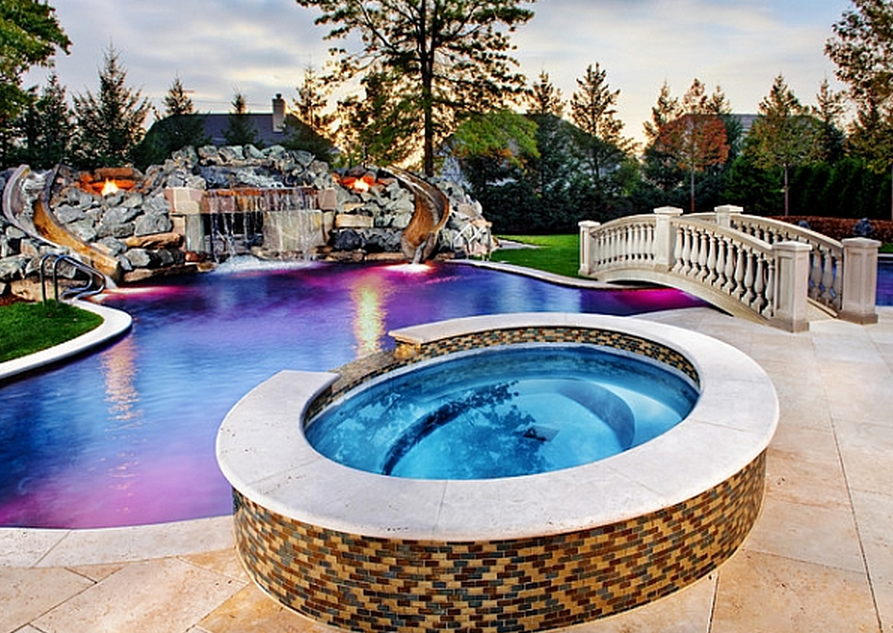
When it comes to luxury home design, if you can imagine it, it can be done. In-home spas, luxe bowling alleys, and glass wine rooms are just a few examples we’re seeing out there. The same idea extends outdoors to swimming pools, which are a must for most luxury homes. But we aren’t talking about just any old backyard pool; they’re usually more masterpiece than mainstream. We consulted a few designers to get some insights into what’s trending in the world of luxury pools and here’s what we found. 

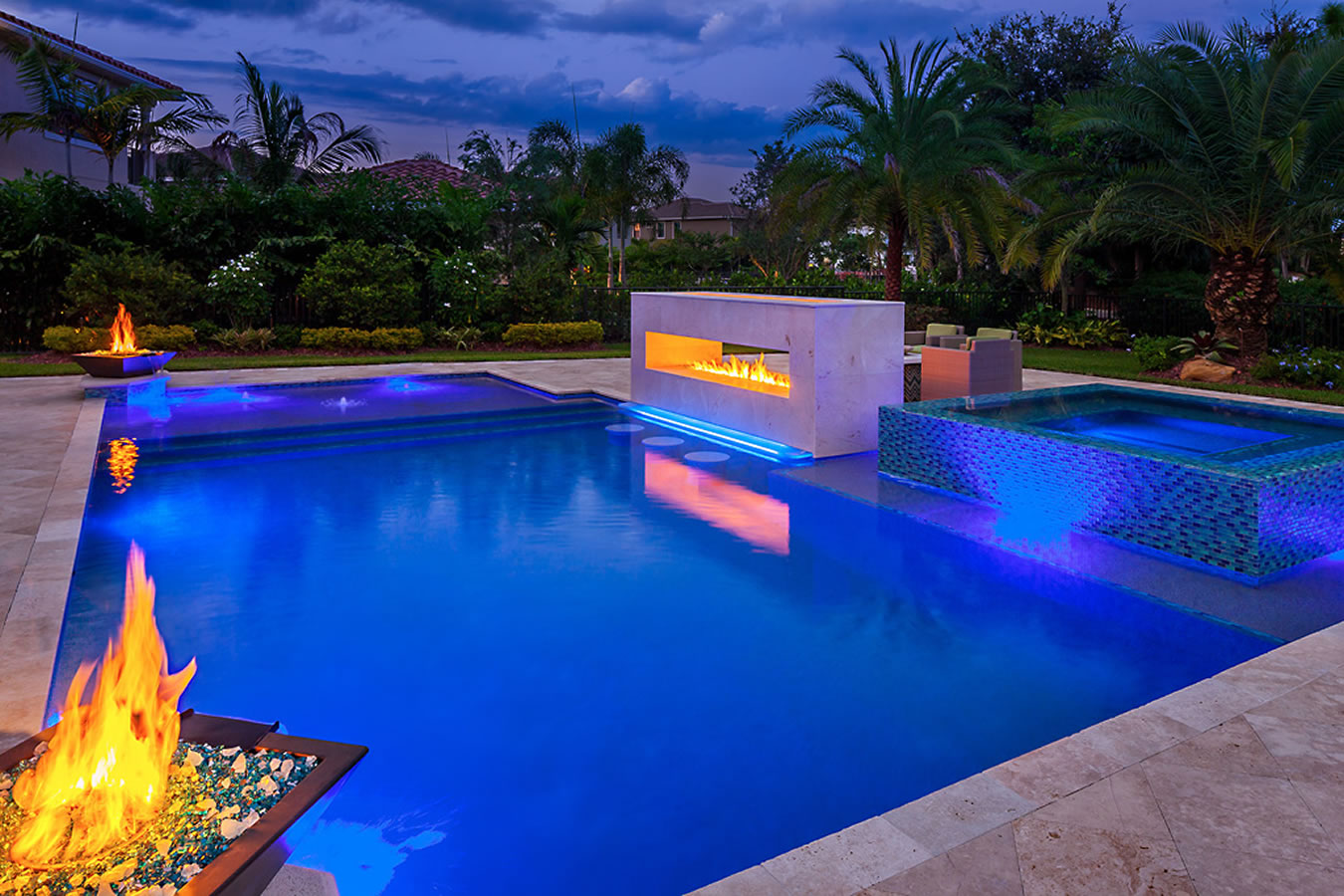
Fire Features

Photo credit to AAA Custom Pools Inc.

  • Catching the eye of all who behold it is the principal goal of a luxury pool. Since the dawn of time, nothing has delivered that reaction quite like fire.
     
  • Accenting your backyard pool with stylish braziers emphasizes both elegance and authority.
     
  • Such a style demands forethought, as safety is a priority. The right flame, however, sparks an ambiance unlike any other.


Custom Art Accoutrement 


Photo credit to Van Kirk & Sons Pools and Spas.

  • A home should represent its owners. A pool should be an extension of that.
     
  • Styling a pool with custom art allows for expression. It can be a showcase of personal style, cultural heritage, or even personal fandom.
     
  • Commissioning a professional artist to stylize your pool will ensure a one-of-a-kind amenity.


Nature-Infused Design


Photo credit to HomesOfTheRich.Net.

  • Creating a man-made island with a creatively carved pool will render your yard an oasis unlike any other.
     
  • With an integrated natural feel, you and your fellow swimmers can truly feel like you’ve discovered a secret spring in the midst of a jungle.
     
  • Creating naturally treed islands or rocky outcroppings that serve as a waterfall in the midst of your pool can transform the feel into that of an exotic bar on the edge of the world.


Living August 13, 2018

Refreshing Your Home and Your Spirit With Seven Easy Steps

The yearning to move lives in the spirit of many homeowners, but that desire for something new is often at odds with what feels feasible. That sense of newness needn't come from a dramatic uprooting, however. The great part about having a home of your own is you can make improvements and give your home a chance to evolve over time. You just need to help your home live up to its potential!  We picked seven of our favorite improvements to help you make the most of your home.

  1. Find your home’s purpose. Each home is as unique as its owners, so in order to fully utilize your home, consider how you view your home’s purpose. Some people like to entertain, others find it a calm space in the frenzy of daily life; some nurture their families and others nurture their creativity. Your home’s purpose can be any combination of these and more, but it helps to consider the function of your space in order to ultimately find its purpose.
  2. Assemble a list. A list always helps me figure out where to start or prioritize what is the most important project. Think about what you want to change in your home, inspirations, and preferences. .
  3. Make an “inspiration board”. An “inspiration board” is a great way to visualize your home’s decor. You can create a board online with a tool like Pinterest to organize ideas you love or you can do it the old fashioned way with a board, magazine cutouts, color swatches, and fabric samples. Doing this will allow you to see all the elements you like in one place so that you can then tie it all together into a room you love.
  4. Create a collection. If you have items that you like to collect, think about how to transform that collection into something you can display. If you don’t already have a collection of loved objects think about what this collection would be for you. You can center a room design around your travel souvenirs, old camera collection, figurines, unique plates, or familial objects. Adding to this collection over time can be a great way to keep your spaces new while maintaining a personal feel to your decor.

  5. Choose a new palate. Shake up your sensibilities and think of a color that will compliment your room while making a statement. It’s easy to fall into the white/beige standby to keep our rooms neutral, but sometimes a color that provides a contrast to your décor will make the room pop.
  6. Rearrange. Moving furniture around is another easy way to reinvent your space. Try placing your sofa on an angle to open up your entertaining room or move your lamps to improve lighting. You can also think about moving a piece of furniture into a room to give it new life, like using a unique dresser for a credenza or a chair as a side table.
  7. Find design motivation. Home design evolves over time and can be sustained by finding items that inspire you. Read magazines and books that inspire your interests in architecture, design, art, etc. Or find stores and flea markets that sell pieces that influence your aesthetic. Or bring a camera with you when you’re doing your favorite activities and bring back memories or inspirations. Most of all have fun!
Market News August 9, 2018

Montana Real Estate Market Update


The following analysis of the Montana real estate market is provided by Windermere Real Estate Chief Economist Matthew Gardner. We hope that this information may assist you with making better-informed real estate decisions. For further information about the housing market in your area, please don’t hesitate to contact your Windermere agent.


ECONOMIC OVERVIEW

According to the Labor Department, Montana added 2,900 non-agricultural jobs over the past 12 months, representing an annual growth rate of 0.6%. For perspective, the U.S growth rate is running at about 1.6%. Although the state has experienced significant increases in employment since the last recession, the pace of growth has slowed significantly, which is mainly due to a lack of workers, rather than a lack of demand for new employees. Although the annual growth rate was somewhat tepid, I believe Montana’s non-farm employment will increase by 2% by the end of 2018. 

In June, the state unemployment rate was a healthy 3.8%, down from 4.0% a year ago. 


HOME SALES ACTIVITY

  • 1,919 homes sold during the second quarter of 2018, representing an increase of 13.8% from the same period in 2017. 
     
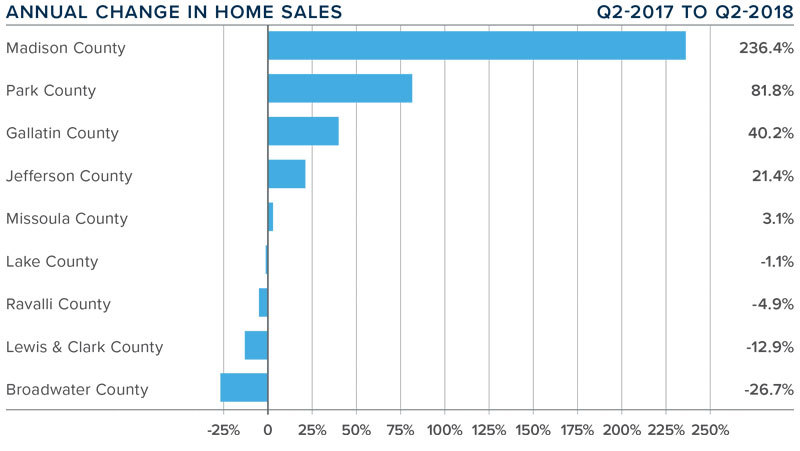
  • Total sales activity rose in five of the counties analyzed in this report. The largest increase was in Madison County, which had a substantial 236.4% increase, from 22 home sales to 74. Sales contracted in the four remaining counties with the greatest decline in Broadwater County, where sales were down 26.7% (representing a drop of only eight units). 
     
  • The number of homes that are for sale has risen substantially from a year ago, with an average of 1,980 active listings in the counties contained in this report. This has supported the growth in home sales. 
     
  • Inventory growth—albeit positive—is not equal across the region. I anticipate that we will see more listings come on the market as we move toward the fall selling season. 


HOME PRICES

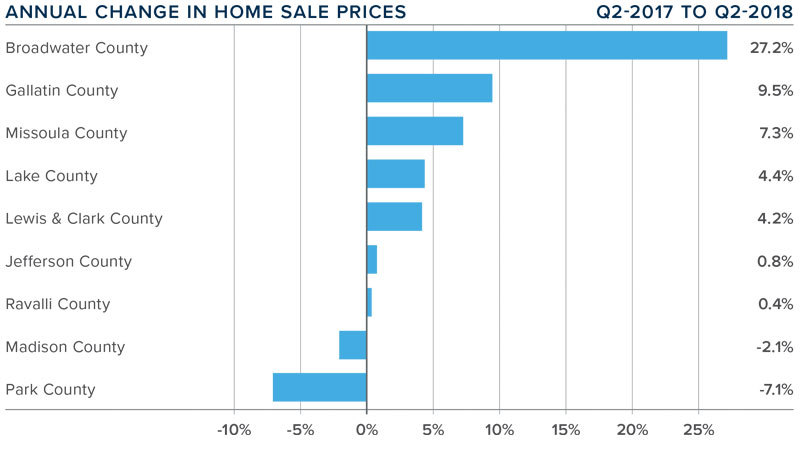
  • The average home price in the region continued to rise in second quarter, with a year-over-year increase of 12.8% to $377,407. 
     
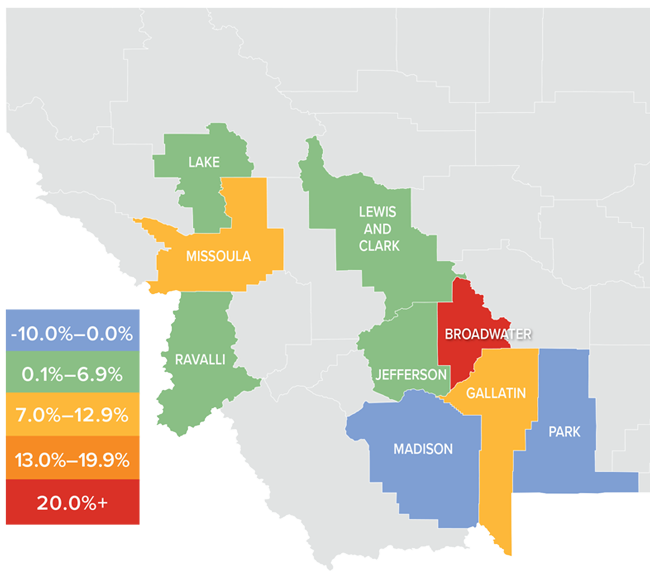
  • In addition to Broadwater County, two additional counties saw solid price increases when compared to a year ago. 
     
  • Price appreciation was strongest in Broadwater County, where home prices rose by a substantial 27.2%. Although this sounds extreme it is a very small market and subject to major swings. 
     
  • The takeaway from this data is that demand is still exceeding supply, which continues to put upward pressure on home prices.  


DAYS ON MARKET

  • The average number of days it took to sell a home dropped by six days compared to the second quarter of 2017. 
     
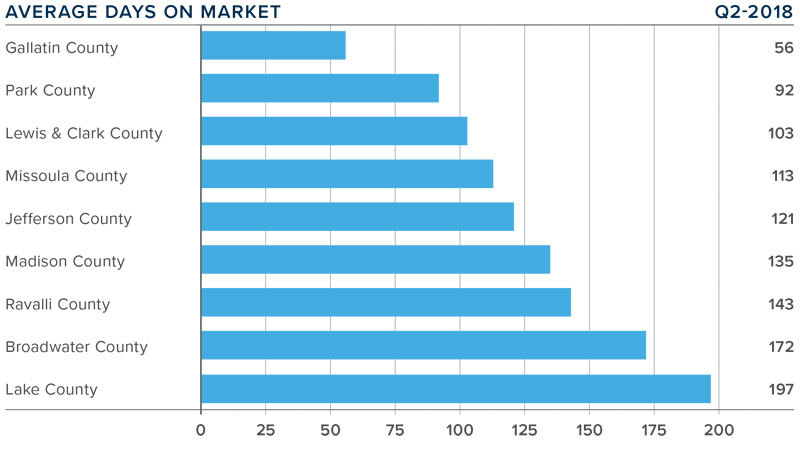
  • During the second quarter of this year, it took an average of 126 days to sell a home in the region. 
     
  • Homes sold fastest in Gallatin County and slowest in Lake County. In four counties — Missoula, Broadwater, Gallatin, and Park — days on market rose when compared to the second quarter of 2017. 
     
  • In most markets, well-priced and well-positioned homes continue to sell relatively quickly.   


CONCLUSIONS

The speedometer reflects the state of the region’s housing market using housing inventory, price gains, home sales, interest rates, and larger economic factors. 

For the second quarter of 2018, I have placed the needle well into sellers’ territory despite the growth in inventory, which will be a relief to home buyers. Well-priced and well-positioned homes are selling quickly and regional price growth is well above the long-term average as demand still exceeds supply. Housing affordability is still a concern in some markets, and this is something that I will be watching as we move through the balance of 2018. 


Matthew Gardner is the Chief Economist for Windermere Real Estate, specializing in residential market analysis, commercial/industrial market analysis, financial analysis, and land use and regional economics. He is the former Principal of Gardner Economics and has more than 30 years of professional experience both in the U.S. and U.K.