Facebook
 X
X
 Pinterest
 Copy Link
Behr 2026 Color of the Year: How to Style Your Home with Behr’s Hidden Gem

Color has a way of reshaping the way a home feels, and for 2026, Behr has introduced a shade that truly sets the tone. Hidden Gem N430-6A, a smoky jade with an air of quiet confidence, is rich, refined, and just mysterious enough to keep your rooms interesting long after the paint dries.
As homes continue shifting toward more personal, expressive spaces, this jewel-toned green blue arrives right on cue. Whether you’re updating a single room or planning a top-to-bottom refresh, here’s how to embrace Behr’s Hidden Gem and blend it seamlessly into 2026’s biggest interior design trends.
Behr Color of the Year: Hidden Gem
Each year, Behr’s color experts look to lifestyle trends, design movements, and cultural moods to select a single shade that reflects how people want to live. For 2026, the demand is clear: homeowners are craving comfort, character, and a stronger connection to the natural world. Hidden Gem brings all three into perfect balance, offering a sophisticated, versatile tone that feels intentional without overpowering a space.
With its deep teal base and soft smoky undertones, it offers a calm, eye-catching depth that shifts effortlessly with the light, perfect for layering with the color and design trends shaping homes in 2026.
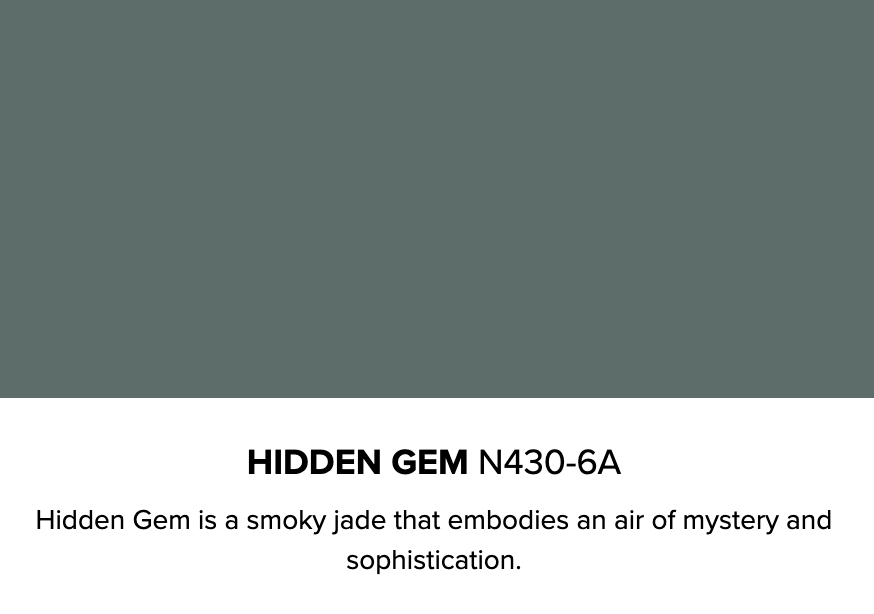
Source: Behr 2026 Color of the Year – Hidden Gem
Balancing Hidden Gem with 2026 Color Trends
Color forecasters agree that 2026 will be defined by rich, soothing, nature-inspired hues that help homes feel more grounded and expressive. Hidden Gem fits neatly into this movement, especially as tranquil teals rise in popularity.
This year’s trend reports also point to the growing appeal of warm blacks and mellow reds. These deeper tones bring drama and intimacy into a space, particularly in small rooms or architectural moments. Hidden Gem pairs beautifully with warm blacks like Behr’s Cracked Pepper and earthy reds such as Terra Cotta Urn, creating a thoughtful contrast that feels modern and moody.
Uplifting yellows and soft neutrals will also remain strong throughout 2026. Subtle creams and warm whites help brighten teal-based palettes, while tones like Wheat Bread provide a soft foundation that allows Hidden Gem’s depth to shine. Pairing it with sunny tones like Beehive or 2025’s butter-yellow trend adds a fresh lift, keeping the look balanced and inviting.
Just like Pantone’s color stories, Behr’s 2026 palette is designed to influence cohesive, livable color combinations around its Color of the Year. And the good news? Hidden Gem is unusually flexible. If you are looking for more combinations, explore Behr’s full list of 2026 color trends for additional inspiration.
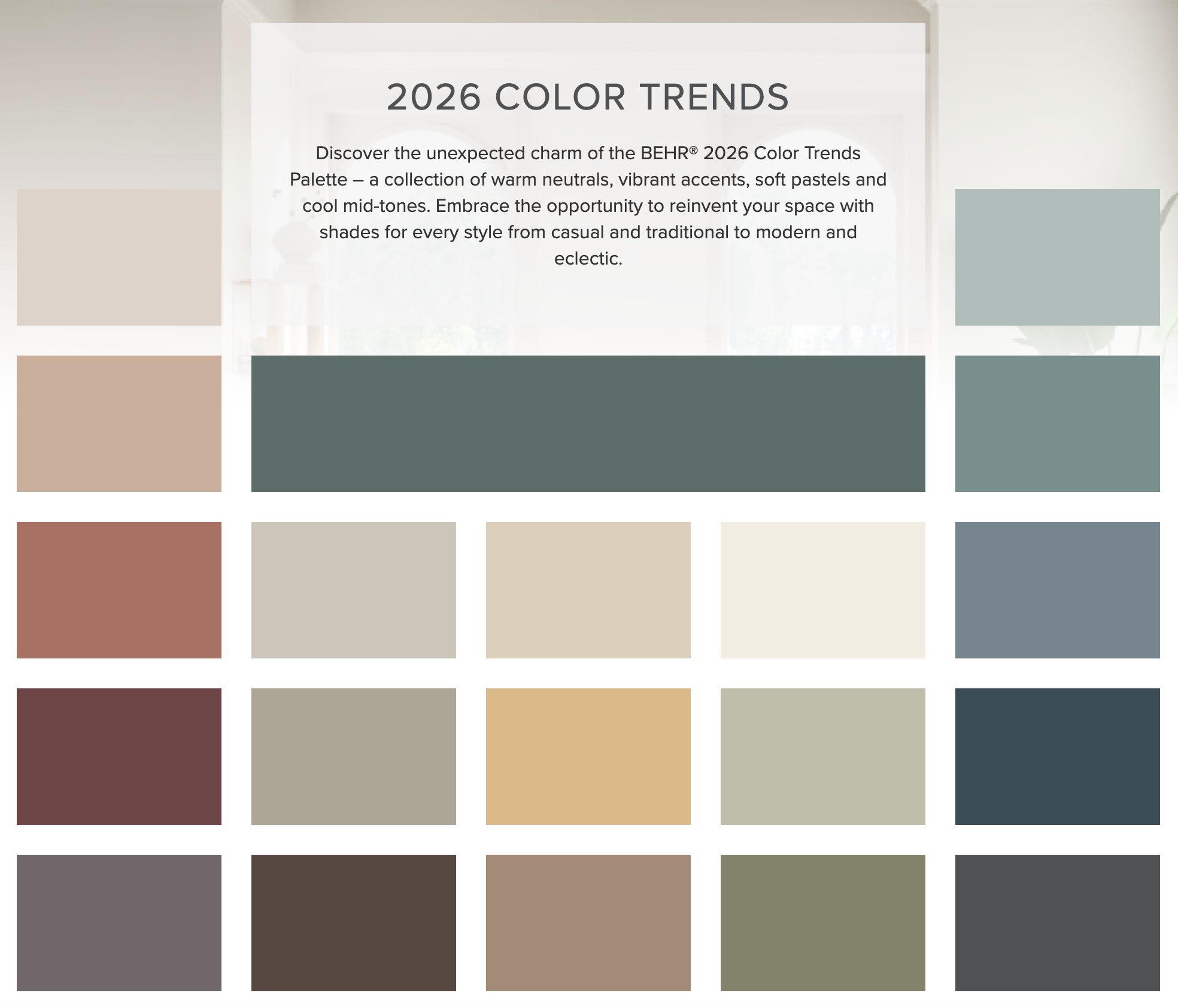
Source: Behr 2026 Color Trends
How to Align Hidden Gem with Other 2026 Home Trends
Beyond color, the home trends emerging in 2026 offer even more ways to weave Hidden Gem into a refreshed modern space.
Color Drenching and Moody Palettes
One of the biggest design shifts heading into 2026 is the rise of color drenching, where a single shade covers the walls, trim, ceiling, and sometimes even furniture in a room. The look creates a fully immersive, moody atmosphere that feels polished and cohesive. Hidden Gem is especially well-suited for this approach because of its depth and richness.
Alongside this trend, deeper, moodier palettes are also becoming more popular. Saturated hues like greens, ochres, burgundies, and tobacco-inspired tones are appearing more often in homes, reflecting a growing desire for warm color and expressive style.
Personalized Spaces and Self-Care at Home
Design is becoming more personal, and many homeowners are carving out spaces meant for calm, comfort, and everyday wellness. Cozy reading nooks, spa-inspired bathrooms, and small restorative spaces continue to rise in popularity, offering a way to slow down within the home.
Hidden Gem’s serene, smoky character makes it an ideal backdrop for these spaces. It brings a quiet sense of balance to reading nooks when paired with warm wood or soft, textured fabrics. In bathrooms, it complements natural materials and warm metals, creating the same soothing quality you’d expect from a spa.
Sustainability Remains a Priority
Sustainability continues to influence how people design and renovate their homes. From natural materials to energy-efficient upgrades and EV-friendly features, homeowners are seeking ways to make their spaces both stylish and environmentally conscious.
Hidden Gem’s nature-inspired tone fits comfortably within these choices. It pairs effortlessly with organic textures like stone, linen, clay, and reclaimed wood, creating a look that feels grounded and connected to the environment.
With Hidden Gem leading the way, 2026 offers endless opportunities to create a home that feels expressive, grounded, and beautifully your own.

How to Bring Coastal Charm into Your Home No Matter Where You Are
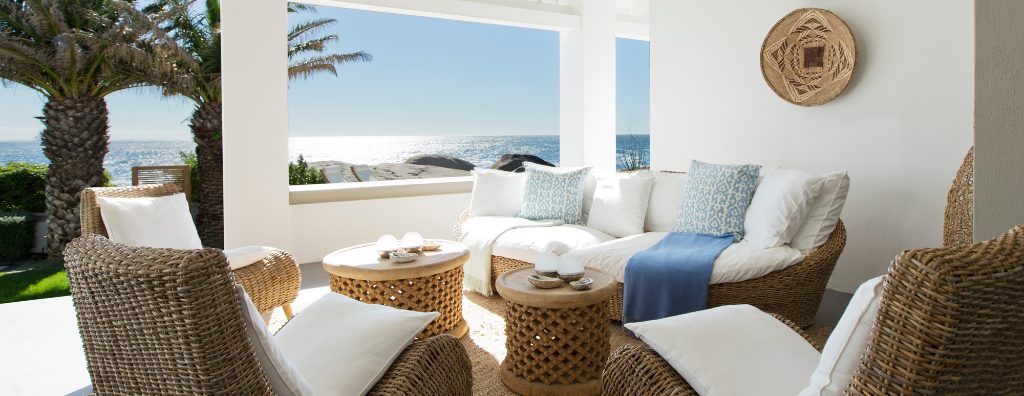
Coastal interior design captures the calm elegance of life by the water. It’s bright, breezy, and effortlessly connected to nature, drawing inspiration from the textures and warmth of the shore, the shifting blues of the sea, and the weathered charm of driftwood and dune grass. This style invites the outdoors in, creating spaces that feel open, welcoming, and dreamy, no matter how far you are from the coastline.
Defining Features of Coastal Interior Design
Natural Materials
Coastal design embraces organic textures that feel relaxed and lasting, mirroring the landscape along the shoreline. Wicker and rattan furniture bring a light, casual elegance, while woven jute or sisal rugs add earthy texture underfoot. Weathered or reclaimed wood, whether used in furniture, ceiling beams, or accent walls, offers a sun-worn character that feels authentic to seaside living. Glass elements, including vases, oversized mirrors, and light fixtures, reflect light and mimic the clarity of water, while stone or pebble accents can subtly reference the beach and coastline. Even fabrics play a role, typically with cotton, linen, and other breathable, natural fibers, keeping the look feeling fluid and inviting.
A Coastal Color Palette
The colors of the coast bring this style to life. Crisp whites and soft creams create a fresh, open backdrop, while sandy beiges and sun-bleached wood tones add warmth and a lived-in ease. Layered into this foundation are sea-inspired blues in every shade, from the pale, airy blue of a summer sky to the rich, grounding depth of navy. Small pops of teal, aqua, seafoam green, and even coral can bring a burst of energy, infusing the space with the vibrant, refreshing spirit of life by the water.
Light, Airy Spaces
Abundant natural light is central to coastal interiors. Large windows, double-glass French doors, and open layouts blur the lines between inside and out. Sheer linen drapes catch the breeze, while white or pale walls reflect light to make rooms feel even more expansive. One of the advantages of using natural materials in coastal design is that they age gracefully, gaining character over time while preserving the fresh, airy feel that helps define this style.
Subtle Nautical Touches
Coastal design often incorporates gentle, well-chosen nods to the sea. Rope accents woven into mirrors or light fixtures, bowls of collected shells, or artwork featuring surfboards, sailboats, and marine life can all bring a hint of nautical charm. Avoid an overly beachy look by balancing nautical accents with clean lines and neutral tones. These elements should evoke the feeling of the coast rather than recreate it literally, keeping the space elegant, storied, and timeless.
Built-In Charm
Architectural details like white-washed built-in shelving, wood-clad ceilings, or wall paneling give coastal homes a sense of craftsmanship and permanence. These features provide the perfect stage for displaying curated coastal finds like sea glass, ceramics, or woven baskets.
Bringing the Look into Your Home
You don’t need an ocean view to enjoy the beauty of coastal design. Start with a light, neutral foundation and layer in soft blues, sandy tones, and natural textures. Choose furniture that feels comfortable and unfussy, and incorporate elements that remind you of the shore, whether that’s a woven jute rug in the bedroom, a driftwood coffee table, or a few well-placed nautical pieces.
Candles or diffusers with fresh, sea-inspired scents can enhance the atmosphere, creating the sensory experience of a salty ocean breeze. And if you’re looking for real-life inspiration, a visit to Seabrook, WA, can spark ideas with its homes and community spaces being a masterclass in blending classic coastal styles with modern living.
For more design inspiration, tips, and trends, visit the design section of our blog.
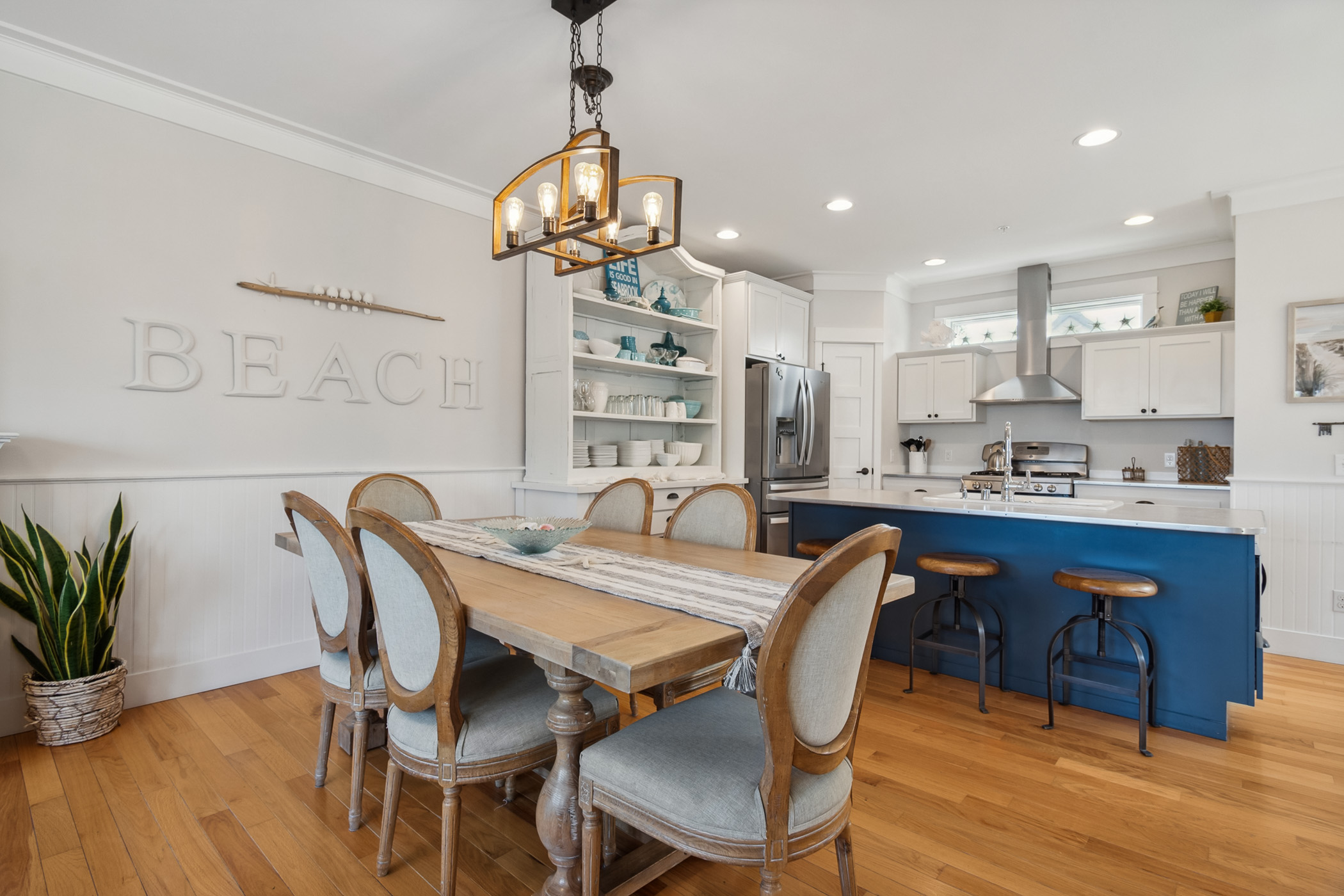
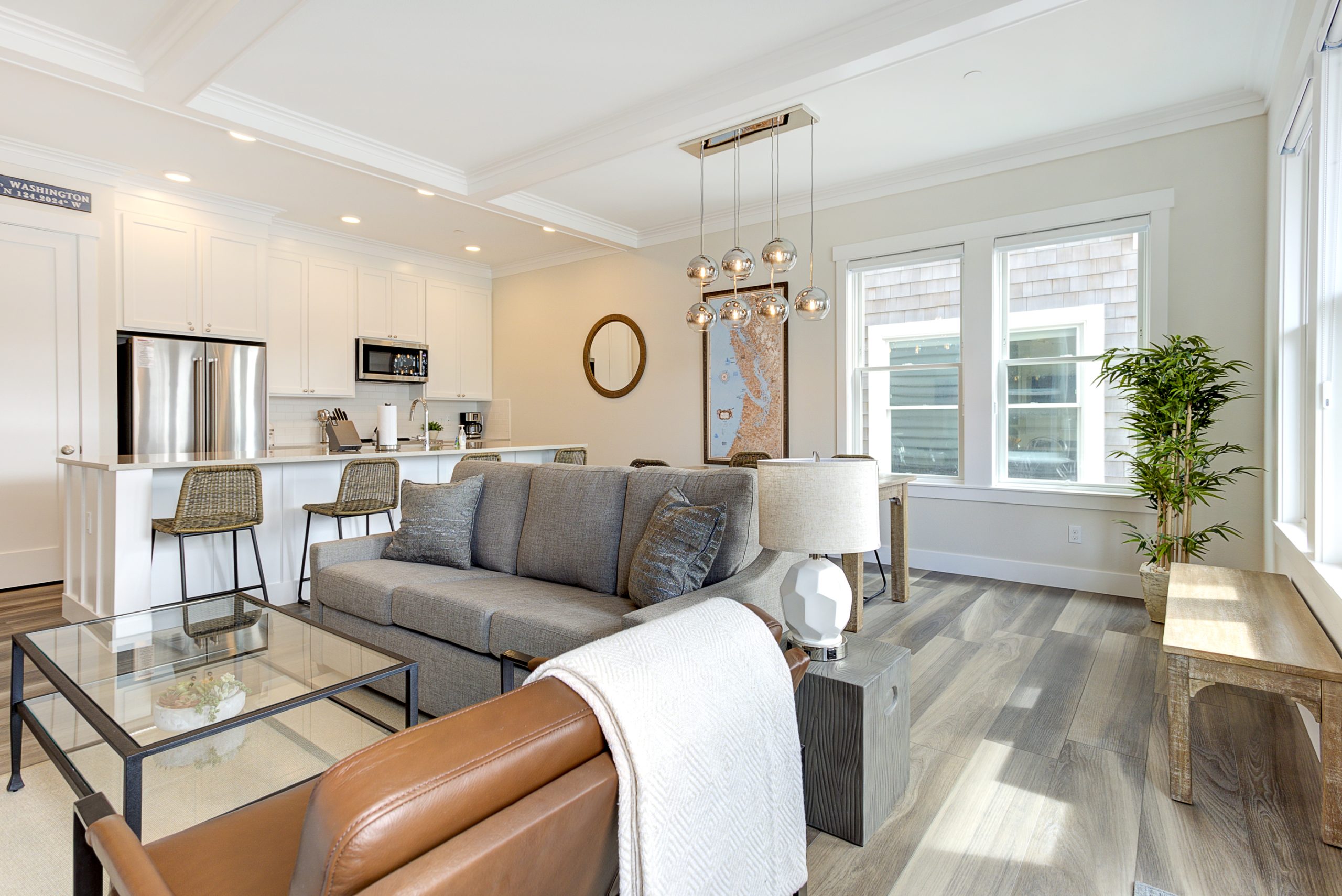
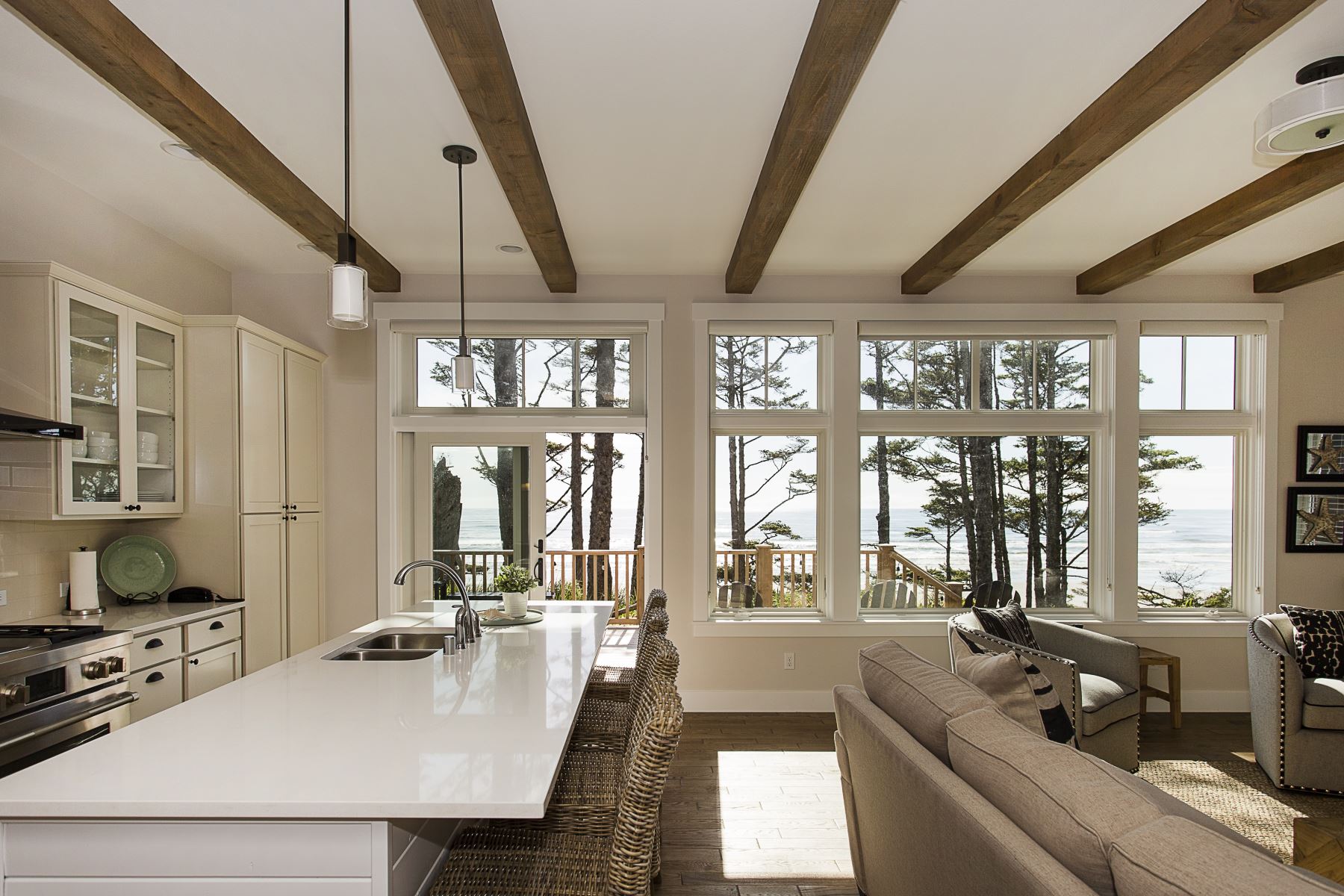
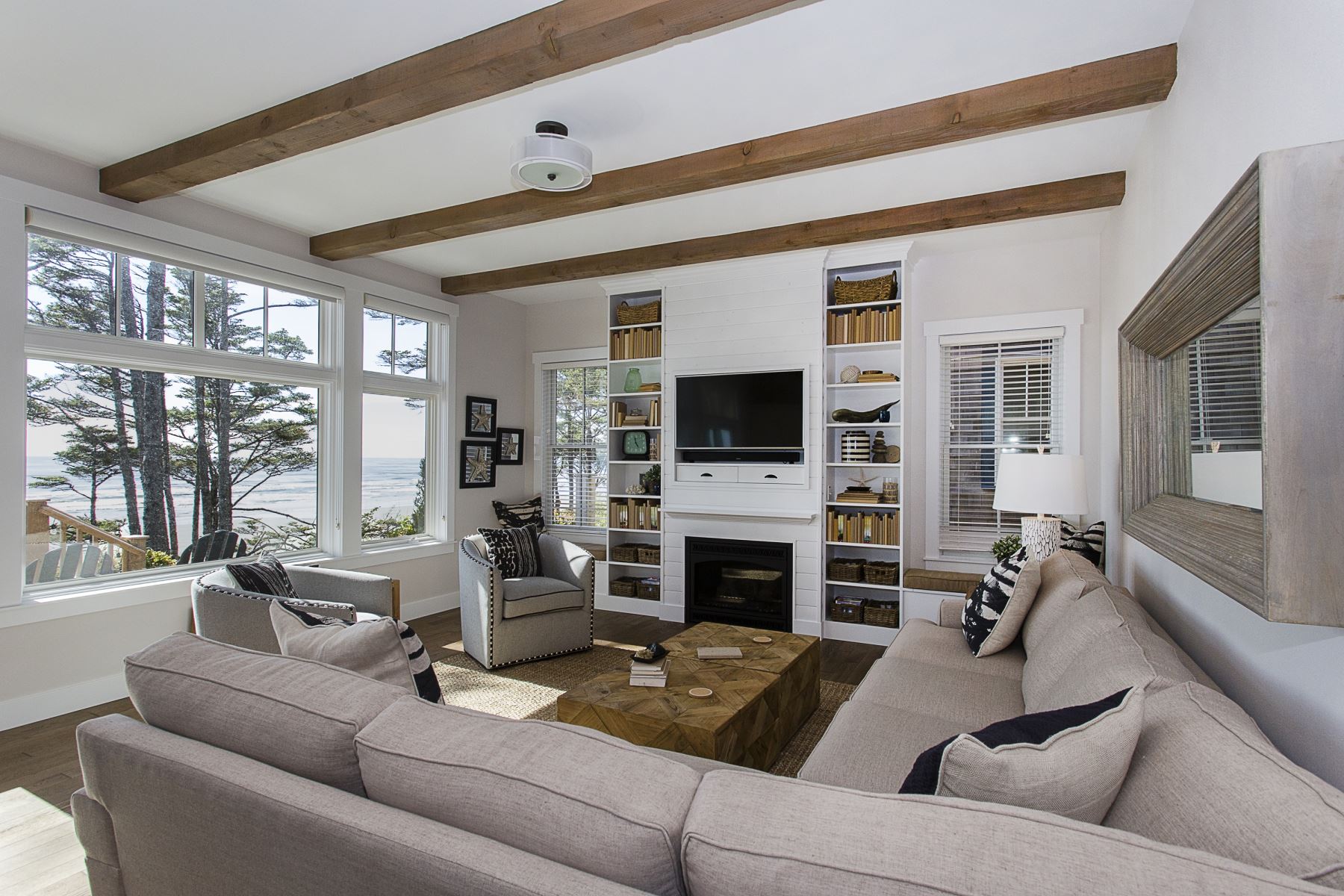
These Seabrook listings showcase how coastal style blends comfort, light, and seaside charm.
Pueblo Revival Architecture and Its Timeless Southwestern Charm
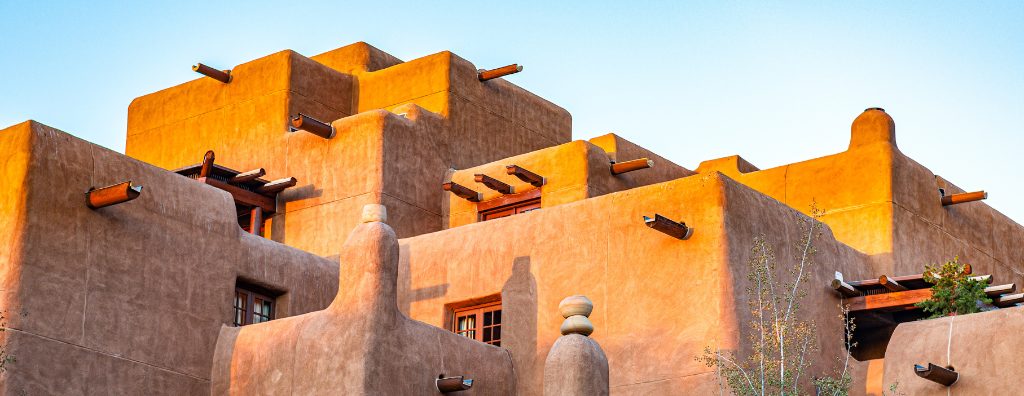
Pueblo Revival architecture is one of the most distinctive and enduring styles in the American Southwest. With its warm stucco walls, rounded edges, and earthy materials, it’s a look that’s both culturally significant and inviting. Rooted in Indigenous and Spanish colonial traditions, this style has evolved over time while remaining closely tied to the landscape and climate it was originally built for. Today, Pueblo Revival homes continue to charm homeowners with a timeless design and unmistakable Southwestern character.
Origins and Historical Significance
Pueblo Revival architecture has roots that run deep, drawing inspiration from the Indigenous Puebloan communities and early Spanish settlers of the Southwest. This blend of cultures creates structures that reflect a centuries-old tradition of building in harmony with the environment. Built to thrive in arid climates, these homes feature thick walls made from adobe or stucco, which helps keep interiors cool during the day and warm at night.
It’s a design ideally suited for the desert, where water isn’t abundant, and staying comfortable means working with, not against, the elements. Spanish influences brought the use of wood, while the earthy colors mirror the atmosphere. Today, you’ll find Pueblo Revival homes across Arizona, New Mexico, California, and beyond, each one a testament to Southwestern living.
Key Features and Design Elements
Pueblo Revival design, also known as Santa Fe and Southwestern, is easy to spot and even easier to love. Here are some hallmark elements:
- Walls are typically built with adobe, stucco, or sun-dried mud.
- Flat or low-pitched roofs with parapets.
- Rounded corners and soft edges create a gentle, organic feel.
- Neutral and earthy color palettes inspired by the desert landscape.
- Large Spanish-inspired wooden doors, exposed beams, and vigas add warmth and texture.
- Small, deep-set windows.
- Porch posts and covered patios provide shade from the desert sun.
Modern Interpretations and Living Spaces
Today, Pueblo Revival homes continue to evolve, embracing modern conveniences while staying true to their roots. Many still feature signature elements like exposed wood beams, earth-toned exteriors, and textured finishes. Thoughtful landscaping and eco-friendly materials continue to help these homes blend seamlessly with the surrounding desert environment.
Inside, you’ll often find interiors that echo the home’s Southwestern heritage in subtle and loud ways. Handcrafted pottery, cactus plants, woven textiles, and other nods to regional artistry bring warmth and character to the space. Rich desert-inspired hues like terracotta, sunset red, adobe orange, and golden yellow are often paired with earthy neutrals to create depth. Vibrant accent colors like turquoise or deep blue add a touch of contrast, reflecting the natural beauty of the landscape. The result is a space that feels grounded, soulful, and full of life.
Explore our guide to Southwestern interior design for more inspiration.
Pueblo revival homes are a celebration of history, craftsmanship, and natural beauty. Whether you’re captivated by their timeless charm or drawn to their modern interpretations, these homes offer a well-balanced, organic lifestyle that’s always in style.
5 Defining Elements of Moroccan Interior Design
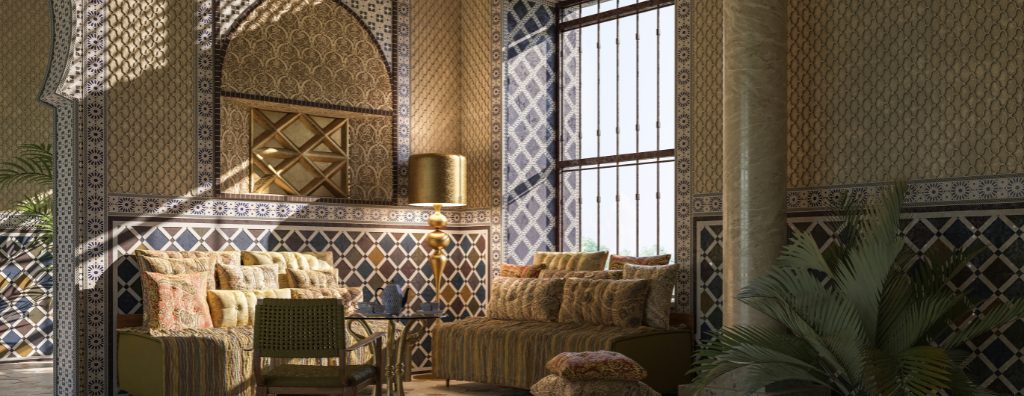
For centuries, Morocco has captivated people from around the world with its rich tapestry of culture, art, and unmatched design. From the lively souks of Marrakech to the serene riads of Fes, Moroccan interiors tell a story of intricate craftsmanship, vibrant colors, and a blend of tradition and global influence.
In this post, we’ll look at the influences behind Moroccan design and explore how you can bring its distinct style into your home.
Influences of Moroccan Design
Moroccan interior design is rooted in ancient tradition and draws from various cultural influences, including Berber, Arab, Mediterranean, and Moorish. This fusion creates a warm, layered aesthetic that pairs detailed patterns with earthy textures and natural materials. You’ll often find colorful tilework, bold textiles, and handmade pieces that reflect centuries of artistry and heritage. And though this style is steeped in history, it remains timeless, seamlessly blending into modern homes while adding warmth, character, and a global touch to any space.
Key Elements of Moroccan Interior Design
Vibrant Colors
Moroccan design is synonymous with a vibrant and expressive color palette. Think of the dazzling blues of Chefchaouen, the rich reds and oranges of Marrakech, or the natural greens found in traditional gardens. Don’t be afraid to experiment with jewel tones like emerald green, sapphire blue, and ruby red, which you can balance with more neutral tones like terracotta, cream, and black to create a harmonious blend that pops. Even the most muted Moroccan room will feature a splash of something bold, whether in the tiles, lanterns, or layers of fabric.
Layered Textures
From olefine and wool rugs to carved wooden furniture and hand-woven baskets, texture is everywhere in Moroccan interiors. Plush, overstuffed cushions and floor pillows bring comfort to seating areas, while airy curtains soften windows and doorways. The thoughtful use of natural materials like clay, metal, leather, and stone gives each space a grounded, organic feel. This layered approach, combined with the intricate patterns and ornate detailing, provides a richness and depth that defines Moroccan design.
Mosaic Tilework
One of the most recognizable elements of Moroccan design is its stunning mosaic tilework, known as zellige. These hand-cut, geometric tiles are meticulously arranged to form intricate patterns that adorn walls, floors, and fountains. Each zellige piece is a testament to centuries-old craftsmanship, bringing a unique sense of artistry and a cool, refreshing feel to any space. Tiled floors are frequently layered with Persian or Berber rugs. At the same time, fireplaces, kitchen backsplashes, and bathroom walls may feature elaborate tilework that feels artistic and architectural. Incorporating zellige in your home, whether as a subtle accent or a vibrant statement, can instantly infuse an authentic touch of Moroccan design.
Riads and Courtyards
The word “riad” means “garden” in Arabic. In Moroccan architecture, a riad refers to a traditional home built around a peaceful interior courtyard. These courtyards are often the heart of the home, featuring tiled fountains, lush greenery, and shaded sitting areas. To replicate this feeling, consider making a designated “courtyard” area in your home by incorporating a small water feature, a collection of plants, and comfortable seating that fosters a sense of tranquility and connection to the outdoors.
Artisan Accessories
No Moroccan interior is complete without a variety of handcrafted accessories. From ornate brass lanterns and pierced-metal sconces to hand-thrown pottery and embroidered pillows, each piece tells a story that celebrates Morocco’s deep tradition of craftsmanship, giving your space a layered, lived-in feel that reflects both style and soul.
By bringing these 5 key elements into your home, you can create a space that feels soulful, timeless, and uniquely yours. For more design inspiration, tips, and trends, visit the design section of our blog.
The Art of Pacific Lodge Architecture
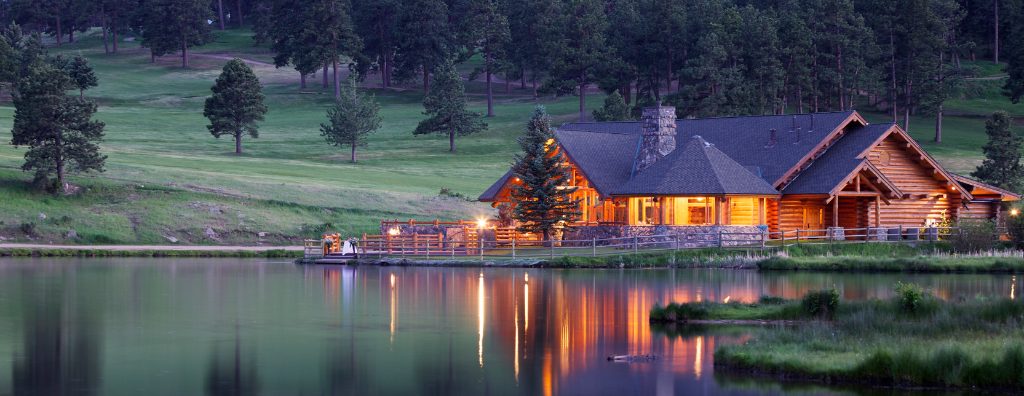
The Pacific Northwest is known for its lush forests, rugged coastline, and stunning mountain ranges. Naturally, architects and designers in the region draw from this unique environment, combining indigenous design principles with earlier frontier styles to create what we now know as Pacific Lodge architecture.
From its defining features to its deep regional roots, here’s everything you need to know about the Pacific Lodge home style and how it embodies the spirit of the PNW.
What is Pacific Lodge Architecture?
Drawing inspiration from mountain lodges, traditional log cabins, and the naturally sourced materials abundant in the region, Pacific Lodge architecture reflects a sense of warmth and connection to the land. Reclaimed wood, exposed beams, and stone are often emphasized to create spaces that feel both grounded and inviting, while expansive windows that frame the surrounding landscape allow natural light to pour in, blurring the boundary between indoors and out. The combination of rugged materials and thoughtful design results in homes that are both cozy and grand, seamlessly blending comfort, craftsmanship, natural beauty, and enduring charm.
Key Features of Pacific Lodge Homes
Exposed Wood Construction
Exposed wood construction is one of the defining elements of the Pacific Lodge home style. Signature woods found in the area, like Cedar, Douglas fir, and Western Larch, are commonly used to generate openness and enhance the home’s natural aesthetic. Vaulted ceilings, soaring trusses, and large-scale exposed beams showcase these wooden elements, giving the home an inviting yet dramatic feel. These features celebrate the region’s timber-rich heritage and foster harmony between the home and its surrounding environment.
Expansive Living Spaces
Complementing the warmth and openness created by exposed wood, expansive living spaces are another essential feature of Pacific Lodge architecture. Open floor plans, high ceilings, and grand rooms characterize the Pacific Lodge home, along with common areas that are thoughtfully designed to flow seamlessly into each other, creating inviting spaces ideal for gathering. The broad nature of these rooms highlights natural light, further enhancing the warm and welcoming atmosphere.
Large Windows
Pacific Lodge architecture prominently features large windows, such as picture windows and floor-to-ceiling glass, making the living spaces feel even more expansive and connected to the outdoors. Given the region’s frequent rain and cloudy skies, maximizing light is especially valuable, and oversized windows help to enhance brightness throughout the home. These large windows not only frame beautiful exterior views but also blend indoor and outdoor spaces.
Warm & Inviting Interiors
The warm and inviting interiors complement Pacific Lodge homes’ distinctive charm by bringing all these elements together. Inside, you’ll find a thoughtful blend of cozy furnishings, earthy tones, and richly textured materials. Sizeable stone fireplaces, leather seating, and more wood finishes provide a comfortable backdrop, while natural textiles like wool throws, woven rugs, and iron accents reinforce the home’s rustic yet elegant appeal. Deep forest greens, rich burgundies, and warm amber hues are often incorporated to add depth and complement the home’s natural feel.
What is Prefab Architecture?
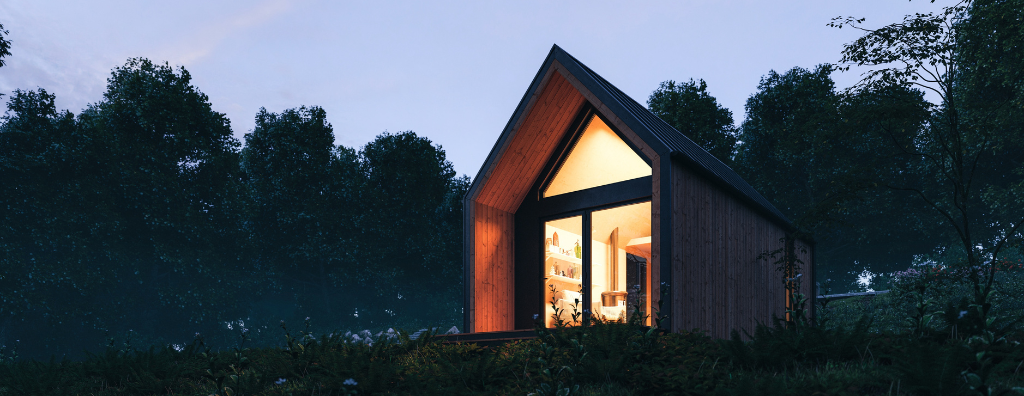
Short for “prefabricated,” prefab architecture refers to a type of construction where building components are manufactured off-site and then transported and assembled at the construction site. In recent years, prefab architecture has transformed how homes are built and designed, gaining popularity due to its efficiency, cost-effectiveness, and sustainability. In this post, we’ll explore the various types of prefab architecture, examine its pros and cons, and help you determine whether it fits your lifestyle, wants, and needs.
What is Prefab Architecture?
Prefab architecture is any structure built using components made off-site and then brought to a lot for assembly. Due to increasing appeal, prefab homes now come in various sizes, styles, and distinct forms to suit a range of needs and preferences. They can range from small backyard bungalows or guest houses to larger, multi-story, single-family homes, and the best part, they can be highly customizable. Some of the most common types of prefab construction include kit homes, modular homes, and panelized homes, each with its own set of benefits.
Kit Homes
A kit home is a prefabricated home that comes in pre-cut materials and is delivered to a property with instructions for building. They are smaller and more straightforward structures, often chosen by those who prefer a DIY approach. These homes are also typically more affordable and customizable.
Modular Homes
Similarly, modular homes are prefabricated homes made up of sections, known as modules, also made in a factory or off-site and then transported to the construction site. Unlike kit homes, modular homes must be assembled on a permanent foundation. Due to the pre-built sections, modular homes tend to be quicker to assemble and require the least amount of on-site work.
Panelized Homes
Panelized homes are another popular method of prefab architecture. Instead of building entire sections or modules, this technique involves constructing individual panels—including walls, floors, and roofs—in a factory. Compared to modular homes, panelized homes offer much more flexibility and customization in design and layout during the building process.
Pros and Cons of Prefab Architecture
Prefab architecture offers many benefits that make it an appealing choice for many people. The primary advantages include reduced costs, faster construction times, and a smaller environmental footprint with excellent energy efficiency. This is due to the controlled factory environment where the building components are made, minimizing waste, optimizing materials, and reducing on-site interferences like weather delays or unexpected construction challenges. Additionally, prefab homes often come with high-quality construction standards and can be highly customizable to fit different styles and preferences.
However, there are still some downsides and drawbacks to consider when thinking about investing in a prefab home. Land costs, transportation fees, utilities setup, and the need for permits can make for higher upfront expenses than expected. Additionally, some locations have stricter zoning laws and building regulations that may prevent or limit where prefab homes can be placed.
Is Prefab Right for You?
Prefab architecture combines affordability and sustainability, offering an innovative solution for those seeking a modern and efficient living space. So, whether you’re looking to downsize or embrace a more eco-friendly lifestyle, a prefab home could be the ideal choice for your next home.
What is Loft Architecture?
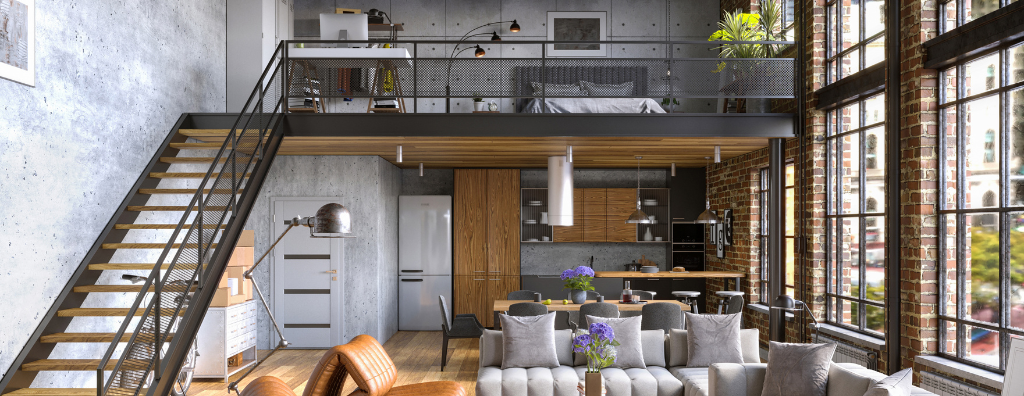
Known for mixing spacious interiors, high ceilings, and often an industrial aesthetic, loft architecture has become synonymous with urban living. Whether you want to move into your own loft or seek design inspiration, loft architecture offers spaces that foster creativity and versatility. Let’s explore the history, significance, and defining features of loft architecture that fuel its popularity in cities around the world today.
History of Loft Architecture
Over the years, lofts have evolved from repurposed industrial spaces for budget-conscious artists into sought-after symbols of high-end urban living. Lofts, originating from abandoned warehouses and factories in big cities like New York and Boston, were first utilized by artists and innovators who turned these spacious industrial layouts into workshops and living quarters for next to nothing in price. With their utilitarian aesthetic, ample square footage, and sizeable windows that let in plenty of natural light, they were ideal spaces for the dual purpose of living and working. However, in recent years, loft architecture has shifted from utilitarian to more modern, luxury design.
Features of Loft Architecture
Loft architecture is all about maximizing space and embracing industrial features left behind by the buildings’ previous lives. So, along with tall ceilings, open floor plans, and large walls of exposed brick, lofts often also feature plenty of other industrial architectural and design elements. Elements like floor-to-ceiling windows, concrete and hardwood floors, exposed structural beams and duct or pipework, and large doors all contribute to the charm and functionality of loft architecture.
How to Maximize Loft Space
There are endless ways to design the inside of a loft apartment. But to truly make the most of your space, the key is to celebrate the unique features that define it as a loft while keeping both functionality and aesthetics in mind.
Here are a few tips to maximize your loft space:
Utilize vertical space, define areas, and invest in multifunctional furniture! By using the abundance of vertical space and installing bookshelves or cabinets, and by investing in multifunctional furniture like foldable dining tables or beds with built-in storage, you can maximize every square foot in your loft space. It also helps to organize your furniture and place area rugs in ways that define the different spaces within your loft and create a sense of separation.
Lean into the industrial aesthetic of loft living by incorporating industrial-inspired furniture such as metal stools or reclaimed wood tables. Many loft dwellers also enjoy showcasing the features that make lofts unique, like tall ceilings, concrete or hardwood floors, and exposed brick. Balance this out by complimenting your space with modern or minimalist decor pieces.
Personalization is the final touch to truly making any space feel like home. Try bringing your personality and creativity into your loft with artwork and decor that reflect your interests. Also, choose color schemes and lighting that create a positive, inspiring mood. These personal touches add character to your loft and help create a space that will bring joy every time you walk through the front door.
Elements of Scandinavian Design
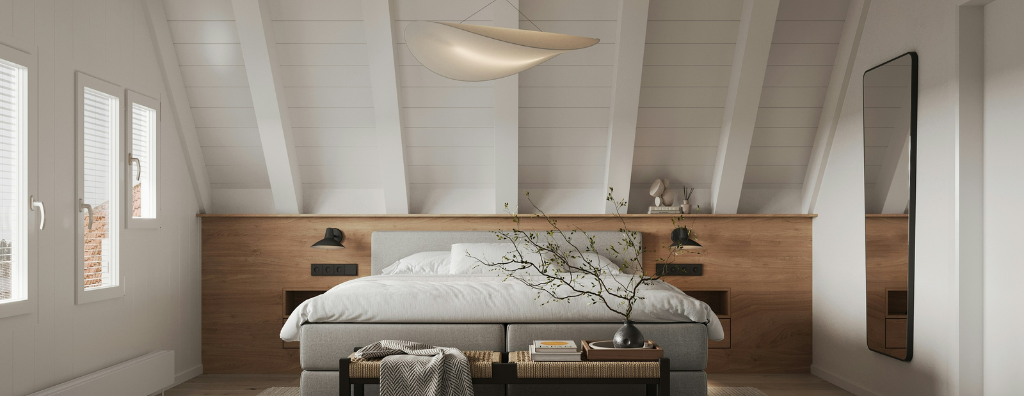
If the words “Scandinavian design” bring images from IKEA catalogs to mind, you’re not alone. But if that’s all you can imagine when you picture interiors inspired by this region of northern Europe, you might be missing out. If you’re looking to incorporate elegant functionality, natural elements, and a feeling of coziness into your home, Scandinavian interior design could very well fit the bill. Read on to see if the elements that make up this staple of interior design appeal to you.
Keep It Simple
Many confuse the Scandinavian aesthetic’s emphasis on simple and minimalist design for stark, cold, and empty. But white space doesn’t have to be boring. A clean and airy room draws focus to the few pieces in the space, allowing you to invest in high-quality items that are as beautiful as they are functional. Think comfy sectional sofas with clean lines and sleek but durable side and coffee tables.
Maximize Light
In the winter, daylight hours are in short supply in large parts of Scandinavia, which means the people who live there make the most of those hours—even during warmer seasons. You can emulate this style by keeping window treatments to a minimum and eliminating items that block natural light, such as large furniture or appliances in dark colors. If privacy is an issue, use sheer, light-colored curtains. If your home lacks natural light, you can brighten up your lived-in spaces with white or very light paint colors, textiles, and furniture.
Go Natural
The Scandinavian relationship with nature is reflected in home décor as well. Light-colored wood accents create a natural ambience inside while maintaining an airy feeling. Exposed rafters, furniture made of white oak or beech, and hardwood floors in a pale color are excellent ways to incorporate this aesthetic. Adding greenery either with potted plants or fresh flowers contributes to the Scandinavian feel as well as cleaner indoor air. If you have pets, make sure the plants you bring inside aren’t toxic for your furry family members. Spider plants, ferns, and succulents are all generally safe options.
Stay Neutral
When it comes to color, Scandinavian design is all about subtle and monochromatic shades. In the spirit of bringing the outdoors inside, consider earthy tones such as stone, sand, sky, and—you guessed it—white. That’s not to say bright colors are off limits, but think of them as accents, and stick to no more than one or two bold colors. Picture a room painted in a very light taupe, windows framed with sheer white curtains, furniture in shades of ecru and eggshell, a light-stone fireplace, and then pops of your favorite deep blue or green.
Embrace Hygge All Year
During long, dark winters, residents of Scandinavia spend much of their time at home with friends and family. The concept of hygge was born from these long months indoors, as people yearned for warmth and togetherness. Though most of us associate hygge with winter, coziness is a concept that can be embraced year-round with the right design touches.
One of the easiest ways to add extra comfort with the flexibility you need to make it work in each season is with textiles. Area rugs and pillows in light fabrics are great in warmer months. When the weather cools down, swap them out for heavier, softer versions and then add cozy throw blankets.
Timeless Home Design
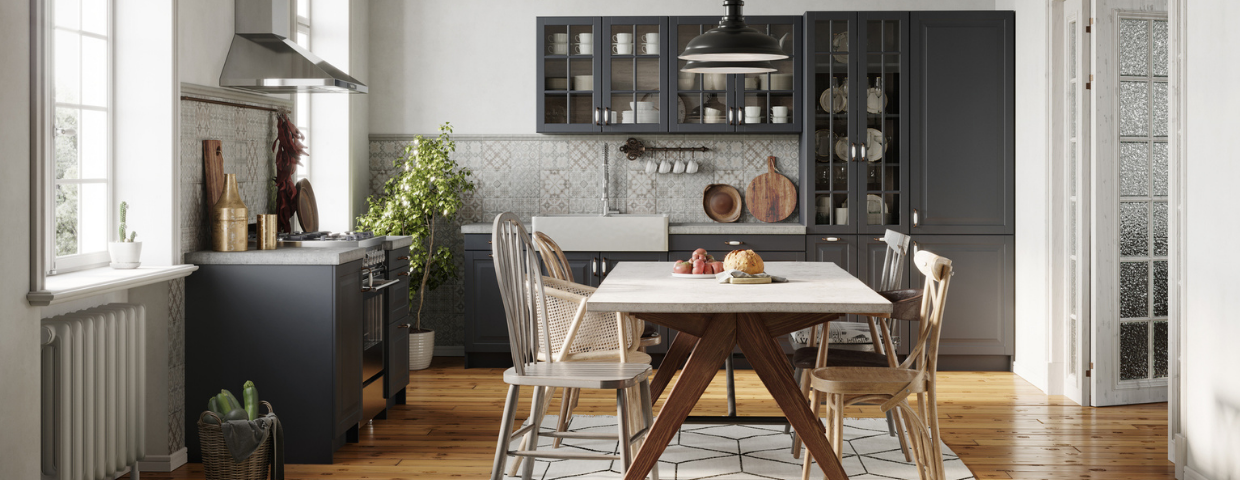
When decorating and designing, homeowners often strive for a home that may incorporate vintage and modern elements but remains timeless at its core. Fortunately, certain design principles and elements have stood the test the time and can help you curate the home you desire. Here is your guide to understanding how you can design a home that looks and feels timeless.
Principles of Timeless Home Design
Balance
When designing a space in your home, balance is a key concept to delivering a timeless ambiance. Achieved through a proportionate arrangement of objects and colors, balance will help create a logical pattern in your home that pleases the eye. Experiment with symmetry in your home to build balance. This doesn’t mean that there needs to be two of every object, rather in every space you should utilize the objects and color schemes present to create symmetry.
Focal Point
Imagine a living room without a couch or mantle, or a dining room without a dining table. These images are confusing because we simply don’t know where to focus our attention. A core principle of timeless design is that space should have a focal point to give order to the room. Focal points don’t always have to be derived from a built-in feature of the home, you can create one with furniture, artwork, or some other form of eye-catching décor.
Scale and Proportion
Scale and proportion are two fundamental concepts of interior design and are key to creating a timeless décor. Simply put, proportion refers to the relationship of items and colors, while scale refers to their relationship with the room. For example, if a room in your home has high ceilings, this allows for taller furniture and artwork, while the most spacious rooms in your house are the best home for large décor pieces and furnishings. Proper usage of scale and proportion also means leaving some space between items to let the room breathe, so to speak.
Colors and Patterns
For a timeless look and feel, choose more classic color and pattern schemes. Basketweave is a traditional pattern that helps to create symmetry. Stripes are always in style and can help to reinforce clean lines. Stick to neutral paint colors on your walls as they give you the flexibility to add décor without overwhelming the room. Combinations of off-whites, beiges, grays, and earthy tones will deliver that timeless feel you’re looking for.
Natural Elements
There’s nothing more timeless than nature. Materials like wood, stone, and marble have been a cornerstone of design since antiquity. Whether you utilize these materials in your home as furniture, accent pieces, or focal points, they will help create a trend-free, organic environment in any room.
10 Tips to Upgrade Your Bedroom
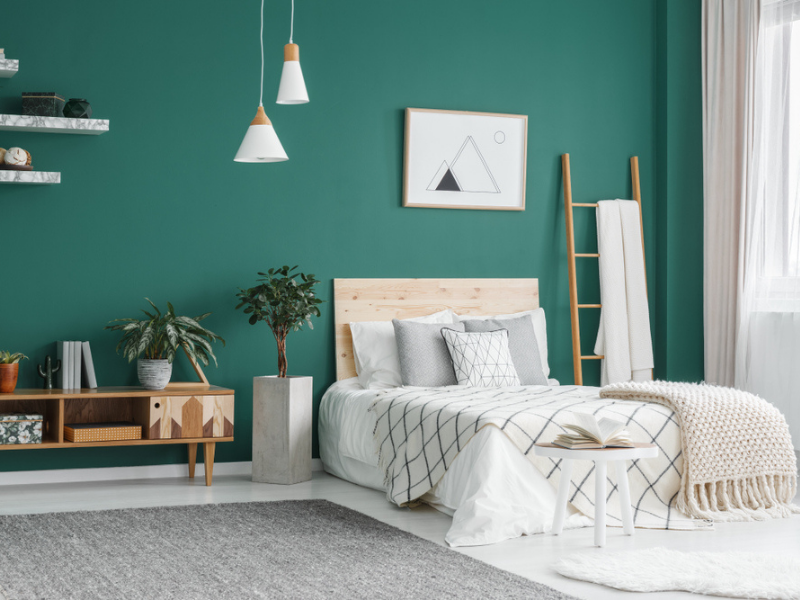
We spend roughly a third of our lives asleep, so it’s only right that bedrooms be high on the priority list when it comes to home upgrades. Whether you’re looking for extra comfort or added liveliness from your personal sanctuary, these 10 simple tips will level up your bedroom.
10 Tips to Upgrade Your Bedroom
1. Bed Feng Shui
By incorporating some basic feng shui principles, your bedroom will automatically feel more comfortable. Position the head of your bed against a wall with ample surface area and room on the left, right, and foot of the bed. Avoid a bed position where doors can open directly into the bed. Finally, avoid the “coffin position,” where your feet point out a doorway.
2. Bedroom Textures
Sheepskin rugs, a down comforter, plush pillows, and knit blankets can add a softness to the room that will make you want to sink right in. Lift these textures upward, with a canopy, tufted headboard, billowy curtains and hanging textiles so even the walls and ceiling feel snuggly.
3. Declutter Under Your Bed
There may not be any monsters under your bed, but if it becomes a clutter nest, it can feel just as frightening. If you depend on the space under your bed for storage, organize it with storage bins.
4. Add Mood Lighting
Soften the light to mimic dusk for an intimate mood with dimmer switches, lamps, lanterns, or even string lights. Bedside lamps are a must-have for your nightstand arrangement. Whether you prefer to read books or watch shows and movies before you sleep, you won’t have to get out of bed when it’s time for lights out.
5. Breathe Easy in Bed
Aromatherapy can have a huge impact on your perception of a space, so find some soothing essential oils or a sweet candle to blanket the room with an ambiance you adore. As soon as you open the door, you’ll be eager to plunge into your little oasis.
6. Bedroom Multi-Functionality
These days, your bedroom may very well have taken on an additional role as a home office, or even your home gym. Accordingly, multifunctional items can help organize the chaos. Explore desks that double as nightstands, storage ottomans, lift-top side tables, or even loft beds.
7. Upgrade Your Decor
Choose natural and warm decor options like wood and comfortable fabrics to bring your bedroom together. Your bedroom is your own personal sanctuary. The more natural and comfortable it feels, the better chance you’ll have of getting the consistent sleep you’re dreaming of. Décor like wood blinds, elegant curtains, thick blankets, shiplap, and the like will help deliver that sanctuary feel.
8. Bedroom Colors
Your bedroom’s colors have significant say in the overall feel of the room. For ultimate comfort, natural, earthy color palettes work best to bring an element of rejuvenation and healing to your bedroom. Think of soft reds, soothing blues, earthy browns and off-whites. These warmer, organic color palettes are trendy, as well.
9. All-White Bedroom Color Tips
For those who prefer their bedroom to feel like sleeping on a cloud, choosing an all-white color palette is the way to go. Any splashes of color will go a long way against the white backdrop. Colorful throw pillows, rugs, and decorative items will pop, while maintaining that spa environment you’re after.
10. Upgrade Your Plant Life
For a more natural feel to your bedroom, add some plant life throughout the space. Succulents, hanging baskets, and flower arrangements with fit right at home in your bedroom, improve your air quality, and bring a touch of the outdoors.
There isn’t one solution for the perfect bedroom, but these tips can guide your decision process to determine what upgrades will help you sleep soundly and wake up feeling refreshed. Make a list, get to work, and sweet dreams!