OB JACOBI . Co-President | JILL JACOBI WOOD . Co-President | GEOFF WOOD . CEO CHRISTINE WOOD . Executive Director . Windermere Foundation
Community has always been a big part of who we are at Windermere. Back in the early days of the company it was pretty simple; we would see a need and help where we could. But as we grew, we realized we could accomplish much more if we had a stronger focus, so we started the Windermere Foundation in 1989 with the goal of helping low-income and homeless families. From that point on, whenever a Windermere agent sold a home, a portion of their commission went to funding our Foundation. In its first year, the Windermere Foundation brought in $90,000. This year we are on track to raise $2.3 million for a grand total of $35 million. Christine Wood, Executive Director of the Windermere Foundation, is the passionate, driving force behind this effort. – OB Jacobi, Jill Jacobi Wood, Geoff Wood
The Windermere Foundation is funded by more than 7,000 individuals, made up by agents, staff, management, owners, as well as public donations. We keep our administrative costs below three percent, so the vast majority of these donations go back into the hands of our agents and offices to decide how best to use them in their local community.
The result is more support for families who are struggling to keep food on the table. More kids who will be able to eat school lunches. More homeless who will have their most basic needs met – and the dignity that goes with it. The need is overwhelming, but every bit helps.
As the year draws to a close, I want to personally thank everyone who has supported the Windermere Foundation. The generosity of our agents, owners, staff, and the public never ceases to amaze us; they raise the bar every year. And in turn, every year, we are able to do more for those who need it most, one home sale at a time. – Christine Wood
December is a busy month with Christmas around the corner, so I try to do as many tasks in advance as I can — if not my shopping, at least my decorating!
In November, I decide on my decorating theme for the season. I like to introduce a few new decorations every year — this year, I chose an abundance of artificial trees.
Artificial trees come in a variety of sizes and color options. Choose from natural shades of green to frosted white to whimsical pink and silver. I used a trio of 15-inch snowy pines “planted” in galvanized tins, but you can opt for larger trees depending on the size of your table and room. If you have a large dining table and high ceilings, trees as large as two or three feet add a dramatic look that’s perfect for holiday parties. If you choose pre-decorated trees, you’re already halfway done!
I added two more trees to complete the table: a large 18-inch pine and a matching mini version. Having similar items of varying heights makes any display more interesting. I used vintage books with faded red covers to add height to the arrangement, then finished with red and white ornaments, snowflakes and a red table runner to make everything more festive.
I decorated the mini tree simply, with just a gingham ribbon and used a piece of quilt batting as the “snow” surrounding each tree. A Christmas scene wouldn’t be complete without candlelight, so I made candle rings from a decorative red and white garland twisted around petite candle tapers.
If you want to extend your tablescape, try these other centerpiece ideas:
Light up the room with battery-powered lights strung on each tree.
Decorate artificial trees in a color scheme that matches your room’s decor. It may be Christmas, but that doesn’t mean everything has to be red and green!
Have a small decorated tree at each place setting at your dining room table. Host a dinner party and have your guests take the trees home as party favors.
It doesn’t take much to create a “tree-mendous” centerpiece that you and your guests will love.
Merri Cvetan is an interior designer who loves to decorate for Christmas. She writes for The Home Depot about decorating tips, including using Christmas decorations and artificial trees to create a unique look. You can find more artificial Christmas tree ideas here on The Home Depot site.
This article is editorial content that has been contributed to our site at our request and is published for the benefit of our readers. We have not been compensated for its placement.
As temperatures cool and the leaves start to change color, we know that the holiday season is upon us. Many look forward to spending time with their families and friends over a home-cooked, Thanksgiving dinner. Unfortunately, many families struggle to put food on their dinner tables every day, let alone a special occasion.
That is why many Windermere offices hold food collection drives and donate to programs that provide food for those in need. These are just a few of our offices that have stepped up to collect food for families who might otherwise go without.
Walnut Creek, CA
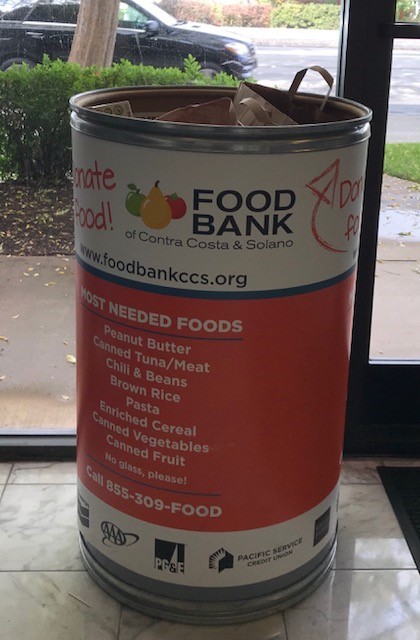
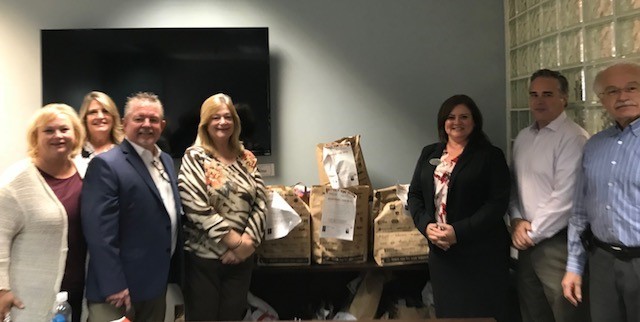
The Windermere Walnut Creek and Walnut Creek-Diablo Realty offices are hosting their fourth annual food drive for the Food Bank of Contra Costa & Solano Counties this holiday season. The Windermere agents distribute bags in their neighborhoods and then collect the donations. After bringing community donations to the food bank, agents and staff help sort and box items for delivery. The food bank services 188,000 people each month—many of those are children and senior citizens—and distributes over 50,000 pounds of food every day.
Boise & Caldwell, ID
During the week of November 13, the Windermere Boise Valley and Caldwell offices started collecting food items in support of the Boise Rescue Mission Ministries food drive for their four area shelters. Single packets of stuffing, dessert mixes, cake mixes, canned fruit, coffee, and creamer were some of the items they are collecting. All food collected will help feed the men, women, and children staying at the shelters. They will be accepting donations through December 11.
Bozeman & Missoula, MT
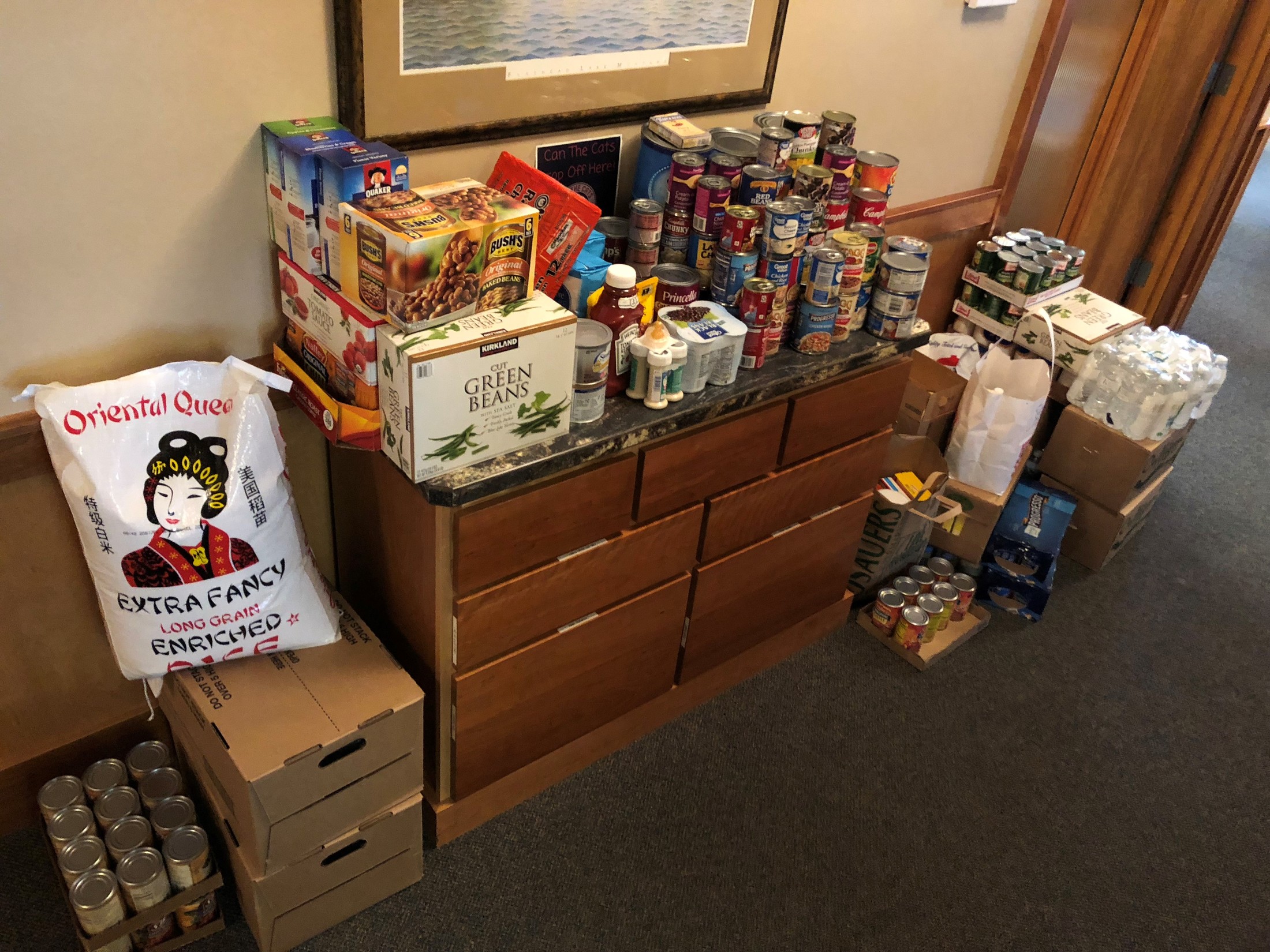
For the second year, the Windermere Bozeman-Downtown office and Windermere Missoula office, competed to collect the most canned goods for the Gallatin Valley Food Bank. The “Can the Griz/Cats” food drive is in coordination with the Montana State University and the University of Montana Cat/Griz football game. Each office collects as many canned food item donations before the November football game. This year, the losing office has to take a photo holding a sign that says, “We got canned by the Cats/Griz.” It was a tight match up, with the Bozeman-Downtown office collecting 980 pounds of food and the Missoula office collecting 959 pounds.
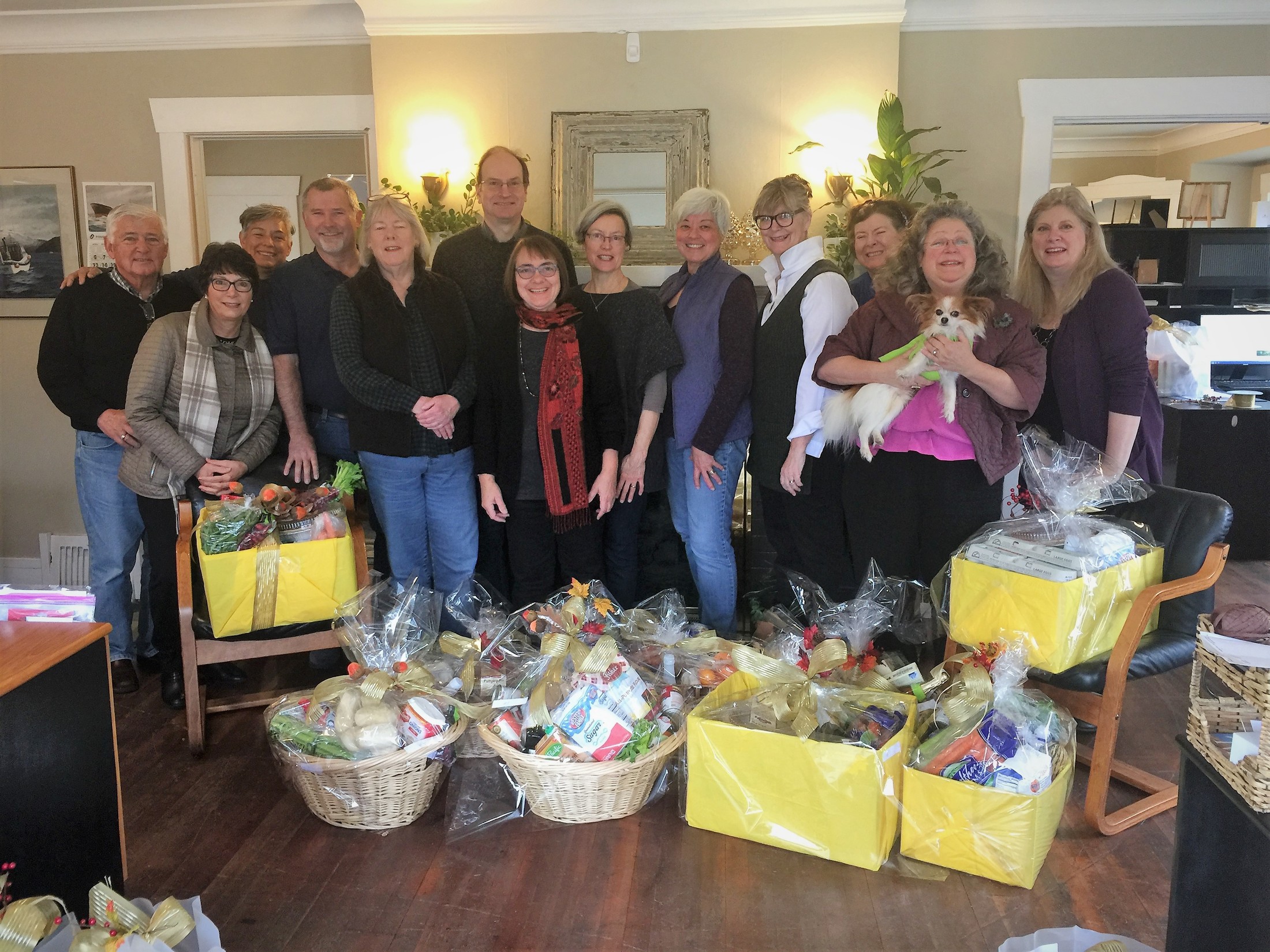
Agents Liz Bailey and Terry Burns from the Windermere Poulsbo office have worked with North Kitsap Fishline on their annual food drive for many years. 2017 marks the 15th anniversary of the Annual Forest Rock Hills Food Drive to benefit North Kitsap Fishline! Every year the Forest Rock Hills neighborhood comes together to provide much-needed food and toiletry items to community members in need. With the help of volunteers, Liz and Terry go door-to-door on the second Saturday of November to collect donations. This year, 52 families donated a total of 1,513 pounds of food to the cause! In addition to the neighborhood food drive, Windermere Real Estate/West Sound, Inc. offices (Kingston, Poulsbo, Silverdale) are donating 50 turkeys to North Kitsap Fishline to provide holiday meals to families in need.
Seattle, WA
The Windermere Ballard office has been a longtime supporter of the Ballard Food Bank. The Ballard Food Bank serves the Ballard, Queen Anne and Magnolia neighborhoods in Seattle with a grocery store model food bank, as well as a litany of other services to support neighbors in need. Last year, the Ballard office gave $8,867.00 through donations from the Windermere Foundation, along with a $900 donation from a fundraising event at Reuben’s Brew in Ballard.
Along with monetary donations, they also support the food bank with volunteers. For the last 10 years, volunteers from the office have driven a van every Monday morning doing “grocery retrieval,” which involves picking up thousands of pounds of vegetables, meat, bread, and other needed food to be brought back to the food bank to be sorted and prepared for shoppers.
Seattle, WA
The Windermere Mount Baker office donates $1,000 to the Rainier Valley Food Bank in December. The food bank is based in Columbia City and provides assistance to nearly 18,000 Seattle residents monthly. The office also supports the food bank in January, when donations are typically down, by hosting their annual food drive. Their next food drive runs from January 17 through the end of February. Food and cash/check donations will be accepted at the Windermere Mount Baker office.
On October 26, the four Windermere Professional Partners offices hosted a fall carnival and food drive at Narrows View Intermediate School in University Place. They collected 935 pounds of food (that’s 701 meals!) which was donated to local food bank, Families Unlimited Network in University Place. They have been holding a food drive every year for the past 15 years. This year was the first that they implemented a carnival with the food drive, and it was a huge success—from the cake walk, to the photo booth, festive face painting, and kiddos dressed up in costumes, a good time was had by all and food donations collected for a good cause!
Vashon Island, WA
On Sunday, November 19, brokers from the Windermere office on Vashon Island, WA collected donations of Thanksgiving food items outside of the Vashon Thriftway for their 17th annual Basket Brigade. Collected items were sorted and placed into baskets/boxes with the ingredients for families to cook their own fresh, healthy Thanksgiving meals. Volunteers from St. Vincent de Paul then distribute to selected island families in need. This year they were collecting food for eight families (approximately 35 people). Most years, they collect more food than is needed for the families—typically an entire truckload of food—so any additional food items are donated to the Vashon Community Food Bank.
Thanks to events like these food drives, as well as a variety of other fundraisers held by our offices throughout the year, the Windermere Foundation is able to continue to support non-profit organizations that provide food assistance and meal programs to low-income and homeless families throughout the Western U.S.
If you’d like to help, please consider donating to the Windermere Foundation. To learn more about the Windermere Foundation, visit http://www.windermere.com/foundation.
The shortage of homes for sale has been a major concern for buyers and real estate agents over the last few years. Windermere Chief Economist, Matthew Gardner, explains the impact these shortages are having on the housing market.
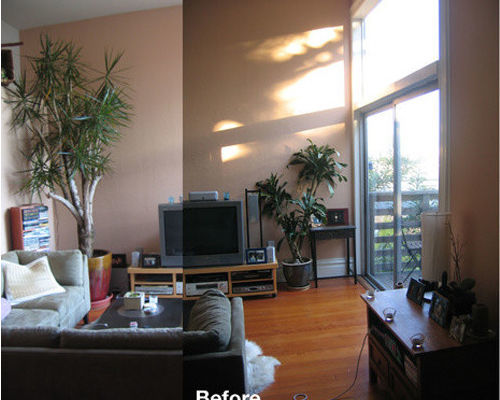
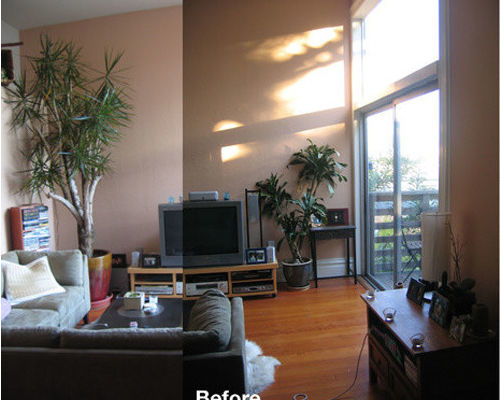
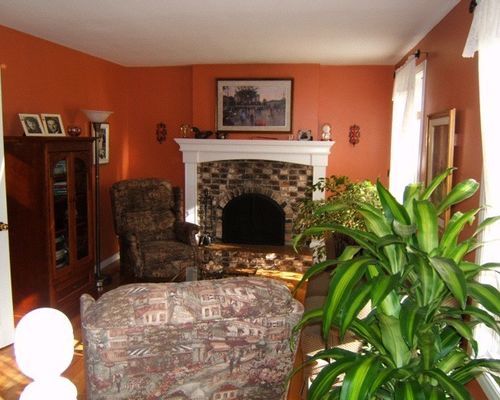
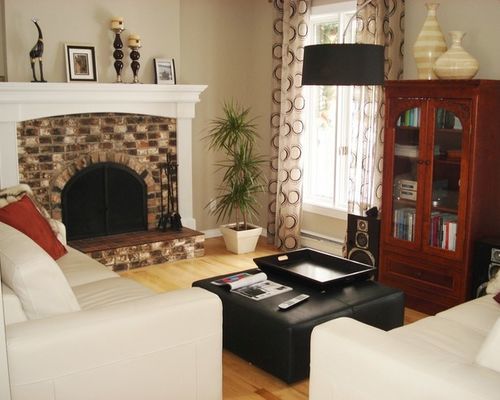
BEFORE: Van Dyke wanted to switch up these light walls. The new colors are Ralph Lauren's Smoked Glass and Tibetan Jasmine. "The Smoked Glass is a beautiful, dynamic color that changes throughout the day," she says.
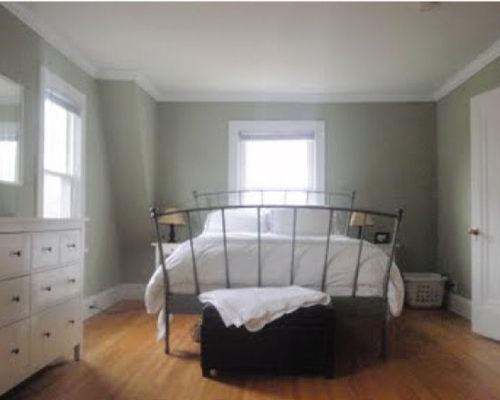
BEFORE: Houzz user and blogger c2marsha did not have much love for this pale green color in her bedroom. "The old pale green color just felt really stale and boring; we wanted something bolder but not bright or harsh," she says.
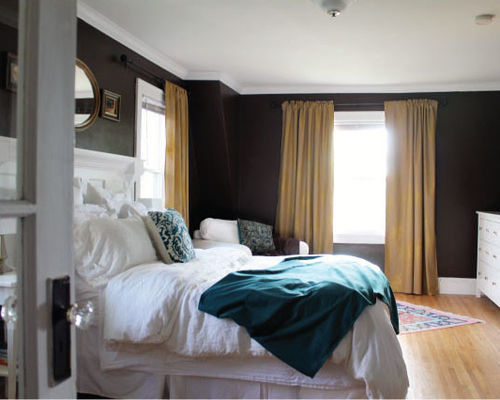
AFTER: "We chose Behr Bitter Chocolate for our master bedroom, which sits on the second floor of our Dutch colonial in Minneapolis," she says. "We didn't want our room to feel too feminine or masculine, and we wanted it to feel like it fit us well, which made it very difficult to pick a color!"
The rich brown brought in a modern touch that works with their mix of vintage and traditional pieces.
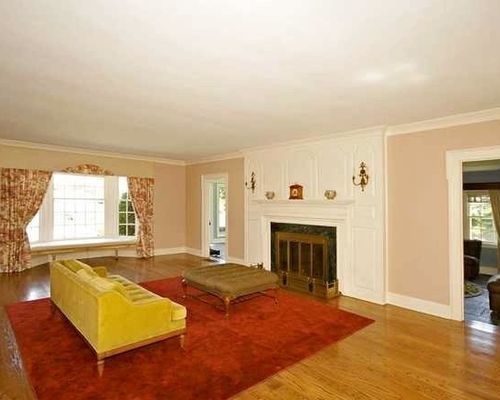
AFTER: Because one room flows into the next and the spaces were lacking cohesion, hellovijp painted the entire floor the same color, SICO's Portobello #6185-41. It really lightens things up while keeping the look warm.
AFTER: She brought the pink into the room via smaller accents. A beautiful new coffered ceiling and marble fireplace surround freshen up the space. The walls are Benjamin Moore's Etiquette in matte, and the trim is Benjamin Moore's Steam in semigloss.
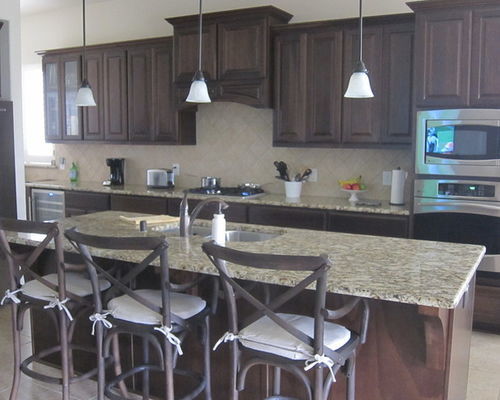
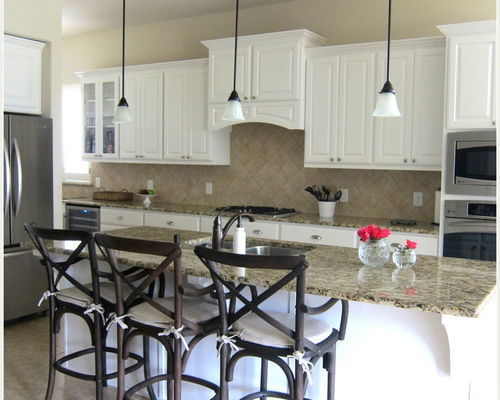
AFTER: "It's still a work in progress, but we took our very dark kitchen to a cheerful, bright white," she says. Kwal acrylic paint in Pure Snow did the trick.
Tip: She recommends having the cabinets spray painted to avoid brushstrokes.
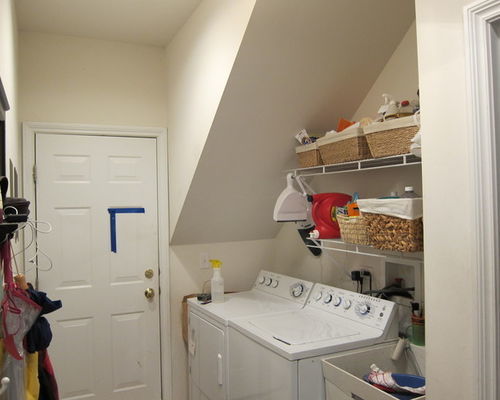
BEFORE: "This laundry room is a great example of white not making a poorly lit, windowless room light and airy; it just made it gray, dingy and scuff-marked," says Cathy Zaeske.
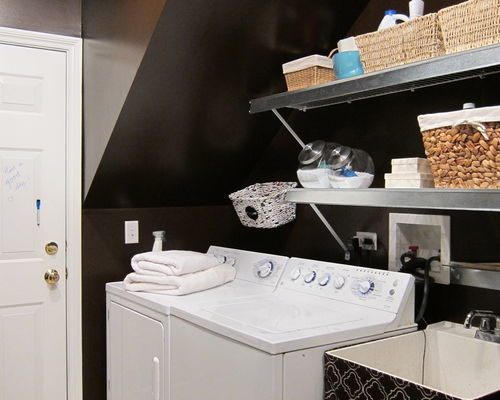
AFTER: Going for an industrial chic look, she chose a new pendant light and Sherwin-Williams' high-gloss 6076 Turkish Coffee. The new room is much better at inspiring the homeowners to want to do their laundry.
November brings a transition to shorter days, colder weather and spending more time indoors. It also brings anticipation, planning and preparation for Thanksgiving and the upcoming winter holidays.
Our checklist this month includes small, quick and easy tasks you can do now to get a jump start on your holiday hosting preparation so you can enjoy friends and family when they arrive.
Replace chair floor protectors. Prevent damage to your hardwood floors by adding or replacing floor protection pads to the legs of your chairs. Hardware stores sell felt self-adhesive protectors that are easy to use.
Clean garbage disposal. Run a few pieces of lemon rind with some ice cubes through your garbage disposal to keep it smelling fresh. The ice chunks scour the blades and scrape away debris. Products that clean and deodorize garbage disposals can also be purchased in retail stores.
Repair plumbing issues. Fix a slow drain or a stuck garbage disposal now rather than wait until you have a full house of guests.
Check bathtub caulk. Use diluted bleach to clean caulk that is moldy or mildewed. Avoid water damage to your home’s framing by replacing worn-out caulking as soon as possible.
Stock up for winter. Buy winter supplies like shovels and ice melting products now so you’ll be ready when the first snow falls.
Silence squeaky door hinges. Spray some cooking oil or other lubricant on door hinges. Be sure to first place a drop cloth on the floor to protect it and also blot the hinge with a rag to remove excess oil.
Clean kitchen exhaust fan filter. Remove kitchen exhaust fan screen and scrub with a mild detergent or run through the dishwasher.
Check fire extinguishers. Locate your fire extinguishers and be sure their gauge shows enough pressure.
Set aside a November afternoon to do the items on this home maintenance list, then sit back and enjoy a cup of hot apple cider. Happy Thanksgiving!
This blog was reposted with the permission of Long & Foster.
Last week Windermere hosted 16 members of the China Alliance of Real Estate Agencies (CAREA) during a daylong tour of Seattle and Bellevue, WA. CAREA is a coalition of the largest regional and national real estate companies in China, representing over 60 percent of all Chinese real estate sales. Their stop in Seattle was a part of a four-city tour that also included Chicago, New York, and Dallas. The cities were identified because of their popularity amongst Chinese investors/buyers, and the CAREA member’s desire to better understand the residential real estate markets in those areas.
The group’s interest in Seattle stems from the growing number of Chinese foreign national buyers in the area, especially in neighborhoods like West Bellevue where real estate brokers say buyers are drawn to the newer homes, top-performing schools, and proximity to high-end restaurants and shopping. This year, Seattle surpassed San Francisco as the second place in the world where Chinese millionaires want to purchase property (according to Shanghai-based Hurun Research).
Windermere took the group on a tour of three luxury homes in West Bellevue that are on the market for between $5 and $10 million. The tour started with a new construction home priced at $6.8 million in Clyde Hill, represented by Windermere broker Shawna Ader. The second stop was a more traditional home in Medina for $5.3 million, listed by Windermere broker Wendy Paisley. The last home was the show stopper, an incredible manse priced at just under $10 million on Yarrow Point, represented by Windermere broker Anna Riley.
Along for the ride were also several members of the media who were drawn to the story about Chinese interest in the Seattle-area housing market. KING 5 News, KOMO 4 News, Q13 News, and the Seattle Times all spent time touring the homes and interviewing representatives from CAREA and Windermere about the reasons why Seattle is an increasingly popular location for international buyers.
Following the luxury home tour, the Chinese guests and Windermere executives gathered for lunch and a presentation by Windermere Chief Economist, Matthew Gardner, who provided an overview of the greater Seattle area housing market and economy. The day was then capped off with a seaplane tour of Seattle by Kenmore Air. As CAREA vice president Yi Lui stated after the tour, “A float plane is the way to sell Seattle.”
The State of Utah added 37,300 non-agricultural jobs over the past 12 months, a growth of 2.6%. Although this represents a slowing in employment gains, it is not a cause for concern because the economy is running at full employment and only so many new jobs can be created. That said, my latest forecast model is suggesting that the pace of employment growth is likely to kick back up during the last quarter of the year.
In August, the unemployment rate in the state was 3.5%, up from 3.3% a year ago. The increase in the unemployment rate is a function of a burgeoning labor force, which has risen by almost 56,000 over the past year.
HOME SALES ACTIVITY
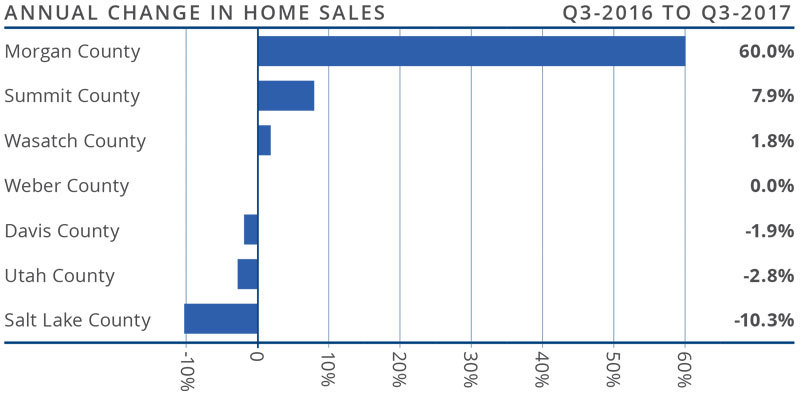
There were 9,907 home sales during the third quarter of 2017, which was a drop of 5.3% from the same period in 2016.
Sales rose in just one of the counties analyzed in this report: small Morgan County saw sales grow 60% year-over-year. It’s worth noting though that this equates to an increase of just 18 units. There were more marginal sales increases in Summit and Wasatch Counties. Sales fell marginally in Davis and Utah Counties, with a more severe drop in Salt Lake County.
Home sales slowed due to very low levels of available inventory. Listing activity continues to trend at well below historic averages, with the total number of homes for sale in the third quarter 26.6% below the level seen a year ago.
The takeaway here is that unless we see a drastic increase in listings, sales growth will remain at below-average levels.
HOME PRICES
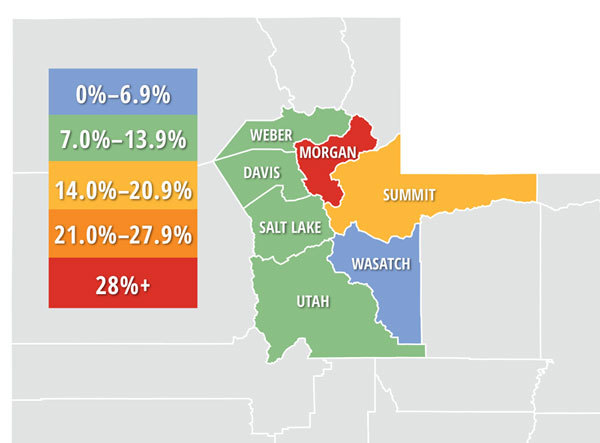
Because of considerable competition for the few available homes, prices continue to rise. Average prices in the region were up 10.2% year-over-year to an average of $340,031.
There was substantial price growth in Summit and Weber Counties, where prices rose by double digits. That said, all counties saw higher home prices in the third quarter than a year ago.
Appreciation was strongest in Morgan County, where prices rose by 32%.
There is clearly an ongoing imbalance between supply and demand, with home prices continuing to appreciate at above-average rates. This is likely to continue for the foreseeable future.
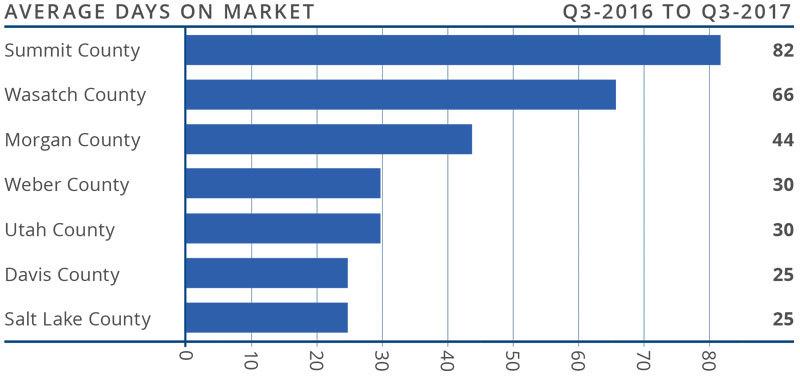
DAYS ON MARKET
The average number of days it took to sell a home rose by five days when compared to the third quarter of 2016.
It took an average of less than a month to sell a home in Salt Lake, Davis, Utah, and Weber Counties.
During the third quarter, it took an average of 43 days to sell a home in the region.
Although demand remains robust, it appears as if buyers are being a little more “choosy,” which may be the reason why the time on market rose in four of the six counties in this report.
CONCLUSIONS
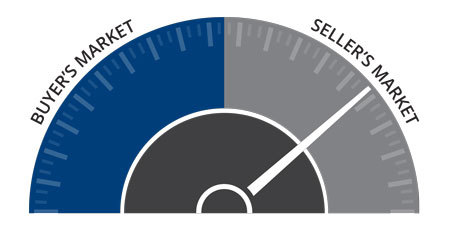
This speedometer reflects the state of the region’s housing market using housing inventory, price gains, home sales, interest rates, and larger economic factors.
In the third quarter of 2017, I have placed the needle well into seller territory. The supply of available homes remains at very low levels, which continues to create competition for well-priced and well-located homes. An increase in the time it takes to sell a home may suggest that the market is either getting weary of all the competition or that would-be buyers are possibly putting off buying until they see more choices in the number of homes for sale. All of that considered, it remains a seller’s market.
Matthew Gardner is the Chief Economist for Windermere Real Estate, specializing in residential market analysis, commercial/industrial market analysis, financial analysis, and land use and regional economics. He is the former Principal of Gardner Economics, and has more than 30 years of professional experience both in the U.S. and U.K.
If you are in the market to buy or sell, we can connect you with an experienced agent here.
Where do you find the colors you love? And just because you love a hue, does that mean it's right for your walls? Let's take a closer look at color inspiration. Here you'll find tips for how to get your creative juices flowing and zero in on the color palettes that speak to you.
1. Be inspired by a landscape you love. Choosing your paint colors based on hues that occur together in nature takes some of the guesswork out of paint picking. The beach is the quintessential example of taking the landscape to a color scheme — the hues of sand, water and sky work beautifully as paint colors, as well as on furniture and accessories.
2. Snap pictures of colors that inspire you on walks and travels. Carry a camera and capture those little details that inspire you as you see them. Taking quick snapshots with your camera phone is fine — the point is more in the noticing than in the quality of your pictures. Sometimes the spirit of a place really shines through in the colors used there, so mine those old vacation photos for inspiration, too.
3. Notice the subtle hues that move you. Not everyone is drawn to bold, clear colors; that is only one small slice of the spectrum. Pay attention to the subtle hues and particular shades that move you, as these can become great color palettes. Perhaps you are drawn to the rich browns of worn leather and old wood. If you love blue, is it midnight, pale aqua or French blue? Get specific.
4. Try doing a color-a-day experiment. This practice is a workout for your creativity and visual sense. Look for shades of one color to photograph each day, until you have covered them all. Keep your eyes peeled for pretty veggies in the produce bins, graffiti on a brick wall, a row of colorful binders in your office — nowhere is off-limits.
5. Look to the branding of good restaurants, shops and other businesses. Shops are often great places for finding color schemes, since great care was taken to design them in an appealing way. The next time you walk into a shop or restaurant and find yourself really enjoying the atmosphere, stop and ask yourself why. Take a closer look at your surroundings — is it the paint color that makes you feel good? Try to begin naming what really works for you.
6. Pay attention to shop displays. When you're inside a shop, pay special attention to beautiful displays of objects and flowers — especially color combinations that catch your eye. Notice which color was used in a larger swath and which color punctuates the arrangement. For instance, you may be drawn to a display of sunshine-yellow mugs, but upon further thought realize it's the deep blue tile wall in the background that really makes it for you.
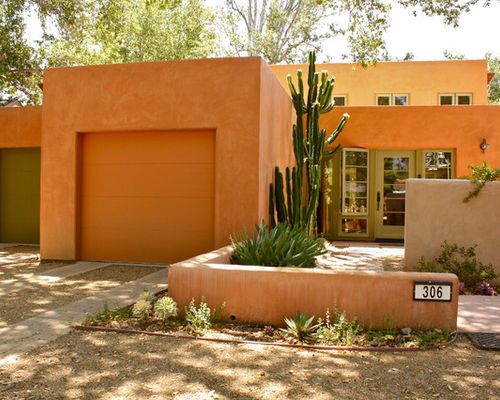
7. Consider the architecture of your home and the region you live in. What colors are typically used to play up the sort of house you have? Noticing doesn't mean you have to follow suit, but it can help guide you in your process. Southwestern homes, for instance, tend to feature rich earth-tone colors, which complement the landscape beautifully.
8. Aim to complement what you already own. Look at what you already have in your home — do you tend to be drawn to bright, statement-y furniture with bold colors and patterns? If so, you may want to stick with neutral walls that won't compete. If your furniture taste runs to white, white and more white, perhaps a subtle (but not white) neutral would add interest to your clean aesthetic. Assess the finishes in your home (floors, counters etc.) as well, since you can use them to find complementary wall colors.
9. Cast a wide net in what you read for inspiration. Decorating books are wonderful, of course, but also consider looking to graphic design, photography and garden books, and all sorts of magazines for inspiration. Save images that call out to you and begin a collection.
10. Experiment with inspiration boards. A board that works for another person may not work for you — so try out different methods until you hit on something that feels fun. Some may love the physical act of cutting and tacking up tear sheets to a board; others may find that fussy. Collect items in a tray or basket, create an ideabook on Houzz, slide your finds into a binder or stuff everything into a big folder.
11. Learn to translate what you see. Picking colors for your walls is a highly personal process. The best way to learn about what works for you is to start paying more attention to color … everywhere. Whether you are choosing colors on your own or working with a pro, this will hone your color sense and make picking paint a better experience all around.
Idaho added 15,000 new jobs over the past 12 months, a growth of 2.1%. We have noticed a drop in the annual growth rate compared to 2016 but this is nothing to be concerned about. The state is at full employment and it is natural to see a slowdown in growth at this point in the economic cycle.
In September, the state unemployment rate was 2.8%—a figure not seen since records started being kept in 1976. The labor force continues to expand thanks to the robust economy. I anticipate that Idaho will continue to outperform the U.S. in growth for the balance of the year as well as into 2018.
HOME SALES ACTIVITY
Third quarter home sales rose by 6.2% compared to the same period last year, with a total of 6,822 homes changing hands.
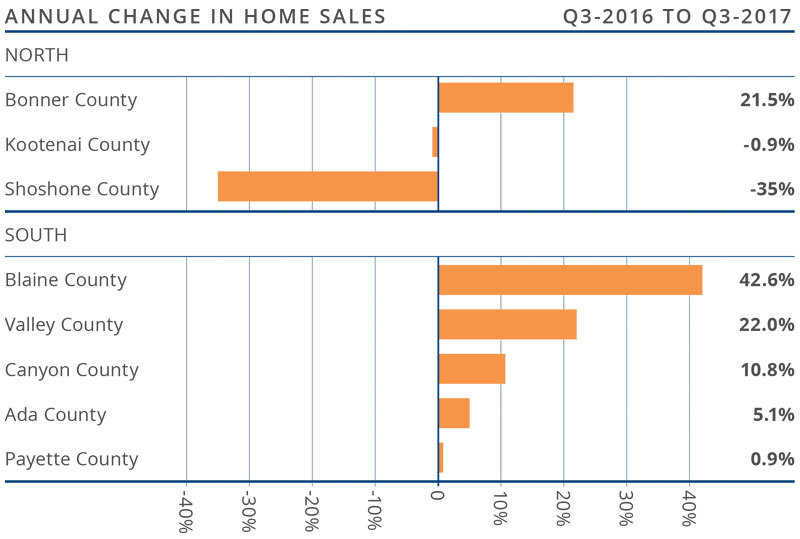
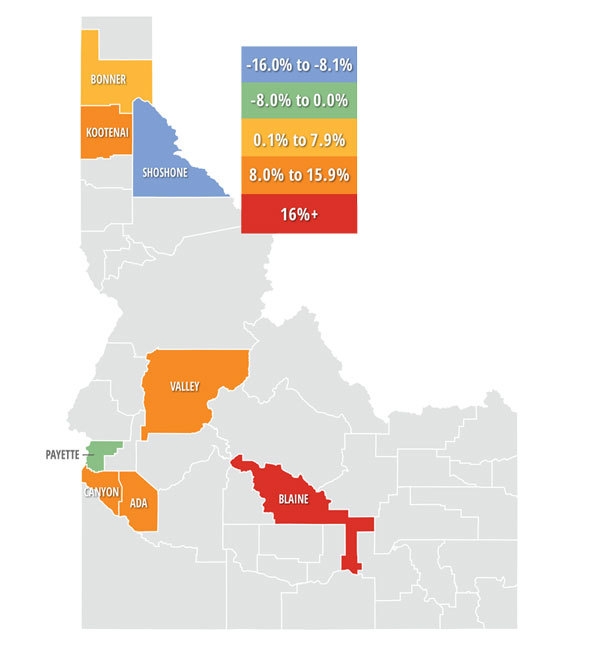
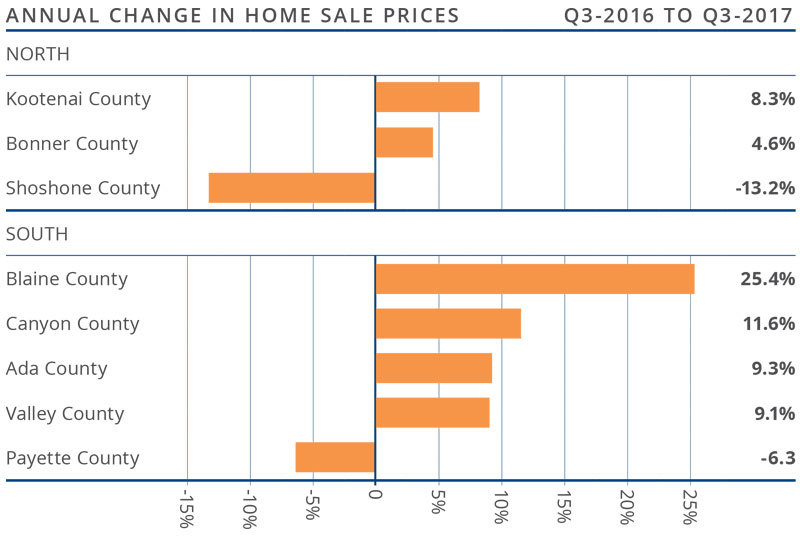
Sales rose the fastest in Blaine County, which had a 42.6% increase over the third quarter of 2016. In the north, sales grew the most in Bonner County, which saw a 21.5% increase.
Year-over-year sales dropped in two of three Northern Idaho counties in this report, but rose in all counties in the Southern Idaho market areas.
Listing inventory rose modestly in Shoshone County but fell in the two other Northern Idaho markets. Southern Idaho saw a mixed bag, with listings higher in Valley County and marginally up in Payette County while the other three counties saw listing activity decline.
HOME PRICES
The average home price in the region rose 11% year-over-year to $300,265.
Blaine County led the market with the strongest annual price growth. Homes there sold for 25.4% more than a year ago.
All but two counties in this report saw home prices increase compared to the third quarter of 2016, with two showing double-digit gains.
Home prices in Shoshone and Payette Counties decreased modestly last quarter, but I do not believe this will be an ongoing trend.
DAYS ON MARKET
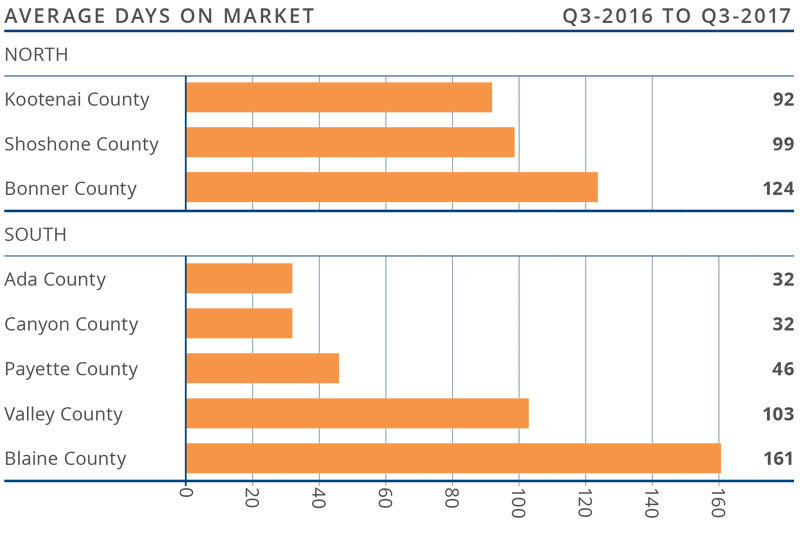
The average number of days it took to sell a home in the region dropped 16 days when compared to the third quarter of 2016.
It took an average of 105 days to sell a home in Northern Idaho and 75 days in the southern part of the state.
Homes in all three Northern Idaho counties took less time to sell than they did in the same quarter of 2016, and all the southern counties—other than Valley—saw a drop in the time it took a home to sell.
Homes sold the fastest in Ada and Canyon Counties, where it took an average of 32 days for a home to sell.
CONCLUSIONS
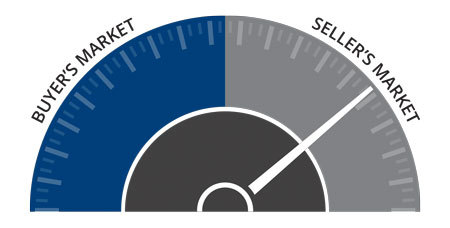
The speedometer reflects the state of the region’s housing market using housing inventory, price gains, home sales, interest rates, and larger economic factors. Consumer confidence in the housing market seems to have returned, causing the markets in this report to perform well overall and for home prices to continue trending upward.
The market remains out of balance with more buyers than sellers. But because of
the mixed data, I have chosen to leave the needle at the same position as last quarter. The Idaho economy, specifically in Ada and Canyon Counties, remains robust and this will allow the housing market to expand further for the foreseeable future.
Matthew Gardner is the Chief Economist for Windermere Real Estate, specializing in residential market analysis, commercial/industrial market analysis, financial analysis, and land use and regional economics. He is the former Principal of Gardner Economics, and has more than 30 years of professional experience both in the U.S. and U.K.
If you are in the market to buy or sell, we can connect you with an experienced agent here.

 Facebook
 X
X
 Pinterest
 Copy Link















 Because of considerable competition for the few available homes, prices continue to rise. Average prices in the region were up 10.2% year-over-year to an average of $340,031.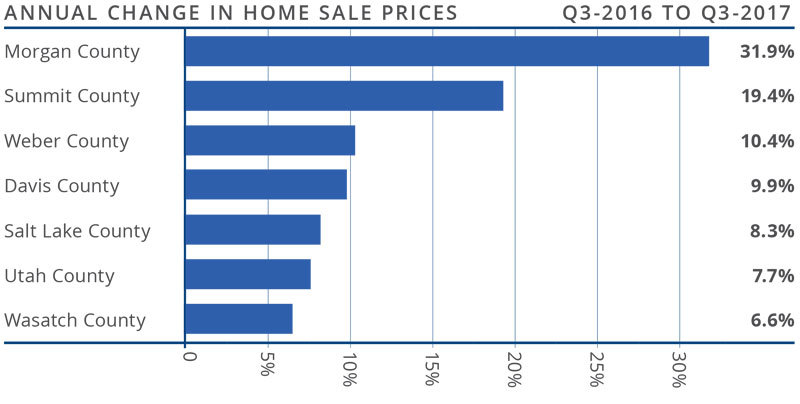
 This speedometer reflects the state of the region’s housing market using housing inventory, price gains, home sales, interest rates, and larger economic factors.



 The speedometer reflects the state of the region’s housing market using housing inventory, price gains, home sales, interest rates, and larger economic factors. Consumer confidence in the housing market seems to have returned, causing the markets in this report to perform well overall and for home prices to continue trending upward.