BuyingSelling January 19, 2022

What are Closing Costs?

The closing process in a real estate transaction finalizes the terms of an agreement between the buyer and seller, leading to the transfer of the property’s title. This step of the buying/selling process comes with its own set of costs. Before a buyer can hold the keys to their new home, and before a seller can celebrate the sale of their property, closing costs must be paid.

Learn more about the costs of buying and selling a home here:

What are closing costs?

The term “closing costs” refers to the various expenses, taxes, and fees paid by both the buyer and the seller to finalize a real estate transaction. The purchase agreement—signed by both parties—will dictate the terms of how the closing costs are paid, but there are some standards about who pays what.

In general, buyers can expect to pay about 2-5% of the total purchase price in closing costs, while sellers’ costs can range anywhere from about 6-10%; the difference being that buyers are using extra cash to pay for their closing costs while the amount sellers owe is typically deducted from the proceeds of the sale of their home. Note—these percentages may vary depending on property taxes, insurance rates, and other factors involved in the transaction.

Closing Costs for Buyers

Typical mortgage-related closing costs for buyers include an application fee, an underwriting fee, and prepaid interest (the accrued interest cost between your settlement date and first monthly payment). If you make less that a 20% down payment on the home, you can expect to pay your lender for private mortgage insurance (PMI), as well.

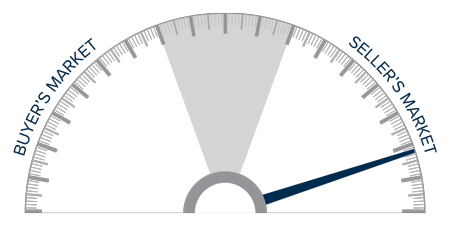
Two main property-related closing costs for buyers are the appraisal and the home inspection. Lenders will require an appraisal to double-check that the value of the property matches your mortgage loan amount, which will typically cost you a few hundred dollars. A home inspection provides the buyer with a clear understanding of the home’s condition and what repairs need to be made, either in the future or before closing. In competitive markets (a seller’s market), it’s more common for sellers to conduct pre-listing inspections and for buyers to waive the inspection contingency to make their offer more appealing. Buyers will also pay a variety of title, insurance, attorney, escrow, and property tax fees to finalize the home purchase. Usually, your lender will require you to purchase homeowners insurance before settlement to protect against insured disasters that may occur on the property.

These are just some of the costs inherent in the closing process for buyers, which are a fraction of the total costs of buying a home. Working with a Buyer’s Agent will help you stay organized as you navigate through these crucial final steps of your home purchase.


A young man and woman shake hands with their real estate agent at their kitchen table.

Image Source: Getty Images – Image Credit: PeopleImages


Closing Costs for Sellers

The seller will pay the agent commissions on the sale, typically to both the buyer’s agent and the listing agent. Agent commissions usually come in at around 4-6% of the sale price of the home. Other closing costs for sellers may include attorney fees, title insurance, a transfer tax, and the home’s property taxes for the current year if they have not yet been paid. The terms of the agreement will spell out what the seller is additionally responsible for, including HOA fees if applicable and any escrow money promised to the buyer.

Typically, escrow fees are shared between the buyer and seller, which cover the costs of distributing the funds involved in the transaction. In buyer’s markets, it’s more common for sellers to agree to pay for a portion of the closing costs—what is known as “seller concessions.” A common example of a seller concession is when the seller agrees to pay for repairs discovered during the buyer’s home inspection. 

For more information on the intricacies of the buying/selling process, connect with an experienced, local Windermere agent: 

Living January 12, 2022

Gas Appliances vs. Electric Appliances

Appliances are broken down into two main categories: gas- and electric-powered. You may be more familiar with one or the other based on personal experience, but when it comes time to choose appliances for your home, you’ll likely be weighing a variety of factors including the conversion costs, operation costs, safety, sustainability, and more. The following breakdown of the differences between gas and electric appliances can help inform your decision about what is ultimately best for your home.

What is the difference between gas and electricity?

Homes with natural gas are powered by a series of pipeline connections. The gas lines flowing from the property lead out to and connect with a larger pipeline farther away. Homes can also be powered by propane gas, which is stored in a tank on the property.

Electric power flows from generators to substations and eventually to individual homes, carried by transmission and distribution lines. In short, gas can power a variety of appliances in your home, but it won’t power your lights or electronics, whereas electricity can do both.

What is the difference between gas appliances and electric appliances?

The costs of gas and electric appliances vary region-to-region, both in upfront and operation costs. Having said that, gas is the more efficient heating fuel, and using gas appliances could save you up to 30 percent on your utility bill (consumeraffairs.com). Keep in mind that gas furnaces tend to be noisier but will usually heat up your home quicker, while electric furnaces are quieter but may take more time to warm your home.

So, what do you do if you want to convert your home from one fuel to the other? To switch from electric to gas, you’ll need to route gas lines, purchase the new appliances, and install them. Switching from gas to electric will require installing an electric line and capping the gas line(s). Each of these conversion methods will require an investment, so be sure to budget for these costs before you switch.

Gas and electric have their own unique safety hazards. With gas, you’ll need to take a couple extra steps to protect your home’s air quality. You’ll want to make sure you have a good ventilation system and that your carbon monoxide alarm is functioning properly to alert you of any potential poisoning from the furnace or the appliances themselves. With electric appliances, you won’t run the risk of a gas leak, but if the appliance’s wiring is faulty or neglectfully maintained, it could start a fire.


A close-up of a person’s hand starting their dryer.

Image Source: Getty Images – Image Source: SolStock


Gas vs. Electric Range

The range tends to be the focal point of the gas-versus-electric debate for many homeowners. While some prefer the quick-heating power of an open-flame gas stove, others view an electric stove as safer for their household and therefore better. While some enjoy the even-heating quality of an electric oven, others prefer gas ovens with traditional coil burners. Electric stoves are usually easier to maintain; especially glass tops since you only have to clean one smooth surface.

Gas vs. Electric – Dryer & Fireplace

In general, gas dryers can heat up faster than electric dryers, which means they are more efficient and can save you money on your energy bills. However, gas dryers tend to be more expensive than their electric counterparts.

Electric fireplaces are usually cheaper to install but may not be as effective as gas fireplaces for heating larger spaces. And apart from all the financials, some people simply enjoy the feeling of a natural flame (gas) coming from the hearth, while the electric heating element appeals to others.

At the end of the day, choosing between gas and electric appliances depends on your situation. Saving on energy bills may be your number one priority, or perhaps you can’t stand the idea of not cooking on an open flame. Whatever your choice, it’s helpful to know the pros and cons of each option.

Selling January 10, 2022

Should I Remodel or Sell My Home As Is?

Homeowners who are preparing to sell are often faced with a dilemma about whether to remodel or sell their home in its current state. Each approach has its respective advantages and disadvantages. If you decide to remodel your home, it will likely sell for more; but the increased selling price will come at the cost of financing the remodeling projects. If you decide to sell without remodeling, you won’t spend as much money putting your home on the market, but the concern is whether you’re leaving money on the table.

Should I Remodel or Sell My Home As Is?

To answer this question, it’s important to understand the factors that could influence your decision and to work closely with your agent throughout the process.

Cost Analysis: Home Remodel vs. Selling Your Home As Is

Home Remodel

When you remodel your home before selling, you’re basically making a commitment to spend money to make money. So, it’s important to consider the kind of ROI you can expect from different remodeling projects and how much money you’re willing to spend. Start by discussing these questions with your agent. They can provide you with information on what kinds of remodels other sellers in your area are making and the returns they’re seeing as a result of those upgrades. This will help you determine the price of your home once your remodel is complete.

Then, there’s the question of whether you can complete you remodeling projects DIY or if you’ll need to hire a contractor. If hiring a contractor seems expensive, know that those costs come with the assurance that they will perform quality work and that they have the skill required to complete highly technical projects. 

According to the Remodeling 2021 Cost vs. Value Report (www.costvsvalue.com1), on average, homeowners paid roughly $24,000 for a midrange bathroom remodel and about $26,000 for a minor kitchen remodel nationwide, with a 60.1% and 72.2% ROI respectively. This data shows that, for these projects, you can recoup a chunk of your costs, but they may not be the most cost-effective for you. A more budget-friendly approach to upgrading these spaces may look like repainting your kitchen cabinets, swapping out your old kitchen backsplash for a new one, refinishing your bathroom tub, or installing a new showerhead. Other high-ROI remodeling projects may allow you to get more bang for your buck, such as a garage door replacement or installing stone veneer. To appeal to sustainable-minded buyers, consider these 5 Green Upgrades that Increase Your Home Value


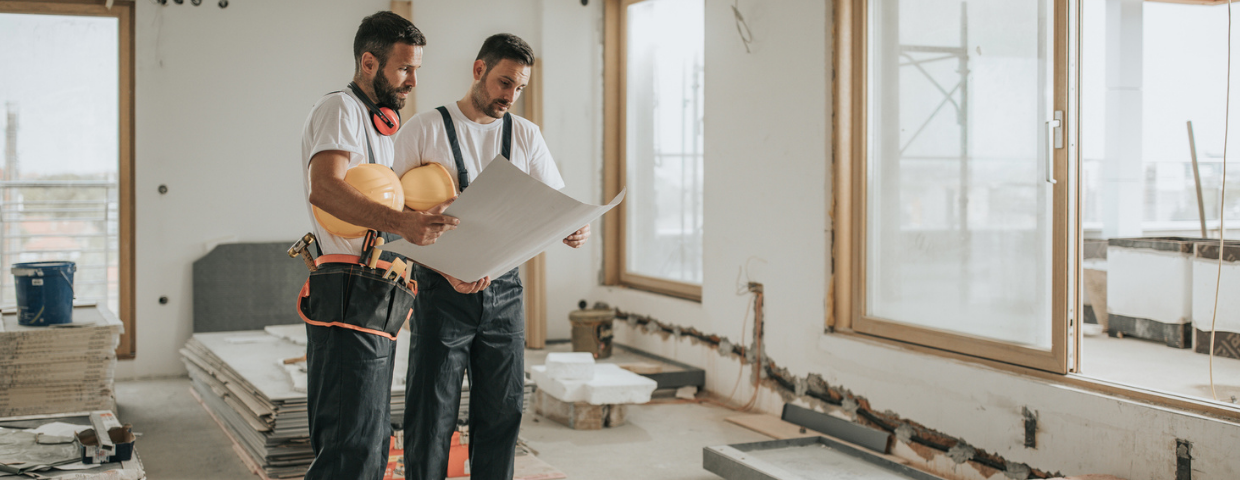
A man and woman look at blueprint plans with a contractor inside a room that’s being remodeled.

Image Source: Getty Images – Image Source: stevecoleimages


Selling Your Home As Is

Deciding not to remodel your home will come with its own pros and cons. By selling as is, you may sell your home for less, but you also won’t incur the cost and headache of dealing with a remodel. And since you’ve decided to sell, you won’t be able to enjoy the fruits of the remodel, anyway. If you sell your home without remodeling, you may forego the ability to pay down the costs of buying a new home with the extra money you would have made from making those upgrades.

Market Conditions: Home Remodel vs. Selling Your Home As Is

Local market conditions may influence your decision of whether to remodel before selling your home. If you live in a seller’s market, there will be high competition amongst buyers due to a lack of inventory. You may want to capitalize on the status of the market by selling before investing time in a remodel since prices are being driven up, anyway. If you take this approach, you’ll want to strategize with your agent, since your home may lack certain features that buyers can find in comparable listings. In a seller’s market, it is still important to make necessary repairs and to stage your home.

In a buyer’s market, there are more homes on the market than active buyers. If you live in a buyer’s market, you may be more inclined to remodel your home before selling to help it stand out amongst the competition.

Timing: Home Remodel vs. Selling Your Home As Is

Don’t forget that there is a third option: to wait. For all the number crunching and market analysis, it simply may not be the right time to sell your home. Knowing that you’ll sell your home at some point in the future—but not right now—will allow you to plan your remodeling projects with more time on your hands which could make it more financially feasible to complete them.

For more information on how you can prepare to sell your home, connect with a local Windermere Real Estate agent below:


  1. “© 2021 Zonda Media, a Delaware Corporation. Complete data from the Remodeling 2021 Cost vs. Value Report can be downloaded free at www.costvsvalue.com.”
More January 7, 2022

Windermere Foundation 2021 Year in Review

For the Windermere Foundation, 2021 was a year of milestones. Windermere owners, staff, and agents stepped up to support their communities in a variety of ways. Their collective efforts helped to raise over $2.5 million in 2021 for low-income and homeless families, bringing the Foundation’s grand total to over $46 million in donations since 1989.

Windermere Foundation 2021 Year in Review

Early 2021

The year got off to a quick start. Windermere offices showed an outpouring of support in their communities, raising nearly $500,000 by the end of March. The Windermere Lane County office in Eugene, Oregon was highly active, raising money for a host of local organizations dedicated to supporting local children who are in crisis due to neglect, abuse, poverty, or homelessness. The office also collected donations for Florence Food Share and Food for Lane County, two local non-profits working to solve hunger issues in the community. All in all, the Lane County office’s donations totaled over $10,000.

Community Service Day

In June, Windermere celebrated its 37th annual Community Service Day, a tradition since 1984 in which our agents, staff, and franchise owners spend the day volunteering in their communities to complete neighborhood improvement projects. The Windermere Pinole and Diablo Realty offices joined together to support the Food Bank of Contra Costa & Solano by working in their warehouse to help bag produce. The offices were able to gather $2,850 in donations, which empowered The Food Bank to deliver 5,700 meals to the local community. The Park City office also made an impact with a local food health organization, EATS Park City, by donating $5,000 to help EATS in their mission to promote nutrition advocacy in the area.

These are just a couple examples of the impact last year’s Community Service Day had throughout the Windermere footprint. By the end of June, the Foundation surpassed $1 million in donations for 2021.


A group of people wearing sanitary masks stand together in a food bank warehouse holding a donation check.

Pictured: Scott Tuffnell, Denise Ramirez, Mike Rowland, Renee Rowland, Diane Cockrell, Mona Logasa, Dave Nardi, Ellen Osmundson, Jim Georgantes, Tina Rowland, Jacob Cardinale, Nicolars Ramirez, Luis Ramirez-Agudelo, George Gross, John Kula, Carol Nasser, Neil Zarchin (Food Drive Administrator – Food Bank of Contra Costa and Solano) – Image Source: Windermere Rowland Realty – California


Late 2021

Windermere agents, staff, and owners continued to give back to their communities through the summer and fall, eventually passing $1.5 million raised in 2021 by September’s end. Here are a few highlights from the final months of the year.

UW Certificate Scholarship Program

The UW Certificate Scholarship program is part of Windermere’s commitment to better serve and support students of color, especially Black and Hispanic students, who have been impacted by systemic racial inequities. Since it was introduced in 2019, the scholarship program has given a total of $41,000 to scholars to date.

Gina, a 2021 scholar, was able to complete the UW Certificate in Data Visualization with her scholarship from Windermere. Originally from Colombia, Gina moved to the U.S. ten years ago. She eventually found work as a nanny but was laid off in the early days of the COVID-19 pandemic. Gina knew she needed to find a stable career to help support her family and wanted to put her data visualization skills to work. Gina was hired as an Attendance Specialist with her local school district. “Now, you may wonder how an Attendance Specialist can contribute if she has data visualization skills,” she said. “I was a little skeptical at first, but as I started learning more about data, I started connecting the dots. I started collecting data on the reason why the students were not making it to classes and tracking down the kids that needed extra attention.” Gina began making weekly analyses and data visualizations for her team and was soon helping the district connect with students they hadn’t been able to reach for six months. “I can’t thank you enough for this great opportunity,” she said of the UW Certificate Scholarship. “I have helped my community, grown as a professional, and feel empowered as a mom and as a brown woman.”

The Windermere Foundation plans to expand the UW Certificate Scholarship program in the future to help more Black, Indigenous, or People of Color (BIPOC) adult learners.


A selfie of a young man and woman and their two kids outside.

2021 UW Certificate Scholar Gina (top left) with her family. Image Source: Gina / Jo Gubas—University of Washington


Windermere Sand Point / Lake Oswego West / Fort Collins /

The following Windermere offices didn’t let up in their community efforts during the final weeks of 2021. Windermere Sand Point looked no further than their local elementary school, Sand Point Elementary, when deciding how they could make an impact during the holiday season. The Sand Point office donated $3,000 to the school, which will help to provide low-income students and their families with clothing, shoes, food assistance, and payment aid for after school activities.

The Windermere Lake Oswego West office makes it a point to support Transition Projects annually in any way they can. Transition Projects engages with the local homeless population to support them on their journey out of homelessness while delivering lifesaving and life-changing assistance. In early December, the Lake Oswego West office donated $3,500 to Transition Projects.

Windermere Fort Collins has close ties to ChildSafe Colorado, a local organization that provides therapy for victims of childhood abuse. One of their agents had a personal experience with ChildSafe and couldn’t thank them enough for all they did for their family. The office has rallied to support the organization, as they are unable to provide their services without donations. The Northern Colorado office hosted a tailgate party fundraiser, collecting donations from agents and the public. All in all, they were able to donate $4,000 to ChildSafe in November. 


A woman in the foreground holds a basket of donated items and a man in a football jersey behind her carries some items.

Pictured L to R: Suzanne Ekeler, Eric Thompson – Image Source: Natalie Parsons, Windermere Fort Collins


To learn more about the Windermere Foundation, visit windermerefoundation.com. To help support programs in your community, click the donate button below.


content_Donate_button.jpg

Design January 5, 2022

How to Use Pantone’s Color of the Year 2022 in Your Home

Pantone has spoken. Last month, the newsworthy color institute announced their choice for Color of the Year 2022: Very Peri. Pantone says Very Peri is a color “whose courageous presence encourages personal inventiveness and creativity.” So, what is Very Peri? And how can you be inventive and creative when using it in your home? We’ve got you covered.

Pantone Color of the Year 2022: Very Peri


A swatch card showing Pantone’s color of the year 2022: Very Peri, which is a periwinkle blue with a violet-red undertone.

Image Source: Pantone.com


Very Peri is a periwinkle blue with violet-red undertones. This combination of cool colors with elements of warm hues creates an interesting combination. Pantone describes the mood that Very Peri creates as representative of the times we’re living in. They cite the merging of the physical and digital world, recent widespread isolation, and expanding popularity of the metaverse as inspiration for choosing the color. Pantone’s 2022 selection also marks the first time they’ve created an original color in the history of the Color of the Year educational program.

How to Use Very Peri in Your Home

Paint with Very Peri

Due to its calming yet dynamic nature, Very Peri makes for the perfect wall color. Repaint your living room or kitchen wall to give your home a healthy dose of a brand-new color or use it on accent walls in smaller spaces such as your bedroom, bathroom, or home office.


Six small paint cans of periwinkle blue paint.

Image Source: Getty Images – Image Credit: Manuta


Decorate with Very Peri

Very Peri’s exuberance translates well into both small and large surface areas. Even by using it as a detailing color, its eye-popping charm can give meaning to the spaces it inhabits. Carpets, throw pillows, blankets, and flower vases are all perfect examples of how you can sprinkle in this color throughout your home. It also suits larger furniture pieces well, such as a couch, chair, or bedding. It’s a color you’ll want to sink into and wrap yourself up in. A new Very Peri bedspread may be just the breath of fresh air you need in your bedroom for the new year.


The corner of a living room with a comfortable chair, periwinkle blue wall color, and the mantel of a fireplace.

Image Credit: Pinterest – Image Credit: thenordroom.com

Combine Very Peri with Nature

Add an organic touch by pairing Very Peri with a vase of lavender, succulents, or other houseplants to complement its nature-friendly hue. Although there are hints of red embedded in the Very Peri concoction, you can rest assured that this color won’t clash with your indoor garden. Any combinations of purples, blues, greens, and whites will make for a beautiful display.

For more information on how you can incorporate the latest designs into your home, decorating tips, and DIY know-how, head to the Design page on our blog:

Windermere Blog – Design

Buying January 3, 2022

7 Signs You’re Ready to Buy a Home

Making the leap from renter to homeowner doesn’t happen overnight; it requires steady planning to put yourself in a good position to buy your first home. Prospective first-time home buyers can often feel like they’re waiting for a sign to indicate they’re ready to start making offers, when really, it’s a combination of factors. Here are seven signs that you’re ready to buy a home.

7 Signs You’re Ready to Buy a Home

1. You Know Which Homes You Can Afford

To know whether you’re ready to buy, you need to identify your price range. If you’re unhappy with your pre-approval, or need more money for your desired location, there are ways you can increase your buying power. Once you know which homes you can afford, you can work with your agent to find the right home and prepare an offer.

To get an idea of what you can afford, use our free Home Monthly Payment Calculator by clicking the button below. With current rates based on national averages and customizable mortgage terms, you can experiment with different values to get an estimate of your monthly payment for any listing price. By using the Home Monthly Payment Calculator, you can make a well-informed estimation of whether it’s the right time to buy.

2. You Understand Your Local Market Conditions

The dynamics of the market in which you’re buying will play a role in determining whether you’re ready to buy. The local market conditions will dictate what kinds of offers you can expect to compete against, what tactics other buyers may employ, and whether the buyer or seller will have the leverage during negotiations. Therefore, it’s important to understand the difference between a buyer’s market and a seller’s market so you and your agent can strategize accordingly.

3. You’re Comfortable with the Responsibilities of Being a Homeowner

Having a mortgage instead of paying rent isn’t the only difference between owning a home and renting. You’ll be responsible for maintaining the property, making repairs, and completing remodeling projects. That doesn’t always mean you can’t predict a future need. The best way to prepare for unexpected projects on any home is to get a home inspection before you buy so that you know every inch of the property and can start to save for larger expenses that might come down the road.

4. You Have Funds Available for Home Buying Costs

The costs of buying a home are more than just your down payment and monthly mortgage. Before you move into your new home, you’ll have to pay closing costs, moving expenses, and appraisal and inspection fees, to name a few. Property taxes can sometimes be part of the mortgage and depending on the time of year may need to be paid before you move in. Once you’re settled, homeowners insurance will enter the fold. If you can afford these costs, it’s a sign that you are ready to buy.

5. You’re Making Progress on Your Debt

Having zero debt is not a realistic expectation for every first-time home buyer. But, if you have a plan in place for paying off your outstanding debt and can show evidence of the progress you’re making, it will strengthen your buying credibility. Lenders will factor this into their assessment of your financial health during the pre-approval process.

6. You Have a Strategy for the Down Payment

It is true that lenders view a twenty percent down payment as favorable and won’t require you to purchase private mortgage insurance (PMI), but it’s not game over if you can’t make a lump sum payment of that size. With a lower-than-twenty percent down payment, you may incur higher interest and fees over the life of the loan, which could put a greater strain on your finances long-term than waiting until you can pay more principal down. Whichever route you choose, make sure you have a solid plan in place to repay your loan.

7. Your Life Aligns with Buying a Home

Buying a home means you’ll be putting down roots, so it’s important that you and your household are ready to establish yourselves in one area before you buy. There’s financial logic behind this line of thinking, as well; in general, the longer you stay in one home, the more equity you’ll build. Career and income stability also play a role in determining whether you’re ready to buy. Landing a job with long-term prospects may be just the thing you need to green-light your decision to buy your first home.

To learn more about buying your first home, connect with an experienced Windermere Real Estate agent today by clicking on the button below.

Living December 15, 2021

Tips for Home: Extend the Life of Your Mattress

All furniture has a shelf life, and your mattress is no different. Whether you sleep on a spring or memory foam mattress, the more proactive you can be about maintaining it, the better your chances of experiencing healthy, regular sleep. With a few simple tasks you can extend the life of your mattress and wake up every day feeling refreshed. 

Extend the Life of Your Mattress

1. Clean Your Mattress Regularly

A clean mattress is the key to healthy sleep. Clean your mattress regularly according to the manufacturer’s instructions. Certain home cleaning supplies such as baking soda and essential oils can help to cleanse your mattress’s fabric, but they may be harmful to certain foam types. Vacuum before you clean to rid your mattress of dust and dirt using the attachment designed for cleaning upholstery. If your pets like to snuggle up in bed, you can count on their hair and fur getting trapped in your linens, so you may want to consider vacuuming more frequently to make sure everyone can sleep soundly.

2. Rotate Every Six Months

After laying in the same spot night after night, your mattress will begin to form to your body. Rotating your mattress every three-to-six months will give it a chance to refresh its structure and provide additional support. By simply flipping the foot end of the bed around to where you lay your head, it will feel like you’ve bought a brand-new mattress.


An olive-green bedspread in a chic bedroom.

Image Source: Shutterstock – Image Credit: New Africa


3. Use a Mattress Protector

Mattress protectors help to keep your bed as clean as possible by limiting damage caused by spills while keeping dust mites, sweat, dander, and pet hair/fur off your mattress. Made from organic cotton, organic mattress protectors are typically hypoallergenic and waterproof. They are helpful sleep aids for people with sensitivities to allergens and chemicals.

4. Support Your Mattress

Not properly supporting your mattress is a recipe for unhealthy sleep and a short lifespan for your bed. Check the manufacturer’s instructions to see if your mattress is meant to be coupled with a box spring, and if not, what kind of underneath support is required, given your mattress’s type and weight. Insufficient support can not only damage your bed but can also lead to physical complications such as soreness and back pain.

5. Handle Your Mattress with Care When Moving

During the moving process, the bed is often the center of attention. Large and clumsy, mattresses can be frustrating to maneuver from your bedroom to a moving vehicle. Fabric can easily be torn when navigating around corners, up and down stairs, through hallways, and sometimes even out of windows. Always work with a partner when moving your mattress or let the professionals handle it if you’re hiring a moving company. If you’re too hasty about getting it moved, you can easily damage it to the point where you’ll need to make a replacement.


For more information on the shelf life of various household items and home appliances, read our blog post on The Life Expectancy of Your Home.

Buying December 13, 2021

Must-Haves and Nice-To-Haves Lists

Finding your dream home may not be easy, but there are things you can do to make it easier, like creating a “Must-Haves” list and a “Nice-To-Haves” list. These lists allow serious homebuyers to save time, energy, and ultimately, money as they prepare to buy a home.

A Must-Have List is exactly what it sounds like, a checklist of the details that are non-negotiable for your new home. It’s essential to sit down and think about the things you need in order to feel comfortable there for the next 7-13 years.

Your “Nice-To-Haves” list is a checklist of details that you’d like to have, but you can live without. This list is great for those things that you’ve always dreamed of but may be out of reach for reasons such as your budget or location. This list may include things like fireplaces or gas appliances, a pool, or other non-essential items.

Your “Must-Haves” list focuses your search and helps your agent narrow down which homes are worth your time. Your “Nice-to-Haves” list will help you determine what you’re willing to sacrifice, which will ultimately solidify your must-haves.

These lists can also help manage your expectations regarding price. Take your lists to your real estate agent, along with your pre-approval from a lender, and you’ll be able to work together to determine what is a reasonable ask within your budget and your desired location.

Creating Your “Must-Haves” List

The first step is to think about the essentials. If things like location and number of bedrooms and bathrooms are a priority, then you’ll want to include them in your must-haves. Consider where you live now and use that as a starting point; what do you love and what are you missing? You may need more storage space, or an extra room to work remote, or a larger backyard for the newest member of the family.

Here are some questions to ask yourself as you build your “Must-Haves” list:

  • Where do you want to live? (Be as specific as you can.)
  • What do you have now that you can’t live without?
  • What are you missing now that you may need for the next several years?

If you’re struggling to determine what it is you need to have, you can start working on your “Nice-To-Haves” list. This can also help you determine what is essential. For example, it may be nice to have five bedrooms when in reality, a three-bedroom house with a flex space that works for an office or guest room would do the trick.

Creating your “Nice-To-Haves” List

While you’re working on your “Nice-To-Haves” list, you’ll be thinking about the parts of a home that would be great to have but aren’t as important for you. You might also want to take into consideration what is reasonable in your area and if it’s a common amenity.

Here are some questions to ask yourself as you build your “Nice-To-Haves” list:

  • What home upgrades are you willing to make?
  • What is something you’d like to do in your house more often?
  • What do you have in your current home that you love, but don’t need?

Searching for Your Next Home

These lists will help guide you and your real estate agent as you search for your next home. During this process you might realize some aspects aren’t as important to you as you thought, and vice versa. Keep your agent in the loop as you update your lists so they can continue to search for the perfect home for you.

Looking for a real estate agent who can help guide you through the home buying process? Connect with an Agent:

Selling December 8, 2021

You’ve Decided to Sell Your Home—Now What?

Deciding to sell your home is one of the biggest steps you can make in your journey as a homeowner. You’ve likely gone through every scenario in your head and are eager to make sure that the next step for yourself and your loved ones is the right one. The shift from homeowner to seller can feel like a roller coaster, but with the right preparation, it will go smoothly. Here are a few ways to make this transitional period a little easier.

Rely on Your Support System

It’s common to experience waves of emotion when selling your home. Leaning on your support system—your Windermere agent included—can provide some stability.

Selling a home is an exciting endeavor to be shared with the people around you. Reach out to your friends and family to share the great news and start the conversation about how, where, and when they can help you. Whether it’s helping you pack, getting you out of the house during open houses, lending a hand on moving day, helping you get settled into your new home, or simply offering words of encouragement, involving your community will help make it all feel a little less overwhelming for both you and them. If you’re looking for a place to stay while you sell your home, someone in your network may have the perfect solution.

Ask Questions

There is no such thing as a stupid question, especially when selling your home. Whether you’ve sold your home before or this is your first time, each transaction in unique. Your Windermere Real Estate agent will be equipped to address your every question, so don’t be afraid to pause the conversation to ask a clarifying question if something doesn’t make sense.

For information on every aspect of what it takes to sell your home, visit the Selling page on the Windermere blog.

Create a Timeline of Selling Your Home

From prep work to closing, there are many steps to selling your home. It may be helpful to create a timeline or schedule of events, so you know both what you’ve accomplished and what’s coming next. Here’s an example of what it could look like:

  • Prepare to Sell
    • Move out & clean
    • Stage the home
    • Marketing Photos
    • List the house
    • Open House Weekend
  • Accepting the Offer
    • Review Offers
    • Accept an offer
    • Negotiate with buyer
    • Buyer’s Inspection
  • Moving
    • Pack up
    • Move
    • Update all addresses and bills


Expect the Unexpected When Selling Your Home

There’s a fair amount of unpredictability in a transaction as intricate as selling a home, so it’s best to be prepared. A pre-listing inspection will let you know of any major issues with your property that might impact the price of your home and the eventual negotiations your agent will pursue with the buyer’s agent. This lets you make necessary repairs before you go on market, providing you with one last chance to increase your return on investment.

Keep your home secure with a few precautions while you sell. While your house is on the market, you’ll have a lot of foot traffic during open houses and private tours. You can protect your home by adding cameras in and around your home, hiding valuables in a safe, and talking to your agent about taking the appropriate safety precautions.

For more on what you can expect when selling your home, read our blog post on the 10 Costs Associated with Selling Your Home.

Design December 6, 2021

How to Create a Gallery Wall at Home

You don’t have to be an accomplished art collector, historian, or aficionado to curate and hang a well-crafted, visually appealing gallery at home. Hanging a gallery wall will give your collection of photos, drawings, and other works of art a place to be displayed. It can also give life to bland stretches of empty wall space, helping to tie together the spaces in your home. So, before you touch nail to drywall, keep the following information in mind to hang the perfect gallery wall for your home.

How to Create a Gallery Wall at Home

The first step to hanging a gallery wall at home is to assemble your artwork. Once you’ve gathered the artwork you intend to hang, take measurements of each piece to determine their framing dimensions. You’ll have an easier time finding frames for the pieces in your art collection with common dimensions—such as 5” x 7” or 8” x 10.” For artwork with uncommon dimensions, you can either shop around for custom framing or simply buy a larger frame with the appropriate matting to fit the artwork. Applying a mat can also give your pieces an elevated, professional look. Once you’ve taken your measurements, it’s time to shop for supplies.

Gather your gallery wall essentials first: a hammer, nails, hooks, and picture hangers. If you have a large piece of artwork in your collection, be sure to find a hanging apparatus certified to hold its weight. You may find it helpful to use paper and tape to “sketch” your desired layout on the wall before you start hanging, and while you’re hanging, use a level or framing square to determine when your artwork is level. During installation, start in the center of your wall space and work towards the edges. It may also be helpful to hang larger works first and work your way down in size. This way, if you need to make adjustments, you can easily adjust your smaller artworks around a focal point.

Gallery Walls Throughout Your Home

Living Room Gallery Wall


A living room with a gallery wall behind a couch.

Image Source: Shutterstock – Image Credit: Photographee.eu


A living room gallery wall may be just the remedy for that large, blank space behind your couch. Because living room walls tend to be one of the larger surface areas in a home, it is a fitting place for large pieces of art and intricate collages of frames. Consider how the proportions of your gallery wall can create balance in your living room.

Home Office Gallery Wall


A home office with a gallery wall above the desk.

Image Source: Getty Images – Image Credit: CreativaStudio


With the recent increase in remote work, home offices are more important now than ever before. Keeping your home office fresh and lively is the key to staying productive and inspired while working from home, and a gallery wall can help to do exactly that. Experiment with different combinations of artwork, photos of friends and family, and other cherished collectibles. 

Bedroom Gallery Wall


A bedroom with a gallery wall above the headboard of the bed.

Image Source: Getty Images – Image Credit: KatarzynaBialasiewicz


Hanging a gallery wall on the space above your headboard or on an adjacent wall is a quick and easy way to upgrade your bedroom. Fill the space with inspiring paintings, memorable photos, motivational quotes, or whatever artwork best compliments the color and décor throughout the room.

These are just a few of the ways you can incorporate a gallery wall into your home. Hanging a gallery wall in a children’s playroom can be a fun way to highlight their artwork. Curating a cascading gallery along a staircase between floors will create a flow between the levels in your home. The options are endless. For more information on curating the spaces in your home, read about How to Upgrade Your Dining Room.