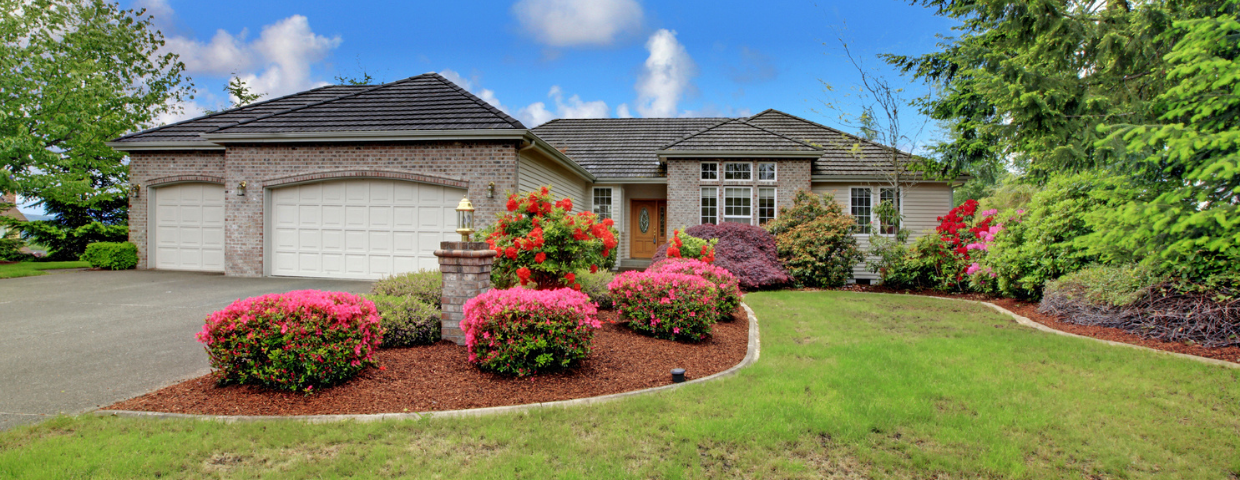
This time of year, there is much to be done in the garden. Whether you tend to a few veggie plants, have a sprawling urban farm, or tend to a flourishing, flowering sanctuary, spring is a critical time of the year to focus on the health of your garden to keep it fertile heading into summer. Geography and climate play a large role in what a garden needs at different times throughout the year. The following information will help you build out your springtime gardening to-do list depending on where you live. But first, here are a few tips that apply to gardeners of all regions and climates.
Gardening During Spring
Weeding
No matter where you live, weeds can be an issue for your garden. By carving out some time to weed your flower beds and garden in spring, you’ll be ahead of the curve when summer comes around. Use this time to check for any infestations or fungi growing on your plants and flowers.
Watering
Water is the lifeblood of a healthy garden. Keeping your plants and flowers irrigated is paramount, especially so in the spring, since proper watering now will have your garden in top shape as the months get warmer and drier. For plants that require significant watering, place saucers under their pots to catch the excess.
Mulching
Spring is a great time of year to mulch your garden. Mulch helps to keep your soil moisturized when temperatures rise, keeps weeds at bay, and enriches your soil with organic matter.
Clean Your Water Features
Throughout the warmer months of the year, ponds, bird baths, and other water features become a magnet for rapid algae growth. Clean your water filters and remove decaying leaves to keep them clean and algae-free.
Pacific Northwesterners can expect to continue to divide perennials while it is still wet out. Once the sun becomes more consistent in late spring, it’s time to transfer any plants you seeded indoors to the outdoors. This time of year brings more sun breaks, which, combined with steady rain, creates rich gardening conditions. Deadhead your rose bushes of any old blooms and begin seeding your annuals.
Northern California
By April, gardeners in Northern California can begin to plant warm-season plants and fertilize perennials. With sunny and dry days dominating the weather pattern, temperatures will begin to rise. Accordingly, it’s important to check your sprinkler and irrigation systems and make repairs/replacements as needed before it gets hot. Check for signs of fungal diseases or evidence of insects throughout the garden before their damage spreads.
Southern California
As the days get hotter in Southern California, gardeners can plant tropical plants and perennials outdoors. This is a great time of year to check whether you have substantial mulch around the base of your plants and trees and add as necessary. If you plan to grow tomato plants, potatoes, or bell peppers, they should be planted by mid-spring.
Southwest
Southwesterners should fertilize their perennials and plant warm-season plants in early spring. When adding mulch, be mindful of your garden’s mulching limit. Adding too much can make it difficult for plants to push up through the ground. Given the fact that this climate typically experiences very few rainy days in mid-Spring and beyond, it’s the right time to plant palm trees and cacti. It’s also the right time of year to give your sprinklers and irrigation system a complete checkup.
Mountain West
There is a bit of waiting game with springtime gardening in the Mountain West, but once the snow has melted, the green thumbs have the green light to get out in the garden. Plant fruit trees and strawberries once it has begun to warm up in April and spread compost around the garden to help reduce weeds and enrich the soil. Once frost is a thing of the past, turn on your irrigation system and check for any leaks. Early May is usually a good time of year to begin planting your vegetable garden.
For more tips on working out in the garden, read our guide to sustainable gardening:
When you sell your home, you stand to receive an influx of cash. Though there are several costs associated with a home sale, you can likely still bank on the fact that you’ll be depositing a lump sum in the near future. But before you start planning how you’ll use the money or start looking for a new home, you’ll want to understand whether you fall under the criteria of the capital gains tax. If so, the profit from your home sale could end up being smaller than you expected.
What is a capital gains tax?
A capital gains tax is a fee on the profits gained from the sale of an asset. This tax appears in transactions involving various assets—bonds, stocks, boats, cars, and real estate. In real estate, it’s common for homes to appreciate, often leading to a situation where the seller sells the property for more than they originally purchased it. The capital gains tax on the sale of a home is assessed on the difference between those two prices.
Avoiding Capital Gains Tax on a Home Sale
The 2-in-5 rule: If you have owned the home and it has been your primary residence for two of the five years leading up to the sale, you can exclude up to $250,000 of gains if you’re single, or $500,000 if you’re married and file a joint return. If the profit exceeds these amounts, then the excess is reported as a capital gain. The two years of living in the home don’t have to be consecutive, nor do they need to be the final two years leading up to the sale.
Two-year window: You can claim the $250k or $500k exclusion as long as you haven’t already claimed it on the sale of another home in the past two years.
Cost of repairs/improvements: In the context of the capital gains tax, the “cost basis” of your home includes the purchase price, certain legal fees, improvement costs, and more. Including the expenses incurred making repairs and improvements to the home will increase the home’s cost basis, thereby reducing the capital gains.
Sometimes, avoiding the capital gains tax may not be possible. If these criteria fit your situation, the gains from the sale of your home may be fully taxable:
The home you sold is not your primary residence
You owned the home or lived in it for less than two years in the five years leading up to the sale
You purchased the property through an investment exchange (known as a 1031 exchange)
You are subject to expatriate taxes
You sold another home within the previous two years and used the capital gains exclusion on that sale
Capital Gains Tax Rates
Capital gains tax rates break down into two basic categories: short- and long-term. Short-term capital gains tax rates apply if you owned the home for less than a year. The rate is usually the same as your ordinary income. For example; if you purchase a home, home values in your area go through the roof within the first few months, and you decide to sell right away to take advantage of the competitive market, you’ll be required to pay capital gains tax on the sale. Long-term capital gains tax rates apply if you own the home for longer than a year, and are taxed at 0%, 15%, and 20% thresholds.
In honor of Windermere’s 50th anniversary, the Windermere Foundation has set a goal to reach $50 million in total donations raised by the end of 2022. At the end of last year, the Foundation surpassed $46 million in total donations, leaving a nearly $4 million gap to eclipse the $50 million mark. Through the fundraising efforts of offices across the Windermere footprint, 2022 is off to a strong start. Here are a few highlights from early 2022.
Windermere Northern Colorado
Windermere Northern Colorado has burst out the gate this year, organizing multiple fundraising events and supporting multiple local organizations throughout the early months of 2022. ChildSafe, based in Fort Collins, CO, provides children with responsive treatment, education, and recovery from child abuse. The Windermere office has supported ChildSafe in the past and wanted to continue to do so in 2022, donating $10,000 to them in February to help heal the trauma experienced by local victims of child abuse. In March, the office directed its giving efforts to the Weld County School District, with the goal of helping local children and families struggling with homelessness. Windermere Northern Colorado’s donation of $5,000 allowed the school district to purchase grocery gift cards for local families and students in need.
Pictured left to right: Weld RE-4 School District Director of Exceptional Student Services JonPaul Burden, Meaghan Nicholl, Elizabeth Dolton.
Windermere Utah
For the agents, owners, and staff at Windermere Utah, The Make-A-Wish Foundation has a special place in their hearts. Supporting children in need in their community has been a focal point of the office’s giving over the years, so when looking to kickstart their 2022 giving, Make-A-Wish was a natural fit. The office donated $5,000, which will go toward the organization’s ability to grant another child’s wish.
Windermere Coast Offices (Oregon)
The Windermere Coast Offices of Gearhart and Cannon Beach have made it a point to support the aspirations and success of women in their community. They’ve been loyal supporters of the Astoria, OR branch of the American Association of University Women (AAUW) since learning about the organization years ago. AAUW provides scholarships for women who may not otherwise have the resources to pursue and succeed in their educational and vocational goals.
Pictured left to right: AAUW Branch Officer Judith Carder, Melissa Eddy, Co-President of Seaside AAUW Scholarship Foundation Maureen Casterline, Pam Ackley, Lynn Brigham, Barbara Maltman, Stefanie Wallace
To learn more about the Windermere Foundation, visit windermerefoundation.com. To help support programs in your community, click the donate button below.
Although primarily found in lofts, large apartments, commercial buildings, and other industrial spaces, you can easily borrow elements of industrial design when decorating your home. Born out of the Industrial Revolution, industrial’s unique style can create dynamic and visually striking interior spaces that feel clean, minimalist, and above all, modern.
What is Industrial Design?
The industrial style is based on the revolutionary concept of showcasing the building materials themselves as a design element. It creates an atmosphere akin to that of shipyards, places with reclaimed and repurposed materials, ports, etc. The common thread between all these places is openness. Industrial design prioritizes open spaces and a minimalist approach to filling the negative space. Whereas craftsman and cottage style homes were designed to evoke comfort, industrial design seeks to highlight architecture.
Image Source: Getty Images – Image Credit: vicnt
Industrial Design Elements
When you walk into an industrial space, you know it right away. The ceilings are higher than your typical single-family home. This stretches the scale and proportion of the space, which opens up new possibilities when decorating. Industrial spaces allow for vertical décor: ladders, vertically arranged gallery walls, and loft beds. A tenet of industrial design is the harnessing of natural light, so you’ll often see a preference for floor-to-ceiling windows. Features like weathered wood floors, bare ceilings, prevalent light bulbs, and structural beams help to tie industrial spaces together. These features are generally exposed, which helps the room from feeling too empty. Go-to materials for industrial décor include wood, aluminum, copper, steel, brick, and stone.
In modern and contemporary residential design, there has been a shift toward fusing elements of industrial design with other styles, such as mid-century modern or farmhouse, to create edgy yet comfortable living environments that look and feel sustainable. This is further proof that even if your home doesn’t have typical industrial features, you can blend in pieces of it to create something unique.
For more information on using modern design elements in your home, read out blog post on modern color design trends.
Deciding whether to rent or buy can be a difficult decision, but with the right analysis, you can determine which is best for you. Knowing whether it’s the right time to rent or buy depends on your buying power, what you’re looking for in a home, your local market conditions, your plans for you and your household, and the responsibilities you’re prepared to take on at your residence.
Renting vs. Buying: Which is Better for You?
Renting gives you greater flexibility to relocate, fewer home maintenance responsibilities, and can often be more the more affordable option, depending on where you live. The extra costs associated with owning a home—interest payments, taxes, repairs—may be too much for some renters to handle. Becoming a homeowner has its respective advantages. You’ll have stable monthly payments and greater freedom to customize your living space. Advocates of buying will contend that purchasing a home is an investment in equity, which can increase in value every year you live in the home, whereas if you rent a property, you’re essentially paying for someone else’s mortgage.
Ultimately, the right decision depends on your situation. If you don’t plan to be living in the same place for at least five years, renting might be more logical, as it allows you more flexibility when it comes time to move again. If you’re looking to settle down for the better part of a decade or longer and can afford to buy a home, becoming a homeowner may be the better option. Here are a few additional considerations to guide your renting-versus-buying decision making process.
What are the local real estate market conditions?
Investigate the local sales and rental markets. Industry groups put out reports every quarter stating the average national sales price for a home and the average monthly payment for a rental. These reports are typically based on an average of all the cities in the U.S. But what really matters is what the numbers show when you dig into them on a local level. When looking at these reports, you’ll see there are some cities that fall below that average, while others rise above it. When comparing housing costs, be sure to base your evaluation on what’s happening in your city and neighborhood, not the nationwide averages.
For a quarterly breakdown of local market conditions, explore our Market Updates page. With data analyzed by our Chief Economist Matthew Gardner, each report breaks down the latest figures in home sales, home prices, and days on market for regions throughout Windermere’s footprint. Gardner also provides his estimation of where each market sits on the buyer’s-market-to-seller’s-market spectrum.
What can you afford?
Making the jump from renter to homeowner is often a question of affordability. Your mortgage rate will depend on your financial strength, your credit score, and other factors, so make sure to talk to a loan officer before you start looking for a home. Getting pre-approved for a mortgage will identify what you’re able to afford and helps strengthen your offer when the time comes.
To get an idea of what you can afford, use our free Home Monthly Payment Calculator by clicking the button below. With current rates based on national averages and customizable mortgage terms, you can experiment with different values to get an estimate of your monthly payment for any listing price. By using the Home Monthly Payment Calculator, you can make a well-informed estimation of whether it’s the right time to buy.
Will you need to make repairs to your new home?
Buying a fixer-upper may seem like a great way to get a deal on a house, but if the money you spend on the repairs is too great, your profit could be diminished when it comes time to sell. The same is true for remodeling and improvement projects. There are various renovation financing loans available to you that can help with the costs of home repairs, though extra consultations, inspections, and appraisals are often required in the process of securing these loans. Ultimately, if you can only afford a home that demands major improvements, and you don’t have the skills to do much of the work yourself, you may be better off renting.
Can you rent part of the house you’re buying?
If you buy a house with rental-capable space (extra bedroom, mother-in-law unit, etc.), you could use the rental income to pay off your mortgage faster and contribute more to your savings. But, of course, you need to be willing to share your home with a tenant and take on the responsibilities of being a landlord or working with a professional property manager to help you with those duties. Renting out a space in your home will also require you to purchase landlord insurance on top of your existing homeowners insurance policy.
Making Your Decision to Rent or Buy
At the end of the day, the decision is up to you. Based on the conditions laid out above, it simply may not be the right time for you to buy. Fortunately, when it comes to being a homeowner, it’s not now or never. A real estate agent will be your ultimate resource in gauging whether it’s the right time to buy and guiding you through the process toward homeownership. To get started, connect with a local Windermere agent today.
Urban farming can be a fun way to produce your own nutritious and sustainable food supply for your household while learning about self-sufficiency and gardening. Though urban farming likely won’t replace your household’s entire food intake, it is an environmentally friendly complement that can help lower your reliance upon commercial grocery stores over time.
A Quick Guide to Urban Farming
What is urban farming?
Urban farming or urban agriculture comes in many forms. Whether it’s a backyard or rooftop garden, a community agricultural space, or a small balcony plot, urban farming is the practice of cultivating food by those who live in cities or densely populated areas. Typically using raised garden beds to house produce, urban farming promotes sustainability, health, and a connection to nature. Whether you’re looking to grow a few simple fruits and vegetables or seek to cultivate a flourishing garden, here’s how you can get started.
Plot Out Your Garden
Whether you have a spacious backyard waiting to be tilled into gardening heaven or a smaller, unused section of your flower beds, how much space you’re working with will determine the arrangement of your urban farm. Research the crops you intend to plant and how much space they require, then take measurements in your gardening space before buying materials. Your raised gardening beds should be anywhere from six to thirty-six inches deep. Keeping them less than four feet wide will make it easier to reach across when watering, weeding, and planting.
Planting Your Garden
Once you’ve plotted out your garden space, there are a series of decisions to make about your garden; namely which crops you want to grow, how you’ll pot other plants and flowers, whether you’re going to start from seeds or seedlings, and deciding between manual and automatic watering. If you’re starting from seeds, know that the growing process will take longer, whereas seedlings can help to speed things up. Creating an automatic watering system requires an upfront investment, but you’ll save time, and you won’t have worry about under-watering or dehydrating your garden.
Keeping animals on your property presents new opportunities for sustenance, but it also introduces new challenges. Two animals urban farmers often choose to raise are chickens and bees, which take up a lot less space that other livestock. Before starting either venture, check your local zoning laws.
If you intend to raise chickens, you’ll need to build a coop first. The size of your chicken coop will depend on whether your chickens are able to forage outside the coop or not. If you have the space to let the chickens out, allow two to three square feet per bird in the coop. If the chickens must stay in the coop, you’ll want to make sure they have plenty of space, so it’s recommended to allow five to ten square feet per bird.
The key features of a chicken coop include roosts, nest boxes, dust baths, lighting, and protection from local predators. Search online or locally for pre-made chicken coops that fit your property’s needs or make it a DIY project. A commercial poultry feed will provide your chickens with the basic nutrients they need, but keep in mind that many foods outside of their normal diet can alter egg flavor and have adverse health effects. So, if you’re thinking about incorporating table scraps into their diet, make sure those foods agree with their systems before doing so.
To keep bees at home, start by reaching out to local beekeeping associations to inquire about purchasing bees and when you can expect your colony to arrive. Once you have a timeline set, you can go about gathering supplies. There are two common hive systems used for keeping bees: a Langstroth hive; which is a system of stacked rectangular boxes with removable frames, and a top-bar hive; which is a series of horizontally connected boxes. Gear up by purchasing protective beekeeping clothing, tools, and feeding supplies. After you introduce your bees to their new hive, continually monitor their behavior and tend to their seasonal needs. Spring is generally the best time of year to start a hive, since it gives bees plenty of time to build up their colony and produce and store honey before winter arrives.
For more information on sustainable gardening practices, read our blog post below:
When you own a home, there’s a natural desire to invest in landscaping projects that help beautify your yard. But for those who are preparing to sell, the emphasis should be on specific projects that boost your home’s curb appeal and add to its value. The following landscaping tips can help you position your home to sell at the best price. We also recommend talking with your agent about the best landscaping ideas for your home that buyers in your area are looking for.
Landscaping Tips That Can Increase Your Home’s Value
Flower Beds
Beautifying your flower beds is a matter of making improvements in two areas: the flower beds themselves and the border surrounding them. Flower-lined pathways leading toward your home’s front door help guide buyers’ eyes and create a natural aesthetic order to your front yard. Plant colorfully to inspire a vibrant look or choose fewer flowers for a more uniform consistency. Add fresh mulch or beauty bark to your flower beds to make them pop. Creating a border with stone, brick, clay, or another similar material will help delineate flower beds from grass while delivering a clean, refined aesthetic to your property.
If you’re designing new borders to your flower beds, think about the traffic patterns, the orientation of the house in relation to the rest of your neighborhood, and your front yard’s location to ultimately settle on the best sight lines. Spend time weeding the area where your border will go. To dissuade future weed growth, consider adding a thin layer of sand or gravel between the dirt and your border pavers. Finally, clean your hardscaping with an outdoor cleaner or pressure washer to get rid of built-up dirt and moss.
A fresh lawn will make a solid first impression on prospective buyers. Here are a few basic lawn care tips:
Fertilize at the appropriate time of year for your local climate
Set your lawn mower blades at the proper height to ensure you’re not cutting your grass too short
Water regularly to keep your lawn healthy
If you live in an arid climate, grass alternatives may be a more popular local choice. No matter where you live, once you’ve decided to sell, you can rest assured that spending time and energy on caring for your lawn will pay dividends once you’ve staked your “for sale” sign.
Landscaping Lighting
Once you’ve fixed up your garden beds and tended to your lawn, you’ve done well to ensure that your home’s landscaping will look its best—during the daylight, that is. To ensure that buyers feel the work you’ve put into your home around the clock, consider installing landscape lighting. This will help to put your home’s qualities on full display during the nighttime, while also adding a welcoming touch for potential buyers and passersby.
Front Porch
Add planters to your front porch to create flow from your front yard to your entrance. For the ultimate front porch aesthetic, think of ways that you can create symmetry with your planter boxes. Nest them along the borders of windows, select planter boxes with dimensions that compliment a seated bench, or place identical boxes on either side of your front door. This will direct attention to your home’s front entry and helps to instill that all-important first impression in buyers’ minds.
In some ways, the process of buying a second home is like buying a primary home. However, there are several key differences that require consideration before you make an offer. Whether you have visions of curating your ideal vacation home, are planning for retirement, or view the property as an investment opportunity, a second home can be the answer to your real estate ambitions. Owning two homes, however, means your responsibilities as a homeowner will double. Keep the following information in mind as you work with your agent toward purchasing a second home.
What to Consider When Buying a Second Home
Costs of Buying a Second Home
Purchasing a second home will typically come with all the expenditures you encountered during the process of buying your primary home. However, you may have to pay more up front for a second home, since loans for a secondary residence are riskier for lenders. Consider how making a lump sum payment may affect your financial health before beginning the buying process.
To get an idea of what you can afford, use our free Home Monthly Payment Calculator by clicking the button below. With current rates based on national averages and customizable mortgage terms, you can experiment with different values to get an estimate of your monthly payment for any listing price. By adding your resulting figures to your current monthly mortgage costs, you can make a well-informed estimation of your total monthly mortgage costs for both homes.
Financing Your Second Home Purchase
Finding the right financing for your second home purchase will depend on how you intend to use it. You and your lender will explore the different home loan types available to you to find the one that best suits your needs. Your lender’s rates and qualification requirements will vary based on how often you plan on living there and whether it’s an investment property, among other factors. If you plan to rent the property periodically, talk with your lender about what parameters would result in it being classified as an investment property. You’ll need to obtain a landlord insurance policy as well, on top of your existing homeowners insurance. These additional costs—along with rental maintenance expenses—need to be accounted for, even though renting out the property will help generate income.
Other Factors that Influence a Second Home Purchase
Besides being financially prepared, how will you know you’re ready to buy? For starters, finding and buying the right secondary residence is a matter of timing. It’s vital that the purchase of your second home aligns with your life goals. If you’re planning on purchasing the home for retirement, take time to investigate the area’s assisted living resources. If the area is a popular vacation destination, talk to your agent about how seasonality affects the local market conditions, whether you’re buying in a buyer’s market or a seller’s market, and how you can formulate your best offer.
If you aren’t familiar with the area, get to know the locale before you start sending offers. It’s helpful to schedule your visit off-season to get the clearest picture of what everyday life is like there. Plan to stay for enough time that you can get a sense of the atmosphere beyond a tourist’s first impression. Your experience there will help inform whether it’s the right time to buy.
For more information on second-home ownership, read our blog post on renovating your vacation home, with a seasonal breakdown of common home improvement projects.
This video is the latest in our Monday with Matthew series with Windermere Chief Economist Matthew Gardner. Each month, he analyzes the most up-to-date U.S. housing data to keep you well-informed about what’s going on in the real estate market.
Hello there, I’m Windermere Real Estate’s chief economist, Matthew Gardner, and welcome to the latest episode of Mondays with Matthew. This month we’re going to take a look at Blockchain technology and cryptocurrencies themselves and how both may impact home buyers and sellers in the future.
But before we dive into the potential impacts of cryptocurrency on the residential housing market, I must preface this by saying that the very word “crypto” is one that certainly divides people. Some see it as revolutionary, a tangible asset that will take over one day as the de-facto global currency, while others believe it to be unsustainable and ultimately valueless. And there are even some who firmly believe that it’s nothing more than a Ponzi scheme.
Now, everyone is certainly entitled to their opinion, and I will refrain from offering my own view on the currencies themselves, but, although still in its infancy, it continues to evolve and is garnering significant interest from individuals and large corporations alike.
Why are corporations interested, you ask? Well, a recent report from Crypto.com1 put the number of people around the globe who own some form of cryptocurrency at more than 295 million and they are forecasting this number to explode this year and hit the 1 billion mark! And the value of all these currencies today? As of March 14, the combined value of all cryptocurrencies was 1.74 trillion dollars2 with the largest, Bitcoin, valued at almost 740 billion dollars. So, it should not be a surprise to see many mainstream companies across multiple industry sectors start to introduce ways to accept crypto as payment for goods and services.
Companies moving into this space include AMC movie Theaters3 who recently announced their plan to accept coins by the end of this year. Fintech companies like Paypal and Square are also betting on crypto by allowing users to buy currency on their platforms. And, unsurprising to most, Tesla is also interested, but have yet to confirm whether they will accept coins as payment for their vehicles or not.
With cryptocurrencies now gaining traction in mainstream businesses, the housing sector has started to take an interest too with the emergence of companies like Propy, whose goal is to totally automate the home sales process by introducing Blockchain based technology to allow transactions to occur entirely online using smart contracts. Other companies are figuring out how to use blockchain technology to grow the “fractional-ownership” segment of the housing market.
But when it comes to simply buying a house—well that is an entirely different situation. Of course, a home buyer could easily cash out the Crypto they have and use those funds for a down payment, or even to buy a house outright. But we don’t see more of this today as they understand selling their currency is a taxable event and, more than likely, taxes owed will hit their balance sheets pretty hard. And knowing that this is a real issue in the market, it should come as no surprise that a company has come up with a plan to overcome what is seen as one of the biggest obstacles to using digital currency for home buying.
Blockchain Technology and Cryptocurrencies in Real Estate
And they are Milo, who claim to offer the world’s first “crypto-mortgage”. Essentially, they will allow borrowers to use Bitcoin—but only Bitcoin as of right now—as collateral for a 30-year mortgage.
How this works is pretty simple. All buyers have to do is to “pledge” their coins on a one-for-one basis. Simply put, someone looking for a $500,000 mortgage would have to put up $500,000 worth of Bitcoin. This way, they don’t actually have to sell their coins, so there are no tax implications. And instead of going through a FICO credit check and showing proof of income to evaluate a borrower’s creditworthiness, Milo evaluates them based on their crypto wealth as well as the value of the property they are hoping to buy.
And in exchange for locking up their crypto, borrowers get a 30-year mortgage for their home purchase can also make their mortgage payments via traditional currency or Bitcoin. But there are differences between this and a traditional mortgage. First off is the interest rate. It currently ranges anywhere from 5 to 8% depending on the loan-to-value ratio. This is higher than the rate they could get today.
And the interest rate is not fixed, but variable, and based on the prevailing price of Bitcoin. The rate can go up or down depending on the value of the Bitcoin they have pledged, and this mortgage rate will be adjusted every year. Interestingly, if the price of Bitcoin goes up, borrowers can actually take back some of their crypto once a year. If the price of Bitcoin goes down, they may be asked to provide more crypto as collateral.
And finally, when the buyer sells, on closing Milo is paid back in U.S. dollars, and then the seller gets the Bitcoins they used for collateral back, along with the profit made on the sale.
I think that this is certainly an interesting play in the ownership housing sector and, although still in its infancy, looks to meet the needs of crypto owners who don’t want to face the tax obligation that would occur if they were to sell their coins to buy a home. Now, I must make clear that Windermere is certainly not endorsing Milo. In fact, I personally have concerns about the program given how volatile cryptocurrencies are.
You see, it is possible that users may be caught out by the value of their Bitcoin dropping significantly and, if this occurs at or around their anniversary date, it could significantly raise the interest rate—and therefore the monthly payment—on that loan, and if the price drops too far, then they may have to go through what is, in essence, a margin call, where they will have to submit more funds to the lender to bring them back to a point where equity in the home combined with the value of the Bitcoin covers the loan itself.
And I would add that if for some reason the buyer has to sell the home within the first three years4 of purchase there are pre-payment penalties that will be incurred. All in all, it is an interesting model, but it is still in its infancy. As always, time will tell how well it gets adopted.
The bottom line for me is that the likelihood of Cryptocurrency revolutionizing the way we buy homes from a finance perspective is still several years away, but after that, who knows! Something that does have the capacity to be adopted into the mainstream far quicker is the blockchain technology itself. I personally see title insurance as a segment that could benefit significantly and may well adopt this tech sooner than others.
With title insurance companies responsible for verifying and ensuring that a buyer or lender (depending on the type of title insurance) gets either clean ownership or a lien position in the land in question, Blockchain could change many aspects of how these processes are carried out. Here are some of the benefits:
The Potential Benefits of Blockchain Technology in Real Estate
Security. More than 25 percent of title reports (alta.org) detail some form of defect to the title itself, but the ability of blockchain to immediately detect erroneous or potentially fraudulent information can significantly help to support the reliability of the records, therefore making the job of title insurance companies much more straightforward.
And then there’s smart contracts, which are actually a form of e-closing that is already beginning to be embraced by some in the industry. This technology makes the transfer of ownership almost seamless. Literally, it would take just a few clicks of a mouse. And this is also a massive benefit for the industry as the closing process would also change dramatically and become far more effortless and less time consuming than today’s standard means of closing on a home purchase.
And finally, record-keeping. While fraud and tampering are huge concerns for title companies, blockchain could all but eliminate these instances within ownership records. And, as it would convert land records to a distributed ledger, it cannot be altered within the blockchain itself, therefore making it safe in perpetuity. Blockchain, by design, prevents bad information from disrupting the chain and any attempt to tamper with it can be easily detected and therefore avoided. This is a massive upgrade from the county ledger that title insurance companies find themselves working with today.
No one can deny that Blockchain and cryptocurrencies, while still relatively new, do not appear to be just a flash in the pan. As we have discussed today, a number of companies continue to make inroads into the real estate world. Will some fail? Of course. But others will succeed. So, while still in its infancy, we should all have some sort of understanding of its potential to be a disruptor in the housing space in the future.
It’s my own personal belief that the Blockchain tech itself will be the thing that gets adopted by the real estate world faster than the rise of crypto as a way to buy or finance a home but, whatever your thoughts on this topic are, I think that it is highly unlikely that we will see it simply fade away over time.
As always, if you have any questions or comments about this particular topic, please do reach out to me but, in the meantime, stay safe out there and I look forward to visiting with you all again next month. Bye now.
Whether you are buying or selling a home, mold is something to be mindful of. Health concerns and potential damage make mold a red flag for buyers. Even if you’re not planning to sell any time soon, taking care of mold problems now can prevent even larger and more costly issues in the future. Contrary to what some people think, mold is not a geographic problem—it can occur anywhere, no matter where you live. Here is some basic information about mold and how to deal with it.
What is mold?
Molds are microscopic organisms that are found virtually everywhere indoors and outdoors. There are thousands of different kinds of mold. Their natural function is to help break down dead materials such as stumps and leaves so the nutrients can be used by the environment. For molds to grow, they need two things: an organic food source—such as leaves, wood, paper, or dirt—and moisture.
Mold Causes Damage
Mother Nature uses mold to decompose plant material. Unfortunately, when present indoors, it can be equally destructive. Mold growth can damage furnishings, such as carpets, couches, and cabinets. If it goes undetected or neglected, it can also cause serious damage to walls and structural elements in your home.
Mold is present everywhere, and most people tolerate exposure with no adverse effects. If allowed to spread, however, it may cause problems. As molds grow, they release thousands of tiny spores that travel through the air. When inhaled in large enough amounts, these spores may increase the risk of adverse health effects in some people, particularly respiratory problems. A less-common strain of mold called “black mold” can be particularly troublesome to those who are especially sensitive.
No matter your local climate, your home is vulnerable to mold. There are many sources of mold problems, from faulty air conditioners to poorly positioned sprinkler systems. Here are the most common sources of mold inside the home:
Flooding
Leaky roofs or damaged gutters
Heating or cooling system problems
Poor drainage next to foundation
Plumbing leaks from toilets, refrigerators, and dishwashers
Damp basement or crawl space
Leaking windows or doors
Steam from shower or cooking
Indoor exhaust from dryer
Detecting Mold in Your Home
If you can see or smell mold inside your home, it’s time to act. Any area that has sustained past or ongoing water damage should be thoroughly inspected—you may find hidden mold growth in water-damaged walls, floors, or ceilings. Walls and floors that are warping or discolored can also indicate moisture problems, as can condensation on windows or walls.
How to Prevent Mold in Your Home
Since mold is always present, there’s no way to eliminate it completely. You can control indoor mold growth, however, by controlling moisture.
Remove the source of moisture by fixing any leaks or other water problems.
Make sure your bathroom fans and dryers are properly vented to the outside. Always use the exhaust fan when cooking or showering.
Use a dehumidifier to reduce moisture levels in the air. Make sure your AC system is well maintained and is the correct size for your home. A faulty AC system can cool the air without removing the water vapor, creating high humidity.
Insulate your home well to prevent indoor condensation.
Have your heating, ventilation, and cooling systems professionally cleaned annually. Air-duct systems can easily become contaminated with mold.
Dry clean your carpets (as opposed to wet cleaning them).
Avoid carpeting bathrooms and basements.
Clean any moldy surfaces as soon as you notice them.
How to Deal with Mold in Your Home
Mold can be a manageable problem. If you have a mold problem that is isolated to a small area—less than a square yard or so—you can try to resolve it yourself. However, if your mold problem is severe or if you have extensive water damage, it’s best to call a professional contractor who specializes in mold removal.
Porous items that are hard to clean, such as carpet and drapes, should be discarded. Moldy sheetrock and ceiling tiles can be removed and replaced. Hard, nonabsorbent surfaces such as glass, plastic and metal should be thoroughly cleaned with soap and water and allowed to dry completely. For solid items that are semi-porous, such as floors, cabinets, and wood furniture, scrub with an ammonia-free cleaner and hot water to remove the mold. Rinse with water and dry thoroughly. After cleaning, apply a mildewcide to kill mold and spores.
When cleaning mold, remember to wear gloves, a mask, and eye protection, and work in a well-ventilated area. Never mix cleaner containing bleach and ammonia; this can result in the release of a toxic gas. And be sure to throw away any sponges or rags that you use for cleaning. For more information on how maintaining your home can prevent damage, read our blog post on how to handle water damage.

 Facebook
 X
X
 Pinterest
 Copy Link