Facebook
 X
X
 Pinterest
 Copy Link
What is American Country Interior Design? How to Create a Warm, Timeless Home
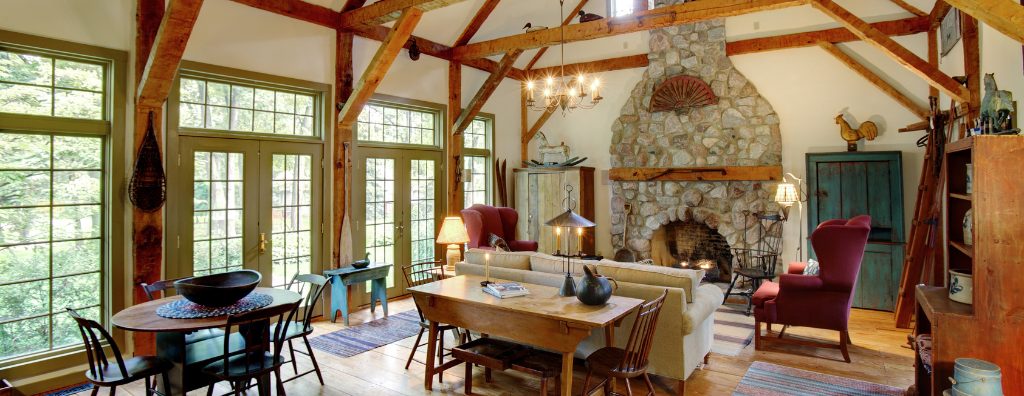
American Country style captures something many homeowners are craving: warmth, authenticity, and a sense of home that feels both personal and timeless. Rooted in rural American heritage, this design aesthetic celebrates simplicity, functionality, and craftsmanship. It’s cozy without feeling cluttered, nostalgic without feeling dated, and welcoming in a way that instantly puts guests at ease.
Inspired by pastoral landscapes and traditional materials, American Country interiors embrace comfort first. But while its origins may be rural, this style adapts beautifully to modern living, whether you’re in a farmhouse, a suburban home, or even a city condo.
Defining Features of American Country Interior Design
Inviting, Comfortable Spaces
At its heart, American Country design is about creating rooms that feel relaxed and lived in. These are spaces where oversized sofas invite long conversations, where a stone or brick fireplace becomes the gathering point, and where nothing feels too precious to use.
Wood or stone floors ground the space, often softened by natural fiber rugs. Furniture tends to be substantial and comfortable. Think leather armchairs, slipcovered sofas, or simple patterned fabrics like gingham, stripes, or muted florals. The overall effect is welcoming and unpretentious.
A Warm and Muted Color Palette
American Country interiors favor warm, inviting tones over stark contrasts. Beige and soft browns often serve as foundational colors for walls and upholstery. Cream-colored cabinetry or beadboard walls add lightness without feeling stark.
To round out the palette, muted greens and soft blues bring in subtle depth while maintaining the overall warmth. These colors feel connected to the natural landscape—fields, forests, and wide-open skies.
The key is restraint. Rather than bold statements, American Country style relies on layered neutrals and earthy tones that feel timeless and easy to live with.
Natural Materials and Craftsmanship
Traditional materials play a central role in American Country homes. Wooden furniture, whether it’s a large farmhouse dining table, Windsor chairs, or a well-worn rocking chair, reflects durability and simplicity.
Exposed ceiling beams, if your home has them, instantly elevate the look while honoring the style’s roots. Stone fireplaces, carved wood details, and hand-formed metal accents add depth and character.
Decorative elements are often functional as well as beautiful: pottery, woven baskets, mason jars, and wooden crates that double as shelving. These pieces feel collected over time rather than purchased all at once.
Textiles with History and Texture
Textiles are essential to achieving a true American Country feel. Handmade quilts layered across beds or draped over sofas add warmth and story. Patchwork pillows mix patterns in a way that feels intentional but not overly coordinated.
Natural fiber rugs, such as jute or sisal, bring texture underfoot while reinforcing the connection to organic materials. Floral and botanical prints, whether in wallpaper, framed artwork, or upholstery, introduce a gentle nod to the outdoors.
Antiques and Vintage Touches
American Country style thrives on pieces with history. A vintage dresser, a weathered wooden trunk used as a coffee table, or antique brass hardware can instantly add depth and authenticity.
Local antique shops and estate sales are often treasure troves for finding accessories that feel genuine. The goal isn’t perfection, it’s personality. A slightly worn finish or hand-crafted detail only enhances the charm.
Simple, Functional, Designed for Real Life
Above all, American Country design prioritizes practicality. Rooms are arranged for ease of movement and everyday use. Open shelving in the kitchen, for example, keeps essentials within reach while displaying beautiful dishware or preserved goods in glass jars. It’s a design philosophy that reminds us of how a home should support daily life.
If you’re drawn to interiors that feel warm, welcoming, and rooted in tradition, American Country might be the perfect place to start. For more design inspiration, tips, and trends, visit the design section of our blog.
Top Home Design Trends to Know in 2026
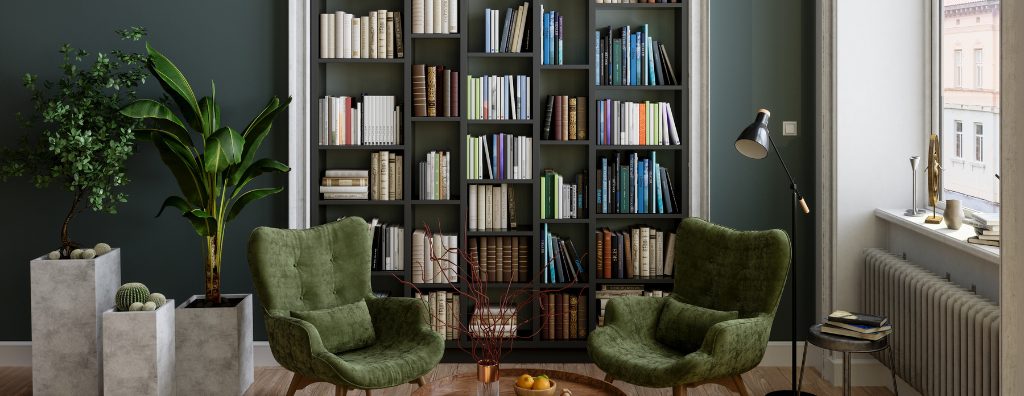
Design trends have always reflected more than style. They reflect how people want to live. And as we move into 2026, home design continues to shift away from one-size-fits-all aesthetics and toward spaces that feel intentional, expressive, and more personal.
After several years shaped by minimalism, fast trends, and highly curated interiors, homeowners are now prioritizing warmth, character, and longevity, creating environments that support everyday life. That shift is reflected across design forecasts, color reports, and industry insights, where a few defining themes continue to show up. These are the top interior design trends shaping homes in 2026 and how they translate into real, livable spaces.
Lived-In, Layered Interiors
In recent years, many interiors have leaned towards polished, photo-ready spaces that always look perfect. In 2026, that approach continues to soften, and perfection takes a back seat to personality.
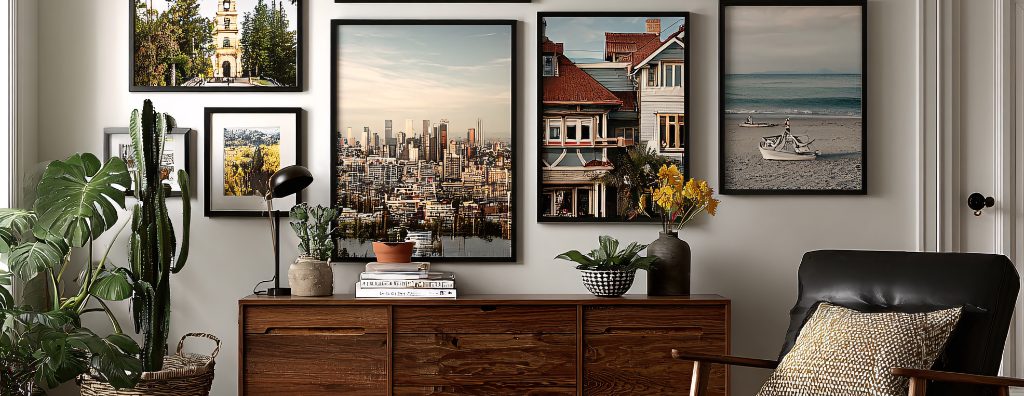
Layered, collected interiors are leading the way. Spaces that look as though they have come together over time feel warmer and more inviting. Mixing vintage with new pieces, displaying meaningful objects, and creating soft structure through books, art, textiles, and ceramics adds depth and story. A worn wood table, a reupholstered vintage chair, or a gallery wall that grows naturally gives a home character that can’t be replaced overnight.
Rich, Grounding Color Palettes
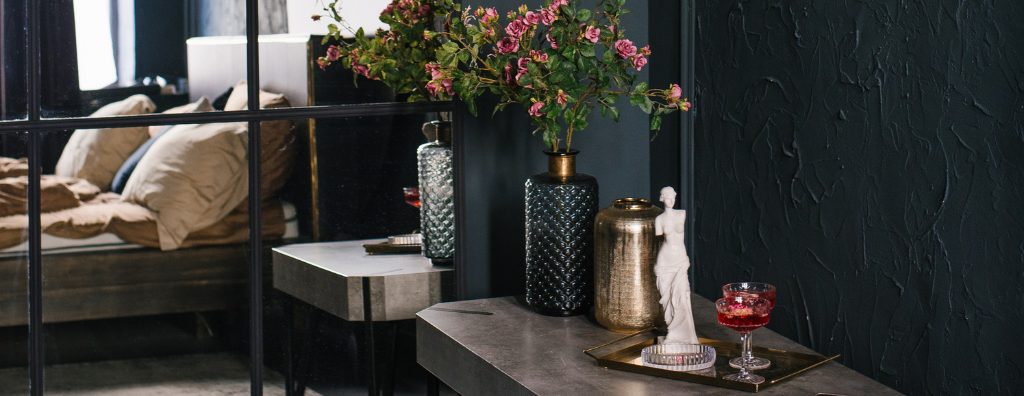
Color continues to shape how a home feels, and 2026 paint color trends lean into depth with a calming edge. Think nature-inspire tones like smoky blues, warm browns, muted reds, and softened neutrals that ground a room without feeling heavy.
Behr’s 2026 Color of the Year, Hidden Gem, fits beautifully into this direction. It’s a smoky green-blue that feels rich yet refined, perfect for homeowners who want a space that’s serene yet still has presence. Similar color stories are appearing across other forecasts too, from patina-inspired blues, greens, and browns to warm khakis and layered whites.
Color Drenching and Moody Rooms
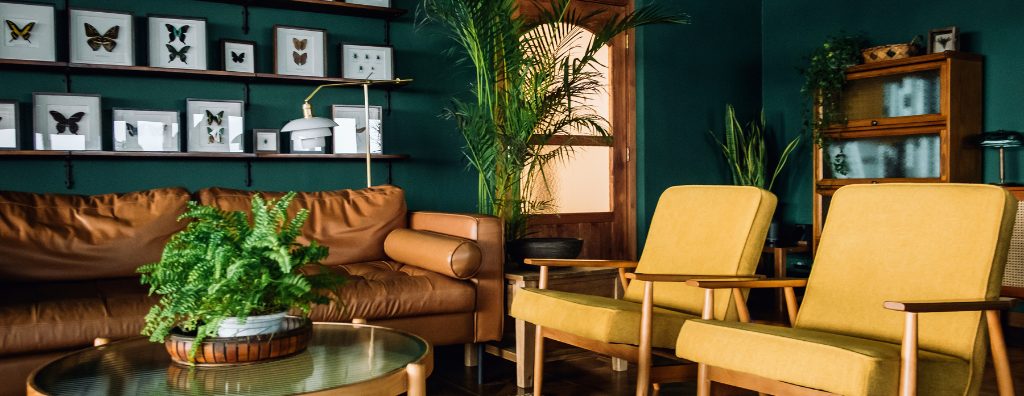
If you’re seeing more immersive, saturated rooms online, that’s no accident. Color drenching, which uses a single hue across walls, trims, and sometimes ceilings, continues to rise as one of the standout interior design trends in 2026. When done thoughtfully, it creates a cocoon-like effect that feels polished, intimate, and cohesive.
This is also part of a broader shift toward moodier spaces. Deeper greens, tobacco-inspired browns, warm blacks, and earth reds are showing up in dining rooms, powder baths, offices, and libraries. The key is balance—pairing saturated color with warm wood, soft lighting, and texture to keep the room inviting.
Warm Woods and Character Grain
Wood is making a confident return in 2026, but not in a shiny, match-everything way. Interiors now favor deeper stains, visible grain, and pieces with real character. Reclaimed materials, vintage finds, and finishes that show variation all add warmth and depth.
This shows up in kitchens, furniture, and architectural details like beams, built-ins, and trim. If you’re bringing wood into your home, Minwax’s 2026 Stain Color of the Year, Special Walnut, fits the mood: a warm, versatile brown that enhances natural grain and works across styles from modern to traditional.
Paired with stone, linen, and even metal, wood brings warmth and timelessness—two qualities today’s buyers tend to notice immediately when they walk into a home.
Texture as the New Luxury
Another defining shift in home décor trends for 2026 is the return of texture, especially tactile, handcrafted, and visually soft elements. Textile wall hangings, tapestries, layered rugs, and subtle decorative trims like fringe and tassels are making an easy way to add depth without clutter. You don’t need to go maximal to make it work. A fabric panel hung like art, a woven wall piece, or even vintage textiles repurposed as décor can make a space feel warmer and more grounded. In a world that often feels overly digital, texture brings a human, lived-in quality that’s hard to fake.
Function Forward Design
Function continues to shape design decisions in 2026. Modular furniture, flexible layouts, and thoughtful storage solutions are becoming more prevalent as homes are expected to support multiple roles. Benches with hidden storage, ottomans that double as work surfaces, and adaptable seating arrangements allow spaces to shift easily between hosting, working, and relaxing.
Sustainability as the Standard
Sustainability is no longer a niche consideration. In 2026, it’s an expectation. It shows up in material choices, sourcing, and the lifespan of the pieces we bring into our homes. Homeowners are paying close attention to upgrades that support energy efficiency and long-term livability.
At the same time, thrifting and buying secondhand continue to grow across age groups, driven by both environmental awareness and the search for higher-quality materials. Vintage and antique furniture often offers better craftsmanship and longevity than mass-produced alternatives, while adding instant character to a space.
Whether you’re updating a room or thinking about your next move, these trends offer a thoughtful lens for creating a home that feels both current and enduring.
Connect with a Windermere agent today to talk about your next move and how to design a home that fits the way you live.

Behr 2026 Color of the Year: How to Style Your Home with Behr’s Hidden Gem

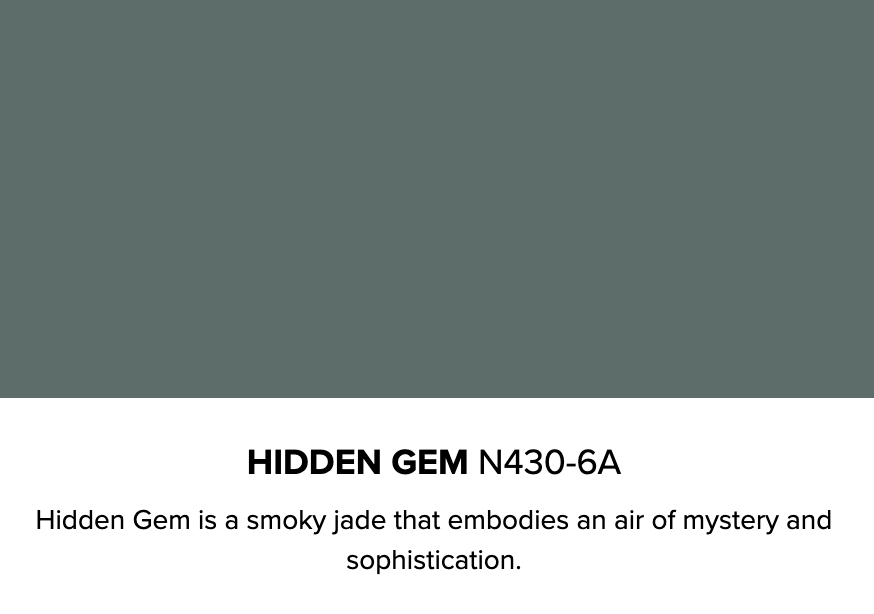
Color has a way of reshaping the way a home feels, and for 2026, Behr has introduced a shade that truly sets the tone. Hidden Gem N430-6A, a smoky jade with an air of quiet confidence, is rich, refined, and just mysterious enough to keep your rooms interesting long after the paint dries.
As homes continue shifting toward more personal, expressive spaces, this jewel-toned green blue arrives right on cue. Whether you’re updating a single room or planning a top-to-bottom refresh, here’s how to embrace Behr’s Hidden Gem and blend it seamlessly into 2026’s biggest interior design trends.
Behr Color of the Year: Hidden Gem
Each year, Behr’s color experts look to lifestyle trends, design movements, and cultural moods to select a single shade that reflects how people want to live. For 2026, the demand is clear: homeowners are craving comfort, character, and a stronger connection to the natural world. Hidden Gem brings all three into perfect balance, offering a sophisticated, versatile tone that feels intentional without overpowering a space.
With its deep teal base and soft smoky undertones, it offers a calm, eye-catching depth that shifts effortlessly with the light, perfect for layering with the color and design trends shaping homes in 2026.
Source: Behr 2026 Color of the Year – Hidden Gem
Balancing Hidden Gem with 2026 Color Trends
Color forecasters agree that 2026 will be defined by rich, soothing, nature-inspired hues that help homes feel more grounded and expressive. Hidden Gem fits neatly into this movement, especially as tranquil teals rise in popularity.
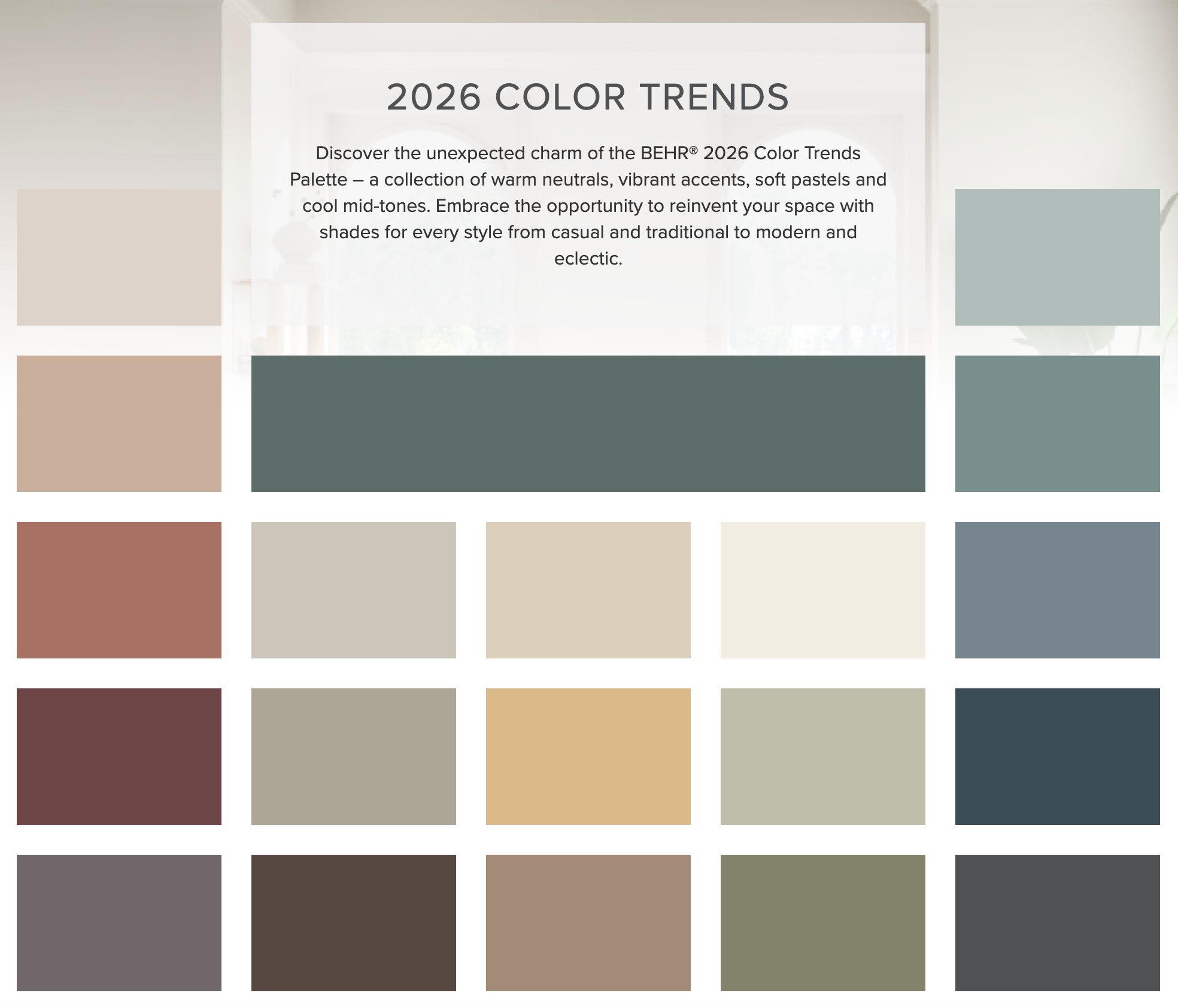
This year’s trend reports also point to the growing appeal of warm blacks and mellow reds. These deeper tones bring drama and intimacy into a space, particularly in small rooms or architectural moments. Hidden Gem pairs beautifully with warm blacks like Behr’s Cracked Pepper and earthy reds such as Terra Cotta Urn, creating a thoughtful contrast that feels modern and moody.
Uplifting yellows and soft neutrals will also remain strong throughout 2026. Subtle creams and warm whites help brighten teal-based palettes, while tones like Wheat Bread provide a soft foundation that allows Hidden Gem’s depth to shine. Pairing it with sunny tones like Beehive or 2025’s butter-yellow trend adds a fresh lift, keeping the look balanced and inviting.
Just like Pantone’s color stories, Behr’s 2026 palette is designed to influence cohesive, livable color combinations around its Color of the Year. And the good news? Hidden Gem is unusually flexible. If you are looking for more combinations, explore Behr’s full list of 2026 color trends for additional inspiration.
Source: Behr 2026 Color Trends
How to Align Hidden Gem with Other 2026 Home Trends
Beyond color, the home trends emerging in 2026 offer even more ways to weave Hidden Gem into a refreshed modern space.
Color Drenching and Moody Palettes
One of the biggest design shifts heading into 2026 is the rise of color drenching, where a single shade covers the walls, trim, ceiling, and sometimes even furniture in a room. The look creates a fully immersive, moody atmosphere that feels polished and cohesive. Hidden Gem is especially well-suited for this approach because of its depth and richness.
Alongside this trend, deeper, moodier palettes are also becoming more popular. Saturated hues like greens, ochres, burgundies, and tobacco-inspired tones are appearing more often in homes, reflecting a growing desire for warm color and expressive style.
Personalized Spaces and Self-Care at Home
Design is becoming more personal, and many homeowners are carving out spaces meant for calm, comfort, and everyday wellness. Cozy reading nooks, spa-inspired bathrooms, and small restorative spaces continue to rise in popularity, offering a way to slow down within the home.
Hidden Gem’s serene, smoky character makes it an ideal backdrop for these spaces. It brings a quiet sense of balance to reading nooks when paired with warm wood or soft, textured fabrics. In bathrooms, it complements natural materials and warm metals, creating the same soothing quality you’d expect from a spa.
Sustainability Remains a Priority
Sustainability continues to influence how people design and renovate their homes. From natural materials to energy-efficient upgrades and EV-friendly features, homeowners are seeking ways to make their spaces both stylish and environmentally conscious.
Hidden Gem’s nature-inspired tone fits comfortably within these choices. It pairs effortlessly with organic textures like stone, linen, clay, and reclaimed wood, creating a look that feels grounded and connected to the environment.
With Hidden Gem leading the way, 2026 offers endless opportunities to create a home that feels expressive, grounded, and beautifully your own.
How to Bring Coastal Charm into Your Home No Matter Where You Are
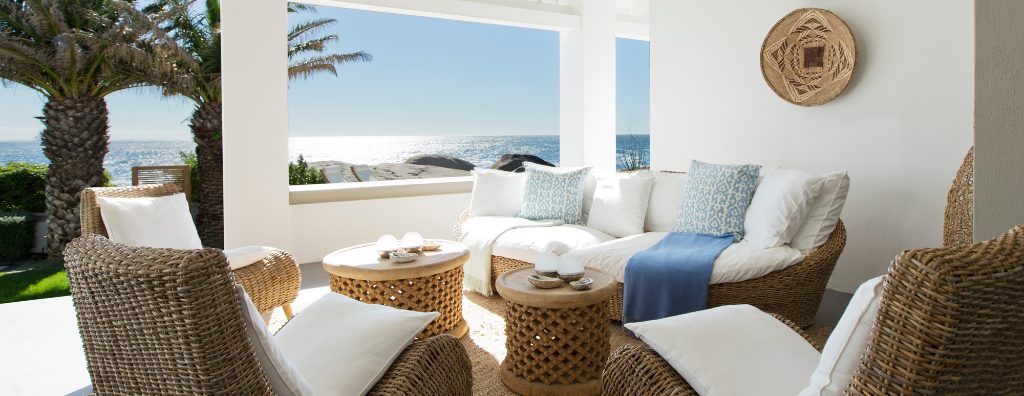
Coastal interior design captures the calm elegance of life by the water. It’s bright, breezy, and effortlessly connected to nature, drawing inspiration from the textures and warmth of the shore, the shifting blues of the sea, and the weathered charm of driftwood and dune grass. This style invites the outdoors in, creating spaces that feel open, welcoming, and dreamy, no matter how far you are from the coastline.
Defining Features of Coastal Interior Design
Natural Materials
Coastal design embraces organic textures that feel relaxed and lasting, mirroring the landscape along the shoreline. Wicker and rattan furniture bring a light, casual elegance, while woven jute or sisal rugs add earthy texture underfoot. Weathered or reclaimed wood, whether used in furniture, ceiling beams, or accent walls, offers a sun-worn character that feels authentic to seaside living. Glass elements, including vases, oversized mirrors, and light fixtures, reflect light and mimic the clarity of water, while stone or pebble accents can subtly reference the beach and coastline. Even fabrics play a role, typically with cotton, linen, and other breathable, natural fibers, keeping the look feeling fluid and inviting.
A Coastal Color Palette
The colors of the coast bring this style to life. Crisp whites and soft creams create a fresh, open backdrop, while sandy beiges and sun-bleached wood tones add warmth and a lived-in ease. Layered into this foundation are sea-inspired blues in every shade, from the pale, airy blue of a summer sky to the rich, grounding depth of navy. Small pops of teal, aqua, seafoam green, and even coral can bring a burst of energy, infusing the space with the vibrant, refreshing spirit of life by the water.
Light, Airy Spaces
Abundant natural light is central to coastal interiors. Large windows, double-glass French doors, and open layouts blur the lines between inside and out. Sheer linen drapes catch the breeze, while white or pale walls reflect light to make rooms feel even more expansive. One of the advantages of using natural materials in coastal design is that they age gracefully, gaining character over time while preserving the fresh, airy feel that helps define this style.
Subtle Nautical Touches
Coastal design often incorporates gentle, well-chosen nods to the sea. Rope accents woven into mirrors or light fixtures, bowls of collected shells, or artwork featuring surfboards, sailboats, and marine life can all bring a hint of nautical charm. Avoid an overly beachy look by balancing nautical accents with clean lines and neutral tones. These elements should evoke the feeling of the coast rather than recreate it literally, keeping the space elegant, storied, and timeless.
Built-In Charm
Architectural details like white-washed built-in shelving, wood-clad ceilings, or wall paneling give coastal homes a sense of craftsmanship and permanence. These features provide the perfect stage for displaying curated coastal finds like sea glass, ceramics, or woven baskets.
Bringing the Look into Your Home
You don’t need an ocean view to enjoy the beauty of coastal design. Start with a light, neutral foundation and layer in soft blues, sandy tones, and natural textures. Choose furniture that feels comfortable and unfussy, and incorporate elements that remind you of the shore, whether that’s a woven jute rug in the bedroom, a driftwood coffee table, or a few well-placed nautical pieces.
Candles or diffusers with fresh, sea-inspired scents can enhance the atmosphere, creating the sensory experience of a salty ocean breeze. And if you’re looking for real-life inspiration, a visit to Seabrook, WA, can spark ideas with its homes and community spaces being a masterclass in blending classic coastal styles with modern living.
For more design inspiration, tips, and trends, visit the design section of our blog.
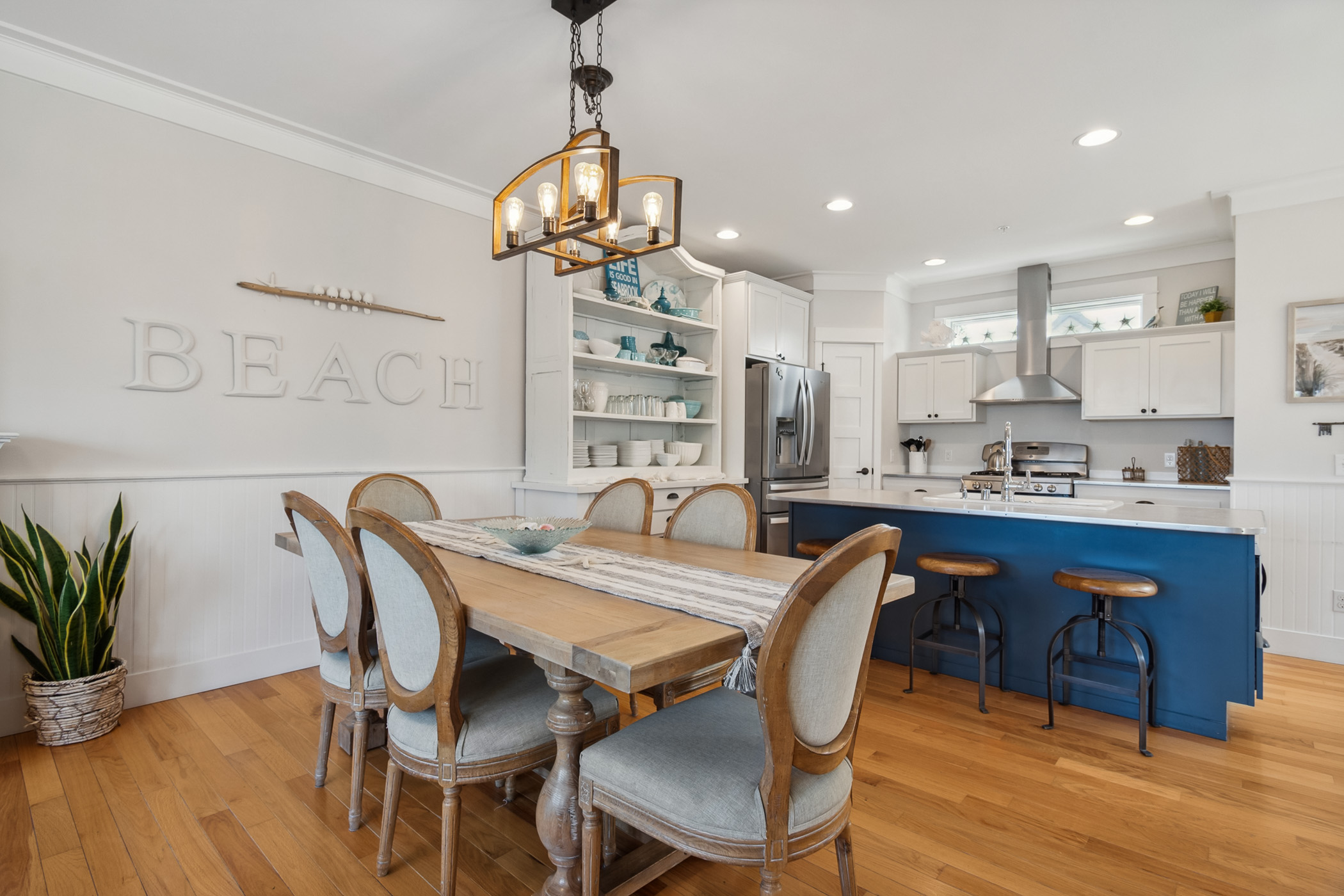
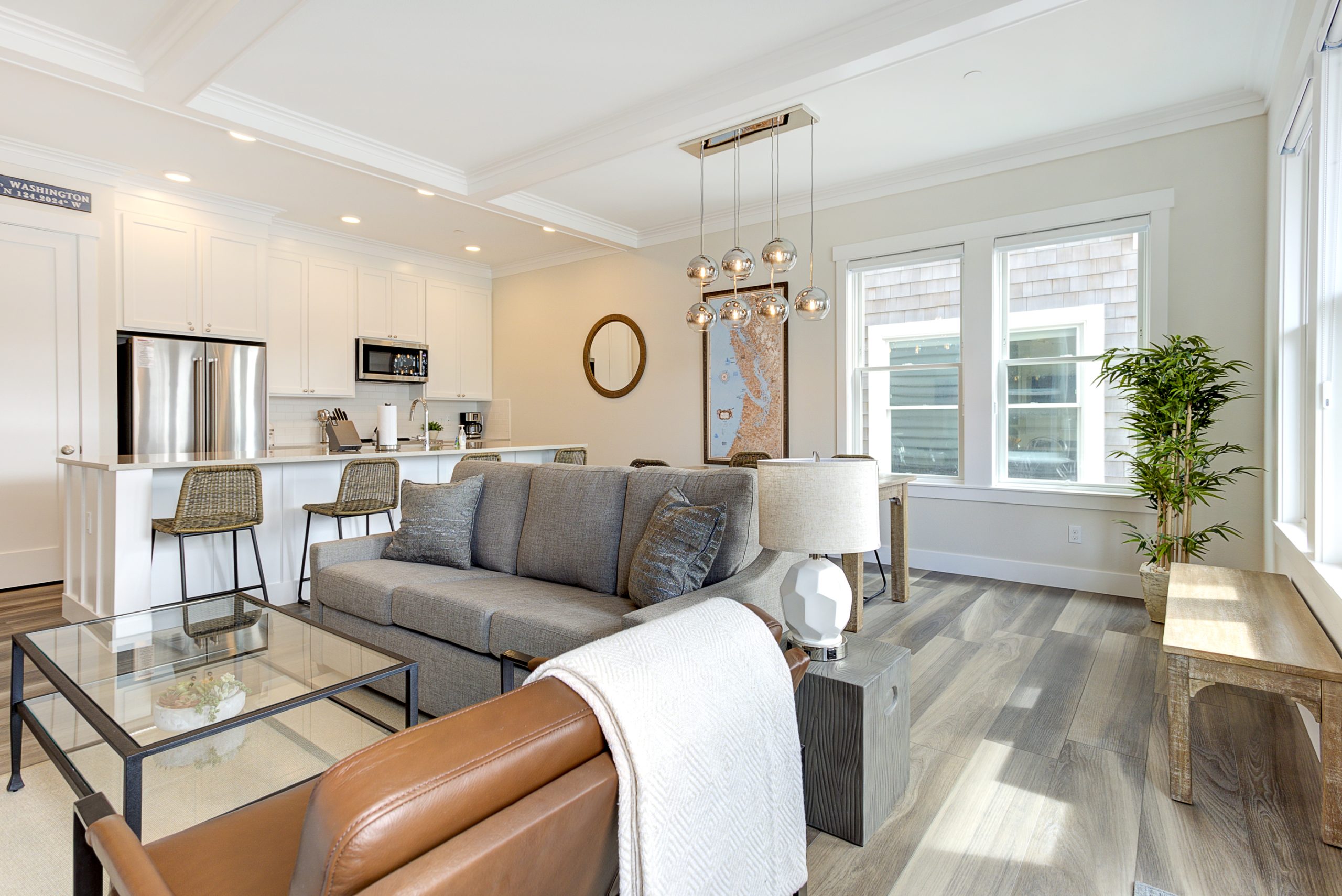
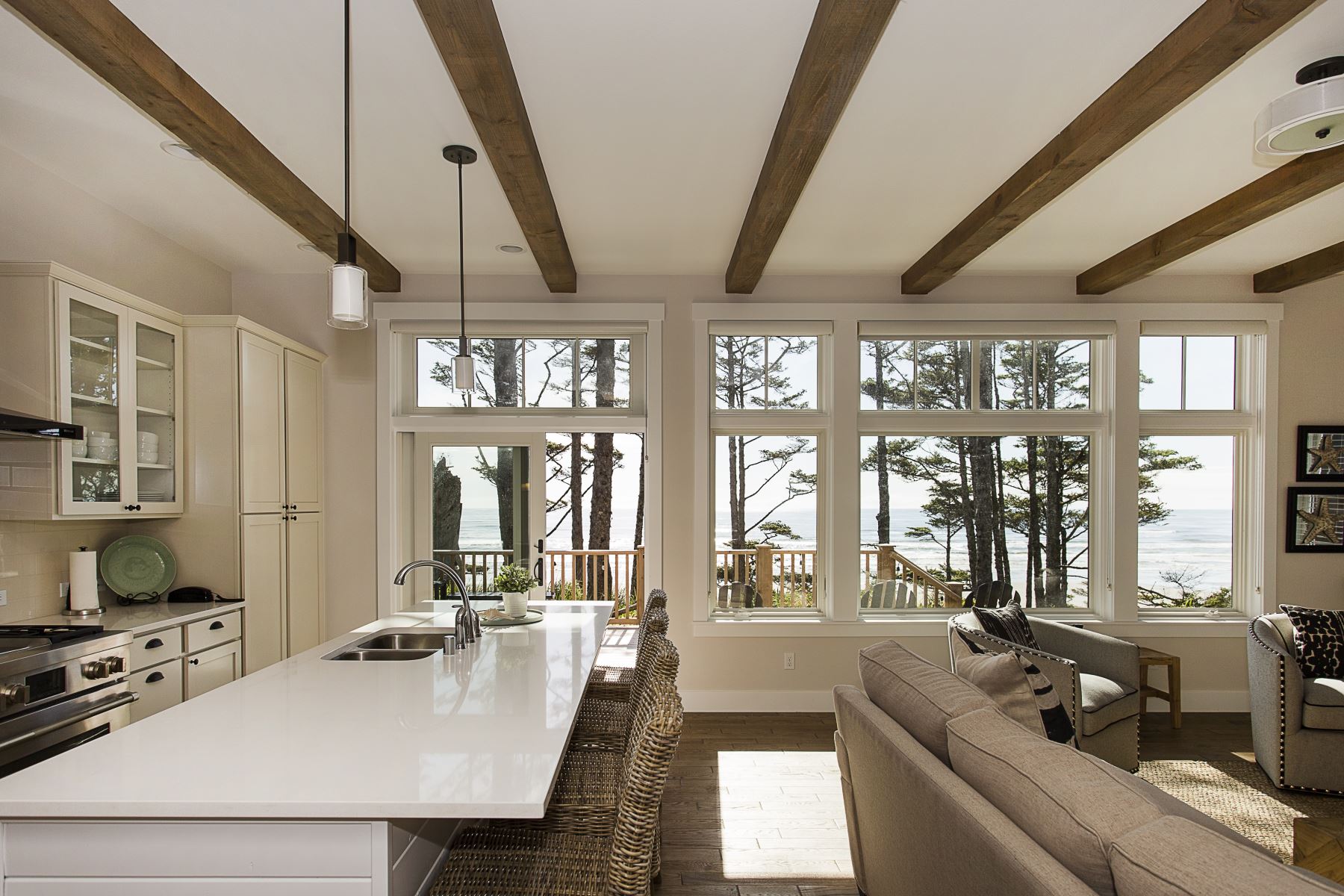
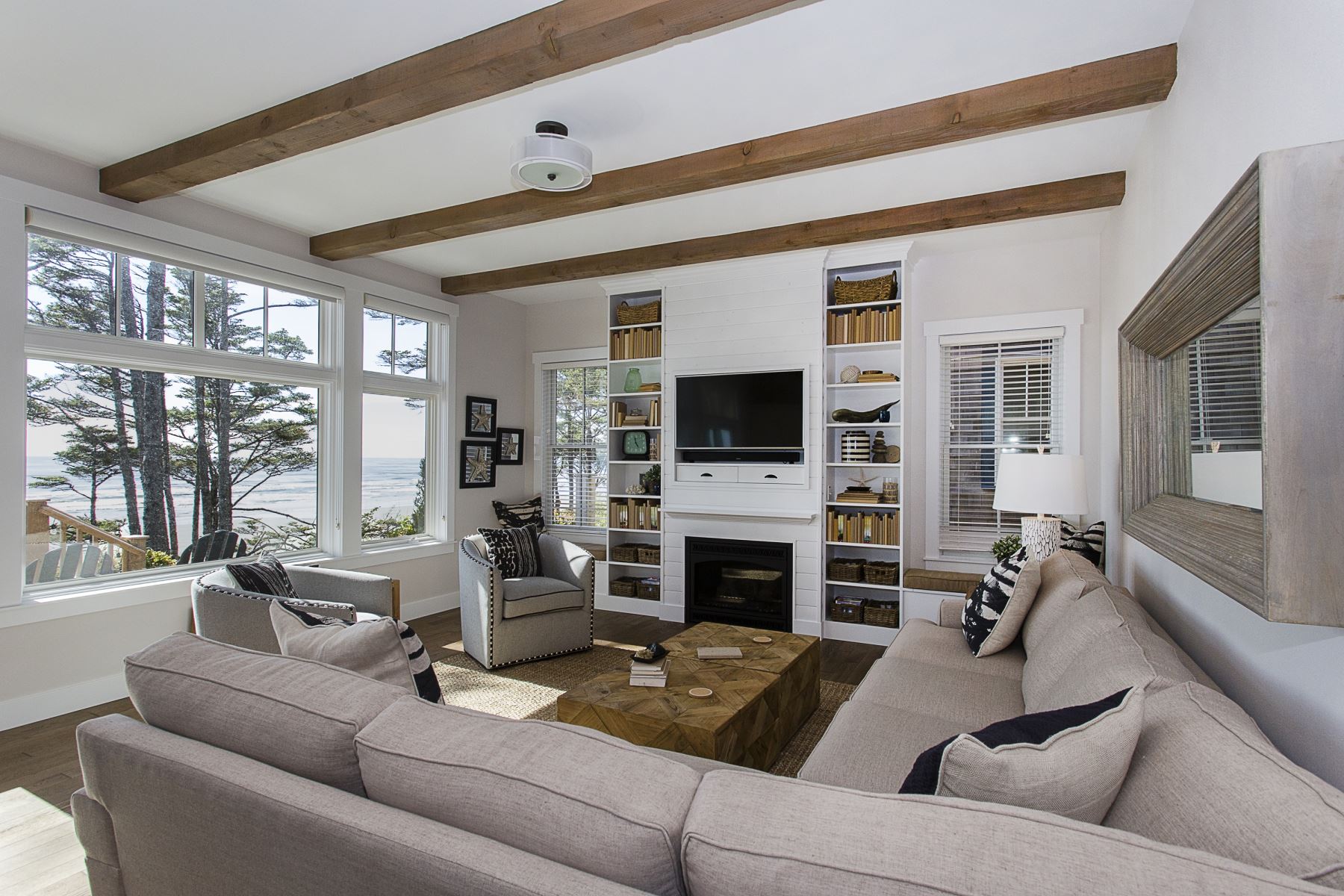
These Seabrook listings showcase how coastal style blends comfort, light, and seaside charm.
5 Defining Elements of Moroccan Interior Design
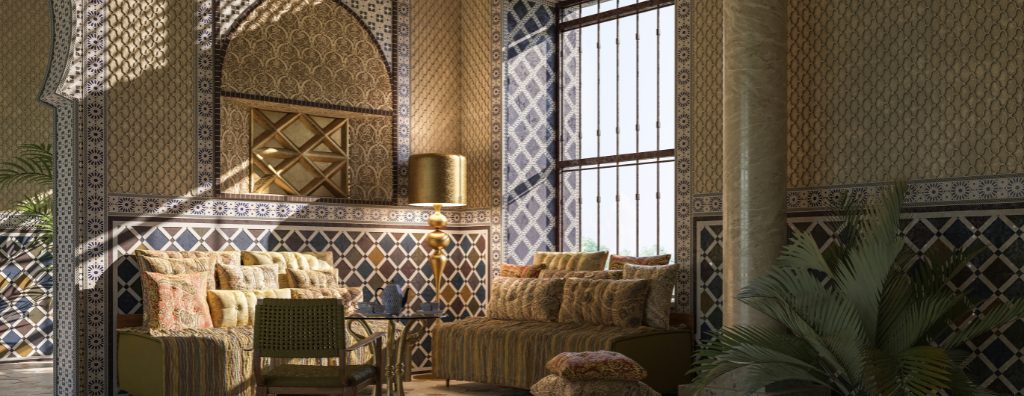
For centuries, Morocco has captivated people from around the world with its rich tapestry of culture, art, and unmatched design. From the lively souks of Marrakech to the serene riads of Fes, Moroccan interiors tell a story of intricate craftsmanship, vibrant colors, and a blend of tradition and global influence.
In this post, we’ll look at the influences behind Moroccan design and explore how you can bring its distinct style into your home.
Influences of Moroccan Design
Moroccan interior design is rooted in ancient tradition and draws from various cultural influences, including Berber, Arab, Mediterranean, and Moorish. This fusion creates a warm, layered aesthetic that pairs detailed patterns with earthy textures and natural materials. You’ll often find colorful tilework, bold textiles, and handmade pieces that reflect centuries of artistry and heritage. And though this style is steeped in history, it remains timeless, seamlessly blending into modern homes while adding warmth, character, and a global touch to any space.
Key Elements of Moroccan Interior Design
Vibrant Colors
Moroccan design is synonymous with a vibrant and expressive color palette. Think of the dazzling blues of Chefchaouen, the rich reds and oranges of Marrakech, or the natural greens found in traditional gardens. Don’t be afraid to experiment with jewel tones like emerald green, sapphire blue, and ruby red, which you can balance with more neutral tones like terracotta, cream, and black to create a harmonious blend that pops. Even the most muted Moroccan room will feature a splash of something bold, whether in the tiles, lanterns, or layers of fabric.
Layered Textures
From olefine and wool rugs to carved wooden furniture and hand-woven baskets, texture is everywhere in Moroccan interiors. Plush, overstuffed cushions and floor pillows bring comfort to seating areas, while airy curtains soften windows and doorways. The thoughtful use of natural materials like clay, metal, leather, and stone gives each space a grounded, organic feel. This layered approach, combined with the intricate patterns and ornate detailing, provides a richness and depth that defines Moroccan design.
Mosaic Tilework
One of the most recognizable elements of Moroccan design is its stunning mosaic tilework, known as zellige. These hand-cut, geometric tiles are meticulously arranged to form intricate patterns that adorn walls, floors, and fountains. Each zellige piece is a testament to centuries-old craftsmanship, bringing a unique sense of artistry and a cool, refreshing feel to any space. Tiled floors are frequently layered with Persian or Berber rugs. At the same time, fireplaces, kitchen backsplashes, and bathroom walls may feature elaborate tilework that feels artistic and architectural. Incorporating zellige in your home, whether as a subtle accent or a vibrant statement, can instantly infuse an authentic touch of Moroccan design.
Riads and Courtyards
The word “riad” means “garden” in Arabic. In Moroccan architecture, a riad refers to a traditional home built around a peaceful interior courtyard. These courtyards are often the heart of the home, featuring tiled fountains, lush greenery, and shaded sitting areas. To replicate this feeling, consider making a designated “courtyard” area in your home by incorporating a small water feature, a collection of plants, and comfortable seating that fosters a sense of tranquility and connection to the outdoors.
Artisan Accessories
No Moroccan interior is complete without a variety of handcrafted accessories. From ornate brass lanterns and pierced-metal sconces to hand-thrown pottery and embroidered pillows, each piece tells a story that celebrates Morocco’s deep tradition of craftsmanship, giving your space a layered, lived-in feel that reflects both style and soul.
By bringing these 5 key elements into your home, you can create a space that feels soulful, timeless, and uniquely yours. For more design inspiration, tips, and trends, visit the design section of our blog.
The Art of Pacific Lodge Architecture
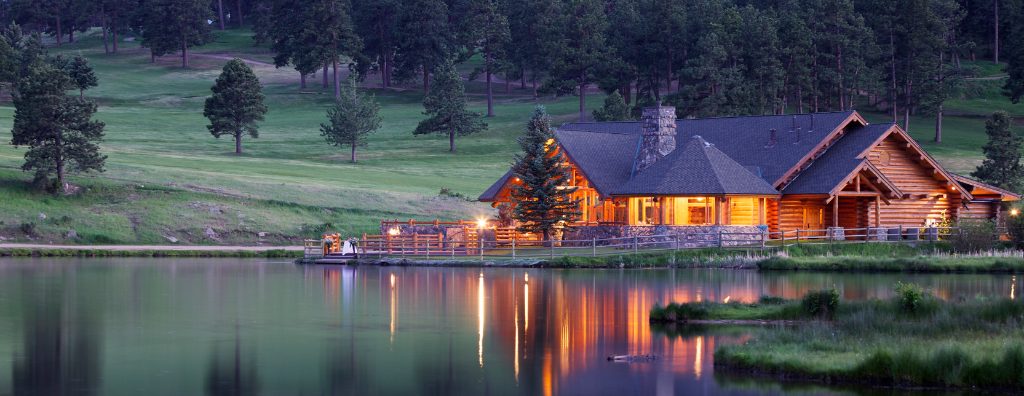
The Pacific Northwest is known for its lush forests, rugged coastline, and stunning mountain ranges. Naturally, architects and designers in the region draw from this unique environment, combining indigenous design principles with earlier frontier styles to create what we now know as Pacific Lodge architecture.
From its defining features to its deep regional roots, here’s everything you need to know about the Pacific Lodge home style and how it embodies the spirit of the PNW.
What is Pacific Lodge Architecture?
Drawing inspiration from mountain lodges, traditional log cabins, and the naturally sourced materials abundant in the region, Pacific Lodge architecture reflects a sense of warmth and connection to the land. Reclaimed wood, exposed beams, and stone are often emphasized to create spaces that feel both grounded and inviting, while expansive windows that frame the surrounding landscape allow natural light to pour in, blurring the boundary between indoors and out. The combination of rugged materials and thoughtful design results in homes that are both cozy and grand, seamlessly blending comfort, craftsmanship, natural beauty, and enduring charm.
Key Features of Pacific Lodge Homes
Exposed Wood Construction
Exposed wood construction is one of the defining elements of the Pacific Lodge home style. Signature woods found in the area, like Cedar, Douglas fir, and Western Larch, are commonly used to generate openness and enhance the home’s natural aesthetic. Vaulted ceilings, soaring trusses, and large-scale exposed beams showcase these wooden elements, giving the home an inviting yet dramatic feel. These features celebrate the region’s timber-rich heritage and foster harmony between the home and its surrounding environment.
Expansive Living Spaces
Complementing the warmth and openness created by exposed wood, expansive living spaces are another essential feature of Pacific Lodge architecture. Open floor plans, high ceilings, and grand rooms characterize the Pacific Lodge home, along with common areas that are thoughtfully designed to flow seamlessly into each other, creating inviting spaces ideal for gathering. The broad nature of these rooms highlights natural light, further enhancing the warm and welcoming atmosphere.
Large Windows
Pacific Lodge architecture prominently features large windows, such as picture windows and floor-to-ceiling glass, making the living spaces feel even more expansive and connected to the outdoors. Given the region’s frequent rain and cloudy skies, maximizing light is especially valuable, and oversized windows help to enhance brightness throughout the home. These large windows not only frame beautiful exterior views but also blend indoor and outdoor spaces.
Warm & Inviting Interiors
The warm and inviting interiors complement Pacific Lodge homes’ distinctive charm by bringing all these elements together. Inside, you’ll find a thoughtful blend of cozy furnishings, earthy tones, and richly textured materials. Sizeable stone fireplaces, leather seating, and more wood finishes provide a comfortable backdrop, while natural textiles like wool throws, woven rugs, and iron accents reinforce the home’s rustic yet elegant appeal. Deep forest greens, rich burgundies, and warm amber hues are often incorporated to add depth and complement the home’s natural feel.
5 Ways to Incorporate Feng Shui into Your Home
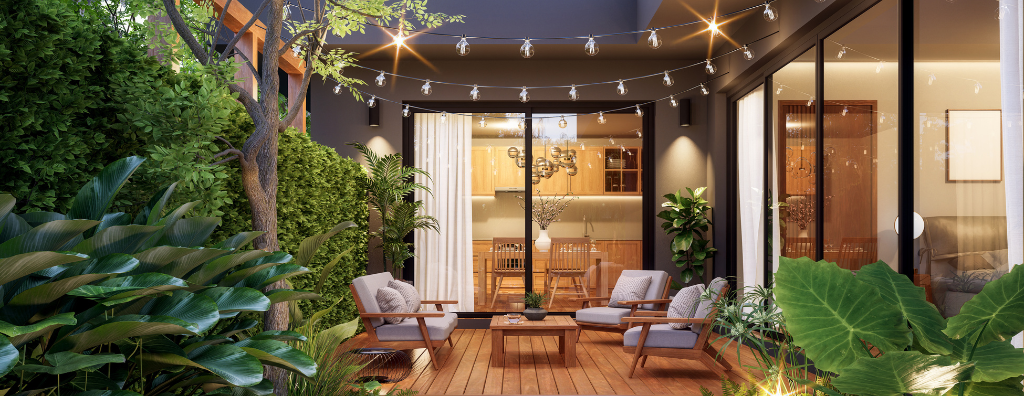
Feng Shui, an ancient Chinese practice, is not just about creating a calming and aesthetic space. It’s about creating a space that resonates with your energy and promotes well-being. By balancing the world’s five natural elements : water, fire, earth, metal, and wood, you can transform your living space into an environment of serenity and positivity. And the best part? It doesn’t have to be expensive or complicated. If you’re looking to find new ways to rearrange furniture, declutter your area, or introduce natural elements into your space, Feng Shui might just be the missing piece! Here are five simple ways to embrace the elements of Feng Shui in your home.
1. Create Depth with Water
Each element in Feng Shui carries a unique meaning. By integrating these elements in a balanced way, you can create a space that is not just aesthetically pleasing but also promotes well-being. For instance, water is believed to bring prosperity and wisdom into your life. To incorporate water into your home, add dark blue or black accents like hand towels, artwork, and small area rugs. Reflective surfaces or mirrors can also be used to symbolize the fluidity and reflection of water. Feng Shui experts believe that purposefully placed water features both within and outside of a home will bring about positive energy and good luck.
2. Transform Energy with Fire
Fire, a symbol of passion, energy, and transformation in Feng Shui, can be a powerful addition to your home. You can start by strategically placing and lighting a few candles, which is a simple way to introduce the fire element. But, if you are looking for a more intense effect, consider incorporating an indoor or outdoor fireplace to encourage gatherings and create a warm, inviting ambiance. You can also add design accents to your home using reds and oranges which will add more dynamic fire energy.
3. Establish Stability with Earth
In Feng Shui, the earth element can be associated with stability and different grounding forces. When we think of the various aspects of earth within a home, we tend to gravitate towards the more natural features like stone counters, wooden furniture, and clay accents. However, the earth element in Feng Shui goes even further than just aesthetics. More ways to incorporate this element into your home include decluttering and organizing to create flow, inviting nature in with more houseplants and natural light, and utilizing earthy tones like browns and beiges. You can also enhance these earth-centered qualities by repositioning your furniture to create more harmonious spaces.
4. Promote Precision with Metal
According to Feng Shui principles, metal is a strong symbol of precision, wealth, and efficiency. There are plenty of ways to integrate metal into your home beyond mere stainless-steel appliances. Copper, bronze, brass, and nickel accents add warmth to kitchens and living spaces. When incorporating these metals, consider using decorative features like cabinet hardware, lighting fixtures, and other metal accent furniture.
5. Embrace Vitality with Wood
Wood, which symbolizes growth, vitality, and new beginnings, is the final core element in Feng Shui. Consider using natural materials like bamboo, rattan, or reclaimed wood when designing with this element in your home. There are a number of ways you can harness the energy of wood, such as through furniture, flooring, or even smaller wooden accents like coasters and photo frames.
What is Loft Architecture?
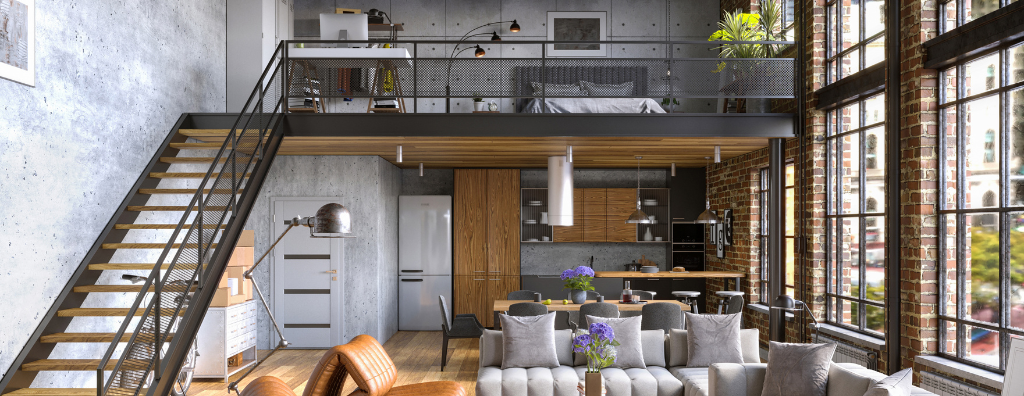
Known for mixing spacious interiors, high ceilings, and often an industrial aesthetic, loft architecture has become synonymous with urban living. Whether you want to move into your own loft or seek design inspiration, loft architecture offers spaces that foster creativity and versatility. Let’s explore the history, significance, and defining features of loft architecture that fuel its popularity in cities around the world today.
History of Loft Architecture
Over the years, lofts have evolved from repurposed industrial spaces for budget-conscious artists into sought-after symbols of high-end urban living. Lofts, originating from abandoned warehouses and factories in big cities like New York and Boston, were first utilized by artists and innovators who turned these spacious industrial layouts into workshops and living quarters for next to nothing in price. With their utilitarian aesthetic, ample square footage, and sizeable windows that let in plenty of natural light, they were ideal spaces for the dual purpose of living and working. However, in recent years, loft architecture has shifted from utilitarian to more modern, luxury design.
Features of Loft Architecture
Loft architecture is all about maximizing space and embracing industrial features left behind by the buildings’ previous lives. So, along with tall ceilings, open floor plans, and large walls of exposed brick, lofts often also feature plenty of other industrial architectural and design elements. Elements like floor-to-ceiling windows, concrete and hardwood floors, exposed structural beams and duct or pipework, and large doors all contribute to the charm and functionality of loft architecture.
How to Maximize Loft Space
There are endless ways to design the inside of a loft apartment. But to truly make the most of your space, the key is to celebrate the unique features that define it as a loft while keeping both functionality and aesthetics in mind.
Here are a few tips to maximize your loft space:
Utilize vertical space, define areas, and invest in multifunctional furniture! By using the abundance of vertical space and installing bookshelves or cabinets, and by investing in multifunctional furniture like foldable dining tables or beds with built-in storage, you can maximize every square foot in your loft space. It also helps to organize your furniture and place area rugs in ways that define the different spaces within your loft and create a sense of separation.
Lean into the industrial aesthetic of loft living by incorporating industrial-inspired furniture such as metal stools or reclaimed wood tables. Many loft dwellers also enjoy showcasing the features that make lofts unique, like tall ceilings, concrete or hardwood floors, and exposed brick. Balance this out by complimenting your space with modern or minimalist decor pieces.
Personalization is the final touch to truly making any space feel like home. Try bringing your personality and creativity into your loft with artwork and decor that reflect your interests. Also, choose color schemes and lighting that create a positive, inspiring mood. These personal touches add character to your loft and help create a space that will bring joy every time you walk through the front door.
Elements of Scandinavian Design
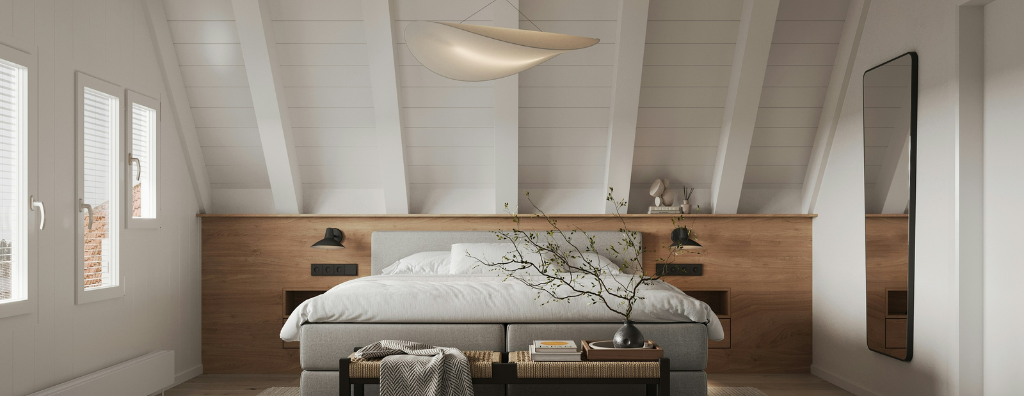
If the words “Scandinavian design” bring images from IKEA catalogs to mind, you’re not alone. But if that’s all you can imagine when you picture interiors inspired by this region of northern Europe, you might be missing out. If you’re looking to incorporate elegant functionality, natural elements, and a feeling of coziness into your home, Scandinavian interior design could very well fit the bill. Read on to see if the elements that make up this staple of interior design appeal to you.
Keep It Simple
Many confuse the Scandinavian aesthetic’s emphasis on simple and minimalist design for stark, cold, and empty. But white space doesn’t have to be boring. A clean and airy room draws focus to the few pieces in the space, allowing you to invest in high-quality items that are as beautiful as they are functional. Think comfy sectional sofas with clean lines and sleek but durable side and coffee tables.
Maximize Light
In the winter, daylight hours are in short supply in large parts of Scandinavia, which means the people who live there make the most of those hours—even during warmer seasons. You can emulate this style by keeping window treatments to a minimum and eliminating items that block natural light, such as large furniture or appliances in dark colors. If privacy is an issue, use sheer, light-colored curtains. If your home lacks natural light, you can brighten up your lived-in spaces with white or very light paint colors, textiles, and furniture.
Go Natural
The Scandinavian relationship with nature is reflected in home décor as well. Light-colored wood accents create a natural ambience inside while maintaining an airy feeling. Exposed rafters, furniture made of white oak or beech, and hardwood floors in a pale color are excellent ways to incorporate this aesthetic. Adding greenery either with potted plants or fresh flowers contributes to the Scandinavian feel as well as cleaner indoor air. If you have pets, make sure the plants you bring inside aren’t toxic for your furry family members. Spider plants, ferns, and succulents are all generally safe options.
Stay Neutral
When it comes to color, Scandinavian design is all about subtle and monochromatic shades. In the spirit of bringing the outdoors inside, consider earthy tones such as stone, sand, sky, and—you guessed it—white. That’s not to say bright colors are off limits, but think of them as accents, and stick to no more than one or two bold colors. Picture a room painted in a very light taupe, windows framed with sheer white curtains, furniture in shades of ecru and eggshell, a light-stone fireplace, and then pops of your favorite deep blue or green.
Embrace Hygge All Year
During long, dark winters, residents of Scandinavia spend much of their time at home with friends and family. The concept of hygge was born from these long months indoors, as people yearned for warmth and togetherness. Though most of us associate hygge with winter, coziness is a concept that can be embraced year-round with the right design touches.
One of the easiest ways to add extra comfort with the flexibility you need to make it work in each season is with textiles. Area rugs and pillows in light fabrics are great in warmer months. When the weather cools down, swap them out for heavier, softer versions and then add cozy throw blankets.
Decorating for a Stress-Free Home
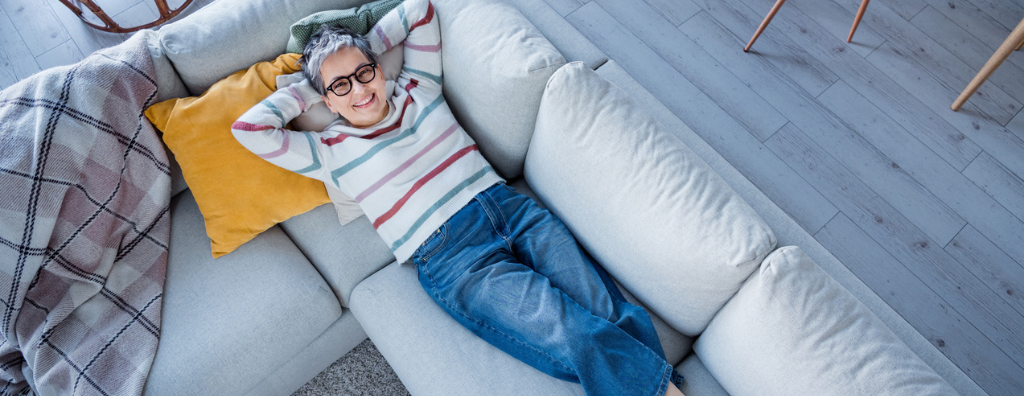
Your home should be your sanctuary—a place to relax, spend time with loved ones, and unwind from the stresses of everyday life. But with many of us working from home, even partially, the lines between life and work can become blurry. And with other stressors bleeding over into personal time, home can start to feel less like a sanctuary and more like the focal point for life’s anxieties.
If you are looking to reduce stress when you’re home and turn your space back into a place of respite, a few DIY redecorating projects could do the trick.
Lighting
How we light our homes (and when we turn the lights off) can have an enormous impact on our mental health. Natural light from unobstructed windows is ideal for boosting your mood during the day, but if you don’t have many windows or prefer your privacy, lamps that produce warm light can be soothing.
Getting a good night’s sleep is one of the best ways to manage stress. Once the sun sets, dim the lights in your house and use blackout curtains to achieve full darkness while you sleep. Avoid lightbulbs that claim to mimic daylight unless you are using them for Seasonal Affective Disorder in the winter months.
Décor idea: Turn off overhead lighting and invest in lamps with variable or dimmable light settings.
Declutter
Though some homeowners are bucking the trends for simple and opting for a “maximalist” style, clutter stresses many of us out. You can go through your house and get rid of all the items that aren’t sparking joy, or you can invest in attractive storage systems that allow you to hold onto your things while keeping them organized. At the very least, make sure you don’t have “to do” stacks or piles in the bedroom.
Décor idea: Try a flip-top bench in hallways or at the foot of your bed to hide away infrequently used items.
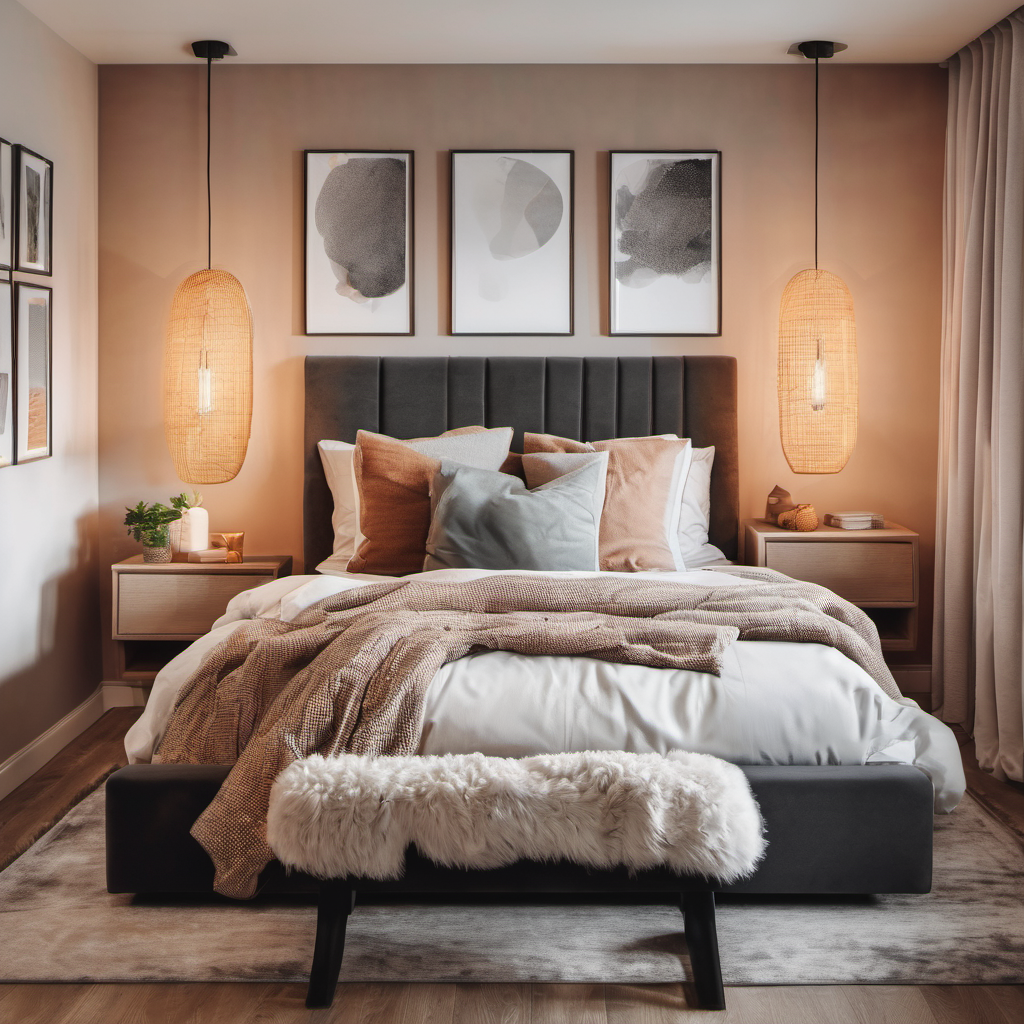
Example of a clean bedroom with warm lighting and a bench at the foot of the bed. Image Source: AI Generated Image for Inspiration Only
Feng Shui
The ancient art of Feng Shui has been helping people create calm inside their homes for thousands of years. Whether or not you believe that sleeping with the head of your bed on the north wall of the bedroom promotes deeper sleep, it’s hard to argue with other Feng Shui practices. One such principle is bringing nature indoors. This can be accomplished with living plants or even art featuring wilderness landscapes.
Décor idea: Select one wall in your home and devote it to photographs of living plants or natural settings.
Rounded shapes
Though clean lines and order may feel comforting to some, too many right angles can be overly stimulating. Circles and ovals, on the other hand, feel more organic and soothing. While you may not be able to round out the corners or entry ways in your home, you can add round touches with circular ottomans, oval frames for mirrors and art, and spherical elements such as a globe or orbs on a bookshelf.
Décor idea: Consider wallpaper or wall designs the include flowing, organic shapes such as wood grain or florals.
Color
The hues and shades you use in your home can have the biggest impact on your mood. Bright colors can be energizing, and reds are great for stimulating appetites in kitchen and dining rooms. But if you are looking to bring a sense of calm to a room, muted shades of blue and green or earth tones are best. Don’t mistake “muted” for “light” though; deep ocean blues and forest greens can be soothing while still making a statement.
Décor idea: If you’re hesitant to commit to painting a whole room, experiment with calming colors by incorporating throw blankets, pillows, and artwork.