Facebook
 X
X
 Pinterest
 Copy Link
What Is Foursquare Architecture? A Guide to Prairie Box Homes
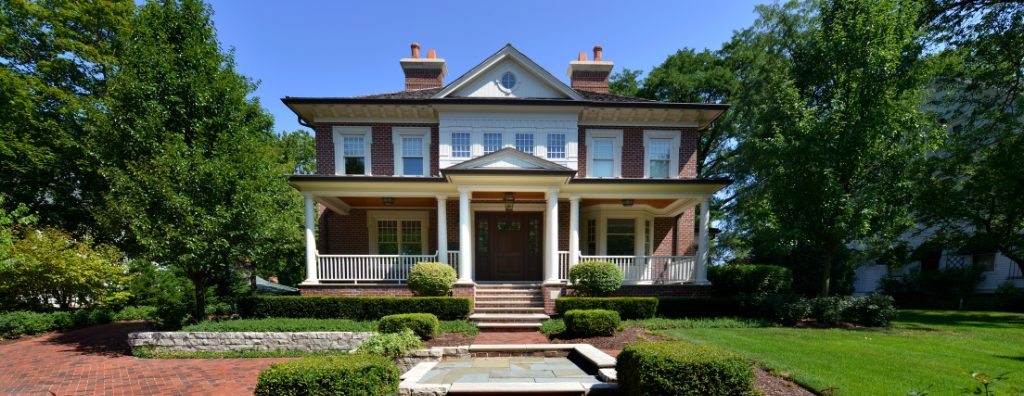
If you’ve ever walked through an older neighborhood and felt drawn to a home that looks balanced, practical, and quietly confident, you were likely looking at an American Foursquare. Sometimes called a Prairie Box or Prairie Cube, this architectural style is one of the most straightforward designs in the American architectural tradition, and one of the most enduring.
Popular from the late 1890s through the 1920s, the Foursquare emerged during a time when ornate Victorian homes dominated the landscape. In contrast, these homes favored simplicity, efficiency, and sold craftsmanship. Influenced by the Prairie and Arts and Crafts movements, the Foursquare prioritized thoughtful design over decoration, making it both practical and approachable.
A Shape That Works
True to its name, the Foursquare is defined by its box-style construction. The home’s nearly square footprint creates a symmetrical form, with rooms occupying each quadrant. Most Foursquares are two to two-and-a-half stories tall, with the half story tucked into a spacious attic. This efficient layout was intentionally designed to make the most of smaller lot sizes while still providing generous living space.
Rooflines, Porches, and Presence
A low-pitched hipped roof is one of the most recognizable features of a Foursquare home. The roof slopes evenly on all four sides, often forming a pyramid shape, and is frequently paired with a central dormer window that brings light and air into the attic level.
Many Foursquares also feature a covered front porch—sometimes spanning the full width of the home—supported by simple columns. These porches extend the living space outdoors and give a home a welcoming, grounded presence on the street.
Materials and Details
Building materials for Foursquare homes vary by region, with brick and wood being the most common. While the exterior design remains restrained, later models often incorporate Arts and Crafts details, especially inside the home. Built-in shelves, benches, bookcases, and window seats add warmth and function without excess ornamentation.
Inside the Foursquare
The interior layout reflects the same efficiency seen on the exterior. Traditionally, the main floor contains shared living spaces such as the living room, dining room, kitchen, and entryway, while bedrooms are located on the second floor. Hallways are minimal, and because each room typically sits at a corner of the home, natural light enters from multiple directions, a detail that homeowners still appreciate today.
Why Foursquare Homes Still Matter
More than a century later, American Foursquare homes remain highly desirable for their smart layouts, timeless proportions, and understated character. They’re homes designed to work well, on their lots, in their neighborhoods, and in everyday life. That kind of thoughtful simplicity never goes out of style.

Pueblo Revival Architecture and Its Timeless Southwestern Charm
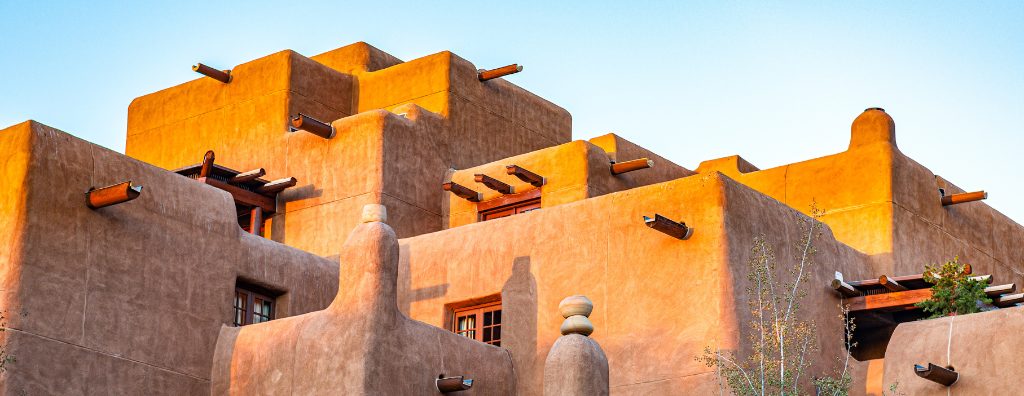
Pueblo Revival architecture is one of the most distinctive and enduring styles in the American Southwest. With its warm stucco walls, rounded edges, and earthy materials, it’s a look that’s both culturally significant and inviting. Rooted in Indigenous and Spanish colonial traditions, this style has evolved over time while remaining closely tied to the landscape and climate it was originally built for. Today, Pueblo Revival homes continue to charm homeowners with a timeless design and unmistakable Southwestern character.
Origins and Historical Significance
Pueblo Revival architecture has roots that run deep, drawing inspiration from the Indigenous Puebloan communities and early Spanish settlers of the Southwest. This blend of cultures creates structures that reflect a centuries-old tradition of building in harmony with the environment. Built to thrive in arid climates, these homes feature thick walls made from adobe or stucco, which helps keep interiors cool during the day and warm at night.
It’s a design ideally suited for the desert, where water isn’t abundant, and staying comfortable means working with, not against, the elements. Spanish influences brought the use of wood, while the earthy colors mirror the atmosphere. Today, you’ll find Pueblo Revival homes across Arizona, New Mexico, California, and beyond, each one a testament to Southwestern living.
Key Features and Design Elements
Pueblo Revival design, also known as Santa Fe and Southwestern, is easy to spot and even easier to love. Here are some hallmark elements:
- Walls are typically built with adobe, stucco, or sun-dried mud.
- Flat or low-pitched roofs with parapets.
- Rounded corners and soft edges create a gentle, organic feel.
- Neutral and earthy color palettes inspired by the desert landscape.
- Large Spanish-inspired wooden doors, exposed beams, and vigas add warmth and texture.
- Small, deep-set windows.
- Porch posts and covered patios provide shade from the desert sun.
Modern Interpretations and Living Spaces
Today, Pueblo Revival homes continue to evolve, embracing modern conveniences while staying true to their roots. Many still feature signature elements like exposed wood beams, earth-toned exteriors, and textured finishes. Thoughtful landscaping and eco-friendly materials continue to help these homes blend seamlessly with the surrounding desert environment.
Inside, you’ll often find interiors that echo the home’s Southwestern heritage in subtle and loud ways. Handcrafted pottery, cactus plants, woven textiles, and other nods to regional artistry bring warmth and character to the space. Rich desert-inspired hues like terracotta, sunset red, adobe orange, and golden yellow are often paired with earthy neutrals to create depth. Vibrant accent colors like turquoise or deep blue add a touch of contrast, reflecting the natural beauty of the landscape. The result is a space that feels grounded, soulful, and full of life.
Explore our guide to Southwestern interior design for more inspiration.
Pueblo revival homes are a celebration of history, craftsmanship, and natural beauty. Whether you’re captivated by their timeless charm or drawn to their modern interpretations, these homes offer a well-balanced, organic lifestyle that’s always in style.
The Art of Pacific Lodge Architecture
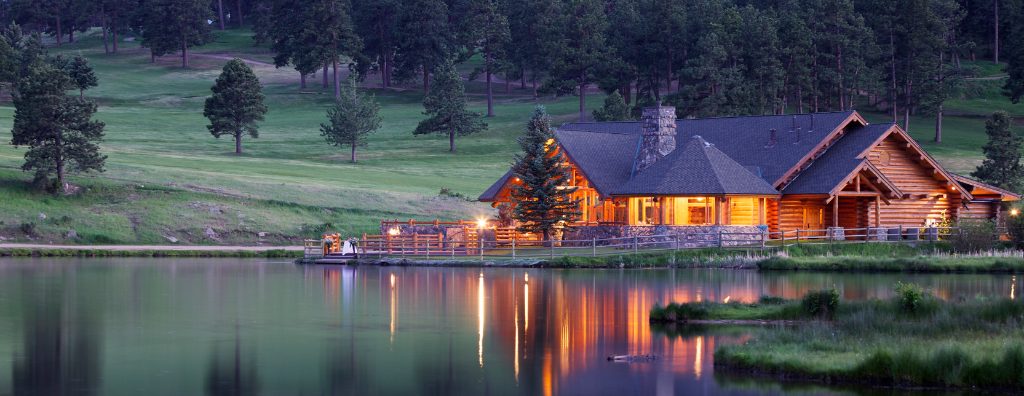
The Pacific Northwest is known for its lush forests, rugged coastline, and stunning mountain ranges. Naturally, architects and designers in the region draw from this unique environment, combining indigenous design principles with earlier frontier styles to create what we now know as Pacific Lodge architecture.
From its defining features to its deep regional roots, here’s everything you need to know about the Pacific Lodge home style and how it embodies the spirit of the PNW.
What is Pacific Lodge Architecture?
Drawing inspiration from mountain lodges, traditional log cabins, and the naturally sourced materials abundant in the region, Pacific Lodge architecture reflects a sense of warmth and connection to the land. Reclaimed wood, exposed beams, and stone are often emphasized to create spaces that feel both grounded and inviting, while expansive windows that frame the surrounding landscape allow natural light to pour in, blurring the boundary between indoors and out. The combination of rugged materials and thoughtful design results in homes that are both cozy and grand, seamlessly blending comfort, craftsmanship, natural beauty, and enduring charm.
Key Features of Pacific Lodge Homes
Exposed Wood Construction
Exposed wood construction is one of the defining elements of the Pacific Lodge home style. Signature woods found in the area, like Cedar, Douglas fir, and Western Larch, are commonly used to generate openness and enhance the home’s natural aesthetic. Vaulted ceilings, soaring trusses, and large-scale exposed beams showcase these wooden elements, giving the home an inviting yet dramatic feel. These features celebrate the region’s timber-rich heritage and foster harmony between the home and its surrounding environment.
Expansive Living Spaces
Complementing the warmth and openness created by exposed wood, expansive living spaces are another essential feature of Pacific Lodge architecture. Open floor plans, high ceilings, and grand rooms characterize the Pacific Lodge home, along with common areas that are thoughtfully designed to flow seamlessly into each other, creating inviting spaces ideal for gathering. The broad nature of these rooms highlights natural light, further enhancing the warm and welcoming atmosphere.
Large Windows
Pacific Lodge architecture prominently features large windows, such as picture windows and floor-to-ceiling glass, making the living spaces feel even more expansive and connected to the outdoors. Given the region’s frequent rain and cloudy skies, maximizing light is especially valuable, and oversized windows help to enhance brightness throughout the home. These large windows not only frame beautiful exterior views but also blend indoor and outdoor spaces.
Warm & Inviting Interiors
The warm and inviting interiors complement Pacific Lodge homes’ distinctive charm by bringing all these elements together. Inside, you’ll find a thoughtful blend of cozy furnishings, earthy tones, and richly textured materials. Sizeable stone fireplaces, leather seating, and more wood finishes provide a comfortable backdrop, while natural textiles like wool throws, woven rugs, and iron accents reinforce the home’s rustic yet elegant appeal. Deep forest greens, rich burgundies, and warm amber hues are often incorporated to add depth and complement the home’s natural feel.
What is Prefab Architecture?
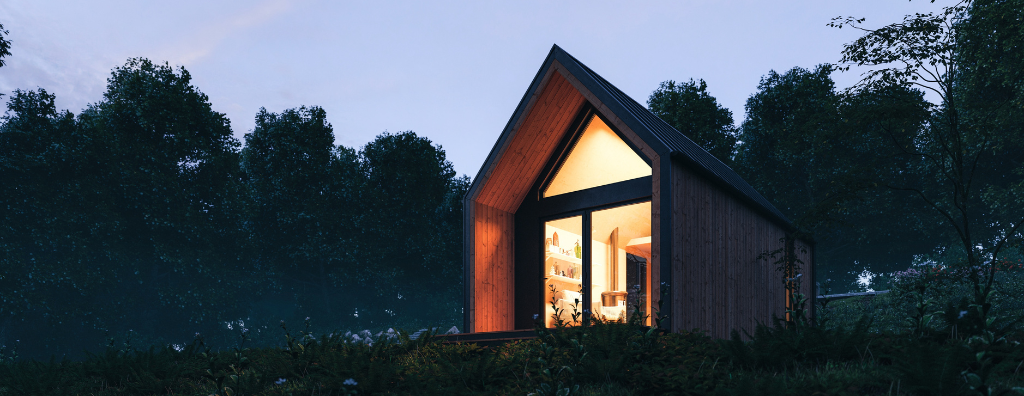
Short for “prefabricated,” prefab architecture refers to a type of construction where building components are manufactured off-site and then transported and assembled at the construction site. In recent years, prefab architecture has transformed how homes are built and designed, gaining popularity due to its efficiency, cost-effectiveness, and sustainability. In this post, we’ll explore the various types of prefab architecture, examine its pros and cons, and help you determine whether it fits your lifestyle, wants, and needs.
What is Prefab Architecture?
Prefab architecture is any structure built using components made off-site and then brought to a lot for assembly. Due to increasing appeal, prefab homes now come in various sizes, styles, and distinct forms to suit a range of needs and preferences. They can range from small backyard bungalows or guest houses to larger, multi-story, single-family homes, and the best part, they can be highly customizable. Some of the most common types of prefab construction include kit homes, modular homes, and panelized homes, each with its own set of benefits.
Kit Homes
A kit home is a prefabricated home that comes in pre-cut materials and is delivered to a property with instructions for building. They are smaller and more straightforward structures, often chosen by those who prefer a DIY approach. These homes are also typically more affordable and customizable.
Modular Homes
Similarly, modular homes are prefabricated homes made up of sections, known as modules, also made in a factory or off-site and then transported to the construction site. Unlike kit homes, modular homes must be assembled on a permanent foundation. Due to the pre-built sections, modular homes tend to be quicker to assemble and require the least amount of on-site work.
Panelized Homes
Panelized homes are another popular method of prefab architecture. Instead of building entire sections or modules, this technique involves constructing individual panels—including walls, floors, and roofs—in a factory. Compared to modular homes, panelized homes offer much more flexibility and customization in design and layout during the building process.
Pros and Cons of Prefab Architecture
Prefab architecture offers many benefits that make it an appealing choice for many people. The primary advantages include reduced costs, faster construction times, and a smaller environmental footprint with excellent energy efficiency. This is due to the controlled factory environment where the building components are made, minimizing waste, optimizing materials, and reducing on-site interferences like weather delays or unexpected construction challenges. Additionally, prefab homes often come with high-quality construction standards and can be highly customizable to fit different styles and preferences.
However, there are still some downsides and drawbacks to consider when thinking about investing in a prefab home. Land costs, transportation fees, utilities setup, and the need for permits can make for higher upfront expenses than expected. Additionally, some locations have stricter zoning laws and building regulations that may prevent or limit where prefab homes can be placed.
Is Prefab Right for You?
Prefab architecture combines affordability and sustainability, offering an innovative solution for those seeking a modern and efficient living space. So, whether you’re looking to downsize or embrace a more eco-friendly lifestyle, a prefab home could be the ideal choice for your next home.
What is Loft Architecture?
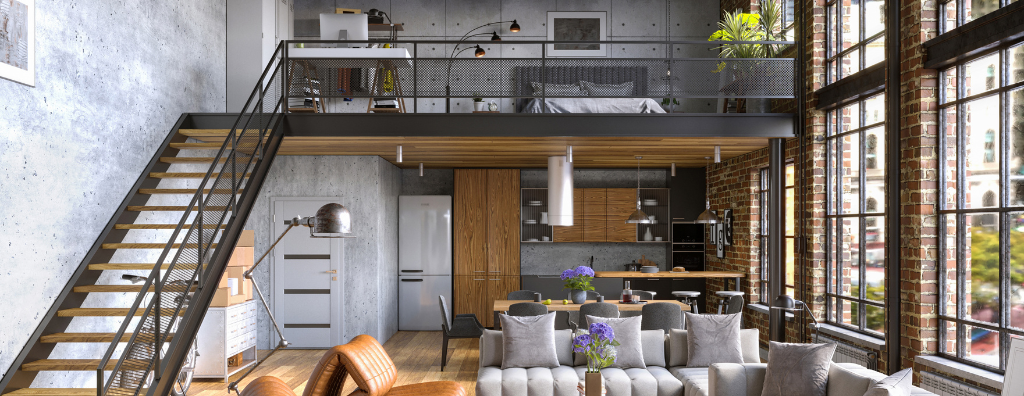
Known for mixing spacious interiors, high ceilings, and often an industrial aesthetic, loft architecture has become synonymous with urban living. Whether you want to move into your own loft or seek design inspiration, loft architecture offers spaces that foster creativity and versatility. Let’s explore the history, significance, and defining features of loft architecture that fuel its popularity in cities around the world today.
History of Loft Architecture
Over the years, lofts have evolved from repurposed industrial spaces for budget-conscious artists into sought-after symbols of high-end urban living. Lofts, originating from abandoned warehouses and factories in big cities like New York and Boston, were first utilized by artists and innovators who turned these spacious industrial layouts into workshops and living quarters for next to nothing in price. With their utilitarian aesthetic, ample square footage, and sizeable windows that let in plenty of natural light, they were ideal spaces for the dual purpose of living and working. However, in recent years, loft architecture has shifted from utilitarian to more modern, luxury design.
Features of Loft Architecture
Loft architecture is all about maximizing space and embracing industrial features left behind by the buildings’ previous lives. So, along with tall ceilings, open floor plans, and large walls of exposed brick, lofts often also feature plenty of other industrial architectural and design elements. Elements like floor-to-ceiling windows, concrete and hardwood floors, exposed structural beams and duct or pipework, and large doors all contribute to the charm and functionality of loft architecture.
How to Maximize Loft Space
There are endless ways to design the inside of a loft apartment. But to truly make the most of your space, the key is to celebrate the unique features that define it as a loft while keeping both functionality and aesthetics in mind.
Here are a few tips to maximize your loft space:
Utilize vertical space, define areas, and invest in multifunctional furniture! By using the abundance of vertical space and installing bookshelves or cabinets, and by investing in multifunctional furniture like foldable dining tables or beds with built-in storage, you can maximize every square foot in your loft space. It also helps to organize your furniture and place area rugs in ways that define the different spaces within your loft and create a sense of separation.
Lean into the industrial aesthetic of loft living by incorporating industrial-inspired furniture such as metal stools or reclaimed wood tables. Many loft dwellers also enjoy showcasing the features that make lofts unique, like tall ceilings, concrete or hardwood floors, and exposed brick. Balance this out by complimenting your space with modern or minimalist decor pieces.
Personalization is the final touch to truly making any space feel like home. Try bringing your personality and creativity into your loft with artwork and decor that reflect your interests. Also, choose color schemes and lighting that create a positive, inspiring mood. These personal touches add character to your loft and help create a space that will bring joy every time you walk through the front door.
Elements of Modern Farmhouse Architecture
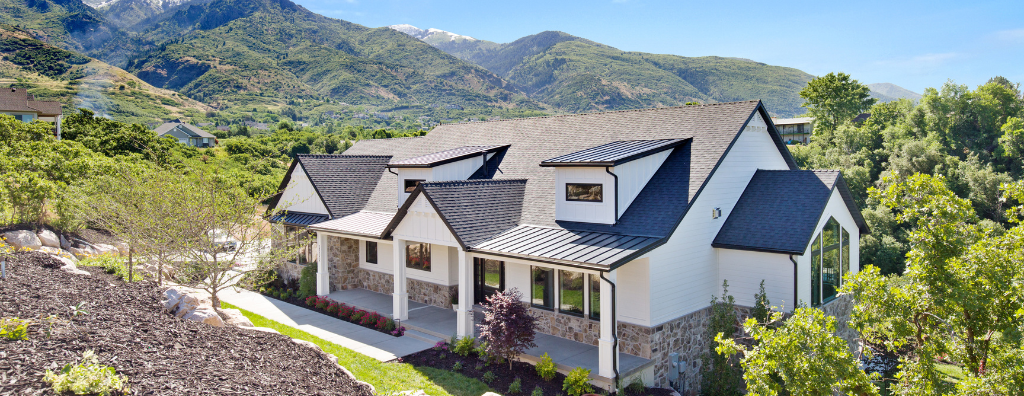
Traditional Farmhouse architecture represents the history and the industriousness of rustic living. Clean lines, natural materials, and a focus on communal spaces are staples of farmhouse living that were ripe for a modern update. Modern Farmhouse architecture reflects elements of the traditional, but with 21st Century touches that make it especially attractive for today’s homeowners.
Rustic Wood
Because many farmhouses were just that—homes built for and by those who worked on the farm—they often used the materials that could be found nearby. The wood from trees native to the area would be used for both the interior and exterior. Since the people building the homes were mostly concerned with the functionality of the living space and speed at which they could put it together, they didn’t spend time sanding the wood to perfection or painting it, creating a rustic look and feel many modern homeowners desire. Exposed beams and reclaimed wood accents are signatures of Modern Farmhouses.
Clean lines
The simplicity borne from the need to build homes quickly and efficiently lent itself to the clean lines and minimalist spaces we see in both Traditional and Modern Farmhouses. From shiplap paneling to the often-symmetrical shapes of the home itself as well as its interior rooms, you won’t find arched doorways or curved walls in Farmhouses. Look for straight lines, gabled roofs, and large, square windows to identify a Modern Farmhouse.
Covered porches
At the end of a day of hard work on the farm, who wouldn’t want to sit on the porch, sipping something cool and enjoying the view of your property? Contemporary homeowners may define work differently than those who originally called Farmhouses home, but the appeal of spending lazy summer evenings is timeless. A large, covered porch is a telltale sign of Modern Farmhouses.
Muted color palette
Again due to the need to use nearby materials and keep things simple, Modern Farmhouses tend to use palettes that range from white to natural wood colors. Contemporary residents often break up the monochromatic tones with black industrial touches on items including light fixtures, bath and kitchen faucets, and accessories such as doorknobs and drawer pulls.
If the idea of a Modern Farmhouse style appeals to you, look for these elements as you search for homes or make plans to build your own.
5 Features of Greek Revival Architecture
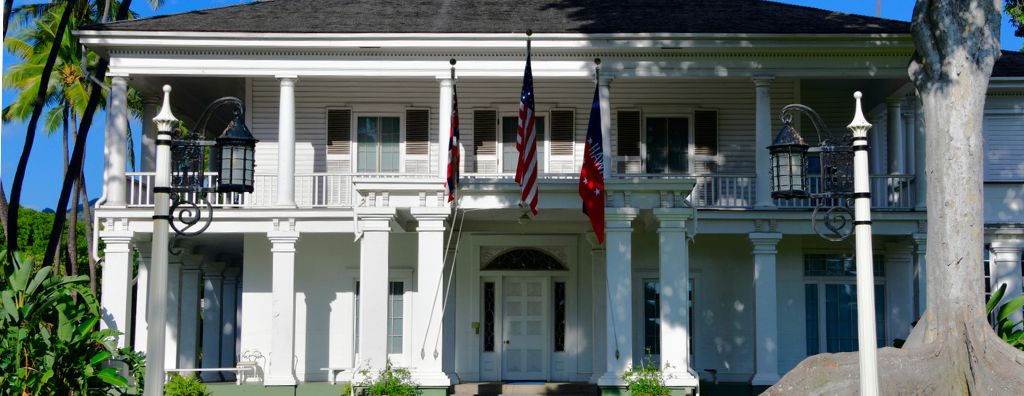
Some home designs reach way back through history. Greek Revival architecture is inspired by the principles of design formed in ancient Greece. These stately homes evoke a formal and traditional atmosphere akin to the feeling you get standing in the presence of the Parthenon. Let’s explore the history and features of these unique homes to understand what makes them so special.
5 Features of Greek Revival Architecture
1. Grand Entryways with Columns: The columns found in Greek Revival architecture are the defining characteristic of the style. Without these towering features, these homes simply wouldn’t feel the same. When used in a residential setting, columns help to create a feeling of grand stature by combining stories and stretching the verticality of the house. Columns were commonly found in important buildings constructed in ancient Greece, and today, they give Greek Revival architecture its timeless appeal.
2. Large Front Porches: In a residential setting, ample porch space creates a natural connection between the home and the outdoors. For all their grandeur, the way these homes are designed, there’s still a connection between them and their surrounding environment. As Greek Revival spread throughout the United States in the late 18th and early 19th centuries, different variations of the style were adopted to fit needs of the homeowners in different regions. However, porch space remained a universal feature of homes created in this style.
7 Vintage Design Elements That Are Still Popular Today
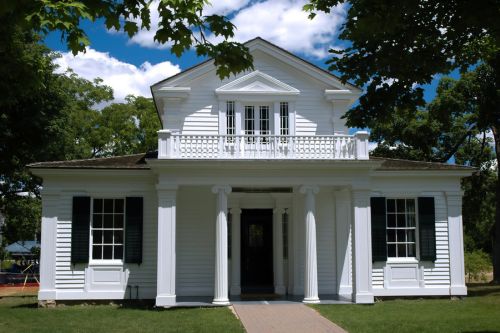
Image Source: Getty Images – Image Credit: tose
3. Decorative Windows: If the columns don’t give it away, the decorative dormer windows found in Greek Revival homes are a telltale sign of the style. These important features maximize natural light, which is perfectly displayed in the open layouts commonly found in these homes. The windows stretch vertically to complement the columns and give a very structured look to the exterior.
4. Ornate Details: Looking back at the most inspirational and renowned design works of ancient Greece, it’s no wonder that the opulent detailing of these magical buildings continued to be an important feature during the revival period. Intricate molding, ornate carvings, towering columns, and luxurious tile designs all reinforce the beauty of these homes. Marble was commonly used throughout these homes originally, inspired by the ancient Greeks’ preference for the rock in their building construction.
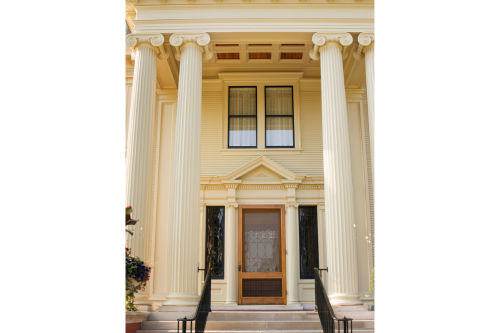
Image Source: Getty Images – Image Credit: YangYin
5. Greek Revival Architecture Color Scheme: The dominant color in the Greek Revival palette is white. Yes, white marble was prevalent throughout temples in ancient Greece, but the preference for white amongst the designers behind the revival movement had just as much sway in how we see this style represented today. Many Greek Revival homes found today are constructed with wood or stucco and painted white. In terms of interior design, this typically whitewashed palette gives you a clean slate to decorate on top of. Primary colors and natural, organic hues pair well with these classic buildings.
Colorful Modern Design Trends for Your Home
To refine your taste in real estate and learn about different residential exteriors, explore our Architectural Styles page.
Featured Image Source: Getty Images – Image Credit: mtcurado
5 Features of Mediterranean Interior Design
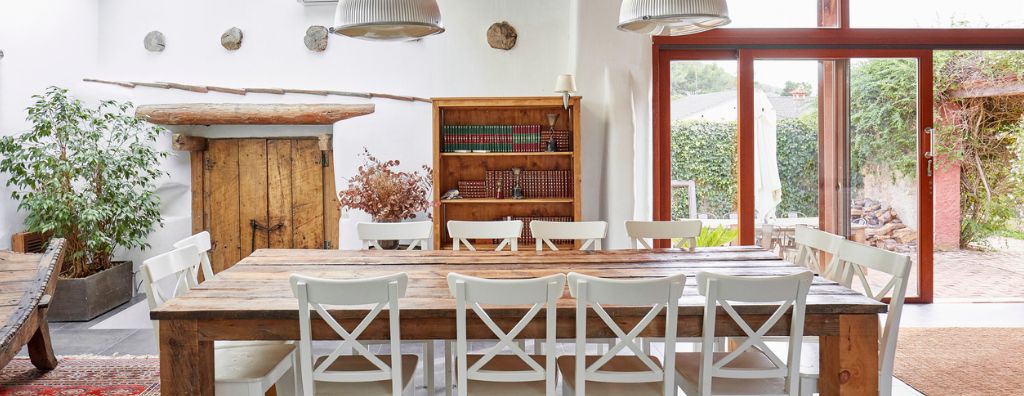
There’s so much beauty in the countries that border the Mediterranean Sea, it’s no wonder the design style derived from this area of the world has the same effect on a home’s interior. Mediterranean interior design, part of the larger coastal design family, creates interiors that harmonize with the outdoors. Here are a few of its most common features.
5 Features of Mediterranean Interior Design
1. Mediterranean Materials
This style borrows primarily from the longstanding traditions found in Greece, Spain, and Italy, with additional influence from Mediterranean countries like Morocco and France. People have lived in this area of the world for thousands of years, each civilization attaining high levels of achievement in art and culture. Accordingly, the common materials that make up this interior design style show a timeless appeal. Dark wood, marble, or terra cotta tile are popular flooring choices, while the walls are typically made of stucco or plaster.
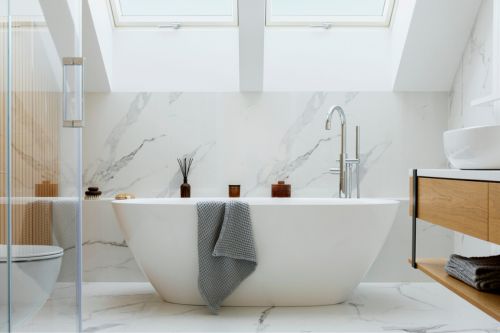
Mediterranean interior design bathroom | Image Source: Getty Images – Image Credit: FollowTheFlow
2. Mediterranean Color Palette
Prepare to be inspired. The colors found in a typical Mediterranean palette are tailor-made to make your interior come to life. Each hue is a rich variation of the colors we’re most familiar with in interior design. Golden yellows, olive greens, rich reds, and cobalt blues form the basis of the Mediterranean style. These colors all pop against a white stucco backdrop and evoke liveliness while being grounded in natural and organic elements like the sun, trees, and water.
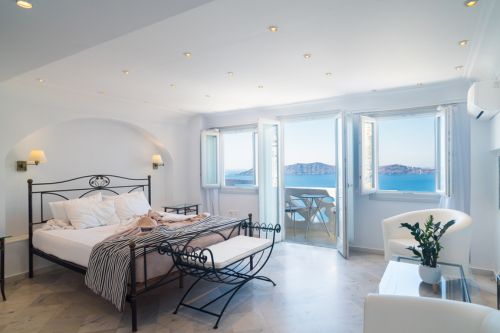
Mediterranean interior design bedroom | Image Source: Getty Images – Image Credit: amriphoto
3. Harmony with Nature
The ultimate Mediterranean interior is at one with nature; it’s somewhere you can walk around barefooted while a gentle breeze blows through the room. From its exposed wood beams to natural stone walls, everything about Mediterranean interior design embraces the outdoors and the elements derived from it. Open-air patios are often the central entertaining space, putting an emphasis on indoor-outdoor living.
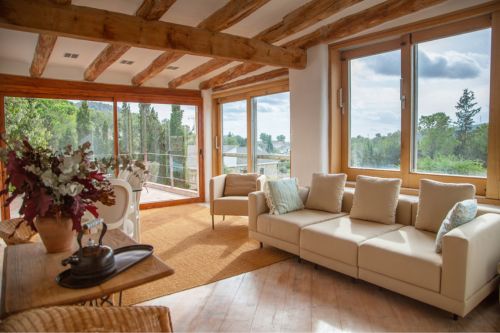
Mediterranean interior design living room | Image Source: Getty Images – Image Credit: Julieanne Birch
4. Mediterranean Decorative Elements
Overall, Mediterranean design takes a less-is-more approach to home décor. Relying on the natural beauty of its elements, its philosophies on design have more in common with mid-century modern interior design than, say, eclectic style. Common decorative items include textured walls, tapestries, mosaic inlays, and Italian-style pottery and art. The countries that form the inspiration for Mediterranean style all have their unique take on sculpture art, commonly found in historical buildings and traditional architecture. Accordingly, sculpted detailing is a fitting décor feature in this style.
5. Bringing People Together
At the end of the day, people are an important part of Mediterranean interior design. Family spaces are a priority, as are communal seating arrangements in areas like the living room, dining room, and outdoor patio. Once you design your home this way, you can’t help but invite family and friends over to celebrate together. The open spaces and natural elements create a welcoming environment that is meant to be shared. Happy hosting!
For more information on home décor, read our blog post on contemporary interior design and how it differs from the modern style:
Featured Image Source: Getty Images – Image Credit: xavierarnau
What is Victorian Architecture?
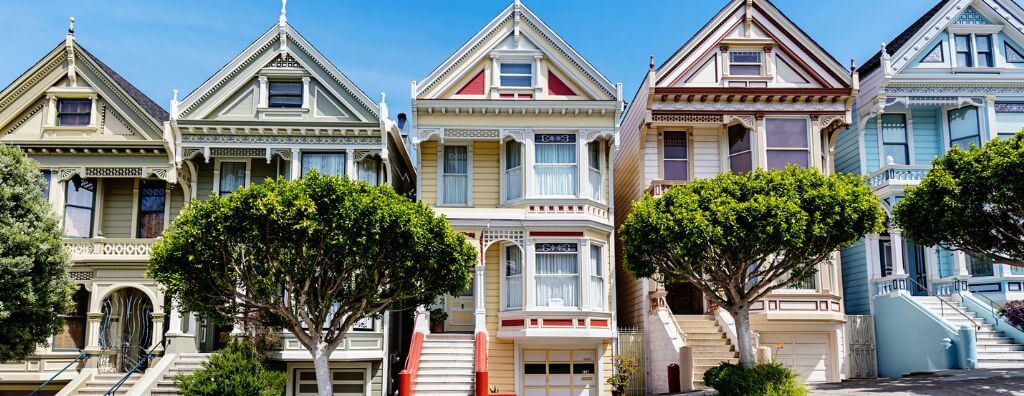
Like its namesake Queen Victoria, Victorian architecture is home design royalty. With its uniquely detailed decorations, it helped to define the style of homes in its era. These special homes still exist in large numbers today around the world, perhaps none more famous than San Francisco’s “Painted Ladies” near Alamo Square pictured above. Let’s dive into the history of Victorian architecture and some of its defining features.
What is Victorian Architecture?
Bursting onto the scene in the mid-1800s, Victorian architecture spawned several styles, creating multiple branches of the Victorian home design tree. Borrowing elements of other architectural styles of that era such as Gothic, Greek Revival, and Italianate, the highly ornate style reflected the expensive taste among the British people of the time, who were experiencing increased wealth due to the industrial Revolution. Much of the work required for building Victorian homes could be done by machine, and due to the industrial innovations of the time, the parts could be easily shipped across the country by train. Pretty soon, Victorian homes were popping up everywhere.
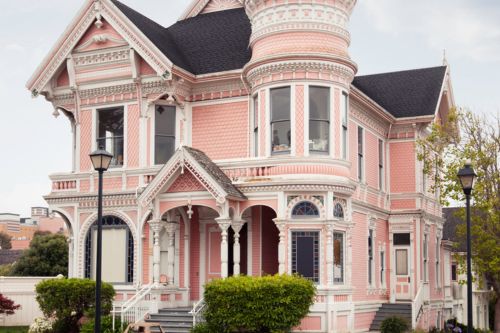
Image Source: Getty Images – Image Credit: LordRunar
Features of Victorian Architecture
- Two to three stories
- Steep, pitched roofs
- High ceilings
- Wood construction with detailed woodwork
- Decorative trim and crown molding
- Towers and turrets
- Spacious porches
- Recessed balconies
- Iron railings
- Bay windows
- Stained glass
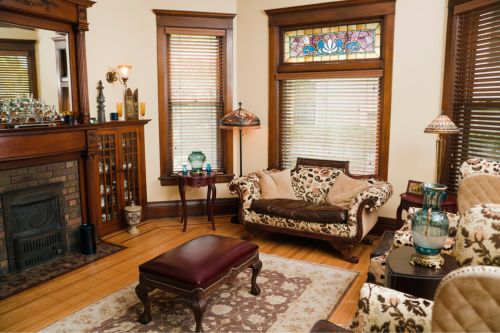
Image Source: Getty Images – Image Credit: YinYang
Styles of Victorian Homes
Though there are several styles of Victorian homes, they are all multiple-story structures with steeply pitched roofs. Part dollhouse, part palace, their vintage character remains popular today. The Stick Victorian style resembles a gingerbread house with its decorative cladding and trim. The Queen Anne style is known for its asymmetry and cross-gable rooflines, while the Folk style is more symmetrical, cutting down on excessive ornamentation. As if the architecture itself wasn’t loud and eclectic enough, many Victorian homes were painted in bright colors to further differentiate their style from other homes—especially Queen Anne Victorian homes.
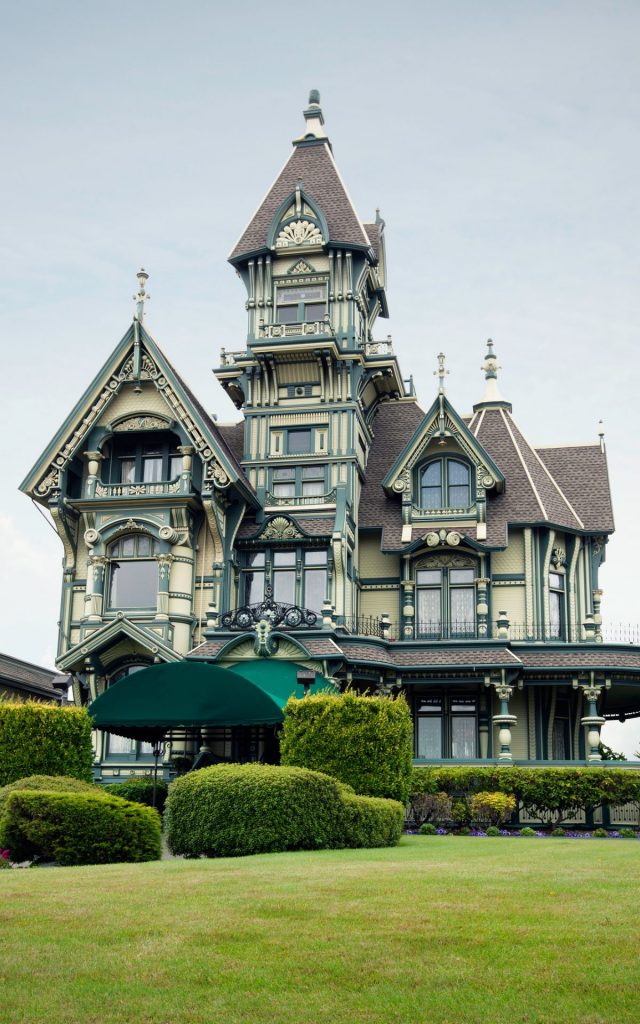
The Carson Mansion in California, a classic example of Queen Anne Victorian architecture. Image Source: Getty Images – Image Credit: LordRunar
To learn more about the various styles of home design, visit our Architectural Styles page:
Windermere – Architectural Styles
Featured Image Source: Getty Images – Image Credit: Mlenny
What Is a Tudor Style House?
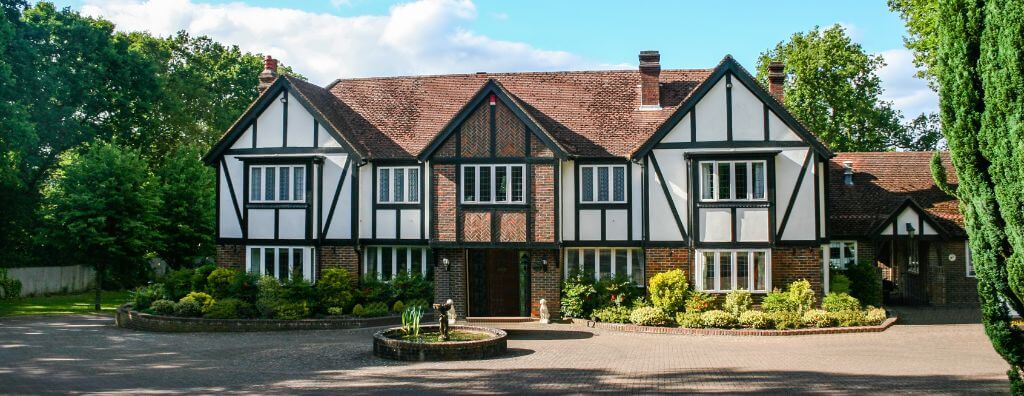
One look at a Tudor style house and you’re instantly transported to the English countryside. This distinct architecture dates back hundreds of years, borrowing elements of Renaissance and Gothic design, and later experienced a revival in the United States that continued to grow in popularity through the mid-twentieth century. Similar to cottage homes, their medieval imagery evokes a storybook charm, and their unique combination of materials makes for a truly signature look.
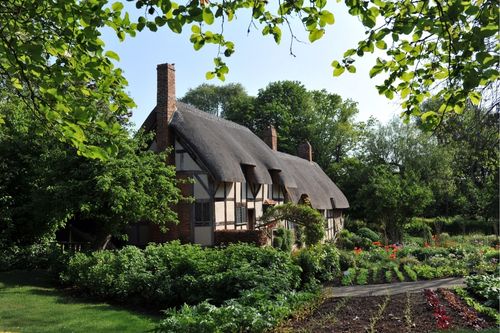
Image Source: Getty Images – Image Credit: oversnap
Features of Tudor Style Houses
Known for their brown-and-white color scheme, Tudor style houses are typically built from stone or bricks, with a façade of stucco and exposed timbering framing. The framing creates straight lines that connect each level of the home, giving it a sense of geometry. Their steep-pitched, intersecting gabled roofs are tailor-made for climates that experience high levels of precipitation; snow slides off before accumulating, and rainwater has a natural path to the gutter system.
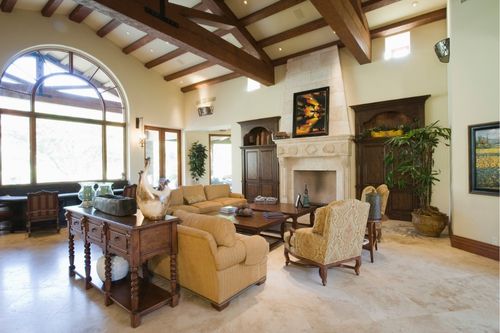
Image Source: Getty Images – Image Credit: IPGGutenbergUKLtd
From the outside of a Tudor home, you can imagine sitting around the hearth under exposed wood ceiling beams, taking in the cozy atmosphere as the fireplace crackles. And your imagination would be spot on! A large fireplace is a central feature of these homes, given that they were the primary heating source for households early on in their history. Arched entryways with stonework accents, decorative chimneys, and narrow, closely grouped windows are also defining features of Tudor architecture.
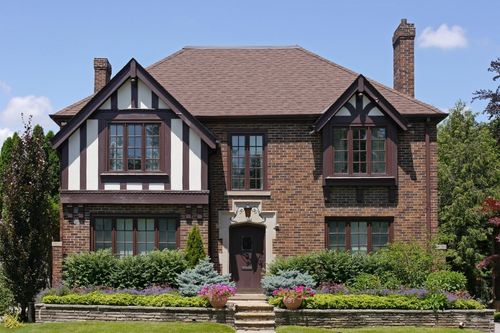
Image Source: Getty Images – Image Credit: peterspiro
Once World War II-era housing development began to shift toward addressing suburban sprawl affordably, the masonry-heavy Tudor style house became less popular. However, they are still found throughout the U.S. today.
To learn more about the various styles of home design, visit our Architectural Styles page:
Windermere – Architectural Styles
Featured Image Source: Getty Images – Image Credit: quackersnaps