Market News June 15, 2020

Matthew Gardner Weekly COVID-19 Housing & Economic Update: 6/15/2020

Buying June 10, 2020

A Guide to Mortgage Assistance During COVID-19

Image Source: Shutterstock


For some homeowners who have been financially impacted by the COVID-19 pandemic, there is a high level of concern about paying their mortgage. Fortunately, there are options to aid struggling homeowners from governments, financial institutions, and loan providers. The following information is intended to provide clarity on which financial relief options are available to you during this time.


What are my mortgage relief options?

Newly placed into law, the Coronavirus Aid, Relief and Economic Security (CARES) Act, provides two protections for homeowners with federally backed mortgages:


  1. Your lender or loan servicer may not foreclose on you for 60 days following March 18, 2020. The CARES Act prohibits lenders and/or servicers from beginning a non-judicial foreclosure, or finalizing a foreclosure sale, against you within this time period. While 60 days has passed since this was put into place, it is still important to be aware of in the event that any of these actions were taken against you.
  2. You have a right to request a forbearance for up to 180 days if you experience financial hardship due to the COVID-19 pandemic. You can also apply for a 180-day extension beyond the forbearance period. This does not require submitting additional documentation beyond your claim, nor will you incur additional fees, penalties or interest beyond what has already been scheduled.


Forbearance is…

  • With forbearance, mortgage servicers and lenders allow you to pause or reduce your mortgage payments for a period of time while you get back on your feet financially.
  • Different types of loans beget different forbearance options, understanding the differences and which options apply to your loan is key to navigating the forbearance landscape.
  • Once your income is back to a normal level, contact your loan servicer and resume your payments.


Forbearance is not…

  • Forbearance is not a means to forgive or erase your payments. Any missed or reduced payments still require payment in the future.


Which relief options do I qualify for?

The first step in discovering your mortgage assistance qualifications is to contact your mortgage provider. If you are unsure of how to get in touch with them, look at your mortgage statement for contact information or see what contact options are available online.

After you have successfully made contact, find out if your mortgage is federally backed. To be eligible for assistance under the CARES act, your mortgage must either be backed federally, or by one of the entities in the list below. These links show the agencies’ current advise and related loan information: 


For non-federally backed loans, contact your lender or servicer to learn more about their forbearance repayment options.


Today’s financial landscape can be stressful for homeowners, especially those that are struggling to keep up financially. Fortunately, these entities, institutions, and servicers have provided options to help lessen the burden. Knowing which options apply to you and your household will help you navigate through hardship as your finances recover.

Market News June 8, 2020

Matthew Gardner Weekly COVID-19 Housing & Economic Update: 6/8/2020

Market News June 1, 2020

Matthew Gardner Weekly COVID-19 Housing & Economic Update: 6/1/2020

Living May 27, 2020

Saving in the Laundry Room

Image Source: Shutterstock


When it comes to household expenses, staying at home has brought about savings in some areas, while increasing expenses in others. The laundry room has likely seen an uptick in usage, with its associated costs following suit. Save your energy and money by keeping these tips in mind as we continue to adapt to being home more often.


Master your machine settings

Review the owner’s manuals for your washer and dryer. There may very well be energy-saving settings you’re not using. For example, your washer’s “high-speed” or “extended wash” cycles will remove more moisture, which can help reduce drying time. A dryer’s “cool down cycle” allows clothes to finish drying using only residual heat.


Think twice before washing

Once you’re aware of the costs associated with washing and drying, and the natural resources this consumes, you may decide you don’t need to launder certain clothes as often – which can also extend the life of these garments. Some clothing, like jeans, sweatshirts, and sweatpants, can be worn a few times without a cleaning. Washing these items only when necessary will help you cut down. Another tip – keep another laundry basket in your room for those lightly worn clothes that you could wear again, so they keep separate from your clean clothes.


Use hot water only when necessary

Using warm water instead of hot can significantly cut down your washer’s energy expense. Using cold water puts less pressure on electricity grids, saving your household even more money and energy. Cold water washes are less likely to shrink or fade your clothing as well. To ensure your clothes still get clean, try using a cold-water detergent.


Right-size your loads

For both washing and drying, taking into consideration the size of your load can factor greatly into your savings. No matter the size of the load you wash, it costs the same amount to run a cycle. So instead of doing two small loads, wait until you have one large load. When drying, keep in mind that an overly full dryer will take longer to dry the clothes. A dryer with too few items inside costs more to operate.


Clean the dryer vent and filter

When the lint filter in your dryer gets clogged, airflow is reduced, and the dryer can’t operate effectively. Make a point to clean the filter after every use. If you use dryer sheets, scrub the filter every month to remove any film buildup. The venting that attaches to the back of your dryer also needs to be kept clean and clear.


Air dry

When the weather is sunny and warm, consider putting your clothes out to hang-dry. Doing so will keep your drying expenses to a minimum. It can also be a better drying method for clothing with delicate tailoring.


With staying at home being the new status quo, taking a look at the ways our homes use energy and incur expenses is more relevant than ever. These small changes in the laundry room are just some of the minor adjustments you can make in your household during these unique times.

Buying May 20, 2020

Questions to Ask During Your Virtual Home Tour

Image Source: Canva


Thanks to COVID-19, the new reality is that many open houses and home tours are being conducted virtually. For prospective home buyers, this new territory brings an added element to prepare for in the home buying process. Some of the questions that should be asked in a virtual home tour parallel those of in-person tours, but others are unique to today’s virtual world.


Could you zoom in?

  • Sometimes it can be difficult to get a true glimpse at what you want to see in a room. Asking the agent to zoom in on specific features is commonplace in virtual home tours, and they understand this is part of the viewer experience. Don’t hesitate to ask multiple times. Getting a better look at everything you want to see will help you feel like you’ve gotten the most out of your virtual tour.


How many square feet are in this room?

  • Virtual tours can slightly distort space, making it tough to gauge the size. The room-to-room square footage is information the agent is sure to have handy. Since you can’t be there in person, it will help you piece together the virtual visuals with the sense of physical space that we’re all accustomed to feeling in the places we live.


What color is that?

  • In the smartphone era, and computer era at large, we have come to understand that digital representations of color are not always true to the eye. Ask the agent to confirm specific colors so you can plan accordingly. Have a color swatch on hand or look the colors up online as you go through the tour.  


When were the appliances last updated?

  • The importance of this question rings true in past, present, and future. Knowing the state of the home’s appliances, and the likelihood and timing of when they will need replacement, is vital information for both assessing the move-in readiness of the home and understanding what costs might lie ahead.


Has the seller provided an inspection?

  • This is another example of a critical question, whether your home tour is virtual or physical. If the seller has already done an inspection, ask the agent to lead you to any areas of concern based on the inspector’s findings. If there is anything that has not yet been addressed by the seller, have your agent ask what their plan is for making the necessary repairs/updates.


When is the offer review date?

  • Understanding the seller’s timeline for reviewing and accepting offers will help guide your decision-making process and allow you to strategize based on the timeline.


Whether your home tour is physical or virtual, getting the information you need to make an informed decision remains paramount. Although there is no substitute for physically being in the home you are looking to buy, keeping these questions in mind will position you well as you progress through the home buying journey.

Market News May 18, 2020

Matthew Gardner Weekly COVID-19 Housing & Economic Update: 5/18/2020

Market News May 11, 2020

Matthew Gardner Weekly COVID-19 Housing & Economic Update: 5/11/2020

Market News May 5, 2020

Northern California Real Estate Market Update


We are excited to introduce the Gardner Report to Northern California! The following analysis of the real estate market in select counties of Northern California is provided by Windermere Real Estate Chief Economist Matthew Gardner. We hope that this information may assist you with making better-informed real estate decisions. For further information about the housing market  in your area, please don’t hesitate to contact your Windermere agent. 


A MESSAGE FROM MATTHEW GARDNER

Needless to say, any discussion about the U.S. economy, state economy, or housing markets in the first quarter of this year is almost meaningless given events surrounding the COVID-19 virus.

Although you will see below data regarding housing activity in the region, many markets came close to halting transactions in March and many remain in some level of paralysis. As such, drawing conclusions from the data is almost a futile effort. I would say, though, it is my belief that the national and state housing markets were in good shape before the virus hit and will be in good shape again, once we come out on the other side. In a similar fashion, I anticipate the national and regional economies will start to thaw, and that many of the jobs lost will return with relative speed. Of course, all of these statements are wholly dependent on the country seeing a peak in new infections in the relatively near future. I stand by my contention that the housing market will survive the current economic crisis and it is likely we will resume a more normalized pattern of home sales in the second half of the year.


HOME SALES

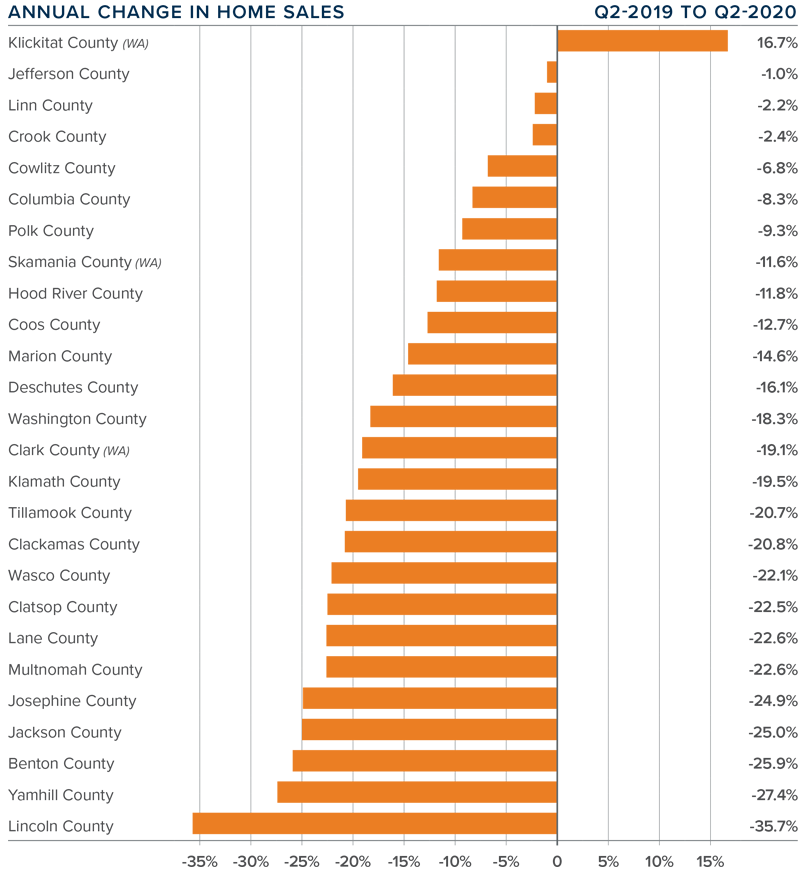
  • In the first quarter of 2020, 6,191 homes sold, a drop of 3.8% compared to the first quarter of 2019.
  • Sales were a mixed bag, with increases in half of the counties contained in this report and half seeing sales slow. Of note was the decent increase in sales in Contra Costa County, but this was offset by a drop in sales in Alameda County.
  • The contraction of sales may be attributed to a significant drop in inventory, which was down 24.7% from a year ago. This decline is likely due to COVID-19. Second quarter data will confirm or refute this thesis.
  • Pending home sales dropped 6.1% compared to the first quarter of 2019. Again, this is likely due to COVID-19.


HOME PRICES

  • The average home price in the Northern Californian counties contained in this report rose 3.7% year-over-year to $784,843.
  • The most affordable counties in terms of average sale prices were Shasta and Solano. Price growth in these markets was very solid.
  • Average prices rose in all counties other than Santa Clara, which is not surprising given it is the most expensive market covered in this report. Prices across most counties rose at above-average long-term rates, with impressive increases in San Luis Obispo and Solano counties.
  • As this is the first report prepared for counties within Northern California, my ability to comment is limited. That said, it will be interesting to see how the market further reacts to COVID-19 and we look forward to offering analysis and perspective when we get second quarter data.


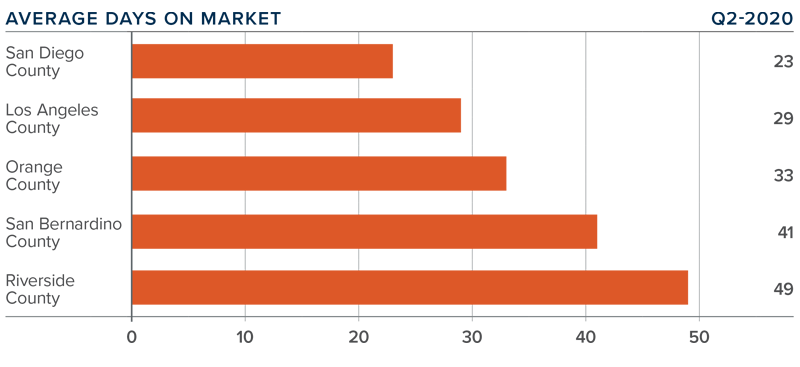
DAYS ON MARKET

  • The average time it took to sell a home in the Northern Californian counties covered by this report dropped five days compared to the first quarter of 2019.
  • In the first quarter, it took an average of 55 days to sell a home. Homes sold fastest in Alameda and Santa Clara counties, and slowest in Shasta County.
  • The amount of time it took to sell a home dropped in all counties other than Shasta (+2 days) and San Luis Obispo (+4 days).
  • The greatest drop in market time was in Napa County, where it took 17 fewer days to sell a home than in the first quarter of 2019.


CONCLUSIONS

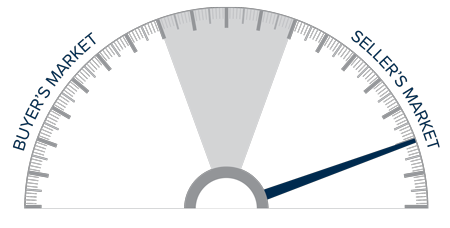
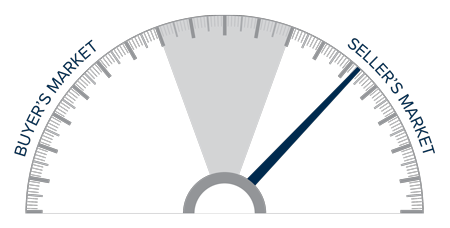
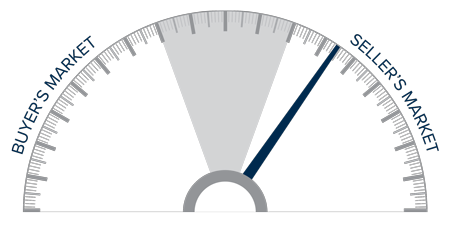
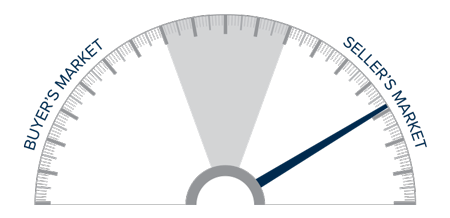
This speedometer reflects the state of the region’s real estate market using housing inventory, price gains, home sales, interest rates, and larger economic factors.

Given the current economic environment, I have decided to freeze the needle in place until we see
a restart in the economy. Once we have resumed “normal” economic activity, there will be a period of adjustment with regard to housing. Therefore, it is appropriate to wait until later in the year to offer my opinions about any quantitative impact the pandemic will have on the housing market.


ABOUT MATTHEW GARDNER

As Chief Economist for Windermere Real Estate, Matthew Gardner is responsible for analyzing and interpreting economic data and its impact on the real estate market on both a local and national level. Matthew has over 30 years of professional experience both in the U.S. and U.K.

In addition to his day-to-day responsibilities, Matthew sits on the Washington State Governors Council of Economic Advisors; chairs the Board of Trustees at the Washington Center for Real Estate Research at the University of Washington; and is an Advisory Board Member at the Runstad Center for Real Estate Studies at the University of Washington where he also lectures in real estate economics.

Market News May 4, 2020

Matthew Gardner Weekly COVID-19 Housing & Economic Update: 5/4/2020