Design December 2, 2020

10 Tips to Upgrade Your Bedroom

We spend roughly a third of our lives asleep, so it’s only right that bedrooms be high on the priority list when it comes to home upgrades. Whether you’re looking for extra comfort or added liveliness from your personal sanctuary, these 10 simple tips will level up your bedroom.
10 Tips to Upgrade Your Bedroom

1. Bed Feng Shui

By incorporating some basic feng shui principles, your bedroom will automatically feel more comfortable. Position the head of your bed against a wall with ample surface area and room on the left, right, and foot of the bed. Avoid a bed position where doors can open directly into the bed. Finally, avoid the “coffin position,” where your feet point out a doorway.

2. Bedroom Textures

Sheepskin rugs, a down comforter, plush pillows, and knit blankets can add a softness to the room that will make you want to sink right in. Lift these textures upward, with a canopy, tufted headboard, billowy curtains and hanging textiles so even the walls and ceiling feel snuggly.

3. Declutter Under Your Bed

There may not be any monsters under your bed, but if it becomes a clutter nest, it can feel just as frightening. If you depend on the space under your bed for storage, organize it with storage bins.

4. Add Mood Lighting

Soften the light to mimic dusk for an intimate mood with dimmer switches, lamps, lanterns, or even string lights. Bedside lamps are a must-have for your nightstand arrangement. Whether you prefer to read books or watch shows and movies before you sleep, you won’t have to get out of bed when it’s time for lights out.

5. Breathe Easy in Bed

Aromatherapy can have a huge impact on your perception of a space, so find some soothing essential oils or a sweet candle to blanket the room with an ambiance you adore. As soon as you open the door, you’ll be eager to plunge into your little oasis.

6. Bedroom Multi-Functionality

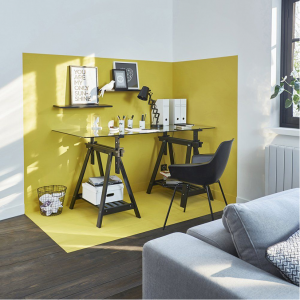
These days, your bedroom may very well have taken on an additional role as a home office, or even your home gym. Accordingly, multifunctional items can help organize the chaos. Explore desks that double as nightstands, storage ottomans, lift-top side tables, or even loft beds.

7. Upgrade Your Decor

Choose natural and warm decor options like wood and comfortable fabrics to bring your bedroom together. Your bedroom is your own personal sanctuary. The more natural and comfortable it feels, the better chance you’ll have of getting the consistent sleep you’re dreaming of. Décor like wood blinds, elegant curtains, thick blankets, shiplap, and the like will help deliver that sanctuary feel.

8. Bedroom Colors

Your bedroom’s colors have significant say in the overall feel of the room. For ultimate comfort, natural, earthy color palettes work best to bring an element of rejuvenation and healing to your bedroom. Think of soft reds, soothing blues, earthy browns and off-whites. These warmer, organic color palettes are trendy, as well.

9. All-White Bedroom Color Tips

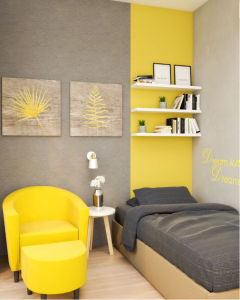
For those who prefer their bedroom to feel like sleeping on a cloud, choosing an all-white color palette is the way to go. Any splashes of color will go a long way against the white backdrop. Colorful throw pillows, rugs, and decorative items will pop, while maintaining that spa environment you’re after.

10. Upgrade Your Plant Life

For a more natural feel to your bedroom, add some plant life throughout the space. Succulents, hanging baskets, and flower arrangements with fit right at home in your bedroom, improve your air quality, and bring a touch of the outdoors.


There isn’t one solution for the perfect bedroom, but these tips can guide your decision process to determine what upgrades will help you sleep soundly and wake up feeling refreshed. Make a list, get to work, and sweet dreams!

More December 1, 2020

GivingTuesday 2020: Donate Through Your Local Windermere Office

After shopping for everyone on our holiday lists this year, let’s remember those in our communities who need our support. This GivingTuesday, you can help low-income and homeless families in your community by making a donation to the Windermere Foundation via your local Windermere office.

GivingTuesday – December 1, 2020

GivingTuesday is a global generosity movement created in 2012 to unleash the power of people and organizations to transform their communities and the world—a day to encourage people to do good. It inspires generosity of all scales, whether it’s taking a stand for an issue you care about or simply making a neighbor smile. The organization now operates in over 70 countries and has touched hundreds of millions of lives.

The Windermere Foundation

Since 1989, Windermere Real Estate has been dedicated to helping our communities through the Windermere Foundation, whose mission is to provide support to low-income and homeless families. To date we have raised over $42.5 million, with more than $1.6 million coming in 2020 alone. This year for GivingTuesday, you can donate to your neighbors in need through the Windermere Foundation by designating your funds to your local Windermere office.


For more information on GivingTuesday and how you can participate, visit their website here: GivingTuesday FAQ. To find out more about the Windermere Foundation or to make a donation, please visit windermerefoundation.com.

Living November 30, 2020

How to Childproof Your Home

Whether your household includes a newborn, toddler, or young child, your home has the potential to pose a risk to their safety if not properly childproofed.

There’s no stopping a child’s curiosity. Using safety latches on cabinets and blocking your staircase with a gate is a good start, but there are other potential hazards around your home to account for. Let the following steps be a guide to keeping your little ones safe as they take their first steps around your home.


Childproof Against Potential Hazards


Water heater: A major concern for parents is that their child will burn themselves. One of the most common culprits is the water heater. To avoid burning accidents, keep your water heater set to less than 120 degrees.

Crib safety: Cribs are a place of comfort for your child, but they are not free from potential hazards. As soon as they can sit up, you’ll want to lower the crib height. The less objects in the crib, the better. Additional blankets, pillows, and toys pose risks for getting tangled up or choking.

Heavy objects: As your child grows, they will be able to reach higher and tug at furniture. Any heavy objects sitting on tables or shelving within their reach should be moved somewhere safe. Any unstable items on TV stands and bookshelves should be secured or removed as well.

Household chemicals: Household chemicals pose serious risks to the health and safety of your children. Do not keep poisonous materials under the sink or anywhere easily accessed by your little ones.

Exposed wiring: Any exposed wires in the home should be taken care of immediately. Use power strips to consolidate your wiring and hide them behind heavy furniture. If you need to keep your power strips accessible, buy power switch covers.


A family and their dog spend time in the kitchen.

Shot of a young family spending quality time in the kitchen at home.


Childproof Room-by-Room


Childproof your living room: Keep all photo frames high up and out of your child’s reach. Accidents with glass can cause serious harm. If possible, mount your TV to a wall. This avoids any possibility of your child climbing on a TV stand and hurting themselves. If you have a fireplace, keep it covered when not in use and lock the fireplace doors when having a fire.

Childproof their bedroom: As mentioned above, crib safety cannot be overstated. Windows should be opened no more than a few inches and should have a window guard. To reduce the risk of your child getting tangled up, install cordless window blinds in their room.

Childproof your kitchen: We love our kitchens, but they can be the perfect recipe for disaster with a young child present. Keep your kitchen gated and secure your cabinets and drawers with a lock, using either traditional latches or magnetic locks. Keep your microwave, toaster, knives, blender, and any other countertop items out of reach. Remember to keep your dishwasher locked and consider buying stove guards to cover your stove knobs.

Childproof your bathroom: You’re likely to have cleaning supplies and other harmful chemicals stored in your bathroom. Keep all cleaning supplies, medicine, and toiletries locked up or well out of your child’s reach. Keep in mind that even a little standing water is enough to send your little one crashing to the floor. Be sure to keep the floor dry and clean up quickly after showers and baths. Hair dryers and curlers can cause severe burns, so remember to unplug and stow them away after use.


With a young child in the home, it’s easy for parents to become paranoid thinking of all the potential dangers and how to mitigate their risk. These are just some of the steps you can take to provides a safer home environment for your child. For more, visit the U.S. Consumer Product Safety Commission’s (CPSC) website here: Childproofing Your Home – CPSC

Market News November 23, 2020

Matthew Gardner COVID-19 Housing & Economic Update: 11/23/2020


We’re back with another episode of “Mondays with Matthew,” with our chief economist, Matthew Gardner. This week he’s diving deep into the dark corners of the latest US home sales data.

Hello there and welcome to the latest episode of Mondays with Matthew. I’m Windermere Real Estate’s Chief Economist, Matthew Gardner.

Today we are going to focus on last Thursday’s data release for US existing home sales activity in October, so let’s get straight to it.


Line graph showing U.S. home sales over the past two years


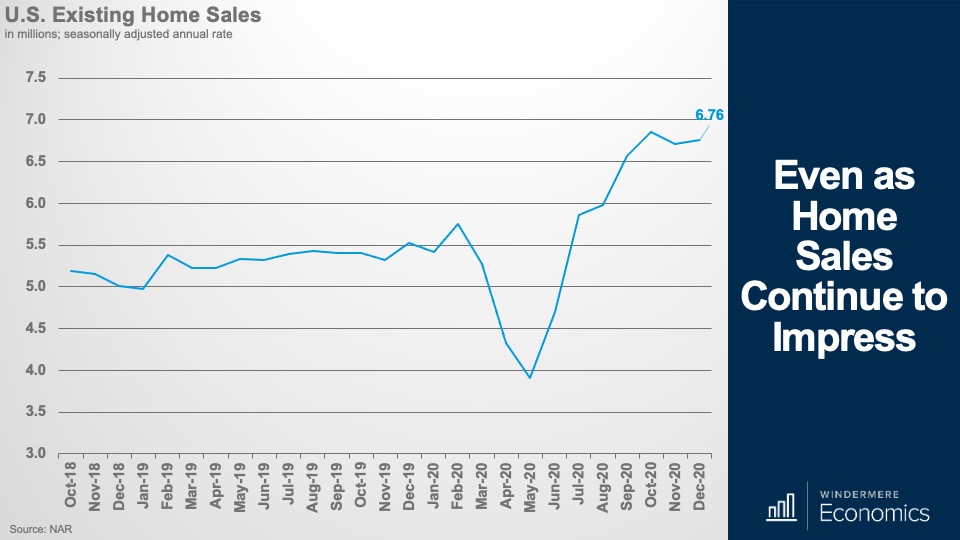
Well, if anyone out there was still thinking that the market was set to slow, they will have to wait a little longer. Existing home sales rose for the 5th consecutive month to an annual rate of 6.85 million units – and that’s up 4.3% from September and sales were 26.6% higher than we saw a year ago.

And it’s not just the annual rate that rose, as monthly sales came in at 573 thousand – and that’s the highest monthly figure since the market “snapped back’ in July following the initial COVID-19 shutdown.


Bar graph showing the U.S. media sale price of existing homes


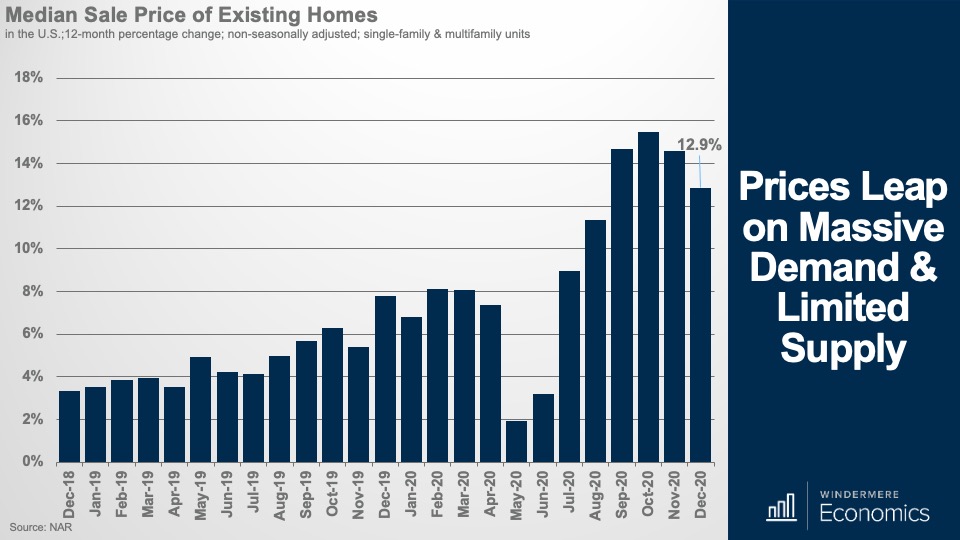
And with sales rising, so did prices, with the median price in October measured at $313,000 and that’s up by a massive 15.5% from a year ago and we haven’t seen that pace of price growth since 2006 and it was also the 104th straight month of year-over-year price gains.


Line graph showing U.S. inventory of homes for sale


And we are seeing these significant increases in prices not just because mortgage rates are low – although that certainly isn’t hurting – but the bigger reason is that there’s far more demand than there is supply and, if you remember your college economics classes, what happens to prices when you have limited supply but net new demand? That’s right, they rise.

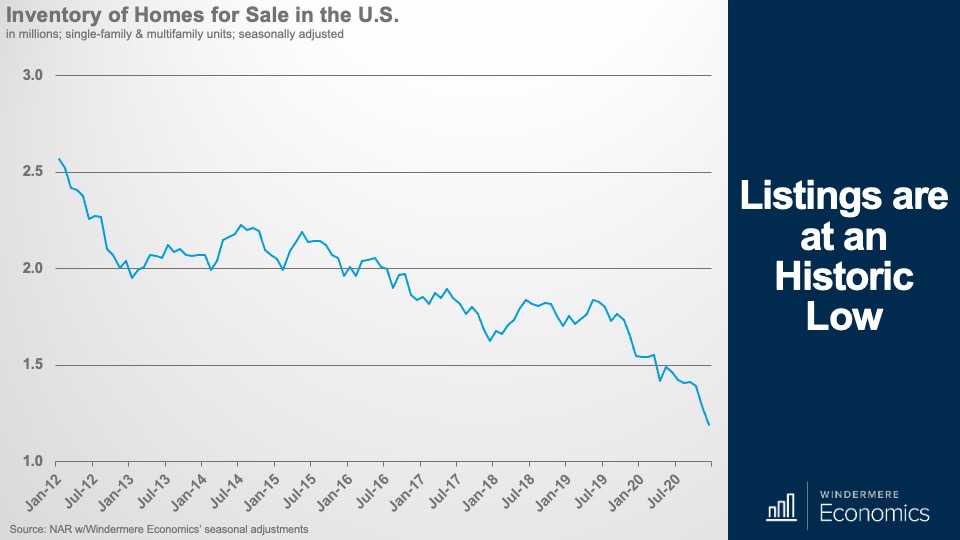
And as you can see here, there were fewer than 1.4 million homes for sale in October – now, I must add that I seasonally adjust my numbers and NAR doesn’t, but even if you use their figures there were just over 1.4 million homes for sale last month so it’s not much better.

And with tight supply and new demand, their is only 2.7 months of inventory at the current sales pace – and that’s an all-time low.

A balanced market – depending on where in the country you are, is between 4 and 6 months so we are a long way from balance.


Bar graph showing number of offers per home for sale in the U.S.


And to give you a different way to see how competitive the market is, there were an average of almost three and a half offers for every deal that was written last month. Additionally, 7 out of 10 homes sold within four weeks and the median market time coming in at just 21 days – it was 36 days a year ago.


U.S. map showing the annual rate change of home sales


Regionally, sales rose the fastest in the small Northeast region, but all areas saw sales up by over 20 percent.


U.S. map showing the rate change of median home sale prices


And when we look at sale prices, again, very significant increases across the board. I would note that the Northeast saw the greatest price increases for single-family homes – up 21.7% and condo prices rose the most in the Southern states where prices were up by 13.9% year over year.

Well, that’s the big picture, but you know me, I do love to dig into the dark corners of these data releases and, when I did, I found some pretty interesting nuggets there too.


Bar graph showing the yearly change in inventory for single-family homes


I mentioned single-family and multifamily price growth a moment ago, and when we break out the data, the supply numbers were interesting. Here is the year over year change in available inventory and its not surprising to see the number of single-family homes for sale way down but look at condos. Inventory is higher than it was a year ago.

Now, I think it’s too early to suggest that this is wholly due to COVID-19 and families flocking way from our urban centers, but I will be watching to see if this is an anomaly, or the start of a trend.


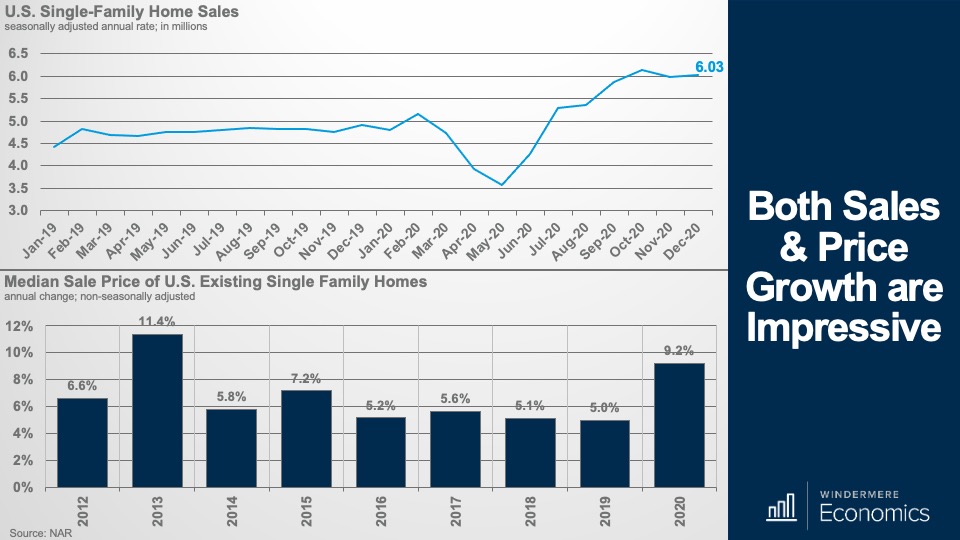
Line graph showing U.S. single-family home sales


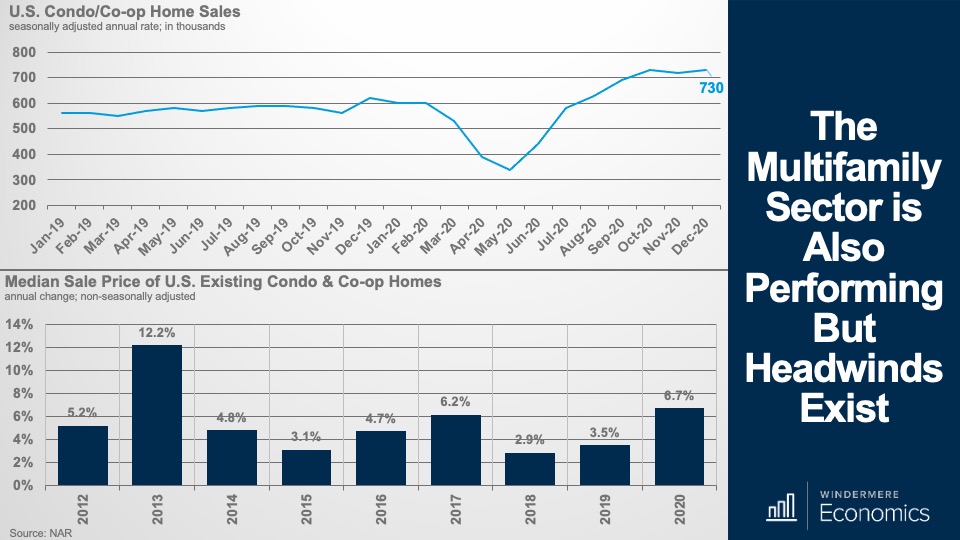
And my first reason for not being overly concerned about the condo market is this. Sales are still rising – up by 5.8% versus September and up by 25.9% year over year – even in the face of increasing inventory.

And single-family sales were up by just a little more – 26.7% year over year, but the month over month pace of single-family sales was actually lower than condos and came in 4.1% higher than in September.


Bar graph showing the yearly change in median sale price of single-family homes


And finally, condo prices are still trending higher after turning negative at the outset of COVID-19 – up 10.3% year over year to $273,600.  Not quite the pace of price growth seen in the single-family world where the median sale prices were up by 16% to $317,700, but not bad at all.

So, there you have it and I think you’ll agree, these were pretty impressive numbers across the board. Certainly, no sign of a slowdown but, as I suggested earlier, I will be watching the multifamily market to see if inventory levels continue to rise and, if they do, we may see price growth starting to slow even if the single family market continues its upward trajectory.

But, again, I must reinforce my view that this pace of price growth is absolutely not sustainable. Of course, very favorable mortgage rates are still in place. In fact, the 30-year hit another all-time record low last week at 2.72%, but I still believe that we are close to the lows that will be seen in this cycle –we’re just not there yet.

Housing continues to outperform with first time buyers still out in force (32% of all sales went to them) and demand for second homes appears solid too – they accounted for 14% of all sales – a figure that matches October 2019 so no visible signs of COVID-19 stress there either.

The bottom line is that something has to give. I am not saying that prices will retreat, rather the pace of growth has to slow even with very significant demand, and it will happen because of one of two reasons or maybe a combination of both.

Either we will hit an affordability ceiling, which will slow the price increases that we are experiencing OR we will see additional supply which will temper prices.

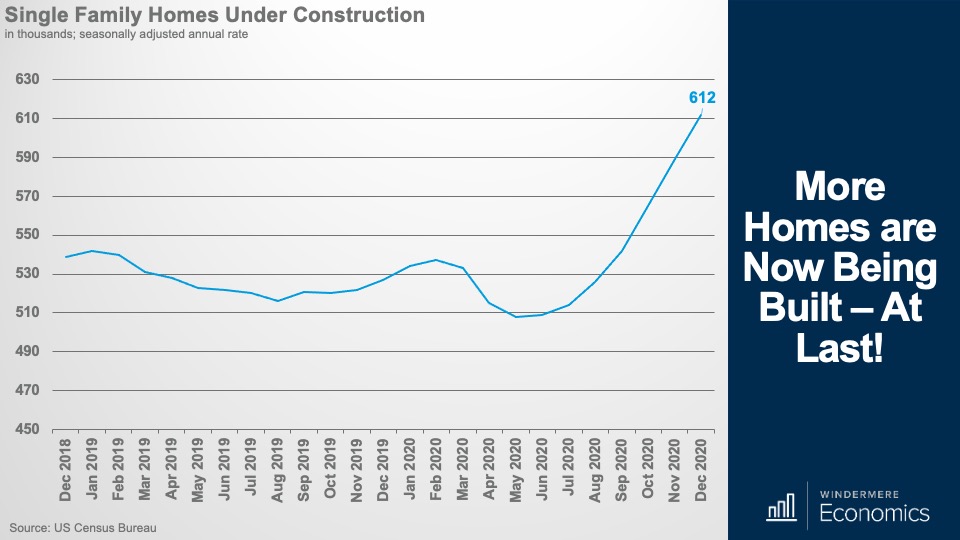
You see, although I find it highly unlikely we will see a significant increase in the number of resale homes coming to market, I do see builders stepping up and developing more homes.

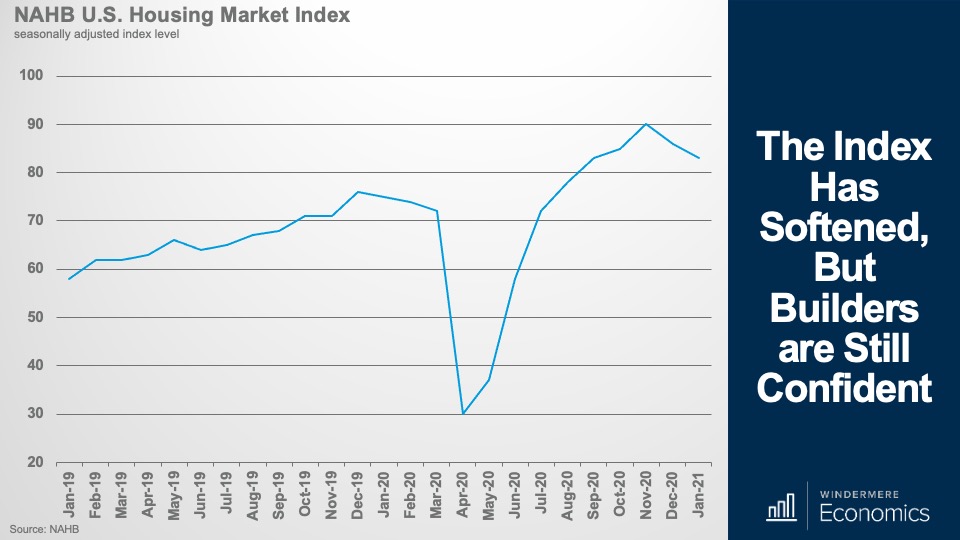
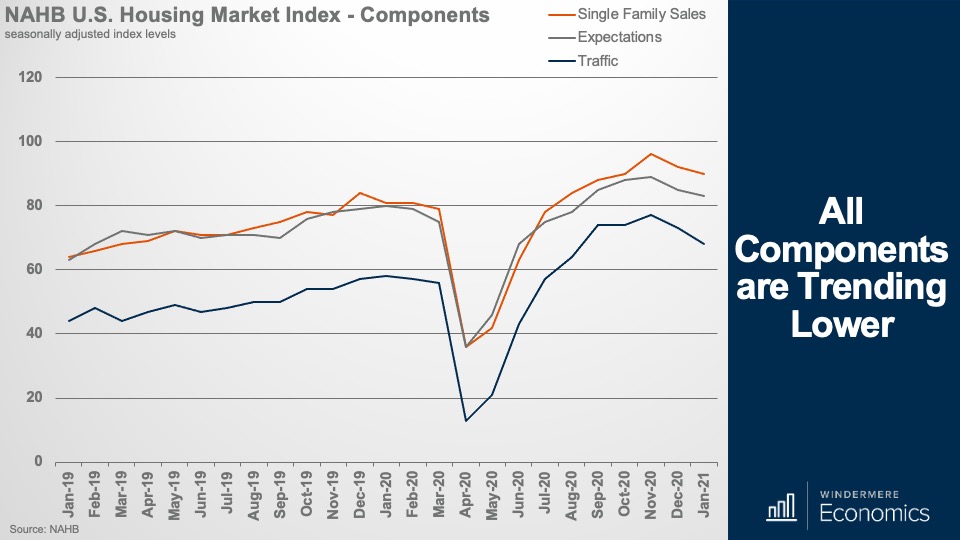
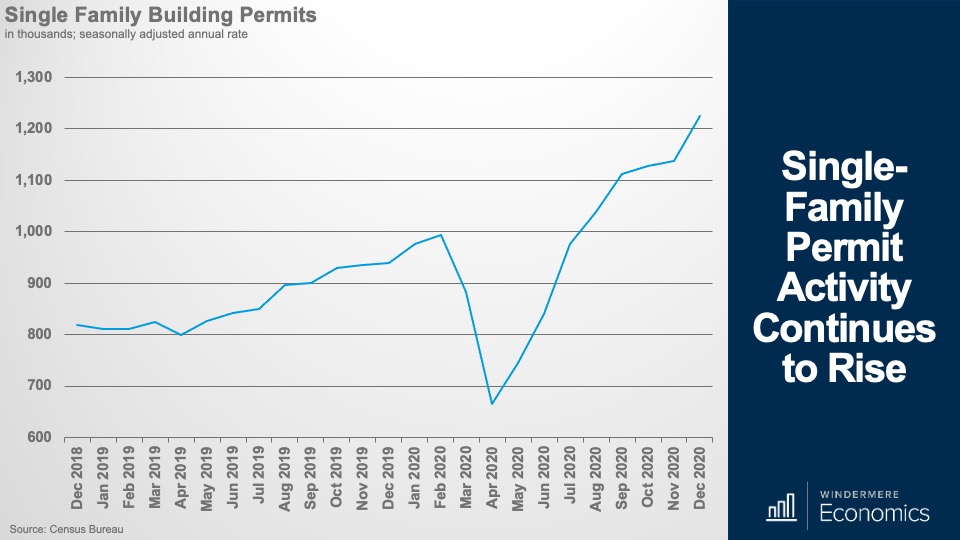
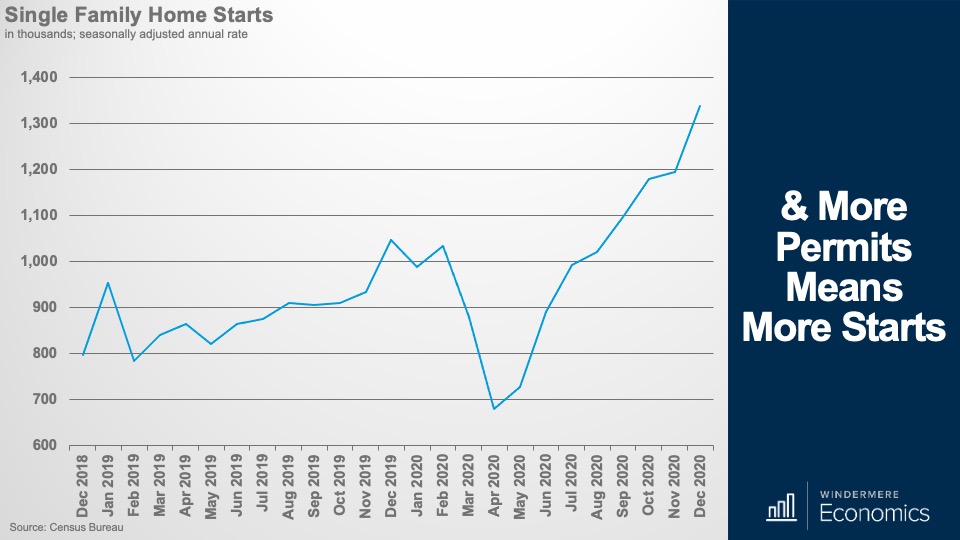
You see, builders are getting bullish – and we know this from the National Association of Homebuilders Market Index which hit another all-time high earlier this month and I believe that this optimism will lead single-family starts to stay well above 1 million units next year and rising even more after that, which will be a relief to some buyers who remain very frustrated by the limited inventory available.

But I am getting ahead of myself.

You see, in 2 weeks’ time I will be sharing my 2021 US housing forecast with you all so I really shouldn’t give too much away right now.

The housing market is still performing – COVID or no COVID – and this will continue as we close out the year even if we see some States slowing their economies as new coronavirus rates spike.

As always, if you’ve got any questions about my comments today, I’d love to hear from you but in the meantime, take care out there, and I hope that you will join me again in 2 weeks when I will be revealing my US housing market forecast for 2021.

Bye now.


Design November 18, 2020

Simple Kitchen Makeover Ideas

Kitchen makeovers sit atop many homeowners’ wish lists, but they can be stressful and costly. However, there are simple projects you can tackle that will give your kitchen the look and feel of a total overhaul without breaking the bank.


Simple Projects

Backsplash

Giving your backsplash a makeover can do wonders for your kitchen. Get creative with colors or patterns that accentuate your home. Subway tiles are a common choice for a clean look. For homeowners looking to make more of a statement, mirrored and metallic finishes have become more popular in recent years. If your kitchen is in need of color, look to your backsplash project as an opportunity to brighten it up.

Lighting

Lighting is the gateway to changing the mood of your kitchen in an instant. Experiment with new light switch covers that emphasize your kitchen’s color palette. If you’re looking for a new centerpiece, linear pendant lights will deliver that coveted farmhouse feel. For a more regal look, explore chandeliers for a classy feel.

Freshen up your colors

Adding color is an affordable way to liven up your kitchen. Look for vibrant cookware and dinnerware and use open shelving to give some color splashes at eye level. Because of their large surface area, kitchen islands are a great place for color. Try painting around the exterior or the countertop to turn it into an eye-popping feature.


Organization

Drawers and Cabinets

Look for simple solutions that will work in your newly made-over kitchen. Drawer dividers can do wonders for creating space and staying organized. The insides of cabinet doors make a great home for spice racks. Set aside time to dig through your drawers and cabinets. Sort out what you need to get rid of and what will stay as you declutter.

Overhead Storage

A common space-saving tactic in restaurant kitchens is to hang pots and pans. This keeps heavy hardware organized, frees up cabinet space, and brings a touch of décor to your kitchen. Explore the different styles to fit the look of your kitchen including stainless steel, wood, copper, and more.


Things to Keep in Mind 

If you’re looking to incorporate some bigger projects into your kitchen makeover, be sure to keep the following tips in mind to stay on budget and on schedule.

Buying cheap can be costly

When it comes to appliances, flooring, cabinets and other fixtures of your kitchen, it may be tempting to say yes to cheaper options. However, cheap materials and appliances can break easily and often require extra maintenance, which can lead to greater costs in the long run. If something is slightly more expensive but still fits in your budget, know that the higher quality will likely pay off.

Choose your appliances early

It’s easy to direct your attention to cabinets and countertops in the beginning stages of your remodel. However, the last thing you want to have happen is to pick those out first, only to discover that they don’t leave enough room for your dishwasher or refrigerator. Be sure to select your major appliances first, then build around them.

Consult professionals when applicable

For homeowners who are passionate about their home, it can be easy to get a little obsessive when it comes to remodeling. If you are unsure about how to proceed at any point in the process, consult a professional to guide you in the right direction. It may be helpful to seek the opinion of multiple experts and compare their answers to find the best solution.


These ideas offer simple ways to freshen up the heart and soul of your home. Whether your household is big or small, choose your projects, set a budget, and have fun improving your kitchen.

Living November 16, 2020

Hosting for the Holidays

Whether you’re planning on having visitors fill your home with holiday cheer or keeping the holiday celebrations to a minimum, there are steps you can take to reduce the stresses of gatherings during the COVID-19 pandemic. Many homeowners have become accustomed to applying the following principles to their at-home lifestyles thus far this year, and this holiday season is no different.


Disinfect

The first step in getting your home ready for the holidays is to disinfect. When preparing to host, it’s natural to tidy up your home and give everything a cleanse with soap and water. However, additional measures need to be taken this year to reduce the risk of spreading germs.

Proper disinfectants

The CDC (Centers for Disease Control and Prevention) recommends a 70% alcohol solution—or four teaspoons of bleach per quart of water—for reducing the chance of spreading COVID-19. Be sure to ventilate your home as you prepare to disinfect to avoid any harmful effects of toxins. After applying the bleach solution, let it stand for up to ten minutes before wiping it off.

Surfaces

The most problematic surfaces for germs are high-touch areas. Doorknobs, banisters, toilets, sinks, refrigerator and door handles, light switches, and faucets are all likely candidates for spreading germs, so be sure to direct your disinfecting attention there.

Your guests

In any event itinerary or reminders you send out, make sure to emphasize the importance of frequent hand washing, especially before and after touching communal items and eating. On the day your visitors come over, provide plenty of disposable towels and hand sanitizer in eating areas, food-prepping stations, and bathrooms. Place garbage cans nearby to reduce contact.


Keep a Distance

As the host, you have the opportunity to create a cozy, comfortable environment that still leaves room for practicing social distancing and other preventative measures. Know that indoor gatherings with poor ventilation pose a greater risk than those with good ventilation and that indoor gatherings are altogether more risky than outdoor. Members of different households should remain six feet apart to reduce the chance of spreading infection. Encourage masks to be worn at all times except when eating.

If you are planning an outdoor gathering, get creative with your lighting décor while adding some warmth for your guests. Space heaters, patio heaters, parasol heaters, and propane fireplaces have become more popular as homeowners look for ways to entertain safely and comfortably.


Virtual Gatherings

If in-person gatherings are too risky for you and your family, virtual gatherings are a way to celebrate with friends and extended family members while being apart. Here are some ideas for hosting virtually this holiday season:

  • Choose fun activities for the group to share virtually. Arrange a time for a virtual gift exchange, sharing the gifts you’ve bought each other.
  • Try a virtual recipe share with friends and family. Send out a recipe for everyone to enjoy and schedule a video call to share in the cooking process.
  • Select a movie and showtime to have everyone settle in with their cup of hot cocoa or tea and enjoy a flick together.


No matter the size of the gathering in your home, these steps will help you navigate the stresses that come with hosting celebrations. For more information and advice for gatherings during what will be a unique holiday season, visit the CDC’s website here: CDC Guidelines for Holiday Celebrations

More November 13, 2020

November is Homeless Youth Awareness Month

In 2007, November was declared National Homeless Youth Awareness Month to shine a light on the homeless experiences of young people and their families. The Windermere Foundation supports the following organizations dedicated to supporting youth in their communities, all of which are providing ways to give back during the COVID-19 pandemic. To support these organizations, donate to the Windermere Foundation through your local Windermere office to ensure community funds help community needs.


New Avenues for Youth – Oregon

The Windermere Foundation has supported New Avenues for Youth in their mission to address youth homelessness in Oregon, providing services like education, job training, counseling, and supportive housing.


Partners Mentoring Youth – Colorado

Based in Fort Collins, Partners Mentoring Youth has empowered youth and community members to reach their full potential through mentoring, prevention, education, and strategic partnership since 1978. Since that time, the organization has continually expanded their mission and programming to fit the needs of their community and are continuing to do so in the face of COVID-19.


The Mockingbird Society – Washington

The Mockingbird Society is dedicated to getting youth into safe, supportive and stable homes by transforming foster care. Magnifying the inequalities faced by young people and families experiencing foster care and homelessness, the COVID-19 pandemic has heightened the need for the organization’s work. The Mockingbird Society is supporting young people who have lost jobs and/or housing, while providing trauma training and delivering emergency policy guidance to families.


Boys and Girls Clubs of America

Supported by the Windermere Foundation across our network, the Boys and Girls Clubs of America enables young people in need to reach their full potential. During the pandemic, the organization has partnered with local clubs to develop a national strategy to serve their local communities.


YMCA

Present in neighborhoods throughout our footprint and more than 10,000 communities nationwide, the YMCA is committed to helping communities to learn, grow and thrive, while empowering youth to reach their full potential. The Y has stepped up their emergency food services programs to address increased community need.


Beyond the organizations highlighted here, the Windermere Foundation also supports YouthCare (Seattle, WA), Bridge Meadows (Portland, OR), and the North East Youth Center (Spokane, WA), all dedicated to serving youth in their communities. For more information on how you can support homeless youth in your community, talk to your Windermere agent about what organizations are being supported locally.


To find out more about the Windermere Foundation or to make a donation, please visit windermerefoundation.com.

More November 11, 2020

Windermere Launches Redesigned “People First” Website

Windermere Real Estate has launched a redesign of its website Windermere.com as a part of the company’s brand refresh evolution that started with new logos and more modern branding two years ago, followed by the launch of the company’s “All in, for you” brand campaign in 2019.

Windermere Marketing VP Julie Dey said it was the “All in, for you” campaign that guided the redesign of Windermere.com, mirroring the people-first approach that emphasizes the relationships Windermere agents have with their clients. This includes a wide variety of people-focused photography and videos, as well as real-life stories about the great lengths Windermere agents will go for their clients. The Windermere.com home page also features the recently launched Human Algorithm video which tells the story of how Windermere agents bring their client’s unique vision of happiness to life.

“While most real estate websites are heavy on imagery of homes, we’ve chosen to go in an entirely different direction,” said Dey. “In fact, the only images of homes you’ll really find on our site are in the search results, because for us, real estate is first and foremost about relationships and personal connections. And that’s what we hope our website reflects.”

Dey added that the new site was originally intended to launch over the summer but was delayed so the company could work with Portland, Oregon-based agency Smith + Connors who specialize in inclusive and future-forward marketing. Dey said the agency was hired to evaluate Windermere’s website and digital marketing products through a Diversity, Equity, and Inclusion lens.

“As a part of Windermere’s strong commitment to DEI, we felt it was important to take a pause and bring in some experts to make sure we were living up to our goal to foster a sense of belonging,” said Dey. “We think the end result illustrates that our people-first approach is focused on inclusivity.”

In addition to the redesigned branding, Windermere.com features a new blog and content pages focused on the buying and selling process, home value estimates, its community involvement, and Windermere Chief Economist Matthew Gardner’s latest economic reports and commentary.

Buying November 11, 2020

A Guide to VA Loans

VA loans provide a path toward homeownership for active service and veteran personnel and their families. The following serves as a guide to understanding what they are, who they are available to, and what types of loans are available to them.

VA loans can be confusing, so talk with your Windermere agent as you prepare to discuss your options with your lender. “Even people in the military have misconceptions about (VA loans),” said Windermere agent and Veteran Gervon Simon in a recent episode of our “Ask An Agent” series.


What Are VA Loans?

The VA loan program was established by the United States Department of Veterans Affairs (VA) to help active service members, veterans, and surviving spouses become homeowners. VA loans are backed by the federal government yet provided by private lenders such as banks and mortgage companies. VA loans can be used to buy, build, or improve a home, or to refinance a current home loan.


How Do VA Loans work?

VA loans have appealing characteristics for homeowners including lower-than-average mortgage rates, zero down payment on the purchase price, no-prepayment penalties, limited closing costs, and no Private Mortgage Insurance (PMI). They are typically easier to qualify for than standard home loans. With VA-backed loans, they guarantee a portion of the loan from a private lender. This means less risk for the lender, often resulting in more favorable terms for the homeowner. You do not have to be a first-time homebuyer to receive a VA loan. VA loan limits vary by county, so be sure to work with your Windermere agent to determine the limit in your area.


Which Loans Are Available?


Purchase Loan

  • VA-backed purchase loans may be used to buy a single-family home, condo, manufactured home, or land. They also may be used to make energy-efficient changes to your home. Additionally, you can use a purchase loan to build a new home.
  • They offer no down payment, as long as the home’s sales price does not exceed its appraised value.
  • There is no need for PMI or mortgage insurance premiums (MIP).


Native American Direct Loan (NADL)

  • For Veterans who are either Native American or have a Native American spouse, the NADL can help to buy, build, or improve a home on federal trust land.
  • Beyond basic requirements of eligibility and credit standards, to be considered for the loan your tribal government must have an agreement—or Memorandum of Understanding (MOU)—with the VA. For more information on MOUs, visit this page: MOU Info


Interest Rate Reduction Refinance Loan (IRRRL)

  • The IRRRL is a refinancing tool for those with VA-backed home loans that are looking to reduce their monthly mortgage payments.
  • The IRRRL replaces a current loan, giving homeowners the ability to stabilize their repayment plans.
  • A VA funding fee may be required. Loan interest and closing fees will be charged by your lender but including these costs in your IRRRL will help you avoid paying the costs upfront.


Cash-out Refinance Loan:

  • The cash-out refinance loan allows homeowners to take cash out of their home equity or refinance a non-VA loan into a VA-backed loan.
  • In addition to your Certificate of Eligibility (COE), you’ll need to provide additional federal income tax information to your lender.
  • A home appraisal will be ordered by your lender. Similar to an IRRRL, a VA funding fee may be charged at closing. Follow their closing process and pay all closing costs.


For more information on the different types of VA Loans, eligibility, and more, visit the Veterans Affairs website here: VA Loans

Market News November 3, 2020

Hawaii/Maui Real Estate Market Update

The following analysis of select Maui real estate markets is provided by Windermere Real Estate Chief Economist Matthew Gardner. We hope that this information may assist you with making better-informed real estate decisions. For further information about the housing market in your area, please don’t hesitate to contact your Windermere agent. 


ECONOMIC OVERVIEW

COVID-19 continues to significantly impact employment on Maui, causing the loss of 23,000 jobs between February and September. That said, although it really is no consolation, employment has risen by 900 jobs from the low in May. The mandatory 14-day self-quarantine proclamation introduced by Governor Inge has been replaced with a pre-travel testing option. Hopefully this will lead to increased tourism, which is the backbone of Maui’s economy. The unemployment rate on the island hit a very high 35.8% in April. This has dropped to the current rate of 24%, which is still high. I will temper enthusiasm about this improvement by saying that much of the decline was due to a significant reduction in the labor force. All of the Hawaiian Islands are suffering, but a bottom in employment has been reached. That said, I am not holding out any hope of significant job recovery until next year when a vaccine is freely available—and being used.


HOME SALES

❱ In the third quarter of 2020, 487 homes sold, a drop of 19.8% compared to the same period a year ago, but 36.8% higher than in the second quarter of this year.

❱ Sales did rise in the Central area, but the increase only amounted to one additional sale. The largest drop in sales was again in South Maui, where 98 fewer transactions closed compared to a year ago.

❱ Listing activity rose 14.7% compared to the same quarter in 2019 and was 10% higher than in the second quarter. This increase in the choice of homes for sale appears to have helped increase sales from the second quarter.

❱ Pending home sales were 2.2% lower than a year ago but they were a significant 49.3% higher than in the second quarter of this year. This means closings in the final quarter will likely be positive.


Graph showing the annual change in home sales q3 2019 compared to q3 2020 in the different areas on Maui, Hawaii


HOME PRICES

❱ As we saw in the second quarter, the average home price on the island rose 14.7% from last year to $1,030,000 and was 5.7% higher than in the second quarter of this year.Heat map of the areas in Maui and the changes in home sale prices.

❱ Affordability is still a significant issue, but prices continue to appreciate. It is possible that buyers from the mainland are seeking out alternatives to traditional hotel or rental home vacations and are choosing to buy instead.

❱ Price growth was a mixed bag, with prices rising in three areas and dropping in two. The Westside and South Maui saw significant price growth, but the North Shore market experienced a major price drop. I am not particularly concerned about this as it is a very small area.

❱ The takeaway here is that price growth was very positive regardless of the economic issues that persist.


Graph showing the annual change in home sale prices from q3 2019 compared to q3 2020 in the different areas in Maui.


DAYS ON MARKET

❱ The average number of days it took to sell a home on Maui dropped 18 days compared to the third quarter of 2019.

❱ The amount of time it took to sell a home dropped in the Westside, North Shore, and Up Country but rose in all other areas.

❱ In the third quarter, it took an average of 54 days to sell a home, with North Shore homes selling at the fastest pace. It is taking the longest time to sell in South Maui.

❱ Market time not only dropped relative to a year ago, it also took 16 fewer days than in the second quarter. This is positive and shows there is demand from buyers.


Graph showing the average days listings were on the market in each area in Maui, Hawaii


CONCLUSIONS

Spedometer with Buyers Market on the left and Sellers Market on the right with the needle pointing toward Sellers market. This speedometer reflects the state of the region’s real estate market using housing inventory, price gains, home sales, interest rates, and larger economic factors.

Unsurprisingly, the island is still reacting to the influences of COVID-19. Demand, although down from a year ago, was up relative to the second quarter, which is good. The pandemic will continue to influence the direction of the housing market and, as I suggested would be the case in the second quarter Gardner Report, there does appear to be some sort of return to a more normal market.

Price growth was significant, and sales rose in the quarter. As such, I am moving the needle back a little more in favor of sellers.


ABOUT MATTHEW GARDNER

Headshot of Matthew GardnerAs Chief Economist for Windermere Real Estate, Matthew Gardner is responsible for analyzing and interpreting economic data and its impact on the real estate market on both a local and national level. Matthew has over 30 years of professional experience both in the U.S. and U.K.

In addition to his day-to-day responsibilities, Matthew sits on the Washington State Governors Council of Economic Advisors; chairs the Board of Trustees at the Washington Center for Real Estate Research at the University of Washington; and is an Advisory Board Member at the Runstad Center for Real Estate Studies at the University of Washington where he also lectures in real estate economics.