Facebook
 X
X
 Pinterest
 Copy Link
Preparing Your Garage for an Electric Vehicle

Electric cars help lower emissions and fuel costs, improve fuel economy, and bolster energy security. And considering the volatility of gas prices—and their general skyward trajectory—electric fuel shows promise as an economic alternative.
But switching to an electric vehicle entails more than new driving habits and a conversation piece with strangers. It’s also a lifestyle update.
Eco-friendly Upgrades to Consider When Buying a Home

Buying a home is one of the largest investments you’ll make in your lifetime, which is why it’s important to take a long-term approach when looking at potential properties. In addition to imagining what your living situation will be over the next few decades and how your future home will accommodate it, you may also want to consider the impact you and your household will have on the environment.
Whether you’re buying a fixer-upper, a home that is move-in ready, or something in between, here are some eco-conscious things to consider as you’re shopping for a home.
HVAC Systems
How you heat and cool your home’s interior is one of the biggest contributors to your energy expenditure.
As you look at homes, be sure to look at the furnace, heat pump, or AC unit. Are they up to date or could you replace them with something more efficient? If you have the opportunity, check to see how well insulated the house is. If that’s not an option, be sure to ask during the home inspection to see if there is enough to keep your home warm in winter and keep the heat out during warmer weather.
If you are one of the many would-be homeowners who are considering going solar, look for homes that have a significant area—usually the roof—that faces to the south and isn’t obstructed by trees or taller houses.
Appliances
In most cases, the home you purchase will come with the appliances that are already in it. Do the homes you’re viewing have Energy Star-certified appliances in the kitchen and laundry room? If not, is upgrading to a more energy-efficient oven, refrigerator, washing machine, or dryer in your budget?
. And be sure to look for rebates or tax credits in your city or state that reward these kinds of upgrades.
Windows
It doesn’t matter how efficient your heating and cooling systems are if your windows are letting the air escape through leaks in the seals or old, thin glass. Upgrading to properly sealed dual-paned windows can seem costly, but the savings in energy bills will quickly show an ROI. Tax credits and rebates may apply here as well.
More: Top Things to Consider When Choosing Your Window Style
Roof
If the home you’re making an offer on needs a new roof, you have lots of eco-friendly options to consider. Homes in sunnier climates could see energy savings by installing a “cool” roof that absorbs less heat due to its light or white color. Today’s roofing can be made of reclaimed materials, including recycled shingles, slate, or tile. These may cost a little more, but the peace of mind you get from keeping these things out of landfills is priceless.
If you’ve got a green thumb and want to show it off with the top of your house, a living roof may be right for you. Living roofs rely on native vegetation to both clean the air and insulate the home as well as absorb rainwater. This kind of roof is best for houses with less of an angled profile and that have easy access to the roof for regular maintenance.
Landscaping
The greenest yard isn’t the one with the most luxurious grass; it’s the one that requires the least amount of water and chemicals to maintain. Native plants and xeriscaping are natural choices for low-maintenance outdoor spaces. You can also consider gravel, paving stones, or turf instead of grass and decorate with large rocks or reclaimed wood. Trees that shed their leaves in the fall provide shade in the summer months, habitats for hibernating animals and insects in winter, and mulch for the rest of your yard in the spring.
More: Landscaping Tips that Can Increase Your Home’s Value
Water Heater
We all love a warm shower, of course, but traditional water heaters are one of the least efficient appliances in our homes. Heating up water takes a lot of energy and keeping it at a high temperature takes even more. Tankless water heaters, on the other hand, heat water on demand rather than wasting energy to maintain it. In addition to the energy savings, tankless water heaters mean you never run out of hot water—no more frigid showers!

5 Ways to Save and Reuse Water at Home

Think of all the ways you use water at home. Whether it’s meal preparation, laundry, or doing the dishes, we use a lot of H2O. In fact, the average U.S. household uses more than 300 gallons of water per day, with a majority of the water usage coming from three primary sources: the toilet, the shower, and the faucet. But there’s good news! Adopting more sustainable practices at home can cut down on wasted water and can save you money on your utility bills. Let’s take a look at some simple ways to use water more efficiently at home.
5 Ways to Save and Reuse Water at Home
1. Reuse Drinking Water
Dumping half a water bottle down the sink may not seem like a significant waste, but over time, discarding extra drinking water adds up. Use water from bottles and glasses to water plants or rinse a plate with it and give the kitchen faucet a rest. Water purifiers can help cut down on the amount of bottled water you purchase and ensure that you have a healthy water source available at all times.
2. Water Plants with Leftover Water
It takes a lot of water to get your pasta just right, or to wash your fruits and vegetables enough so they taste as fresh as possible. Can all this water go somewhere? Fortunately, yes! Reuse that pot full of pasta water to quench your plants in the garden. Collect the water used to wash your produce and shower your house plants with it. Instead of just pouring excess water down the drain and letting it go to waste, little methods like these give it a purpose.
3. Use Barrels to Collect Rainwater
Check local regulations before setting up a rain barrel to collect runoff from your gutters. But once you have the green light, you’ll be surprised at how quickly your rain barrels will fill up, especially if you live in a rainy climate. Remember that water can get very heavy very quickly. It’s important to support your rain barrel with a solid foundation, using patio pavers, plywood, or cinder blocks to prop it up and make it easy to access the spout. And don’t forget to empty it before the freezing temperatures arrive.

Image Source: Getty Images – Image Credit: Patrick Herzberg
4. Energy Star Appliances
Appliances are the true workhorses in a home, making our lives easier with how efficiently they tackle some of the most common household chores. However, some appliances are more efficient than others. Energy Star products are more efficient than other home appliances and are also held to a higher standard of efficiency by the U.S. Environmental Protection Agency (EPA). Next time you’re shopping for home appliances, look for the Energy Star badge on certified devices. These special products will help you save water with every cycle.
5. Garden Irrigation
Water is the lifeblood of a healthy, thriving garden, but there are ways to use water more efficiently in your garden beds. It starts with the plants you choose for your garden. Plants that are naturally acclimated to your local climate with thrive more easily. Group plants together based on the amount of water they need, so you don’t waste water running from one end of your garden and back with the hose running. Healthy soil is key to proper plant hydration, so it’s worth your energy as a gardener to focus on making your soil as rich and fertile as possible.
For more information on sustainable practices, cleaning tips and more, visit the Living section of our blog:
Featured Image Source: Getty Images – Image Credit: Erdark
6 Natural Cleaning Solutions for Your Home

The last thing you want to do when cleaning your home is spread chemicals around; your house won’t be as clean, and it can pose risks for the health of your household. Organic home cleaning products reduce this risk by relying on natural ingredients that can often deliver a deeper cleanse. You can find cleaning solutions like these browsing the aisles at your local grocery store. Here are a few common cleaning methods and how to apply them around your home.
6 Natural Cleaning Solutions for Your Home
1. Clean with Lemons
When life gives you lemons…clean! And then once your home is sparkling clean, make lemonade with the leftovers. Lemons are not only delicious in food and drinks, but their chemical makeup is tailor-made for cleaning your home. Mixing lemon juice and baking soda makes a powerful cleaning solution that can tackle most cleaning chores normally performed with a sponge. When combined with soap, baking soda, and water, lemons can also be an effective degreaser. Find a recipe online and get to cleaning naturally!
2. Use Vinegar to Clean Your Home
Beyond its culinary uses, vinegar is a fantastic cleaning aid for homeowners. Most people know it can clean, deodorize, and eliminate stains, but did you know it can eliminate small pockets of mold growth, too? Homemade cleaning recipes involving vinegar call for an equal-parts distillation with water. Once you’ve created your mix, go to town on the various surfaces throughout your home—bathroom sink, toilet, stovetop, countertops, etc.—and watch the cleaning magic take place. Test your mixture before application to make sure it doesn’t damage your surfaces.
3. Clean with Baking Soda
No kitchen cabinet is complete without a box of baking soda. Run half a cup of baking soda through your drains with hot water periodically to keep them from clogging. Add a few dashes on your sponge to supercharge your scrubbing efforts and save some elbow grease. Let it sit on greasy kitchen pans and pots for a few minutes before doing the dishes and watch the food gunk disappear. It can even polish metal, clean your shower, and absorb unwanted odors throughout your home. It truly is the natural cleaning solution with 1,001 uses.

Image Source: Getty Images – Image Credit: PeopleImages
4. Clean with Salt at Home
Salt is a staple of home life, but it can do more than garnish your meals. Indoors, it can help you with everything from removing coffee and wine stains to quickly cleaning up food spills in the kitchen. Simply sprinkle salt on the areas where food has spilled, let it sit for five minutes, and clean the mess away like magic. Another handy homeowner tip: mix 1 teaspoon of salt with a few drops of water to form a paste that can be used to remove rings left by glasses, mugs, and cups on wood.
5. How to Clean with Olive Oil
You’ve drizzled it on your salads and cooked with it, but did you know you can use olive oil to clean your home, too? By combining olive oil, vegetable oil, and a teaspoon of salt, you can quickly whip up a natural, tough-acting cleaning solution that will clean up the most resistant food spills in the kitchen and beyond. It can even polish wood furniture with a recipe of two parts olive oil and vinegar to one part lemon juice. Finally, you can clean your stainless-steel appliances with a little olive oil and a microfiber cloth.
6. Cleaning with Coffee Grounds
They’re not just part of your morning routine; coffee grounds can be one of the most helpful cleaning solutions. Coffee grounds are naturally coarse, making them an effective cleaning agent for wiping away grease and grime without scratching the material underneath. Combine a few scoops of coffee with warm water to clear debris from your pots, pans, and grill grates. Add a little soap to the mixture to get those pots and pans sparkling clean.
For more home cleaning tips, plus info on remodeling, home security, and more, visit the Living category of our blog:
Featured Image Source: Getty Images – Image Credit: LaylaBird
How to Create a Balcony Garden

Gardens come in all shapes and sizes. For those who don’t have a flourishing backyard with acres of greenery, you’ve got to make do with the space you have to satisfy your inner green thumb. Creating a balcony garden can bring life to your terrace and give you some healthy options to add into your cooking. By plotting out the space, researching which plants will thrive on your balcony, and gathering the right materials, you’ll set yourself up for gardening success.
How to Create a Balcony Garden
First, consider your space. The amount of sunlight your balcony gets will determine what you’re able to grow and how quickly your garden will grow. Crops like tomatoes and strawberries need lots of sun to grow up healthy, while others like peas and herbs can still thrive in less sunlight. If your balcony is sunlight-deprived, you may need to invest in a grow light to give your plants the light they need.
What are your goals for your balcony garden? Are you looking to build out your collection of natural herbs or do you want to turn your terrace into your own personal exotic oasis? Whether your motives are culinary or aesthetic, planning out your garden will help you maximize space. Hanging and stack planters allow you to create a vertical garden, which helps save space. Climbing plants like honeysuckle, ivy, ferns, and different varieties of vines are perfectly suited for this kind of garden design. Before hanging any planting pots, hooks, trellises, shelves, or any kind of gardening equipment, check your governing Homeowners Association (HOA) policies to make sure your plans are within the rules.

Image Source: Getty Images – Image Credit: AleksandarNakic
Keep Your Plants Healthy
With any garden, your main concern is keeping your plants healthy. This means giving them plenty of water, treating your soil with care, and keeping up with seasonal demands depending on your local climate. If you’re looking to save money on your balcony gardening project, don’t focus your frugal efforts on soil. Soil is the lifeblood of your garden, so it’s important to give it a fresh, nutrient-rich mixture. Once you’ve selected your plants, research their needs to see which potting mix you need to pick up at your local gardening or hardware store. Depending on the chemical makeup of the potting soil, you may not need to fertilize your plants right away.
With a balcony garden, it’s also important to keep your neighbors happy. Put saucers underneath your pots to prevent excess water from dripping onto the neighbors beneath you. This will also cut down on wasted water, one of the main principles of sustainable gardening. Self-watering pots are helpful, especially if you’re not always around to water your plants. They prevent overwatering by metering the amount of water your plants receive, only feeding them when necessary.
You also need to consider how much weight you’re adding to your balcony. Yes, terra cotta pots have that quintessential Tuscan gardening look, but a dozen ceramic pots filled with water-soaked plants might bear more weight on your terrace than it’s prepared for. Look at more lightweight potting alternatives and different soil mixtures than can lighten the load on your balcony.
For more information on making the most out of your garden, read our blog post on urban farming:
A Quick Guide to Urban Farming
Featured Image Source: Getty Images – Image Credit: ibnjaafar
Your Guide to Going Solar

For homeowners looking to reduce their home’s carbon footprint, increase its sustainability, and add value to their property, going solar is an obvious choice. Understanding how solar works and how to maximize its benefits are key first steps in your journey to becoming a solar energy-producing household.
What Are Energy Star Appliances?

What would life be like without appliances? Our reliance on our dishwashers, laundry machines, etc. makes them an integral part of our homes. They keep the house clean and ensure that the well-oiled machine that is your home life continues to run smoothly. Fortunately, Energy Star appliances are more sustainable than others and can save you money on your utility bills.
What are Energy Star appliances?
Energy Star products use less energy than other home appliances. Because they are more energy efficient, they help to protect the environment by reducing harmful emissions. These products adhere to strict guidelines set forth by the U.S. Environmental Protection Agency (EPA) and U.S. Department of Energy. Over the lifespan of these home appliances, you can save significantly on energy costs.
You’ll find the Energy Star badge on common home appliances such as refrigerators and dishwashers, but over the years, the program has expanded to other systems throughout the home including HVAC systems, water heaters, TV sets, and more.

Image Source: Getty Images – Image Credit: SolStock
These appliances accomplish improvements in sustainability through various product features. Here are just a few examples of their efficiency gains compared to non-certified appliances, courtesy of the Energy Star Appliances Brochure.
- Certified refrigerators are about 15% more energy-efficient
- Certified freezers use about 10% less energy
- Certified dehumidifiers use 15% less energy (roughly $175 lifetime savings)
- Certified air cleaners are 40% more energy-efficient (roughly $25 annual utility bills savings)
- Certified dishwashers are 10% more energy-efficient and 20% more water-efficient (average 1,900 gallons of water savings over product lifetime)
- On average, certified laundry machines can cut energy costs by one-third and water costs by more than half
To truly make improvements in your energy output, it’s helpful to establish a baseline. By sorting through your utility bills, you’ll gain an understanding of how your household’s energy output is distributed, allowing you to identify areas for improvement. Using these special appliances is just one way to accomplish more sustainable living at home. By combining these products with other eco-friendly practices, you’ll see your energy expenses decrease while feeling a sense of pride that you’re doing your part to protect the environment.
To maximize your appliances, it’s important to keep them clean. Read the following blog post on appliance cleaning tips to keep them highly efficient for their entire life cycle.
7 Tips for Cleaning Your Appliances
Featured Image Source: Getty Images – Image Credit: fcafotodigital
7 Tips for Sustainable Living at Home

There’s always room for improvement in a household’s quest to go green. From how you use your appliances to the way you consume and dispose of food, every lifestyle choice you make at home presents an opportunity to be more eco-friendly. Adopting more sustainable practices has obvious environmental benefits and helps to improve quality of life, but it can also increase your home value and in some cases may generate extra cash.
7 Tips for Sustainable Living at Home
1. Create a Sustainable Kitchen
The kitchen is responsible for a decent portion of your home’s energy output. Choosing energy-efficient appliances can help to improve your household’s sustainability by using less energy. Reusable materials go a long way in the kitchen as well. Even seemingly small changes like switching from single use to reusable grocery bags and eliminating paper towels can make an impact. Using natural cleaning products will keep your kitchen cleaner longer while improving your home’s air quality, and being mindful about water usage can save on utility bills.
2. Plant an Herb Garden
To further improve your home’s sustainability, consider planting an herb garden. This helps to cut down on repeatedly buying spices and seasonings at the grocery store while cultivating a natural ambience in your home. (And they’re fun to cook with, too!) Do indoor plants need sunlight? Of course, so be sure to position your indoor garden in an area where your plants have direct access. Once you’ve picked out a spot, decide which herbs you’d like to grow. Some of the most common herbs are easy to grow and will pair well with whatever’s on the menu—basil, thyme, cilantro, parsley, oregano, etc.
3. Tips for a More Energy Efficient Home
The first step in becoming more energy efficient at home is understanding your energy output. Once you understand your household’s habits, you can identify which cutbacks will help you chart a more sustainable path forward. Energy-efficient lightbulbs can help you save on utility bills. Because they use less energy that standard lightbulbs, they typically last longer as well. Make sure your home is properly insulated and your windows’ caulking and weatherstripping is in good condition. Air leaks and poor insulation waste energy and will cause spikes in your utility bills.

Image Source: Getty Images – Image Credit: Nattakorn Maneerat
4. Reduce Waste at Home
Every household produces some sort of waste, but it’s how that waste is treated that makes all the difference for the environment. Clean your recycling to make it easier to process and do your best to only buy what you plan to eat. Start a compost bin for extra food scraps or consider other agricultural solutions for disposing of it. Consider buying items like shampoo, conditioner, moisturizers, and the like in bulk to cut down on packaging waste. Reusable glass containers or jars will help you portion out meals and provide a useful way to store bulk items like rice and beans.
5. Use Solar Energy
Yes, making the switch to solar energy comes with significant upfront costs. But an investment in solar is not just an investment in the health of the planet, it can increase your home value as well. The energy savings you’ll generate in the long-term will depend on your household’s level of consumption and the power generated by your solar panels. And if you’re generating more power than you’re consuming, you may be able to sell the surplus energy back to the grid. For more information on solar-based incentives and tax breaks by state, visit DSIRE (Database of State Incentives for Renewables & Efficiency®).

Image Source: Getty Images – Image Credit: ArtistGNDphotography
6. Sustainable Gardening Best Practices
Even for the green thumbs, there’s opportunity to go greener at home. A garden is only as healthy as its soil. Mulching is vital to soil health and helps to reduce weed growth. Animal manure also has the power to enrich garden soil, both as a fertilizer and conditioner. Organic weed killers made with natural ingredients will maintain your garden’s health while keeping unwanted weeds at bay. Apply this same organic mindset to dealing with slugs as well. Certain types of slug bait may possess certain chemicals that do more harm than good, especially if you have farm animals on your property like chickens or goats.
7. Sustainable Laundry Room Tips
Before you begin your next cycle in the laundry room, consider some methods of reducing energy. Because the heating of water is responsible for a majority of the energy generated by doing laundry, using cold water can help you save on energy costs. Cold water is also gentler on clothing. Clean the dryer vent and filter regularly to keep it unclogged and running efficiently. Consider hang-drying when possible, and in warmer months, air dry your clothes to save a dryer cycle.
For more information on sustainable living, helpful advice on home upgrades, plus tips on DIY home projects and more, visit the Living section of our blog.
Featured Image Source: Getty Images – Image Credit: monkeybusinessimages
5 Ways to Incorporate Nature into Your Home

Home décor often focuses heavily on the latest and greatest trends. But even the most well decorated home can feel like it’s missing a natural element. Here are five simple ways you can incorporate nature into your home to make it feel more connected to the environment it inhabits.
5 Ways to Incorporate Nature into Your Home
1. Natural Light
Natural light has the power to breathe new life into your home. Place your furniture in your living room and/or dining room to make your get-togethers feel more connected to the outdoors and orient your workspace in your home office near a window to stay productive throughout the workday. By finding ways to let the sunshine in, your home will feel refreshed and lighter. Fortunately, this doesn’t require a heavy investment. Try sheer curtains or new blinds wherever your home’s large windows are. This will help to balance the light in the larger spaces around your home, so you don’t have to rely on artificial light sources.

Image Source: Getty Images – Image Credit: TomMerton
2. Hardwood Floors / Wood Accents
To truly feel a connection to nature throughout your home, you’ve got to work from the ground up. Making the switch to hardwood floors will significantly impact the look and feel of your home, given the large surface area of such a project. A job of this scale is likely to require the help of a professional, and you may have to find a temporary housing solution while the remodel is being carried out. But you don’t have to go to great lengths to incorporate wood into your home.
Wood accents can deliver much of the same feeling. Experiment with different combinations of driftwood, bamboo, sculptures, and signage throughout various rooms to keep your home thematically consistent.

Image Source: Getty Images – Image Credit: Scovad
3. Organic Materials
Materials like stone, marble, and fabrics will not only help to incorporate nature into your home but will make it feel relaxing and cozy as well. A small collection of rocks or stone pebbles with trickling water in the bathroom work every time to evoke a natural tranquility. Stone or marble tile designs and/or backsplashes help to ground a space by providing an earthy foundation. Natural fibers like wool, cotton, and linen can be sprinkled throughout a home to deliver warmth and comfort while reinforcing a natural theme.

Image Source: Getty Images – Image Credit: LumiNola
4. Decorating with Houseplants
Sometimes you don’t have to replicate nature to make your home feel more natural. You’ll be amazed at how refreshed the spaces feel by decorating with houseplants. However, there are certain rules you’ll want to follow when creating your own personal indoor ecosystem. Research the needs of each plant variety you’re interested in buying before making your final purchases. This will allow you to orient them appropriately throughout your home based on their sunlight needs. Plants that can survive with less sunlight are well suited for the darker corners of your home. If you’re not home often to tend to your plants, consider low maintenance varieties like succulents. Houseplants will add color to your home and improve the air quality while they’re at it.

Image Source: Getty Images – Image Credit: svetikd
5. Decorate with Earth Tones
All the aforementioned ways of incorporating nature into your home—natural light, wood accents, organic materials, houseplants—have a signature color palette. Once you’ve decided how these categories can fit into your home, you can decorate around them with complimentary colors.
Fortunately, you won’t be limited for choice. Earth tones run from darker, rich colors like brown and rust to lighter, vibrant colors like light green and sunlight yellow. The use of these colors can be carried out in your remaining accent pieces, such as towels, carpets, pillows, and more.

Image Source: Getty Images – Image Credit: CreativaStudio
A Quick Guide to Urban Farming
Urban farming can be a fun way to produce your own nutritious and sustainable food supply for your household while learning about self-sufficiency and gardening. Though urban farming likely won’t replace your household’s entire food intake, it is an environmentally friendly complement that can help lower your reliance upon commercial grocery stores over time.
A Quick Guide to Urban Farming
What is urban farming?
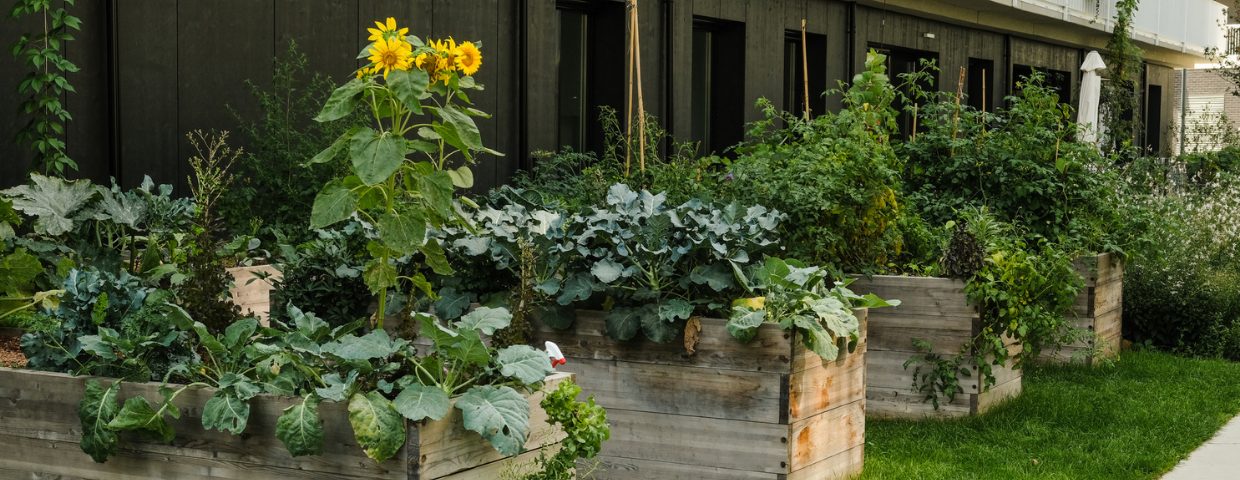
Urban farming or urban agriculture comes in many forms. Whether it’s a backyard or rooftop garden, a community agricultural space, or a small balcony plot, urban farming is the practice of cultivating food by those who live in cities or densely populated areas. Typically using raised garden beds to house produce, urban farming promotes sustainability, health, and a connection to nature. Whether you’re looking to grow a few simple fruits and vegetables or seek to cultivate a flourishing garden, here’s how you can get started.
Plot Out Your Garden
Whether you have a spacious backyard waiting to be tilled into gardening heaven or a smaller, unused section of your flower beds, how much space you’re working with will determine the arrangement of your urban farm. Research the crops you intend to plant and how much space they require, then take measurements in your gardening space before buying materials. Your raised gardening beds should be anywhere from six to thirty-six inches deep. Keeping them less than four feet wide will make it easier to reach across when watering, weeding, and planting.
Planting Your Garden
Once you’ve plotted out your garden space, there are a series of decisions to make about your garden; namely which crops you want to grow, how you’ll pot other plants and flowers, whether you’re going to start from seeds or seedlings, and deciding between manual and automatic watering. If you’re starting from seeds, know that the growing process will take longer, whereas seedlings can help to speed things up. Creating an automatic watering system requires an upfront investment, but you’ll save time, and you won’t have worry about under-watering or dehydrating your garden.

Image Source: Getty Images – Image Credit: FatCamera
Raising Chickens and Keeping Bees
Keeping animals on your property presents new opportunities for sustenance, but it also introduces new challenges. Two animals urban farmers often choose to raise are chickens and bees, which take up a lot less space that other livestock. Before starting either venture, check your local zoning laws.
If you intend to raise chickens, you’ll need to build a coop first. The size of your chicken coop will depend on whether your chickens are able to forage outside the coop or not. If you have the space to let the chickens out, allow two to three square feet per bird in the coop. If the chickens must stay in the coop, you’ll want to make sure they have plenty of space, so it’s recommended to allow five to ten square feet per bird.
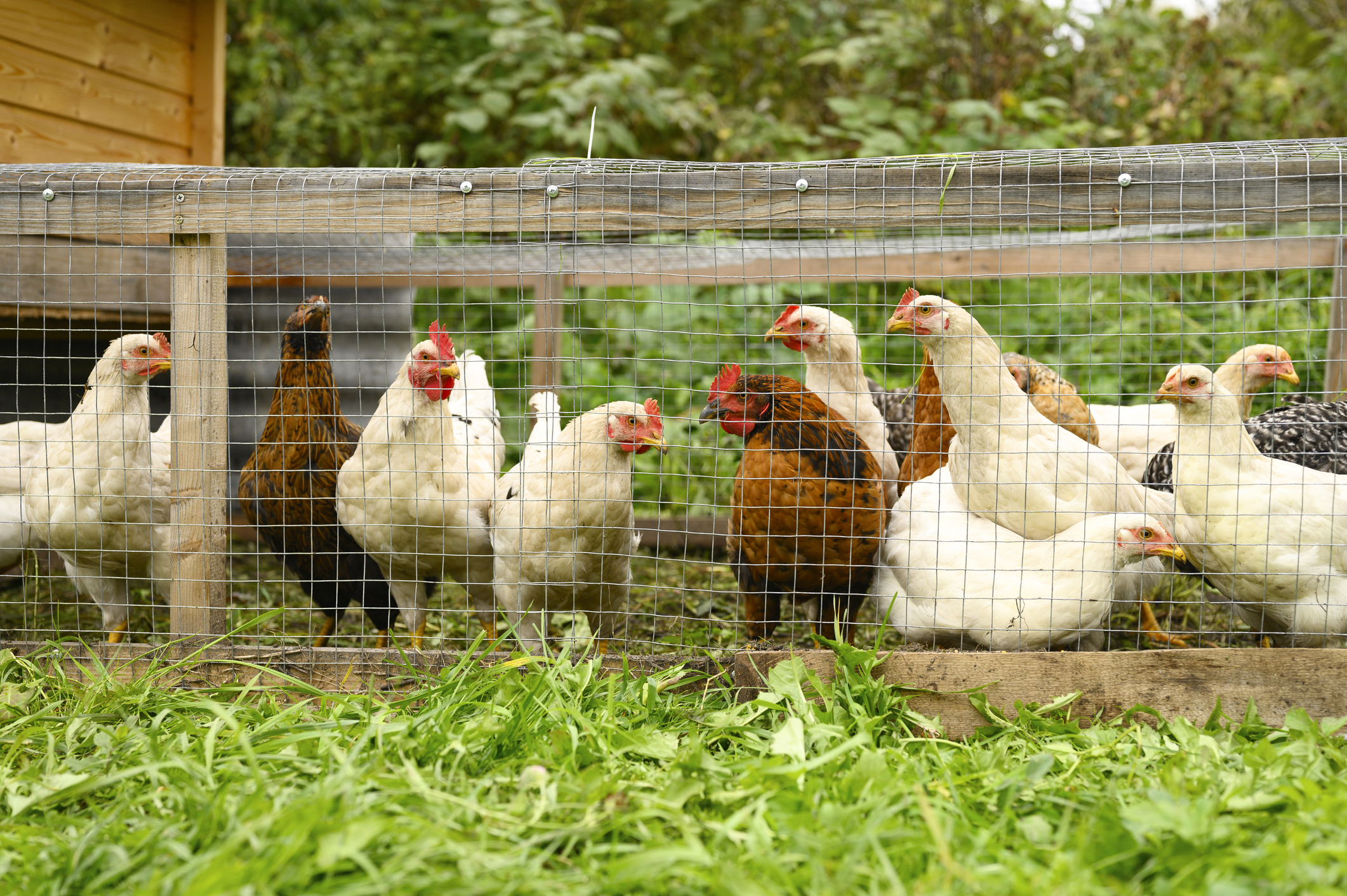
Image Source: Getty Images – Image Credit: KseniaShestakova
The key features of a chicken coop include roosts, nest boxes, dust baths, lighting, and protection from local predators. Search online or locally for pre-made chicken coops that fit your property’s needs or make it a DIY project. A commercial poultry feed will provide your chickens with the basic nutrients they need, but keep in mind that many foods outside of their normal diet can alter egg flavor and have adverse health effects. So, if you’re thinking about incorporating table scraps into their diet, make sure those foods agree with their systems before doing so.
To keep bees at home, start by reaching out to local beekeeping associations to inquire about purchasing bees and when you can expect your colony to arrive. Once you have a timeline set, you can go about gathering supplies. There are two common hive systems used for keeping bees: a Langstroth hive; which is a system of stacked rectangular boxes with removable frames, and a top-bar hive; which is a series of horizontally connected boxes. Gear up by purchasing protective beekeeping clothing, tools, and feeding supplies. After you introduce your bees to their new hive, continually monitor their behavior and tend to their seasonal needs. Spring is generally the best time of year to start a hive, since it gives bees plenty of time to build up their colony and produce and store honey before winter arrives.
For more information on sustainable gardening practices, read our blog post below: