Facebook
 X
X
 Pinterest
 Copy Link
5 Ways to Add Privacy to Your Patio or Balcony
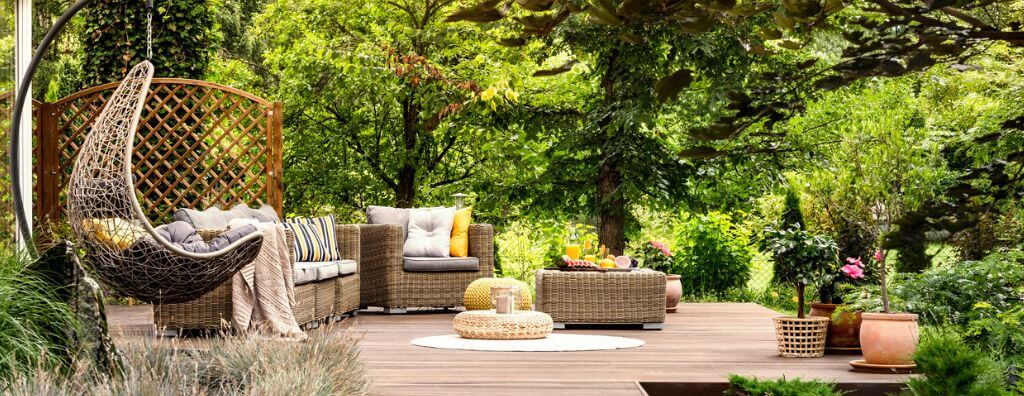
Your home’s interior can offer you peace of mind, but there’s nothing like the connection between your patio and the great outdoors. With a little privacy, you can relax and unwind at home like never before. Here are five creative tips to add privacy to your patio or balcony and turn into your own personal retreat.
5 Ways to Add Privacy to Your Patio or Balcony
1. Vertical Gardening
Incorporating nature into your outdoor space will not only help you make it more private, but it will also help bring the space to life with an organic touch. Vertical gardens will liven up your patio while making it more secluded. Choose plants that thrive in your local climate and complement your home décor style.
2. Install a Pergola or Canopy
Looking to make your backyard a bit more exclusive while providing some shade? A pergola or canopy will do the trick. This versatile choice is also fitting for any homeowners who like to entertain and want to extend their parties to the outdoors. To set up, pick a central space on your patio for your pergola that won’t interrupt the flow of foot traffic. These furnishings may be the missing piece for your backyard retreat; they will protect you from the elements year-round while maintaining that open-air feeling you’re looking for.
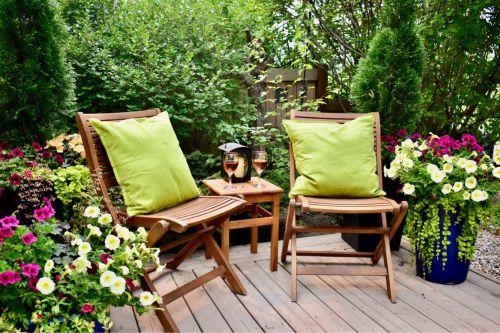
Image Source: Getty Images – Image Credit: Kristin Mitchell
3. Privacy Screens
Your patio privacy project will lead you toward some creative decorative opportunities. Privacy screens work like a fence for your home, in that they help to enclose your property from your neighbors. However, unlike a fence, they are easy to move around and come in various styles and materials to match your taste in outdoor décor. Typically made of vinyl, metal, wood (bamboo is a popular choice), and artificial greenery, these products may be just what you’re looking for to frame your private patio area.
4. Planters
You can create a barrier and refresh your backyard or balcony patio aesthetics at the same time with planters filled with tall plants. If you’re willing to wait, trees and vining plants can grow into lush fences over time. If you’re hoping for a quicker solution, consider lifted planters with mature bushes or hang planters with plants that cascade down. How to Create a Balcony Garden

Image Source: Getty Images – Image Credit: vm
5. Outdoor Curtains and Art
Finding the right items to hang will help create the backyard oasis you’re dreaming of. For those with a vertical structure in the backyard like a pergola or gazebo, or a balcony that can hold a tension rod, consider adding outdoor curtains for some elegance and privacy. For a more personalize approach, a gallery wall can also help keep the creative juices flowing outdoors while connecting the space to the inside of the house. Search for weather-resistant frames that will hold up as the seasons change and hang them on sturdy strings or repurpose a room divider. How to Create a Gallery Wall at Home
With a dash of décor, some elements of nature, and your own personal design touch, you’ll create the outdoor space you’ve always wanted. No matter how much we love our interior, it’s nice to get outside and breathe some fresh air while still feeling like you’re at home. Get more tips on how to transform your home here:
Landscaping Tips That Can Increase Your Home’s Value
Featured Image Source: Getty Images – Image Credit: KatarzynaBialasiewicz
5 Tips to Organize Your Closet
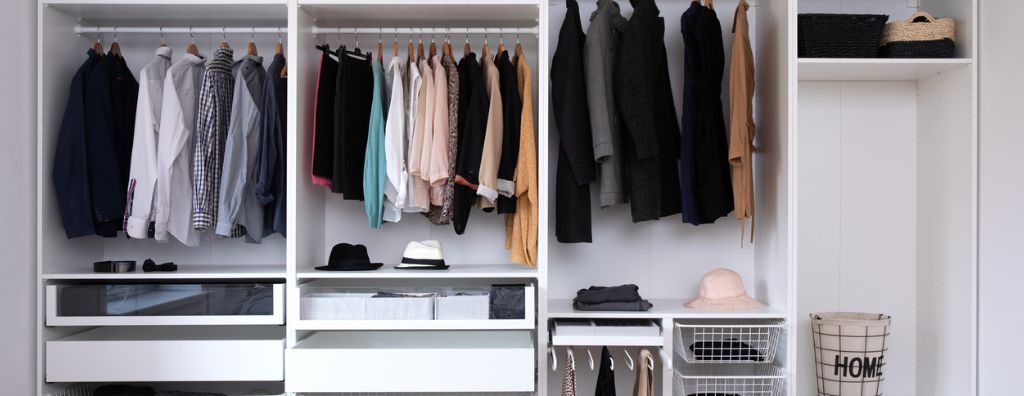
An untidy closet can clutter your mind. Organize your closet section by section and you’ll improve your morning routine, get rid of extra belongings, and clean up your home in the process. Before you begin your closet purge, it helps to visualize how you want it to look. Your closet’s size and dimensions will determine much of what you’re able to accomplish, but the goal is to get it nice and neat regardless of size. Here are a few tips to help you get started.
5 Tips to Organize Your Closet
1. Start From Scratch
Before you can build up the closet you’ve wanted, you have to empty out the old one. Start by clearing your closet of all your belongings and placing them in nearby storage. Take out all your hangers and any clothing bins that aren’t fixed in place. This allows you to take a step back and build from the ground up. It’s also an opportunity to clean the corners and hard-to-reach areas that don’t normally make it into your cleaning routine.
2. Add Shelves
Take measurements while your closet is empty to see what shelving can fit. When shopping for shelves, consider your wardrobe inventory. Do you have more pairs of shoes than pants? Which items take up more space than others? This will help you decide on the perfect set of shelves to address your needs. Keep in mind that the most commonly used items should go toward the front of your closet for easy access. Seasonal items like raincoats, snow gear, and bathing suits that you don’t use as often can go toward the back. Design your shelves to address these needs.
3. Maximize Space
Maximizing your closet space comes down to two main factors: design and storage. You can have the best closet design in the world, but if it doesn’t allow room for storage, then your wardrobe will be overflowing before you know it. Shelves with multipurpose storage and vacuum bags are two space-saving products that can make a huge difference in available space. A clothing rack is a useful tool, not only because it allows you to hang clothing neatly along the rod, but some products also come with underneath storage that can free up even more space.

Image Source: Getty Images – Image Credit; miljko
4. Use Corners
Yes, your closet walls provide a nice home for shelving, clothing racks, hanging rods and the like. However, they’re not the only space where you can focus your organizing efforts. Instead of missing out on the negative space in the corners of your closet, use them to your advantage. Search for corner shelves that fit within your dimensions and fill them with items you would have had to place elsewhere. You’ll be surprised at how much space they can save.
5. Curate Your Closet
Now that you’ve taken steps to organize your closet, you’re ready to curate it. Iris Miyasaki (wardrobebysaki.com) is an expert in closet curation. As she puts it, closet curation is a stylistic approach to organization; it’s all about looking at your wardrobe through the lens of how those pieces get used in your life and arranging from there. “When you can see all your clothes, shoes, and accessories, you’ll want to use them more. I focus on creating a visual palette for my clients, whether that means organizing by color, silhouette, or types of items. The idea is to create a closet they’ll want to ‘shop’ in,” says Miyasaki. Once your closet is cleaned out, you’ll have freed up the mental space to look at your closet with curation in mind.
For more on all things home décor and homeowner tips, head to the Living section of our blog:
Featured Image Source: Getty Images – Image Credit: wip-studiolublin
How Much Paint Do I Need? Indoor Paint Calculator

Whether you’ve just bought a house or you’ve lived in your home sweet home for years, at some point its walls and surfaces will be due for a fresh coat of paint. Repainting can breathe new life into an interior and help you personalize the space, whether you’re working within the latest interior design trends or blazing your own trail. But there’s one fundamental question facing every homeowner as they begin their painting project: How much paint do I need?
How much paint do I need?
Every project has a budget, and with the right planning you can execute the project to its full potential without going over budget. Painting is the ultimate DIY project and can be quite therapeutic, but still requires some calculation to determine how much you should expect to spend. With the right amount of paint, you’ll avoid overspending and getting saddled with the sunk cost of unused paint after you’ve completed your project.
The amount of paint required varies by project, but as a general rule of thumb, one gallon of paint covers about 400 square feet. So, it only takes a few simple measurements to calculate the amount of paint you’ll need for your walls.
How to Calculate How Much Paint You Need:
- Start by measuring the length of each wall
- Multiply the wall length by the wall height
- Total length x total height = total square footage
- Total square footage ÷ 400 = number of gallons
- Subtract windows and doors square footage
Following this formula will give you the number of gallons you need to purchase for one coat of paint. Depending on your color scheme and the texture of your walls, your painting project may require multiple coats to have it looking just right.
If the walls you’re painting have windows and/or doors, simply perform the same basic calculation to determine their square footage and subtract that number from the total square footage value before calculating how many gallons you’ll need. When painting your ceilings, remember to account for the square footage of any skylights you may have in your home.
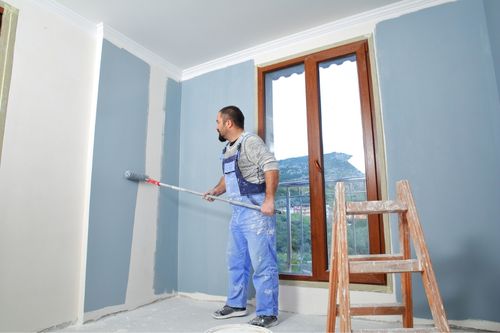
Image Source: Getty Images – Image Credit: aydinmutlu
Primer and Trim
It’s often the case that a paint job is only as good as its base coat. A solid layer of primer can really make your painting project shine. But the same query with your topcoat applies to your primer: how much do you need? A gallon of primer will cover up to 300 square feet, so you’ll need more primer than topcoat for your project. Perform the same calculations as above and divide your paintable square footage by 300 to determine how many gallons of primer you’ll need to pick up.
How to Calculate How Much Primer You Need:
- Start by measuring the length of each wall
- Multiply the wall length by the wall height
- Total length x total height = total square footage
- Total square footage ÷ 300 = number of gallons
- Subtract windows and doors square footage
Calculating square footage for trim isn’t as straightforward as it is for a square or rectangular wall. When preparing to paint your baseboards and crown molding throughout your home, think in quarts rather than gallons. Trim paint may go on smoother depending on the wood finish, and you’ll be using a brush rather than a roller. If you end up with extra trim paint at the completion of your project, it never hurts to keep it around for future touchups.
For more information on DIY projects, home design and more, visit the Design page of our blog:
Featured Image Source: Getty Images – Image Credit: svetikd
Eclectic Interior Design
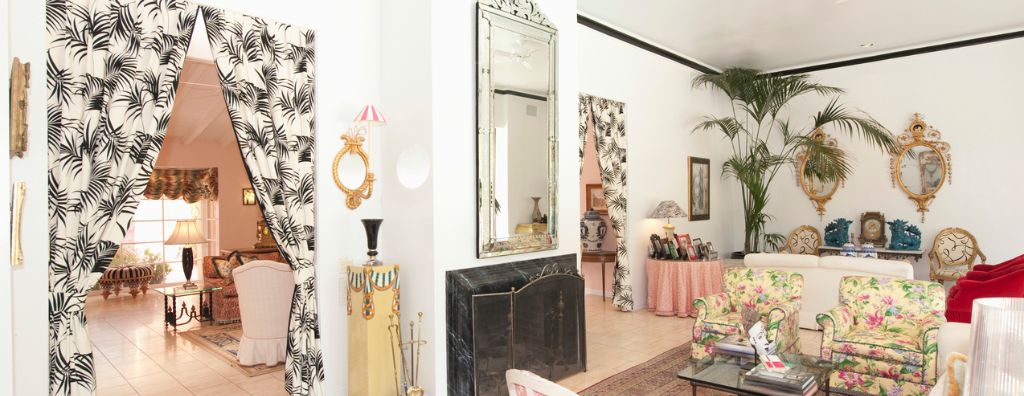
When decorating your home, it can be hard to decide on just one aesthetic. Maybe you’re a fan of mid-century modern interior design but its minimalistic approach leaves you wanting more. Maybe you love the clean look of a farmhouse style interior but wish it had some of that classic Art Deco flair. Fortunately, there’s an approach you can take where you don’t have to limit yourself to the principles of just one line of design thinking. Eclectic interior design is a smorgasbord of home décor styles that allows your imagination to run wild.
What is eclectic interior design?
Eclectic interior design is a blend of different styles, patterns, eras, and all things home décor. By pulling from seemingly contrasting sources of inspiration, it allows homeowners to create an interior that’s uniquely personalized and lively. Eclectic interiors are inherently busy, so it’s important to focus on leveling the dynamic energy among the pieces and artworks you select to create balance, scale, and proportion.
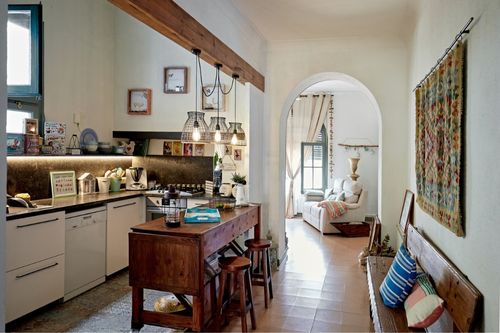
Image Source: Getty Images – Image Credit: xavierarnau
Decorating with Eclectic Interior Design
With so many shapes and colors at play, creating harmony is vital. Choose a color palette for your home and select pieces that reinforce that section of the color wheel. That way, when you decorate with accent pieces throughout your home, you’ll have a solid base to work from. This will also help you select which neutral colors will best help to balance out your interior spaces. For example, if you’ve settled on blues and browns as your foundational colors, beiges and creams will act as complimentary neutrals while creating a comfortable, welcoming atmosphere.
When it comes to textures and patterns, you’ve got far more leeway with eclectic interior design than many other styles. Have you been waiting to extract your patterned vintage furniture from your storage space? Still waiting to find a home for that ornate gold-framed mirror? Eclectic design may be just what the doctor ordered. With this style, vintage design can pair with modern furnishings and vice versa. Textures help to create contrast throughout your spaces, but even with eclectic design, repeating a texture in a few spots helps to create cohesion. Similarly, make sure your textural pieces fit somewhere within your color palette to create consistency throughout your home.
Create a Gallery Wall
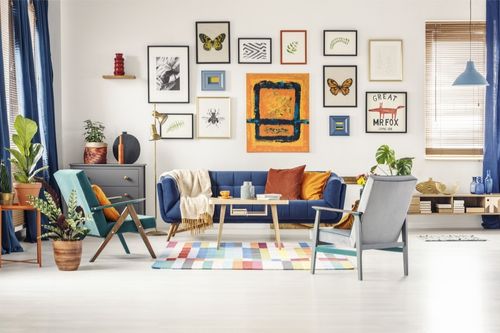
Image Source: Shutterstock – Image Credit: Ground Picture
A gallery wall is naturally eclectic, making it a perfect way to use up empty wall space while reinforcing this unique home décor style. Create a gallery wall at home by selecting the wall space you’d like to use and mapping out your desired gallery pattern. Once you’ve sketched out your plan, pay a visit to your local framing or hardware store so your artwork can hang professionally and evenly. Assemble your tools, hang your pieces, and admire how a gallery wall can really snap a room together visually. Experiment with different frame colors, designs, and textures that reinforce the rest of your interior. Here’s more on how to curate artwork in your home.
For more info on the various interior design styles, home décor tips and more, visit the Design page of our blog:
Featured Image Source: Getty Images – Image Credit: IPGGutenbergUKLtd
5 Features of Mid-Century Modern Interior Design
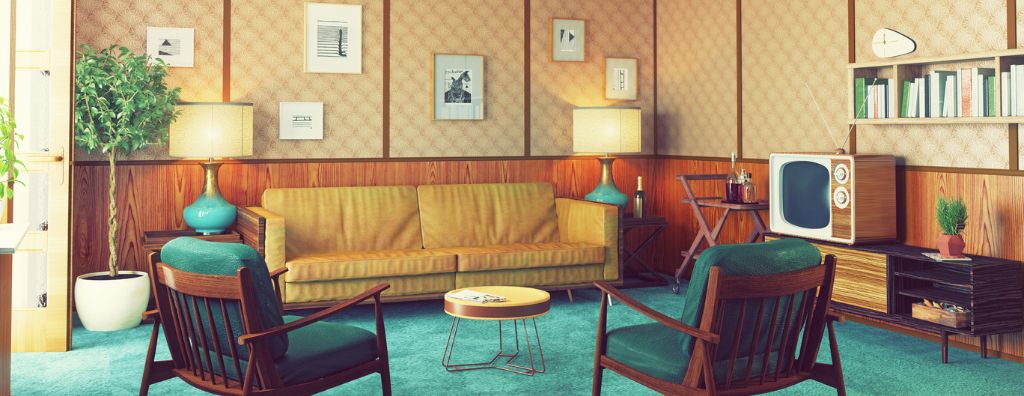
Few interior design styles have captivated our imaginations like mid-century modern. Though the mid-century modern movement began to impact design culture many decades ago, we still see its lasting impact today. This vintage style remains popular for homeowners everywhere and shows no signs of slowing down. To aid your home décor efforts, let’s dig a bit deeper into what makes mid-century modern so special.
What is mid-century modern interior design?
The mid-century modern movement came to define graphic design, architecture, product development, and interior design in the 1940s, 1950s, and 1960s. Its emphasis on simplicity was a direct reaction to the more opulent styles that preceded it, heralding a shift in suburban home life. Here are a few of its signature features.
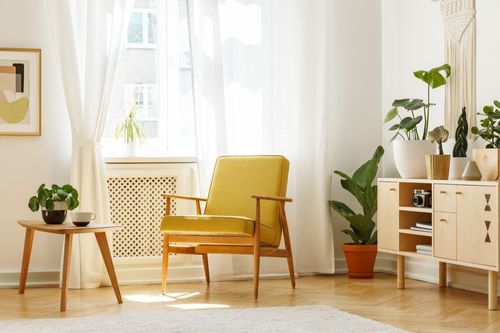
Image Source: Shutterstock – Image Credit: Ground Picture
5 Features of Mid-Century Modern Interior Design
1. Minimalism
Both mid-century modern architecture and interior design live by the maxim “less is more.” With minimal decoration, the space between objects is emphasized, giving interiors a fresh and clean look. Straight lines are a tenet of this design style, reflected in the signature pieces of the era, such as the Eames chair (pictured below). This minimalist approach to interior design maximizes each object by removing all unnecessary elements.
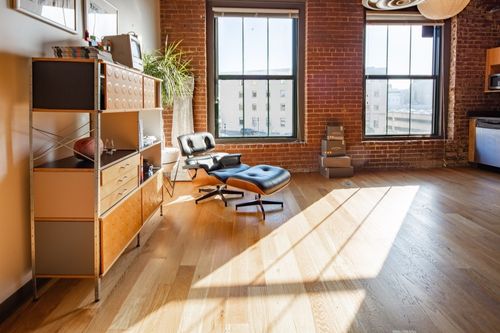
Image Source: Shutterstock – Image Credit: Karen Culp
2. Combining Outdoor and Indoor
The minds behind the mid-century modern movement prioritized nature and questioned how interiors could interact with the outside world. Nowadays, it’s common for homeowners incorporating this style to decorate with house plants, but the harmony with nature extends further into home design with such elements as stone materials, exposed wood beams, and floor-to-ceiling windows to maximize natural light.
3. Mid-Century Modern Color Scheme
If you’re a fan of decorating with a neutral color palette, this style is perfect for your home. With a reliance on colors like black, white, cream, and grey, a quintessential feature of this décor style is using bolder colors as accents to pop against a neutral backdrop. Primary colors create added contrast and help to lead the eye throughout a room. Experiment with dark brown or black to create different moods within the mid-century modern color spectrum.
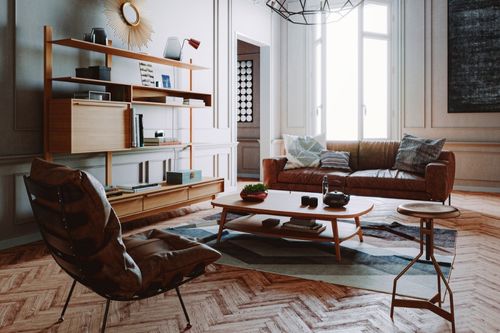
Image Source: Getty Images – Image Credit: gremlin
4. Materials and Texture
Its ability to remain popular for decades is what separates this style. Its principles are still reflected in the latest home design trends. Perhaps nowhere is this more evident than its philosophy on materials and texture. It combines natural and synthetic materials to bridge the gap between eras, creating interiors that feel simultaneously vintage and modern. Plastic and fiberglass are commonly used manmade materials, while wood, marble, and stone are typical natural elements.
5. More Space, Less Clutter
Just as the space between objects is emphasized, open floorplans are typical in mid-century modern design to create spacious environments. Decorative décor is limited to reduce clutter, and enclosed storage spaces are kept to a minimum. If you’re planning to decorate in this style, it’s an opportunity to pare down your belongings and keep only what’s essential for your lifestyle at home.
For more information on interior design, architecture styles, décor tips, and more, visit the Design category of our blog:
Featured Image Source: Getty Images – Image Credit: vicnt
Home Security and Safety for the Holidays

The holiday season can bring joy and peace, but it can also bring package thieves and burglary. Stay safe this winter by taking a few precautions with your home security. From old-school security tricks to new digital home monitoring tools, there are many options when it comes to keeping our homes safe and preserving that sensibility.
The Evolution of the Home Office

As the popularity of remote work has reached new heights in recent years, the needs of homeowners are changing. Home offices and workspaces have never been higher on buyers’ priority lists and sellers are finding ways to make their homes appeal to a remote working audience. So, what does this mean for the home office moving forward? How will it continue to evolve? Only time will tell. In the meantime, it’s more important than ever to curate a home office that fits your needs.
The Evolution of the Home Office
Whether you have a proper home office or work at a chair in your kitchen nook, what’s important is that you create a dedicated space for your work. This allows you to focus by limiting distractions that may arise from other areas of the house. It also brings a sense of work-life balance to your home by physically separating the spaces. Even if your space is limited, design your workspace to feel like its own designated spot by facing it away from an open room or pointing your workstation toward a window.
Continued Remote Work
For those who have worked remotely and will continue to do so, you’ve likely gotten a grasp of how your home workspace can best fit your unique needs. Perhaps you decided to ditch the desk chair for a yoga ball or switched out that old desk lamp for a therapy light. But now that remote work has become your long-term reality, it’s time to think about how the space will fit your long-term needs.
Gone are the days of your home workspace being an afterthought. Working from home long-term means that your home office is now one of the most-used spaces in the house, so it’s important to keep it organized. Declutter the space with efficiency and productivity in mind, prioritizing the items that are essential for your job. We work well when we feel well, and an organized space can help reduce anxiety and work-related stress.
As your remote work continues, it may be time to make investments that you were previously on the fence about making. Whether it’s a second monitor, a supportive floor mat under your chair, a new design on your wall for your Zoom background, or a standing desk, now that you’ll be working from home for the foreseeable future, it’s important that your home office provides you with all the tools you’ll need while inspiring you to do your best work.
Returning to In-Person Work
For those whose days of a fully remote work schedule are coming to an end, your home office needs will evolve, so it’s important that the space reflects those changes.
- Full-Time: Returning to in-person work full-time means your home office will be vacant for extended periods of the day. Because you won’t be using it nearly as much, you have the freedom to either keep it as is or convert the room into something else. If you’ve dreamt of having a game room, a home gym, a playroom for the kids, or creating your version of a home theater, this is the perfect opportunity to do so.
- Part-Time / Hybrid / Flex: A hybrid or flex work schedule allows for flexibility with your home office. Paring down your workspace and transferring some equipment to your desk at work will help you declutter. Outfit both workspaces to fit your needs to avoid lugging equipment back and forth. For example, if one location is primarily meant for attending meetings and the other is for working on projects, you can curate each space accordingly.
For more information on how remote work can change your needs as a homeowner, read our blog on The Remote Worker’s Home Buying Process.
7 Weekend Home Projects

So many projects, so little time. That tends to be the mantra for homeowners with an ever-growing to-do list and limited availability to accomplish their tasks. Fortunately, the weekend is an opportunity to dig into certain projects and see them to their completion by the time the weekdays come around again. These seven weekend home projects can be accomplished within a couple of days and will make a dent in your to-do list.
7 Weekend Home Projects
1. Upgrade Your Kitchen Cabinets
Giving your kitchen cabinets a facelift is a simple way to give your kitchen a makeover. When staining wood cabinets, begin by removing the cabinet doors and hardware, then wipe the doors to clear away and dust and dirt. After applying and removing wood stripper, sand the doors to get them primed and ready for a new stain. When painting cabinets, choose a color that works well with your appliances. As you pack up the contents of the cabinets keep your most frequently used items nearby so you can access them during your project. To add a finishing touch to your weekend cabinet makeover, shop around for new hardware and drawer inserts.
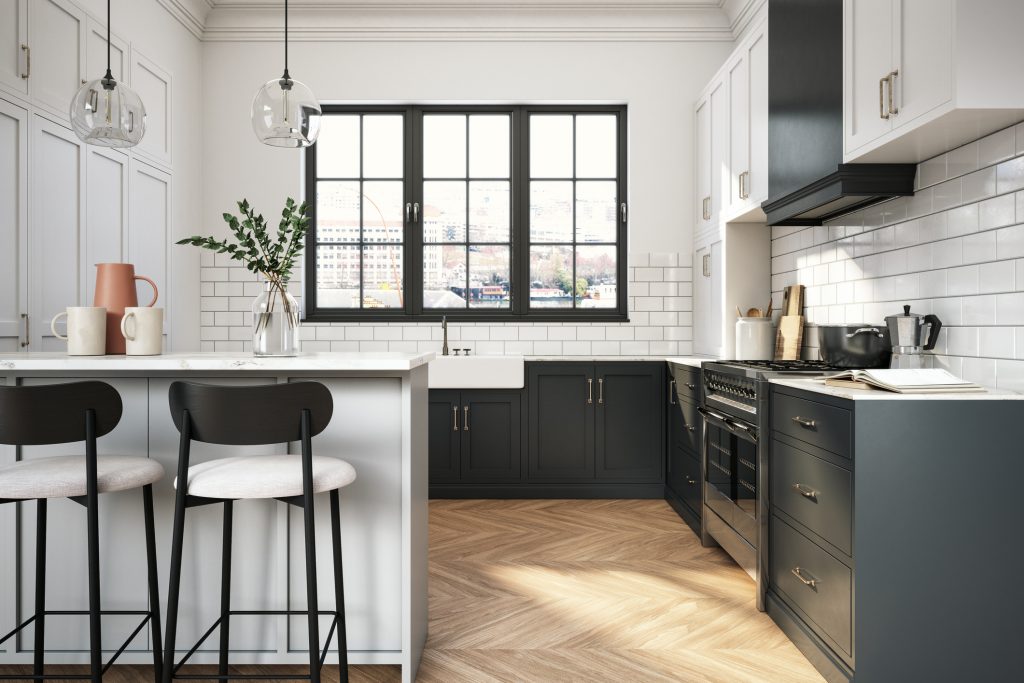
Image Source: Getty Images
2. Refresh Your Front Entry
Your home’s front entry is the key to making a lasting first impression and helps to enhance your curb appeal. Make a statement by giving your front door a fresh coat of boldly colored paint, look for stylish house numbers, and add classic front entry elements like a sitting bench or swing for ultimate comfort.
3. Improve Your Home Office
Whether you work remotely or in person, much can be done in a weekend to improve the functionality of your home office. Creating an environment conducive to your productivity helps to separate your office from the rest of your home, maintaining a balance between your work life and your home life. Situate your desk near a window to attract natural light. If the room has no windows, orient your seating so you’re facing the open space of the room. Experiment with therapy lights, ergonomic chairs, and soothing décor to make your office as comfortable as can be.
4. Curate Your Bathroom
In one weekend your bathroom can be transformed into a sanctuary of self-care. Refinishing your tub is a cost-effective alternative to a replacement. Start by removing any and all hardware, then sand the whole surface, filling in any cracks or holes with putty. Once you’ve sanded down the putty, apply multiple layers of primer and topcoat following the manufacturer’s instructions and buff the surface. Replace your vanity’s cabinet hardware and drawer pulls, matching them with your shower rod, faucet and shower head to tie the room together. Switch out your shower curtain and carpets for bold colors to liven up the space or choose neutral tones to create an organic feel.
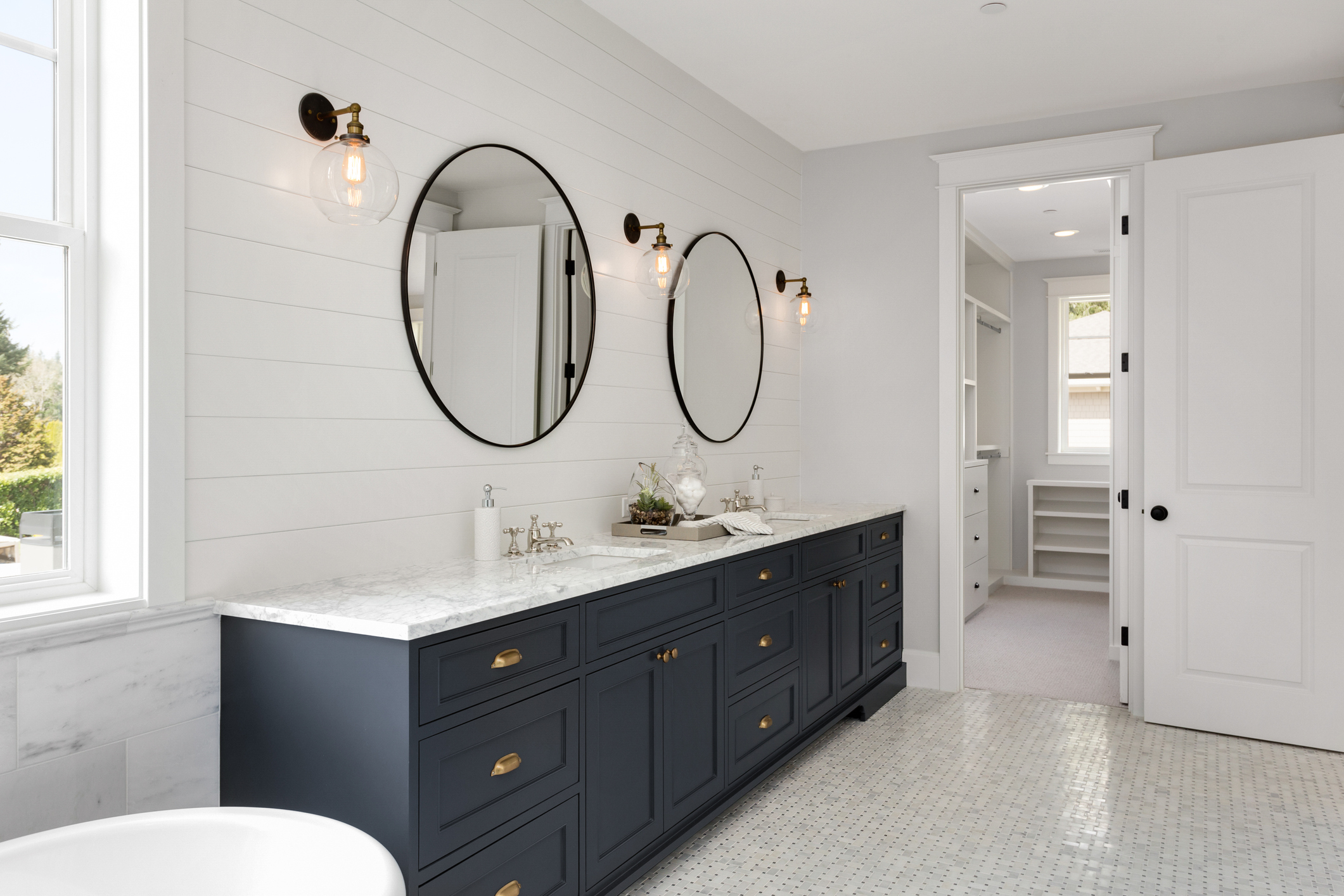
Image Source: Getty Images
5. Organize Room-By-Room
Spending a weekend organizing each room of the house is sure to make a big difference in the look and feel of your home. Bookcases and coffee tables are magnets for clutter in the living room. Start by emptying everything and sort the items into three piles: keep, dispose, donate, (this method of organization will do wonders for your closets and bedroom as well), and invest in storage bins to keep the space tidy. In the bathroom, organize the medicine cabinet and vanity drawers first. Get rid of expired medication, makeup, and toiletries. Take the same approach to your shower. Once you’ve gone through everything, reassess your shower shelving to fit your newly organized inventory. After working your way through your kitchen cabinets, consider either a hanging or wall-mounted pot and pan rack to save space.
6. Fix Up Your Fence
Whether your fence needs a simple wash, a new sealant or stain, or repair, tending to it will freshen up your yard while also extending the life of your fence. Power washers are a helpful tool in getting your fence clean before re-staining, but a sprayer that’s too powerful could damage the wood. Let the fence dry for one to two days before applying the stain. As long as any damage that needs repair is contained to a section of the fence, a weekend should be plenty of time to get it fixed. To replace any damaged rails, pry them off their posts with a crowbar or cut the damaged section out with a handsaw. When repairing fence posts, be sure to remove any rails that are connected to it.
7. Build a Fire Pit
Common fire pit materials include brick, stone, or cinder blocks. Outline your fire pit before you start digging. Once the hole is dug six to eight inches deep, fill in the hole with gravel until it is level with the ground. Choose your materials, fix the stones into the ground, compact them together, and enjoy your time by the fire. Check for local burn bans or regulations.
7 Tips to Give Your Short-Term Rental a Competitive Advantage

As the usage of short-term rental services has increased over the years, so too has the competition between rental owners to make their properties stand out. There are a variety of marketing tactics you, as a rental owner, can employ to give your home an edge, but ultimately, making the property as appealing as possible is the best way to ensure your strategies are effective.
7 Tips to Give Your Short-Term Rental a Competitive Advantage
1. Boost Your Curb Appeal
Renters are scrolling through pages and pages of properties, looking for something that catches their eye at first glance. To make your property stand out, invest time and energy into the home’s curb appeal. Making these improvements doesn’t necessarily require breaking the bank, either. Simple projects like a fresh coat of exterior paint, refinishing the patio or deck, and creating a beautiful yard will go a long way towards helping your home stand out amongst the competition.
2. High-Quality Photography
Once you’ve spent time curating and beautifying your rental, it’s important to communicate its feel to potential renters. High-quality photos give renters the best impression of what it’s like to spend time in the home. Photograph every room in bright lighting to make the space as inviting as possible. Be sure to thoroughly clean every room before taking photos to have it looking as inviting as possible.
3. Improve Your Description
After potential guests explore your photos, they’ll read your property’s description. While it’s helpful to read descriptions of other listings in your area to get an idea of what tenants are looking for, it’s important to communicate the unique attributes of your home. Talk about what makes it special, emphasize the selling points, and reference what renters are seeing in the photos you’ve provided.
4. Repair or Replace Your Appliances
When guests are paying for a rental, they expect everything to be in fine working order. To make your property stand out, consider repairing or replacing your appliances. This makes for a more enjoyable stay and could potentially offer you a competitive advantage. All appliances have a certain life expectancy, so if you haven’t replaced your appliances in a while, it just may be time to do so.
5. Upgrade Your Bedroom and Bathroom
Renters are looking to relax, so any luxury you can provide them will do wonders for giving your property an edge amongst the competition. Two areas of the home where you can deliver on luxury are the bedroom and the bathroom. From the bedspread and pillows to the curtains and rugs, experiment with different textures in the bedroom to make it as comfortable as can be. A high-quality mattress is also a worthy investment to make your guests’ stay all the more memorable.
By making simple upgrades to your bathroom, you can give the guests the feeling of having their own personal spa. High-quality shower heads and a spacious, relaxing tub will help to deliver a luxurious atmosphere to your bathroom, as will meticulously cleaning the space and keeping your surfaces well organized.
6. Upgrade Your Kitchen
A welcoming kitchen is the key to making your rental feel like home. Kitchen makeovers often come at a high cost, but there are ways to transform your kitchen without breaking the bank. Start by upgrading your lighting, giving your walls a fresh coat of paint, and refinishing your cabinets. If your kitchen needs new appliances, remember to select them first before making any renovations to ensure their dimensions are correct.
7. Provide a Workspace
With more people working remotely than ever before, some renters will likely look at your property as a potential place to conduct their work. Accommodating these guests with a quality workspace can make your rental stand out. Consider making the workspace multifunctional using items like a folding desk. This gives remote workers the option to stow their home office setup at the end of the day while ensuring that the workspace won’t be a permanent fixture for guests on vacation.
Upgrading Your Work From Home Space

We don’t need to tell you that COVID-19 drastically changed the way we live and work. An estimated 58% of Americans are now working remotely, and it has had an impact on how we use the space in our homes. Home offices, once a luxury, are now in high demand as working from home became the new normal over the past year. That being said, is your home office operating at its highest potential? Let’s look at some ways to upgrade your home office and turn it into the workspace of your dreams.
The New Normal
It’s been almost a year since millions of employees started working remotely, so we are all familiar with the concept of a home office and working from home. While some have space to spare, not everyone has a dedicated room in their home or apartment to turn into an office. Whether you have a setup that would make Google HQ jealous or you’re currently borrowing your teenager’s closet to conduct Zoom meetings, it is important to prioritize the functionality of your space. Take advantage of every inch you have to give yourself a comfortable working environment.
With functionality top of mind, here are some crucial things to consider when revamping or creating your home office.
Create a Dedicated Space
It can be difficult living and working within the same couple hundred square feet. For the sake of maintaining some semblance of work-life balance, create a space dedicated to work and only work. Set all of your work equipment in a singular area and keep it there. Use dividers, doors, or your desk to mark off the area you’ve made.
Those who have been working from home for years have said that creating a designated workspace is one of the best things you can do for your mental health and overall wellbeing. A separation of work and home communicates to your brain that one area of your home is a place to work, and the other is a place to live – which can reduce work-related anxiety.
Make Your Windows Count
Setting up your desk under or near a window can do wonders for your creativity and productivity. If you can avoid it, don’t position your desk toward a wall. If you don’t have windows available, be sure to turn your desk outward, toward your room. This position will give your eyes the ability to bounce around the room instead of staring at a blank wall, which can be just as draining as it is boring.
Even if your desk is set up near a window, remember to head outside every so often. It’s all too easy to sit at your computer for hours at a time without standing up and enjoying some sunshine. Give yourself set breaks to soak in some vitamin D, whether you take your lunch outside or simply sneak some fresh air between meetings.
Some WFH Must-Haves
Enough of the basics. Here are some must-haves that will brighten your office space and make you excited to “go to work”.
- A therapy light can have a positive impact on your mood and energy by simulating natural light. Set one up on your desk to increase alertness and improve your sleep.
- Save your back with an ergonomic chair made for longer periods of sitting. This will help reduce back pain and improve your posture.
- Standing desks are another back-saver that will save you from sitting for eight hours a day. Seen to increase activity and overall health, standing desks can change how you work for the better.
- A full-size keyboard provides all the keys necessary to get the job done, including a number pad and function keys. Tenkeyless keyboards (keyboards without a number pad) are gaining popularity, but full-size keyboards remain on top due to their ease of use and practicality.
- Mini humidifiers are an effective way to combat dry air, giving you happy lungs, sinuses, and skin. Put one on your desk to increase the humidity in your space.
- Working on screens all day exposes you to blue light, which can negatively impact your sleep and overall mood. Get a pair of blue light glasses to combat these rays.
With many of us still working from home for the foreseeable future, it’s more important than ever that your workspace serves your unique needs. Make your area work for you to improve your productivity and personal wellbeing. At the end of the day, we’re all human, and we work best when we’re feeling our best.
Disclaimer: This is a guest post written by the real estate experts at The CE Shop. The CE Shop is the leading provider of online real estate education with convenient courses available in all 50 states and D.C. To find out more about The CE Shop and the resources they provide, visit www.TheCEShop.com.