Market News November 4, 2024

Housing & Economic Update: Numbers to Know 11/4/24

This is the latest in a series of videos with Windermere Principal Economist Jeff Tucker where he delivers the key economic numbers to follow to keep you well-informed about what’s going on in the real estate market.


Hi. I’m Jeff Tucker, the principal economist at Windermere Real Estate, and these are the numbers to know right now. The first number this week:

12,000 … with a big asterisk!

That’s the number of jobs the economy added in October, and the asterisk is there to call out how this month’s jobs report was impacted by Hurricanes Helene and Milton!

The Bureau of Labor Statistics even included a special note at the top of this month’s Employment Situation Report, highlighting the fact that this report was based on the first survey of employers since the hurricane struck, and response rates for their survey were unusually low. They also emphasized that it was not possible to estimate how much the hurricanes reduced the headline job growth number.
Nonetheless, economists had been expecting about 100,000 more jobs than this to be added, even knowing that the total would be reduced by the hurricanes and the ongoing strike by workers at Boeing. Further, in this report they also revised down their estimates of job growth in August and September, by a combined 112,000 jobs. Last month we talked about what a big upward surprise the September jobs report was, and this information tempers that impression a little bit.

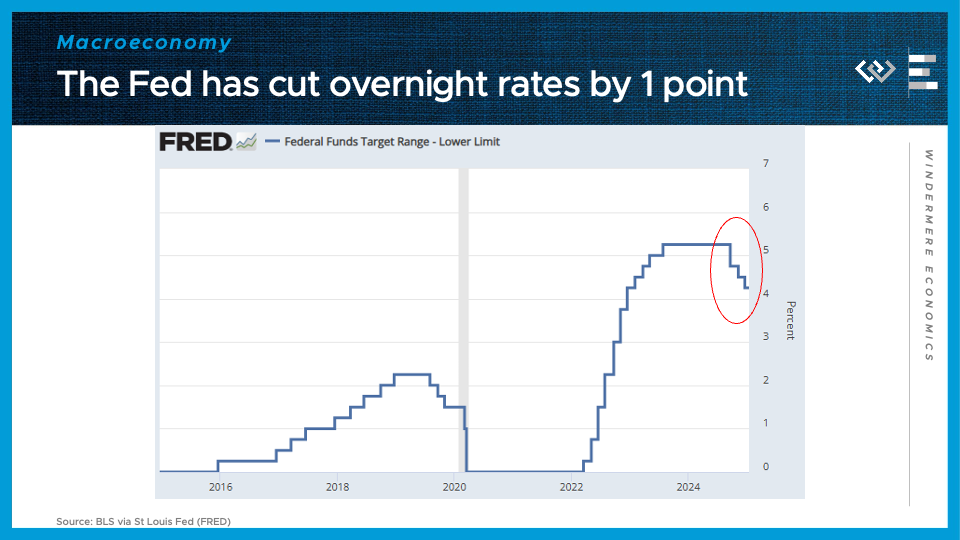
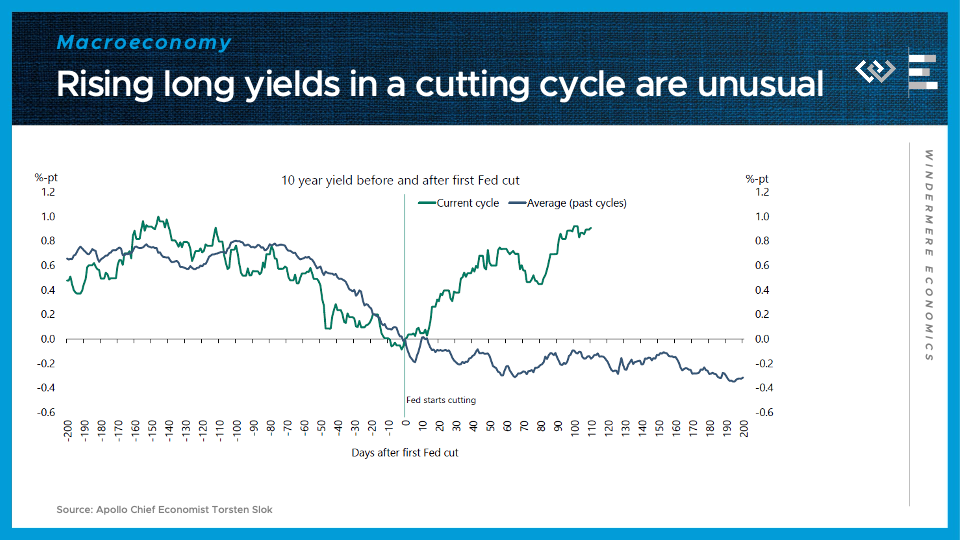
All in all, it’s hard to interpret this month’s jobs report but on balance it makes me revise my impression of the labor market a little bit downward. One very likely takeaway is that the Fed is now viewed as almost certain to go ahead and cut their benchmark overnight rate by a quarter point at their next meeting ending on Thursday November 7. That will continue the normalization process for short-term interest rates, although as we saw in September, cutting short-term rates is not at all a guarantee of falling mortgage rates.

10%

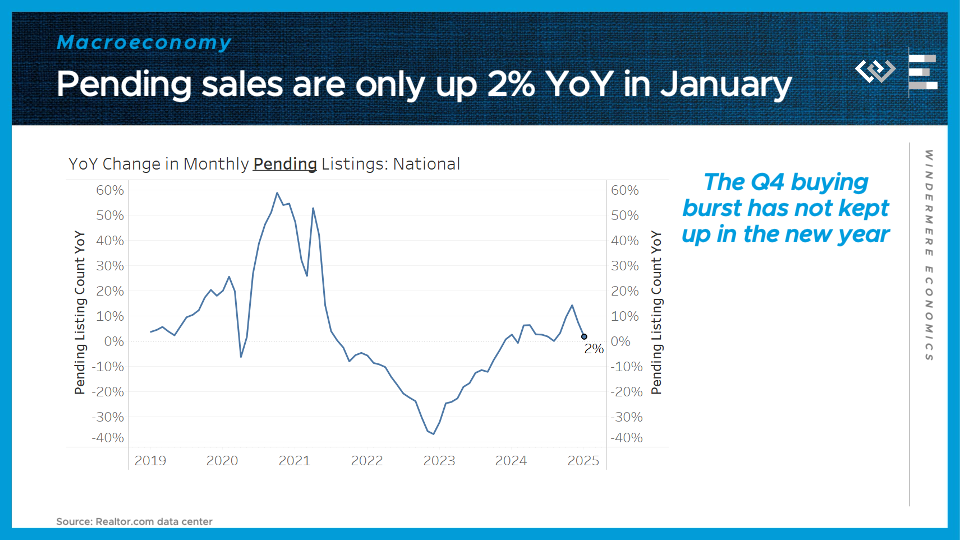
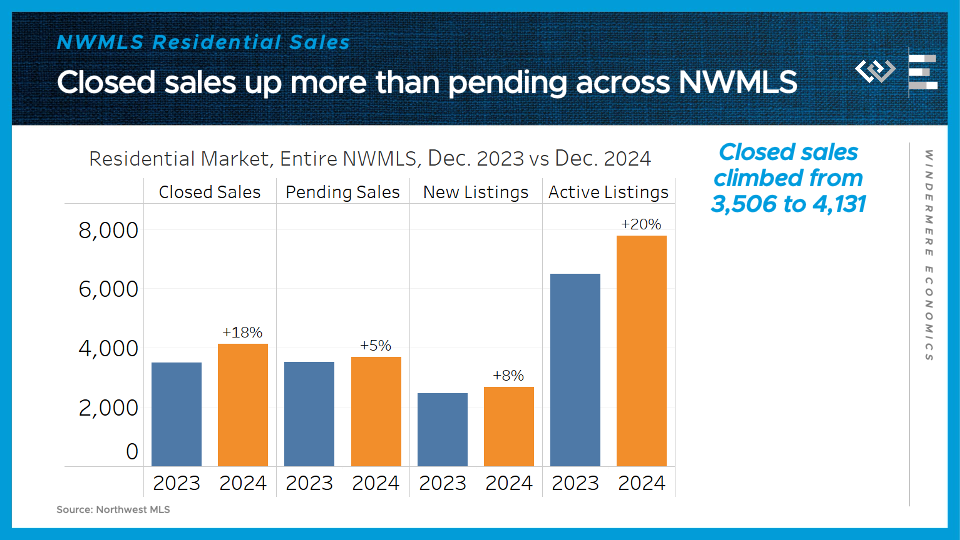
That’s how much pending home sales grew in October from the same month one year ago, according to the latest data from Realtor.com. This is a strong data point confirming that the housing market saw an upward surge in activity here in the first half of the fall season. The most likely reasons for the bump in pending sales included a healthier supply of listings for buyers to choose from, and I believe a lot of buyers woke up to the news that interest rates had fallen over the year, especially in September but even still in early October.

Looking ahead, we are now going into the coolest time of the year for home sales, just seasonally speaking, and unfortunately the recent rebound in mortgage rates is likely to help put the market back on ice for at least a couple months.

Which brings me to our final number to know right now:

7.09%

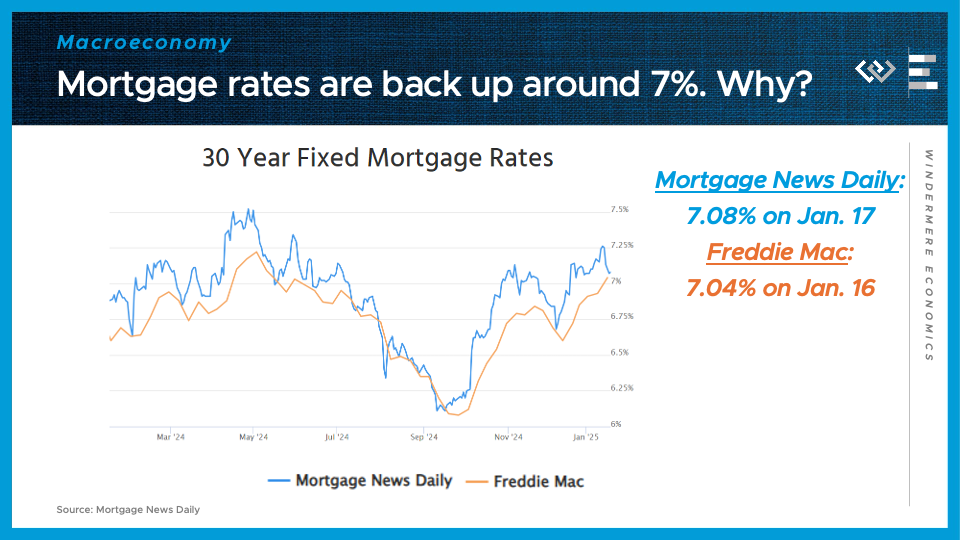
That’s where the 30-year mortgage rate stood on Thursday October 31st, according to Mortgage News Daily. It’s now up almost a full point in just 7 weeks, from its low on September 17. The upward movement in the last couple months is a pretty surprising trend break, after it declined by more than a point from April through September, and I think it reflects the strong economic news we’ve gotten lately about job growth especially in September, as well as very strong annualized real GDP growth of 2.8% in the third quarter. I’ve mentioned before that election uncertainty may be contributing as well, and that theory will be put to the test as we wait to see what rates do after the election.

ArchitectureDesign October 28, 2024

What is Loft Architecture?

Known for mixing spacious interiors, high ceilings, and often an industrial aesthetic, loft architecture has become synonymous with urban living. Whether you want to move into your own loft or seek design inspiration, loft architecture offers spaces that foster creativity and versatility. Let’s explore the history, significance, and defining features of loft architecture that fuel its popularity in cities around the world today.

History of Loft Architecture

Over the years, lofts have evolved from repurposed industrial spaces for budget-conscious artists into sought-after symbols of high-end urban living. Lofts, originating from abandoned warehouses and factories in big cities like New York and Boston, were first utilized by artists and innovators who turned these spacious industrial layouts into workshops and living quarters for next to nothing in price. With their utilitarian aesthetic, ample square footage, and sizeable windows that let in plenty of natural light, they were ideal spaces for the dual purpose of living and working. However, in recent years, loft architecture has shifted from utilitarian to more modern, luxury design.

Features of Loft Architecture

Loft architecture is all about maximizing space and embracing industrial features left behind by the buildings’ previous lives. So, along with tall ceilings, open floor plans, and large walls of exposed brick, lofts often also feature plenty of other industrial architectural and design elements. Elements like floor-to-ceiling windows, concrete and hardwood floors, exposed structural beams and duct or pipework, and large doors all contribute to the charm and functionality of loft architecture.

How to Maximize Loft Space

There are endless ways to design the inside of a loft apartment. But to truly make the most of your space, the key is to celebrate the unique features that define it as a loft while keeping both functionality and aesthetics in mind.

Here are a few tips to maximize your loft space:

Utilize vertical space, define areas, and invest in multifunctional furniture! By using the abundance of vertical space and installing bookshelves or cabinets, and by investing in multifunctional furniture like foldable dining tables or beds with built-in storage, you can maximize every square foot in your loft space. It also helps to organize your furniture and place area rugs in ways that define the different spaces within your loft and create a sense of separation.

Lean into the industrial aesthetic of loft living by incorporating industrial-inspired furniture such as metal stools or reclaimed wood tables. Many loft dwellers also enjoy showcasing the features that make lofts unique, like tall ceilings, concrete or hardwood floors, and exposed brick. Balance this out by complimenting your space with modern or minimalist decor pieces.

Personalization is the final touch to truly making any space feel like home. Try bringing your personality and creativity into your loft with artwork and decor that reflect your interests. Also, choose color schemes and lighting that create a positive, inspiring mood. These personal touches add character to your loft and help create a space that will bring joy every time you walk through the front door.

Market NewsMore October 24, 2024

Housing & Economic Update: Numbers to Know 10/24/24

This is the latest in a series of videos with Windermere Principal Economist Jeff Tucker where he delivers the key economic numbers to follow to keep you well-informed about what’s going on in the real estate market.


Hi. I’m Jeff Tucker, the principal economist at Windermere Real Estate, and these are the numbers to know right now.
3.84 million

That’s the annualized rate of existing home sales in September, which came in below expectations. It’s also down 1% from the sales pace in August, and down 3.5% year over year.

This was a disappointing report. It’s a measure of just how frozen the real estate market still is, largely due to high interest rates discouraging sales activity.

Maybe surprisingly, the median price of existing homes sold in September climbed 3% year-over-year, up to $404,500.
That’s not a very fast pace of appreciation; in fact it’s right around the overall pace of inflation in the country right now, but the fact that it’s still positive suggests that this is a fairly balanced market.

Another indicator of a balanced market this month: inventory. There were 4.3 months of supply in September, up from 4.2 in August and even a little more than in September 2019.

So now we can finally say that buyers are not facing unusually low inventory, arguably for the first time in almost 5 years.
One final wrinkle for existing home sales: The West was the only region that bucked the downward trend!

Here in the West, sales actually rose 5.6% year over year. It’s not totally clear why but it might reflect buyers in the West reacting a little more quickly to the drop in interest rates through August and early September.

6.92%

That’s where the 30-year mortgage rate stood on Wednesday October 23rd, according to Mortgage News Daily. It’s up more than 3 quarters of a point from where it stood in early September, although it’s still down about half a point from where it was in May. There’s been a couple of sharp upward movements in rates over the last month due to a few reasons. First, the strong September jobs report and firm inflation data for September both helped to shrink the perceived risk of a recession, and a drastic rate-cutting cycle. And secondly, it does seem that uncertainty around the election, and potential higher deficits next year, are raising borrowing rates. All of that is creating a perfect storm for interest rates to rise in the last month.

Design October 21, 2024

Elements of Scandinavian Design

If the words “Scandinavian design” bring images from IKEA catalogs to mind, you’re not alone. But if that’s all you can imagine when you picture interiors inspired by this region of northern Europe, you might be missing out. If you’re looking to incorporate elegant functionality, natural elements, and a feeling of coziness into your home, Scandinavian interior design could very well fit the bill. Read on to see if the elements that make up this staple of interior design appeal to you.

Keep It Simple

Many confuse the Scandinavian aesthetic’s emphasis on simple and minimalist design for stark, cold, and empty. But white space doesn’t have to be boring. A clean and airy room draws focus to the few pieces in the space, allowing you to invest in high-quality items that are as beautiful as they are functional. Think comfy sectional sofas with clean lines and sleek but durable side and coffee tables.

Maximize Light

In the winter, daylight hours are in short supply in large parts of Scandinavia, which means the people who live there make the most of those hours—even during warmer seasons. You can emulate this style by keeping window treatments to a minimum and eliminating items that block natural light, such as large furniture or appliances in dark colors. If privacy is an issue, use sheer, light-colored curtains. If your home lacks natural light, you can brighten up your lived-in spaces with white or very light paint colors, textiles, and furniture.

Go Natural

The Scandinavian relationship with nature is reflected in home décor as well. Light-colored wood accents create a natural ambience inside while maintaining an airy feeling. Exposed rafters, furniture made of white oak or beech, and hardwood floors in a pale color are excellent ways to incorporate this aesthetic. Adding greenery either with potted plants or fresh flowers contributes to the Scandinavian feel as well as cleaner indoor air. If you have pets, make sure the plants you bring inside aren’t toxic for your furry family members. Spider plants, ferns, and succulents are all generally safe options.

Stay Neutral

When it comes to color, Scandinavian design is all about subtle and monochromatic shades. In the spirit of bringing the outdoors inside, consider earthy tones such as stone, sand, sky, and—you guessed it—white. That’s not to say bright colors are off limits, but think of them as accents, and stick to no more than one or two bold colors. Picture a room painted in a very light taupe, windows framed with sheer white curtains, furniture in shades of ecru and eggshell, a light-stone fireplace, and then pops of your favorite deep blue or green.

Embrace Hygge All Year

During long, dark winters, residents of Scandinavia spend much of their time at home with friends and family. The concept of hygge was born from these long months indoors, as people yearned for warmth and togetherness. Though most of us associate hygge with winter, coziness is a concept that can be embraced year-round with the right design touches.

One of the easiest ways to add extra comfort with the flexibility you need to make it work in each season is with textiles. Area rugs and pillows in light fabrics are great in warmer months. When the weather cools down, swap them out for heavier, softer versions and then add cozy throw blankets.

More October 15, 2024

Housing & Economic Update: Numbers to Know 10/14/24

This is the latest in a series of videos with Windermere Principal Economist Jeff Tucker where he delivers the key economic numbers to follow to keep you well-informed about what’s going on in the real estate market.


Hi. I’m Jeff Tucker, the principal economist at Windermere Real Estate, and these are the numbers to know right now.
2.4%

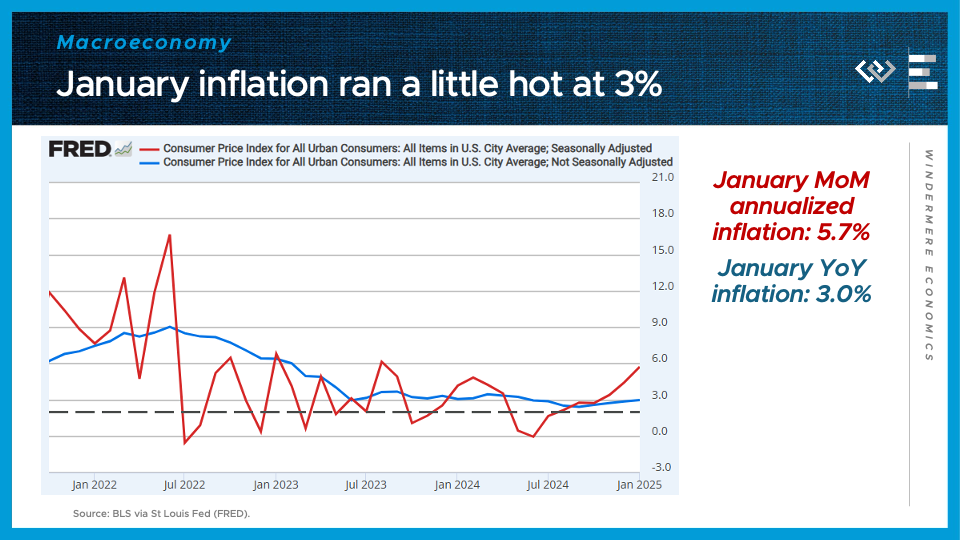
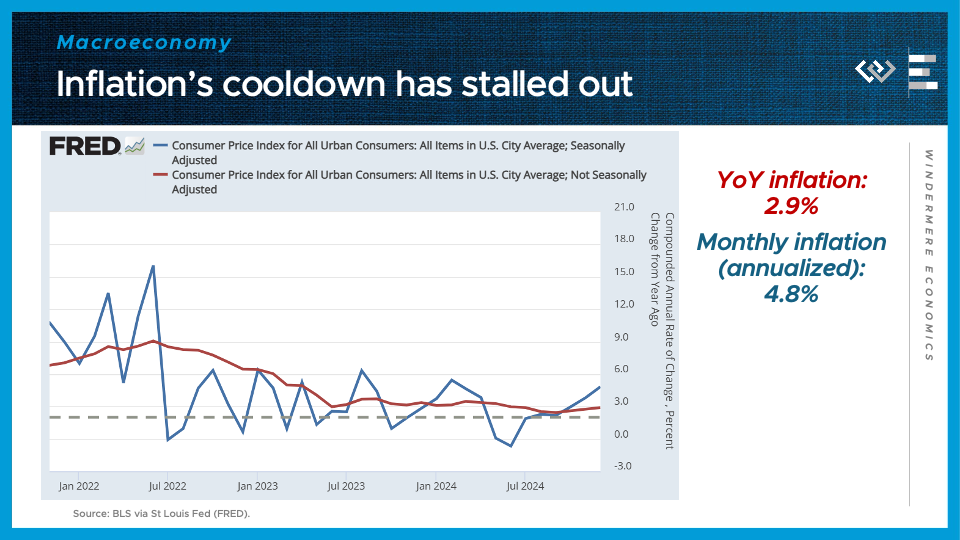
That’s the annual CPI inflation rate in September, meaning how much the Consumer Price Index climbed from one year ago. This was a step down from 2.5% in August, but it didn’t drop as much as the consensus forecast, which was expecting 2.3%.

Inflation ticked down by less than expected in September​, Source: Bureau of Labor Statistics, via FRED​

Another data point here in red is the implied annual rate of inflation based on the monthly change: 2.2%. You can see that’s been more volatile, including some overheating back in Q1, but in general it’s been cool enough to bring annual inflation down.

Inflation has had a long, rocky path downward since it peaked at 9.1% in summer 2022. This is another step in the right direction, but still a little concerning that it’s not dropping faster.

Combined with the strong September jobs report I discussed last week, that means the Fed might be having second thoughts about how quickly they need to cut the Federal Funds Rate, especially after they started it off with a bang by cutting half a point in September.

Now there’s even some discussion of the Fed pausing on rate cuts at their next meeting in November.

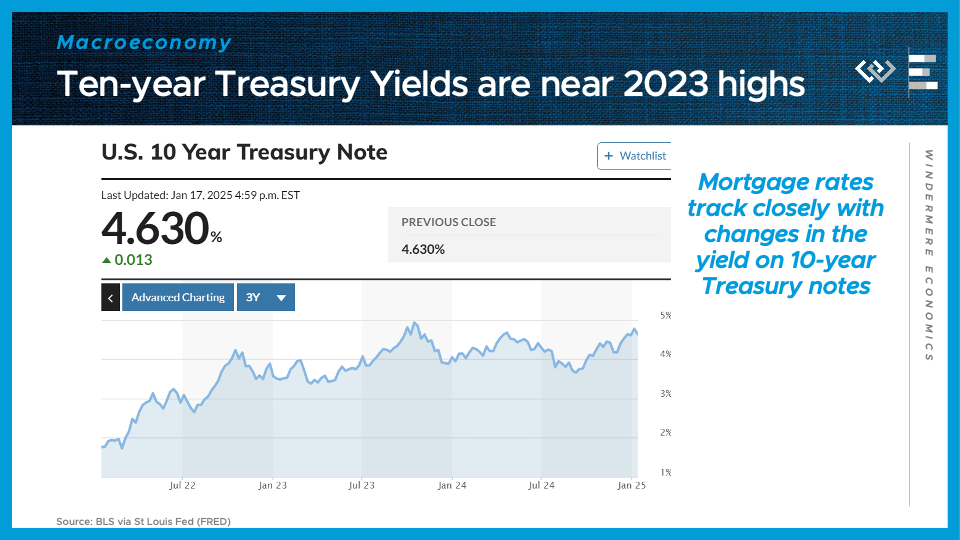
In the meantime, the combination of renewed labor market strength and a slower cooldown in inflation, is enough to push up long-term yields, like mortgage rates, which brings me to the other number to know right now:

6.64%

That’s where the 30-year mortgage rate stood on Friday October 11th, according to Mortgage News Daily. It’s up about half a point from where it stood one month ago, although it’s still down about 1 full point from where it was at this time last year.

Mortgage rates have rebounded upward​Source: Mortgage News Daily​

Looking ahead, for mortgage rates to resume falling, we probably need either some reassuring data showing inflation cooling down, or, would need to see more signs of labor market deterioration. Or both!

Interest rates went up so much because the economy was running hot, arguably overheating, for a couple of years, so now markets need to see more convincing evidence of a cooldown to get us out of that high-rate environment.

LivingMore October 10, 2024

Public Experiment on Guessing Home Market Values

Most people understand there are many factors contributing to the “sold price” of a house, but how accurate is the general public in guessing the price of a recently sold home? We decided to find out.

Before we get into the details of the experiment, let’s cut the general public some slack. Pricing a home is one of the most difficult jobs for real estate agents and home sellers. Many factors contribute to the eventual sale price, including:
Windermere Cup Experiment on Guessing Home Market Values

  • Local market trends
  • Local market trends
  • Interest rates
  • Housing supply
  • Neighborhood demand
  • Buyer’s Markets
  • Sellers Markets
  • Balanced Markets
  • Age and conditions
  • Home improvements
  • Curb appeal
  • Zoning laws

Public Home Price Guessing Experiment

Every year, Windermere hosts the Windermere Cup, a rowing championship held in Seattle, at the University of Washington. Thousands of people attend the event, and many stop by the information booth.

This year, we installed a challenge at the information booth. The concept was very simple: guess the price of a recently sold home, and then spin the prize wheel.

Windermere Cup Public Experiment on Guessing Home Market Values

Methodology

We provided four pictures of the home and many key data points to help participants with their guess.

Home displays included the address, neighborhood, square footage, # of beds, # of baths, year built, and other key factors like HOA fees, if it had a view, recent renovations, acreage, A/C, patios, decks, and more.

Participants were able to choose from eight different homes, of their choice, to guess the final price of the home. The price wasn’t revealed until the guess was recorded.

The Results

Out of the 182 participants, the average guess was 100.89% over the sold price. That’s double the actual home price. Only six people were able to come within $50,000 of the sold price. On the best-guessed house, people guessed an average of 31.77% over, but on the most difficult house, people guessed an average of 255.9% over the price.

Example home in Queen Anne: Actual Price: $825k
Average guess: $1,250,275 (51% over)

Windermere Cup Experiment on Guessing Home Market Values

Given a different market, the results could have easily swung the other way, with people underestimating the value.

If you’d like to play a game like this yourself, we welcome you to try our home worth calculator to see how close you can get to guessing the current value of your own home.

Design September 17, 2024

Kitchen Remodel Must Haves

Many kitchen remodels are prompted by a desire for more storage, but there are plenty of reasons to want an upgrade. Whether your complaint is crowded counters, out-of-date appliances, or spending too much time cleaning up after a meal, there are ways to add functionality without sacrificing your aesthetic when you renovate your kitchen.

Storage

If you’re tired of finding expired food at the back of your lower cabinets or needing a step stool to reach items in the upper ones, roll-out cabinets and pantry shelves are a necessity. A roll-out garbage cabinet will keep trash and recycling cans out of sight (and smell). Be sure to use heavy-duty, reinforced hinges that can bear the weight of two, full cans.

Toasters, coffee makers, blenders, and air fryers can easily overcrowd kitchen counters. Appliance garages that hide away commonly used kitchen appliances now come in just about every configuration you can think of. If you love baking, you probably love your stand-up mixer even more. But moving it around can be a pain. Fortunately, installing a mixer riser into a lower cabinet is relatively simple and will put your favorite appliance right where you need it, only when you need it.

Cooking

Though some passionate cooks still swear by their gas ranges, induction cooktops have become all the rage for several good reasons. In addition to being easier to clean than gas stoves, induction cooktops are more efficient because all the heat they produce goes directly to your cookware rather than into the atmosphere of your home. And with inductor stoves, you never have to worry about dangerous fumes or open flames.

You don’t have to be an avid entertainer or the one who hosts Thanksgiving every year to reap the benefits from a double oven. Even cooking dinner for one or two people can be a challenge when you need to roast or bake things for different times or at different temperatures. A double oven fixes that, and it can improve efficiency if you prepare a dish using only the smaller oven since it takes less energy to heat up a smaller space. For extra user-friendliness, install the oven at counter height so you don’t have to bend over to pull out heavy dishes

Speaking of heavy… if your sink and cooktop are a bit distant from each other, a pot filler installed on the wall behind your stove could be a game changer. Say goodbye to heaving large pots of sloshing water across the kitchen!

For as long as microwaves have been around, people have wondered how to get them off their counters or make them appear more attractive. These days, microwave drawers are the new must-have kitchen upgrade. Instead of a door that swings open, the microwave is the entire drawer that slides out, and it can go in your kitchen island or along any cabinet wall.

Cleaning

Kitchen floors are notoriously difficult to keep clean. Between meal prep, quick snacks in front of the fridge, and near-constant traffic, crumbs and dust pile up quickly. If your home already has a central vacuum system, putting a vacuum slot in the kitchen makes clean ups a breeze. Simply sweep scraps into the slot—no more bending over with the dustpan. If you don’t have a central vacuum system, there are vacuum slot inserts on the market that use a traditional replaceable bag to collect what you sweep up.

If you’ve ever watched a mixologist or bartender shake up your cocktail and then place the shaker on top of a device that shoots up warm water to clean it, you’ve seen a glass rinser in action. Installing one in your own sink adds a touch of sophistication to your kitchen and makes cleaning glasses easier and more efficient, especially for those glasses that can’t go in the dishwasher or don’t fit on the top shelf.

It seems that a modern kitchen renovation isn’t complete until you’ve installed a large, single basin sink. There’s good reason for their increased popularity: more room to soak large dishes, easier to clean, etc. To really boost the usability of a single basin sink, consider adding hardware that makes it an efficient workstation. Drying racks, cutting boards, and colanders are readily available, easy to install, and will make your extra-large sink extra handy.

ArchitectureDesign September 9, 2024

Elements of Modern Farmhouse Architecture

Traditional Farmhouse architecture represents the history and the industriousness of rustic living. Clean lines, natural materials, and a focus on communal spaces are staples of farmhouse living that were ripe for a modern update. Modern Farmhouse architecture reflects elements of the traditional, but with 21st Century touches that make it especially attractive for today’s homeowners.

Rustic Wood

Because many farmhouses were just that—homes built for and by those who worked on the farm—they often used the materials that could be found nearby. The wood from trees native to the area would be used for both the interior and exterior. Since the people building the homes were mostly concerned with the functionality of the living space and speed at which they could put it together, they didn’t spend time sanding the wood to perfection or painting it, creating a rustic look and feel many modern homeowners desire. Exposed beams and reclaimed wood accents are signatures of Modern Farmhouses.

Clean lines

The simplicity borne from the need to build homes quickly and efficiently lent itself to the clean lines and minimalist spaces we see in both Traditional and Modern Farmhouses. From shiplap paneling to the often-symmetrical shapes of the home itself as well as its interior rooms, you won’t find arched doorways or curved walls in Farmhouses. Look for straight lines, gabled roofs, and large, square windows to identify a Modern Farmhouse.

Covered porches

At the end of a day of hard work on the farm, who wouldn’t want to sit on the porch, sipping something cool and enjoying the view of your property? Contemporary homeowners may define work differently than those who originally called Farmhouses home, but the appeal of spending lazy summer evenings is timeless. A large, covered porch is a telltale sign of Modern Farmhouses.

Muted color palette

Again due to the need to use nearby materials and keep things simple, Modern Farmhouses tend to use palettes that range from white to natural wood colors. Contemporary residents often break up the monochromatic tones with black industrial touches on items including light fixtures, bath and kitchen faucets, and accessories such as doorknobs and drawer pulls.

If the idea of a Modern Farmhouse style appeals to you, look for these elements as you search for homes or make plans to build your own.

Selling August 5, 2024

The Pitfalls of Overpricing Your Home

When a homeowner prepares to put their house up for sale, two things are usually top of mind: how long will it take to sell and how much can we get for it. During a seller’s market, when stories of bidding wars and cash offers abound, it’s can be tempting to put as high a price tag on your home as possible. But even when the market favors sellers, overpricing your home can jeopardize your efforts to sell quickly and get top dollar.

Missing Your Market

The vast majority of homebuyers start their search online, and the first criteria they often enter is the price range. If your home is above the high point of their range, buyers in your target market will never even see your listing—it simply won’t show up in their searches. In addition, it’s human nature to go after the top item in a collection. Buyers want the most house they can get within their budget. This means you want to be the best house compared to those in your price range, rather than among the bottom compared to those in a more expensive bracket.

Key takeaway: You want to shine against your competition, not pale by comparison

Playing the Numbers

Selling a home is a numbers game: the more potential buyers, the greater chance of an offer. Overpriced homes get fewer showings, both in person and online. Your agent will tell you that showings are critical to capturing the interest of buyers, but if the home is overpriced, they will have difficulty attracting attention to your home. This can slow the entire home selling process, leaving both you and your agent feeling frustrated.

Key takeaway: More showings = more offers.

Going Stale

It’s also human nature to be drawn to what’s new, the bright, shiny object, as the saying goes. New listings attract the most attention—that’s when buyer interest is highest. The longer your home is on the market, the less appealing it becomes. And at a certain point, you may be forced to lower the price. Many buyers and their agents will assume the reason the house has been on the market so long, and why you had to lower the price, is because there is something wrong with it. Once the price drops begin, they can continue, which creates the risk of selling your home for less than what it is worth.
In addition, the longer your home is on the market, the more expenses you incur. Mortgage payments, utilities costs, and seller’s fees will continue to pile up, making it harder to recover from these costs when your home does eventually sell.

Key takeaway: Be the bright, shiny object.

Losing at the Last Minute

Let’s say you do find a buyer at the overpriced cost. During closing, the lender will order an appraisal of your home. If the appraiser finds that the market value of the home is less than the selling price, they could deny financing. If that happens and you are forced to put the house back on the market, buyers’ agents will be able to see that it’s a relisting, could assume something is wrong with the house and share those concerns with their client.

Key takeaway: Be realistic about value.


To get an estimate of the value of your home, try Windermere’s free Home Worth Calculator at the link below: 

What is my home worth? 

To connect with an experienced Windermere agent today, click the button below: 

Living July 29, 2024

Beat the Heat Without AC

There’s no doubt about it: summers are getting hotter. While many of us who live in the western United States have been able to do without central AC in years past, rising temps make it more difficult to beat the heat. If installing central air is beyond your budget, try these tips to keep cool. The best part: some of them are free!

Get Low

Heat rises, so the lower you can get, the cooler you will be. Basements are often the coolest part of the house because they are low and often darker due to a lack of windows. Spend the hottest part of the day in your basement or on the lowest floor of your home. If your home has a hard time cooling off at night, consider moving your bedroom to the first floor or basement for the dog days of summer.

Go Dark

It seems a shame to block out summer sun when many of us crave that extra daylight the rest of the year. But when outside temperatures soar, that’s exactly what you should do. Use blackout shades or curtains and keep them closed during daylight hours. If you live in a region where temperatures cool down overnight, open windows as soon temps are comfortable outside and then close them again when it warms up. If you need to do chores around the house, overnight or early morning are the best times of day to do laundry or run the dishwasher, since those appliances give off heat while in use.

Stay Hydrated

Of course, sipping on a cold drink is a great way to cool down quickly, but staying hydrated is important for other reasons. In extreme heat, dehydration can happen very quickly, and it often leads to headaches and dizziness. If you’re tired of plain water or want to avoid juice and soda, snacking on cucumbers, watermelon, pineapple, citrus fruits, and cold soups like gazpacho is a great way to keep cool and hydrated—and because you don’t have to cook them, you won’t heat up your house using the stove or oven.

Take a Cold Shower

This one seems obvious, but the effects really can last for hours. For a quicker fix, try running your wrists under cool running water, or get a rag or towel wet and wrap it around your neck or place it behind your knees.

Be Creative

A fan is nice, but when it’s just blowing around hot air, it’s not doing much to cool you down. Instead, turn your fan into a swamp cooler. Hang a wet cloth over the rotors (but not the motor), place a bowl of ice cubes in front of it, or place frozen water bottles directly behind it to cool the air that is coming through the fan. And though it’s tempting to have the fan pointing directly at you, strategically placing it so that it’s circulating air will help cool down the whole room.

Invest a Little

If you’ve used all the tricks above without success and you’re willing to spend a little money, you have options that don’t involve installing central air. Mini splits have drastically increased in popularity in the past several years thanks to their efficiency and cost effectiveness. As opposed to cooling the whole house, they give you the ability to cool only the rooms you use most. Window unit or portable air conditioners can provide similar singular-room cooling for a lot less than central air. These are also good choices for homes that don’t have the ducting required for AC.

Of course, installing central air, or even mini splits, can increase the value of your home. To find out how much, get in touch with your Windermere agent.