Selling July 15, 2019

Selling your home: A step-by-step approach

Whether you’re starting a family, moving for your job, getting ready to retire or embarking on a new chapter in your life, when your home no longer suits your current situation, it’s time to think about selling it. Although this can be a bit complicated, with the help of your agent, you can minimize the hassles, get the best possible price, and shorten the distance between “For Sale” and “Sold”.

Price it right

If you want to get the best possible price for your home and minimize the time it stays on market, you need to price it correctly from the beginning. Your agent can give you a clear picture of your particular market and can provide you with a comparative market analysis (CMA). A CMA contains detailed information on comparable homes in your area, including square footage, date built, number of bedrooms, lot size and more. It lists pending sales and houses sold in your area in the past six months, along with their actual sale prices.

By comparing your home to similar homes in your neighborhood and reviewing their list prices and actual selling prices, your agent can help you arrive at a fact-based assessment of your home’s market price.

Prepping your house for sale

You want to make a positive first impression when you list your home for sale. Here are some tips on how to enhance your home’s best features:

Work on your curb appeal

Some great things to improve your home's curbe appeal are to get rid of moss on your roof, power wash your front walk, porch, deck and patio. Clean up the garden and mow the lawn, trim the hedges, weed the flowerbeds and add spots of color with container plants. Clean all the windows inside and out and repair them if they don’t open and close easily.

Refresh, repair and repaint

This goes for interiors and exteriors. If you see peeling paint, add a fresh coat. If it isn't already, consider painting rooms a neutral shade of white or grey. It's also a good idea to make necessary repairs as you don’t want to turn off a buyer with a dripping faucet, a broken doorbell, a clogged downspout or a cracked windowpane.

Deep-clean, from floor to ceiling

Clean rugs, drapes and blinds, and steam-clean carpeting. Get rid of any stains or odors. Make sure kitchen appliances, cupboards and counters are spotless and that bathrooms shine.

Declutter and depersonalize

Clean, light-filled, expansive rooms sell houses. So be sure to downsize clutter everywhere in your home, including cupboards, closets and counters. You might also consider storing some furniture or personal items to make rooms look more spacious. Take advantage of views and natural light by keeping drapes and blinds open.

Show your house

After you’ve taken care of all the repairs and cleaning tasks outlined above, your home is ready for its close-up: an open house. It’s actually best for you and your family to leave when potential buyers are present so they can ask your agent questions. But before you go, you might want to:

·         Take your pets with you

·         Open the shades and turn on the lights

·         Light a fire in the gas fireplace

·         Bake cookies or use candles and plug-in's

·         Keep money, valuables and prescription drugs out of sight

Be flexible in negotiating

If you get offers below your asking price, there are a number of strategies you can try in your counteroffer. You could ask for full price and throw in major appliances that were not originally included in the asking price, offer to pay some of the buyer’s fees, or pay for the inspection. You could also counter with a lower price and not include the appliances. If you receive multiple offers, you can simply make a full-price counter.

Your agent can suggest other strategies as well and help you negotiate the final price.

If your house doesn’t sell or you’ve received only lowball offers, ask your agent to find out what these prospective buyers are saying about your house. It might reveal something you can consider changing to make your house more appealing in the future or switch up the marketing strategy a bit to better manage expectations. 

Breeze through your inspection

When a buyer makes an offer on your home, it’s usually contingent on a professional inspection. A standard inspection includes heating and cooling, interior plumbing and electrical systems; the roof, attic and visible insulation; walls, ceilings, floors, windows and doors; and the foundation, basement and visible structure. The inspector will be looking for cracks in cement walls, water stains and wood rot.

You can always opt for having an inspection done prior to putting your house on the market, so you can address any potential problems in advance. Your agent can give you several recommendations for qualified inspectors in your area.

Close with confidence

Whether this is your first time or your tenth, your agent can help guide you though the complex process of selling a home. Moreover, he or she can answer any questions you may have about legal documents, settlement costs and the status of your sale.

Your agent’s expertise, resources and extensive network also work for you when you’re buying your next house. Even if you’re moving out of the area, your agent can refer you to a professional agent in your new community.


More July 10, 2019

What to Consider Before You Build

If you’re short on space but don’t want to move, a home addition is an attractive way to solve your woes and turn your current home into your dream home.

Whether you’re adding a whole new room or a more modest addition, it can turn into a major construction project; with architects and contractors to manage, construction workers traipsing through your home, hammers pounding, and sawdust everywhere. Although new additions can be a great investment, the cost per-square-foot is typically more than building a new home, and much more than buying a larger existing home.

Before you make the leap, consider the following:


Define your needs

To determine if an addition makes sense for your situation, start by defining exactly what it is you want and need. By focusing on core needs, you won’t get carried away with a wish list that can push the project out of reach financially.

If it’s a matter of needing more space, be specific. For example, instead of just jotting down “more kitchen space,” figure out just how much more space is going to make the difference, e.g., “150 square feet of floor space and six additional feet of counter space.”

If the addition will be for aging parents, consult with their doctors or an age-in-place expert to define exactly what they’ll require for living conditions, both now and over the next five to ten years.


Types of Additions

Bump-out Addition

“Bumping out” one or more walls to make a first-floor room slightly larger is something most homeowners think about at one time or another. However, when you consider the work required, and the limited amount of space created, it often ends up to be one of your more expensive approaches.

First Floor Addition

Adding a whole new room (or rooms) to the first floor of your home is one of the most common ways to add space to a home. You can easily create a new family room, apartment or sunroom. But this approach can also take away yard space.

Dormer Addition

For homes with steep rooflines, adding an upper floor dormer may be all that’s needed to transform an awkward space with limited headroom. The cost is affordable and, when done well, a dormer can also improve the curb-appeal of your house.

Second-Story Addition

For homes without an upper floor, adding a second story can double the size of the house without reducing surrounding yard space. But be cautious not to ruin the value of homes next to you when you do this, the second story might not be worth the drama on your block.

Garage Addition

Building above the garage is ideal for a space that requires more privacy, such as a rentable apartment, a teen’s bedroom, guest bedroom, guest quarters, or a family bonus room.


Permits required

You’ll need a building permit to construct an addition—which will require professional blueprints. Your local building department will not only want to make sure that the addition adheres to the latest building codes, but also ensure it isn’t too tall for the neighborhood or positioned too close to the property line. Some building departments will also want to ask your neighbors for their input before giving you the go-ahead.


Requirements for a legal apartment

While the idea of having a renter that provides an additional stream of revenue may be enticing, the realities of building and renting a legal add-on apartment can be sobering. Among the things you’ll need to consider:

  • Special permitting—Some communities don’t like the idea of “mother-in-law” units and therefore have regulations against it, or zone-approval requirements.
  • Separate utilities—In many cities, you can’t charge a tenant for heat, electricity, and water unless utilities are separated from the rest of the house (and separately controlled by the tenant).
  • ADU Requirements—When building an “accessory dwelling unit” (the formal name for a second dwelling located on a property where a primary residence already exists), building codes often contain special requirements regarding emergency exists, windows, ceiling height, off-street parking spaces, the location of main entrances, the number of bedrooms, and more.

In addition, renters have special rights while landlords have added responsibilities. You’ll need to learn those rights and responsibilities and be prepared to adhere to them. Be sure to talk to your Windermere Real Estate Agent or a local Property Manager about municipal, state, and federal laws.


Average costs

The cost to construct an addition depends on a wide variety of factors, such as the quality of materials used, the laborers doing the work, the type of addition and its size, the age of your house and its current condition. For ballpark purposes, however, you can figure on spending about $200 per square foot if your home is in a more expensive real estate area, or about $100 per food in a lower-priced market.

You might be wondering how much of that money might the project return if you were to sell the home a couple years later? The answer to that question depends on the above details; but the average “recoup” rate for a family-room addition is typically more than 80 percent.


The Bottom Line

While you should certainly research the existing-home marketplace before hiring an architect to map out the plans, building an addition onto your current home can be a great way to expand your living quarters, customize your home, and remain in the same neighborhood.

Living July 8, 2019

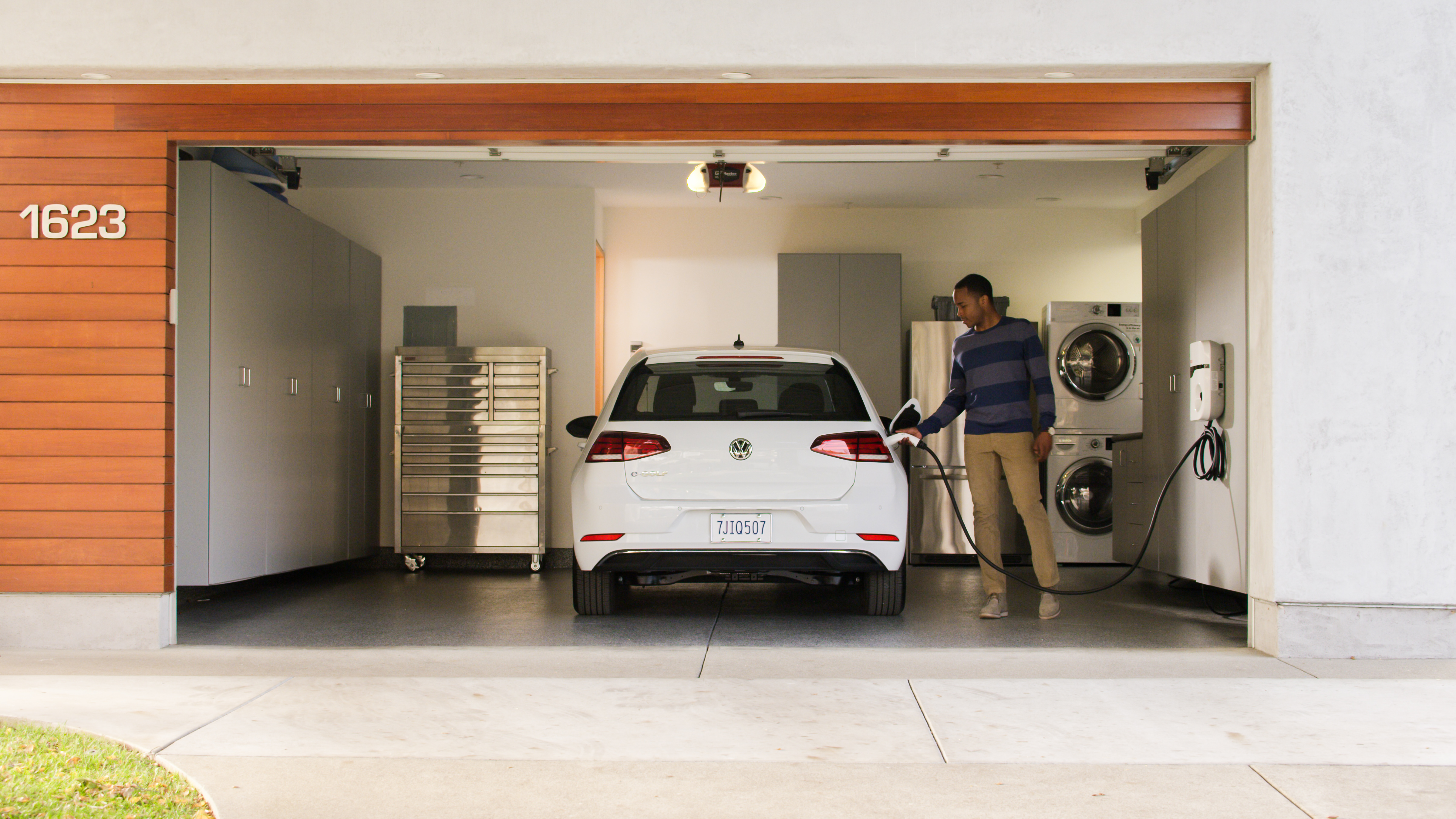
Preparing Your Garage for an Electric Car

Photo Source: FleetCarma.com

Electric cars help lower emissions and fuel costs, improve fuel economy, and bolster energy security. And considering the volatility of gas prices—and their general skyward trajectory—electric fuel shows promise as an economic alternative. But switching to an electric vehicle entails more than new driving habits and a conversation piece with strangers. It’s also a lifestyle update. From setting up a charging station in the garage to maintaining optimal temperatures therein, check out these useful garage preparation tips to assure your electric vehicle battery is in tip-top shape. 


Selecting a Charger: Level 1 vs. Level 2

Charging an electric vehicle is more involved than charging your smartphone, and you'll likely need a home station charger. That said, make sure you familiarize yourself with the two main levels of electric vehicle chargers supplied by home-based charging equipment and most public charging stations so you can choose the best one for your home and car. 


Level 1 Chargers

A Level 1 cord set charger delivers a standard household current of 110 or 120 volts and comes with most plug-in vehicles upon purchase. It’s outfitted with a three-pronged, household plug at one end that’s connected to a control box by a short cord. A longer 15-to-20-foot cord running from the other side of the box connects directly to the vehicle itself.

  • If you have the time, a Level 1 could be the way to go. But be forewarned: What you get is, more or less, a trickle charge that affords roughly three to five miles per charging hour. For instance, the Nissan Leaf takes around 24 hours to fully charge on a standard 120-volt household outlet. 
  • The upside is, Level 1 equipment doesn’t entail an elaborate setup of high-power circuit breakers or dedicated electrical lines, which are required by major appliances like stoves and refrigerators.
  • Because cord sets are portable, plug-in vehicles can be charged virtually anywhere there’s a standard outlet. Provided the circuit isn’t a household outlet that’s patched into the same circuit as other demanding appliances—in which case you could trip a circuit breaker.


Level 2 Chargers 

You can also consider installing a Level 2 charger, which delivers 240 volts and replenishes pure electric vehicles in about three hours—which is about seven to eight times faster than Level 1 equipment. Unlike the simplicity of Level 1 setups, though, Level 2 chargers may warrant the services of a professional due to the rigmarole of electrical codes, equipment setup, and necessary inspections.

  • Level 2 chargers cost anywhere between under $300 to over $1500, the price ultimately depending on cord length and amperage. 
  • Level 2 outputs typically range between 16 to 30 amps, but professionals often recommend around 30- to 40-amp systems—an adequate overnight charge for most plug-in electric cars.


Installing a Charging Station

It’s worth mentioning that the “charger” you’re installing is technically referred to as Electric Vehicle Service Equipment (EVSE). This is the wall-mounted box with cord and plug that delivers electricity and functions as a communication and safety unit for the actual charger situated inside the vehicle itself.  The EVSE ensures the battery doesn’t overheat and shuts the charging session down if there’s a short circuit, power surge, or any other type of faulty hardware.  

If you’ve opted for a Level 2 ESVE, you’ll likely need to reach out to a professional electrician to wire up equipment and determine where the ESVE should be situated in regards to where your vehicle is parked. Notwithstanding factors like outdated wiring, meters, and breaker panels, updating the garage for your electric ride should actually be pretty straightforward. 


Cost of Installation

The installation cost generally hinges on the work involved—such as the amount of wire that needs to be run, whether additional or replacement breaker panels are necessary, and the cost of labor in your area. This could vary between just a few hundred dollars to a couple thousand. It's also worth looking into your local. utility company's offerings, as you may qualify for special rates or a rebate when you install an ESVE. 

Market News June 26, 2019

Mortgage Rate Forecast

Geopolitical uncertainty is causing mortgage rates to drop. Windermere Chief Economist, Matthew Gardner, explains why this is and what you can expect to see mortgage rates do in the coming year.


Over the past few months we’ve seen a fairly significant drop in mortgage rates that has been essentially driven by geopolitical uncertainty – mainly caused by the trade war with China and ongoing discussions over tariffs with Mexico.


Now, mortgage rates are based on yields on 10-Year treasuries, and the interest rate on bonds tends to drop during times of economic uncertainty.  When this occurs, mortgage rates also drop.


My current forecast model predicts that average 30-year mortgage rates will end 2019 at around 4.4%, and by the end of 2020 I expect to see the average 30-year rate just modestly higher at 4.6%.

Living June 19, 2019

Refresh Your Home

The craving to move happens to every homeowner as they start to feel bogged down, or like they need a restart. That sense of newness doesn’t have to be dramatic, however. The great part about having a home of your own is you can make improvements and give your home a chance to evolve over time. You just need to help your home live up to its potential!  These are seven of our favorite improvements to help you make the most of your home.

1. Find Your Home’s Purpose

Each home is as unique as its owners, so in order to fully utilize your home, consider how you view your home’s purpose. Some people like to entertain, others find it a calm space in the frenzy of daily life; some nurture their families and others nurture their creativity. Your home’s purpose can be any combination of these and more, but it helps to consider the function of your space in order to ultimately find its purpose. Knowing your home’s purpose will help guide you as you move room to room while you refresh the space.

2. Assemble a List

Create a list of haves/needs/wants. Answer questions like: what is it about the space that isn’t working; how could it work better to fulfill the purpose; where could I move some of my items to make them feel new again?

3. Make an “Inspiration Board”

An “inspiration board” is a great way to visualize your home’s decor. You can create a board online with a tool like Pinterest to organize ideas you love, you can also use the ‘Save’ feature on Instagram, or the old-fashioned way with a cork board and magazines. Doing this will allow you to see all the elements you like in one place so that you can then tie it all together into a room you love.


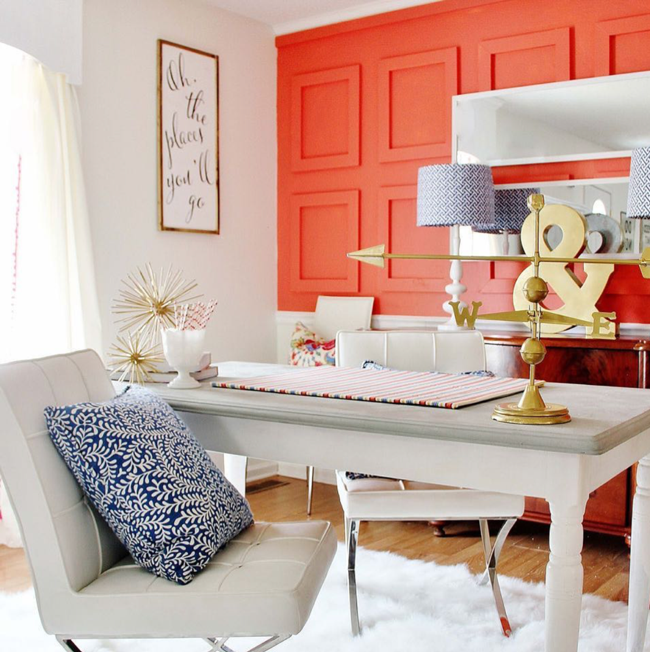
Photo Credit: @Krista4Coral on Instagram

4. Choose a New Palate

Renew the lighting and color by shaking up your color palate. It’s easy to fall into the white/beige standby to keep our rooms neutral, but sometimes a color that provides a contrast to your décor will make the room pop. Add a new color to the palate, refresh a wall with an accent color that you already feature in your decor, or overhaul your curtains and throws with a brand new hue.
What about the Pantone color of the year? See our blog on how to incorporate Living Coral into your home.


5. Rearrange

Moving furniture around is another easy way to reinvent your space. Try placing your sofa on an angle to open up your entertaining room or move your lamps to improve lighting. You can also think about moving a piece of furniture into a room to give it new life, like using a unique dresser for a credenza or a chair as a side table.


Photo Credit: HouseBeautiful


6. Create a Collection

If you have items that you like to collect, think about how to transform that collection into something you can display. If you don’t already have a collection of loved objects think about what this collection would be for you. You can center a room design around your travel souvenirs, old camera collection, figurines, unique plates, or familial objects. Adding to this collection over time can be a great way to keep your spaces new while maintaining a personal feel to your decor.


7. Find Design Motivation

Home design evolves over time and can be sustained by finding items that inspire you. Read magazines and books that inspire your interests in architecture, design, art, etc. Or find stores and flea markets that sell pieces that influence your aesthetic. Another way to get in-tune and keep your aesthetic with you is to bring a camera with you when you’re doing your favorite activities and bring back memories or inspirations.


Important Note: Have fun with it! Homes and aesthetics evolve over time, add and subtract as you go, and don’t stress if the room doesn’t feel finished. You’ll get there eventually.

Selling June 17, 2019

Improve Your Curb Appeal with These Affordable Tips


You’ll never have a second chance at a first impression, so let’s make it count! When it comes to upping your home’s curb appeal, there are plenty of small changes you can make that have a big impact. And best of all, you don’t need to call in the pros or spend a fortune to get beautiful results. Below are some helpful and affordable tips.


A Well-Maintained Yard

Mowing: The first step to a well-manicured lawn is to mow it regularly. The experts recommending mowing high because mowing it too short can damage the grass and allow weeds to set root.

Weeds: To prevent weeds like crabgrass use a pre-emergent herbicide in early spring. These herbicides manage the weeds by stopping the seeds from sprouting in your lawn. Broadleaf weeds like dandelions can be stopped by applying granular weed control products.

Feeding: Lawns consume mostly nitrogen, so look for mixes of fast and slow release fertilizers; they will feed your lawn over time while keeping it lush and green. 

Watering: Nighttime watering can result in long spans of moisture on the blades, potentially exposing your grass to disease. Consider watering your lawn in the morning – the sun helps dry out the blades throughout the day.

Flowers: You can quickly and affordably dress up your yard with colorful pre-made flower pots and containers. When placing your flower pots and containers remember that asymmetrical arrangements and staggering plants will provided the liveliest setting.


Dress up the Front Door and Porch

Paint: A fresh coat of paint in a pop color can give your home a well-deserved facelift. Get some color inspiration from House Beautiful. 

Replace Old Hardware: Clean off any dirty spots around the door knob, and use a metal polish on the fixtures. Change out house numbers for an updated feel, put up a wall-mounted mailbox, or add an overhead light fixture. Keep in mind that well thought through elements, instead of mix-and-match pieces, will add the most curb appeal.

Create Perfect Symmetry: Symmetry is one of the simplest design techniques to master and is the most pleasing to the eye. Maintain symmetry by flanking your front door with two sidelights (just make sure that your hardware matches); find two urn planters or a unique visual detail to put on either side of your door.

BuyingSelling June 10, 2019

Five Things to Consider When Downsizing

Downsizing is on the minds of many homeowners today. Some are ready to retire, others want to live more simply, and many want to save money and say goodbye to home maintenance. If you can relate to any of those sentiments, ask yourself these five questions:


Have you done the math?

The financial savings that can be generated by downsizing can be significant – especially as they add up over time. When doing the math, make sure the move will save money, rather than spend unnecessarily.


Have you researched elder-care options?

Many homeowners hold on to their current home longer than they should because their parents / parents-in-law may need to come live with them in the future. While a noble gesture, there are many excellent elder care living options available today. Often, all it takes is a tour of those facilities to realize that your loved one may actually be happier, and far better served, in a place devoted to their care and happiness.


Have you considered off-site storage?

You don’t need to immediately discard a big chunk of your belongings in order to downsize. In fact, trying to do so in one fell swoop only creates needless stress. Most people find it works much better to move some of their belongings into off-site storage for six months. During that time, you can gradually incorporate some of those items into your new living arrangement, and slowly figure out what to do with the others.


How do you feel about sharing costs and decision-making?

Townhomes and condominiums are popular downsizing options. But both require that you share the decision-making and expenses associated with any maintenance and improvement projects with your neighbors and potentially an HOA. If you’re a people-person and agree that two heads are better than one, and you like the idea of sharing the cost/responsibility for expensive repairs, you’ll enjoy condo living. If not, this may not be the best option for you.


Have you consulted with a real estate agent?

Many homeowners don’t think to consult with a real estate agent until they’ve made the decision to downsize. This leads to guesstimating about some of the most important factors. The truth is, your real estate agent is someone you want to talk with very early in the decision-making process.

More June 7, 2019

Windermere Celebrates 35 Years of Community Service!


If you try to call or stop by a Windermere office today you’ll notice that we’re closed for business. That’s because the entire Windermere network of agents, franchise owners, and staff are volunteering for our annual Community Service Day. For the past 35 years, our agents have taken one-day-a-year off to dig into hands-on community service projects, volunteering more than one million hours of time in the process.


So, what do we do on Community Service Day? This year, we can be found doing a variety of projects, such as weeding community gardens, cleaning and landscaping at various parks, sorting donations and cleaning up warehouse spaces at local nonprofits, cleaning animal shelters, building and auctioning off Adirondack chairs to benefit school district programs for homeless students, cleaning elementary schools, sorting/distributing food at food banks, preparing land for the growing season at food pantries, and helping to build a playground at a homeless shelter for families. This is just a sample of the projects that our offices have selected to complete on Windermere’s annual day of giving.


Community Service Day is something our company looks forward to every year because it gives us the opportunity to come together as a team to make a positive difference in the communities where we live, work, and play.

Design June 3, 2019

12 Tips for Making Your Bedroom Cozier

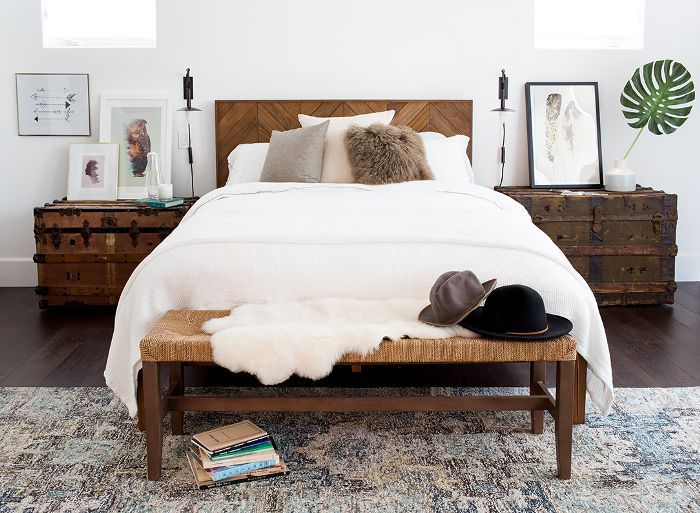
Photo by MyDomaine 

At the end of a long day, your bedroom should be a sanctuary of comfort that welcomes you in. But, as a room that guests rarely see and in which homeowners spend most of their time with their eyes closed, its upkeep frequently gets pushed to the bottom of the to-do list. Thankfully, there are some little design tricks that can make a big difference. Turn your bedroom into a restful retreat when you up its coziness factor with a few of these easy ideas.

  1. Layer textures. Sheepskin rugs, a down comforter, plush pillows, and knit blankets can add a softness to the room that will make you want to sink right in. Lift these textures upward, with a canopy, tufted headboard, billowy curtains and hanging textiles (like a weaving) so even the walls and ceiling feel snuggly.
  2. Pick the right paint. Dark, saturated colors make a room feel like it’s embracing you, which is ideal for setting a sleepy environment. But if you’re nervous to commit to a dark color on the wall, choose a pale dusty blue, sage green or another light natural color for a soothing tone (just steer clear of energetic hues). Have you ever wanted to sleep on a cloud? Go with all-white paint and decor which makes even a basic bedroom feel soft and spa-like.
  3. Personalize it with reminders of the places and things that make you feel at home. Do you have a fondness for flowers? Bring floral patterns in on your textiles. Do you dream of vacation at the lake? Frame a photo of your favorite spot! Photos or paintings of uncluttered natural landscapes—like a sunset reflecting on water or a hammock under the shade of an oak—can rekindle memories of relaxation and are perfect for creating a sense of calm.
  4. Add mood lighting. Soften the light to mimic dusk for an intimate mood with dimmer switches, lamps, lanterns or even string lights. Just make sure you can reach the switch from bed, so you don’t have to disturb your peace to get up and turn it off when you’re ready to roll over and fall asleep.
  5. Skip metallic finishes. Choose warm natural decor options like wood and fabric instead of cold, manufactured metallics. This goes for everything from your bedroom furniture to window treatments. Faux wood blinds, especially when paired with floating curtains, fit with a cozy aesthetic and let you filter out harsh sunlight and maintain privacy for a truly sheltered slumber.
  6. Bring on the books! Stacks of good reads invite you to snuggle in and get lost in another world. A true retreat is a room with plenty of books that begs you to stay.
  7. Fix up—or fake—a fireplace. If your bed sits hearthside, embrace this romantic accent with styled logs and a decorated mantle. If you don’t have such a luxury, create a faux fireplace to add comfort and warmth through your décor: Arrange oversized candles and lanterns safely within a homemade hearth to bring in that cozy fireside feeling without changing the structure of your home.
  8. Keep the room uncluttered. When you want to settle in, a mess distracts you from finding comfort, to minimize the amount of stuff that makes it to your bedroom. Watch your nightstand, which often becomes a catch-all, by making a point to rehome any wandering wares now, and put things away as soon as they enter the room in the future. If you’re apt to let laundry pile up, keep it behind the closed doors of your closet so it doesn’t crowd your peace.
  9. Create a sense of timelessness. Tuck clocks and electronics away so they’re nearby if you need them, but their wires and harsh silhouettes aren’t reminding you of life outside your sanctuary. The hush that falls in a room devoid of gadgets will allow you to easily disengage from the stresses of reality.
  10. Rethink your bedding. Add a pillow-top pad to your mattress so it feels like your bed is hugging you when you climb in. Or, bring in a contoured body pillow which actually can hug you! Linen sheets feel luxe compared to cotton and are a simple swap to boost your bower. Many people also swear by skipping the top sheet while dressing their beds, which allows them to burrow directly into a fluffy comforter.
  11. Appeal to your sense of smell. Aromatherapy can have a huge impact on your perception of a space, so find some soothing essential oils or a sweet candle to blanket the room with an ambiance you adore. As soon as you open the door, you’ll be eager to plunge into your little oasis.
  12. Nestle into nooks. A window seat, a reading nook or an upholstered seating area are all inviting spaces that can draw you in from the doorway. The more intimate alcoves you can create, the cozier your bedroom will feel!

Flooded with soft lighting, plush textures, and other comfy touches, your bedroom environment will envelop you at day’s end. And, perhaps even better than the idea of your bedroom refresh itself, is knowing that none of these tips take longer than a weekend to complete! So, slide into your slippers as you settle on which cozy updates you’ll select for your new favorite room of the house.


More May 29, 2019

Giving Thanks to Our Vendor Partners


Throughout the years, the Windermere Foundation has donated more than $38 million to hundreds of organizations throughout the Western U.S.  We’ve helped homeless shelters, food banks, schools, hospitals, community centers, and other nonprofits that provide services to low-income and homeless families.


Most of this funding comes from our agents who give a portion of every commission they earn to the Windermere Foundation. In addition to this, Windermere has a number of vendor partners that do their part by donating a portion of the business they receive from Windermere, back to the Windermere Foundation. Examples of these partners include Bumblejax, Complete Office, Fran’s Chocolates, glassybaby, Knack, Loop & Tie, Morrison Craig Apparel, Posie Turner, Sozo, and Windsor Vineyards.


One partner in particular that we’d like to give special recognition to is trueIMAGE Publishing. Since 2007, trueIMAGE Publishing has provided Windermere agents with beautiful calendars that showcase exclusive images from award-winning photographers. These calendars are popular gift items that agents send to their clients. Through these calendar sales, trueIMAGE Publishing has generously donated over $247,000 to the Windermere Foundation! We cannot thank them enough for all they’ve done to help us continue our tradition of giving.


We are so grateful for all of our “true-ly” wonderful vendor partners who share our passion for helping those less fortunate. Their contributions have helped us continue to provide funding for things such as diapers and formula for babies, housing assistance for families with critically ill children, shoes and school supplies to students in need, and scholarships for low-income adults seeking to continue their education in order to be able to provide more for their families.


To learn more about the Windermere Foundation, or to make a donation, please visit windermerefoundation.com.