More April 22, 2011

Foundation Quarterly Report: Announcing the Building Better Communities Campaign

Greetings from the Windermere Foundation,

Thanks to you and the wonderful support the Windermere Foundation has received so far this year, we disbursed nearly $350,000 to qualifying social service organizations dedicated to serving low-income and homeless families throughout the West.

Our amazing agents, brokers, staff and owners, along with public supporters, continue to contribute generously to the Foundation, making these disbursements possible.

I’d like to share a letter from one of our recipient organizations illustrating how your support is truly making a difference in the lives of those they serve:

Shoreline Public Schools

“Thank you so much for the grant for our 6th Grade Camp trip to Camp Orkila. We wish we could express the gratitude that the parents have when we tell them that we have scholarships to pay for camp. We always have kids tell us that they won’t be able to go to camp because it is too expensive. And we always tell them that we will find a way to get them to camp. The Windermere Foundation has supported us and these kids for the past several years – and it makes such a difference!”

Building Better Communities, One Home Sale at a Time

Windermere Real Estate and the Windermere Foundation have launched the “Building Better Communities, One Home Sale at a Time” campaign to build consumer awareness of the Foundation and the good work our offices, brokers and agents do in their communities. Large-impact projects and events will be happening in several Windermere markets throughout the year including a park in Seattle, the renovation of the Trail Blazers Boys & Girls Club in Portland, five-acres of soccer fields in Hawaii and more.

We have more projects across the Windermere market in progress; we are excited to share these with you over the coming months. Learn more about projects happening across the network, sign up to volunteer, or donate to a specific project at www.windermereandyou.org.

As always, thank you for your continuing support of the Windermere Foundation. Many low-income families are receiving basic necessities because of your commitment to helping others.

Best,

Christine Wood

Want to read more news about the Foundation?

Become a fan on Facebook to learn and share your stories about all the amazing things the Foundation is doing throughout the year.

Become a fan on Facebook

Buying April 19, 2011

Can Mid-Century Modern Design Successfully Meet Today’s Energy Standards?

It was an open house.  The buyers came in, fell in love, and wanted the home.  The only problem was, it had just sold.   You’ve heard this scenario before, except these buyers loved the home so much, they built the same home on their own lot. What they loved was the fabulous, fresh contemporary style and the open feel of the home.  It had high ceilings and big windows that captured views of the mountains, flooding the home with light.  The design was elegant in its simplicity. Clean lines and sleek finishes captured today’s modern aesthetic.   Given its modern flair, one would assume this was a new, cutting-edge design.  But it was not.  The home had been designed in 1955!

Sinick2 

Solar Panels Provide Energy to the Home

    • tankless water heater


    • variable-speed pool pump


    • drought-tolerant plantings


Sinick3Drought-Tolerant Landscaping


    • a drip system where there’s grass


    • an integrated system for insulation, vapor barriers, thermal breaks, and venting


    • rigid  foam insulation,  incorporating an air barrier between it and the roof sheathing


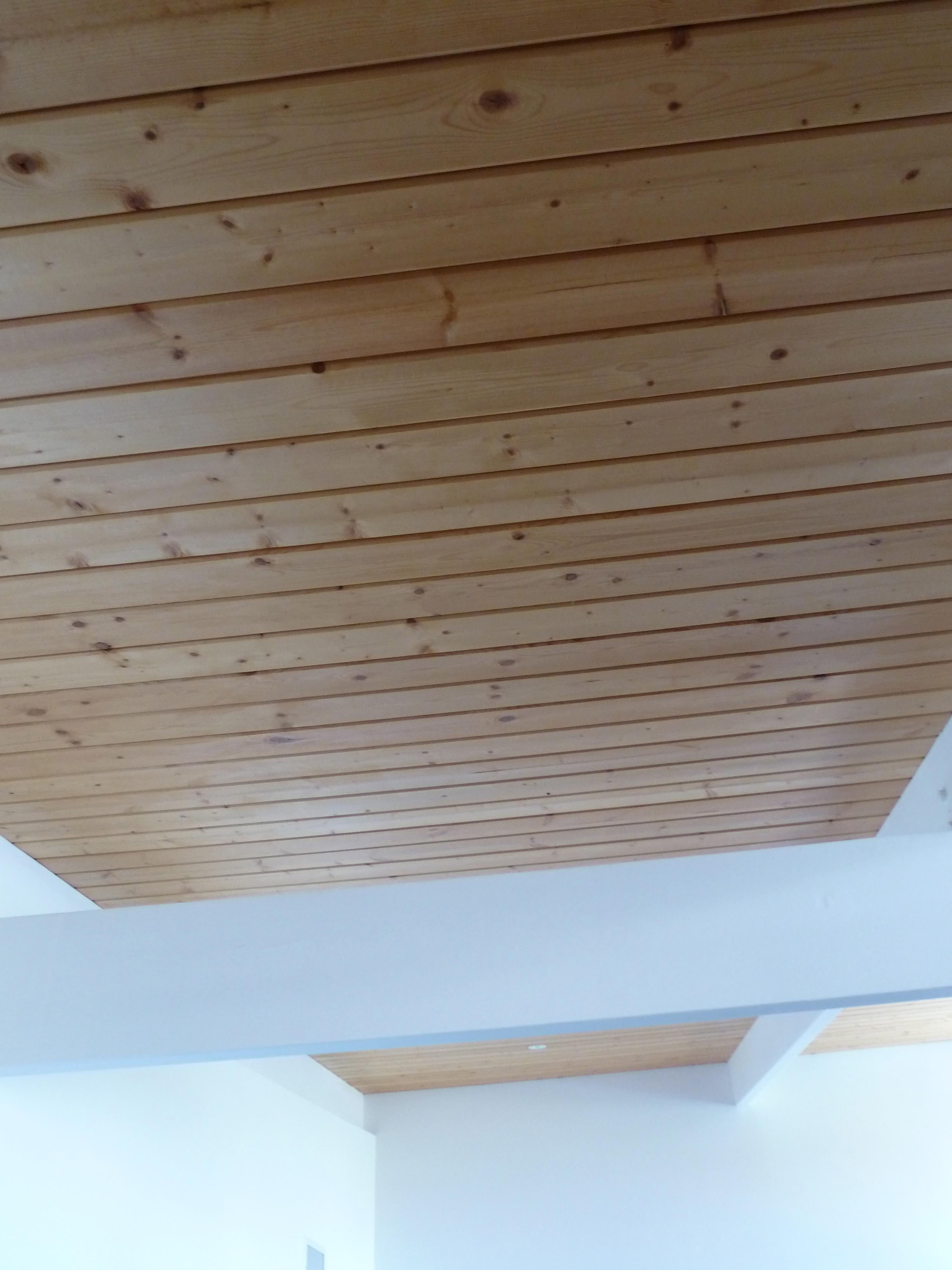
    • tongue  and groove ceiling


Tongue and Groove Ceiling

Sinick4 

The 15 solar panels, for example, cut the owner’s energy bills from $4,000 to $2,000 a year.   The variable-speed pool pump installed by HPE was another winner because, according to HPE, 25% more was knocked off the heating bill. You don’t have to live in Southern California, love mid-century modern or have a pool to save energy costs. Great design can work well with energy-efficient systems, whether you live in Southern California, Portland, Seattle or Boise.  Consider energy usage when buying or building a new home or remodeling an existing one.   Look at the “price tag” for energy-efficient systems. Find out more about how much it will actually cost to live in the home and use the existing systems, versus replacing or building with newer efficient systems. The initial cost should be balanced against the savings generated over time.  Many systems pay for themselves in just a few years and continue to save money each year after that.   More than likely, you’ll be surprised by the money saved overall.  To increase the value of your home, buy with both great design and energy efficiency in mind.  It’s the smarter way to buy a home.

Debra Sinick is a broker with Windermere Real Estate/East and has worked in real estate for the past twenty-four years, twenty-one of which have been with Windermere. She works at the Yarrow Bay office in Kirkland, Washington.  Her blog focuses primarily on eastside real estate trends.  She also writes about her passions: green living and modern, prefab and eco-friendly architecture and design. You can find her blog on local market news at www.eastsiderealestatebuzz.com.

BuyingMarket NewsSelling April 8, 2011

Apples and Oranges – Do we have short memories?

In recent weeks, I have been reading much about the lack of confidence in the housing market that is demonstrated by declining transactions and prices.  Although it is clear that we are far from “out of the woods” at this point, I would like to suggest that this news may not be as dire as everyone is thinking.

Remember the tax credit that was implemented last year?  How short the memories of our local and national reporters are.  We are fighting against the tide of a dollar-induced market that we no longer have.  I think that it is important to make this statement, as I have yet to see any mention of this in the media.

That said, we are still suffering from a surplus of homes and foreclosures that continue to weigh the markets down, in terms of both price and supply.

More March 28, 2011

March Perspective

Some things change . . .

Late one evening at the office, we wandered onto the topic of college applications and the sheer amount of paperwork involved.  A session of family one-upmanship ensued:  Who dealt with the most convoluted stack of forms?  With a collective sigh, we finally agreed that all of them are tedious.  But they just have to be done.

This led us back to where almost all of our conversations do: To the family business. Specifically to the paperwork involved in real estate.  And another collective sigh.  Thirty years ago, Windermere’s founders did not have to invest in infinite reams of paper.  (Those little red and yellow stick-on arrows we use to designate places for myriad signatures ­– they hadn’t even been invented.)  Not that the past was as ideal as a 1950s musical – think Von Trapp family –  but when Windermere began, agents could and did write transactions on napkins.

Over the years, more and more companies entered real estate.  Of course, rules and regulations followed on the heels of growth.  Followed by attorneys.  Followed by legalese and the aforementioned reams of paper.  Even though Windermere didn’t need any documents to ensure best business practices, and even though these additions would be onerous to us and to our clients, there was no choice.  Never whine.  Just figure it out.  That’s in our DNA.  The solution was and is education.

To begin with, we hire people who value learning and understand that it equals success.  Then we offer experts, special programs, seminars, mentoring, even old-fashioned libraries.  Continuing education means that, even if paperwork attains the length of The Lord of the Rings trilogy, our agents can guide clients through with ease.  Knowledge makes Windermere smart, savvy and trustworthy.  And yes, we’re very proud of that.

Some things stay the same.

So, the era of Windermere contracts written on napkins is gone.  Yet the most fundamental ethos will not change:  The integrity that fostered transactions based solely on honor.  Trusting relationships built this company.  Trusting relationships will sustain it.  And this has nothing to do with signing and initialing a bunch of paper.

BuyingLivingSelling March 17, 2011

When it comes time to downsize

When it comes time to decide if you want to downsize, there are many thoughts and emotions that go speeding through your mind.  Maybe you have already decided this is your home for the rest of your life.  Your home was the perfect place to meet your needs when you were in an earlier cycle of life, and will be the ideal home for all the events you see happening in your next.  If you are inclined to feel that the home you currently reside in may have out-lived its purpose, you may be struggling with some of the same thoughts and emotions my husband and I had when it came to the emotional and financially sensitive decision to downsize.

In our situation, we loved our home.  It provided everything we needed to raise our three children, plus nurture all the creative projects that identified who we are as a family as well as individuals.  Our children were just like anyone else’s; loved, individually different, all requiring unique activities and space to help them grow, using their special talents.  We loved our neighborhood and took an active part in making it an extension of our home.  Considering that it had been our home for decades, deciding to leave was emotionally difficult.

We spent several years before we knew we would leave our home, looking at all the smaller options.  We wondered, should we look for another single-family dwelling or check out other options like co-ops of condominiums?  My husband had spent the past twenty-five years mowing our lawn and was quite willing to remove this task from his plate. I, on the other hand, still loved to garden.  Was there a living environment that could satisfy both these expectations?  We looked at every condominium and every co-op in the Seattle area for five years, but nothing really fulfilled everything we needed.  We had a list of features including a garden spot, closets and efficient use of space, etc. I’m an Old World Charm lady, but guess what?  Back in the 20’s ladies only owned three dresses.  Let’s just say, I own a few more outfits than most pre-war closets were meant to hold.  So the search went on.

When our children finally reached their 20’s and my husband wanted to retire, we knew it was time to make our move.  Like I said, everyone loves their children, but not all the party time we now came to expect in our rec room every weekend.  We were ready to have a space of our own, and it was time for our kids to begin their next cycle in-life.  We also had too much of our finances tied up in a 3,000 square foot house, when in reality we needed less and could save more.  We had to leave the home we had dedicated to making our unique expression of who we were, and leave very soon.

If any of this sounds familiar, your task will be a little easier than it seems! Here is some practical advice for making your move:

Define your needs:  Narrow down your ideal needs. Start by deciding if you want a single-family versus multi-family dwelling. Consider your price range, and then space needs.

Downsize: We downsized a bit more than we should have, but we sure got rid of lots of items we collected over the past 25 years.  Some of them were special to me.  I’d purchased a beautiful wood serving tray at a yard sale with one of my dearest friends.  I had to borrow money from her to buy it.  I solved the problem by giving it to her when we moved, and I still see it when I visit her home.  My children took much of the furniture they had a special connection to, and my nephew, who spent nearly every Christmas sitting in his favorite red chair, can now enjoy it in his own home.

Let go: Leaving the neighborhood and all our lifelong friends was the most difficult process, I think, of all the decisions we had to make.  We still see them, but as I’m writing this my eyes are tearing up.  It’s hard to re-visit my old neighborhood and see my old home cared for in a different way than I had lovingly done for twenty-five years.  But it does give us plenty of things to talk about with old friends when we get together.

What did we end up doing?  We moved into a vintage 1930’s co-op in a walkable part of town.  I have just the right amount of gardening space that I share with other owners.  We have made wonderful friends with some of our neighbors and get together frequently for happy hour and spur-of-the-moment gatherings.  It’s a different lifestyle than we had before but, believe me, there are plus sides. In no way will any of our three wonderful, adored, adult children ever be able to move back home, since we now live in an 850-square-foot co-op with every space used on a daily basis.  There were times when I wouldn’t go in one of my rooms in our old home for several weeks.  This is not a problem now.  Yes, maybe it’s too small, but we can always move into a larger place if and when we feel it’s time.

What are your questions about downsizing your home? What features do you require to live in a smaller, more efficient dwelling?

Pat Eskenazi is a Windermere veteran, working in marketing for the past 12 years. She has lived in Seattle since 1952.  Her favorite place to walk is along Golden Gardens, and she especially loves to climb the stairs up to the Sunset Hill neighborhood where she lived with her 3 children and husband for 25 years.

More March 10, 2011

Just a Dash of Feng Shui

What is a home if not personalized to those who share its walls? Feng Shui is intended to create a place of peace, balance and harmony for you and yours. You can achieve this type of atmosphere through the things you bring into your home and the way that you stage your environment.

Feng Shui helps enhance your space and deliver positive energy by creating a more comfortable, clutter-free environment, and incorporating the influential elements found in nature. A recent article titled Feng Shui Basics for Home Decorating provides what I consider the simplest definition:“the use and placement of objects and materials to create a harmonious flow of life energy. As such, the design of each room should be based on the people who use it the most.”

To better understand Feng Shui, it is important to know the elements in which it is grounded: Water, Earth, Fire, Metal and Wood. Incorporating these elements into your home can be surprisingly simple, inexpensive, and do-it-yourself.

Element by element, here are some ideas and explanations of Feng Shui for your home:

  • Water: The water element also includes wind. Blues and blacks represent this element, as does integrating a water source in a home, which gives off a presence of refreshing movement. Rock fountains and indoor aquarium tanks are common in Feng Shui-oriented homes.

Using mirrors in your home can be another way to incorporate the water element. The reflective surface of a mirror is similar to the properties given off by a pond or lake. A fashionable mirror can be arguably as attractive as a framed picture, and doubles as being resourceful when you would like to check out your look. Decorating with mirrors can be perfect for a living room space that needs light and enlargement, and a flow of movement.


The living room is typically one of the largest shared spaces of movement in a home, so incorporating a tasteful mirror in this room would be oh-so-appropriate.

  • Earth: “Adding the earth element to your home quarters strengthens feelings of safety and security. The grounding support of earth energy should bring comfort to the soul and tone things down” is how Happy Home Zone describes home decorating with the earth element.

A simple way to add the earth element to your home is by use of color, and earth tones are the most obvious source. But if tans, browns and oranges are not your thing, try a deep red, mossy green or an off shade of white.


You don’t need to paint every wall or replace your furniture. Start small with a cream throw or piece of artwork. Cream is a color that matches almost any other. Earth tones in beiges, brown, tans and off-whites are also aesthetically pleasing accent colors.

Due to the calming, soothing properties earth tones extract, your bedroom would be a perfect place in which to add this element.

  • Fire: Another element you may consider incorporating into your bedroom is fire, due to its association with passion, happiness and love. Keep in mind, however, that fire should be used lightly; in large amounts its passionate properties can give off anger vibes.

An article titled How to Decorate with Earth, Fire, Wind and Water suggests incorporating the fire element through the use of “silks and synthetic fabrics, images of sunrises, geometric abstracts, triangular shapes, animal patterns, the color red and candles”.


Candles are always in style, fit well in nearly any room, and come in a variety of shapes and sizes. They can be inexpensive to buy or a fun Do-It-Yourself craft project. A candle display can work nicely in a bathroom and double as an air freshener.

  • Metal: According to Spiritual Feng Shui.com, “metal is a symbol of wealth and protection. Metals include stainless steel, aluminum, sterling silver, or iron.”

One of the most obvious places to incorporate metal would be in your kitchen. But metal has taken on a new trend outside of kitchen appliances; metal decorations can be used in any room you choose, and can be trendy and tasteful for both men and women. Check out these great precious metals and be inspired!

  • Wood: The wood element represents growth, and can be incorporated through almost any vegetation you choose to bring into your home. Indoor herb gardens or a potted houseplant can enhance your home aesthetically by being decorative and fragrant.

Growing your own edible vegetation can be a profitable experience, saving money on your grocery bill and adding flavor to your food. But if you lack the outdoor space to do it, read how indoor gardens can be accommodating. Indoor gardening is something your entire household can get involved in and enjoy.


Essentially, among other properties, Feng Shui is about balance – balance in your environment for you and for those with whom you who share your space. If Feng Shui is something you are interested in, start by adding a few of these elements into your décor and gradually increase them as you see fit, to find what balances your home best for YOU.

How do you achieve balance in your living space?

Brittany Lockwood works in Marketing at Windermere Real Estate. She is the in-house expert on weatherizing, yard-sales and interior design. She lives in Seattle in a renovated condo which she enjoys re-arranging and decorating.

More March 2, 2011

Read Across America Day, with a side of Green Eggs & Ham

“The more that you read, the more things you will know. The more that you learn, the more places you’ll go.”

I Can Read with My Eyes Shut! by Dr. Seuss

I am sure many of us share a common memory of reading Dr. Suess, from childhood, or as parents and grandparents. Dr. Suess (Theodor Seuss Geisel) was born this day in 1904 and published 44 children’s books in his lifetime. Originally, he was called to write and illustrate books because he found the literature given to children to teach basic reading was boring. His work has inspired, and continues to inspire, readers of every age.

In commemoration of Dr. Suess’ birthday, the National Education Association has dedicated March 2 to the memory of Dr. Suess by celebrating Read Across America Day for the last twelve years. School children across the country will be reading all  day. By celebrating reading in schools, the day is also bringing awareness to literacy issues. According to the National Assessment of Adult Literacy, as many as one in every four children could not read in 2003; literacy is tied to education, economic stability and crime.

Many of our offices across the West have supported literacy programs over the years, as well as organizations that help fill in the gaps; after-school and education programs that provide additional support for children in need. Today is an exciting day to celebrate reading and education. Not only is reading an important foundation for life-long learning, but it also opens the door to creativity and imagination, worlds only literature can create.

Today is a great day to share your favorite books with a child you know. What is your favorite book from childhood? What are your favorite books to share with your children or grandchildren?

Selling February 28, 2011

Deciding to sell (Home resolutions, part IV)

Choosing to put your house on the market is rarely easy, but if you must sell to move onto the next phase of your life, then you want to make sure your house is purchase-ready to get the most out of your investment. If you aren’t sure if you are ready to sell, you can always consider becoming a landlord or finding a property manager to handle tenants. But if you have decided to put your house on the market, it is time to let go of sentimentality and start thinking of it as a house again–not your home. Here are some tips for getting your house ready to sell and placing it on the market:

Do an audit: Go through the house, making notes of any projects that need to be completed, and anything that needs to be replaced, repainted or repaired. Here is a good checklist to get you started.  If you are unsure about any major problems, you may want to hire an inspector to look at your home prior to putting it on the market so you can fix all issues and avoid getting stuck in heavy negotiations.

Start with a blank canvas: Look at your home from the perspective of a potential buyer. You will want to neutralize your space so anyone interested in the house can see its full potential. Keep in mind that you may love your red wall, wall-to-wall carpet or lavish art, but others may find it hard to see beyond the decorations to imagine their own taste in the house. Neutralizing the space can be as easy as painting the walls a soft white, paring down possessions or scaling back on updates. Once your home is turn-key with the basics, start to think about the updates that will make the most difference in your return on investment.

Get the most bang for your buck: If you are considering upgrades to increase the value of your home, stick to projects that will make the most sense, such as increasing the curb appeal by re-painting or replacing an outdated front door and upgrading the landscaping with easy-to-maintain plants and pathways. The first impression your home makes on a buyer is key to selling your home quickly.  If your appliances are out-of-date, you may want to consider upgrading to energy-efficient models, which will appeal to a wider set of buyers. Avoid laying down new carpet; if the carpet needs replacing, consider wood flooring, as more people are replacing carpets with hardwood these days. Also keep in mind that your aesthetic will likely be different than those looking at your home, so avoid updates to the kitchen and bathroom that may offend the next homeowner. They will consider the need to replace these as a part of their offer. For more ideas on projects that bring a return, go here.

Find a listing agent: Once you are ready to put your home on the market, find a listing agent you trust will promote your home and bring the most return. Interview a number of agents to learn about their methods of marketing your home to other agents and potential buyers. They should be knowledgeable about the area, the market, comparable listings, staging and marketing techniques that will work best for you.  Look at potential agents’ past listings to see the techniques they employ, the photographs and language they use to market the homes, how long homes have been on market and what their listings look like.

Price your home to sell: Pricing your house right the first time will help it sell faster. The great news is there are plenty of buyers looking to purchase homes right now, and this trend should continue. The concern for many homeowners ready to sell is that their expectations for the selling price of the home will not necessarily be met. Increase your chances of getting your home off the market fast by working with your listing agent to price your home right. Your listing agent will factor in a number of considerations when helping you determine the best price for your home, including comparable homes that have sold in the area or similar locations, the type of home, neighborhood, condition, etc.

Staging: Now that you have gotten through most of the process for putting your home on the market, look at your home through fresh eyes. Staging your home is a fine balance between making your home inviting and setting a canvas for the next homeowner to envision the space with their stuff and to fit their life. Your home should look inhabited but clean, uncluttered but not sterile. Whether you work with a stager or do most of the set up yourself, you will have to get rid of the clutter and pare down all your belongings to the essential.

  • Thin out your closets; full closets look small.
  • Remove all personal items, photographs, trophies and excessive collections so prospective buyers can envision the home as theirs.
  • Pare down all your belongings to keep your home efficient and cleaning easy.
  • Pay attention to the details; you want your home to be welcoming in every way.

Putting your home on the market can be stressful, but you can minimize stress by following these tips and other ideas for getting your home ready to sell. The better prepared you are prior to listing your home, the easier it will be to sell to prospective buyers. In the end, realistic expectations about how long it will take to prepare your home to go to market, what renovations will get you the best return, and what is the right price to motivate buyers will help your home sell quickly, saving you money in the long run.


What are your home-related resolutions for 2011? How are you doing on reaching your goals?

This is the last post in our four-part home resolution series. Read the previous posts on setting and sticking to resolutions , making your house a home and buying a home.

Buying February 9, 2011

Preparing to buy (Home resolutions, part III)

If you are ready to make the move towards purchasing your first home or upgrading to a new home, there are some considerations you should keep in mind to make the process easier. The housing inventory is up in most markets with the start of the new year, giving you more options. Whether you are just starting to save for your future home or you are ready to start searching, here are some tips you may find useful:

Assess your financial situation: If you have just started thinking about purchasing a home, now is a good time to do some research to see how close you are to accomplishing this dream. Check your credit score, assess your debt, and make a plan for paying down your credit cards and loans. Look at homes in your area of interest to gauge the general market value of those with features you want, and use a mortgage calculator to estimate what the down payment, monthly mortgage payment and property taxes will be.  Now that you know where you are starting from, you can begin (or continue) the process.

Ready, set, save: With your estimated home costs in hand, you can determine what amount you need to save before you can make a purchase. There are some great online and mobile tools to help you create and track your monthly budget so you can maximize your savings every month; mint.com is a great option. If you already have enough savings for a down payment, make sure your monthly income can support your future mortgage payments by saving the difference in expenses for a period of time.

Create a plan: Before you start shopping for your home, be sure to have a plan. You probably already have an idea of what you are looking for, but you can make your search easier by creating a list of what features are necessary and desired for your home. We all have priorities for our homes, be it location, size, style, number of rooms, amenities or countless other features, so make sure you know what you are looking for and what you can’t live without. If you have a deadline for moving, keep it front-of-mind as you go through the process.

Find an agent: Once you (and your partner and your children) know what you are looking for in your home, find a real estate agent that can help you find the right place for you. Selecting an agent is a personal process, as well as financial relationship. If you have friends or family that have worked with an agent for their own real estate needs, ask for referrals. If you don’t know an agent yet, you can find an office local to the area where you are interested in buying, and interview brokers. Keep in mind you will be spending a lot of time with your agent, so you need to feel confident he or she understands your needs; the deal-breakers, wish list, budget and timeline. A good agent will work with you in refining these to reflect the reality of the market, and guide you through the entire process from pre-approval, home searching, closing and resources, to get you into your new home.


Pre-approval: If you already have a real estate agent, they can help you find a lending officer. You can also work with your bank of choice to find a loan that works for your financial situation and start the approval process. The amount the bank is willing to loan you will determine the top-cost of the home you can purchase.

Purchasing Process: Your agent will be able to guide you through the purchasing process, from pre-approval, to purchase and sale agreement, to inspection, financing and closing. If this is your first home, keep in mind there are some factors that affect the purchase of your home. If you are looking at a short sale, a foreclosure or bank owned home, the process will take longer than a traditional home sale from the owner or developer of the property. Be prepared to work with your broker heavily during closing, as the negotiating process is a critical aspect of getting the home you want for the best price. Your agent can also offer you tips to avoid hiccups during your financing process, such as avoiding any major purchases until after your home has closed; even furniture purchases for your new home can create financing issues. To learn more information about the home-purchasing process, go here.

Setting up a home: Once you have closed on your home purchase and are ready to start making your new home yours, create another checklist to make your transition as easy as possible. Your agent will likely have some useful resources for you, from moving companies, to local utilities and near-by amenities, that can help make the process smooth and efficient. If you are moving with small children, here are some tips to help you through the process and give your kids the best transition possible. Once you are moved and settled, you can start the process of creating the dwelling of your dreams.

This is the third post in our four-part home resolution series. Read the first posts on setting and sticking to resolutions and making your house a home.

More February 3, 2011

Starting the New Year Right

“Thank you very much for your generous support of Intermountain in 2010. What you have made possible is of immeasurable value! Through your generosity, you restore hope for children who are among the most severely impacted from early childhood trauma. We are indebted to folks like you who have made possible this remarkable work of healing through healthy relationships. You are part of a growing legacy of renewed health for our most precious resource – our children!”

Intermountain

Helena, MT

Greetings from the Windermere Foundation,

Happy 2011! While 2010 may be behind us, we have amazing stories to share with you about how your support of the Windermere Foundation translated into meaningful and necessary help for so many struggling families.  Collectively, we raised $1,279,350 in 2010 – this is up 7% compared to 2009.  And since 1989 over 22 million dollars has been raised, allowing us to help thousands of low-income and homeless families with the most basic needs.

While the past year presented challenges for many, it proved to be especially trying for anyone near the border of poverty. Thankfully, our generous agents, owners, managers and staff have continued their support of the Foundation, allowing much-needed funds to be distributed to many social service agencies committed to assisting low-income and homeless families throughout the West. As you know, the Foundation has been funded by a percentage of every transaction across the network since the beginning. For the past eleven years the above-and-beyond donations by offices, brokers, staff and public have exceeded the transaction revenue. Last year 63% of the Foundation revenue came from above-and-beyond contributions. The money we raise goes right back into our communities through great organizations and programs. Without you this couldn’t happen, so thank you! I’d like to share a couple of stories that illustrate what we are able to do when we tap into our collective network.

Windermere Kids at the Y

In 2006, the Windermere Foundation and the YMCA partnered to create Windermere Kids at the Y, a tuition-assistance and volunteer program that provides low-income children with quality after-school enrichment programs and the all-important summer camp experience. The Windermere Foundation has dedicated over a half million dollars to this important cause – helping hundreds of kids through our first network-wide program. This is a unique partnership in that not only does the YMCA benefit by receiving much needed funds, but several offices and brokers also volunteer their time by hosting parties for the kids, helping with tutoring, or just hanging out with the kids.

Adopt-a-Family Program

Nearly 50 Windermere offices participated in adopting families during the holiday season. Agents shopped, wrapped, and delivered gifts and food to hundreds of families in need of a little holiday cheer. The generosity of offices, brokers and participating community members was really remarkable. To learn more about the surprises this year, go here.

Fundraisers in 2010

Many of our Windermere offices held fundraisers throughout the year, from bowl-a-thons to golf tournaments and annual soirées. The fundraisers benefit the organizations in the direct community, and your participation is appreciated not only by the Foundation but also by the families and children who benefit from your hard work.

Second Annual Wine Tasting Fundraiser

In October, seven South King County, WA offices joined together to throw their second annual Wine Tasting Fundraiser to support the emergency funds for local Foundation organizations. The event was held at the Fairwood Golf & Country Club. The night included live music, dinner, an auction and wines selected by a Master Sommelier. This dedicated group of brokers worked together to raise over $10,000 for the second year running. Congratulations to the Auburn, Burien, Federal Way, Kent, Maple Valley, Renton and West Campus offices!

Bridge Meadows Update

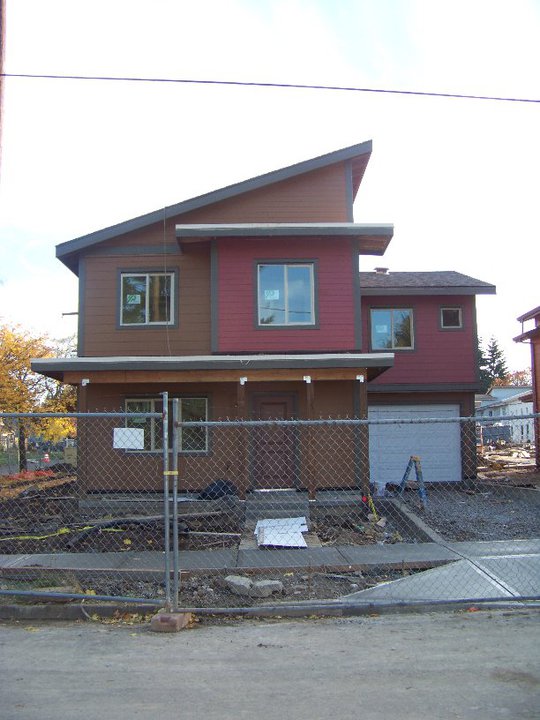
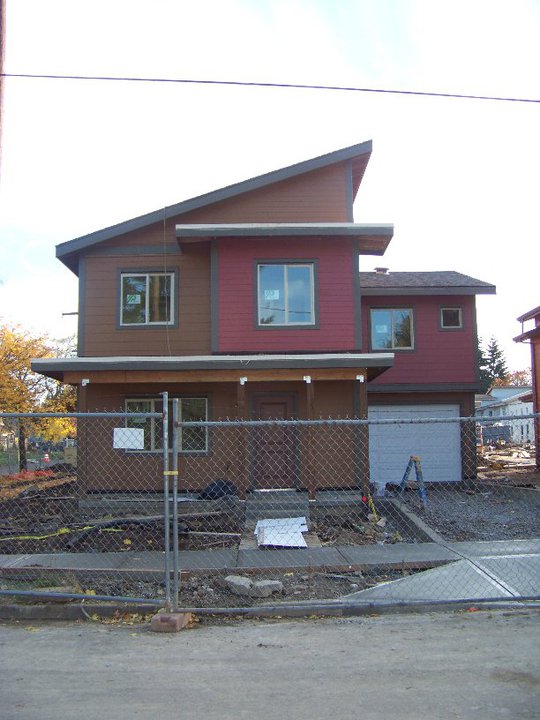
A big success this year was the Bridge Meadows Project supported by the Windermere Cronin & Caplan offices in Oregon. Windermere pledged to raise $250,000 over a four-year period to support this low-income housing project and surpassed the pledge mark this year. To see photos of the building in progress, go here.

The Windermere House

The Windermere House

“The Windermere Team gift made it possible for children to know they are loved, families to thrive and elders to know their lives have meaning. Thank you for the generosity of the Windermere Team to make dreams come true. You are heros!” – Derenda Schubert, Executive Director, Bridge Meadows www.bridgemeadows.org

Upcoming Events

Last year the Windermere Foundation first annual video contest was a tremendous success, with 24 offices sending in final video of their community projects supporting the Foundation mission. Five winners were selected from the pool and their videos can be found on the Foundation YouTube channel. Each winning office was given a $2,000 prize to award to their Foundation organization of choice. We will be launching our second annual video contest later this year, so stay tuned for details.

Foundation Cards

Valentine’s Day is right around the corner, and if you are looking for cards for your friends and family that benefit the Foundation, look no further. The Foundation has teamed up with trueIMAGE Publishing to create beautiful cards with children’s art, and 10% of all proceeds benefit the Foundation! Pick from 12 different styles or order a variety pack. These cards are perfect year-round for personal notes as well as special occasions. To order go here: http://trueimagepublishing.com/store/index.php/cards.html

Thank you for your continuing support of the Windermere Foundation!

Best,

Christine Wood

Executive Director

Windermere Foundation