Facebook
 X
X
 Pinterest
 Copy Link


LinkedIn recently told us that 4,279 new apartments were added to Seattle’s local inventory last year, and based on the number of cranes you constantly see around the city, we believe them. With so many choices, Millennials are getting really specific about what they want in a living space and the lifestyle it provides them. Here are some of the amenities we’re told that Millennials have come to want, and in some cases, expect:
1. Parking & Electric Car Charging Stations
2. High Speed Internet and WIFI (around the entire building). Preferably free WIFI on the first floor
3. State of the Art Fitness Center – Fitness centers not only act as a place for exercise, but now a place to casually socialize and build friendships. For instance, when a developer integrates fitness classes into the gym, they are creating a space where tenants can connect with their building community.
4. Dog Grooming/Washing Facility & Outdoor Pet Run: As many millennials are postponing starting a family to focus more on their career, their pets are like their children. With that said, an apartment building that doesn’t allow their fury friends will ultimately be losing out on a big portion of the millennial pie.
5. High- Tech Control Automation: Using smart technology to control your thermostat, lights, switches, sensors, and locks while you are away.
6. Business Center/ Work From Home Space: With remote work becoming an increasing popular trend, the potential ways of catering to work-at-home tenants are limitless.
7. Laundry Facility/Service and Dry-Cleaning Drop Off/Pick Up- Laundry is a hassle, and most renters want the burden of doing laundry to be, well, less burdensome. Programs like “Laundry View” are used in some apartment buildings to view how many washers and dryers are in use. It will also send you text alerts when your laundry is done.
Read the full article on LinkedIn.



 After losing over 134,000 jobs during the Great Recession, the Las Vegas metropolitan area has recovered all of those jobs and employment is now at an all-time high of 934,600. Year-over-year, the market added 24,600 new jobs. This is up from the annual pace of 21,300 jobs seen at the end of last year, but below the average annual rate of 32,700 seen through the whole of 2015. However, with an annual growth rate of 2.7% I see no reason to complain.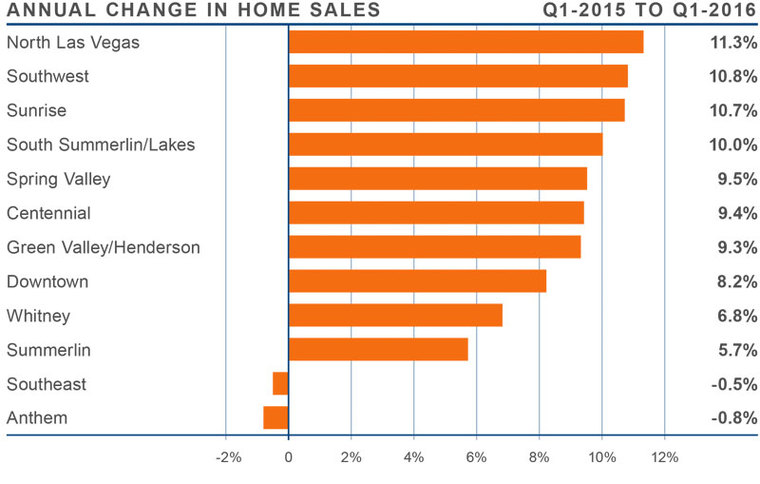
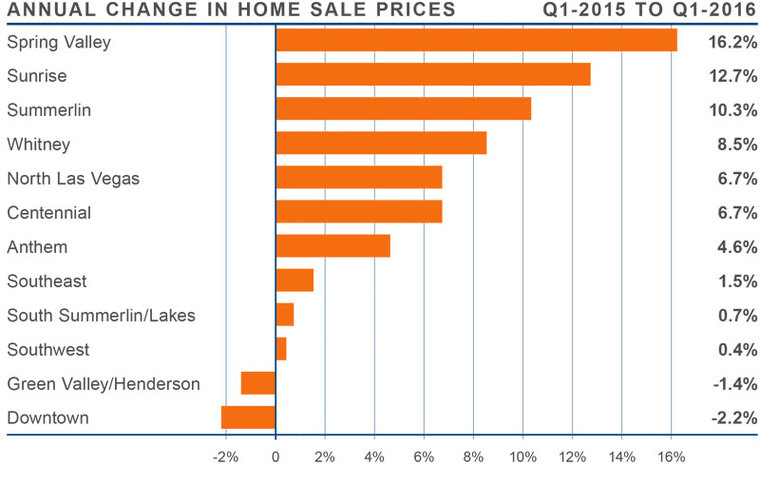
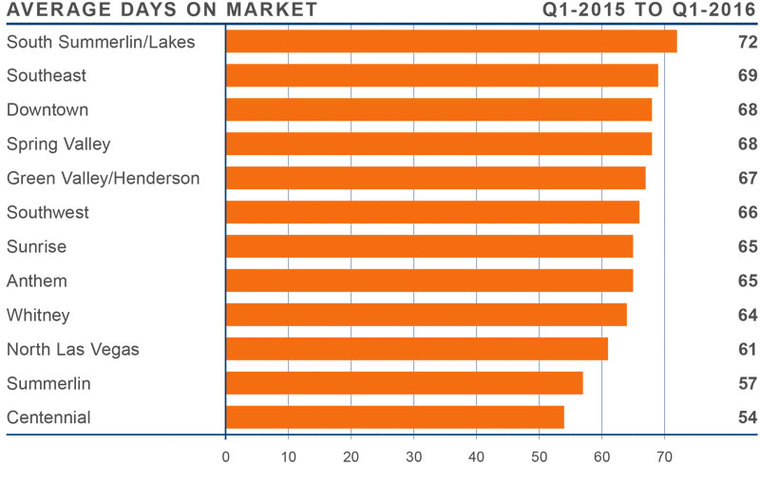
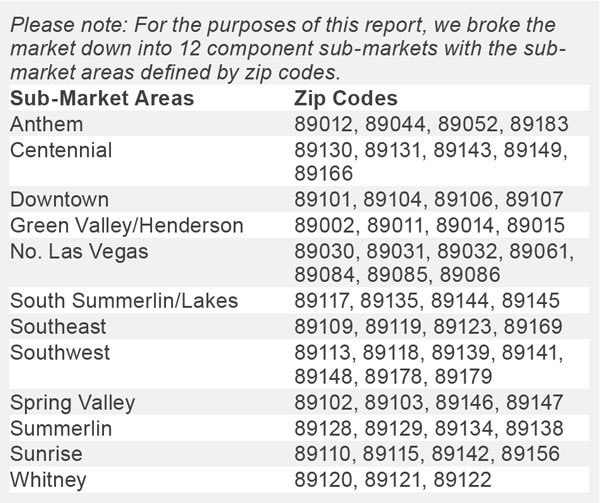
 The speedometer reflects the state of the region’s housing market using housing inventory, price gains, sales velocities, interest rates and larger economics factors. The Southern Nevada economy continues to expand and I do not see this changing in the foreseeable future. There has been some modest improvement in inventory levels across the region, but many areas are still well below historic averages, causing the market to remain in favor of sellers. While prices have not yet reached their historic peak, they’re showing strong gains, thanks in part to the continued decline of distressed home sales.
 Matthew Gardner is the Chief Economist for Windermere Real Estate, specializing in residential market analysis, commercial/industrial market analysis, financial analysis, and land use and regional economics. He is the former Principal of Gardner Economics, and has over 25 years of professional experience both in the U.S. and U.K.
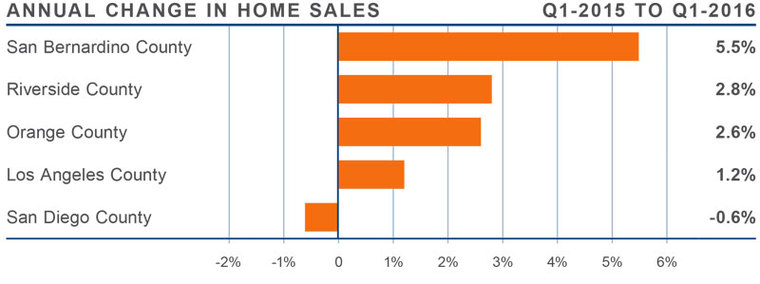
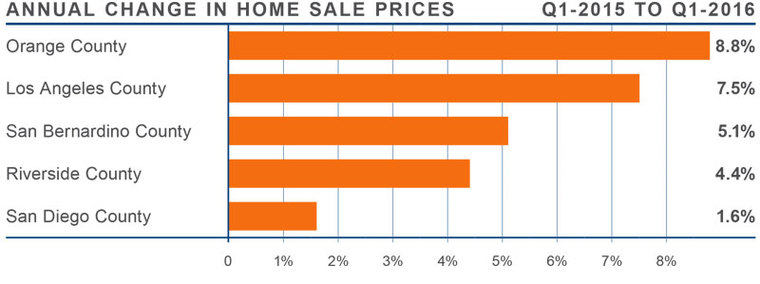
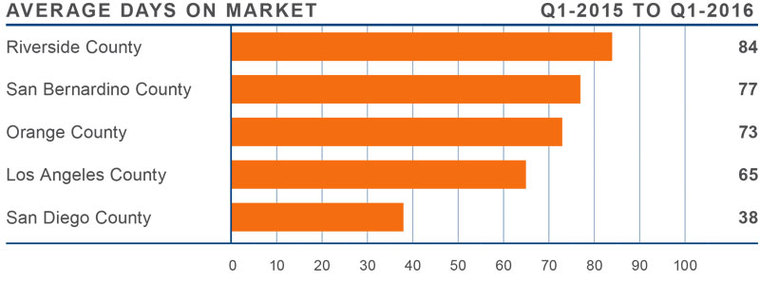
 The speedometer reflects the state of the region’s housing market using housing inventory, price gains, sales velocities, interest rates and larger economics factors. The regional economy continues to expand but the rate of growth has started to taper. Inventory constraints persist, which has been driving prices higher, but this has given rise to affordability issues which are becoming pervasive.
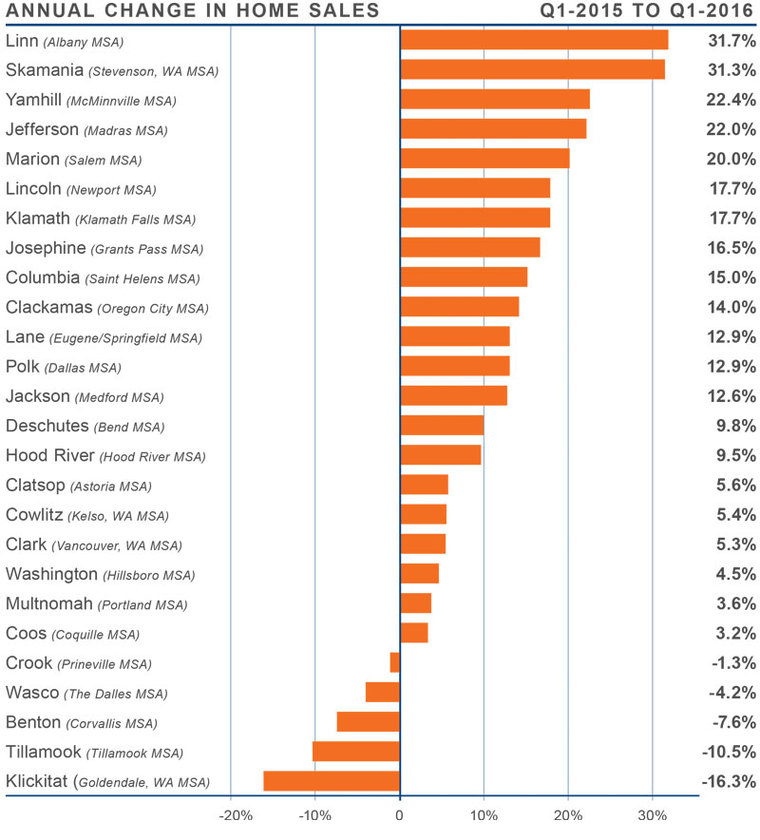
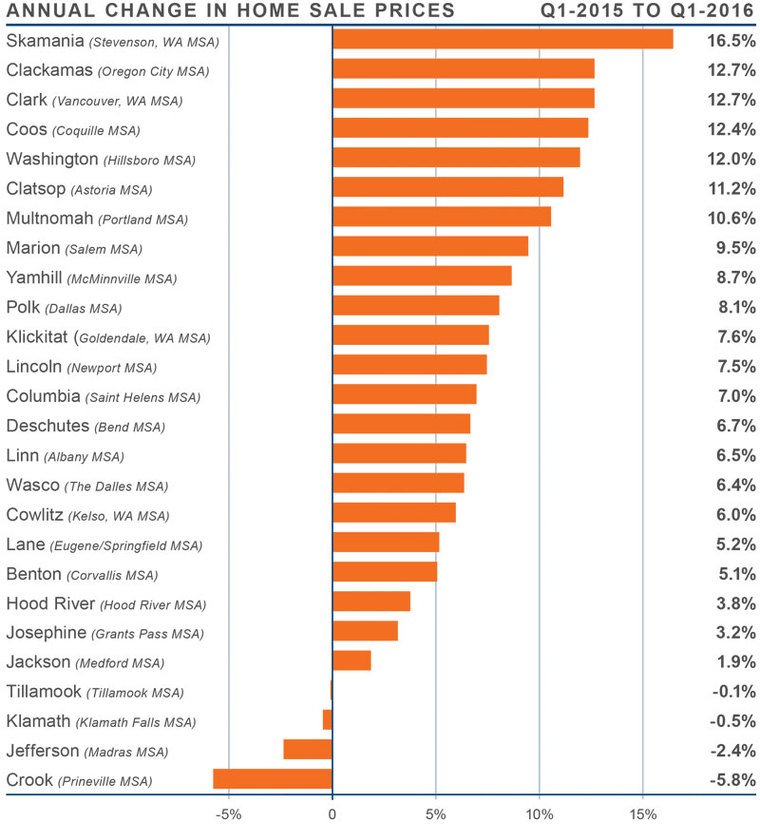
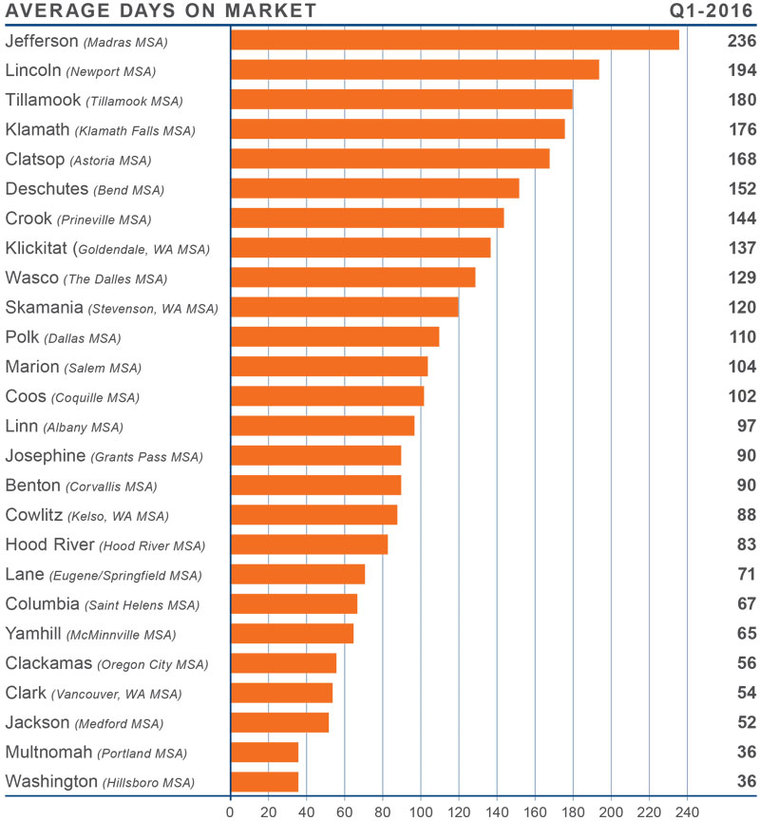
 The speedometer reflects the state of the region’s housing market using housing inventory, price gains, sales velocities, interest rates and larger economics factors. Growth in the Oregon economy is impressive and unlikely to slow down in the foreseeable future. This bodes well for the housing market.
 In addition to Russia, the UW men will face Stanford, while the UW Women will go up against the University of San Diego and Cambridge University.
 In November 2015, Windermere Real Estate agent,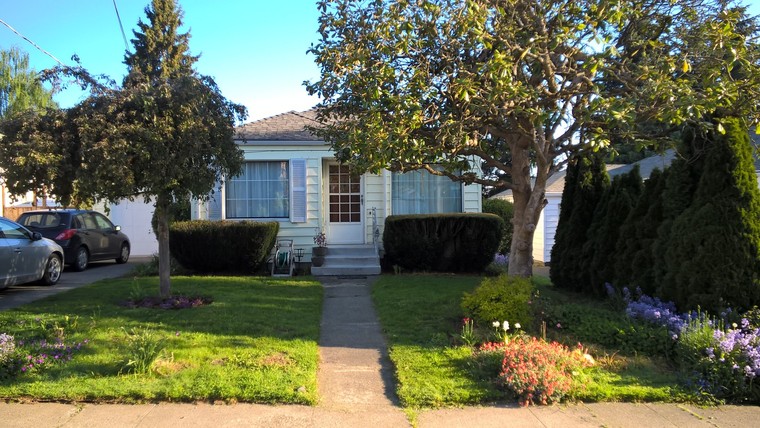
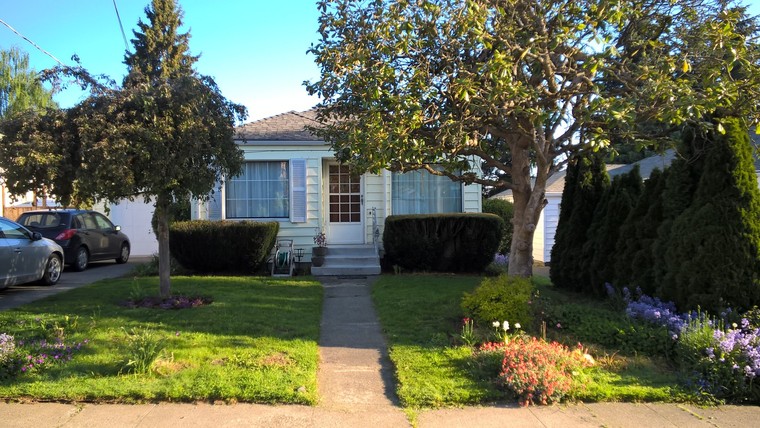






 Earlier this week, at the Windermere Builder Solutions Breakfast, more than 100 Windermere brokers came together to listen to Windermere President OB Jacobi lead a panel discussion on new home construction trends in the greater Seattle area. The panelists included Mike Owen, General Manager: Macadam Floor & Design; Belinda Leppa, Sr. Designer: Macadam Floor & Design; Curtis Gelotte, Sr. Principal: Gelotte Hommas Architecture; and Eric Drivdahl, Principal: Gelotte Hommas Architecture.