Facebook
 X
X
 Pinterest
 Copy Link
Buying a Second Home

Primary homes are associated with putting down roots. Maybe you have plans to remodel your home and sell it for a profit at some point down the road, but for the foreseeable future, primary homes are usually bought with the intention of living in them for quite some time. Second homes, however, offer several options to homeowners seeking to expand their property portfolios. The following information will help you get the ball rolling on your second home purchase.
Buying a Second Home
The second home buying process starts with a question: What are you looking to get out of your second home? Is it a vacation home or an income-producing investment? Do you have visions of the property generating cash flow as a short-term rental? Or perhaps your long-term goal is to retire there. Whatever the case may be, you’ll need to prepare financially.
If you don’t plan to pay cash, purchasing a second home means you’ll have a new mortgage stacked on top of your existing one. To prepare for the uptick in homeownership expenses, it’s critical that you have a solid savings strategy in place and that you’re steadily making progress toward your goals. All the typical costs associated with buying a home apply here, except you’ll likely face higher interest rates this time when applying for a home loan. In general, second home loans pose greater risk to lenders, leading to higher interest rates than what homeowners typically see on their primary home loans.
Two of your greatest assets in buying a second home are your real estate agent and your mortgage broker. Your agent will share helpful information about the market where you’re buying, they’ll help find the home that best fits your needs, and they’ll help you craft a winning offer. Your mortgage broker will help you find the right home loan for you. In the meantime, you can do a little homework on your own to help you get an idea of what your second home purchase will look like.
Use our free Home Monthly Payment Calculator by clicking the button below. With current rates based on national averages and customizable mortgage terms, you can experiment with different values to get an estimate of your second home monthly payment for any listing price. Add the numbers to your current monthly mortgage costs to make a well-informed estimation of your total monthly mortgage costs.


Image Source: Getty Images – Image Credit: Giselleflissak
For more information on preparing to buy a second home, read the following blog post:
What to Consider When Buying a Second Home
Featured Image Source: Getty Images – Image Credit: AleksandarNakic
What Goes Into Owning a Waterfront Home?
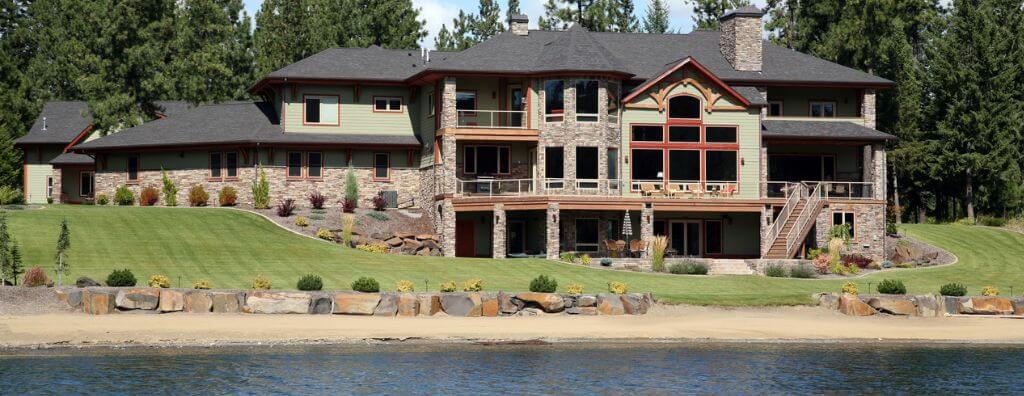
A waterfront home offers surroundings unlike any other. Their prime locale and stunning views virtually guarantee a lifetime of relaxation, waterfront get-togethers, and summer nights under the stars. Waterfront homes have great potential as investment properties as well. But for all the perks waterfront homeownership offers, it comes with its own set of responsibilities, too.
Should I buy a waterfront home?
Beyond the lifestyle benefits, owning a waterfront home also has a significant financial upside. Because waterfront properties are more scarce than landlocked homes and their location is highly desirable, the buyer demand is generally high. As a homeowner of these special properties, you can rest assured that a well-maintained waterfront home will generate significant buyer interest when you’re ready to sell. A property with any combination of water views, boat slips, docks, and water access is a recipe for appreciation over time.
A waterfront property is a popular choice for homeowners who are in the market for a second home, or even as a primary residence for those looking to eventually move into their vacation home when the time is right. They’re also primed for converting into a short-term rental. Due to their location, they have a competitive advantage over many other short-term rentals. Depending on the local laws and any relevant Homeowners Association rules, waterfront homes can be rented out year-round or seasonally. For example, if you decide to rent out your home during the summer, you’re able to capitalize on seasonal demand.
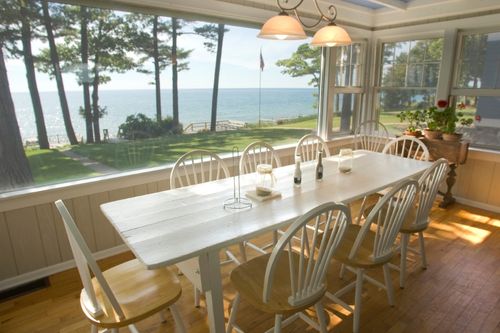
Image Source: Getty Images – Image Credit: bradwieland
Owning a waterfront property also comes with extra risks you’ll need to keep in mind. Weather conditions can be extra harsh on these homes, given the fact that they’re situated face to face with nature in a way most homes aren’t. Make sure you have proper coverage through your homeowners insurance policy and inquire about the need to purchase additional wind, flood, or hazard coverage. Local climate dictates what a comprehensive coverage plan will look like for your home, but what’s important is that you’re fully covered.
Something else to keep in mind is that beyond the typical tasks associated with owning a home, waterfront structures like retaining walls, boat lifts, and docks require a certain amount of ongoing maintenance. As the seasons change, so will your responsibilities as a homeowner. Properly winterizing a waterfront property requires a few additional steps beyond the typical routine, depending on how low temperatures dip during winter in your area.
For more advice on home maintenance, repairs, remodeling and more, visit the Living section of our blog:
Featured Image Source: Getty Images – Image Credit: Markanja
Mansion vs Estate: Features of Luxury Properties
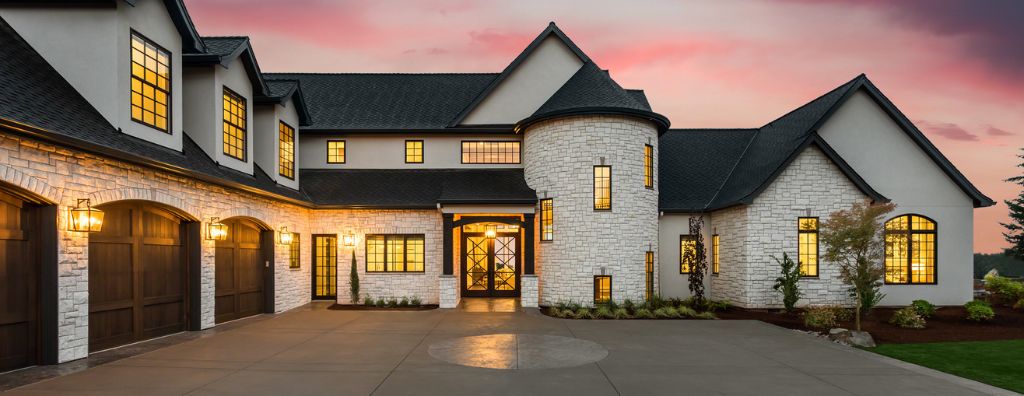
Mansion vs Estate
If there’s one thing that’s clear about a mansion or an estate, it’s that they’re not your average houses. But what differentiates the two? Are the two terms interchangeable? Mansions and estates actually each have separate characteristics that give them their special classification. Understanding a bit more about what makes them special can help inform your discussions with your real estate agent when looking for a luxury property of this class.
What defines a house as a mansion?
Mansions typically have a larger footprint than regular houses. Added square footage is a hallmark of mansions where the land allows, but a lesser-square-footage property may also qualify as a mansion in areas where space is limited based on its luxuriousness. Which properties qualify as mansions varies by location.
Mansions deal in excess by nature. Accordingly, these properties will have a greater number of bedrooms and bathrooms than what you’d see in a typical single-family home.
They’ll have rooms designed and built for a specific activity or function. For example, it’s common for mansions to have a game room, an indoor sauna or pool room, a home theater, or even a small bowling alley. These properties are the ideal living situation for homeowners who love to entertain. Elsewhere on the property, a mansion may boast any combination of sport courts, pools, gardens, and multiple-car garages.
In terms of their architectural style, many mansions borrow from older design styles to incorporate a sense of grandeur and prestige. The Victorian architectural style lends itself well to mansions while capturing that classic old-world charm. You may recognize Spanish Revival style homes sold by celebrities on the West Coast, and Colonial style mansions on the East Coast. Modern home designs will often incorporate cutting-edge smart home technology, smart home upgrades, and sustainable home design features such as solar power.
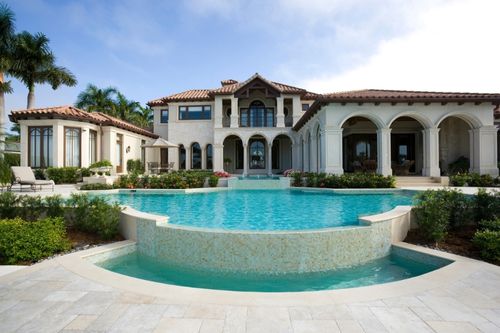
A mansion with an outdoor pool. Image Source: Getty Images – Image Credit: TerryJ
What is the difference between a mansion and an estate?
Estate properties share many of the aforementioned qualities with mansions. They are both luxury properties that feature several bedrooms and bathrooms with impressive amenities such as pools, saunas, sport courts, etc.
But estates differ from mansions in regard to the land they occupy and the historical context of the property. Estates sit on large, several-acre parcels of land. These extensive grounds are primarily where the mansion-vs-estate distinction can be made.
In England, the usage of “estate” usually means there was some form of income-producing activity present on property supporting the house. American estates typically do not have this same relationship between the property and the house. In the U.S. today, estates are differentiated by their size, grounds, and luxury amenities, but typically don’t yield enough agricultural goods to support the property.

The Biltmont Estate in Asheville, North Carolina – Image Source: Shutterstock – Image Credit: ZakZeinert
To learn more about the mansions and estates available in your area, contact a local Windermere agent:

Featured Image Source: Getty Images – Image Credit: hikesterson
Pros and Cons of Living in a Penthouse

Penthouses take the luxury lifestyle to new heights; they boast the best views in the city, offer unparalleled exclusivity, and often include outdoor spaces not typically found in other units throughout the same building. These perks, however, come at a cost. For those considering renting or purchasing a penthouse, the following information will help to inform your discussions with your real estate agent.
What is a penthouse?
At its core, a penthouse is a luxury apartment/condominium. Located on the top floor of an apartment building, condominium complex, hotel, or tower, its luxury features differentiate it from the building’s lower-level units. The living space of a penthouse is usually set back from the building’s outer edge and the remaining square footage of the roof deck is typically used as a yard, hot tub, pool, outdoor kitchen, etc.
Pros
- The View: Even in a densely populated metropolitan area, living in a penthouse is your best chance at an unobstructed view of the city. Perched above the vast majority of other apartment and condominium buildings, a penthouse provides a bird’s eye view of your surroundings without being blocked by neighboring units.
- Indoor and Outdoor Space: A penthouse is more than a luxury apartment; it’s your own private outdoor terrace. With access to the outdoors, you have more room for your favorite at-home activities, plus an array of entertaining opportunities. Penthouses are typically designed with open-concept floorplans which emphasize their extra square footage. For those looking to increase their living space while remaining in the city, a penthouse may be the perfect solution.
- Privacy: Because penthouses only have neighbors below them, a penthouse floor sees fewer visitors than the lower floors in a building. Some penthouse floors have a separate, private entrance for added security.
Cons
- High Price: Gaining access to this exclusive lifestyle is expensive. The high price tags reflect its unique characteristics: being far away from street noise, having more square footage and outdoor space, added privacy, etc. In some places, the costs to purchase or rent a penthouse can outpace the average monthly mortgage payment for a single-family home in the area, especially if you have Homeowners Association (HOA) fees tacked on.
- Home Maintenance: Having more indoor and outdoor space means there’s more to maintain. Owning or renting one of these units comes with a longer to-do list than a smaller apartment or condominium. You’ll either have to carve out additional time for upkeep or consider hiring a professional to clean your home regularly.
Work closely with your real estate agent to determine whether renting or purchasing a penthouse is right for you. Learn more about other housing types and the differences between them here:
Featured Image Source: Getty Images – Image Credit: skynesher
Windermere Living: Closet Curation

This article originally appeared in the Summer/Fall 2022 issue of Windermere Living
By Amanda Zurita | Photography by Victoria Kovios
Closet Curation
Turn your wardrobe into your personal boutique with these professional “editing” tips.
Iris Miyasaki was born an organizer. Growing up in Hawaii in a Japanese American family, minimalism was part of her life. “In school, my binders were always very organized and color coded,” she says. “People found it amusing, but it was just how I functioned.” Today, she puts that passion for order and organization to use as a professional wardrobe curator and stylist under her Seattle-based brand Wardrobe by Saki (wardrobebysaki.com). Here are her tips for curating a captivating closet and finding ease through editing.
How does editing your closet differ from other decluttering trends?
Decluttering is the first step of purging, more of a first run-through to get rid of things you truly don’t need. Editing and curating, however, is where I bring in a styling aspect to organization and understand how my clients are using the pieces in their closets.
For example, perhaps a client has a sweatsuit that they wear all the time. In the decluttering phase, they’re not going to get rid of it. But, when it comes to editing, I ask questions like, “Does this outfit make you happy? Do you want to put this on every day?” If no, then we’ll work to find something better. Oftentimes, once you’ve relived the story of a piece, you’ll realize that the memory is in your heart and not solely attached to an item—so it’s easier to let go of.
What goes into making an “Instagram worthy” closet?
When you can see all your clothes, shoes, and accessories, you’ll want to use them more. I focus on creating a visual palette for my clients, whether that means organizing by color, silhouette, or types of items. The idea is to create a closet they’ll want to “shop” in.
Your closet is your personal store. If you don’t love it, if you wouldn’t shop in that store, you aren’t going to pull things from it. From a technical standpoint, it’s important to be consistent with your storage colors and textures. And you don’t have to fill every single space. In fact, negative space opens up breathing room for your things.
Aside from the visual aspect, what kind of emotional impact can editing a wardrobe have?
You interact with your closet every day, so when you’re able to utilize that space in the most efficient way, it just takes a weight off your shoulders. Rather than combing through clutter, you can have peace of mind knowing, “OK, all my things are right here and I love each one of them.” That kind of foundation helps you to feel at ease going through the rest of the world. A curated closet offers a sense of calm and contentment.
What’s your advice for parting with meaningful items that you may not be using frequently?
I like to ask my clients: Have you used this within the past year or year and a half? Fashion trends change, and what you like changes. Your body changes. So, if you haven’t worn something in the past year, maybe it’s time to part. When it comes to sentimental pieces, I find it helps to talk about the memories associated with them.
Read the full issue here: Windermere Living Summer/Fall 2022
Windermere Living is one of the top real estate magazines on the West Coast, offering carefully curated editorial that reflects our passion for community, connection, and inspired living alongside exceptional homes on the market. Windermere Living is the exclusive listings magazine published by Windermere Real Estate in partnership with SagaCity Media.
Featured Image Credit: Victoria Kovios
High ROI Remodeling Projects to Increase Home Value

This blog post contains excerpts of the “Remodeling 2022 Cost vs. Value Report” (costvsvalue.com).1
As you prepare to sell your home, one of the major considerations you may face is whether to remodel, and if so, how to allocate your remodeling budget. Remodeling can help differentiate your home from competing listings in your area, but this competitive advantage comes at a price.
The following information provides insight on which remodeling projects deliver high ROI. To maximize the value of your remodel, talk to your agent about what buyers in your area are looking for and align your efforts accordingly.
High ROI Remodeling Projects to Increase Home Value
It’s no secret that buyers want to see a home with curb appeal and attractive interior spaces. But as a seller, you’ll only have so much budget to work with and you want to get the most return on your investment. As laid out below, here are the five highest ROI remodeling projects nationwide as found in the Remodeling 2022 Cost vs. Value Report (www.costvsvalue.com).1
|
Remodeling Project |
Cost of Remodeling Project (2022) |
Resale Value of Remodeling Project (2022) |
ROI |
|
Garage Door Replacement |
$4,041 |
$3,769 |
93.3% |
|
Manufactured Stone Veneer |
$11,066 |
$10,109 |
91.4% |
|
Minor Kitchen Remodel (Midrange) |
$28,279 |
$20,125 |
71.2% |
|
Siding Replacement (Fiber – Cement) |
$22,093 |
$15,090 |
68.3% |
|
Window Replacement (Vinyl) |
$20,482 |
$13,822 |
67.5% |
This data shows that for a given remodeling project a higher expenditure doesn’t necessarily equate to higher ROI. It’s interesting to note that only one indoor project—the minor kitchen remodel—placed in the Cost vs. Value Report’s top five.
Four of the Cost vs. Value Report’s bottom six entries are upscale remodeling projects, all with roughly a 50% average return on investment. The conclusion to be drawn here is that remodels of this magnitude are expensive and should be considered carefully before you greenlight them. The upside to these projects, though, is that they have a much higher resale value than a simple fresh coat of paint or a change in décor. If you and your agent identify a logical upscale remodel with serious resale potential whose costs you can handle, it can help you get the best price for your home.
So, does this mean you should replace your garage door before selling your home bar none? Not necessarily. Again, your remodeling priority list should target the areas of your home that need attention while aligning with local buyer interest. Your agent can provide guidance on what competing listings in your area are offering and refer you to trusted remodeling contractors in your area.
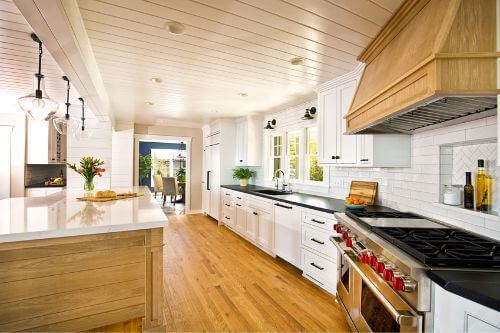
Image Source: Getty Images – Image Credit: YinYang
Budget-Friendly ROI Home Projects
Though smaller scale home makeovers don’t have the value-adding power of larger remodeling projects, they can still make a difference when selling your home.
Instead of an upscale kitchen remodel, you can focus more on making minor improvements in several areas. For example, repainting or refinishing your cabinets, swapping out your drawer pulls and hardware, and installing new appliances can make your kitchen feel brand new with a smaller budget. When remodeling your bathroom, tasks like refinishing your tub, installing new lighting, and a new backsplash can make a strong impression on buyers.
For more information on budget-friendly home makeovers with ROI potential, check out our quick guides to upgrading your bathrooms, bedrooms, home office, and kitchen.
- © 2022 Zonda Media, a Delaware Corporation. Complete data from the Remodeling 2022 Cost vs. Value Report can be downloaded free at costvsvalue.com.
What to Consider When Buying a Second Home

In some ways, the process of buying a second home is like buying a primary home. However, there are several key differences that require consideration before you make an offer. Whether you have visions of curating your ideal vacation home, are planning for retirement, or view the property as an investment opportunity, a second home can be the answer to your real estate ambitions. Owning two homes, however, means your responsibilities as a homeowner will double. Keep the following information in mind as you work with your agent toward purchasing a second home.
What to Consider When Buying a Second Home
Costs of Buying a Second Home
Purchasing a second home will typically come with all the expenditures you encountered during the process of buying your primary home. However, you may have to pay more up front for a second home, since loans for a secondary residence are riskier for lenders. Consider how making a lump sum payment may affect your financial health before beginning the buying process.
To get an idea of what you can afford, use our free Home Monthly Payment Calculator by clicking the button below. With current rates based on national averages and customizable mortgage terms, you can experiment with different values to get an estimate of your monthly payment for any listing price. By adding your resulting figures to your current monthly mortgage costs, you can make a well-informed estimation of your total monthly mortgage costs for both homes.
Financing Your Second Home Purchase
Finding the right financing for your second home purchase will depend on how you intend to use it. You and your lender will explore the different home loan types available to you to find the one that best suits your needs. Your lender’s rates and qualification requirements will vary based on how often you plan on living there and whether it’s an investment property, among other factors. If you plan to rent the property periodically, talk with your lender about what parameters would result in it being classified as an investment property. You’ll need to obtain a landlord insurance policy as well, on top of your existing homeowners insurance. These additional costs—along with rental maintenance expenses—need to be accounted for, even though renting out the property will help generate income.
Other Factors that Influence a Second Home Purchase
Besides being financially prepared, how will you know you’re ready to buy? For starters, finding and buying the right secondary residence is a matter of timing. It’s vital that the purchase of your second home aligns with your life goals. If you’re planning on purchasing the home for retirement, take time to investigate the area’s assisted living resources. If the area is a popular vacation destination, talk to your agent about how seasonality affects the local market conditions, whether you’re buying in a buyer’s market or a seller’s market, and how you can formulate your best offer.
If you aren’t familiar with the area, get to know the locale before you start sending offers. It’s helpful to schedule your visit off-season to get the clearest picture of what everyday life is like there. Plan to stay for enough time that you can get a sense of the atmosphere beyond a tourist’s first impression. Your experience there will help inform whether it’s the right time to buy.
For more information on second-home ownership, read our blog post on renovating your vacation home, with a seasonal breakdown of common home improvement projects.
How to Winterize Your Waterfront Property

After the long days of summer have come and gone and fall is ending, it’s time to begin preparations for winterizing your home. When temperatures begin to dip, your lakeside cabin, seaside cottage or mountain lodge will need some extra TLC to make it through the colder months until spring comes around again. Whether your waterfront property is your vacation home or a primary residence, it’s important to properly winterize it in order to avoid potential damage and to save you time and money.
How to Winterize Your Waterfront Property
Pipes and Plumbing
Burst pipes are often the cause of water damage. Prevent a water damage emergency at your waterfront property this winter by being proactive.
If your waterfront home is your summer getaway, then disconnect your hoses from outside pipes to prevent them from freezing and breaking. If you plan to turn the heat off for the winter, turn off your main water supply and open your faucets. Any water left in your hoses can cause damage, so be sure to drain the hoses connected to your dishwasher, washer, and any other appliances.
If you’ll be calling your waterfront property home for the winter, thoroughly inspect the insulation for both your interior and exterior pipes. Any areas where insulation is lacking could lead to a cracked pipe, which has the potential to cause serious damage and could end up costing a significant amount of money to repair.
Roof and Gutters
Properly winterizing your roof and gutters will help to avoid a buildup of rain, snow, or debris turning into a structural issue. For homeowners with a shingle roof, this is the time to check your roof for any signs of damage and make repairs accordingly. Cracked shingles can be carried off by high winds, torn off in a winter storm, or may fall to the ground after being struck by a fell branch, leaving your roof vulnerable to leaks.
This is especially important if you will be away from your waterfront property all winter. Since you won’t be around, you may not be aware that your roof has been damaged until it’s too late.
For metal roofs, check to make sure everything is screwed down tight. Clear your gutters of leaves and debris. The heavier your gutters become, the more prone they are to leaks, and could potentially rip away from your roof. Keep your gutters clear throughout the winter. Any blockages of leaves, twigs, or ice could lead to a leak, damaging your walls and insulation.
Other Areas
Once your plumbing, pipes, roof, and gutters are properly winterized, look to other areas of your property to prepare for the winter ahead. Check all windows and doors to identify any air leaks. If you identify a leak, be sure to patch it before you take off for the winter—or if you’re staying in the home for the season, before temperatures start to dip. Inspect your home’s insulation and weatherstripping and make replacements as needed.
Bring your patio furniture inside and store them in a safe space to keep them in good condition until spring. Inspect your boat lift and dock. Consider investing in a bubbler or agitator system to keep ice away from your dock if you’re expecting freezing temperatures throughout the winter. Follow proper winterizing guidelines for your boat and any other watercraft you have before covering them or placing them in winter storage.
For more tips on home maintenance throughout the seasons and much more, visit the Living section of our blog.
What to Consider Before Buying an Equestrian Property

Buying a horse property is a very different experience from a conventional home purchase. The first and most important step is to work with an experienced equestrian specialist, but there are some additional items you should also consider before buying.
Location, Location, Location
When looking at equestrian properties, one of the most important things to consider is location. You want to make sure the property is near resources you will need like feed and tack stores, local vets, and more. You should also consider everyday needs, such as groceries, gas, shopping, and community amenities.
Knowing Your Needs
Having a clear vision of your specific needs is a very important step when buying an equestrian property. For example, a casual rider doesn’t require the same capability and organization as a professional equestrian, and similarly, a professional will often need a horse property with strict specifications.
Property Features and Facilities
Something to consider is the soil type on the land you’re looking at. There are 12 different soil types and some of the best for horses are sandy, loamy, organic soils. Not only is this the best option for your animals, but these characteristics will also impact the quality of grasses for pasture growth. Whether you decide to pasture or hay feed, ensure there is adequate hay storage, especially for winter months when, depending on what part of the country you live in, grass may not be as ample.
Other important features to consider:
- Does it have indoor stalls?
- Does it have multiple fenced pastures for rotating your livestock? This will ensure the ultimate health of your pasture and the grass that is produced.
- Are riding trails nearby or will you have to trailer to get to trails?
- Is there an indoor or outdoor arena? These are important for training, breaking, and even veterinary care, at times.
- Does it have a secure tack room that rodents cannot penetrate?
Accessibility
Accessibility is another important factor to consider. This includes the convenience of your land but also important resources like water. Each horse will drink approximately 5-10 gallons of water per day; therefore, readily available potable water is vital. The accessibility of your horse property is crucial for bringing in vets, food supplies, and getting around quickly in emergencies. The navigation around your property should be easy to swiftly get from the home to the barn or other facilities. Suitable access to the barn with wide turnaround driveways is essential, which may include grading an additional access road.
Flexibility is Key!
The more specific your property criteria, the more challenging it may be to check everything off your wish list. While it’s important to know what you want from the property, it’s equally important to be open minded and realize that the property may require some extra work to meet all your needs.
Destination Living – The Allure of Los Cabos

When people dream of paradise, many envision palm trees, stunning sunsets, and long days filled with endless possibilities. In Cabo San Lucas, those dreams are an everyday reality. From pristine beaches to world-class dining and golf courses, there’s no limit to the options for entertainment and relaxation. In an effort to highlight the possibilities of destination living…