More April 20, 2016

Windermere Foundation Quarterly Report


Dear friends of the Foundation,

Thanks to you and the wonderful support that the Windermere Foundation has received so far this year, we have disbursed nearly $470,000 to non-profit organizations dedicated to providing services to low-income and homeless families throughout the Western U.S. Our amazing agents, brokers, staff and owners, along with public supporters, continue to contribute generously to the Foundation, making disbursements possible to organizations like Friends of the Children – Portland.

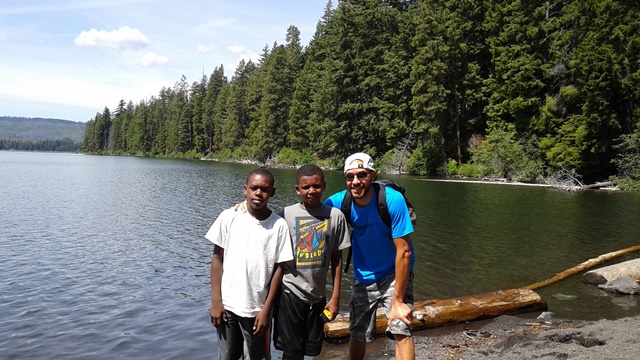
Friends of the Children provide Portland’s most vulnerable children with intensive and long-term mentors. Mentors are full-time, paid professionals that take a preventive, early intervention approach that breaks the cycle of poverty and abuse by helping children in need overcome the many obstacles in their lives. This year, Friends of the Children received a $100,000 grant from the Windermere Foundation, allowing their mentors to help many more children—children like Monty*.

Monty’s caseworker was concerned that his needs weren’t getting fully met at his current foster care home. She told his mentor, Carter*, that she would most likely be moving him to a new place before the end of the summer. For the last two years, Monty had been living with his grandmother who tends to be overprotective and had been reluctant to let him do after school and extracurricular activities. This limited his positive social development. Monty is very introverted, awkward and anxious, misses social cues, and intentionally avoids interacting with other youth. These are all things that Carter noticed right away while observing him in his kindergarten classroom during the foster care selection process.

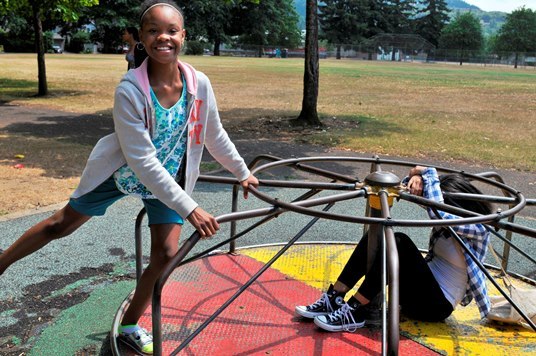
Monty’s grandmother shared early on with Carter that Monty loved McDonalds and to go on the play structures. Carter used this as a place to build his relationship with Monty and help him grow socially. So a deal was struck—every time Monty came back with a kid’s name, he would get more time to play. After a number of these visits, Monty was learning more about the kids he had met, like the school they attended, how many siblings they had, and their favorite sport.

They were making progress. So when Carter heard of the caseworker’s plan, he was troubled. He’d already established a rapport with Monty’s grandmother and felt that this was where his mentorship could really make an impact. He knew that it was imperative to get Monty involved in youth activities during the summer in order to keep him in a more permanent place.

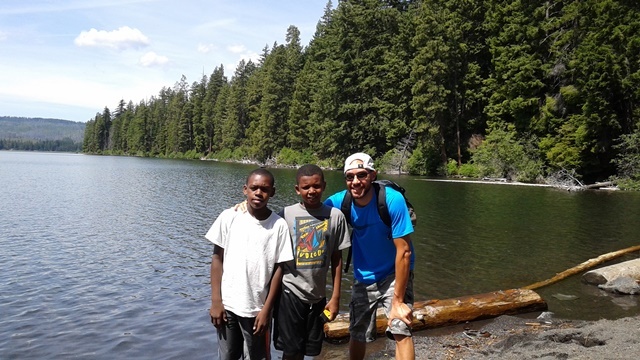
After further discussions with Monty’s grandmother, she granted permission for him to attend the Tyron Creek Camp. The caseworker couldn’t believe it and remarked, “She said yes to that?” She had tried before to get Monty’s grandmother to enroll him in a camp for the summer, but had been unsuccessful.

Monty attended camp, had a great time, and did really well. It was a period of growth for both Monty and his grandmother. Carter is now working with her to sign Monty up for the SUN after-school program and other extracurricular activities, like the Children’s Gym. Best of all, the caseworker no longer has plans to move Monty; he continues to stay at his home with his grandmother.
It is stories like this that make us thankful for your continued support of the Windermere Foundation. It’s also why we capped off the first quarter with a Windermere Week of Gratitude to celebrate Windermere owners, agents, and Foundation Representatives, who together helped make all this giving possible. The highlight of the week was the debut of the new Windermere Foundation video, which illustrates how donations from Windermere owners and agents are making a difference in the lives of low-income and homeless children and their families.

 

Thank you to everyone who supports the Windermere Foundation. Because of you, kids like Monty have the care they need to thrive. If you’d like to help support programs in your community, please click on the Donate button.

To learn more about the Windermere Foundation, visit http://www.windermere.com/foundation.


*Names have been changed for this story.
More April 20, 2016

Windermere Foundation Quarterly Report


Dear friends of the Foundation,

Thanks to you and the wonderful support that the Windermere Foundation has received so far this year, we have disbursed nearly $470,000 to non-profit organizations dedicated to providing services to low-income and homeless families throughout the Western U.S. Our amazing agents, brokers, staff and owners, along with public supporters, continue to contribute generously to the Foundation, making disbursements possible to organizations like Friends of the Children – Portland.

Friends of the Children provide Portland’s most vulnerable children with intensive and long-term mentors. Mentors are full-time, paid professionals that take a preventive, early intervention approach that breaks the cycle of poverty and abuse by helping children in need overcome the many obstacles in their lives. This year, Friends of the Children received a $100,000 grant from the Windermere Foundation, allowing their mentors to help many more children—children like Monty*.

Monty’s caseworker was concerned that his needs weren’t getting fully met at his current foster care home. She told his mentor, Carter*, that she would most likely be moving him to a new place before the end of the summer. For the last two years, Monty had been living with his grandmother who tends to be overprotective and had been reluctant to let him do after school and extracurricular activities. This limited his positive social development. Monty is very introverted, awkward and anxious, misses social cues, and intentionally avoids interacting with other youth. These are all things that Carter noticed right away while observing him in his kindergarten classroom during the foster care selection process.

Monty’s grandmother shared early on with Carter that Monty loved McDonalds and to go on the play structures. Carter used this as a place to build his relationship with Monty and help him grow socially. So a deal was struck—every time Monty came back with a kid’s name, he would get more time to play. After a number of these visits, Monty was learning more about the kids he had met, like the school they attended, how many siblings they had, and their favorite sport.

They were making progress. So when Carter heard of the caseworker’s plan, he was troubled. He’d already established a rapport with Monty’s grandmother and felt that this was where his mentorship could really make an impact. He knew that it was imperative to get Monty involved in youth activities during the summer in order to keep him in a more permanent place.

After further discussions with Monty’s grandmother, she granted permission for him to attend the Tyron Creek Camp. The caseworker couldn’t believe it and remarked, “She said yes to that?” She had tried before to get Monty’s grandmother to enroll him in a camp for the summer, but had been unsuccessful.

Monty attended camp, had a great time, and did really well. It was a period of growth for both Monty and his grandmother. Carter is now working with her to sign Monty up for the SUN after-school program and other extracurricular activities, like the Children’s Gym. Best of all, the caseworker no longer has plans to move Monty; he continues to stay at his home with his grandmother.

It is stories like this that make us thankful for your continued support of the Windermere Foundation. It’s also why we capped off the first quarter with a Windermere Week of Gratitude to celebrate Windermere owners, agents, and Foundation Representatives, who together helped make all this giving possible. The highlight of the week was the debut of the new Windermere Foundation video, which illustrates how donations from Windermere owners and agents are making a difference in the lives of low-income and homeless children and their families.


Thank you to everyone who supports the Windermere Foundation. Because of you, kids like Monty have the care they need to thrive. If you’d like to help support programs in your community, please click on the Donate button.

To learn more about the Windermere Foundation, visit https://www.windermere.com/foundation.


*Names have been changed for this story.

More April 14, 2016

#YourStoryIsOurStory: How Windermere Cup Changed Jenni Hogan’s Life

Since 1987, Windermere Real Estate has partnered with the University of Washington to put on a one-of-a-kind rowing event called the Windermere Cup. For the last thirty years, Windermere and UW have brought some of the best rowers from around the world to Seattle to compete in this premier sporting event, and in the process, changed the course of some of the athlete’s lives.

Australian native, Jenni Hogan, is one of those athletes.

In 1997, Jenni was eighteen and selected to row for Australia’s Olympic Crew Team. She was competing in pairs at the time, but at the start of the Australian National Championship, her partner’s knee gave out, dashing her hopes of a chance at the Olympics.

But tragedy turned into opportunity when Jenni was asked to row with the Australian National Team at the 1997 Windermere Cup. She came to the University of Washington prepared to row, but the course of her life was changed forever.

During her visit, Jenni was offered – and accepted – a scholarship to the University of Washington, and went on to row in four more Windermere Cups as a UW Husky. But her story doesn’t end there. Jenni’s choice to stay in Seattle led to her meeting her husband, a successful media career, and eventually a growing family.

Jenni credits the Windermere Cup with changing the entire trajectory of her life. It also taught her that when one door closes, another one opens, and it could be even better than you planned.

“That one phone call to come to the Windermere Cup changed my life. What I thought was the worst moment of my life turned into something that has made my life so great.” –Jenni Hogan

#YourStoryIsOurStory

Throughout the year we will be posting some of our favorite #YourStoryIsOurStory videos, photos, and blog posts. Please take a minute to share your experiences, and follow #YourStoryIsOurStory on our blogFacebookTwitterInstagramYouTube, and Pinterest pages.

Market News April 11, 2016

What’s the Deal with Condos?

A question that I am being asked regularly these days is, “Why isn’t anyone building condominiums anymore?

Given the egregious lack of homes for sale – and considering that single family home builders have not done their part to satisfy substantial pent-up demand – one would expect to see developers raising condominium towers at a frenetic pace, but that is simply not happening.

Firstly, a bit of background on this: the Seattle real estate market saw a rapid rise in the development of condominiums starting in the late 1990’s and continuing through to the housing bubble burst of 2008. When the post-recession dust finally settled, what condominiums were left were either converted into apartments or returned to the lenders, who subsequently disposed of them via auction or at very favorable prices.

As the housing market recovered, shell-shocked developers remained wary of condominiums. However, even if there were any developers who had an appetite to build more towers, they were essentially blocked by banks who still perceived condo developments as an extremely risky land use.

Given this situation, it wasn’t surprising to see developers rapidly turn their attention to the apartment market. They were aware that demand had taken off and that banks were willing to lend on that product type. Paralleling the substantial demand from the rental market, the institutional investment community had started to snap up a large number of projects, but their appetite was not being satisfied.

So, with this veritable alignment of planets, many traditional condominium developers turned their attention to the development of rental projects. There was financing available, substantial demand, limited risk, and the potential for an earlier payout (if the developer sold to an institution).

This then became the path that many developers chose.

But these are not the only reasons why many developers stopped building condominiums; there were, and still are, additional hurdles that continue to hold them back.

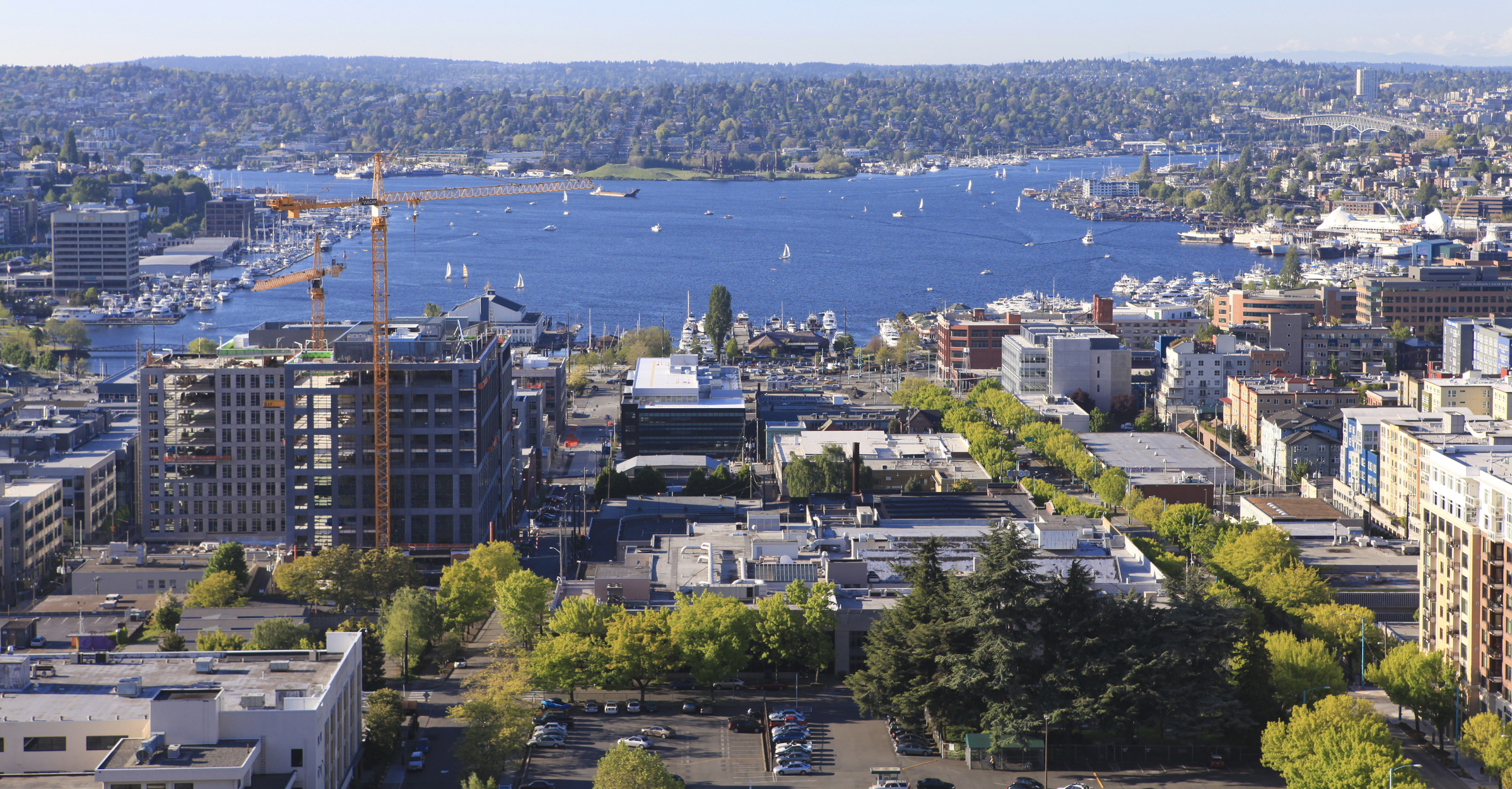
Firstly, costs across the board continue to increase. Land values in downtown Seattle re-broke the $1,000 per-square-foot mark – a number not seen since well before the recession started.

Additionally, almost all of the area’s contractors are busy building apartments (or Amazon.com office space), which has put additional upward pressure on labor costs. On top of this, material costs continue to escalate due to high demand from other development types.

Because of these factors, the prices for new condominiums have to be at a substantial premium, and developers were/are uncertain if the market can support these high price points.

There is also one last hurdle that is stopping developers in their tracks – the remarkably onerous construction defect laws that exist in our state. Current laws allow homeowners’ associations to file large group lawsuits for construction problems associated with new condominiums. Because of this factor alone, a vast majority of developers are not building condominiums for fear of exposure to litigation.

The law in Washington states that a new owner, or association, can sue a developer within four years after the sale of the first unit if the defect relates to a common element, or four years after the sale of the unit if an individual unit is the subject of a suit.

Essentially, this means that the developer may be on the hook for a period greater than four years and it could stretch out as far as seven years.

There are very robust consumer protection provisions included in the WCA that would support the Association’s ability to bring and prevail on construction defect claims and, because of this, several states including Washington, are looking to make changes to the current construction defect laws but, until that happens, the insurance premiums that developers must pay, combined with the almost certainty that they will be sued regardless of the quality of their construction, is further stifling the development of many condominium projects.

The Greater-Seattle region continues to grow its population base but not its land base. As such, density needs to be embraced. Condominiums play an important part of the equation, but until this segment of the market regains its footing, there will be further pressure on housing of all types to accommodate the region’s growth, and this will continue to put upward pressure on prices.


Matthew Gardner is the Chief Economist for Windermere Real Estate, specializing in residential market analysis, commercial/industrial market analysis, financial analysis, and land use and regional economics. He is the former Principal of Gardner Economics, and has over 25 years of professional experience both in the U.S. and U.K.


Living April 6, 2016

8 DIY Fire Pits to Get Your Yard Ready for Summer


This article originally appeared on Porch.com

Written by Jacqui Adams


It might not be exactly tropical in your neighborhood yet. But for many of us, it’s finally warm enough to start daydreaming about summer. And that means thinking about getting the yard ready for cookouts, ball games, and gatherings under the stars.

If you’re thinking about the changing seasons, think about making your own fire pit. This popular backyard feature is surprisingly easy to construct, and will bring your outdoor living to the next level. Make a quick trip to the hardware store, grab the kids to help out, and you can have one of these gorgeous backyard features by this weekend!

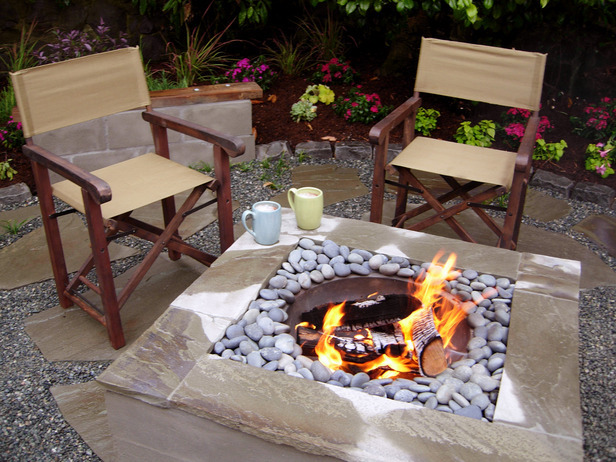
1. Stone-Topped Fire Pit

DIY Network - firepit

DIY Network


2. Upcycled Lantern Fire Pit

House & Fig - diy fire pit

House & Fig

3. Concrete Bowl Fire Pit

ManMade DIY - fire pits

ManMade DIY

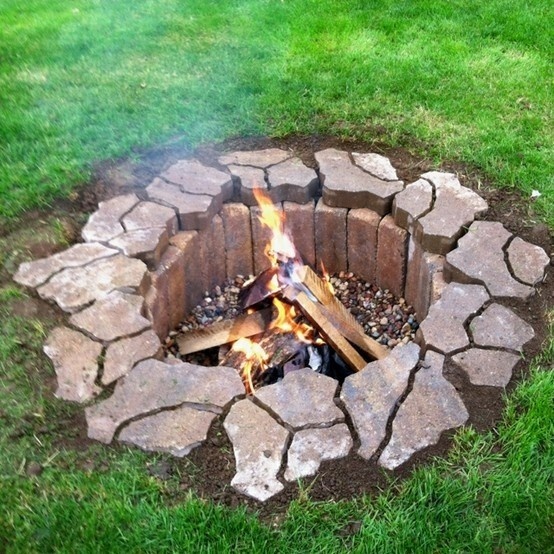
4. In-Ground Organic Fire Pit

Laura Catherine - firepit

Laura Catherine

5. Glass and Metal Mini Fire Pit

The Art of Doing Stuff - DIY mini fire pit

The Art of Doing Stuff

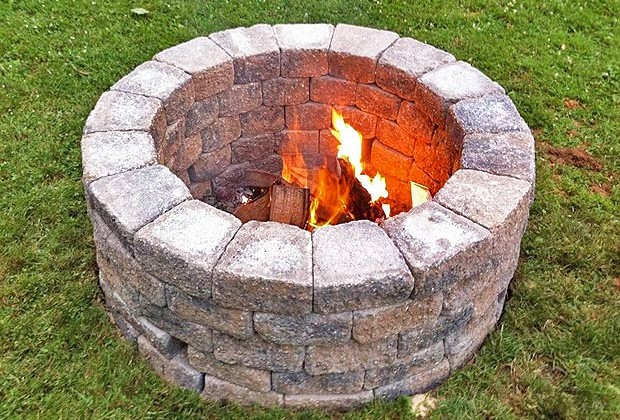
6. Raised Brick Paver Fire Pit

Bridgman - firepit

Bridgman

7. Mini No-Wood Fire Bowl

ehow - firepit

ehow

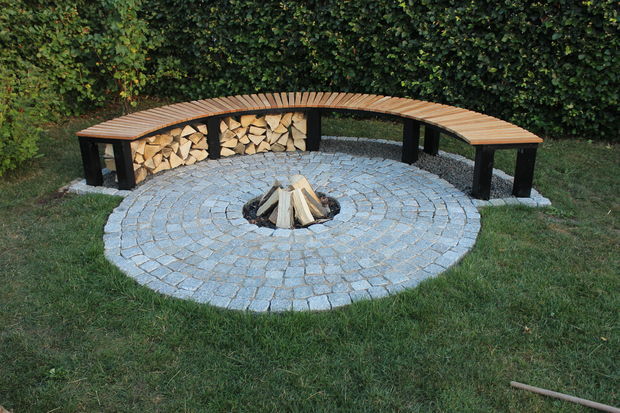
8. Fire Pit Patio (With Bench!)

Instructables - firepit and bench

Instructables

Are you thinking of adding a fire pit to your yard this year? Is it warm enough in your town yet to even think about spending the evening making s’mores?


  Porch.com is the free home network that connects homeowners and renters with the right home service professionals.

BuyingSelling April 4, 2016

How to Find the Right Real Estate Agent for You!

More March 30, 2016

Perspectives: 2016 Forecast

This is an election year. Economists tell us that nothing out of the ordinary typically happens to the U.S. economy in an election year – even in one as crazy as this one is turning out to be. That being said, it doesn’t mean the economy will stop growing or that the housing market will come to a standstill. In fact, according to Windermere’s Chief Economist, Matthew Gardner, employment is anticipated to grow by 1.6 percent in 2016 and unemployment should remain below five percent. This is what is referred to as “full employment”, which means that most people who want a job have one. That’s good news.

Things are also looking good for the housing market in the year ahead. Barring any unforeseeable events, U.S. home sales will continue to rise modestly in 2016. A number of West Coast cities have very strong economies that are poised to just keep growing, so home sales should grow right alongside them. The same is true for U.S. home prices, which will continue to appreciate in 2016, although not at the same pace that we saw in 2015. We’re predicting a more modest 5.5 percent increase, down from 6.8 last year.

Supply and demand continue to be way out of balance in cities throughout the western U.S. We’re optimistic that an increase in homeowner equity and downsizing baby boomers will lead to a modest rise in inventory; this should help address the substantial demand, although not as much as we might hope – or need.

Last, but not least, interest rates. Again, we look to our Chief Economist for insights and he tells us we should see rates gradually rise to about 4.3 percent by the end of the year. So, yes, it’s an increase, but not enough to have a significant impact on home sales.

So there you have it – our forecast for the 2016 housing market and economy. We’re both optimistic and excited to see where the year takes us. 

More March 28, 2016

Celebrating the Windermere Foundation with a Week of Gratitude!

We’re pretty excited at Windermere. Why, you ask? Because our agents recently helped us reach a major milestone. Thanks to their generosity we’ve raised more than $30 million for the Windermere Foundation which supports low-income and homeless families. These donations fund critical services and basic needs, such as foodbanks, homeless shelters, and youth programs.

This is all possible because every time one of our agents helps a client buy or sell a home, a portion of their commission goes to the Windermere Foundation. Starting today, we are celebrating their generosity with the “Windermere Week of Gratitude”. Over the next five days we will share stories about the Windermere Foundation and the types of services we support. You can follow these stories on Facebook, Twitter & Instagram. Kicking it all off is this video which highlights how the Windermere Foundation is helping to make a positive difference in the lives of our neighbors in need.

If you’ve ever worked with a Windermere agent, then you too are a part of the Windermere Foundation, and you too helped us reach this milestone. So on behalf of everyone at Windermere, thank you!

Living March 24, 2016

Keeping Up with the Joneses: Seven Phases of Home Renovation

We haven’t blogged in a while . . . and that’s because we’ve put a slightly unintentional pause on our renovation projects. If you’ve ever done a project around the house, you may have found yourselves in one of these seven stages.

The 7 Phases of Home Renovations:

Phase 1: Get super pumped about an idea. Pin, pin, pin on Pinterest until you’re bursting with excitement. Tell everyone about your amazing project.

Phase 2: Collect materials. Realize things cost a lot. Begin project fueled by coffee, nervous anticipation and adrenaline.

Phase 3: Get halfway through the project. It doesn’t look exactly like your Pinterest board but it’s still cool. Realize you haven’t showered or shaved in +/- 3 days. But it’s all good because you’re 50% there!

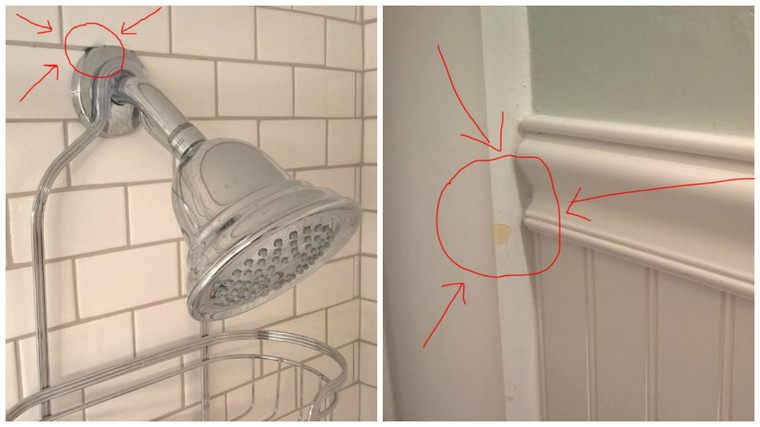
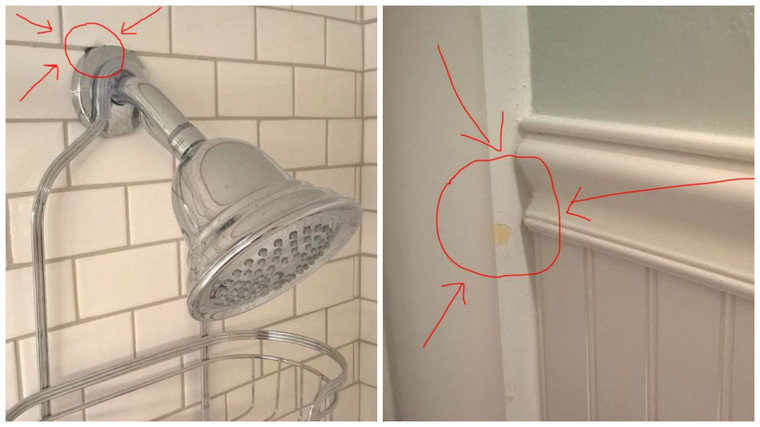
Phase 4: There’s visible progress but it’s not totally done. It looks done on the Instagram photo though! But in reality, the project is about 85% complete and it bugs you every time you see that one grout line that needs a little attention or that one corner that needs a little touch up paint. It’s okay though, you’ll get to it this weekend.

Phase 5: Weeks have gone by. The blisters on your hands have healed. You stop noticing the grout line that needs filling or the wall that needs paint. You’re busy enjoying the house and admiring your clean fingernails.   

Phase 6: Write a blog about how you’re still not done with that one bathroom you started two months ago.

Phase 7: Complete project, details included. Toast to celebrate. Post more photos to Instagram. Start dreaming of a new project. Pin, pin, pin… 

Some people may say the hardest part of a renovation is starting the project. We say it’s that last pesky 5%. We’ll get it done . . . eventually.

Stay tuned for our kitchen remodel in late 2016! Until then, Happy Renovations, everyone.

Tyler Davis Jones is a Windermere Real Estate agent in Seattle who, with his wife Jenn, recently traded in their in-city condo for a 1940s fixer-upper. Tyler and Jenn, along with the help of some very generous friends and family members, are taking on all the renovations themselves. You can follow the transformation process on the Windermere Blog or on Tyler’s website and Instagram

Selling March 21, 2016

What Home Buyers Love & Hate