Facebook
 X
X
 Pinterest
 Copy Link
The Benefits of Shared Second Home Ownership
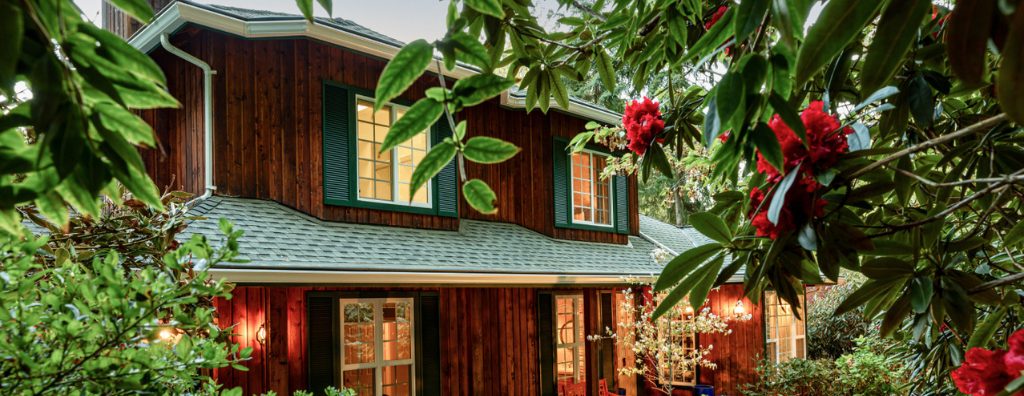
The idea of owning a second home is a dream for many—but the reality often comes with high costs, logistical hurdles, and much more upkeep than expected. And as home prices continue to climb and travel habits shift, buyers are starting to ask: is there a better way?
In partnership with Windermere, Esterre offers a fresh new answer to that question with an innovative shared second home ownership model, allowing buyers to co-own a thoughtfully curated portfolio of vacation homes—without taking on the full-time costs, upkeep, or responsibilities of owning a second home on their own.
Understanding A Shared Ownership Model
Shared, or fractional, ownership is quickly emerging as a practical and flexible alternative to second homeownership—one that makes vacation homes more attainable without the stress of going it alone. It’s a concept that’s been around for years, but today’s models offer a more refined, accessible experience. So, what does shared ownership really mean, and how does it work?
Shared ownership allows multiple buyers to co-own a home, splitting both the costs and the responsibilities. Each owner typically holds a defined share of the property, with usage and expectations outlined in a clear agreement. While different models exist, many shared ownership opportunities offer real estate equity, meaning owners can benefit from long-term use as well as a potential share in the home’s value over time. When applied to vacation homes, shared ownership presents a more accessible way to enjoy meaningful time away—without the full-time costs or commitment of owning a second property outright.
Below are some key benefits of shared ownership.
Benefits of Shared Ownership
- Lower upfront cost compared to buying a whole property.
- Shared responsibility for maintenance and property management.
- More efficient use of the home throughout the year. Greater flexibility in travel and vacation options.
- Real equity, with the potential for long-term financial return.
- Accessible entry point into luxury vacation real estate.
How Esterre is Reimagining Shared Ownership
Esterre is bringing a fresh take to the shared ownership space. Unlike traditional timeshares or fractional ownership models, Esterre offers co-ownership in a curated portfolio of fully managed, high-end vacation homes across Washington State. Each property is thoughtfully chosen for its location, design, and year-round appeal. Rather than being tied to a single home, owners hold real equity in the entire portfolio and benefit from a growing collection of properties as new homes are added. With access to over a month of stays annually at any home in the portfolio, owners can enjoy variety and flexibility without sacrificing comfort or quality.
Esterre also simplifies the process from start to finish. Maintenance, furnishing, landscaping, and cleaning are all handled on your behalf so you can focus on enjoying your time away. A standout feature of Esterre’s model is its built-in 12-year exit strategy. When the time comes, the homes are sold, and the proceeds are divided among the owners, with 20% of the appreciated value going to Esterre. It’s a modern approach to second homeownership—designed to offer ease, flexibility, and a clear path forward.
Discover more at esterre-wa.com.
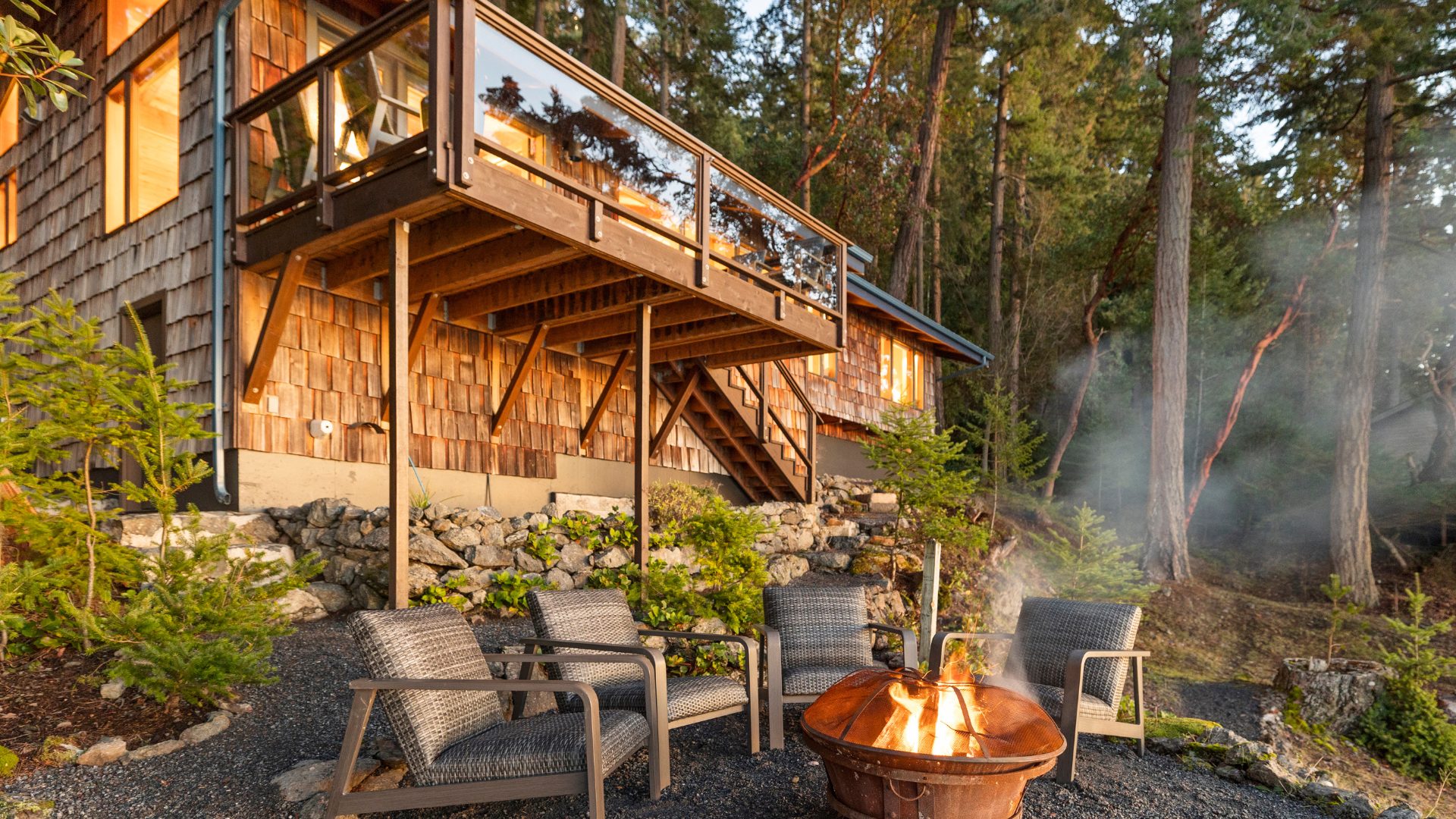
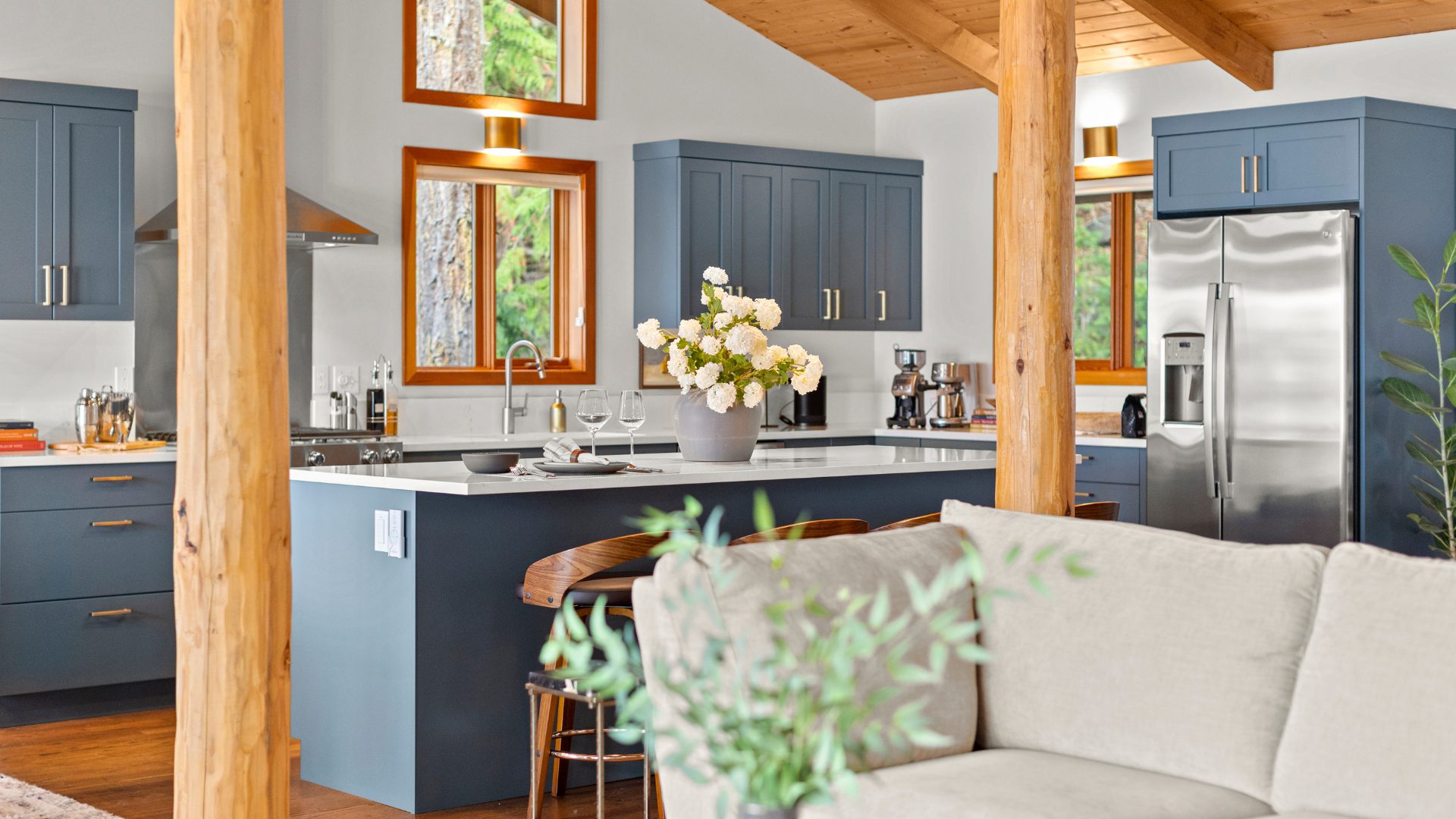

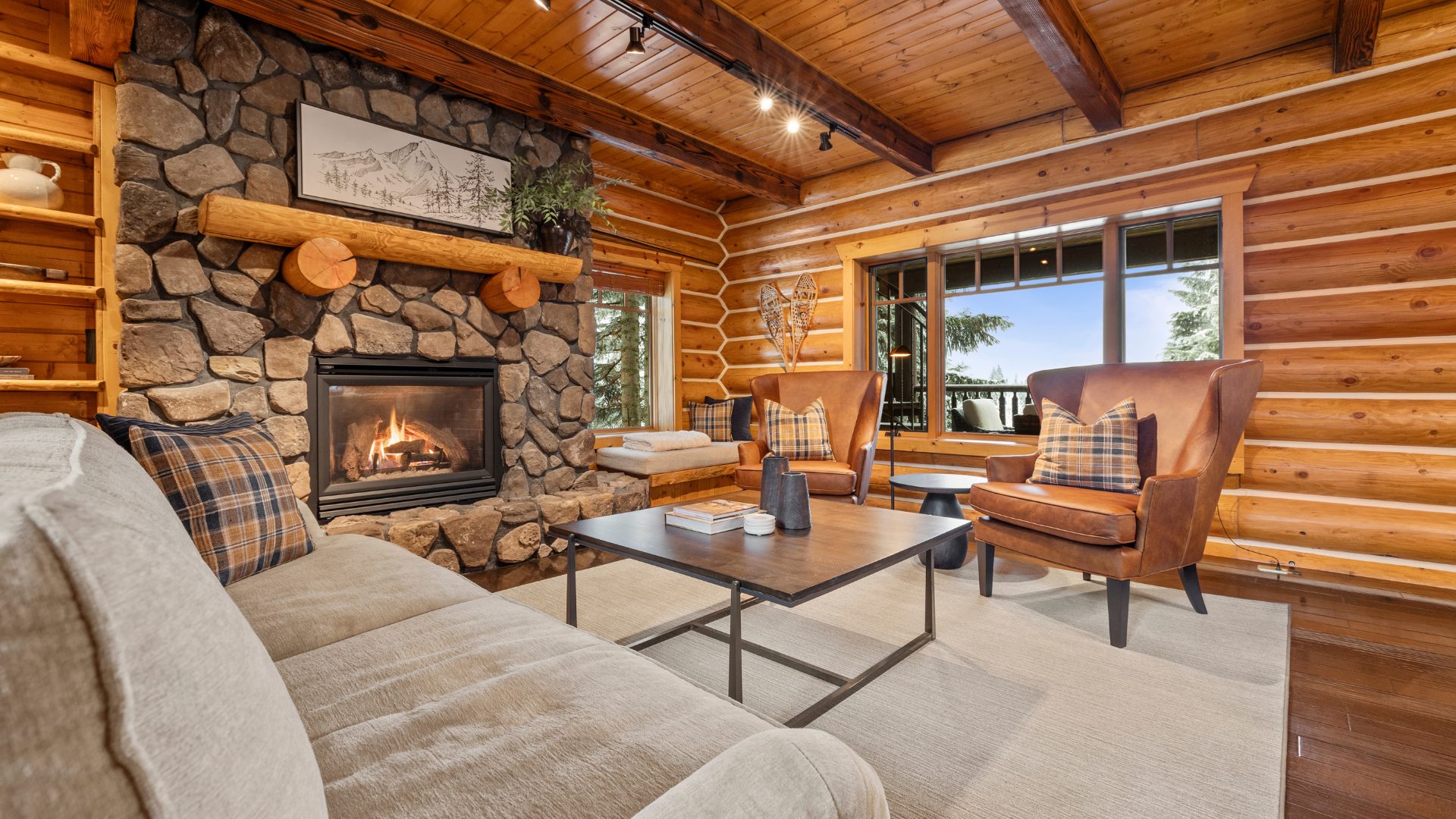
Windermere Partners with Esterre to Reimagine Second Home Ownership
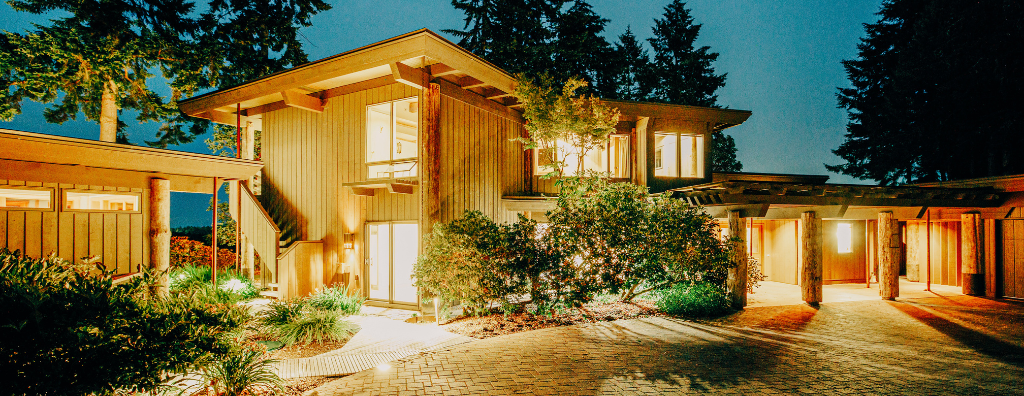
As more and more people desire an escape from everyday life, the appeal of second home ownership has grown stronger. But when the dream of owning a vacation home meets the reality of maintenance, expenses, and logistics, many buyers begin to question whether the rewards outweigh the challenges. Esterre, in partnership with Windermere Real Estate, is changing the narrative by introducing a fresh, innovative approach to second homeownership that redefines what’s possible. Here’s all you need to know about this exciting new partnership.
The Challenges of Owning a Vacation Home
Beyond the upfront purchase of a vacation home, the ongoing costs of maintenance, landscaping, and furnishing can quickly add up, making the experience feel less like a relaxing retreat and more like managing a second job. On top of that, many owners find themselves traveling less and tied to their vacation homes to make the most of their investment. While the idea of having a dedicated getaway is appealing, it can limit the freedom to explore new destinations and create diverse experiences. These common hurdles have left many wondering if there’s a more flexible, hassle-free way to enjoy the benefits of second home ownership.
Meet Esterre
Esterre, founded in Seattle in partnership with Windermere in 2024, is redefining what it means to own a second home. By introducing a fresh approach to second homeownership, Esterre enables individuals to have an equal equity ownership in a portfolio of carefully curated properties in some of Washington State’s most desirable destinations. This model eliminates the headaches and stress of maintenance, furnishing, landscaping, cleaning, and financial management, offering owners a seamless, stress-free experience. Each home in the portfolio is thoughtfully designed and fully managed, allowing owners to simply enjoy their time away.
How Windermere and Esterre Are Simplifying Second Home Ownership
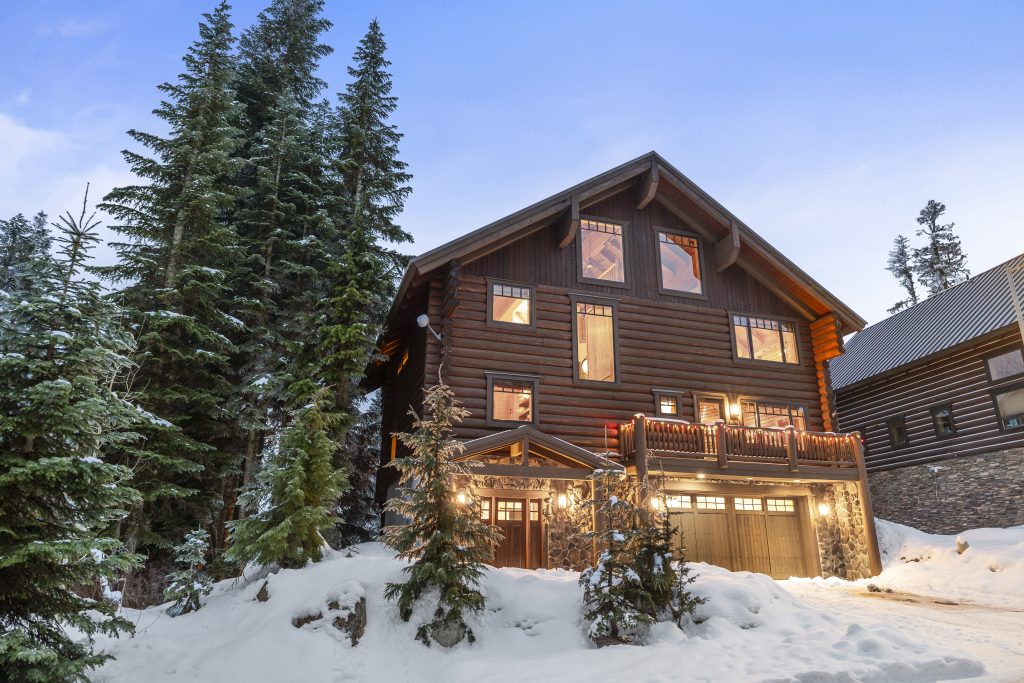
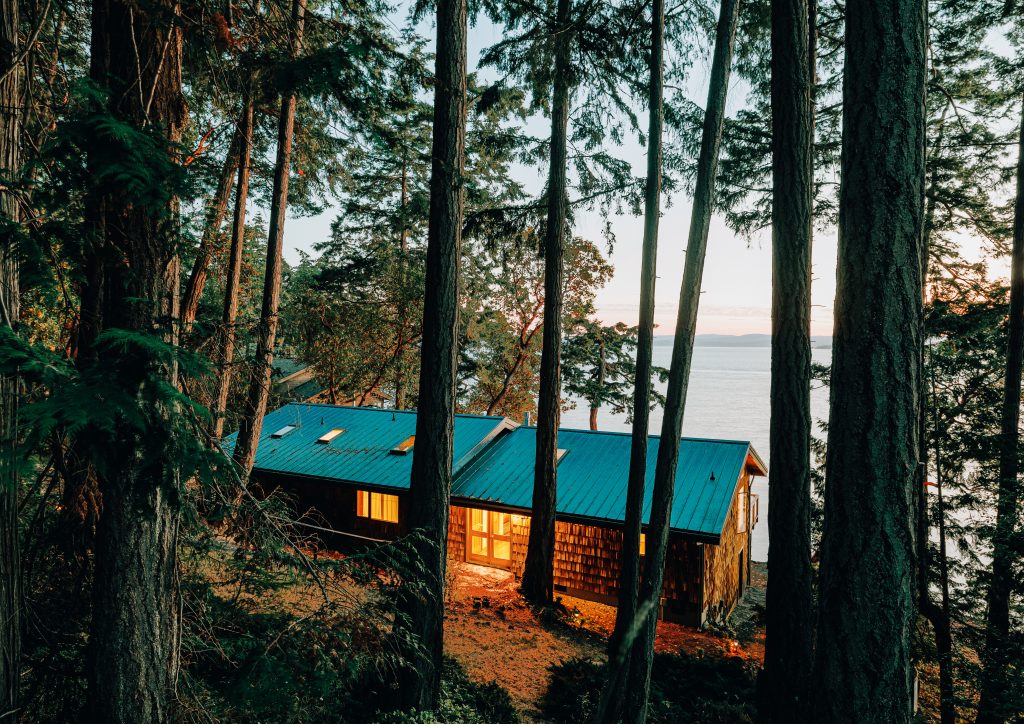
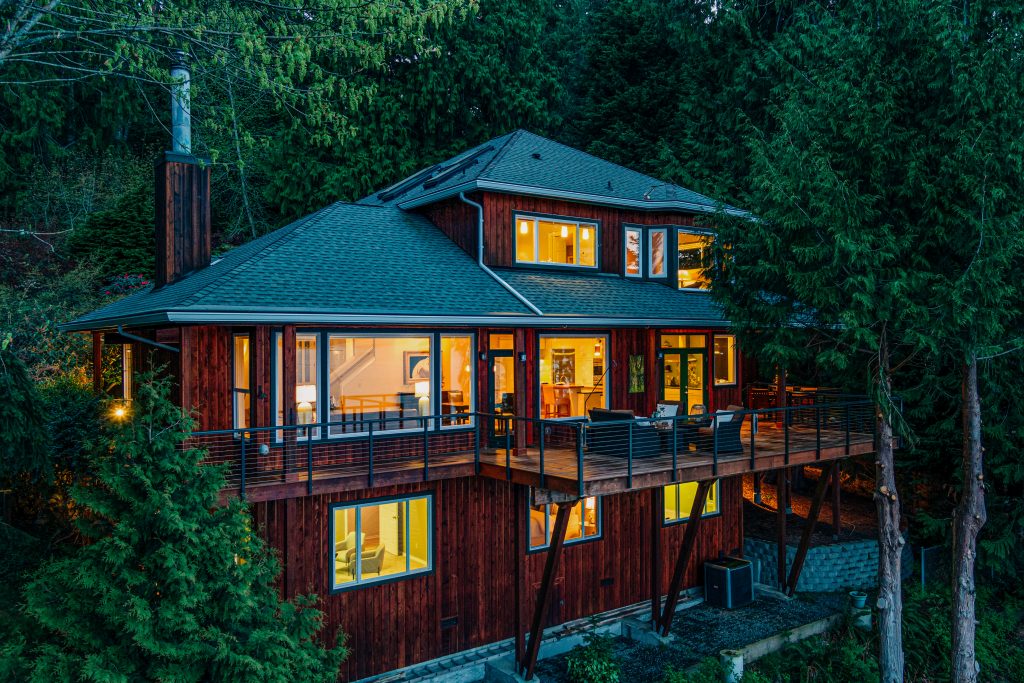
Windermere’s collaboration with Esterre marks an exciting step forward in the real estate world. Combining Windermere’s trusted expertise with Esterre’s innovative concept, this partnership offers a flexible, transparent, and economically sensible solution to traditional vacation home ownership challenges. For a fraction of the cost of purchasing a single vacation home, buyers gain equity in a portfolio of high-end properties across Washington State’s most scenic destinations, including Snoqualmie Summit, San Juan Island, Whidbey Island, Fidalgo Island, and the Olympic Peninsula, with more locations to come. These homes, all within a 2- to 3-hour drive from Seattle, are thoughtfully chosen to provide guests with various environments and experiences. Owners can enjoy over a month of annual access to these luxurious properties, with unlimited short notice stays available within 5 days of booking. And, unlike traditional timeshares, Esterre also incorporates a built-in exit strategy, selling the portfolio after 12 years and distributing the proceeds to owners.
Whether it’s a serene island retreat or a mountain escape, this partnership creates a unique opportunity for agents to connect with clients who dream of owning a second home but are deterred by the high costs and responsibilities. Together, Windermere and Esterre are opening doors to a more accessible, flexible, and memorable way to explore Washington State and build lasting memories.
Discover more at esterre-wa.com.
Buying a Second Home

Primary homes are associated with putting down roots. Maybe you have plans to remodel your home and sell it for a profit at some point down the road, but for the foreseeable future, primary homes are usually bought with the intention of living in them for quite some time. Second homes, however, offer several options to homeowners seeking to expand their property portfolios. The following information will help you get the ball rolling on your second home purchase.
Buying a Second Home
The second home buying process starts with a question: What are you looking to get out of your second home? Is it a vacation home or an income-producing investment? Do you have visions of the property generating cash flow as a short-term rental? Or perhaps your long-term goal is to retire there. Whatever the case may be, you’ll need to prepare financially.
If you don’t plan to pay cash, purchasing a second home means you’ll have a new mortgage stacked on top of your existing one. To prepare for the uptick in homeownership expenses, it’s critical that you have a solid savings strategy in place and that you’re steadily making progress toward your goals. All the typical costs associated with buying a home apply here, except you’ll likely face higher interest rates this time when applying for a home loan. In general, second home loans pose greater risk to lenders, leading to higher interest rates than what homeowners typically see on their primary home loans.
Two of your greatest assets in buying a second home are your real estate agent and your mortgage broker. Your agent will share helpful information about the market where you’re buying, they’ll help find the home that best fits your needs, and they’ll help you craft a winning offer. Your mortgage broker will help you find the right home loan for you. In the meantime, you can do a little homework on your own to help you get an idea of what your second home purchase will look like.
Use our free Home Monthly Payment Calculator by clicking the button below. With current rates based on national averages and customizable mortgage terms, you can experiment with different values to get an estimate of your second home monthly payment for any listing price. Add the numbers to your current monthly mortgage costs to make a well-informed estimation of your total monthly mortgage costs.


Image Source: Getty Images – Image Credit: Giselleflissak
For more information on preparing to buy a second home, read the following blog post:
What to Consider When Buying a Second Home
Featured Image Source: Getty Images – Image Credit: AleksandarNakic
What to Consider When Buying a Second Home

In some ways, the process of buying a second home is like buying a primary home. However, there are several key differences that require consideration before you make an offer. Whether you have visions of curating your ideal vacation home, are planning for retirement, or view the property as an investment opportunity, a second home can be the answer to your real estate ambitions. Owning two homes, however, means your responsibilities as a homeowner will double. Keep the following information in mind as you work with your agent toward purchasing a second home.
What to Consider When Buying a Second Home
Costs of Buying a Second Home
Purchasing a second home will typically come with all the expenditures you encountered during the process of buying your primary home. However, you may have to pay more up front for a second home, since loans for a secondary residence are riskier for lenders. Consider how making a lump sum payment may affect your financial health before beginning the buying process.
To get an idea of what you can afford, use our free Home Monthly Payment Calculator by clicking the button below. With current rates based on national averages and customizable mortgage terms, you can experiment with different values to get an estimate of your monthly payment for any listing price. By adding your resulting figures to your current monthly mortgage costs, you can make a well-informed estimation of your total monthly mortgage costs for both homes.
Financing Your Second Home Purchase
Finding the right financing for your second home purchase will depend on how you intend to use it. You and your lender will explore the different home loan types available to you to find the one that best suits your needs. Your lender’s rates and qualification requirements will vary based on how often you plan on living there and whether it’s an investment property, among other factors. If you plan to rent the property periodically, talk with your lender about what parameters would result in it being classified as an investment property. You’ll need to obtain a landlord insurance policy as well, on top of your existing homeowners insurance. These additional costs—along with rental maintenance expenses—need to be accounted for, even though renting out the property will help generate income.
Other Factors that Influence a Second Home Purchase
Besides being financially prepared, how will you know you’re ready to buy? For starters, finding and buying the right secondary residence is a matter of timing. It’s vital that the purchase of your second home aligns with your life goals. If you’re planning on purchasing the home for retirement, take time to investigate the area’s assisted living resources. If the area is a popular vacation destination, talk to your agent about how seasonality affects the local market conditions, whether you’re buying in a buyer’s market or a seller’s market, and how you can formulate your best offer.
If you aren’t familiar with the area, get to know the locale before you start sending offers. It’s helpful to schedule your visit off-season to get the clearest picture of what everyday life is like there. Plan to stay for enough time that you can get a sense of the atmosphere beyond a tourist’s first impression. Your experience there will help inform whether it’s the right time to buy.
For more information on second-home ownership, read our blog post on renovating your vacation home, with a seasonal breakdown of common home improvement projects.
How to Rent Out Your Vacation Home this Summer

A second home can be more than an escape from daily living, it can be a source of income. For those who own a vacation home, summer is full of opportunities to open your doors to renters while still enjoying the benefits of having your own personal getaway. This approach to home ownership can be a balancing act, but with the right preparation and know-how, you can turn your vacation property into an income-producing investment.
How to Rent Out Your Vacation Home this Summer
Splitting the use of your vacation home with renters can oftentimes result in quick turnaround times between visits, so it’s important to avoid falling behind on your task list to keep each transition and visit as smooth as possible. To help with this process, consider hiring professional cleaners to ensure the home is presentable, clean, and fresh for each guest’s stay. Listing your property on short-term rental sites like AirBnB and VRBO help increase your property’s visibility and can be a useful tool for managing the rental process, especially if you’re having a difficult time attracting renters.
If you’ll be staying at your vacation home between renters, be sure to schedule those dates ahead of time so you can block them off from visitors. A mix-up in scheduling only creates added stress and will negatively impact your guests’ experience, and potentially the online reviews.
Pricing Your Vacation Rental
Get the best return on your investment by offering a competitive rate, including on popular weekends. It’s common for homeowners to increase prices for popular summer dates like the Fourth of July and Labor Day weekend. These are the times when people are flocking to vacation getaways and your prices should reflect the increase in demand. Because competition among renters is high during summer, making your home stand out amongst other properties in your area is a worthy investment. Boosting the curb appeal, replacing appliances, upgrading linens, installing high-speed Wi-Fi, and providing a workspace are all ways you can give your vacation home a competitive advantage.
Personalize Your Vacation Rental
As a host, it’s a good idea to add personal touches to improve your guests’ experience and make them feel at home. Add décor and treats tailored to your guests’ stay, especially if they’re celebrating a special occasion or life event. Little details like adding a personalized note, flowers, and treats from local hot spots will help make their experience one they won’t soon forget.
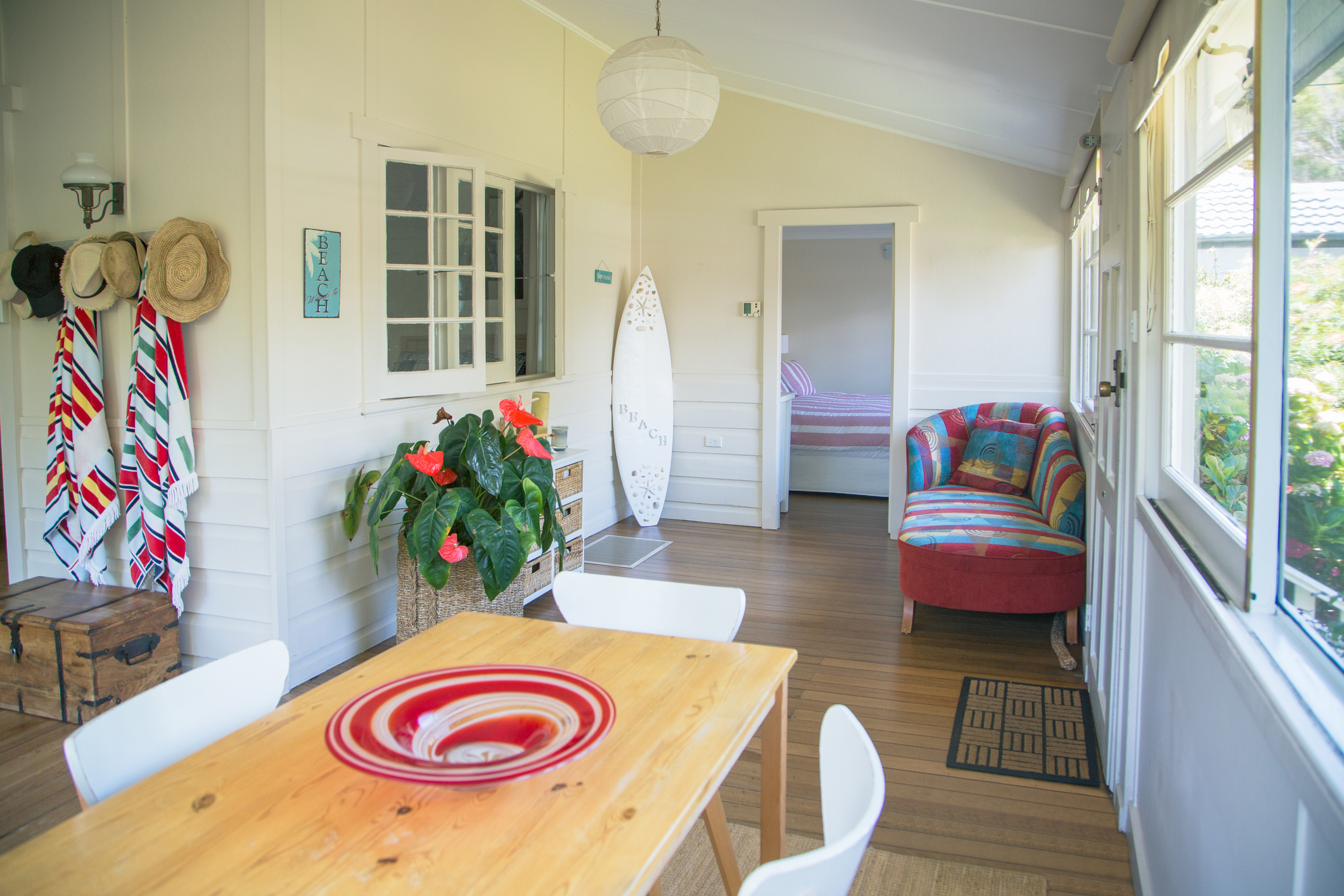
Image Source: Getty Images
Before Renting Out Your Vacation Home
The regulations of the short-term rental market vary by location. Before you rent out your vacation home this summer, understand the rules in your area. For instance, if you belong to a homeowners association, they may have by-laws in place that restrict your ability to rent your property.
Review your homeowners insurance policy to understand whether you are covered while guests are staying in your home. It is likely that you will need to obtain a landlord insurance policy to cover your property while it’s being rented. While some companies offer it as a rider policy that can be added onto your existing homeowners insurance, obtaining a separate policy may be required for adequate coverage. A typical landlord insurance policy will cover property damage, liability, and rental income loss. When shopping around for landlord insurance, find the policy that best fits the needs of your property.
What Is Landlord Insurance and Why Do You Need It?

If you are a landlord, it’s important to take steps to properly protect yourself and your property before the renters move in. Landlord insurance helps fill in the gaps of coverage where homeowners insurance policies don’t apply and allows you to rest easy knowing your home is sufficiently covered while tenants occupy your property.
What is Landlord Insurance?
While homeowners insurance provides coverage for a home occupied by its owner(s), landlord insurance covers properties that are rented to short-term guests or long-term renters. If you plan on renting out a room while you stay in the home, your homeowners insurance policy may offer coverage, but it depends on factors like the number of renters and the length of their rental agreement(s), so check your policy first.
A typical landlord insurance policy will cover the following:
Property Damage
Property damage insurance ensures your home is protected against damage caused by natural disasters, fire, electrical mishaps, and more while your home is being rented. This typically covers the home itself, any detached structures on the rental property such as ADUs or garages, and any personal property you use to maintain the home.
Liability
If a renter or visitor suffers an injury on your property, your landlord insurance will help cover their medical costs and, if legal action is taken, legal costs. Liability costs can snowball quickly, and it’s important to have coverage in place to protect yourself from having to pay out a lump sum for hospital bills or a settlement. For example, if a renter steps through a floorboard while walking on the deck and hurts their leg, a court may decide that a lack of property maintenance was the cause of the injury, thus leaving you responsible. However unlikely the scenario may seem, having coverage in place is better than the alternative.
Rental Income Loss
Homes are prone to accidents and issues that can render them uninhabitable. If this happens at your rental, you won’t see rental income until the problem has been fixed. Most policies provide reimbursement for lost income during a time when you’re unable to rent out the property, as long the cause of the underlying issue is covered. For example—if you live in a climate that’s conducive to mold growth, a rapid spread of mold could put a halt on renting your property. Accordingly, you’d want to make sure your policy provides adequate coverage against damage caused by mold.
Why Do You Need Landlord Insurance?
In short, renting out your property and having landlord insurance go hand-in-hand. Because homeowners insurance is unlikely to provide sufficient coverage for your rental, you’ll need a separate policy that covers you specifically as a landlord. When shopping around for landlord insurance, make comparisons based on the needs of your rental property. For instance, if you have separate dwellings on the property, prioritize additional structures coverage when looking at different policies. If you’re looking to bundle your landlord insurance with your existing coverage, keep an eye out for bundling discounts.
For more information on managing your rental, read our article on how to Give Your Rental A Competitive Advantage.
7 Tips to Give Your Short-Term Rental a Competitive Advantage

As the usage of short-term rental services has increased over the years, so too has the competition between rental owners to make their properties stand out. There are a variety of marketing tactics you, as a rental owner, can employ to give your home an edge, but ultimately, making the property as appealing as possible is the best way to ensure your strategies are effective.
7 Tips to Give Your Short-Term Rental a Competitive Advantage
1. Boost Your Curb Appeal
Renters are scrolling through pages and pages of properties, looking for something that catches their eye at first glance. To make your property stand out, invest time and energy into the home’s curb appeal. Making these improvements doesn’t necessarily require breaking the bank, either. Simple projects like a fresh coat of exterior paint, refinishing the patio or deck, and creating a beautiful yard will go a long way towards helping your home stand out amongst the competition.
2. High-Quality Photography
Once you’ve spent time curating and beautifying your rental, it’s important to communicate its feel to potential renters. High-quality photos give renters the best impression of what it’s like to spend time in the home. Photograph every room in bright lighting to make the space as inviting as possible. Be sure to thoroughly clean every room before taking photos to have it looking as inviting as possible.
3. Improve Your Description
After potential guests explore your photos, they’ll read your property’s description. While it’s helpful to read descriptions of other listings in your area to get an idea of what tenants are looking for, it’s important to communicate the unique attributes of your home. Talk about what makes it special, emphasize the selling points, and reference what renters are seeing in the photos you’ve provided.
4. Repair or Replace Your Appliances
When guests are paying for a rental, they expect everything to be in fine working order. To make your property stand out, consider repairing or replacing your appliances. This makes for a more enjoyable stay and could potentially offer you a competitive advantage. All appliances have a certain life expectancy, so if you haven’t replaced your appliances in a while, it just may be time to do so.
5. Upgrade Your Bedroom and Bathroom
Renters are looking to relax, so any luxury you can provide them will do wonders for giving your property an edge amongst the competition. Two areas of the home where you can deliver on luxury are the bedroom and the bathroom. From the bedspread and pillows to the curtains and rugs, experiment with different textures in the bedroom to make it as comfortable as can be. A high-quality mattress is also a worthy investment to make your guests’ stay all the more memorable.
By making simple upgrades to your bathroom, you can give the guests the feeling of having their own personal spa. High-quality shower heads and a spacious, relaxing tub will help to deliver a luxurious atmosphere to your bathroom, as will meticulously cleaning the space and keeping your surfaces well organized.
6. Upgrade Your Kitchen
A welcoming kitchen is the key to making your rental feel like home. Kitchen makeovers often come at a high cost, but there are ways to transform your kitchen without breaking the bank. Start by upgrading your lighting, giving your walls a fresh coat of paint, and refinishing your cabinets. If your kitchen needs new appliances, remember to select them first before making any renovations to ensure their dimensions are correct.
7. Provide a Workspace
With more people working remotely than ever before, some renters will likely look at your property as a potential place to conduct their work. Accommodating these guests with a quality workspace can make your rental stand out. Consider making the workspace multifunctional using items like a folding desk. This gives remote workers the option to stow their home office setup at the end of the day while ensuring that the workspace won’t be a permanent fixture for guests on vacation.
Moving Into a Vacation Home

For some homeowners, purchasing a second home – or a vacation property – provides a place where they can have a change of scenery and an escape from day-to-day living. Since the start of the pandemic, a number of homeowners have chosen to move into their vacation homes to do exactly that on a longer-term basis. However, certain aspects of buying and moving into a vacation home differ from a traditional home purchase, so it’s important to work with a buyer’s agent who understands the nuances of both.
Before You Buy
One of the first things to consider before buying a vacation property is whether you are financially ready to take on everything that comes with managing and maintaining another home. If you’re still in deep with your primary residence’s mortgage and are not cash-ready, it may not be the best time to purchase a second home.
Like any home purchase, there are pros and cons to owning a vacation home. Vacation properties are likely to retain their value depending on where they’re located. They also allow you to experience the never-ending vacation lifestyle. However, owning a vacation property can come with its own set of unique expenses. Not only will be you responsible for all the maintenance work that you might normally leave to a property management company, but if the vacation home is located on the water or a steep hillside, you can also expect higher homeowner’s insurance costs.
Moving In
Any moving process presents unforeseen challenges and moving into a vacation home is no different. Whereas previously the home provided accommodation for relaxing, moving in will require it to meet the demands of everyday living. It may be high time to make repairs or upgrades to the home, which could drive up your move-in costs.
Before moving in, assess the condition of all furnishings to get an idea of what needs replacing. Making the home your main residence will put added strain on your appliances, so what may have previously worked well for short-term stays won’t cut it for full-time living. Check your refrigerator, dishwasher, and washer and dryer to see if they need updating before moving in.
If you’ll be working remotely in your vacation home, think about your desired work conditions before putting together your home office. Having a designated workspace will help balance your home and work life.
Inside the Vacation Home Boom
The value of most people’s primary home has gone up significantly in the past few years, giving them more confidence to extend their real estate investment to a second home.
Increased net worth from the strong stock market, along with low interest rates, have made buying a second home more feasible.
Many baby boomers are shopping for a place to vacation at now, and retire to later.