Facebook
 X
X
 Pinterest
 Copy Link
What is Wire Fraud and How to Avoid It

A fast-growing form of cybercrime, wire fraud has led to major losses for homebuyers in recent years. Get to know what it is and what steps you can take to avoid it.
DIY Nursery Décor: 5 Tips for Renters

Prepping for parenthood? There are so many exciting changes on the horizon, but one change you’ll need to make at home is making sure you have a nursery all set up for your little one. As a renter, you may not have a ton of extra space to work with and you may also be limited by how many aesthetic changes you can make, but with the right guidance and a little creativity, your DIY nursery décor efforts can soar.
Nursery Preparation
Before you get into the design details, you need to choose a location for your nursery. Ideally, it will be close enough to your bedroom that you can quickly give your newborn the attention they need. To properly childproof your home, remove all unnecessary items from the nursery. Properly decluttering the area will help you prioritize safety. For more tips on childproofing your home, visit the U.S. Consumer Product Safety Commission online: Childproofing Tips – CPSC
DIY Nursery Décor
1. Creative Storage Ideas
As a renter, you’ve likely gotten practice maximizing space at home. Storage in the nursery will help to keep everything tidy while making sure that the things you and your child needs are never too far away. Floating shelves and wall-mounted organizers are two popular choices for making the most of vertical space. Be sure to check your lease and talk to your landlord before drilling into the walls to prevent permanent damage. Keep all toys, diapers, and baby-related accessories in easily reachable baskets, stored either underneath the bed or in the closet.
2. Nursery Color Palette
Let your imagination run wild with color design ideas for painting and decorating. Add splashes of colors in the window curtains, pillows, bedding, carpeting, and other accessory items throughout the room. You can also consider removable wallpaper to refresh the room. If you are decide to re-paint, use an indoor paint calculator to determine how much paint you’ll need and to cut down on wasted material.
3. Light and Dark
Finding the right lighting for your home is a room-by-room journey. The kitchen, for example, has different lighting needs than your cozy reading nook. Your nursery is a unique area when it comes to proper lighting. To create a calm atmosphere, choose soft, warm-temperature lamps with dimmers. This allows you to adjust the lighting levels to fit the time of day (or night). Less harsh light is easier on a newborn’s eyes and can make for less of a headache when you’re waking up multiple times a night. Babies also need lots of rest, so it’s important to install heavy curtains that block out sunlight and allow your little one to drift into deep sleep.
4. Bring Nature Indoors
Incorporating nature at home has aesthetic benefits, of course, but it’s also good for your health. Using organic materials, house plants, and earthy accessories can help you breathe easier and lower your stress levels at home. Consider adding small potted plants along the windowsill, installing a mobile with a touch of nature, or even incorporating a small water feature in the room to encourage serenity. A nature-infused nursery will help you relax your mind so you can take each at-home parenting step in stride. To further align your nursery’s design with the rest of your home, learn about which house plants match with different interior design styles.
5. Create a Gallery Wall
You’ll create many memories in your nursery. Who knows? It could be the room where your child takes their first steps or utters their first word. Use wall space creatively by creating a gallery wall with adhesive strips to minimize damage to the walls. You can add personal photos and keep track of special memories made with your family at home. Consider a corkboard or magnetic whiteboard to pin up new memories in sight as well.
For more info on home décor, remodeling tips and more, visit the Design category of our blog:
Featured Image Source: Getty Images – Image Credit: Eva-Katalin
Staying Safe When Selling Your Home

Staying organized while uprooting your life and moving from one home to another can feel impossible. There’s also the pressure to keep your home clean and tidy for showings to prospective buyers, but your personal safety is an important consideration as well.
Home Security and Safety for the Holidays

The holiday season can bring joy and peace, but it can also bring package thieves and burglary. Stay safe this winter by taking a few precautions with your home security. From old-school security tricks to new digital home monitoring tools, there are many options when it comes to keeping our homes safe and preserving that sensibility.
How to Fall Proof Your Home

Each object in a home serves a purpose, but for those who experience dizziness and numbness, many of them can also be a potential hazard. Taking steps to reduce the risk of falling in your home is a worthy exercise for any homeowner, especially if you have elderly family members or young children living in your home or visiting often. Here are some ways you can fall proof the rooms in your home.
How to Fall Proof Your Home
Kitchen
The kitchen is synonymous with spills and messes. When these accidents happen, be sure to clean them up quickly and thoroughly to reduce the risk of a falling injury. Slippery floors have been the culprit of countless broken bones and bruises, so it’s best to wait until the cleaned spot is dry until you resume cooking.
Stay low to the ground as much as possible by keeping your most used items like spices, cooking utensils, and hand towels within reach to reduce the number of times you need to use a step stool.
Bathroom
In the bathroom surfaces are often slippery and slick, and the hard tile makes for an unforgiving landing spot. It’s common for homeowners to place a non-slip mat in the shower or tub to reduce the risk of slipping and falling. Grab bars are a more permanent option for making the bathroom safer. For those interested in installing a grab bar but have reservations about the aesthetics of installing a grab bar, look at pieces that align with your existing décor. Match the grab bar with your shower head, shower rod, and towel racks to make it fit with the space.
Bedroom
The key to preventing falls in the bedroom is visibility. Bedrooms are cozy, intimate spaces, which means that space can often be limited. Keep all pathways clear and make sure that your nightstands and bedside lamps are well within reach. Stow any cords next to your bed to avoid tripping over them in the night.
Staircases
We’ve all taken a tumble on the stairs at some point or another. To mitigate the risk of falling, keep your stairs organized at all times. It’s easy for clutter to build up at the top or bottom of the stairs or on platforms between floors, but these objects are tripping hazards. Consider installing a handrail if you don’t have one or add a second one if you currently only have a handrail on one side.
For more information on home safety, cleaning tips, and more, visit the living section of our blog.
How to Handle Water Damage In Your Home
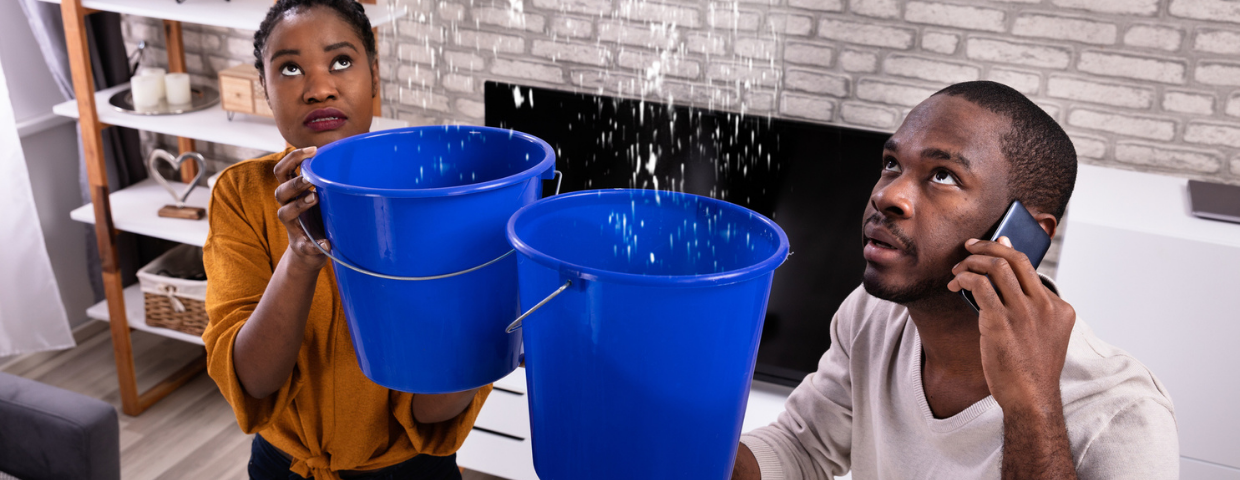
Even if you’ve done all you can to prevent water damage in your home, there’s still a possibility it could occur. During a water damage emergency, it’s important to have a plan in place and be proactive to make sure things don’t go from bad to worse.
How to Handle Water Damage In Your Home
If your home is in danger of flooding, evacuate the area until it is safe to return. In all other situations, as soon as you notice any water damage, it’s time to act quickly to prevent further damage. Water reaching an electrical source spells danger, so be sure to switch off your circuit breakers to cut the electricity. If your circuit breakers are in the same room as the source of the water damage, it’s best to stay away and call an electrician. Unplug devices from outlets as well to avoid getting shocked. In all situations, wear rubber boots, gloves, and protective gear.
After the electricity has been turned off, the next step is to find the source of the water damage. In the case of a burst pipe or a leaking hot water tank, cut the water supply by switching their shut-off valves. If the water damage has occurred in a small, contained area, you may be able to handle the repair independently. But if the water damage has spread to a large area, it will require a professional.
Moving furniture, household items, and possessions not only helps to protect them, but will also clear the area for when professionals arrive, allowing them to get right to work. If the water continues to flow while the technician is on their way, try to prevent further damage by slowing its spread using buckets, towels, and mops. These items don’t have the salvaging power of a professional’s tools, but anything you can do before they arrive could help to prevent further damage.
Water Damage – Insurance
Contacting your insurance company as soon as possible will help to navigate the situation. Find out what steps they may require you to take in the event of a flooding emergency. It’s helpful to get a claims adjuster to your home quickly to assess the situation and provide estimates on the potential cost of making repairs. Water damage can easily feel overwhelming and chaotic, but it’s important to photograph the incident. Take photos of the source of the damage, where it spread, and the damage it caused—both to the home and any personal items of value. Documenting the incident will inform your claim with your insurance company.
Whether the damage is covered by your insurance depends on the source of the problem and how your policy is arranged. If the damage was a result of an underlying condition that worsened over time, your claim may be denied. If this happens, ask for a detailed explanation to understand the gaps in your policy. This emphasizes the importance of regular home maintenance on the systems that control the water in your home. Even if you run into a costly repair, it’s better to be aware of deficiencies and fix them than to wait and be faced with a full-fledged emergency later on. Take time to review your policy as is and understand what you as the homeowner are ultimately responsible for in the event of an emergency.
For more information on how to get ahead of potential home emergencies, read our guides on preparing for wildfires and winter storms.
How to Prevent Water Damage to Your Home

Water is constantly coursing through your home, flowing in and out of drain pipes, sinks, tubs, and showers. Numerous systems in our homes are dependent upon water, but the minute it runs rampant it begins to cause damage. The consequences of water damage run the gamut, from rotted drywall and mold growth to serious structural issues. The following guide will help you understand what you can do to prevent water damage in your home.
How to Prevent Water Damage
Leaks
Leaks soften wood, which invites all sorts of unwanted activity from termites, while simultaneously creating a perfect habitat for mold and mildew growth. To prevent leaks, keep your drains healthy by frequently cleaning out your drain strainers and refraining from dumping grease down your drains. Check to make sure none of your drains are leaking and if need be, repair or replace your p-traps. Drips, dark stains around your pipes, and discoloration on your ceilings and walls are all strong indicators that a leak has sprung. If you notice an inexplicable spike in your water bill, this is also a sign of a potential leak. By identifying these signs, you can begin repairs right away and stop the water damage in its tracks.
Gutter Drainage
A home with weak gutter drainage is an open invitation for water damage to occur. Cleaning your gutters routinely is the best way to prevent them from clogging, which helps to avoid damage to your siding and foundation. Make sure your downspouts expel the gutter water away from your house parallel to the ground. Take a trip to the hardware store for downspout extensions and elbows to make sure that water won’t build up around your home’s foundation, especially if you live in a rainy climate.
Sump Pump
Your sump pump can be your saving grace should a water emergency occur. Sump pumps move excess groundwater away from your home, preventing it from infiltrating your basement or crawl space. They are connected to the Ground Fault Circuit Interrupter (GFCI) electrical outlet, which protects it from electrical shorts. There are two ways to test your sump pump. The first is by pouring in enough water to raise the float. If it’s working properly, the pump should activate and begin removing water from its pit. The other method is to unplug the pump’s power and plug it back in. If it does not turn on, it requires repair or replacement.
More
There are some additional steps you can take to prevent water damage to your home. Inspect your roof to identify any damaged shingles or cracks. While you’re up on the roof, take a look at your chimney. Repair any cracked or broken bricks and consider a chimney cap if you don’t already have one in place.
Water damage can be harmful to your home and your finances. Even the smallest leak can snowball into larger problems if neglected. By following the steps to prevent water damage, you’ll know if your home needs repairs before it’s too late. For more advice on preventing damage to your home, read our guides to wildfire and winter storm prevention.
How to Childproof Your Home

Whether your household includes a newborn, toddler, or young child, your home has the potential to pose a risk to their safety if not properly childproofed.
There’s no stopping a child’s curiosity. Using safety latches on cabinets and blocking your staircase with a gate is a good start, but there are other potential hazards around your home to account for. Let the following steps be a guide to keeping your little ones safe as they take their first steps around your home.
Childproof Against Potential Hazards
Water heater: A major concern for parents is that their child will burn themselves. One of the most common culprits is the water heater. To avoid burning accidents, keep your water heater set to less than 120 degrees.
Crib safety: Cribs are a place of comfort for your child, but they are not free from potential hazards. As soon as they can sit up, you’ll want to lower the crib height. The less objects in the crib, the better. Additional blankets, pillows, and toys pose risks for getting tangled up or choking.
Heavy objects: As your child grows, they will be able to reach higher and tug at furniture. Any heavy objects sitting on tables or shelving within their reach should be moved somewhere safe. Any unstable items on TV stands and bookshelves should be secured or removed as well.
Household chemicals: Household chemicals pose serious risks to the health and safety of your children. Do not keep poisonous materials under the sink or anywhere easily accessed by your little ones.
Exposed wiring: Any exposed wires in the home should be taken care of immediately. Use power strips to consolidate your wiring and hide them behind heavy furniture. If you need to keep your power strips accessible, buy power switch covers.
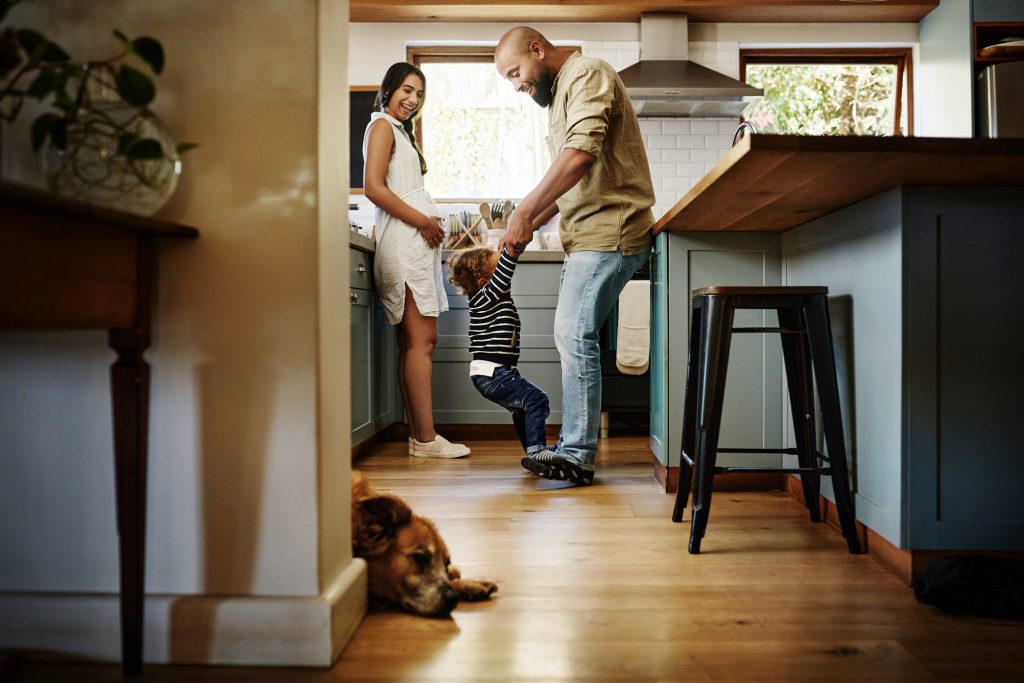
Shot of a young family spending quality time in the kitchen at home.
Childproof Room-by-Room
Childproof your living room: Keep all photo frames high up and out of your child’s reach. Accidents with glass can cause serious harm. If possible, mount your TV to a wall. This avoids any possibility of your child climbing on a TV stand and hurting themselves. If you have a fireplace, keep it covered when not in use and lock the fireplace doors when having a fire.
Childproof their bedroom: As mentioned above, crib safety cannot be overstated. Windows should be opened no more than a few inches and should have a window guard. To reduce the risk of your child getting tangled up, install cordless window blinds in their room.
Childproof your kitchen: We love our kitchens, but they can be the perfect recipe for disaster with a young child present. Keep your kitchen gated and secure your cabinets and drawers with a lock, using either traditional latches or magnetic locks. Keep your microwave, toaster, knives, blender, and any other countertop items out of reach. Remember to keep your dishwasher locked and consider buying stove guards to cover your stove knobs.
Childproof your bathroom: You’re likely to have cleaning supplies and other harmful chemicals stored in your bathroom. Keep all cleaning supplies, medicine, and toiletries locked up or well out of your child’s reach. Keep in mind that even a little standing water is enough to send your little one crashing to the floor. Be sure to keep the floor dry and clean up quickly after showers and baths. Hair dryers and curlers can cause severe burns, so remember to unplug and stow them away after use.
With a young child in the home, it’s easy for parents to become paranoid thinking of all the potential dangers and how to mitigate their risk. These are just some of the steps you can take to provides a safer home environment for your child. For more, visit the U.S. Consumer Product Safety Commission’s (CPSC) website here: Childproofing Your Home – CPSC
Protecting Your Home’s Air Quality
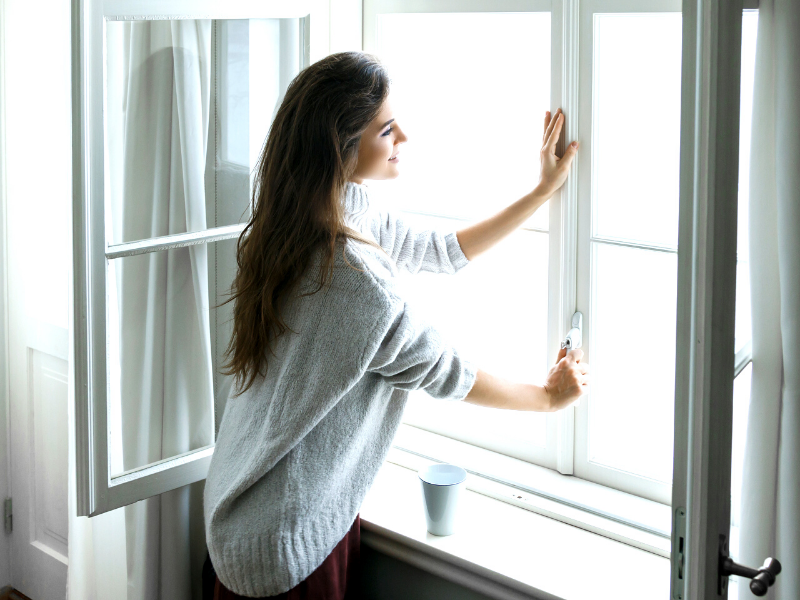
Most of us tend to think of air pollution as something that occurs outdoors where car exhaust and factory fumes proliferate, but there’s such a thing as indoor air pollution, too.
Prepare For and Prevent Damage This Wildfire Season Before It Happens

After last year’s wildfires, some of the largest and deadliest in recent memory, spread along the west coast, homeowners are on edge as to what this fire season will bring. The questions of whether their home will be burnt, or if they will be affected by poor air quality, hang in the air much like the smoke of a nearby fire.