Facebook
 X
X
 Pinterest
 Copy Link
How to Bring Coastal Charm into Your Home No Matter Where You Are
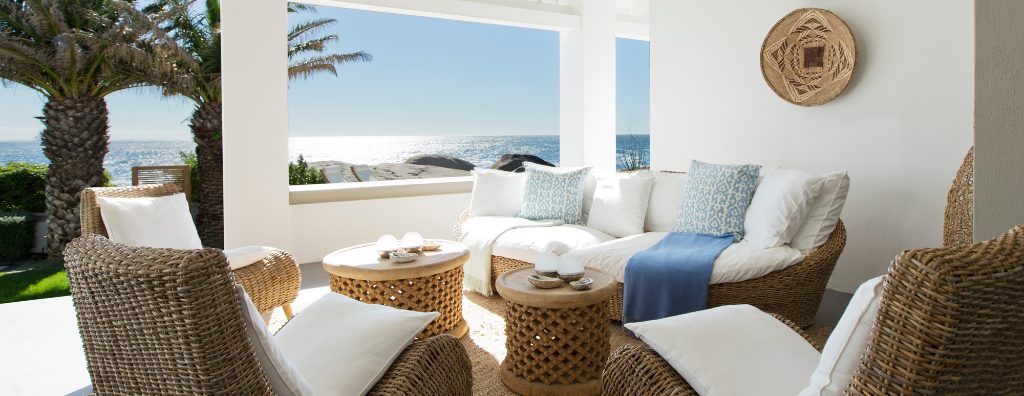
Coastal interior design captures the calm elegance of life by the water. It’s bright, breezy, and effortlessly connected to nature, drawing inspiration from the textures and warmth of the shore, the shifting blues of the sea, and the weathered charm of driftwood and dune grass. This style invites the outdoors in, creating spaces that feel open, welcoming, and dreamy, no matter how far you are from the coastline.
Defining Features of Coastal Interior Design
Natural Materials
Coastal design embraces organic textures that feel relaxed and lasting, mirroring the landscape along the shoreline. Wicker and rattan furniture bring a light, casual elegance, while woven jute or sisal rugs add earthy texture underfoot. Weathered or reclaimed wood, whether used in furniture, ceiling beams, or accent walls, offers a sun-worn character that feels authentic to seaside living. Glass elements, including vases, oversized mirrors, and light fixtures, reflect light and mimic the clarity of water, while stone or pebble accents can subtly reference the beach and coastline. Even fabrics play a role, typically with cotton, linen, and other breathable, natural fibers, keeping the look feeling fluid and inviting.
A Coastal Color Palette
The colors of the coast bring this style to life. Crisp whites and soft creams create a fresh, open backdrop, while sandy beiges and sun-bleached wood tones add warmth and a lived-in ease. Layered into this foundation are sea-inspired blues in every shade, from the pale, airy blue of a summer sky to the rich, grounding depth of navy. Small pops of teal, aqua, seafoam green, and even coral can bring a burst of energy, infusing the space with the vibrant, refreshing spirit of life by the water.
Light, Airy Spaces
Abundant natural light is central to coastal interiors. Large windows, double-glass French doors, and open layouts blur the lines between inside and out. Sheer linen drapes catch the breeze, while white or pale walls reflect light to make rooms feel even more expansive. One of the advantages of using natural materials in coastal design is that they age gracefully, gaining character over time while preserving the fresh, airy feel that helps define this style.
Subtle Nautical Touches
Coastal design often incorporates gentle, well-chosen nods to the sea. Rope accents woven into mirrors or light fixtures, bowls of collected shells, or artwork featuring surfboards, sailboats, and marine life can all bring a hint of nautical charm. Avoid an overly beachy look by balancing nautical accents with clean lines and neutral tones. These elements should evoke the feeling of the coast rather than recreate it literally, keeping the space elegant, storied, and timeless.
Built-In Charm
Architectural details like white-washed built-in shelving, wood-clad ceilings, or wall paneling give coastal homes a sense of craftsmanship and permanence. These features provide the perfect stage for displaying curated coastal finds like sea glass, ceramics, or woven baskets.
Bringing the Look into Your Home
You don’t need an ocean view to enjoy the beauty of coastal design. Start with a light, neutral foundation and layer in soft blues, sandy tones, and natural textures. Choose furniture that feels comfortable and unfussy, and incorporate elements that remind you of the shore, whether that’s a woven jute rug in the bedroom, a driftwood coffee table, or a few well-placed nautical pieces.
Candles or diffusers with fresh, sea-inspired scents can enhance the atmosphere, creating the sensory experience of a salty ocean breeze. And if you’re looking for real-life inspiration, a visit to Seabrook, WA, can spark ideas with its homes and community spaces being a masterclass in blending classic coastal styles with modern living.
For more design inspiration, tips, and trends, visit the design section of our blog.
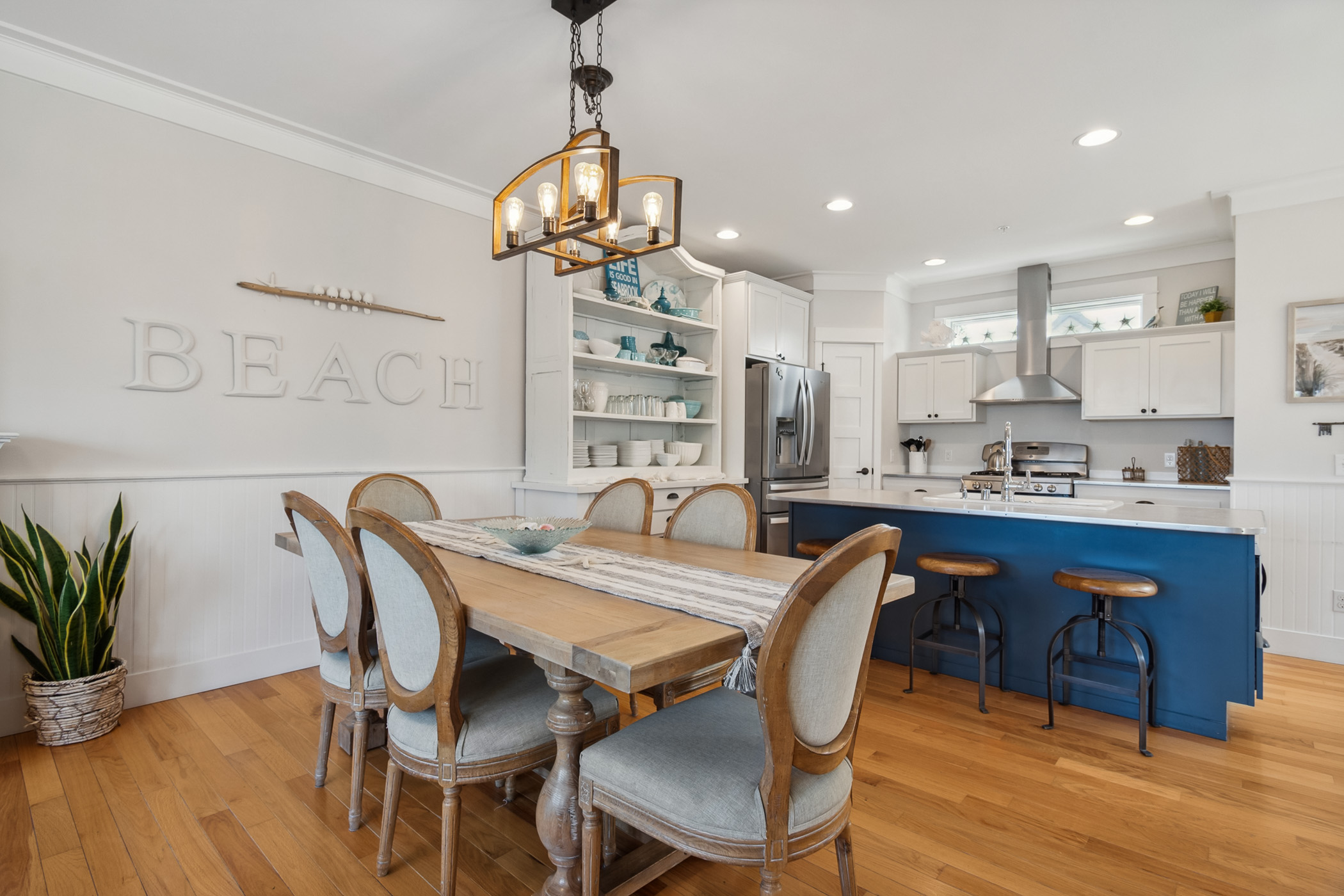
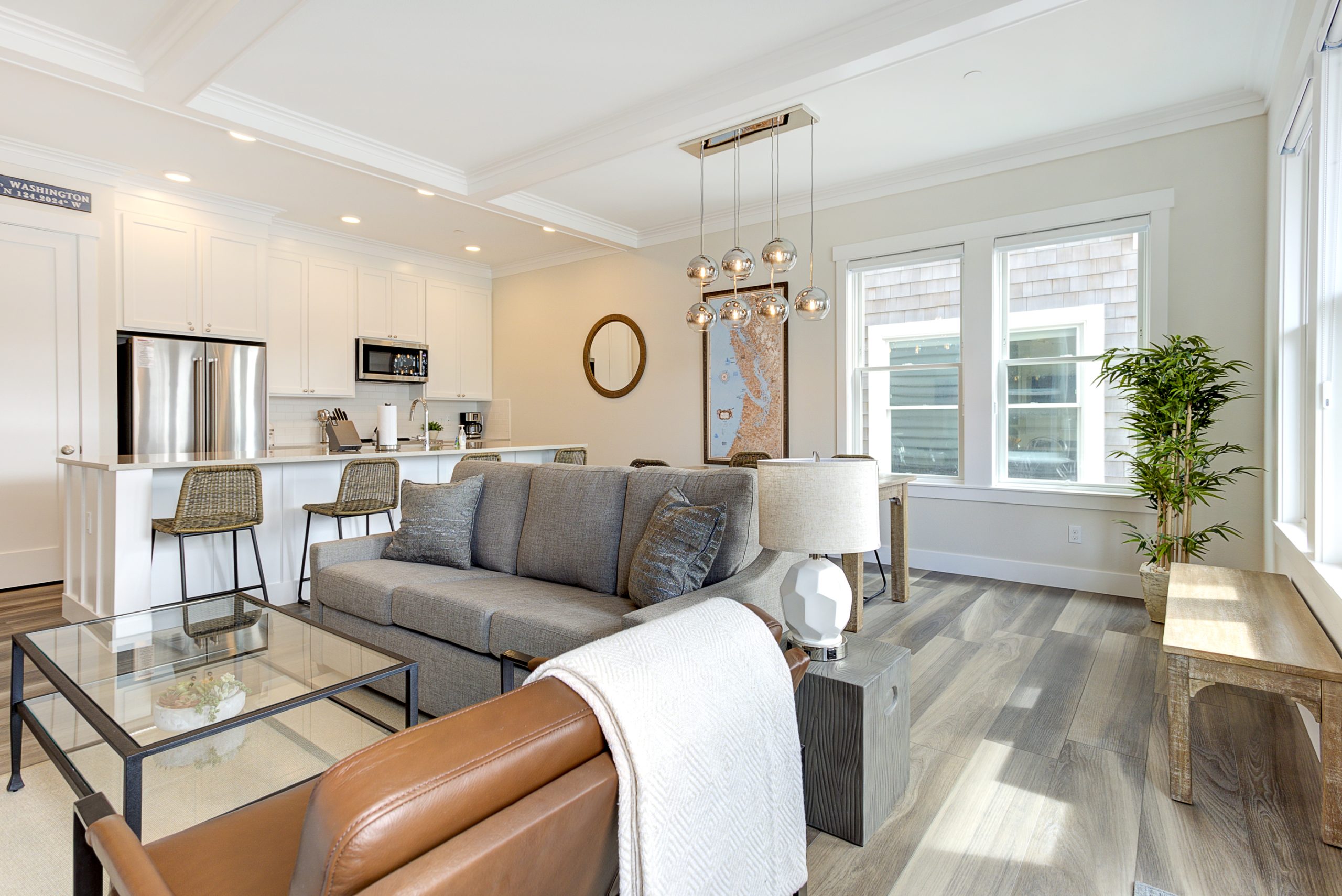
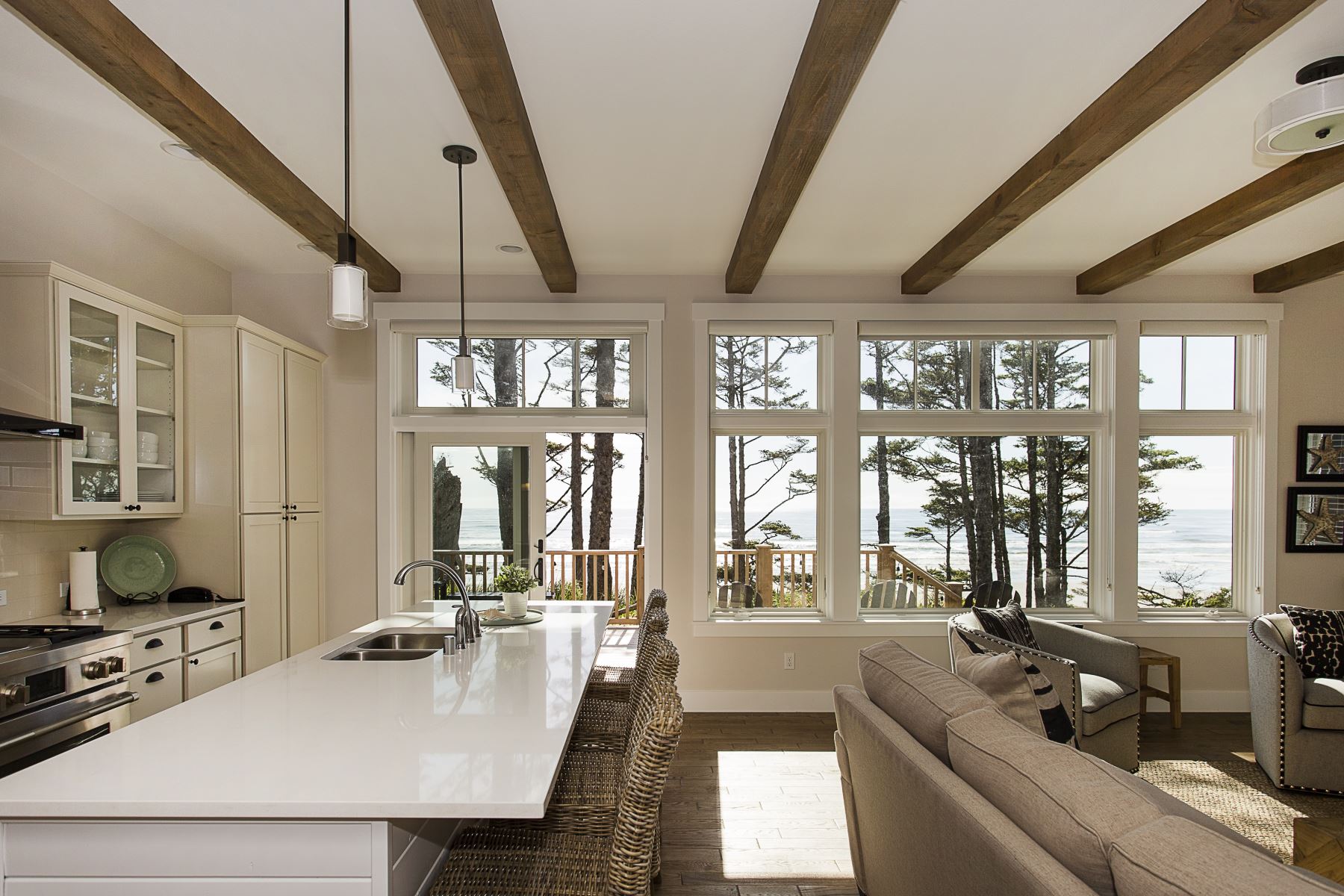
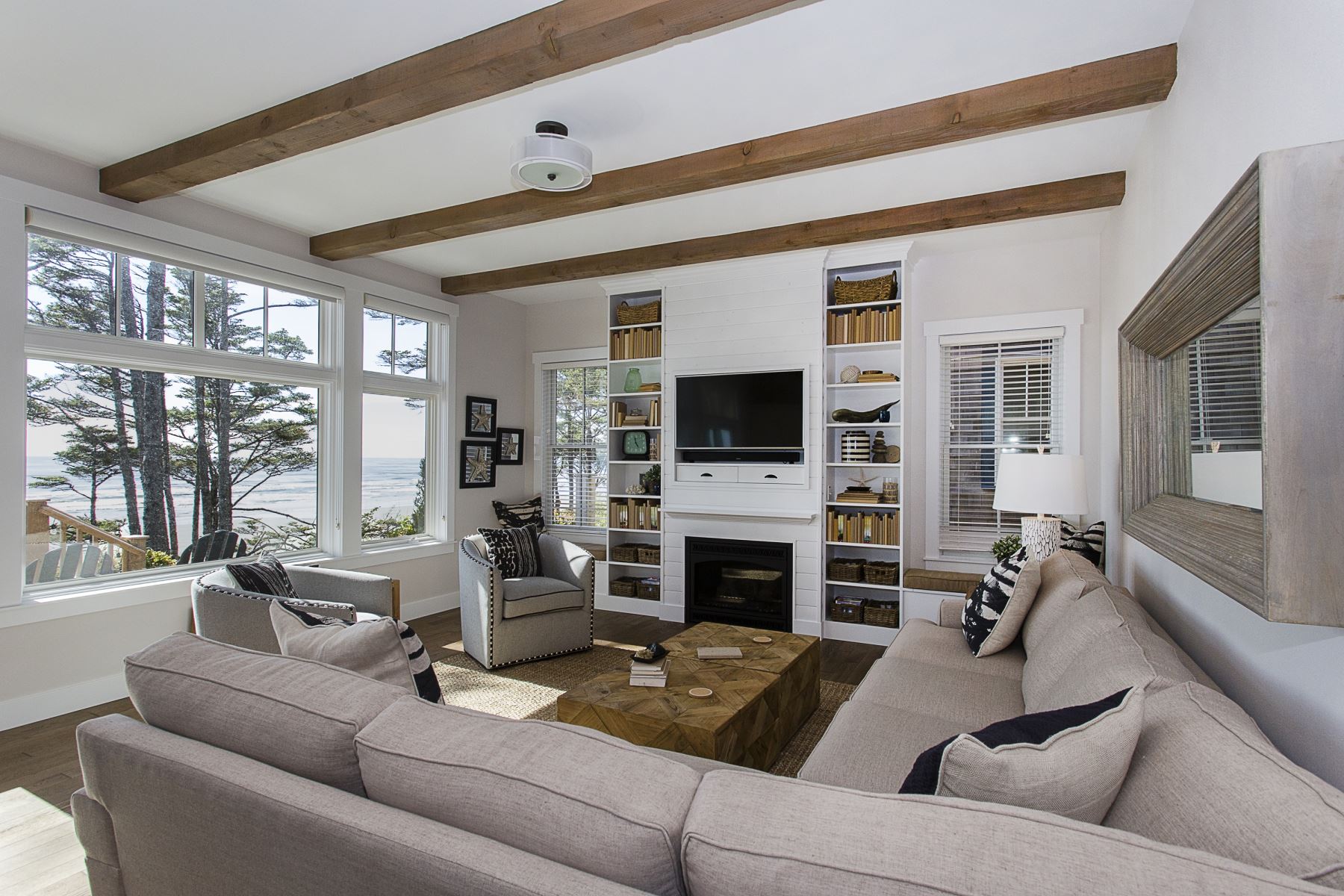
These Seabrook listings showcase how coastal style blends comfort, light, and seaside charm.
5 Defining Elements of Moroccan Interior Design

For centuries, Morocco has captivated people from around the world with its rich tapestry of culture, art, and unmatched design. From the lively souks of Marrakech to the serene riads of Fes, Moroccan interiors tell a story of intricate craftsmanship, vibrant colors, and a blend of tradition and global influence.
In this post, we’ll look at the influences behind Moroccan design and explore how you can bring its distinct style into your home.
Influences of Moroccan Design
Moroccan interior design is rooted in ancient tradition and draws from various cultural influences, including Berber, Arab, Mediterranean, and Moorish. This fusion creates a warm, layered aesthetic that pairs detailed patterns with earthy textures and natural materials. You’ll often find colorful tilework, bold textiles, and handmade pieces that reflect centuries of artistry and heritage. And though this style is steeped in history, it remains timeless, seamlessly blending into modern homes while adding warmth, character, and a global touch to any space.
Key Elements of Moroccan Interior Design
Vibrant Colors
Moroccan design is synonymous with a vibrant and expressive color palette. Think of the dazzling blues of Chefchaouen, the rich reds and oranges of Marrakech, or the natural greens found in traditional gardens. Don’t be afraid to experiment with jewel tones like emerald green, sapphire blue, and ruby red, which you can balance with more neutral tones like terracotta, cream, and black to create a harmonious blend that pops. Even the most muted Moroccan room will feature a splash of something bold, whether in the tiles, lanterns, or layers of fabric.
Layered Textures
From olefine and wool rugs to carved wooden furniture and hand-woven baskets, texture is everywhere in Moroccan interiors. Plush, overstuffed cushions and floor pillows bring comfort to seating areas, while airy curtains soften windows and doorways. The thoughtful use of natural materials like clay, metal, leather, and stone gives each space a grounded, organic feel. This layered approach, combined with the intricate patterns and ornate detailing, provides a richness and depth that defines Moroccan design.
Mosaic Tilework
One of the most recognizable elements of Moroccan design is its stunning mosaic tilework, known as zellige. These hand-cut, geometric tiles are meticulously arranged to form intricate patterns that adorn walls, floors, and fountains. Each zellige piece is a testament to centuries-old craftsmanship, bringing a unique sense of artistry and a cool, refreshing feel to any space. Tiled floors are frequently layered with Persian or Berber rugs. At the same time, fireplaces, kitchen backsplashes, and bathroom walls may feature elaborate tilework that feels artistic and architectural. Incorporating zellige in your home, whether as a subtle accent or a vibrant statement, can instantly infuse an authentic touch of Moroccan design.
Riads and Courtyards
The word “riad” means “garden” in Arabic. In Moroccan architecture, a riad refers to a traditional home built around a peaceful interior courtyard. These courtyards are often the heart of the home, featuring tiled fountains, lush greenery, and shaded sitting areas. To replicate this feeling, consider making a designated “courtyard” area in your home by incorporating a small water feature, a collection of plants, and comfortable seating that fosters a sense of tranquility and connection to the outdoors.
Artisan Accessories
No Moroccan interior is complete without a variety of handcrafted accessories. From ornate brass lanterns and pierced-metal sconces to hand-thrown pottery and embroidered pillows, each piece tells a story that celebrates Morocco’s deep tradition of craftsmanship, giving your space a layered, lived-in feel that reflects both style and soul.
By bringing these 5 key elements into your home, you can create a space that feels soulful, timeless, and uniquely yours. For more design inspiration, tips, and trends, visit the design section of our blog.
5 Ways to Incorporate Feng Shui into Your Home
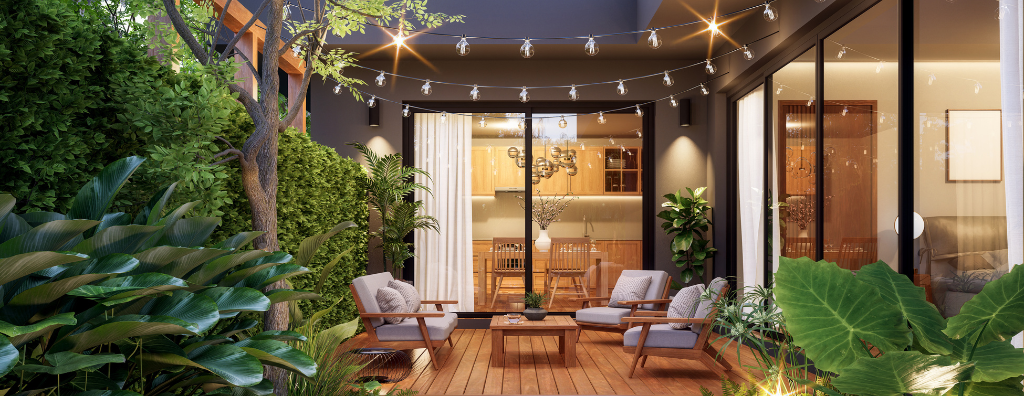
Feng Shui, an ancient Chinese practice, is not just about creating a calming and aesthetic space. It’s about creating a space that resonates with your energy and promotes well-being. By balancing the world’s five natural elements : water, fire, earth, metal, and wood, you can transform your living space into an environment of serenity and positivity. And the best part? It doesn’t have to be expensive or complicated. If you’re looking to find new ways to rearrange furniture, declutter your area, or introduce natural elements into your space, Feng Shui might just be the missing piece! Here are five simple ways to embrace the elements of Feng Shui in your home.
1. Create Depth with Water
Each element in Feng Shui carries a unique meaning. By integrating these elements in a balanced way, you can create a space that is not just aesthetically pleasing but also promotes well-being. For instance, water is believed to bring prosperity and wisdom into your life. To incorporate water into your home, add dark blue or black accents like hand towels, artwork, and small area rugs. Reflective surfaces or mirrors can also be used to symbolize the fluidity and reflection of water. Feng Shui experts believe that purposefully placed water features both within and outside of a home will bring about positive energy and good luck.
2. Transform Energy with Fire
Fire, a symbol of passion, energy, and transformation in Feng Shui, can be a powerful addition to your home. You can start by strategically placing and lighting a few candles, which is a simple way to introduce the fire element. But, if you are looking for a more intense effect, consider incorporating an indoor or outdoor fireplace to encourage gatherings and create a warm, inviting ambiance. You can also add design accents to your home using reds and oranges which will add more dynamic fire energy.
3. Establish Stability with Earth
In Feng Shui, the earth element can be associated with stability and different grounding forces. When we think of the various aspects of earth within a home, we tend to gravitate towards the more natural features like stone counters, wooden furniture, and clay accents. However, the earth element in Feng Shui goes even further than just aesthetics. More ways to incorporate this element into your home include decluttering and organizing to create flow, inviting nature in with more houseplants and natural light, and utilizing earthy tones like browns and beiges. You can also enhance these earth-centered qualities by repositioning your furniture to create more harmonious spaces.
4. Promote Precision with Metal
According to Feng Shui principles, metal is a strong symbol of precision, wealth, and efficiency. There are plenty of ways to integrate metal into your home beyond mere stainless-steel appliances. Copper, bronze, brass, and nickel accents add warmth to kitchens and living spaces. When incorporating these metals, consider using decorative features like cabinet hardware, lighting fixtures, and other metal accent furniture.
5. Embrace Vitality with Wood
Wood, which symbolizes growth, vitality, and new beginnings, is the final core element in Feng Shui. Consider using natural materials like bamboo, rattan, or reclaimed wood when designing with this element in your home. There are a number of ways you can harness the energy of wood, such as through furniture, flooring, or even smaller wooden accents like coasters and photo frames.
Designing Your Rental To Feel Like Home
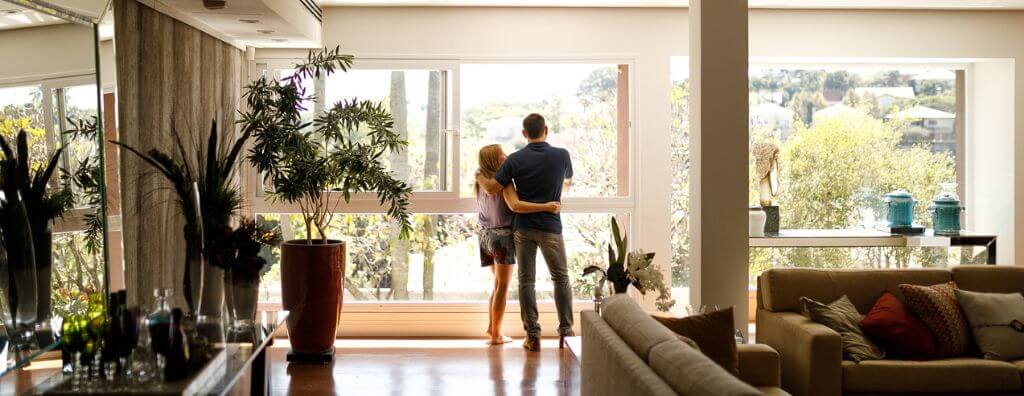
Stylizing your own home can be a daunting but rewarding challenge. When you own your living space, it’s easy to feel a sense of ownership over every piece of your design. But for renters, the challenge is a bit different. Despite limitations, it’s no less important to one’s well-being for a residence to convey a sense of ownership and self.
Setting Up Your Home Gym

As the stay-at-home hours add up, setting up a home gym is not only physically beneficial, but can bring some added mental wellness to the new normal many of us find ourselves in.
How to Create a Gallery Wall at Home
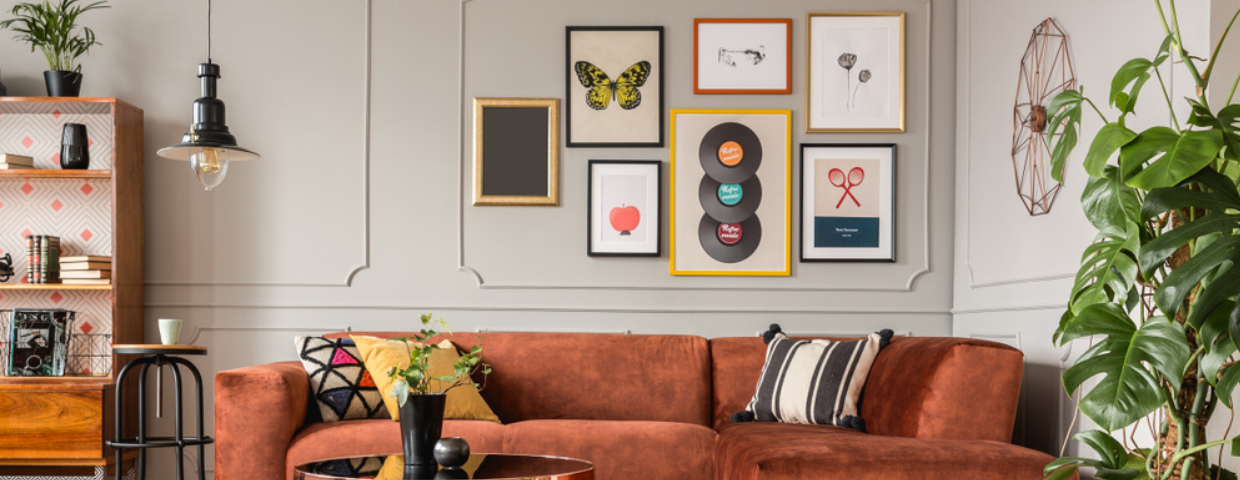
You don’t have to be an accomplished art collector, historian, or aficionado to curate and hang a well-crafted, visually appealing gallery at home. Hanging a gallery wall will give your collection of photos, drawings, and other works of art a place to be displayed. It can also give life to bland stretches of empty wall space, helping to tie together the spaces in your home. So, before you touch nail to drywall, keep the following information in mind to hang the perfect gallery wall for your home.
How to Create a Gallery Wall at Home
The first step to hanging a gallery wall at home is to assemble your artwork. Once you’ve gathered the artwork you intend to hang, take measurements of each piece to determine their framing dimensions. You’ll have an easier time finding frames for the pieces in your art collection with common dimensions—such as 5” x 7” or 8” x 10.” For artwork with uncommon dimensions, you can either shop around for custom framing or simply buy a larger frame with the appropriate matting to fit the artwork. Applying a mat can also give your pieces an elevated, professional look. Once you’ve taken your measurements, it’s time to shop for supplies.
Gather your gallery wall essentials first: a hammer, nails, hooks, and picture hangers. If you have a large piece of artwork in your collection, be sure to find a hanging apparatus certified to hold its weight. You may find it helpful to use paper and tape to “sketch” your desired layout on the wall before you start hanging, and while you’re hanging, use a level or framing square to determine when your artwork is level. During installation, start in the center of your wall space and work towards the edges. It may also be helpful to hang larger works first and work your way down in size. This way, if you need to make adjustments, you can easily adjust your smaller artworks around a focal point.
Gallery Walls Throughout Your Home
Living Room Gallery Wall
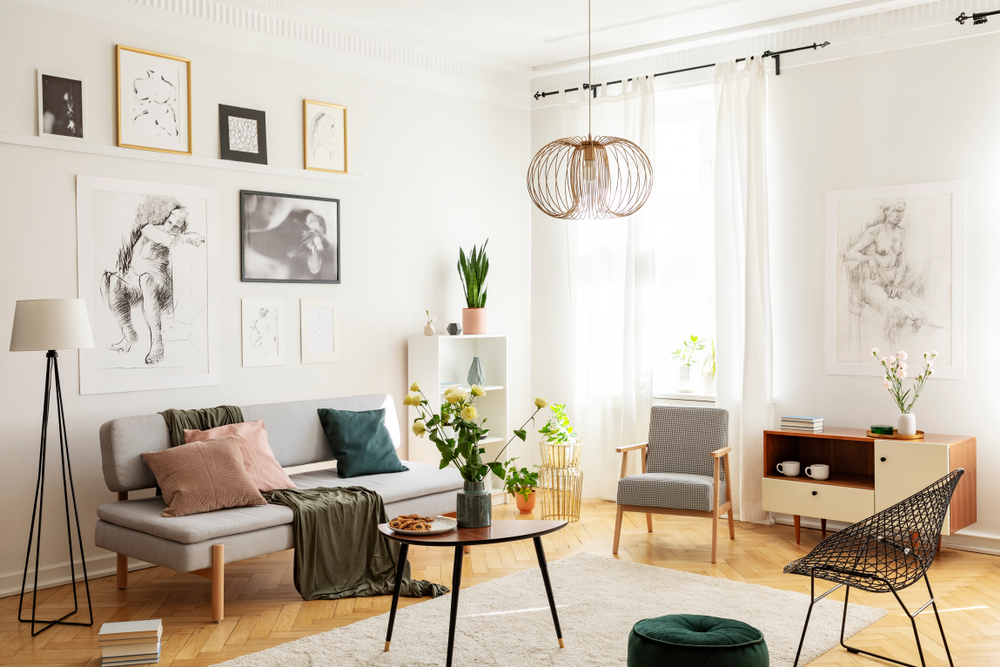
Image Source: Shutterstock – Image Credit: Photographee.eu
A living room gallery wall may be just the remedy for that large, blank space behind your couch. Because living room walls tend to be one of the larger surface areas in a home, it is a fitting place for large pieces of art and intricate collages of frames. Consider how the proportions of your gallery wall can create balance in your living room.
Home Office Gallery Wall
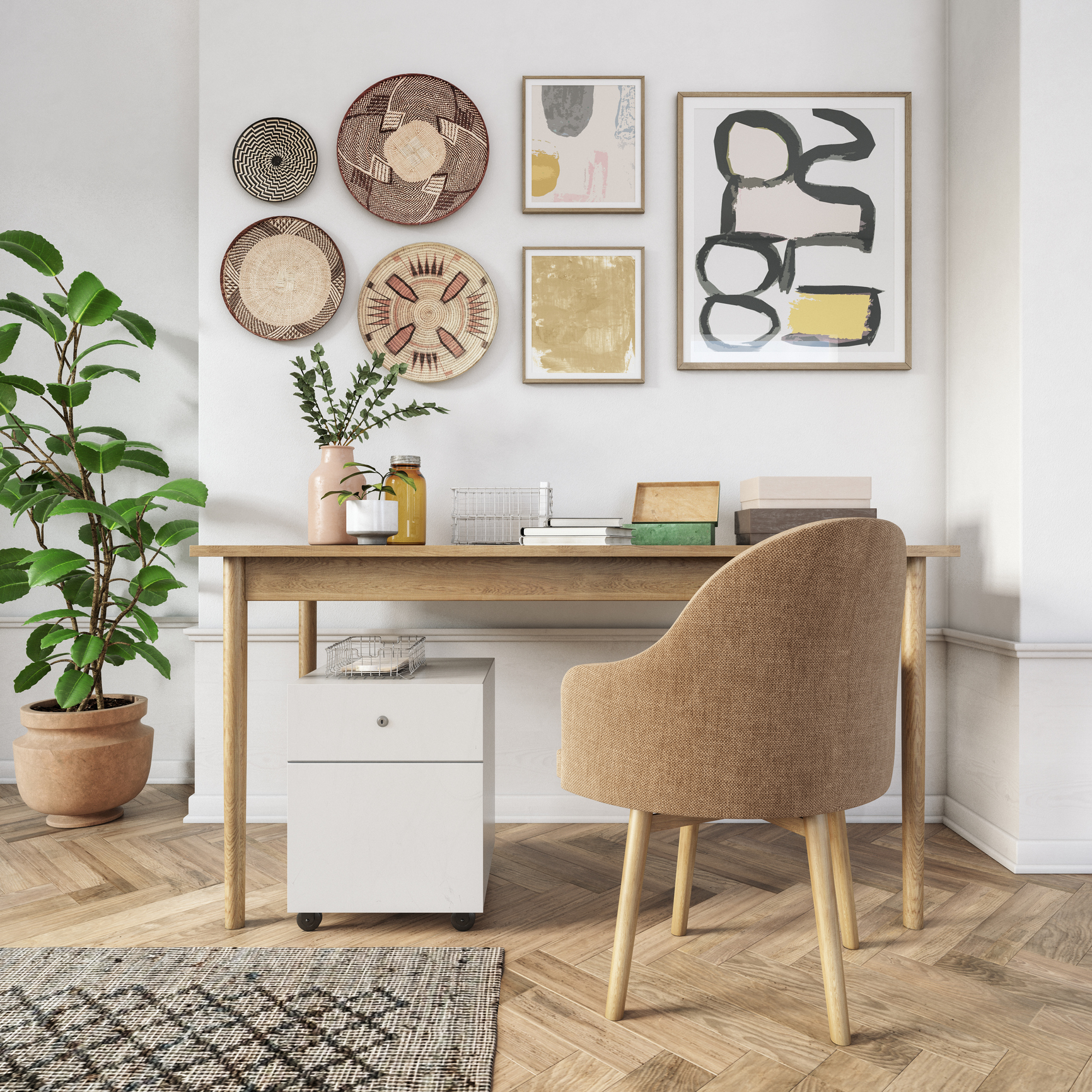
Image Source: Getty Images – Image Credit: CreativaStudio
With the recent increase in remote work, home offices are more important now than ever before. Keeping your home office fresh and lively is the key to staying productive and inspired while working from home, and a gallery wall can help to do exactly that. Experiment with different combinations of artwork, photos of friends and family, and other cherished collectibles.
Bedroom Gallery Wall
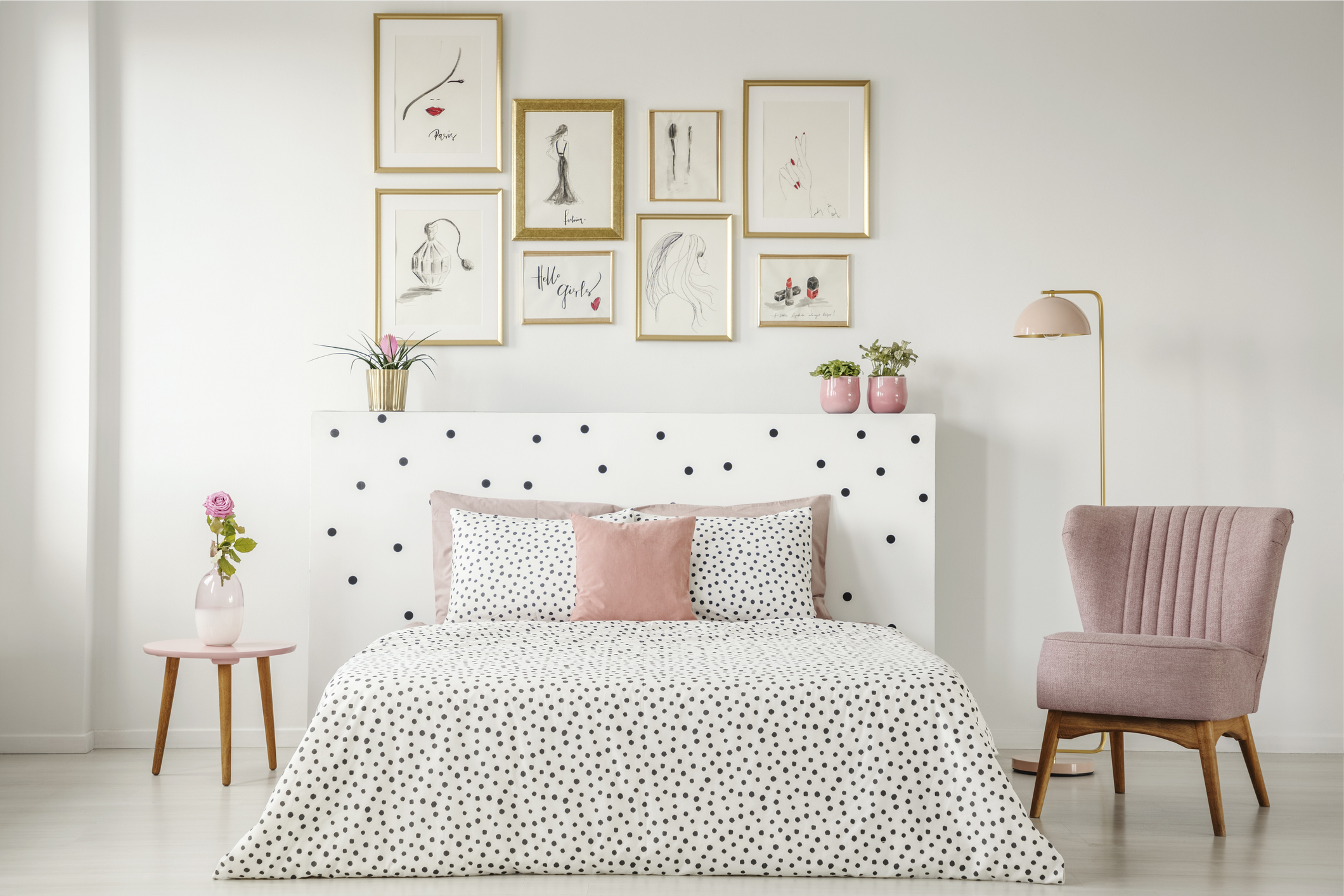
Image Source: Getty Images – Image Credit: KatarzynaBialasiewicz
Hanging a gallery wall on the space above your headboard or on an adjacent wall is a quick and easy way to upgrade your bedroom. Fill the space with inspiring paintings, memorable photos, motivational quotes, or whatever artwork best compliments the color and décor throughout the room.
These are just a few of the ways you can incorporate a gallery wall into your home. Hanging a gallery wall in a children’s playroom can be a fun way to highlight their artwork. Curating a cascading gallery along a staircase between floors will create a flow between the levels in your home. The options are endless. For more information on curating the spaces in your home, read about How to Upgrade Your Dining Room.
How to Upgrade Your Dining Room
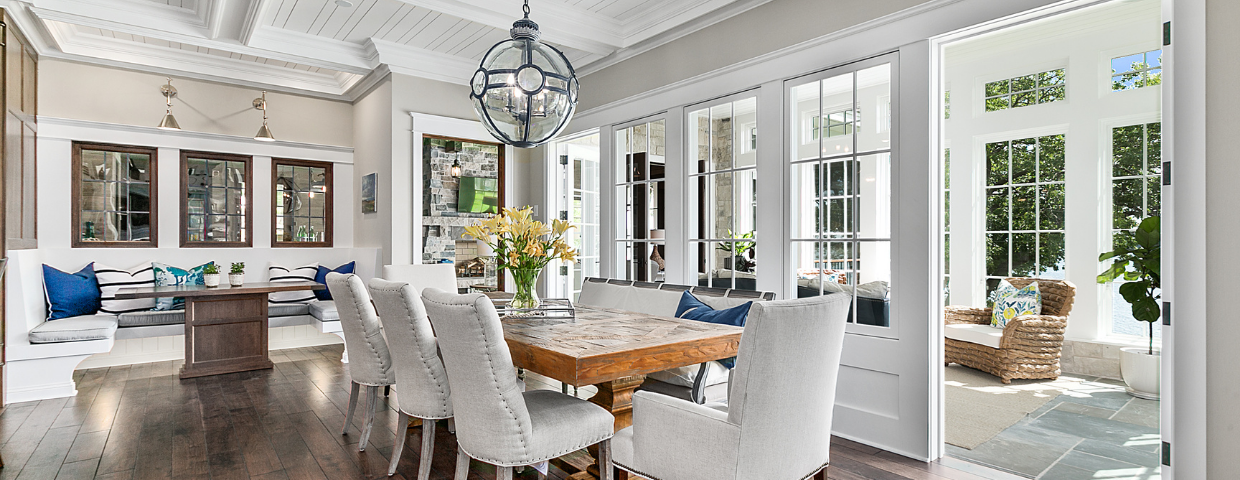
The dining room is a place of gathering, comfort, and community. Creating the right mood in the space is a matter of choices in décor and design. For example, a traditional dining room creates a heartwarming tone whereas a modern one feels minimalist and light. Homeowners can often feel puzzled when trying to upgrade their dining room, since it typically isn’t as simple as buying new appliances or green-lighting a remodeling project. Here are some simple ideas to help you upgrade your dining room and achieve the atmosphere you’re looking for.
How to Upgrade Your Dining Room
Lighting
A light fixture is often the centerpiece of a dining room. Your choice in lighting can greatly reinforce the dining room theme you’re going for, so look for fixtures that reinforce the other elements of the space. A chandelier will add a formal touch to the room, while more modern fixtures like pendant and warehouse lights can deliver a sense of chic sophistication. If you plan to hang a chandelier, keep in mind that the bottom of the fixture should hang roughly three feet above the dining room table. If you have vaulted ceilings, it should hang even higher.
Flooring
A full dining room upgrade happens from the ground up. If your flooring is outdated or showing signs of wear and tear, it’s the perfect time to add a flooring upgrade to your project list. Choosing the right flooring is a matter of identifying what material will work best in the space, assessing your budget, and forming a plan for installation. Materials like vinyl, ceramic tile, and hardwood are popular options, not only for their durability, but also because they’re easy to clean. Other niche options like cork or concrete can help create a specific ambience but may not be as widely available. Once you’ve decided on your material, talk to local contractors to compare installation quotes. There are pros and cons to installing flooring on your own or hiring a professional; know what they are before making a final decision.
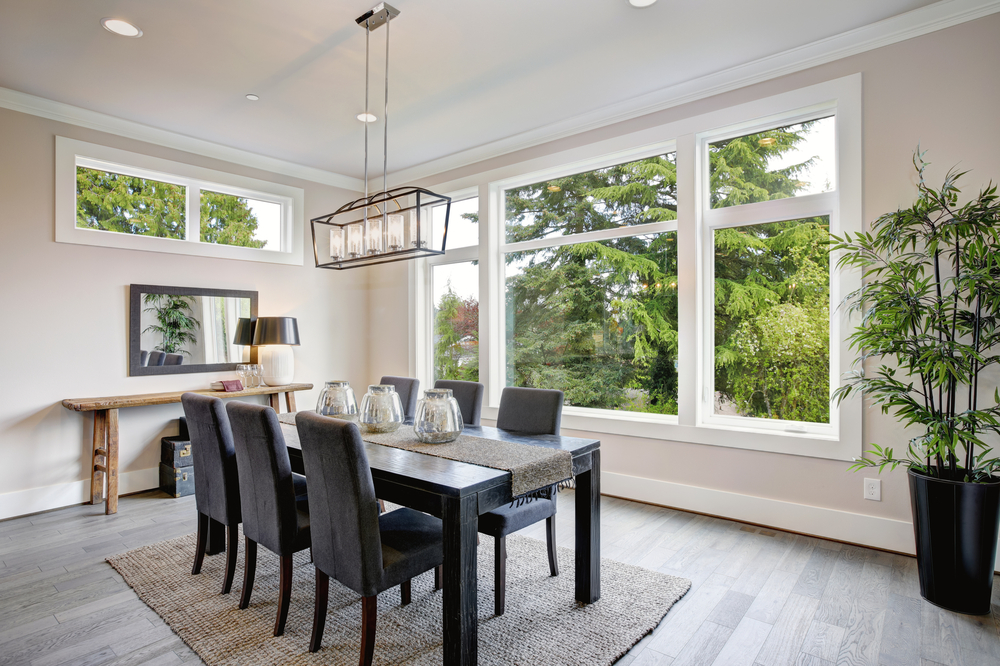
Image Source: Shutterstock – Image Credit: Artazum
Table & Chairs
When it comes down to it, the essential function of your dining room is to provide a setting for enjoying a meal. Together with your main lighting fixture, your table and chairs help to form the focal point of the room. Size is a critical component of your dining room table. There’s a Goldilocks dynamic with dining room tables. The larger the table, the more room everyone has, but the more space it takes up. Make sure to take exact measurements before shopping around so you know exactly what size you’re looking for.
Your chairs will reinforce the look and feel of your table. Consider balancing wood grains and matching colors. For example, if your dining room table is designed with intricate wood grain, look at chair sets with simple colors and designs to bring balance to the room. When it comes to the height of the seats, arms, and back, choose dimensions that suit the dining experience you’re looking to create. Generally, high-backed, narrower chairs create a more formal atmosphere than their rounded, modern counterparts. Either way, choose the combination that looks best to you and feels most comfortable.
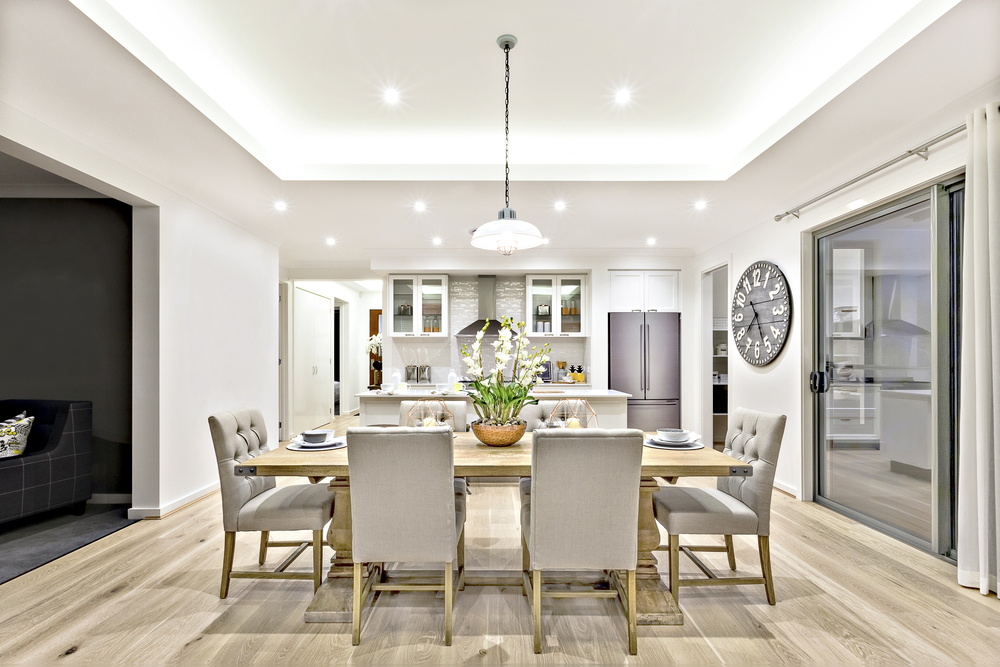
Image Source: Shutterstock – Image Credit: JR-stock
Color & Décor
A fresh coat of paint can take a dining room from stale to lively in a hurry. If you’re thinking about painting your dining room, think about how the color scheme would complement and/or contrast with the colors elsewhere in your home. A contrasting color will help differentiate the space, while a complimenting color will help to tie things together. New color in the dining room doesn’t have to come exclusively from painting a wall. Colored furniture pieces, decorative throw pillows, placemats, and table décor can help liven the space as well. Curtains and drapes can add a splash of color while softening the room, and when paired together with a decorative rug, can make your colors pop at different eye levels.
For more information on how to upgrade the space in your home, read our Guide to Upgrading Your Bedroom.
A Guide to Upgrading Your Bedroom
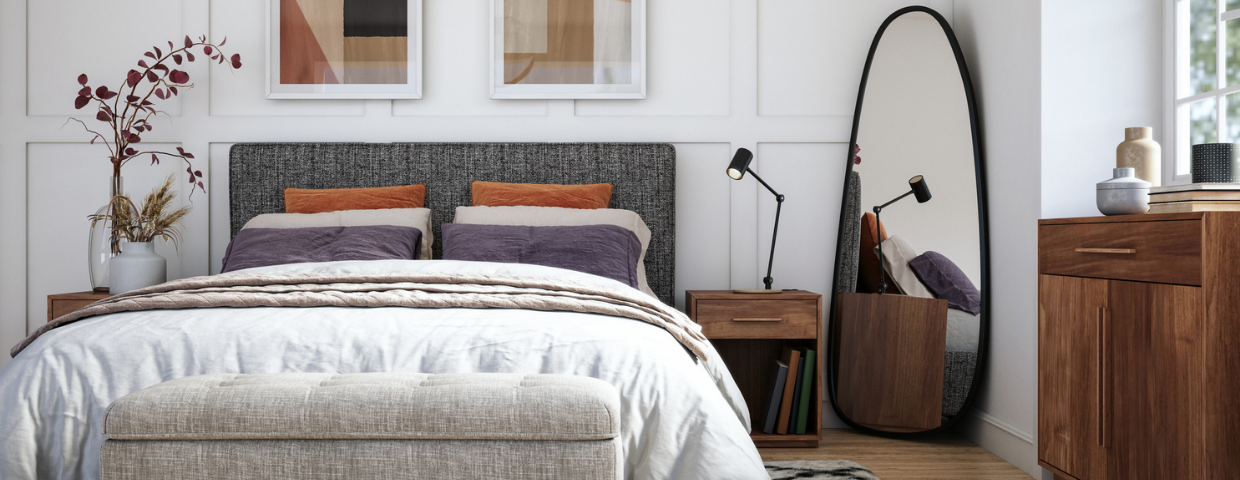
For many homeowners, their ideal bedroom is that of a minimalist sanctuary—a place where you can kick your shoes off, relax, and get some shut eye. For others, making their bedroom as cozy as possible is their idea of perfection. No matter what kind of bedroom you’re dreaming of, keep the following information in mind as you prepare to make your upgrades.
A Guide to Upgrading Your Bedroom
How much does it cost to remodel a bedroom?
The total cost to remodel a bedroom depends on the size of the room and the scope of the remodel. According to a recent nationwide report by Fixr, the national cost range to remodel a bedroom is between $14,000 and $40,000, with the national average cost being roughly $21,000. While this might sound like a lot, it includes everything from hardwood floors and painted walls to new furniture and a custom closet.
Another factor that will dictate your budget is whether you plan on doing the remodel DIY or hiring a professional. Taking a DIY approach to your bedroom upgrades will save on labor costs and allows you to complete the project on your own schedule. However, if you get in over your head on a project and things go sideways, it can be costly to fix, and you may end up having to hire a pro to get things back on track.
Before you begin your remodel, create a list of tasks and all the sub-tasks involved to assess whether they are within your skill level to DIY. Determine whether the project requires a permit and check your local zoning regulations before making any additions or extensions to your bedroom.
Which bedroom projects are best for home value?
Adding a bedroom or converting a space into a bedroom can increase your home’s value. That’s because you increase the livable square footage while also making it more appealing to a wider variety of buyers. If your home has fewer bedrooms than other recently sold homes in your area, a bedroom addition may allow you to list at a more competitive price. Talk with your agent to get an idea of what types of upgrades buyers in your area are paying top-dollar for.
Simple Bedroom Upgrades
With costs for a small bedroom remodel averaging up to $20,000, a full-scale renovation may not be in the cards for every homeowner. Fortunately, there are plenty of budget-friendly ways to rejuvenate your bedroom. Here are a few tips to get you started:
- Upgrade your décor: Appealing to the senses will help transform your bedroom in a snap. Add texture by swapping out your bed spread, pillows, and blankets. Go for plush to make it feel like you’re sleeping on a cloud or try vintage elements like knit fabrics for a more traditional comfort. Add natural elements like wood and stone to create an earthy atmosphere. Essential oils and scented candles can bring some added relaxation into the space.
- New hardware and lighting: A simple trip to the hardware store can change the look and feel of your bedroom. Switch out your door handles, drawer pulls, shelves, and lighting fixtures to upgrade your bedroom in the span of a few hours. Select pieces that reinforce the theme you’re going for. For an industrial vibe, select rustic metals and materials. For a minimalist look, choose sleek metals like gold and chrome.
- Decorate with plants: Not only will decorating your bedroom will plants spruce up the space, but they also help to improve air quality. If you have vaulted ceilings, shop around for vertical plants and hanging gardens that can make the most of your empty wall space. If you consider yourself a beginner gardener, consider low maintenance plants like cacti and succulents.
For more information on upgrading your home, read our Guide to Remodeling Your Bathroom.
5 Timeless Tile Designs
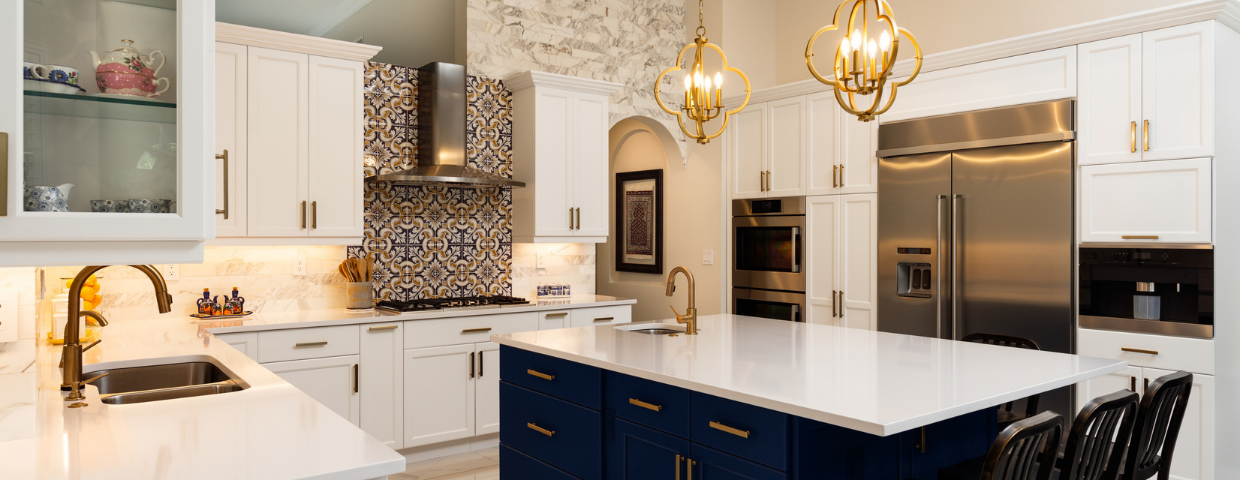
The history of home design is full of trends that have come and gone. A style may suddenly skyrocket in popularity, capturing the hearts of homeowners and designers everywhere, only to fade away just as quickly. Taking this into account, homeowners will often look to the pillars of home design that have stood the test of time when preparing to remodel or upgrade their home. It’s these elements of timeless home design that ensure the spaces in your home won’t go out of style, and when it comes time to sell, won’t hurt its resale value.
5 Timeless Tile Designs
White Subway Tile
Subway tile is ubiquitous—and for good reason. Clean, simple, and elegant, these tiles make it the top backsplash choice for many kitchen renovations and bathroom remodels. The white surface brightens the space, making it feel clean and organized. Resilient and easy to clean, subway tile may be just what the designer ordered for your next home project.
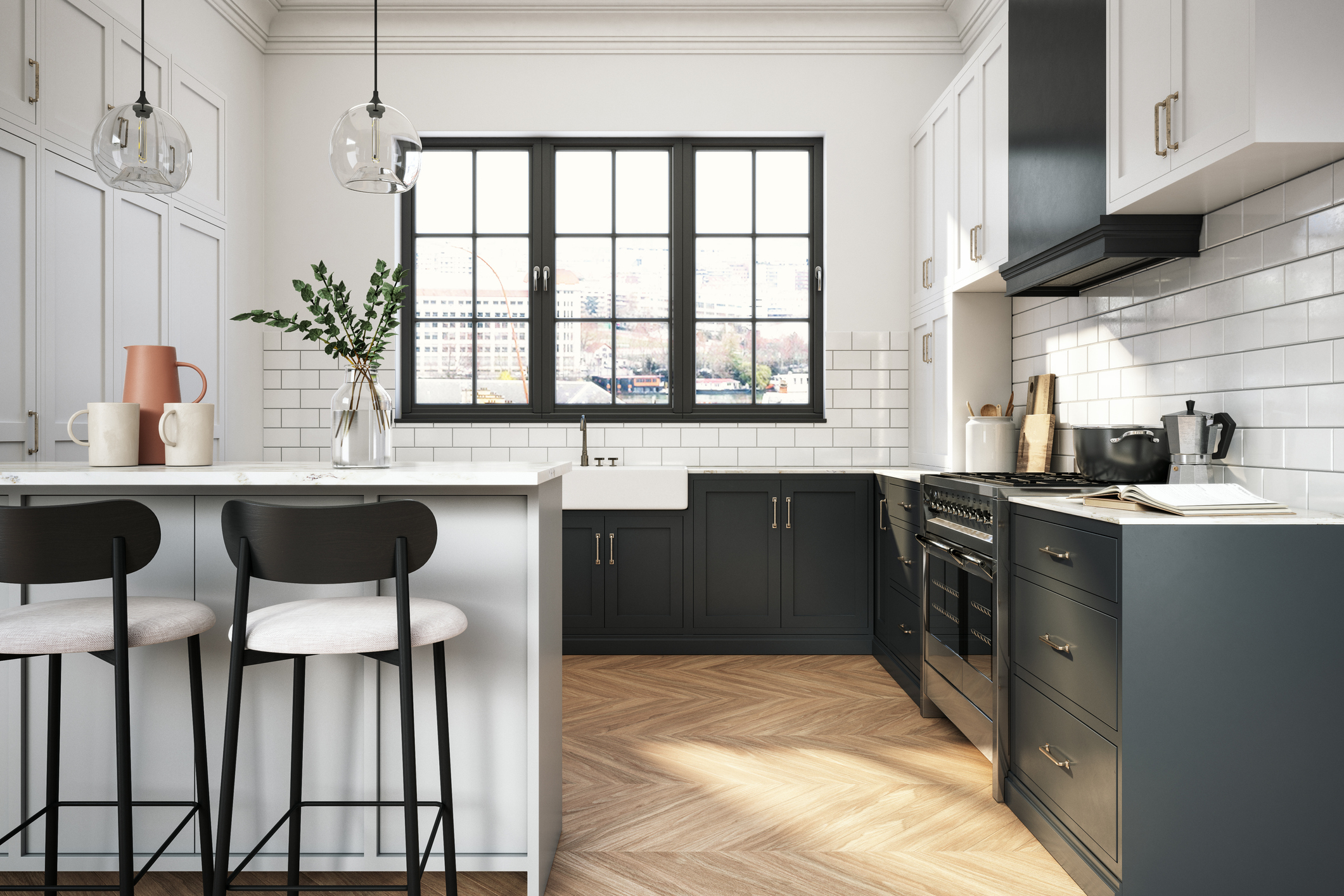
Image Source: Getty Images
Penny Tile
Penny tile has stayed relevant through the years, and not just for aesthetic reasons. Though penny tile is visually appealing, its many grout joints make it ideal material for slick and slippery surfaces such as the shower, bathtub, or bathroom floor. This practical function has kept penny tile at the forefront of homeowners and professional remodelers alike for decades. With many color combinations from black and white for a retro look to colorful mosaics for the more eclectic homeowners, there’s an option for everyone with penny tile. While it’s commonly used in bathrooms, penny tile is also great near fireplaces and kitchen backsplashes.
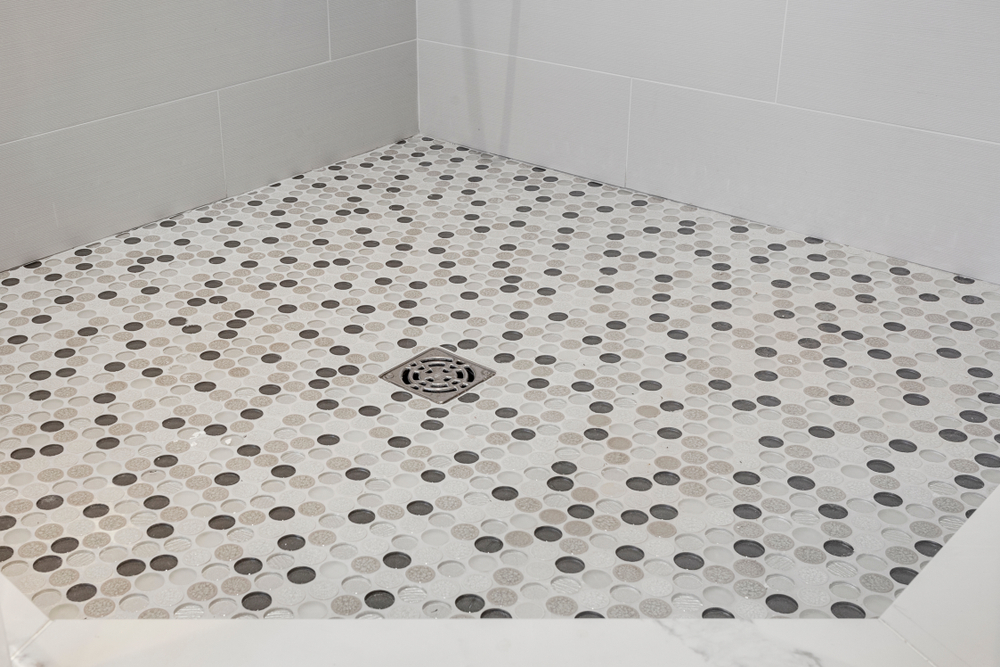
Image Source: Shutterstock – Image Credit: Berkay Demirkan
Herringbone Tile
Known for its distinctive angular arrangement, herringbone has been a fixture of interior design for decades. Herringbone tile brings flair and texture to a space, and its repetitive pattern will help to liven up any room without pulling away from other points of interest. It is a popular choice as a backsplash on bathroom walls, behind vanities, or in shower stalls. For those seeking the cleanliness of subway tile but prefer more dramatic lines, herringbone may be the perfect choice for you.
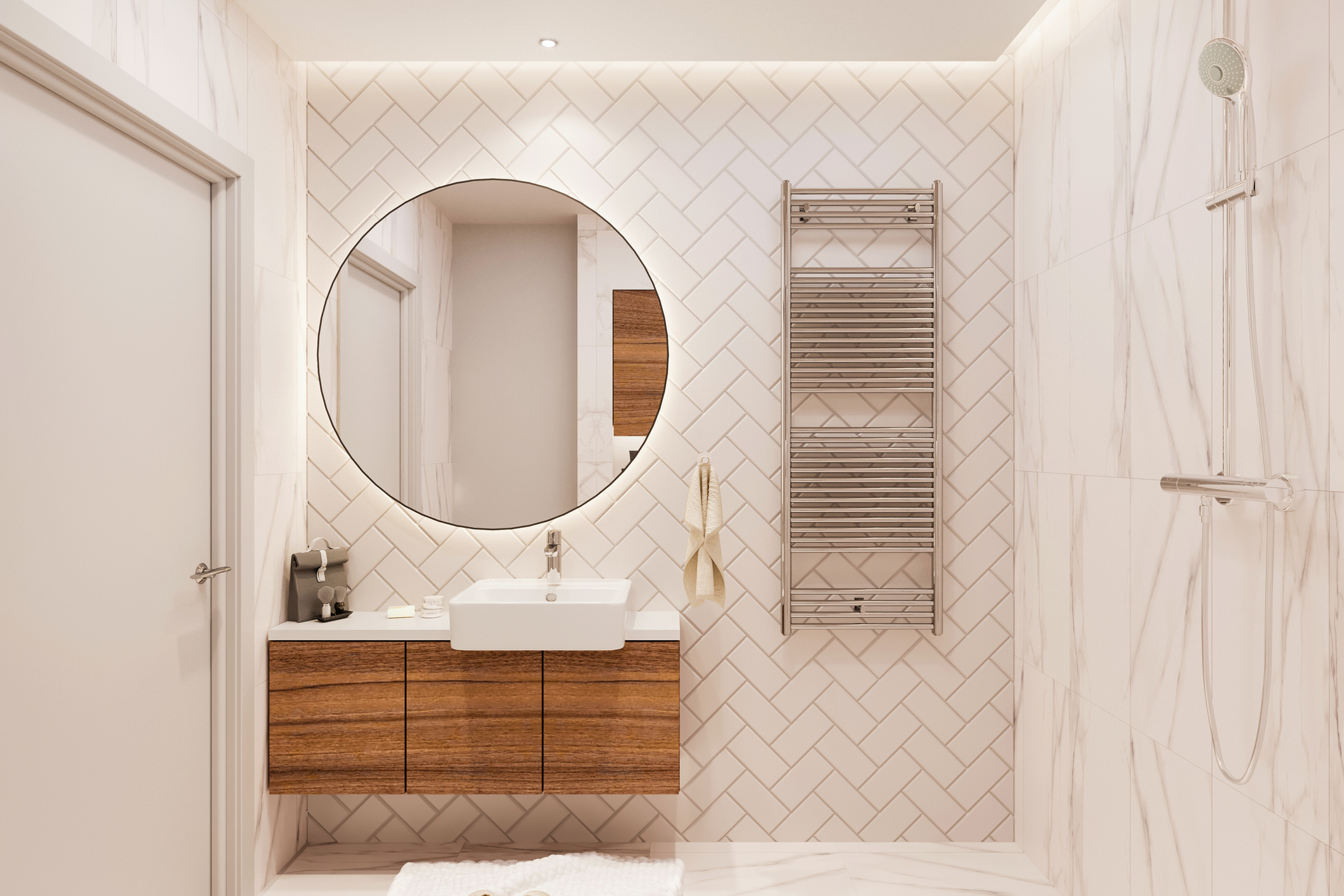
Image Source: Getty Images
Checkerboard Tile
Checkerboard is one of those rare designs that has the ability to continually reinvent itself. It carries a vintage charm but is also often found in aspects of modern design. It’s simultaneously formal and fun. Out of all the timeless tile designs, checkerboard is perhaps the most flexible. The design can make a great impact on the floors in a space as small as a bathroom yet is bold enough to make a statement in a larger surface area like a foyer.
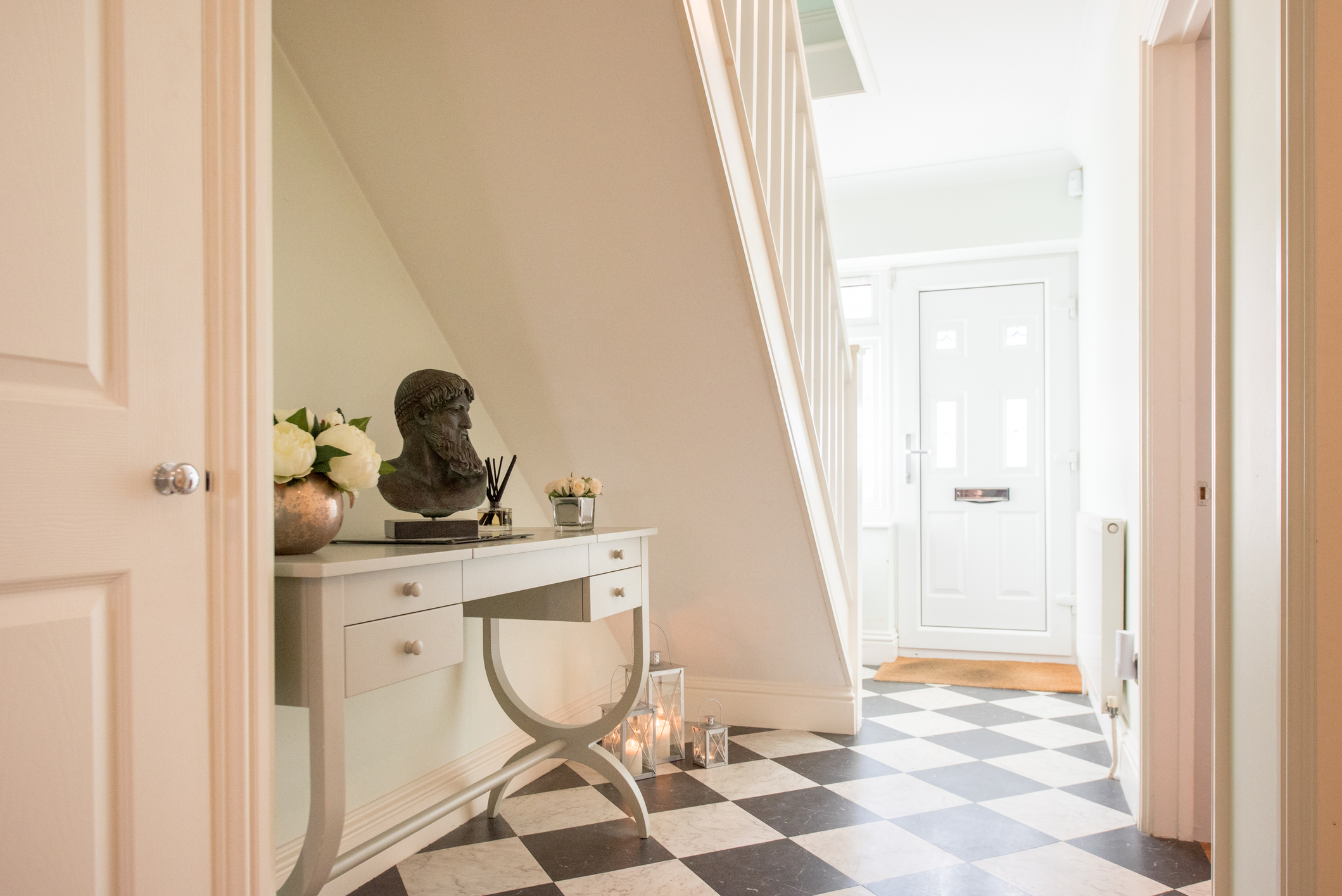
Image Source: Getty Images
Hexagon Tile
Though there is a certain geometry to all the previously mentioned designs, hexagonal (or honeycomb) tile’s unique shape gives it its trademark pattern. There are several variants of hexagonal tile, including stretched hex and picket tile, that can deliver that timeless feel you’re looking for while breaking up the monotony of rectangular lines in your home. Hexagonal patterns are bold and eye-catching, yet their patterns can provide a sense of calm and orderliness. Whether you decide to use it as a backsplash, shower tile, or floor tile, Hexagon tiles will add intrigue to the space.
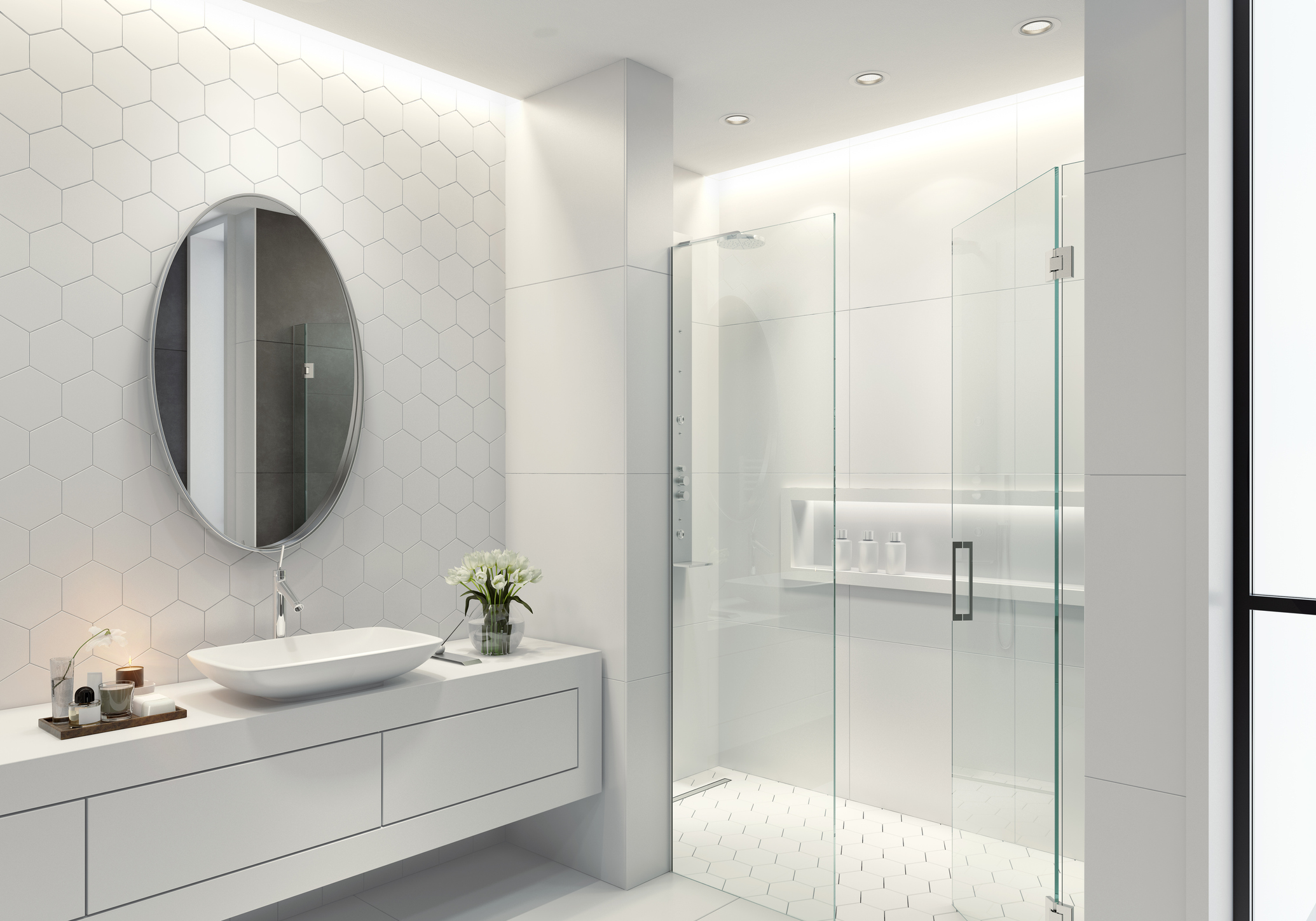
Image source: Getty Images
The right tile may be just the ingredient you need to tie your home together. It can make a surprising difference in your next remodel, so it’s worth your time to explore the many different options available before making your decision. For more on timeless home design, find out which 7 Vintage Design Elements are still popular today.
A Guide to Remodeling Your Bathroom
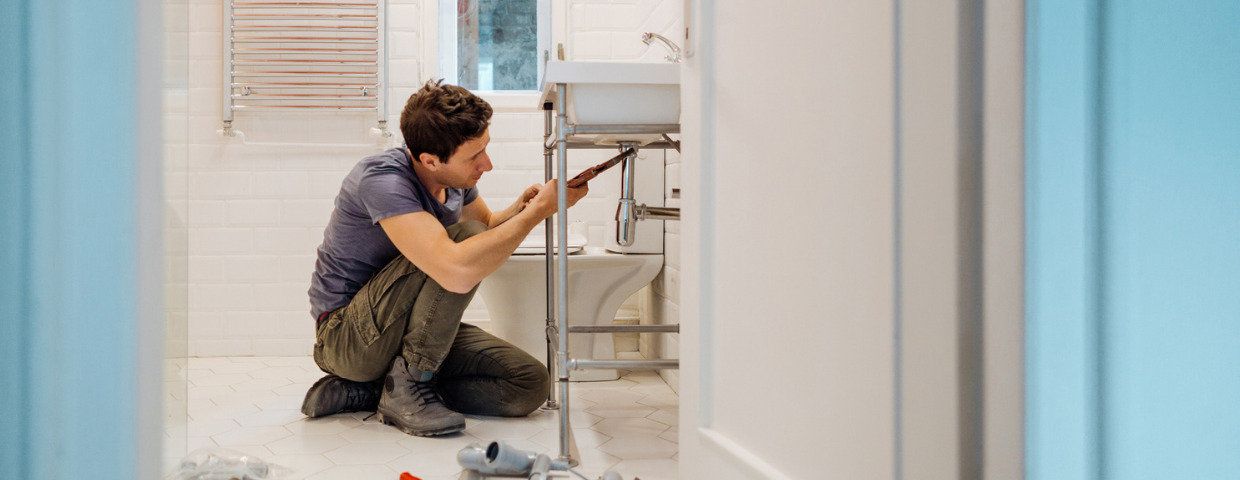
There are a variety of reasons that a homeowner may decide to remodel their bathroom; they could be looking to increase the value of their home for a future sale, they may have discovered repairs that need to be made, or perhaps they’re simply looking to maximize their enjoyment of the space. Whatever your motivation may be, consider the following information before the hammer hits the tile to make sure your bathroom remodel turns out as successful as you’d hoped.
A Guide to Remodeling Your Bathroom
Which bathroom remodel projects have the highest ROI?
Before you decide which projects to tackle, it’s worth your while to identify which bathroom remodeling projects have the highest ROI. This can be especially helpful if you’re thinking about selling your home in the near future. According to the Remodeling 2021 Cost vs. Value Report (www.costvsvalue.com¹), bathroom remodels can have as high as a sixty percent return on cost, while larger projects like bathroom additions return roughly fifty percent of their costs. The point is you likely won’t recoup every dollar you spend on your bathroom remodel, so choose your projects wisely. If you’re preparing to sell your home, talk to your agent about which bathroom projects are seeing the highest return in your local area.
How can I save on my bathroom remodel?
There are various ways to keep your costs down when remodeling your bathroom, but it depends on the scope of your project. If, while preparing to sell your home, you identify a handful of outstanding repairs that need to be fixed before you list, it may be difficult to pull off a low-budget bathroom remodel while still fetching a competitive sales price. Neglecting these issues can be a costly mistake, and in some cases can even jeopardize a sale.
One way to save money on your bathroom remodel is to do it yourself. Identify the pros and cons of either doing a project DIY or hiring a professional. Though you may save money on labor, if you get in over your head on a project the costs can add up quickly, and you may end up having to hire a contractor to remedy the situation. If you decide to hire a contractor, thoroughly research multiple companies, ask for referrals from family and friends, and get multiple quotes before deciding which is best for the job.
Simple Bathroom Upgrades
As the scope of a bathroom remodel changes, so do its costs. According to the Remodeling 2021 Cost vs. Value Report, a midrange bathroom remodel cost an average of roughly $24,000 nationwide, while an upscale bathroom remodel was just over $75,000. But fear not, there are ways to give your bathroom a makeover without having to break the bank. Here are a few ideas for budget-friendly bathroom upgrades.
- Refinish Your Tub: Remove all hardware from your tub and sand the entire surface smooth, evening out any chips or cracks and filling them with epoxy. Once the epoxy has dried, sand those areas one more time. Apply multiple layers of primer and topcoat as advised and buff the surface to finish off the job.
- Add Décor: A well-decorated bathroom can revitalize the space. Add a fresh coat of paint to the walls, install a new faucet and shower head, and match your towel rods and shower curtains for a quick bathroom refresh.
- Finishing Touches: The right bathroom lighting can make all the difference. Experiment with softer light bulbs or dimmers to create a sense of calm and relaxation. Add candles, scented oils, and new towels to make your bathroom feel like your own personal spa.
For more ideas on remodels, décor, and all things home design, visit the design page on our blog.
- “© 2021 Hanley Wood, LLC. Complete data from the Remodeling 2021 Cost vs. Value Report can be downloaded free at www.costvsvalue.com.”