Facebook
 X
X
 Pinterest
 Copy Link
Kitchen Remodel Must Haves
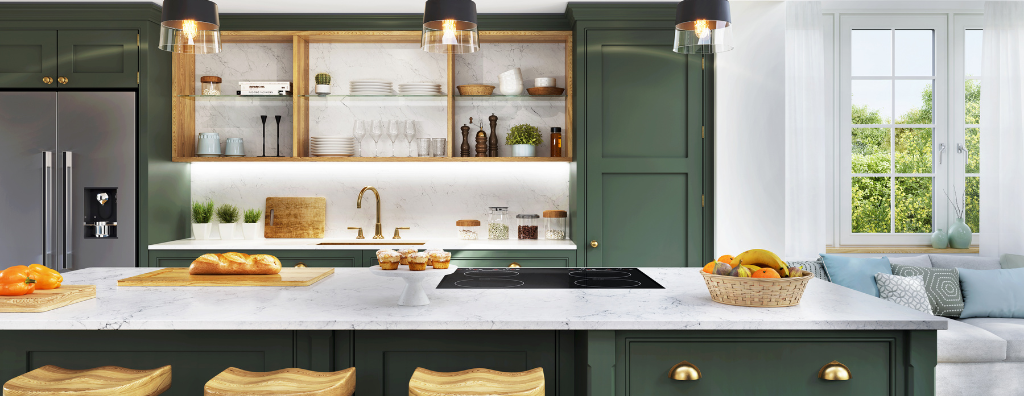
Many kitchen remodels are prompted by a desire for more storage, but there are plenty of reasons to want an upgrade. Whether your complaint is crowded counters, out-of-date appliances, or spending too much time cleaning up after a meal, there are ways to add functionality without sacrificing your aesthetic when you renovate your kitchen.
Storage
If you’re tired of finding expired food at the back of your lower cabinets or needing a step stool to reach items in the upper ones, roll-out cabinets and pantry shelves are a necessity. A roll-out garbage cabinet will keep trash and recycling cans out of sight (and smell). Be sure to use heavy-duty, reinforced hinges that can bear the weight of two, full cans.
Toasters, coffee makers, blenders, and air fryers can easily overcrowd kitchen counters. Appliance garages that hide away commonly used kitchen appliances now come in just about every configuration you can think of. If you love baking, you probably love your stand-up mixer even more. But moving it around can be a pain. Fortunately, installing a mixer riser into a lower cabinet is relatively simple and will put your favorite appliance right where you need it, only when you need it.
Cooking
Though some passionate cooks still swear by their gas ranges, induction cooktops have become all the rage for several good reasons. In addition to being easier to clean than gas stoves, induction cooktops are more efficient because all the heat they produce goes directly to your cookware rather than into the atmosphere of your home. And with inductor stoves, you never have to worry about dangerous fumes or open flames.
You don’t have to be an avid entertainer or the one who hosts Thanksgiving every year to reap the benefits from a double oven. Even cooking dinner for one or two people can be a challenge when you need to roast or bake things for different times or at different temperatures. A double oven fixes that, and it can improve efficiency if you prepare a dish using only the smaller oven since it takes less energy to heat up a smaller space. For extra user-friendliness, install the oven at counter height so you don’t have to bend over to pull out heavy dishes
Speaking of heavy… if your sink and cooktop are a bit distant from each other, a pot filler installed on the wall behind your stove could be a game changer. Say goodbye to heaving large pots of sloshing water across the kitchen!
For as long as microwaves have been around, people have wondered how to get them off their counters or make them appear more attractive. These days, microwave drawers are the new must-have kitchen upgrade. Instead of a door that swings open, the microwave is the entire drawer that slides out, and it can go in your kitchen island or along any cabinet wall.
Cleaning
Kitchen floors are notoriously difficult to keep clean. Between meal prep, quick snacks in front of the fridge, and near-constant traffic, crumbs and dust pile up quickly. If your home already has a central vacuum system, putting a vacuum slot in the kitchen makes clean ups a breeze. Simply sweep scraps into the slot—no more bending over with the dustpan. If you don’t have a central vacuum system, there are vacuum slot inserts on the market that use a traditional replaceable bag to collect what you sweep up.
If you’ve ever watched a mixologist or bartender shake up your cocktail and then place the shaker on top of a device that shoots up warm water to clean it, you’ve seen a glass rinser in action. Installing one in your own sink adds a touch of sophistication to your kitchen and makes cleaning glasses easier and more efficient, especially for those glasses that can’t go in the dishwasher or don’t fit on the top shelf.
It seems that a modern kitchen renovation isn’t complete until you’ve installed a large, single basin sink. There’s good reason for their increased popularity: more room to soak large dishes, easier to clean, etc. To really boost the usability of a single basin sink, consider adding hardware that makes it an efficient workstation. Drying racks, cutting boards, and colanders are readily available, easy to install, and will make your extra-large sink extra handy.
Toolbox Essentials for Homeowners
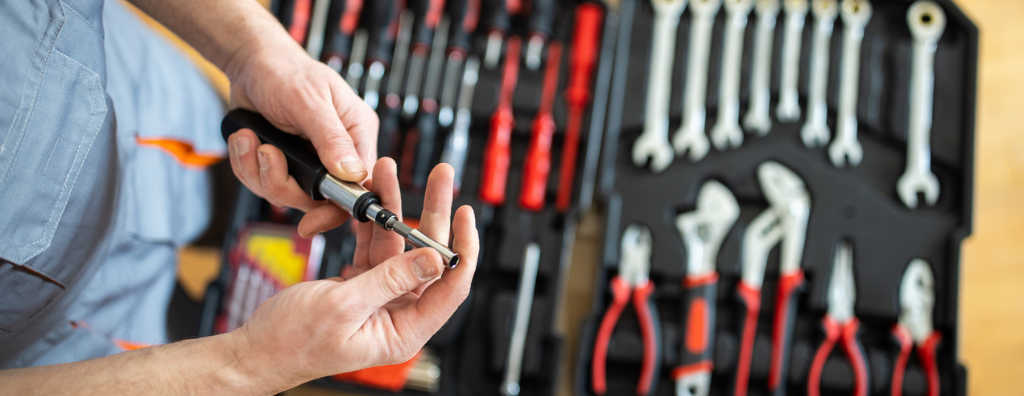
For all its perks—stability, tax breaks, building equity—being a homeowner comes with the responsibility of maintaining your home and the occasional repair. Some jobs require a professional, but if you are willing to take on minor repairs or DIY projects, you’ll need the right tools. Whether you’re starting a toolbox from scratch or looking to round out your tool collection, here are the basics every homeowner should have on hand.
Helpful hint: A toolbox filled with all or a few of these items makes a great housewarming, wedding, or graduation present.
Screwdrivers
You don’t need to own a home to know that a screwdriver is a life staple. From replacing batteries in toys to installing shelves on walls, owning a pair of quality screwdrivers—one flathead and one Phillips—is a must. Not many home projects call for extra small screwdrivers but having a set can be handy for fixing eye- and sunglasses.
Hammer
When you think of the word “tool,” a hammer likely comes to mind. Whether that’s because a pounding tool was likely humankind’s first invention or because you need one for nearly any type of handiwork, you’ll be glad you have a traditional claw hammer on hand.
Mallet
Like a hammer but with a rubber or wood surface, a mallet comes in handy when you need to drive wooden dowels or for more delicate projects that require a softer touch. The non-slip surface is also better for holding parts in place or applying pressure than the slippery metal edge of a traditional hammer.
Tape measure
You know the saying, “Measure twice, cut once”? It’s really good advice when it comes to DIY home projects, and a good tape measure makes the measuring part easier. Get one that is at least 25 feet long, with bold, easy-to-read numbers on both sides and that has a locking mechanism.
Utility knife
If all you do with a utility knife is open boxes, you’ll still use it quite frequently (given how often we all get deliveries of home goods these days). But there are tons of other uses for a very sharp item to cut with, including scoring wood or hanging wallpaper.
Wrench
There are a few ways to attach things to each other. Nails and screws have their place, which is why you need a hammer and screwdrivers. But nuts and bolts hold a lot of things together too, and for those you’ll need a wrench. Buying an adjustable one is not only more cost effective but it’ll save space in your toolbox.
Pliers
When you need leverage to tighten or loosen plumbing pipes or bolts, pliers can’t be beat. They can also help you hold things in place as well as bend or shape wire.
Level
When hanging pictures, mounting shelves, or needing to drill multiple holes in a line, you’ll need a level to keep you straight. And, yes, many of us have a level app on our mobile devices, but phones can be clunky and might not be reliable if you have a hard-shell case on your phone. A sturdy level isn’t expensive and can last a lifetime.
Wire cutters
How many of us have dulled a perfectly fine pair of kitchen shears cutting through cables or wires one too many times? (Just us?) Using high-quality wire cutters will not only save your scissors, but it will also ensure a cleaner cut through your wire or cable.
Cordless drill
Though screwdrivers are good for small jobs, a drill is better for screwing into harder surfaces or when the job calls for a lot of holes. Going cordless frees you from the need for extension cords, but spring for the extra battery pack so you always have one fully charged when you need it.
Safety gear
Before you start any home project, make sure you have the right protection for your eyes, ears, hands, and lungs. Safety goggles, ear plugs, heavy-duty gloves, and respirator masks will keep you safe while you’re DIYing.
Nice to haves
Though these items might not be considered essential, you never know when you might need a headlamp or flashlight, hand saw, stud finder, duct tape, or wood glue. You won’t regret keeping them on hand.
High ROI Remodeling Projects to Increase Home Value
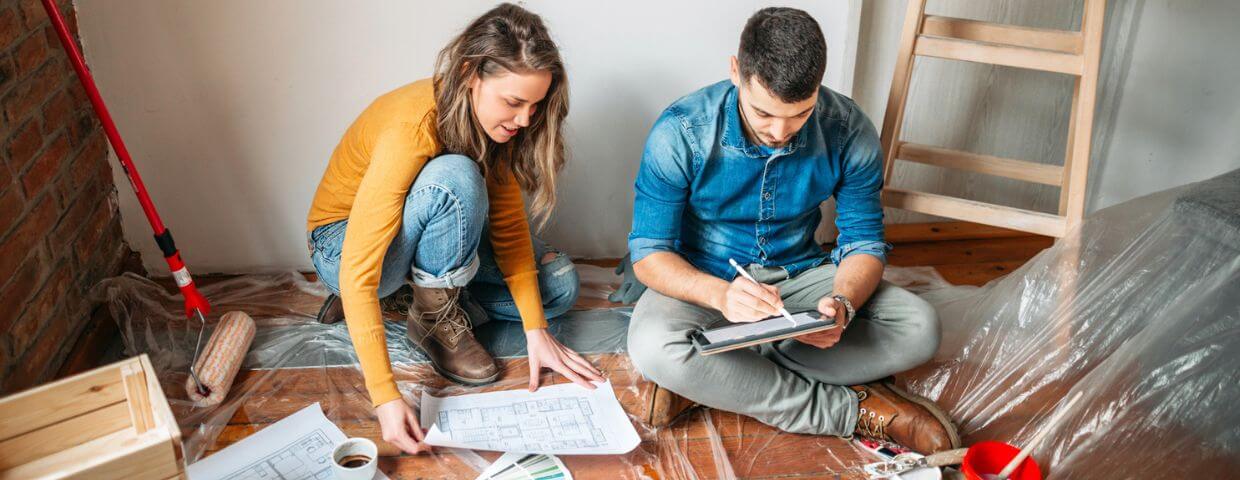
This blog post contains excerpts of the “Remodeling 2022 Cost vs. Value Report” (costvsvalue.com).1
As you prepare to sell your home, one of the major considerations you may face is whether to remodel, and if so, how to allocate your remodeling budget. Remodeling can help differentiate your home from competing listings in your area, but this competitive advantage comes at a price.
The following information provides insight on which remodeling projects deliver high ROI. To maximize the value of your remodel, talk to your agent about what buyers in your area are looking for and align your efforts accordingly.
High ROI Remodeling Projects to Increase Home Value
It’s no secret that buyers want to see a home with curb appeal and attractive interior spaces. But as a seller, you’ll only have so much budget to work with and you want to get the most return on your investment. As laid out below, here are the five highest ROI remodeling projects nationwide as found in the Remodeling 2022 Cost vs. Value Report (www.costvsvalue.com).1
|
Remodeling Project |
Cost of Remodeling Project (2022) |
Resale Value of Remodeling Project (2022) |
ROI |
|
Garage Door Replacement |
$4,041 |
$3,769 |
93.3% |
|
Manufactured Stone Veneer |
$11,066 |
$10,109 |
91.4% |
|
Minor Kitchen Remodel (Midrange) |
$28,279 |
$20,125 |
71.2% |
|
Siding Replacement (Fiber – Cement) |
$22,093 |
$15,090 |
68.3% |
|
Window Replacement (Vinyl) |
$20,482 |
$13,822 |
67.5% |
This data shows that for a given remodeling project a higher expenditure doesn’t necessarily equate to higher ROI. It’s interesting to note that only one indoor project—the minor kitchen remodel—placed in the Cost vs. Value Report’s top five.
Four of the Cost vs. Value Report’s bottom six entries are upscale remodeling projects, all with roughly a 50% average return on investment. The conclusion to be drawn here is that remodels of this magnitude are expensive and should be considered carefully before you greenlight them. The upside to these projects, though, is that they have a much higher resale value than a simple fresh coat of paint or a change in décor. If you and your agent identify a logical upscale remodel with serious resale potential whose costs you can handle, it can help you get the best price for your home.
So, does this mean you should replace your garage door before selling your home bar none? Not necessarily. Again, your remodeling priority list should target the areas of your home that need attention while aligning with local buyer interest. Your agent can provide guidance on what competing listings in your area are offering and refer you to trusted remodeling contractors in your area.
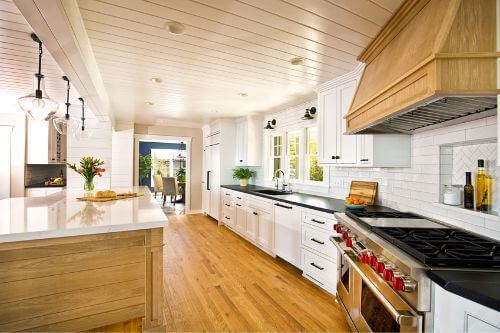
Image Source: Getty Images – Image Credit: YinYang
Budget-Friendly ROI Home Projects
Though smaller scale home makeovers don’t have the value-adding power of larger remodeling projects, they can still make a difference when selling your home.
Instead of an upscale kitchen remodel, you can focus more on making minor improvements in several areas. For example, repainting or refinishing your cabinets, swapping out your drawer pulls and hardware, and installing new appliances can make your kitchen feel brand new with a smaller budget. When remodeling your bathroom, tasks like refinishing your tub, installing new lighting, and a new backsplash can make a strong impression on buyers.
For more information on budget-friendly home makeovers with ROI potential, check out our quick guides to upgrading your bathrooms, bedrooms, home office, and kitchen.
- © 2022 Zonda Media, a Delaware Corporation. Complete data from the Remodeling 2022 Cost vs. Value Report can be downloaded free at costvsvalue.com.
Hiring a Contractor for Your Remodel
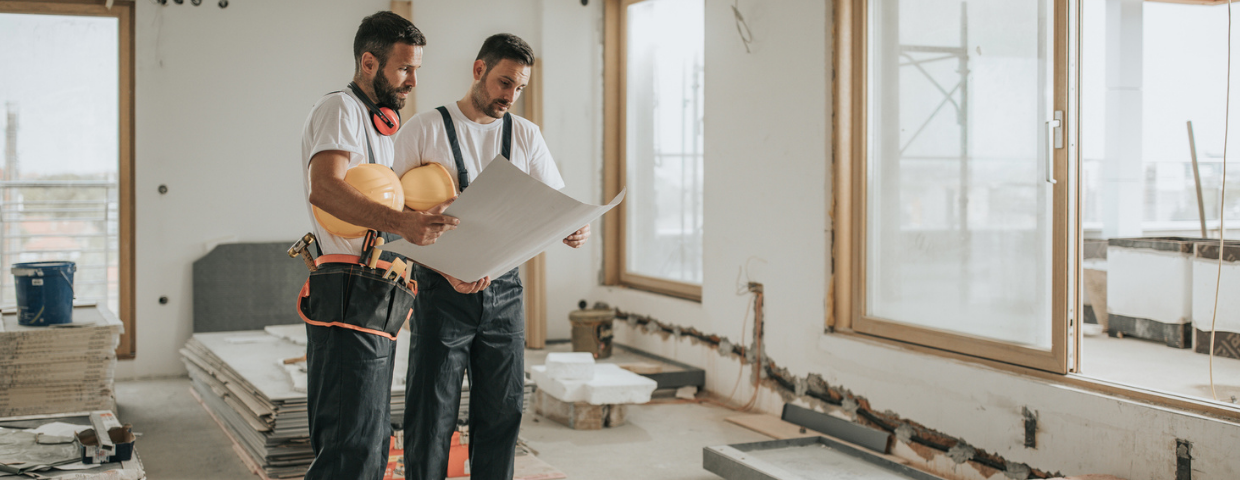
Much has been said about the benefits of taking a DIY approach to home remodeling projects. It instills pride of ownership, builds the sweat equity you’ve put into your home, and can be more affordable than hiring a professional. The reality is, however, that sometimes, projects simply require a pro to be done right. Whether it’s the magnitude of the project, the caliber of skill required to successfully complete the job, or a combination of the two, certain projects are best executed in the hands of a professional. So, what do you need to keep in mind when hiring a contractor? Here are some quick tips:
Preparing to Hire a Contractor
Have your plans ready when you begin meeting with contractors. This will show them that you are prepared and fully invested in the project. Conduct phone interviews and meet in-person with potential candidates to give yourself the opportunity to gauge their professionalism and expertise. Here are some helpful questions to ask to get you started:
- What prior experience do you have with this particular remodeling project?
- Is your company licensed?
- What is your timeline for starting and completing this job?
- How long have you worked with your current subcontractors?
- Could you provide a list of references that can speak to your quality of work?
Contractor Contracts and Implied Warranty
It is important that you understand the contract you’re agreeing to, and that you examine its finer points, such as the warranty terms. These terms will spell out what course of action will result should there be an issue with the contractor’s work. In the U.S., we have a legal concept known as “implied warranty” that protects those who hire out contractors. “Implied warranty” essentially means that it is understood that the contractor will perform quality work and that the home will continue to be safe to live in as a result of the repairs. These implied warranties are known as “good workmanship” and “habitability” respectively.
A good contract will have a detailed description of the labor and materials required to perform the job, a project schedule, the names of suppliers and subcontractors the contractors plan to use, and the payment schedule you have agreed upon.

Image Source: Getty Images – Image Credit: shynesher
Setting a Payment Schedule
When it comes to the cost of labor and materials, you won’t have much room for negotiation. The payment schedule, however, is one area where you can negotiate. Before the work begins, agree on a payment structure with your contractor. Good contractors want to perform high-quality work, completed on-time, and the agreement you reach together can incentivize their work. For example, you can stipulate that a certain percentage of the total job cost is paid out when certain stages of the project are completed.
The Potential for Temporary Housing
For large-scale remodeling projects, contractors need space to work at a high standard. Accordingly, it may be best for everyone involved if you and your household move out of your home temporarily until the work is complete. A home during a remodel is a noisy and chaotic place to be. Dust is flying, saws are buzzing, sheetrock is crashing to the floor, walls are being knocked out, and hammers are hammering. Trying to coexist with the remodel may be more trouble than it’s worth, since your usage of your home will be severely limited for the time being. If you plan on hiring a contractor to perform a large-scale remodel, search for housing alternatives far in advance to ensure that you and your household will have a place to stay.
For more information on remodeling your home, read our guide to remodeling your bathroom:
Should I Remodel or Sell My Home As Is?

Homeowners who are preparing to sell are often faced with a dilemma about whether to remodel or sell their home in its current state. Each approach has its respective advantages and disadvantages. If you decide to remodel your home, it will likely sell for more; but the increased selling price will come at the cost of financing the remodeling projects. If you decide to sell without remodeling, you won’t spend as much money putting your home on the market, but the concern is whether you’re leaving money on the table.
Should I Remodel or Sell My Home As Is?
To answer this question, it’s important to understand the factors that could influence your decision and to work closely with your agent throughout the process.
Cost Analysis: Home Remodel vs. Selling Your Home As Is
Home Remodel
When you remodel your home before selling, you’re basically making a commitment to spend money to make money. So, it’s important to consider the kind of ROI you can expect from different remodeling projects and how much money you’re willing to spend. Start by discussing these questions with your agent. They can provide you with information on what kinds of remodels other sellers in your area are making and the returns they’re seeing as a result of those upgrades. This will help you determine the price of your home once your remodel is complete.
Then, there’s the question of whether you can complete you remodeling projects DIY or if you’ll need to hire a contractor. If hiring a contractor seems expensive, know that those costs come with the assurance that they will perform quality work and that they have the skill required to complete highly technical projects.
According to the Remodeling 2021 Cost vs. Value Report (www.costvsvalue.com1), on average, homeowners paid roughly $24,000 for a midrange bathroom remodel and about $26,000 for a minor kitchen remodel nationwide, with a 60.1% and 72.2% ROI respectively. This data shows that, for these projects, you can recoup a chunk of your costs, but they may not be the most cost-effective for you. A more budget-friendly approach to upgrading these spaces may look like repainting your kitchen cabinets, swapping out your old kitchen backsplash for a new one, refinishing your bathroom tub, or installing a new showerhead. Other high-ROI remodeling projects may allow you to get more bang for your buck, such as a garage door replacement or installing stone veneer. To appeal to sustainable-minded buyers, consider these 5 Green Upgrades that Increase Your Home Value.
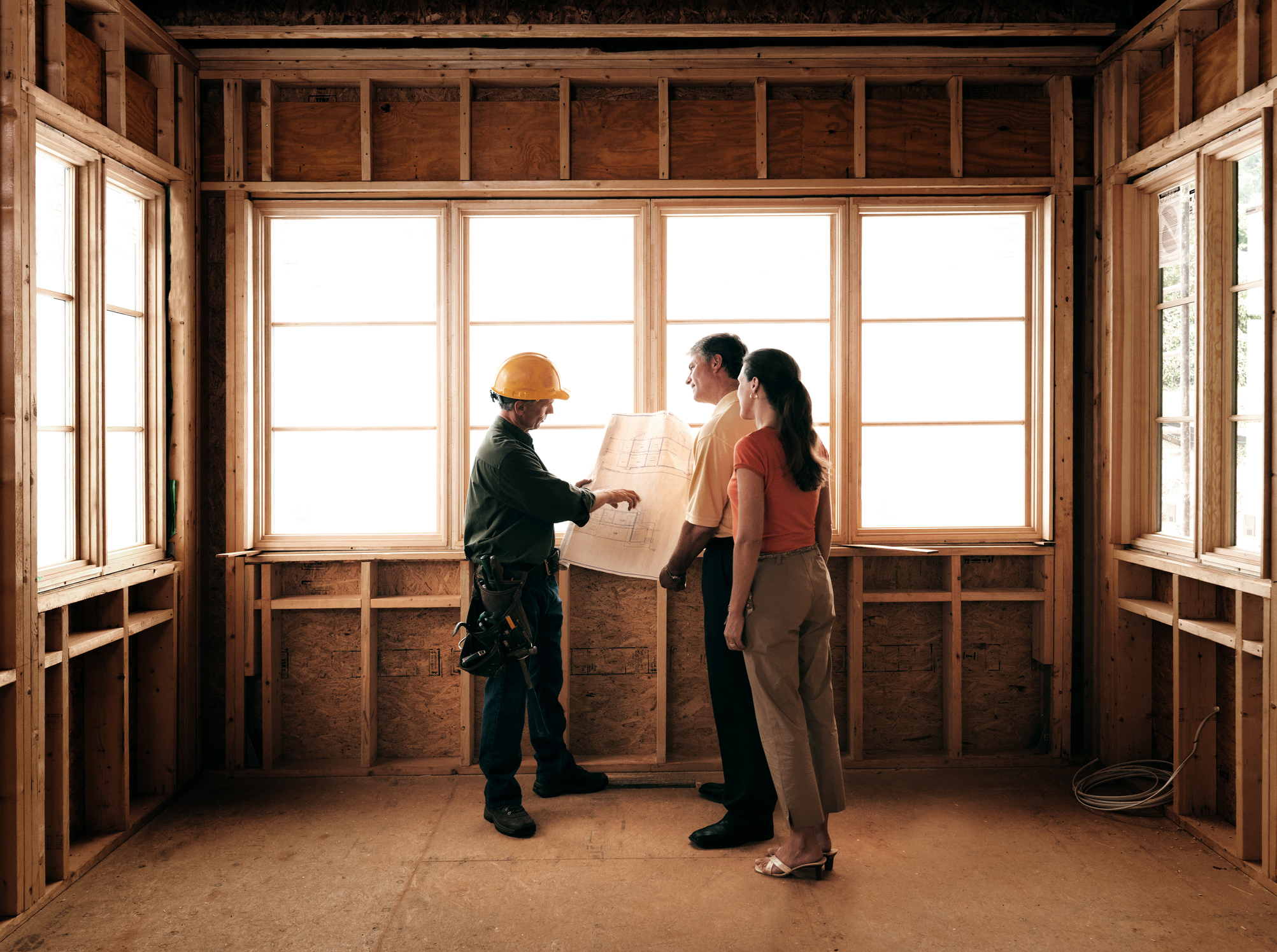
Image Source: Getty Images – Image Source: stevecoleimages
Selling Your Home As Is
Deciding not to remodel your home will come with its own pros and cons. By selling as is, you may sell your home for less, but you also won’t incur the cost and headache of dealing with a remodel. And since you’ve decided to sell, you won’t be able to enjoy the fruits of the remodel, anyway. If you sell your home without remodeling, you may forego the ability to pay down the costs of buying a new home with the extra money you would have made from making those upgrades.
Market Conditions: Home Remodel vs. Selling Your Home As Is
Local market conditions may influence your decision of whether to remodel before selling your home. If you live in a seller’s market, there will be high competition amongst buyers due to a lack of inventory. You may want to capitalize on the status of the market by selling before investing time in a remodel since prices are being driven up, anyway. If you take this approach, you’ll want to strategize with your agent, since your home may lack certain features that buyers can find in comparable listings. In a seller’s market, it is still important to make necessary repairs and to stage your home.
In a buyer’s market, there are more homes on the market than active buyers. If you live in a buyer’s market, you may be more inclined to remodel your home before selling to help it stand out amongst the competition.
Timing: Home Remodel vs. Selling Your Home As Is
Don’t forget that there is a third option: to wait. For all the number crunching and market analysis, it simply may not be the right time to sell your home. Knowing that you’ll sell your home at some point in the future—but not right now—will allow you to plan your remodeling projects with more time on your hands which could make it more financially feasible to complete them.
For more information on how you can prepare to sell your home, connect with a local Windermere Real Estate agent below:

- “© 2021 Zonda Media, a Delaware Corporation. Complete data from the Remodeling 2021 Cost vs. Value Report can be downloaded free at www.costvsvalue.com.”
A Guide to Upgrading Your Bedroom

For many homeowners, their ideal bedroom is that of a minimalist sanctuary—a place where you can kick your shoes off, relax, and get some shut eye. For others, making their bedroom as cozy as possible is their idea of perfection. No matter what kind of bedroom you’re dreaming of, keep the following information in mind as you prepare to make your upgrades.
A Guide to Upgrading Your Bedroom
How much does it cost to remodel a bedroom?
The total cost to remodel a bedroom depends on the size of the room and the scope of the remodel. According to a recent nationwide report by Fixr, the national cost range to remodel a bedroom is between $14,000 and $40,000, with the national average cost being roughly $21,000. While this might sound like a lot, it includes everything from hardwood floors and painted walls to new furniture and a custom closet.
Another factor that will dictate your budget is whether you plan on doing the remodel DIY or hiring a professional. Taking a DIY approach to your bedroom upgrades will save on labor costs and allows you to complete the project on your own schedule. However, if you get in over your head on a project and things go sideways, it can be costly to fix, and you may end up having to hire a pro to get things back on track.
Before you begin your remodel, create a list of tasks and all the sub-tasks involved to assess whether they are within your skill level to DIY. Determine whether the project requires a permit and check your local zoning regulations before making any additions or extensions to your bedroom.
Which bedroom projects are best for home value?
Adding a bedroom or converting a space into a bedroom can increase your home’s value. That’s because you increase the livable square footage while also making it more appealing to a wider variety of buyers. If your home has fewer bedrooms than other recently sold homes in your area, a bedroom addition may allow you to list at a more competitive price. Talk with your agent to get an idea of what types of upgrades buyers in your area are paying top-dollar for.
Simple Bedroom Upgrades
With costs for a small bedroom remodel averaging up to $20,000, a full-scale renovation may not be in the cards for every homeowner. Fortunately, there are plenty of budget-friendly ways to rejuvenate your bedroom. Here are a few tips to get you started:
- Upgrade your décor: Appealing to the senses will help transform your bedroom in a snap. Add texture by swapping out your bed spread, pillows, and blankets. Go for plush to make it feel like you’re sleeping on a cloud or try vintage elements like knit fabrics for a more traditional comfort. Add natural elements like wood and stone to create an earthy atmosphere. Essential oils and scented candles can bring some added relaxation into the space.
- New hardware and lighting: A simple trip to the hardware store can change the look and feel of your bedroom. Switch out your door handles, drawer pulls, shelves, and lighting fixtures to upgrade your bedroom in the span of a few hours. Select pieces that reinforce the theme you’re going for. For an industrial vibe, select rustic metals and materials. For a minimalist look, choose sleek metals like gold and chrome.
- Decorate with plants: Not only will decorating your bedroom will plants spruce up the space, but they also help to improve air quality. If you have vaulted ceilings, shop around for vertical plants and hanging gardens that can make the most of your empty wall space. If you consider yourself a beginner gardener, consider low maintenance plants like cacti and succulents.
For more information on upgrading your home, read our Guide to Remodeling Your Bathroom.
5 Timeless Tile Designs
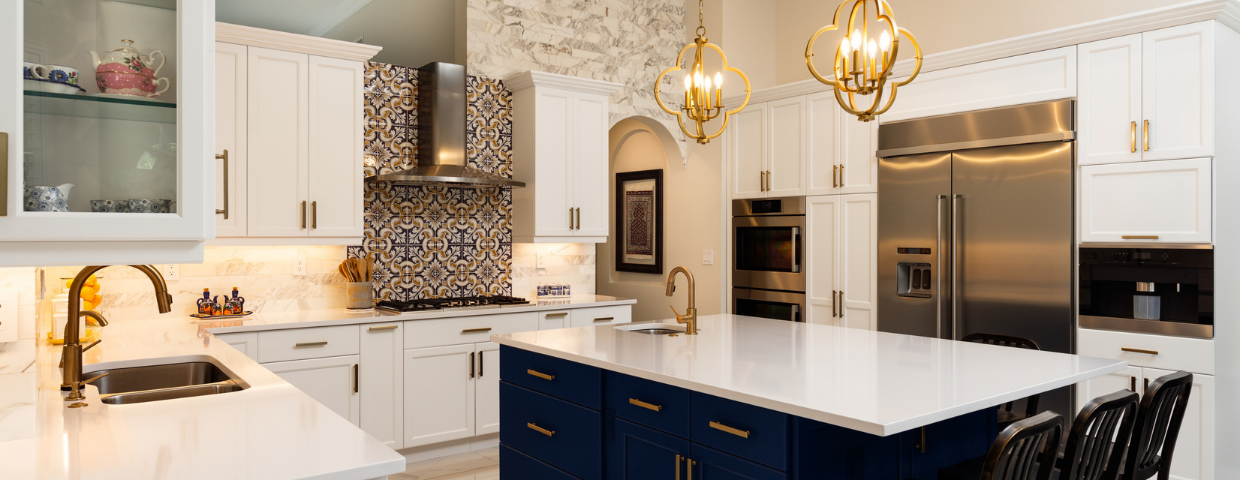
The history of home design is full of trends that have come and gone. A style may suddenly skyrocket in popularity, capturing the hearts of homeowners and designers everywhere, only to fade away just as quickly. Taking this into account, homeowners will often look to the pillars of home design that have stood the test of time when preparing to remodel or upgrade their home. It’s these elements of timeless home design that ensure the spaces in your home won’t go out of style, and when it comes time to sell, won’t hurt its resale value.
5 Timeless Tile Designs
White Subway Tile
Subway tile is ubiquitous—and for good reason. Clean, simple, and elegant, these tiles make it the top backsplash choice for many kitchen renovations and bathroom remodels. The white surface brightens the space, making it feel clean and organized. Resilient and easy to clean, subway tile may be just what the designer ordered for your next home project.
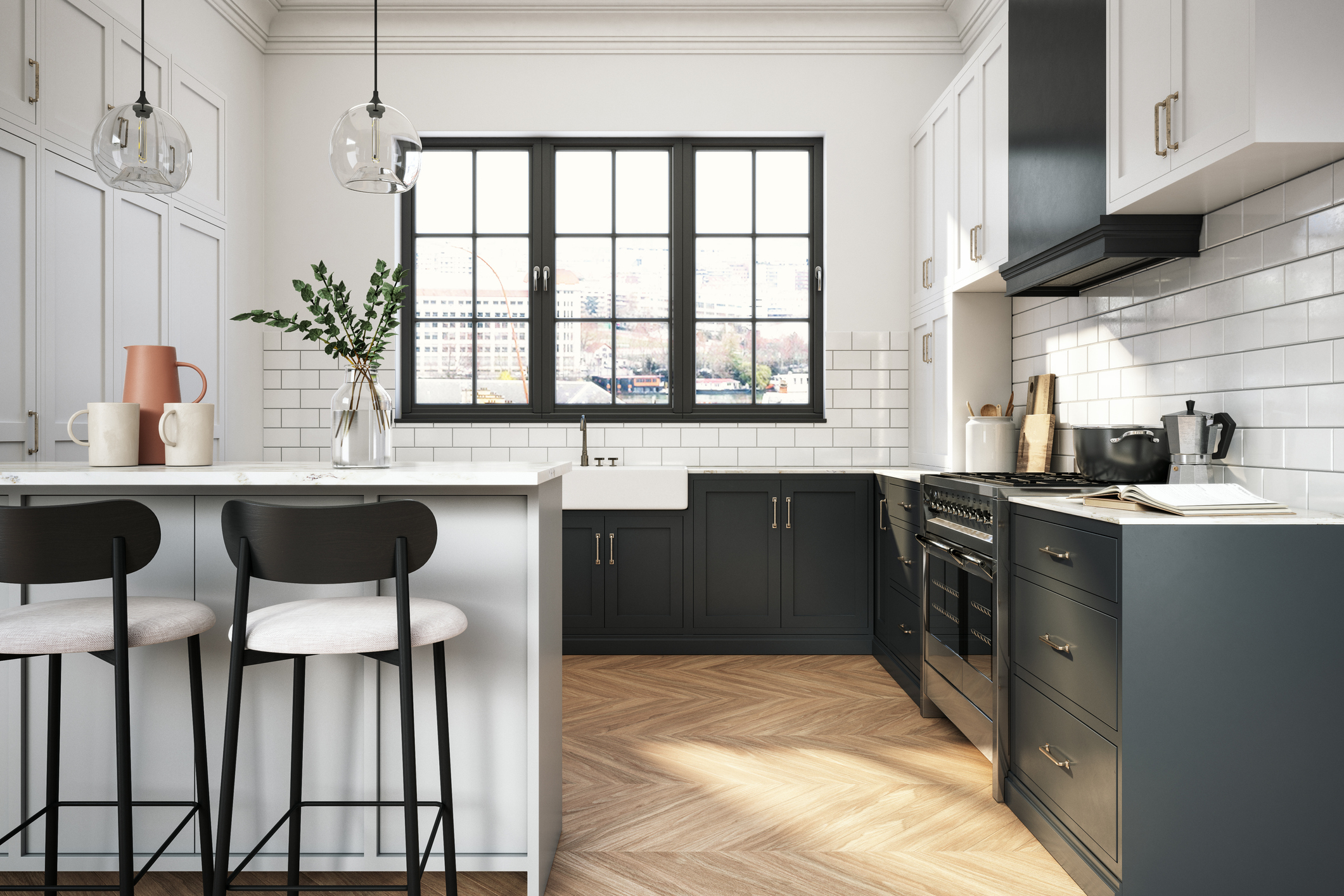
Image Source: Getty Images
Penny Tile
Penny tile has stayed relevant through the years, and not just for aesthetic reasons. Though penny tile is visually appealing, its many grout joints make it ideal material for slick and slippery surfaces such as the shower, bathtub, or bathroom floor. This practical function has kept penny tile at the forefront of homeowners and professional remodelers alike for decades. With many color combinations from black and white for a retro look to colorful mosaics for the more eclectic homeowners, there’s an option for everyone with penny tile. While it’s commonly used in bathrooms, penny tile is also great near fireplaces and kitchen backsplashes.
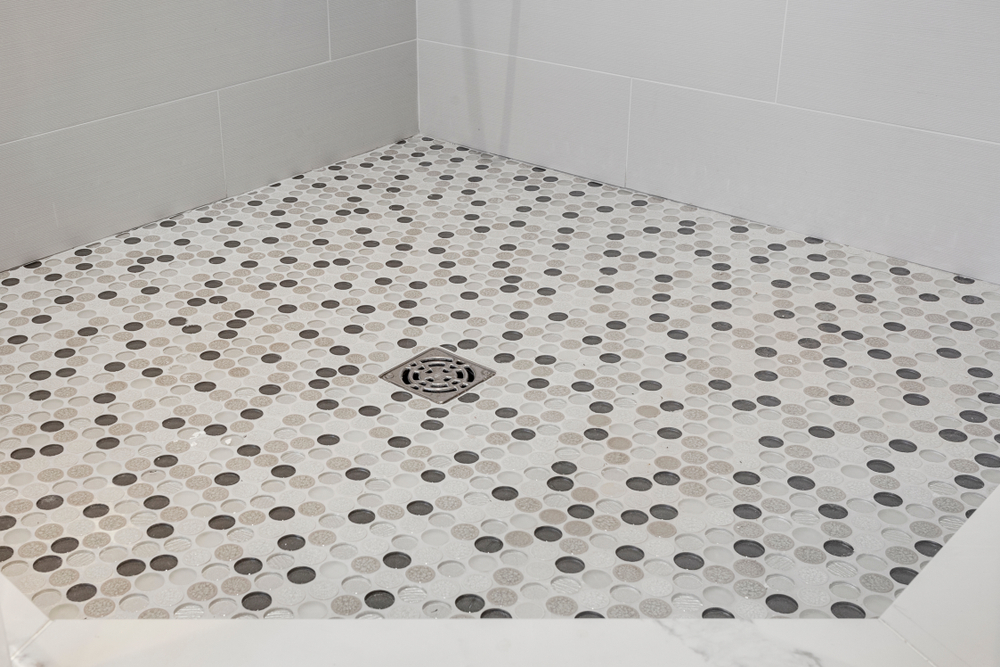
Image Source: Shutterstock – Image Credit: Berkay Demirkan
Herringbone Tile
Known for its distinctive angular arrangement, herringbone has been a fixture of interior design for decades. Herringbone tile brings flair and texture to a space, and its repetitive pattern will help to liven up any room without pulling away from other points of interest. It is a popular choice as a backsplash on bathroom walls, behind vanities, or in shower stalls. For those seeking the cleanliness of subway tile but prefer more dramatic lines, herringbone may be the perfect choice for you.
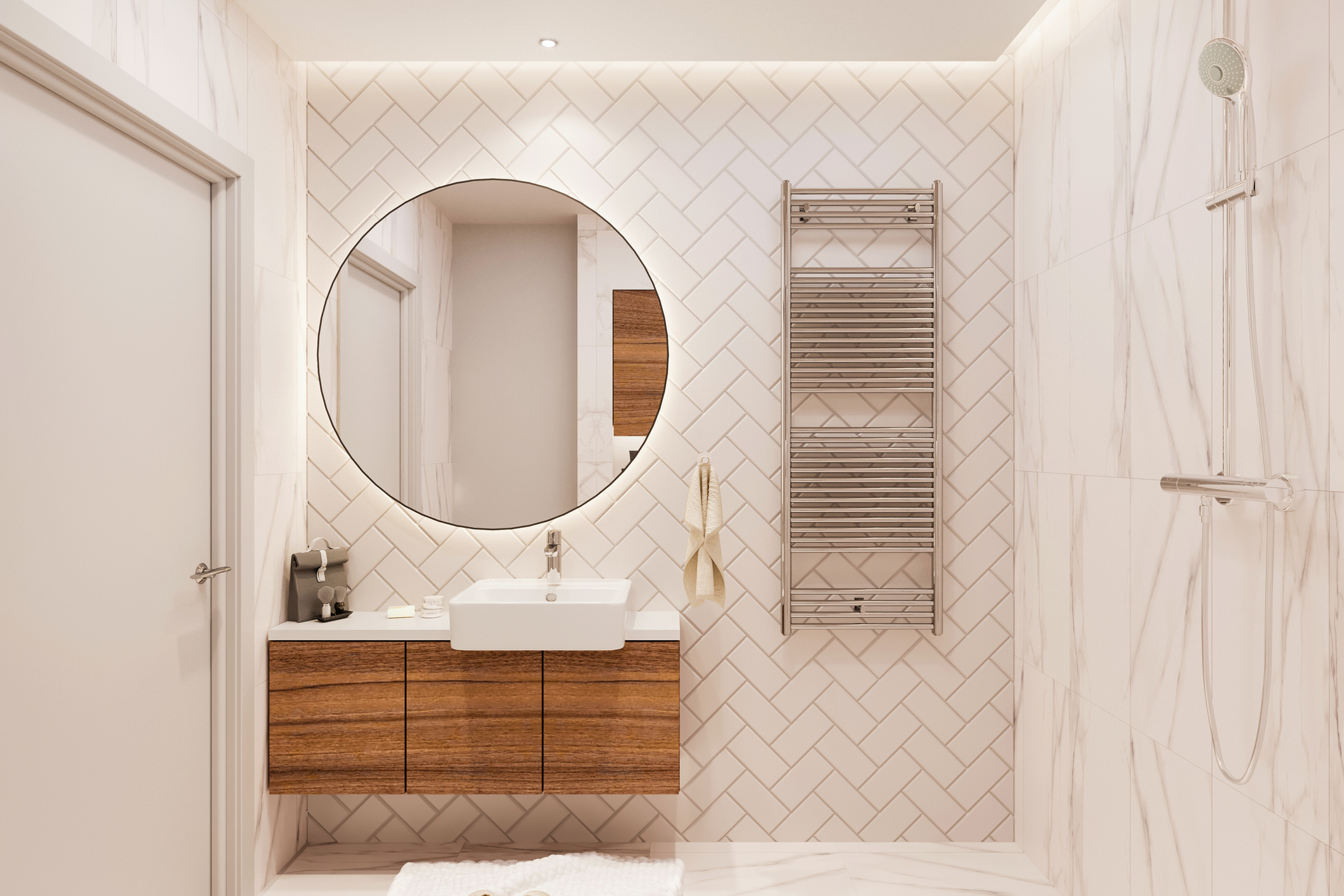
Image Source: Getty Images
Checkerboard Tile
Checkerboard is one of those rare designs that has the ability to continually reinvent itself. It carries a vintage charm but is also often found in aspects of modern design. It’s simultaneously formal and fun. Out of all the timeless tile designs, checkerboard is perhaps the most flexible. The design can make a great impact on the floors in a space as small as a bathroom yet is bold enough to make a statement in a larger surface area like a foyer.
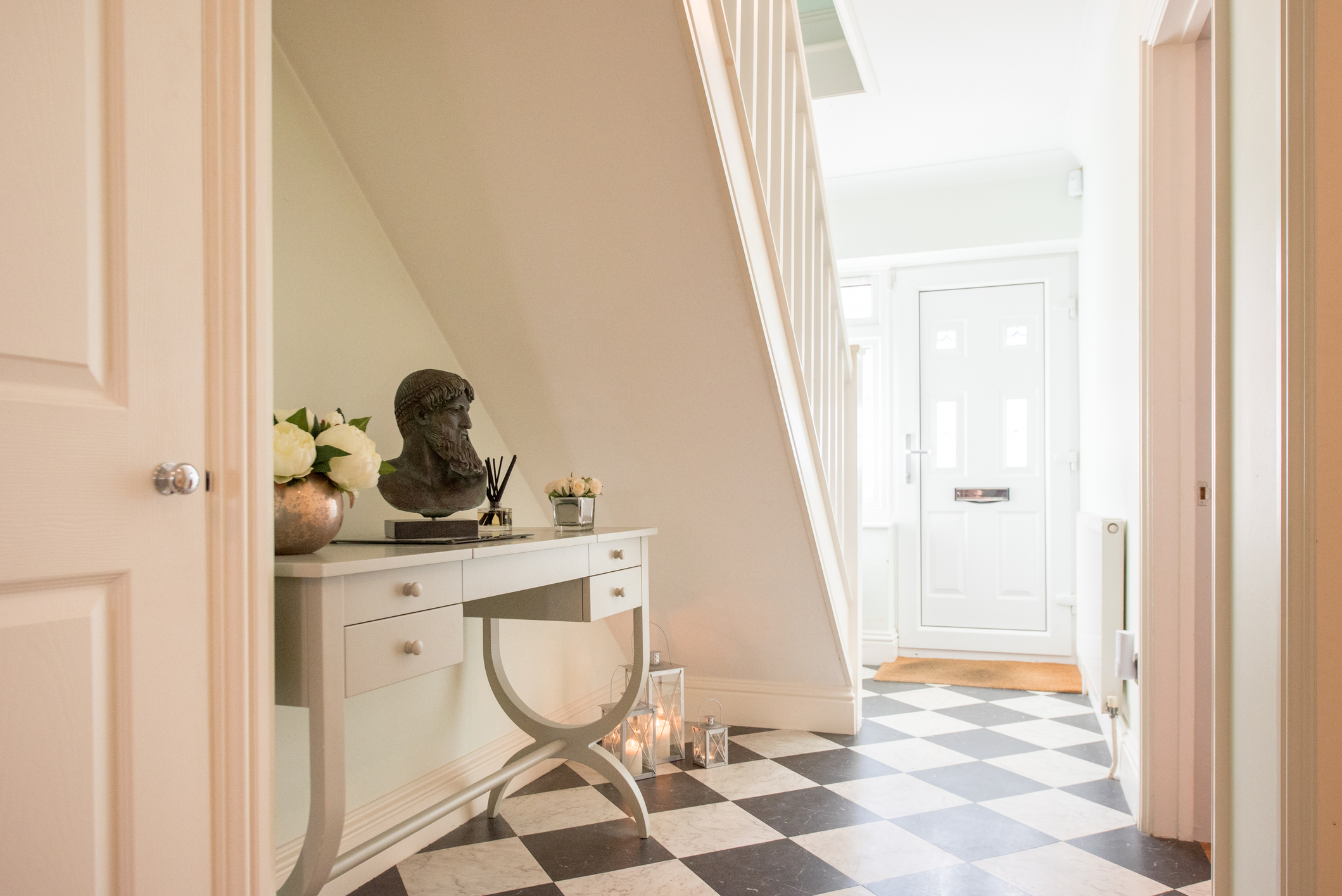
Image Source: Getty Images
Hexagon Tile
Though there is a certain geometry to all the previously mentioned designs, hexagonal (or honeycomb) tile’s unique shape gives it its trademark pattern. There are several variants of hexagonal tile, including stretched hex and picket tile, that can deliver that timeless feel you’re looking for while breaking up the monotony of rectangular lines in your home. Hexagonal patterns are bold and eye-catching, yet their patterns can provide a sense of calm and orderliness. Whether you decide to use it as a backsplash, shower tile, or floor tile, Hexagon tiles will add intrigue to the space.

Image source: Getty Images
The right tile may be just the ingredient you need to tie your home together. It can make a surprising difference in your next remodel, so it’s worth your time to explore the many different options available before making your decision. For more on timeless home design, find out which 7 Vintage Design Elements are still popular today.
A Guide to Remodeling Your Bathroom
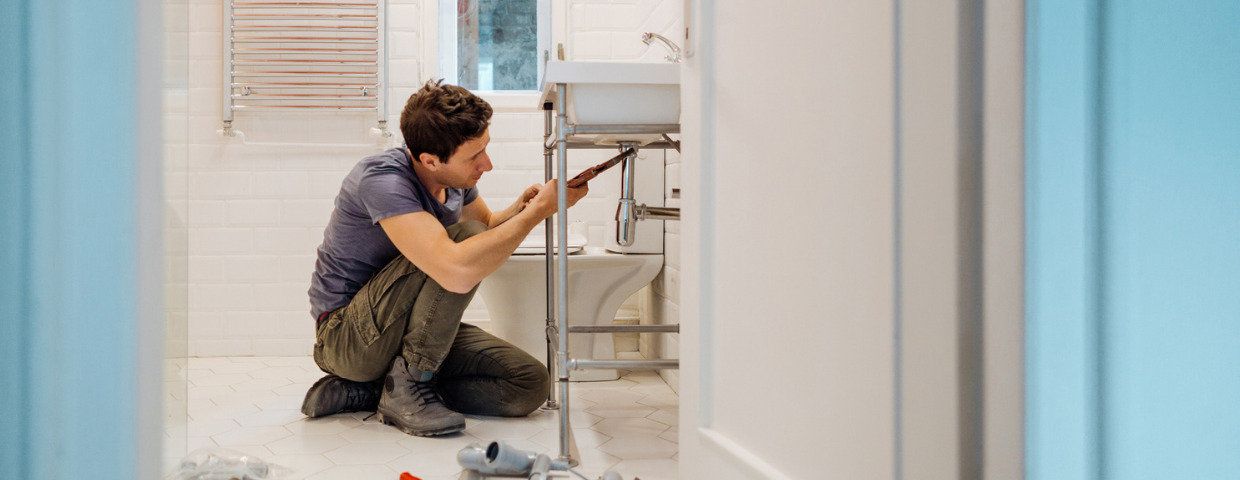
There are a variety of reasons that a homeowner may decide to remodel their bathroom; they could be looking to increase the value of their home for a future sale, they may have discovered repairs that need to be made, or perhaps they’re simply looking to maximize their enjoyment of the space. Whatever your motivation may be, consider the following information before the hammer hits the tile to make sure your bathroom remodel turns out as successful as you’d hoped.
A Guide to Remodeling Your Bathroom
Which bathroom remodel projects have the highest ROI?
Before you decide which projects to tackle, it’s worth your while to identify which bathroom remodeling projects have the highest ROI. This can be especially helpful if you’re thinking about selling your home in the near future. According to the Remodeling 2021 Cost vs. Value Report (www.costvsvalue.com¹), bathroom remodels can have as high as a sixty percent return on cost, while larger projects like bathroom additions return roughly fifty percent of their costs. The point is you likely won’t recoup every dollar you spend on your bathroom remodel, so choose your projects wisely. If you’re preparing to sell your home, talk to your agent about which bathroom projects are seeing the highest return in your local area.
How can I save on my bathroom remodel?
There are various ways to keep your costs down when remodeling your bathroom, but it depends on the scope of your project. If, while preparing to sell your home, you identify a handful of outstanding repairs that need to be fixed before you list, it may be difficult to pull off a low-budget bathroom remodel while still fetching a competitive sales price. Neglecting these issues can be a costly mistake, and in some cases can even jeopardize a sale.
One way to save money on your bathroom remodel is to do it yourself. Identify the pros and cons of either doing a project DIY or hiring a professional. Though you may save money on labor, if you get in over your head on a project the costs can add up quickly, and you may end up having to hire a contractor to remedy the situation. If you decide to hire a contractor, thoroughly research multiple companies, ask for referrals from family and friends, and get multiple quotes before deciding which is best for the job.
Simple Bathroom Upgrades
As the scope of a bathroom remodel changes, so do its costs. According to the Remodeling 2021 Cost vs. Value Report, a midrange bathroom remodel cost an average of roughly $24,000 nationwide, while an upscale bathroom remodel was just over $75,000. But fear not, there are ways to give your bathroom a makeover without having to break the bank. Here are a few ideas for budget-friendly bathroom upgrades.
- Refinish Your Tub: Remove all hardware from your tub and sand the entire surface smooth, evening out any chips or cracks and filling them with epoxy. Once the epoxy has dried, sand those areas one more time. Apply multiple layers of primer and topcoat as advised and buff the surface to finish off the job.
- Add Décor: A well-decorated bathroom can revitalize the space. Add a fresh coat of paint to the walls, install a new faucet and shower head, and match your towel rods and shower curtains for a quick bathroom refresh.
- Finishing Touches: The right bathroom lighting can make all the difference. Experiment with softer light bulbs or dimmers to create a sense of calm and relaxation. Add candles, scented oils, and new towels to make your bathroom feel like your own personal spa.
For more ideas on remodels, décor, and all things home design, visit the design page on our blog.
- “© 2021 Hanley Wood, LLC. Complete data from the Remodeling 2021 Cost vs. Value Report can be downloaded free at www.costvsvalue.com.”
How to Choose the Best Flooring

Flooring is a key component of a home’s design and can often be the centerpiece of a renovation or remodel. Because it covers such a large surface area it will significantly impact the look and feel of your home, so choosing the right material can be stressful. Weigh your options before making a decision. Learn about the different types of material, assess your budget, and form a plan for installation.
How to Choose the Best Flooring
Room Function
How you spend time in any given room will help you decide which type of flooring is best. In your home office, choose the flooring that best accommodates your working needs. Carpet can be comforting while hardwood and laminate are more durable. Entryways, mudrooms, playrooms, and pet rooms will undoubtedly see their fair share of dents, cracks, and dings, so a resilient material is best for these areas. Consider materials that are strong and easy to clean, such as tile. The kitchen is a high-traffic area that is constantly being cleaned and re-cleaned. Explore solid yet easy to clean materials like vinyl, hardwood, and ceramic tile. If these common flooring materials aren’t to your liking, certain alternative flooring options may appeal to you, including bamboo, cork, and concrete.
Budget
Your budget will be a major deciding factor in which type of flooring you ultimately install. Are you replacing your flooring as part of a larger, full-scale remodel? If so, there may be other projects that will warrant a larger share of your budget. Are you looking to make the flooring a selling point of the home? If so, you’ll likely dedicate more money towards the material and installation. Talk to your agent about which types of flooring have the best resale value and what buyers in the area are looking for. For example, if you live in a climate that experiences cold temperatures, heated flooring may give your home a competitive advantage over other listings when it comes time to sell.
Installation
There are two approaches to a flooring installation: DIY or professional. Installing your flooring on your own is a great way to save money on the project, but it’s also a lot of added responsibility. Before making the decision to install on your own, understand the risks involved with the project and the time it will take to complete it. Vinyl and laminate flooring tend to be easier to install DIY. Hiring a professional will come with increased costs, but you’ll be paying for higher quality work that will increase the value of your home. More involved flooring installations such as hardwood are usually best handled by a pro.
Style & Color
After your budget has been set and you’ve decided on how to install, then comes the fun part. When choosing the style of your flooring, think about how it will interact with the space. Will the flooring be the focal point of the space? Will it compliment the features of the room and the surrounding décor? Knowing these answers will help to sort out the fine details, such as the specific shade of tile or the grain of wood.
Maintenance
At the end of the day, you may simply be looking for flooring that’s easy to take care of. In that case, explore common low-maintenance materials like vinyl and laminate. Vinyl flooring—whether it’s tile, sheet, plank, or peel-and-stick—requires little care compared to high-maintenance flooring such as solid or engineered wood.
For more information on home design, visit our Design page. To learn more about interior design, visit our Design Styles page.
Renovating Your Short-Term Rental

Renovating your short-term rental property will not only keep it in peak condition but will also help it stand out to potential renters. Completing remodeling projects with the goal of increasing the return on your investment is a matter of identifying which renovations make sense for the home, putting together a plan, and taking steps to minimize the risk of the projects going over budget.
Start with Repairs
Because rental properties are by nature a source of income, it’s worth your while as the homeowner to reduce maintenance costs wherever possible. This can often mean spending money in the short term on repairs and replacements in order to save money down the road. Furthermore, by upgrading your appliances, fixing leaks, and updating any outdated features, you will provide the most accommodating environment for your renters. Making these improvements can also help set your rental apart from other properties, giving you a competitive advantage in the market. As you go about making repairs, don’t forget to check the working condition of all faucets, electrical outlets, and lights.
Renovating Your Rental
Understanding the scope of your renovations and the motivation behind them before you get started will help formulate your plan moving forward. Are you looking to upgrade the home to sell it in the future? Are you renovating to increase rent? Or are you simply looking to be more competitive in the local rental market? Knowing the answers to these questions won’t necessarily change your renovation plans, but it will provide guidance as you enter the remodeling phase. Consider talking to your Windermere agent about how different projects may affect the value of the property.
Even a small-scale renovation can make a big difference in the minds of renters. To create the best first impression from the get-go, consider boosting your home’s curb appeal. Projects like exterior painting, refinishing a deck, and power washing your siding and walkways will help provide an inviting outdoor setting for your renters.
When it comes to interior renovations, kitchens are a great place to start. Thankfully, kitchen makeovers can be simple. Identify the areas of your kitchen that need repair first, then expand your project list from there. Next, consider upgrading the bathroom. Begin by checking your pipes, drains, and p-traps for any signs of wear and tear. Simple things like painting the vanity and updating the bathroom hardware can also make a big impact.
Last but not least, if you decide to hire a professional to renovate your rental property, be sure to gather multiple bids and compare prices before making your final decision.
Learn more about the pros and cons of investing in vacation rentals here: Vacation Home or Income-Producing Investment. You can also read about vacation home renovations by season here: Renovating Your Vacation Home.