Facebook
 X
X
 Pinterest
 Copy Link
Is Downsizing Right for You? Here’s How to Decide

Choosing less space often has to do with a desire to live a life that’s simpler. Whether you’re retiring, want an eco-friendly, low-maintenance lifestyle or your children have moved away, downsizing might be the best option for you. Here are the advantages and disadvantages to consider before making the move and questions to begin asking yourself now.
Seven Steps to Yard Sale Success

Yard sale season has arrived! Many people shy away from the idea of having a yard sale, but do you truly need that broken-down accordion or the 80’s-styled prom dress? A yard sale is a great way to get out with the old and make room for the new. Here are some tips to help make your yard sale a success…
What to Do After Moving Into a New Home
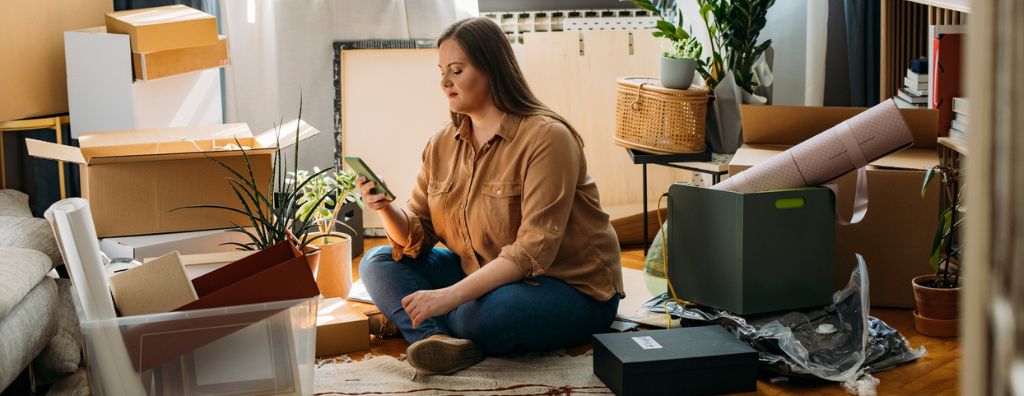
Nothing beats the feeling of buying a new home. You’ve worked hard with your agent to find the right home for you, you’ve worked with the seller to finalize the deal, and you’ve signed all the paperwork to transfer ownership. Congratulations! Everything has led to securing your new home, so now that you’re officially moving, what do you do next? Here’s a quick guide to the move-in process to help you get settled into your new home.
Moving Day
The day you move, you’ll be juggling all kinds of timelines at once. You’re coordinating with movers, arranging for trucks to be picked up and dropped off, and making sure that nothing gets damaged in the process. The best thing you can do on this chaotic but exciting day is to be available. Being on hand at your new home to answer the mover’s questions will help speed up the process.
It helps to have a checklist of your important items to make sure nothing has gotten lost during the moving process. Check these items off one by one as the movers bring them in. Next, you’ll want to confirm that the utilities have been turned on and are ready for use. Check all lights, smoke detectors, appliances, CO2 alarms, your home security system, fire extinguishers, etc. Finally, install new locks and make sure your keys work properly.

Image Source: Getty Images – Image Credit: skynesher
What to Do After Moving In
- Clean and Unpack: Before you start emptying your boxes, it’s a good idea to wipe down the surfaces to keep your items from getting dirty. A full deep cleaning of your home may not be in the cards just yet since there’s still plenty of moving to be done, which inevitably brings more dust and dirt in the house.
- Childproof and Pet-Safe Home: If you’ve got little ones and/or pets, this is the time to set up their accommodations. Learn more about how to properly childproof your home so your kids can feel like it’s home sweet home from day one. When preparing to house your pets, keep in mind that some cleaning methods are more pet-friendly than others.
- Setup and Organize: Now it’s time to get everything in its right place. Organize room by room, storing items in logical places where you won’t forget them as soon as they’re stowed away. The first rooms you’ll want to tackle are the bedrooms, bathrooms, and kitchen. These are the rooms you’ll need the most during the first few days in your new home, so having them put together will better position you to tackle the rest of the house. Getting your closets, bathroom cabinets, and kitchen drawers organized from the start will make for a more enjoyable moving process.
- Update Your Information: You’ll also want to update your address everywhere it’s applicable as soon as possible, consider setting up mail forwarding to ensure you don’t miss any important mail in the meantime.
For more information on the moving process, visit our comprehensive Moving Checklist, available as a interactive webpage and downloadable PDF here:
Featured Image Source: Getty Images – Image Credit: FreshSplash
8 Costs of Renting a Home

If you’re not quite ready to buy a house, it may be better to rent for the time being. Though renting can be the more affordable option, being a tenant in someone else’s home still comes with its own unique set of costs. Here are eight common costs you should be aware of before signing a lease.
8 Costs of Renting
1. Renting Application Fee
One of the first costs you’ll run into is the application fee. Landlords want to make sure you’re a good candidate for signing onto their lease, so they’ll go through a process to verify the information listed on your application including your employment, financial history, credit score, past tenancy, etc. The application fee covers the clerical work required to verify this info.
2. Security Deposit
Similar to making a down payment on a house, a security deposit is a large upfront expense that solidifies your application. Security deposits vary based on the terms of the agreement. They can be a flat fee but are more often equal to one month’s rent, and sometimes more. Fortunately, they are usually refundable when you move out, as long as you have taken good care of the property and have adhered to the terms of your lease. You must account for the security deposit when renting, since you’re essentially paying double a normal month’s rent to move in.
3. Pet Deposit and Pet Fee
Finding a place that allows pets will be your first challenge as a renter. Some landlords forbid pets altogether, while others typically require that you pay a pet deposit and/or an additional monthly pet fee on top of your rent. These fees vary based on the number, type, and size of your pet(s). Keep in mind that renting with pets will most likely cost you extra.
4. Rent
The renting equivalent of a monthly mortgage payment, your rent will be the largest slice in your pie chart of monthly renting expenses. The general rule of thumb is that your rent should not exceed 30% of your monthly income. If it’s higher, you’ll have less money to cover other important living expenses. And if your rent increases—which is beyond your control—things can get unaffordable in a hurry.

Image Source: Getty Images – Image Credit: sturti
5. Parking
Your parking arrangement will vary depending on your living situation. If you live in a condo or apartment building, you may be able to pay an additional fee in exchange for your own parking spot on-site. For those who live in densely populated areas or places where the endeavor of trying to find available parking is a daily nightmare, the value of having your own parking space often outweighs the extra cost.
6. Homeowners Association (HOA) Dues
Landlords will typically include Homeowners Association (HOA) fees in your rent if applicable. HOA fees go toward maintaining the community’s properties and help pay for shared amenities. If you plan to live in an HOA community as a renter, the dues you’re paying will help to ensure the property stays well maintained.
7. Utilities
Utilities are another significant chunk of your recurring expenses as a renter. Your utilities costs will vary depending on how much energy you use at home. For example, your heating costs will likely be higher during the winter. If your bills are too high, audit your energy consumption to find more affordable ways of using it. 7 Tips for Sustainable Living at Home
8. Renters Insurance
Not only is obtaining renters insurance vital to protecting yourself as a renter, but it’s also usually required by landlords and property management companies. Renters insurance protects you against unexpected events that may occur at home. Fortunately for you, renters insurance policies are very affordable, usually around $15 to $20 a month.
Learn more about the pros and cons of renting vs. buying a house:
Renting vs. Buying: Which is Better for You?
Featured Image Source: Getty Images – Image Credit: StefaNikolic
Moving Checklist: A Step-by-Step Guide to the Moving Process

Once you and your agent work through the process of selling your home, there comes a point when it’s time to switch gears and get ready to move. It can be difficult to juggle the various steps of the moving process, especially if you’re Buying and Selling a Home at the Same Time. Using a moving checklist will help you stay organized and on schedule throughout your moving timeline.
Moving Checklist: A Step-by-Step Guide to the Moving Process
We’ve included a comprehensive checklist below of all the steps you’ll need to complete to ensure a smooth, successful move. This list is also available as an interactive web page and downloadable PDF here: Moving Checklist
Twelve Weeks Before:
- Get estimates from professional movers or truck rental companies if needed.
- Once you’ve selected a mover, discuss insurance, packing, loading and delivery, and the claims procedure.
Six to Eight Weeks Before:
- Use up things that may be difficult to move, such as frozen food.
- Sort through your possessions. Decide what you want to keep, what you want to sell, and what you wish to donate to charity.
- Record serial numbers on electronic equipment, take photos (or video) of all your belongings and create an inventory list.
- If you are moving yourself, use your inventory list to determine how many boxes you will need. Stock up on the items you’ll need from our “Moving Essentials” list.
- Obtain a change of address packet from the post office and send it to creditors, magazine subscription offices, and catalog vendors.
- Discuss tax-deductible moving expenses with your accountant and begin keeping accurate records.
- If you’re moving to a new community, contact the Chamber of Commerce and school district and request information about services.
- Make reservations with airlines, hotels, and car rental agencies, if needed.
- Begin packing nonessential items.
Two to Four Weeks Before:
- Arrange for storage, if needed.
- If you have items you don’t want to pack and move, hold a yard sale.
- Update the address listed on your car registration, license, and insurance.
- Transfer your bank accounts and safe-deposit box items to new branch locations if needed. Cancel or redirect any direct deposit or automatic payments from your accounts.
- Make special arrangements to move your pets and consult your veterinarian about ways to make travel comfortable for them.
- Have your car checked and serviced if you’ll need to drive it a long distance.
- Change your utilities, including phone, power, and water, from your old address to your new address.
Week of Moving Day:
- Defrost your refrigerator and freezer.
- Have movers pack your belongings.
- Label each box with the contents and the room where you want it to be delivered.
- If you’re using a moving company, arrange to pay for their services in full, or the remainder of what you owe, upon delivery.
- Set aside legal documents and valuables that you do not want packed.
- Pack clothing and toiletries, along with extra clothes in case the moving company is delayed.
- Give your travel itinerary to a close friend or relative so they can reach you as needed.
- Pack a first-day box with items that you’ll want accessible before other boxes are unpacked. See our list of suggested items on the right and add any others you’ll want to include.
Moving Day:
Old Home
- Pick up the truck as early as possible if you are moving yourself.
- Make a list of every item and box loaded on the truck.
- Let the mover know how to reach you.
- Double-check your closets, cupboards, attic, basement, yard, and garage for any left-behind items.
New Home
- Be on hand at the new home to answer questions and give instructions to the mover.
- Check off boxes and items as they come off the truck.
- Install new locks.
- Confirm that the utilities have been turned on and are ready for use.
- Unpack your first-day box.
- Unpack your children’s toys and find a safe place for them to play.
- Examine your goods for damage.
Our Moving Checklist page has all the information above, plus helpful lists for Moving Essentials and which items to pack in your First-Day Box available as a downloadable PDF.
For additional information on the selling process from start to finish, tips on working with an agent, and more, visit our Home Selling Guide:

Featured Image Source: Getty Images – Image Credit: JohnnyGreig
Should You Rent or Buy When Moving Away?

There are certain advantages to moving down the street or across town. You’ll likely have a basic understanding of the local market conditions, you’re familiar with the area, and the limited distance between the home you’re selling and the one you’re moving into makes the moving process a bit easier. But moving to a new city or state that you’re not as familiar with can lead to questions about whether you should buy a home right away or rent until you know the area better.
Weighing the pros and cons between the two options while factoring in your lifestyle, your plans for the future of your household, and your budget will help guide you toward your decision.
Pros and Cons of Renting
Pros
The word that comes to mind to make the case for renting when moving to a new place is flexibility. By renting, there is less pressure to take the plunge on buying a new home right away. It gives you a chance to land, get to know the area, and explore what’s available on the market. For example, if you’re moving to a new city for work but have never been there before, renting might be a fitting solution to get your feet under you until you have a better idea of where you’d want to live long-term. All in all, renting can simplify the relocation process. With renting, it’s easier to predict your monthly expenses. And, in the event that something breaks or needs repair, it’s your landlord’s responsibility to fix it.
Cons
If you previously owned a home, moving into a rental likely means you’ll have to downsize. This may put you in a situation where you have to put some of your belongings in storage, adding an expense to the moving process. If you eventually decide to buy a home, you’ll have to move again from your rental. Moving twice, especially if it’s in a short timeframe, may not be worth the stress. It’s also worth noting that as a renter, your payments help build the homeowner’s equity, not your own. Therefore, the longer you rent, the longer you delay building your own wealth. Finally, renters are at the mercy of their landlords. If they decide it’s time for a rent increase, or that they want to sell the property, you’ll have to adjust accordingly.

Image Source: Getty Images
Pros and Cons of Buying
Pros
Though buying a home right away is a larger financial commitment than renting, it allows you to quickly get settled in your new hometown. You won’t have to grapple with the challenges of downsizing to an apartment and you won’t have to worry about moving multiple times in the short term. Home ownership is also a gateway to building wealth over time.
Cons
If you’ve never visited your new hometown, it can be challenging to get a true feel for the area, which can lead to buyer’s remorse. Buying a home requires a significant financial commitment, especially if prices in the market you’re moving to are higher. Though the rewards of successfully buying a home are great, the process is full of intricacies and details that can add stress to the moving process, which you may not be up for right away. Furthermore, unlike renting, as a homeowner you are responsible for the maintenance of your property. Making repairs, tending to the yard, and keeping up the countless systems within the home requires time and money.
Ultimately, whether it’s best to rent or buy when moving to a new area depends on what’s right for you and your household. Are you looking to put down roots right away? Would you prefer to live in the area for a while before deciding where to live? Taking time to consider these factors and working closely with a real estate agent will help identify the right option for you.
To get started on finding the right home for you, connect with an experienced Windermere Real Estate agent on our website today:

Selling a Home with Pets

For pet owners, it’s hard to imagine their home without a furry friend. However, when it comes time to sell, showcasing the qualities of a home should take precedence over the pets that live in it. This creates additional steps in the process of preparing your home for sale, but it makes all the difference in the minds of buyers.
Selling a Home with Pets
Staging Your Home
A well-staged home makes it appealing to the widest variety of buyers and has significant ROI potential when it hits the market. However, having a pet can complicate the staging process. Buyers may lose interest in the home if they see traces of pets, so it’s a good idea to hide any and all signs of their presence.
It’s especially important to hide evidence of your pet in marketing photos. Prepare for your home’s listing photos by cleaning and vacuuming, making sure all pet stains are gone and any pet-related damage is repaired. Stow any pet carriers, cages, toys, food bowls, and other supplies that may hinder the photographer’s ability to capture the essence of a room.
Showing Your Home
Before inviting potential buyers inside, it’s best to give your home a deep clean to improve your home’s air quality, and to rid your carpets, flooring, and surfaces of pet odors and any dirt they may have tracked in over time. If you’re using your own furniture, vacuum and clean everything to extract as much fur and pet dander as possible. Talk to your agent to see if it’s a better idea to stage your home with rented furniture. If your pets have caused any damage in the home, make repairs or replacements as needed. After tending to your home’s interior, don’t forget to clean up after your pets in your yard as well. Fill in any holes in the lawn, freshen up your flower beds, and tidy up any areas of the landscaping where your pets may have dug.
After you’ve prepared your home for showings, there’s the question of what to do with your pets once buyers actually start taking tours. Ask a family member, friend, pet sitter, or neighbor to watch your pets while the showings take place. If you’re not able to find someone to watch them, form a strategy to temporarily relocate your pets during showings. If they must stay in the home, garage, or backyard during tours, it’s best to give buyers advanced notice that there are pets on the property. Talk to your agent about posting signage communicating their presence so that there are no surprises as guests make their way through the house.
Taking all these precautions will help to present your home in the best light without detracting certain buyers, for whom the signs of a pet may cause them to lose interest. On the other hand, if any buyers inquire about how the home can accommodate their pet, you and your agent will be more than ready to answer any questions they may have.
Selling Your Home
For more information on the process of selling your home, visit the Selling Page on our blog. To get an idea of what your home is worth, try our free home value calculator below:
What Is My Home Worth?
Tips for Moving Into a Smaller Home as a Senior

For many seniors, there comes a time when the expense and upkeep of a big home no longer seem realistic. All of your kids have moved out, and suddenly, your multi-bedroom house feels excessively large and empty. Plus, it may be difficult to keep up with mortgage payments if you’re expecting a lower income during retirement. Whether downsizing is a financial necessity or an emotional decision…
Divorce, Custody, and Employee Mobility

Divorce, child custody and relocation are all difficult topics however, knowing the facts will help you make the decisions that are right for you and your family. Below you will find an excerpt from an article recently published in Mobility Magazine by Windermere’s own Peggy Scott, GRI, CRP, GMS.