Facebook
 X
X
 Pinterest
 Copy Link
Kitchen Remodel Must Haves
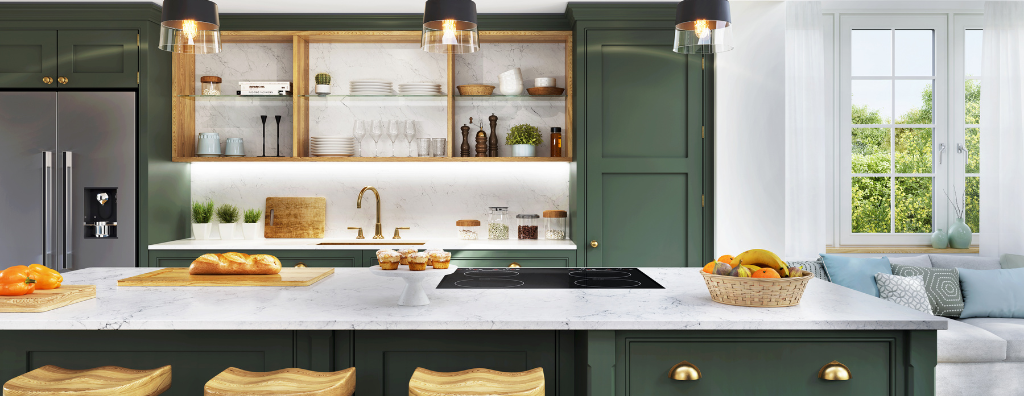
Many kitchen remodels are prompted by a desire for more storage, but there are plenty of reasons to want an upgrade. Whether your complaint is crowded counters, out-of-date appliances, or spending too much time cleaning up after a meal, there are ways to add functionality without sacrificing your aesthetic when you renovate your kitchen.
Storage
If you’re tired of finding expired food at the back of your lower cabinets or needing a step stool to reach items in the upper ones, roll-out cabinets and pantry shelves are a necessity. A roll-out garbage cabinet will keep trash and recycling cans out of sight (and smell). Be sure to use heavy-duty, reinforced hinges that can bear the weight of two, full cans.
Toasters, coffee makers, blenders, and air fryers can easily overcrowd kitchen counters. Appliance garages that hide away commonly used kitchen appliances now come in just about every configuration you can think of. If you love baking, you probably love your stand-up mixer even more. But moving it around can be a pain. Fortunately, installing a mixer riser into a lower cabinet is relatively simple and will put your favorite appliance right where you need it, only when you need it.
Cooking
Though some passionate cooks still swear by their gas ranges, induction cooktops have become all the rage for several good reasons. In addition to being easier to clean than gas stoves, induction cooktops are more efficient because all the heat they produce goes directly to your cookware rather than into the atmosphere of your home. And with inductor stoves, you never have to worry about dangerous fumes or open flames.
You don’t have to be an avid entertainer or the one who hosts Thanksgiving every year to reap the benefits from a double oven. Even cooking dinner for one or two people can be a challenge when you need to roast or bake things for different times or at different temperatures. A double oven fixes that, and it can improve efficiency if you prepare a dish using only the smaller oven since it takes less energy to heat up a smaller space. For extra user-friendliness, install the oven at counter height so you don’t have to bend over to pull out heavy dishes
Speaking of heavy… if your sink and cooktop are a bit distant from each other, a pot filler installed on the wall behind your stove could be a game changer. Say goodbye to heaving large pots of sloshing water across the kitchen!
For as long as microwaves have been around, people have wondered how to get them off their counters or make them appear more attractive. These days, microwave drawers are the new must-have kitchen upgrade. Instead of a door that swings open, the microwave is the entire drawer that slides out, and it can go in your kitchen island or along any cabinet wall.
Cleaning
Kitchen floors are notoriously difficult to keep clean. Between meal prep, quick snacks in front of the fridge, and near-constant traffic, crumbs and dust pile up quickly. If your home already has a central vacuum system, putting a vacuum slot in the kitchen makes clean ups a breeze. Simply sweep scraps into the slot—no more bending over with the dustpan. If you don’t have a central vacuum system, there are vacuum slot inserts on the market that use a traditional replaceable bag to collect what you sweep up.
If you’ve ever watched a mixologist or bartender shake up your cocktail and then place the shaker on top of a device that shoots up warm water to clean it, you’ve seen a glass rinser in action. Installing one in your own sink adds a touch of sophistication to your kitchen and makes cleaning glasses easier and more efficient, especially for those glasses that can’t go in the dishwasher or don’t fit on the top shelf.
It seems that a modern kitchen renovation isn’t complete until you’ve installed a large, single basin sink. There’s good reason for their increased popularity: more room to soak large dishes, easier to clean, etc. To really boost the usability of a single basin sink, consider adding hardware that makes it an efficient workstation. Drying racks, cutting boards, and colanders are readily available, easy to install, and will make your extra-large sink extra handy.
5 Ways to Save and Reuse Water at Home

Think of all the ways you use water at home. Whether it’s meal preparation, laundry, or doing the dishes, we use a lot of H2O. In fact, the average U.S. household uses more than 300 gallons of water per day, with a majority of the water usage coming from three primary sources: the toilet, the shower, and the faucet. But there’s good news! Adopting more sustainable practices at home can cut down on wasted water and can save you money on your utility bills. Let’s take a look at some simple ways to use water more efficiently at home.
5 Ways to Save and Reuse Water at Home
1. Reuse Drinking Water
Dumping half a water bottle down the sink may not seem like a significant waste, but over time, discarding extra drinking water adds up. Use water from bottles and glasses to water plants or rinse a plate with it and give the kitchen faucet a rest. Water purifiers can help cut down on the amount of bottled water you purchase and ensure that you have a healthy water source available at all times.
2. Water Plants with Leftover Water
It takes a lot of water to get your pasta just right, or to wash your fruits and vegetables enough so they taste as fresh as possible. Can all this water go somewhere? Fortunately, yes! Reuse that pot full of pasta water to quench your plants in the garden. Collect the water used to wash your produce and shower your house plants with it. Instead of just pouring excess water down the drain and letting it go to waste, little methods like these give it a purpose.
3. Use Barrels to Collect Rainwater
Check local regulations before setting up a rain barrel to collect runoff from your gutters. But once you have the green light, you’ll be surprised at how quickly your rain barrels will fill up, especially if you live in a rainy climate. Remember that water can get very heavy very quickly. It’s important to support your rain barrel with a solid foundation, using patio pavers, plywood, or cinder blocks to prop it up and make it easy to access the spout. And don’t forget to empty it before the freezing temperatures arrive.

Image Source: Getty Images – Image Credit: Patrick Herzberg
4. Energy Star Appliances
Appliances are the true workhorses in a home, making our lives easier with how efficiently they tackle some of the most common household chores. However, some appliances are more efficient than others. Energy Star products are more efficient than other home appliances and are also held to a higher standard of efficiency by the U.S. Environmental Protection Agency (EPA). Next time you’re shopping for home appliances, look for the Energy Star badge on certified devices. These special products will help you save water with every cycle.
5. Garden Irrigation
Water is the lifeblood of a healthy, thriving garden, but there are ways to use water more efficiently in your garden beds. It starts with the plants you choose for your garden. Plants that are naturally acclimated to your local climate with thrive more easily. Group plants together based on the amount of water they need, so you don’t waste water running from one end of your garden and back with the hose running. Healthy soil is key to proper plant hydration, so it’s worth your energy as a gardener to focus on making your soil as rich and fertile as possible.
For more information on sustainable practices, cleaning tips and more, visit the Living section of our blog:
Featured Image Source: Getty Images – Image Credit: Erdark
What Are Energy Star Appliances?

What would life be like without appliances? Our reliance on our dishwashers, laundry machines, etc. makes them an integral part of our homes. They keep the house clean and ensure that the well-oiled machine that is your home life continues to run smoothly. Fortunately, Energy Star appliances are more sustainable than others and can save you money on your utility bills.
What are Energy Star appliances?
Energy Star products use less energy than other home appliances. Because they are more energy efficient, they help to protect the environment by reducing harmful emissions. These products adhere to strict guidelines set forth by the U.S. Environmental Protection Agency (EPA) and U.S. Department of Energy. Over the lifespan of these home appliances, you can save significantly on energy costs.
You’ll find the Energy Star badge on common home appliances such as refrigerators and dishwashers, but over the years, the program has expanded to other systems throughout the home including HVAC systems, water heaters, TV sets, and more.

Image Source: Getty Images – Image Credit: SolStock
These appliances accomplish improvements in sustainability through various product features. Here are just a few examples of their efficiency gains compared to non-certified appliances, courtesy of the Energy Star Appliances Brochure.
- Certified refrigerators are about 15% more energy-efficient
- Certified freezers use about 10% less energy
- Certified dehumidifiers use 15% less energy (roughly $175 lifetime savings)
- Certified air cleaners are 40% more energy-efficient (roughly $25 annual utility bills savings)
- Certified dishwashers are 10% more energy-efficient and 20% more water-efficient (average 1,900 gallons of water savings over product lifetime)
- On average, certified laundry machines can cut energy costs by one-third and water costs by more than half
To truly make improvements in your energy output, it’s helpful to establish a baseline. By sorting through your utility bills, you’ll gain an understanding of how your household’s energy output is distributed, allowing you to identify areas for improvement. Using these special appliances is just one way to accomplish more sustainable living at home. By combining these products with other eco-friendly practices, you’ll see your energy expenses decrease while feeling a sense of pride that you’re doing your part to protect the environment.
To maximize your appliances, it’s important to keep them clean. Read the following blog post on appliance cleaning tips to keep them highly efficient for their entire life cycle.
7 Tips for Cleaning Your Appliances
Featured Image Source: Getty Images – Image Credit: fcafotodigital
How to Plant an Herb Garden
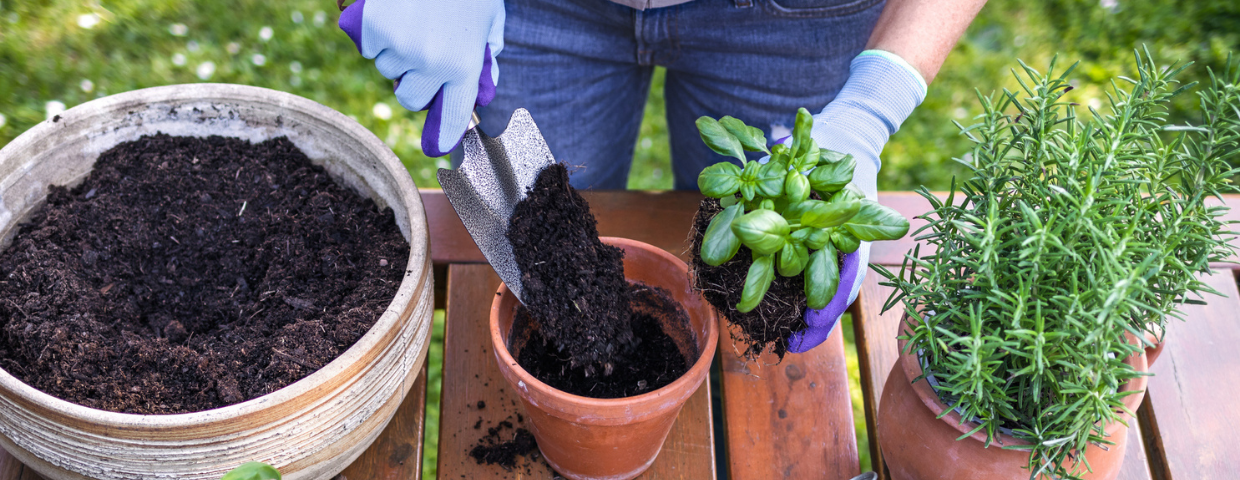
Homeowners are always seeking ways to breathe new life into the spaces in their homes. Using nature to achieve this transformation is beneficial in several ways. Planting an herb garden not only helps to make your kitchen feel fresh and sustainable, but it can make your food taste better, too. Here are some tips for getting your herb garden started.
How to Plant an Herb Garden
Like other indoor plants, the key to properly supporting your herb garden is to cultivate fertile growing conditions. Herbs love sun, so you’ll want to position your plants in an area where they have access to sunlight. If sunlight is hard to come by in your local climate, consider investing in a grow light. Even if space is limited, the following locations can be a fitting home for your herb garden:
Container Garden
Container gardens give you the flexibility to move your herbs around the house. This can be especially helpful if you get inconsistent or spotty sunlight.
There are various options when choosing materials for your containers. Terra cotta, plastic, and ceramic planters all have their respective advantages, but what’s most important is that you pair the herbs with a container whose size is conducive to its growth and has proper drainage holes.
Hanging Garden
A hanging garden is a stylish way to incorporate nature into your home. To properly set up your hanging garden, you’ll need adequate wall space. Again, prioritize access to sunlight and easy accessibility. Vertical bookshelves can make for a simple, multifunctional hanging garden, while other DIY options can help to spruce up your kitchen. Whichever route you choose, consider using lightweight materials. A mobile hanging garden can come in handy when doing chores and rearranging the house.
Window Box Garden
Box gardens are a fixture of landscaping and gardening design and can help to improve your home’s curb appeal. Once they’re filled with soil, plants, and water, window boxes can be much heavier than you’d expect, so sturdy woods that don’t rot easily—cedar, mahogany, redwood, etc.—are popular material choices. As always, proper drainage is important when crafting your window box garden. If you’re building your window box yourself, drill the proper drainage holes before assembly. Add a layer of landscaping fabric along the bottom to prevent soil from leaking.

Image Source: Getty Images – Image Credit: deniskomarov
Easy Herbs to Grow in Your Garden
After you’ve decided where you’ll set up your garden, there’s the question of which herbs to grow. The following herbs are perfectly suited for a beginner gardener’s touch and happen to be culinary staples.
- Basil: Fresh basil is a game changer. Sow basil seeds around twelve inches apart to allow them to reach their full potential. This herb will take your homemade pizzas to the next level, kick your pesto recipe up a notch, and provide the perfect garnish for countless other dishes.
- Thyme: Rich soil fused with organic matter will create ideal growing conditions for thyme. This herb loves the sun, so making sure it gets plenty of sunlight will maximize its flavor. Thyme pairs perfectly with roasted and slow-cooked dishes, adding a perfect layer of warmth and depth.
- Cilantro: Make taco night unforgettable with fresh cilantro. With enough heat, cilantro plants will grow quickly and are known to self-sow for multiple rounds. To clear up confusion, cilantro and coriander come from the same plant. “Cilantro” refers to the leaves, while “coriander” is the name for the plant’s seeds, which are often ground up when used in cooking.
- Mint: Potting mint is key to keeping it well maintained. Without a proper container, it will run wild. There are many varieties of mint, ranging from classics like spearmint and peppermint to exotic strands such as chocolate and cinnamon mint.
- Parsley: Parsley takes its sweet time to germinate, so consider buying plants rather than seeds to speed up the growing process. Countless recipes lean on the fresh taste of parsley, so you can’t go wrong dedicating a decent amount of real estate in your herb garden to it.
- Oregano: Oregano thrives in sunny conditions. To maximize growth, plant its seeds some time in spring when the soil is warm. A staple of Italian cooking, having fresh oregano in your herb garden will give your pizza and pasta recipes an extra kick.
- Chives: Known for their grass-like look, chives are closely related to onions but have their own distinct taste. Sow their seeds in spring and water regularly to keep their soil moist. Chives are a flavorful alternate for onions or scallions, while their bright green color makes them a perfect garnish for soups, salads, and sauces.
For more information on cultivating your home garden, read our Quick Guide to Urban Farming.
5 Ways to Create a Sustainable Kitchen

In many ways, the kitchen is the heart of a home. All the time spent making delicious food, sharing recipes, and enjoying meals with loved ones gives it a central role in home life. A consequence of the time spent in the kitchen is the creation of waste. But by adopting more sustainable practices in the kitchen, you can reduce waste and make your home more eco-friendly. Here are five ways you can create a sustainable kitchen.
5 Ways to Create a Sustainable Kitchen
1. Cut Down on Food Waste
It’s no secret that a certain portion of food always seems to go to waste, but how can you avoid throwing away perfectly edible food items? It starts with being intentional about your grocery shopping. This helps to prevent overbuying and will give you a better chance of cutting down your food waste. Food preservation is key, as well. Invest in high-quality, reusable containers to prevent food from rotting, wilting, or expiring before you intend to cook it.
2. Choose Energy-Efficient Appliances
Kitchen appliances generate a significant amount of power. By using an energy-efficient refrigerator, freezer, and/or dishwasher, you can reduce the overall energy consumption of your household. When deciding on which appliance to purchase, the most sustainable choice you can make is the one you plan on sticking with for a long time. When deciding on a gas versus an electric range, know the pros and cons of each option before making a final decision.

Image Source: Getty Images – Image Credit: Pekic
3. Reusable Materials
Getting more uses out of the items in your kitchen will help make your household more environmentally conscious. Reusable kitchen towels are an eco-friendly replacement for paper towels when you’re cooking, wiping down your counters, or doing dishes. Using reusable grocery bags is an effective way to transport groceries sustainably. It will also help keep your kitchen organized by avoiding a plastic or paper bag pile-up under your sink. This line of reusable thinking in the kitchen can even extend to design. If you’re looking to give your kitchen a makeover while keeping sustainability in mind, consider incorporating reclaimed wood, sustainably-sourced countertops, or natural materials like bamboo.
4. Use Natural or Organic Cleaning Products
Creating a sustainable kitchen isn’t just about reducing food waste and choosing reusable materials. By using organic and/or natural cleaning products, you can ensure that your cleaning practices are sustainable as well. Using natural cleaners, like baking soda and vinegar, can also create less waste when you repurpose jars and bottles to create your preferred solution. Buy ingredients in bulk, then re-purpose old spray bottles and use towels instead of paper products to clean. Certain conventional cleaning products with synthetic chemicals can negatively impact the air quality in your home, which can have harmful effects on your health, especially if you have respiratory sensitivities.
5. Be Mindful About Water Usage
Neglecting to monitor your water usage is a slippery slope. Not only will using too much water increase the overall waste output of your home, but it will also increase your water bill. Be mindful about using only the required amount of water for cooking, do your best to avoid leaving the faucet running, and if there is a drip, fix it as quickly as you can. Using too much water can also strain your home’s water systems, putting your pipes at risk of bursting. Tempering your water usage can help to prevent water damage and the high costs that come with it.
Going zero waste doesn’t have to be expensive. Try first to extend the life of the things you already have like plastic bottles and textiles. For more information on how you can adopt sustainable practices at home, read our guide to going low-to-zero waste:
7 Weekend Home Projects

So many projects, so little time. That tends to be the mantra for homeowners with an ever-growing to-do list and limited availability to accomplish their tasks. Fortunately, the weekend is an opportunity to dig into certain projects and see them to their completion by the time the weekdays come around again. These seven weekend home projects can be accomplished within a couple of days and will make a dent in your to-do list.
7 Weekend Home Projects
1. Upgrade Your Kitchen Cabinets
Giving your kitchen cabinets a facelift is a simple way to give your kitchen a makeover. When staining wood cabinets, begin by removing the cabinet doors and hardware, then wipe the doors to clear away and dust and dirt. After applying and removing wood stripper, sand the doors to get them primed and ready for a new stain. When painting cabinets, choose a color that works well with your appliances. As you pack up the contents of the cabinets keep your most frequently used items nearby so you can access them during your project. To add a finishing touch to your weekend cabinet makeover, shop around for new hardware and drawer inserts.
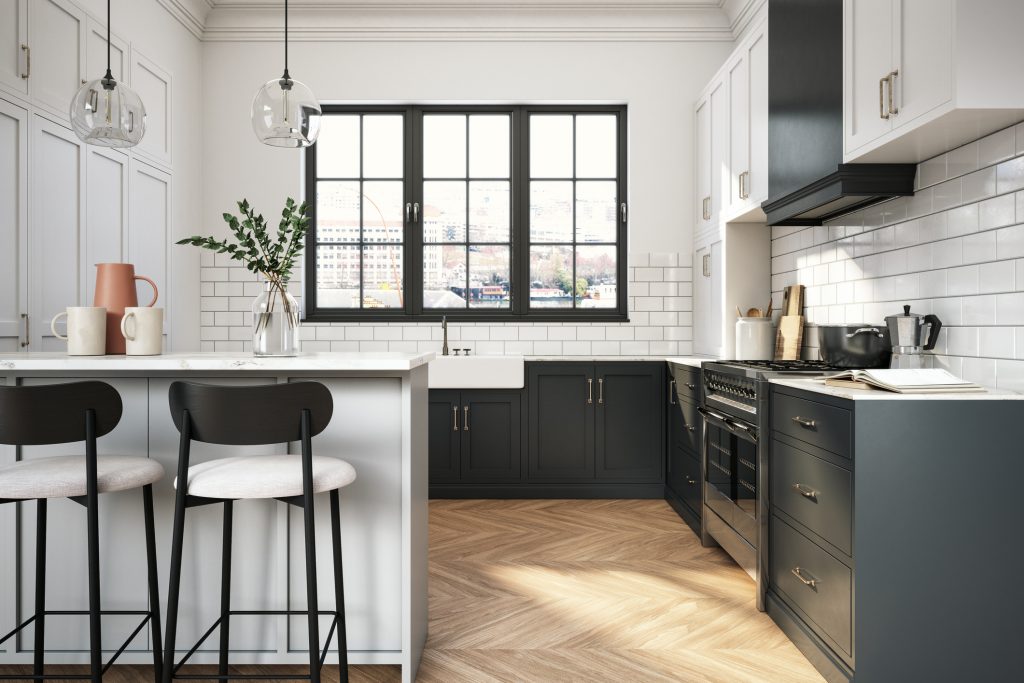
Image Source: Getty Images
2. Refresh Your Front Entry
Your home’s front entry is the key to making a lasting first impression and helps to enhance your curb appeal. Make a statement by giving your front door a fresh coat of boldly colored paint, look for stylish house numbers, and add classic front entry elements like a sitting bench or swing for ultimate comfort.
3. Improve Your Home Office
Whether you work remotely or in person, much can be done in a weekend to improve the functionality of your home office. Creating an environment conducive to your productivity helps to separate your office from the rest of your home, maintaining a balance between your work life and your home life. Situate your desk near a window to attract natural light. If the room has no windows, orient your seating so you’re facing the open space of the room. Experiment with therapy lights, ergonomic chairs, and soothing décor to make your office as comfortable as can be.
4. Curate Your Bathroom
In one weekend your bathroom can be transformed into a sanctuary of self-care. Refinishing your tub is a cost-effective alternative to a replacement. Start by removing any and all hardware, then sand the whole surface, filling in any cracks or holes with putty. Once you’ve sanded down the putty, apply multiple layers of primer and topcoat following the manufacturer’s instructions and buff the surface. Replace your vanity’s cabinet hardware and drawer pulls, matching them with your shower rod, faucet and shower head to tie the room together. Switch out your shower curtain and carpets for bold colors to liven up the space or choose neutral tones to create an organic feel.
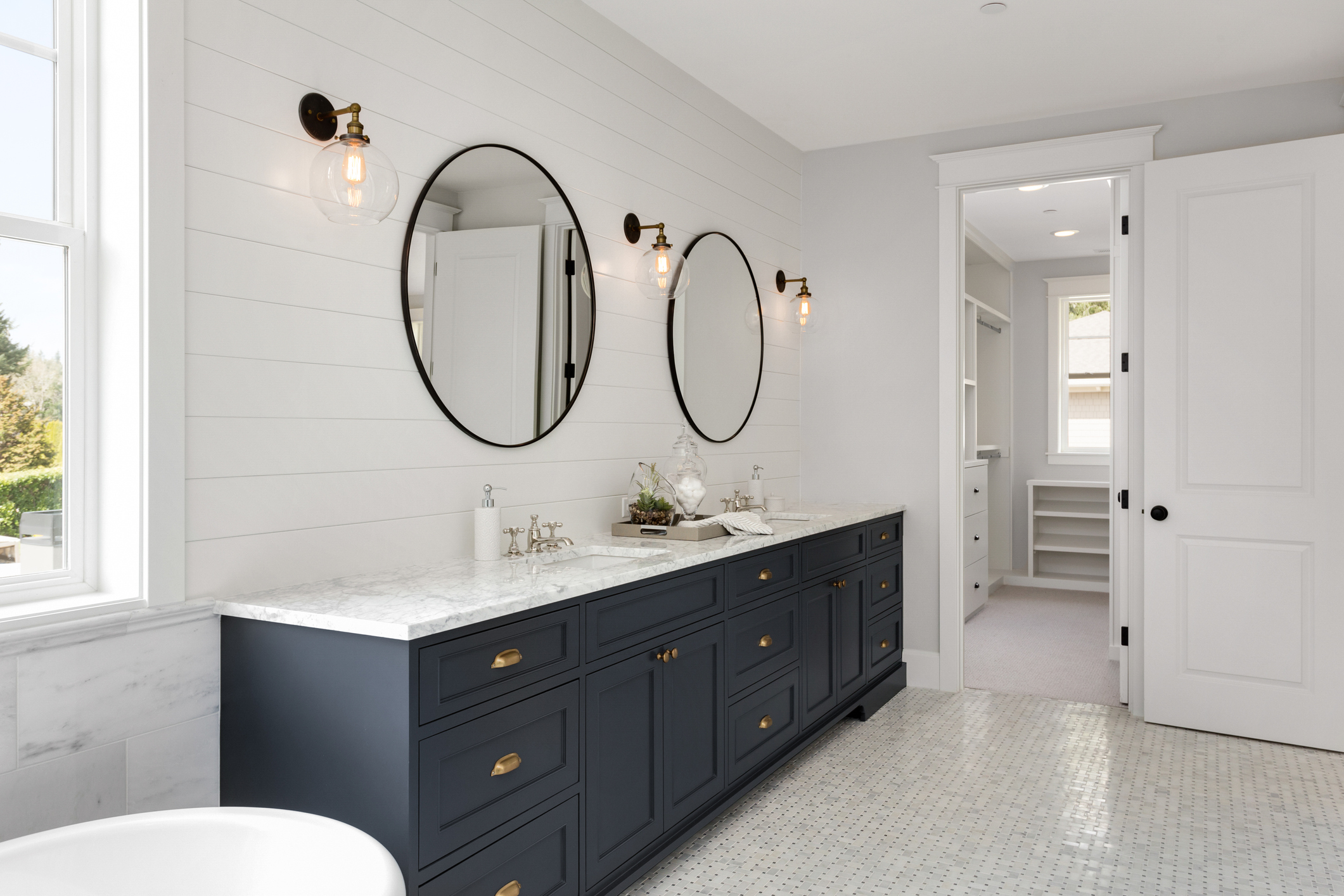
Image Source: Getty Images
5. Organize Room-By-Room
Spending a weekend organizing each room of the house is sure to make a big difference in the look and feel of your home. Bookcases and coffee tables are magnets for clutter in the living room. Start by emptying everything and sort the items into three piles: keep, dispose, donate, (this method of organization will do wonders for your closets and bedroom as well), and invest in storage bins to keep the space tidy. In the bathroom, organize the medicine cabinet and vanity drawers first. Get rid of expired medication, makeup, and toiletries. Take the same approach to your shower. Once you’ve gone through everything, reassess your shower shelving to fit your newly organized inventory. After working your way through your kitchen cabinets, consider either a hanging or wall-mounted pot and pan rack to save space.
6. Fix Up Your Fence
Whether your fence needs a simple wash, a new sealant or stain, or repair, tending to it will freshen up your yard while also extending the life of your fence. Power washers are a helpful tool in getting your fence clean before re-staining, but a sprayer that’s too powerful could damage the wood. Let the fence dry for one to two days before applying the stain. As long as any damage that needs repair is contained to a section of the fence, a weekend should be plenty of time to get it fixed. To replace any damaged rails, pry them off their posts with a crowbar or cut the damaged section out with a handsaw. When repairing fence posts, be sure to remove any rails that are connected to it.
7. Build a Fire Pit
Common fire pit materials include brick, stone, or cinder blocks. Outline your fire pit before you start digging. Once the hole is dug six to eight inches deep, fill in the hole with gravel until it is level with the ground. Choose your materials, fix the stones into the ground, compact them together, and enjoy your time by the fire. Check for local burn bans or regulations.
Simple Kitchen Makeover Ideas

Kitchen makeovers sit atop many homeowners’ wish lists, but they can be stressful and costly. However, there are simple projects you can tackle that will give your kitchen the look and feel of a total overhaul without breaking the bank.
Simple Projects
Backsplash
Giving your backsplash a makeover can do wonders for your kitchen. Get creative with colors or patterns that accentuate your home. Subway tiles are a common choice for a clean look. For homeowners looking to make more of a statement, mirrored and metallic finishes have become more popular in recent years. If your kitchen is in need of color, look to your backsplash project as an opportunity to brighten it up.
Lighting
Lighting is the gateway to changing the mood of your kitchen in an instant. Experiment with new light switch covers that emphasize your kitchen’s color palette. If you’re looking for a new centerpiece, linear pendant lights will deliver that coveted farmhouse feel. For a more regal look, explore chandeliers for a classy feel.
Freshen up your colors
Adding color is an affordable way to liven up your kitchen. Look for vibrant cookware and dinnerware and use open shelving to give some color splashes at eye level. Because of their large surface area, kitchen islands are a great place for color. Try painting around the exterior or the countertop to turn it into an eye-popping feature.
Organization
Drawers and Cabinets
Look for simple solutions that will work in your newly made-over kitchen. Drawer dividers can do wonders for creating space and staying organized. The insides of cabinet doors make a great home for spice racks. Set aside time to dig through your drawers and cabinets. Sort out what you need to get rid of and what will stay as you declutter.
Overhead Storage
A common space-saving tactic in restaurant kitchens is to hang pots and pans. This keeps heavy hardware organized, frees up cabinet space, and brings a touch of décor to your kitchen. Explore the different styles to fit the look of your kitchen including stainless steel, wood, copper, and more.
Things to Keep in Mind
If you’re looking to incorporate some bigger projects into your kitchen makeover, be sure to keep the following tips in mind to stay on budget and on schedule.
Buying cheap can be costly
When it comes to appliances, flooring, cabinets and other fixtures of your kitchen, it may be tempting to say yes to cheaper options. However, cheap materials and appliances can break easily and often require extra maintenance, which can lead to greater costs in the long run. If something is slightly more expensive but still fits in your budget, know that the higher quality will likely pay off.
Choose your appliances early
It’s easy to direct your attention to cabinets and countertops in the beginning stages of your remodel. However, the last thing you want to have happen is to pick those out first, only to discover that they don’t leave enough room for your dishwasher or refrigerator. Be sure to select your major appliances first, then build around them.
Consult professionals when applicable
For homeowners who are passionate about their home, it can be easy to get a little obsessive when it comes to remodeling. If you are unsure about how to proceed at any point in the process, consult a professional to guide you in the right direction. It may be helpful to seek the opinion of multiple experts and compare their answers to find the best solution.
These ideas offer simple ways to freshen up the heart and soul of your home. Whether your household is big or small, choose your projects, set a budget, and have fun improving your kitchen.
Kick-Starting a Kitchen Remodel
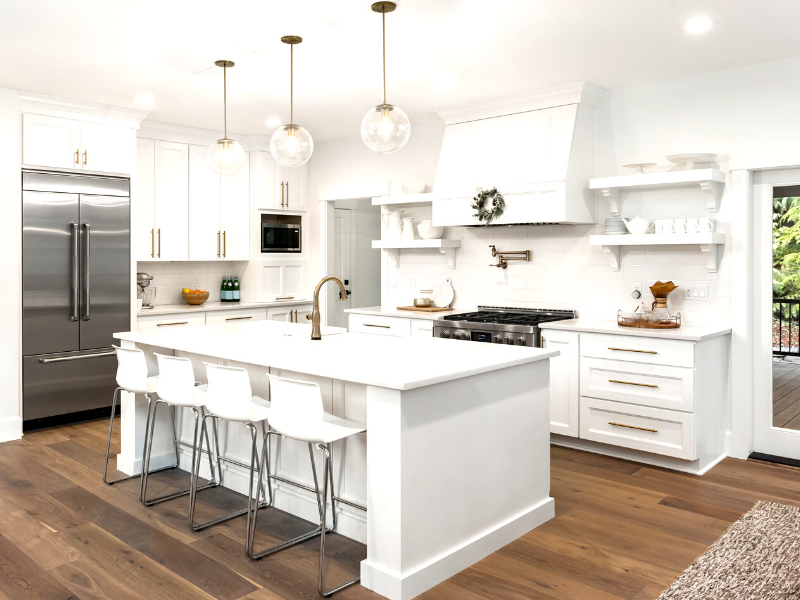
Ask a homeowner which room they would most like to improve, and most will point to the kitchen – the starting point for every meal and the heart of the home.
Choosing the Right Backsplash for Your Kitchen

Every chef’s kitchen should have a style that matches the delicious food that comes out of it. But even if you’re doing little more than making mac and cheese out of a box, your kitchen still can be a place of color and creativity. Kitchen backsplashes are nothing new, but they’ve seen a recent surge in popularity. We’re fortunate to see homes every day with creative takes on this tiling trend…
Why Not White Marble?
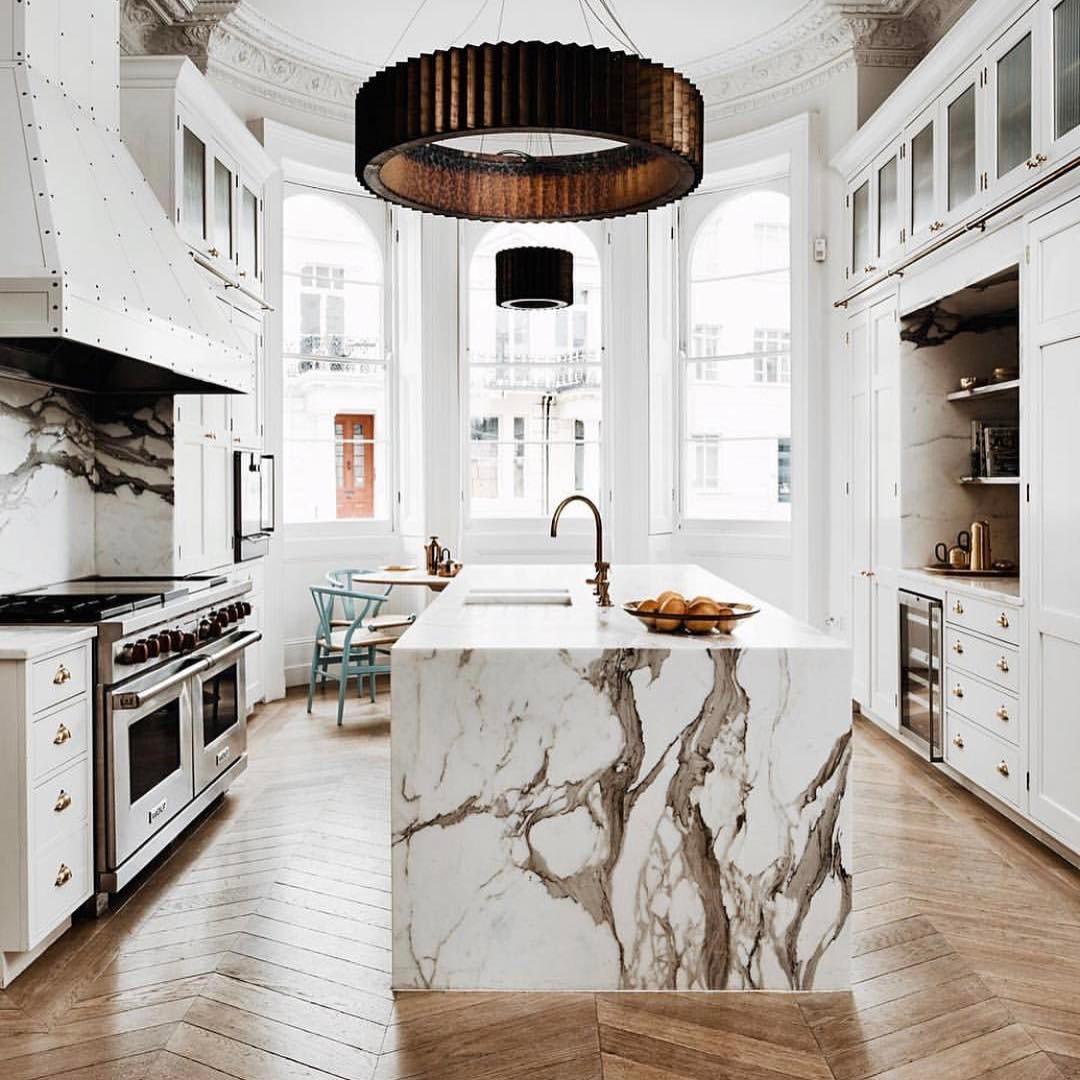
Are you thinking about replacing your kitchen or bathroom countertops? The choices are endless; tile, granite, soapstone, wood, or maybe marble? White marble often gets a bad rap because it’s a more porous metamorphic stone than most (which means it’s prone to stains and scratches), but we beg to differ, and here’s why.