Facebook
 X
X
 Pinterest
 Copy Link
Preparing Your Garage for an Electric Vehicle
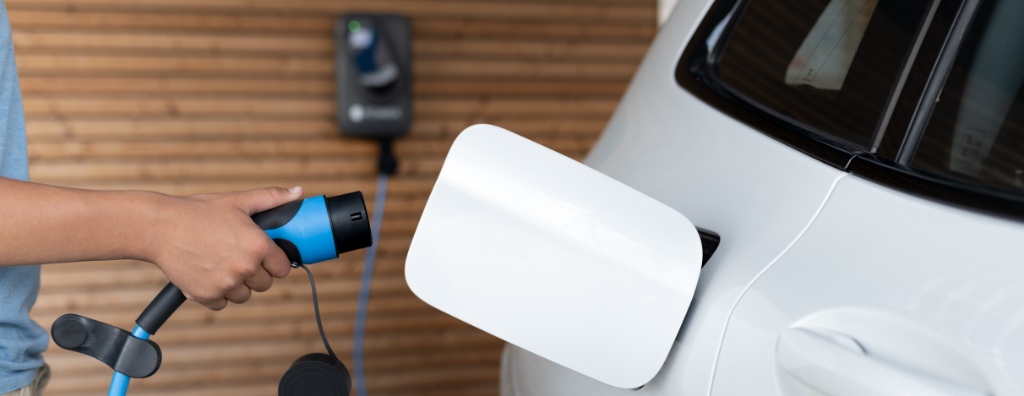
Electric cars help lower emissions and fuel costs, improve fuel economy, and bolster energy security. And considering the volatility of gas prices—and their general skyward trajectory—electric fuel shows promise as an economic alternative.
But switching to an electric vehicle entails more than new driving habits and a conversation piece with strangers. It’s also a lifestyle update.
The Life Expectancy of Your Home
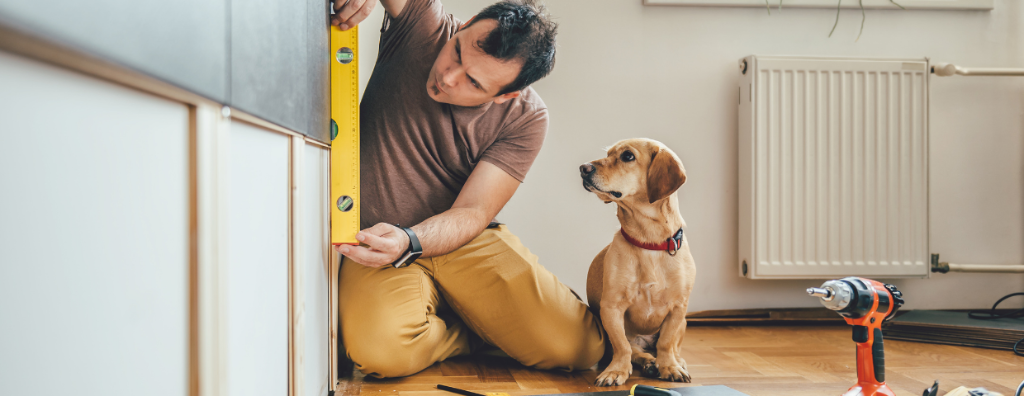
Every component of your home has a lifespan. Knowing how long they last can help when budgeting for improvements or deciding between repairing and replacing.
How to Stay Safe at Home During a Power Outage

A stormy night with the lights out can complicate things at home. But with the right preparation, you and your household can switch gears quickly and ride out the blackout period, however long it may last. Power outages can happen unexpectedly, so taking the necessary steps to have a plan in place should be a priority. We’ll walk through some essential steps to stay safe, calm, and cozy when the lights go out.
Lighting During a Power Outage
The first thing you’ll miss during a power outage is light. Make sure you have flashlights, candles, lanterns, and plenty of batteries readily available. Check your devices to see which size batteries they require and make sure you have all the necessary sizes on hand. LED lanterns are energy-efficient and will stay lit for a long time to provide some illumination during an extended blackout.
Emergency Kit
A well-stocked emergency kit is essential during a power outage. Make sure you have a substantial supply of non-perishable food, bottled water, and an assortment of basic utensils. Along with your emergency kit, keep a first aid kit handy to ensure you’re fully prepared for a blackout-related emergency.
Staying Warm During a Power Outage
Even though the lights in your home are out, that doesn’t mean you have to be uncomfortable as you wait for them to come back on. This is especially important if the power outage occurs during the colder months of the year. Keep plenty of blankets and extra layers of clothing close by to make sure you and your family stay cozy. If you have a portable heater that you plan to use, pay attention to the manufacturer instructions to avoid possible carbon monoxide poisoning.
Home Security
Home safety and security is vital during a power outage. Make sure your home’s security system’s motion-activation is still functioning properly, and if it has a backup system, check that too. Unfortunately, some burglars may see a blackout as an opportunity to take advantage of the low-visibility conditions. Lock your windows and secure the deadbolts on your door so you and your household can wait out the power outage in peace.
Preserve Food
Try to keep your refrigerator and freezer closed as much as possible. Use your perishable food rations in your emergency kit as a first option for a meal during the power outage and stick to other non-perishable food items in your pantry. Hopefully, the power will come back on soon enough and you’ll be able to resume your normal food preparation. But if you’re constantly opening the fridge and freezer while the power’s out, your food will spoil quickly, and you could have quite a mess on your hands. 7 Tips for Cleaning Your Appliances
Staying Entertained
Who says you can’t have fun during a power outage? With all your preparations in place, a blackout presents the chance for you and your household to enjoy some electronic-free activities. Have board games, books, arts and crafts materials, and decks of cards at the ready. If you have kids, plan some fun activities ahead of time that they’ll enjoy.
For more tips on emergency planning at home, visit the Living section of our blog:
Featured Image Source: Getty Images – Image Credit: ASphotowed
Here’s Your Fall Home Maintenance Checklist
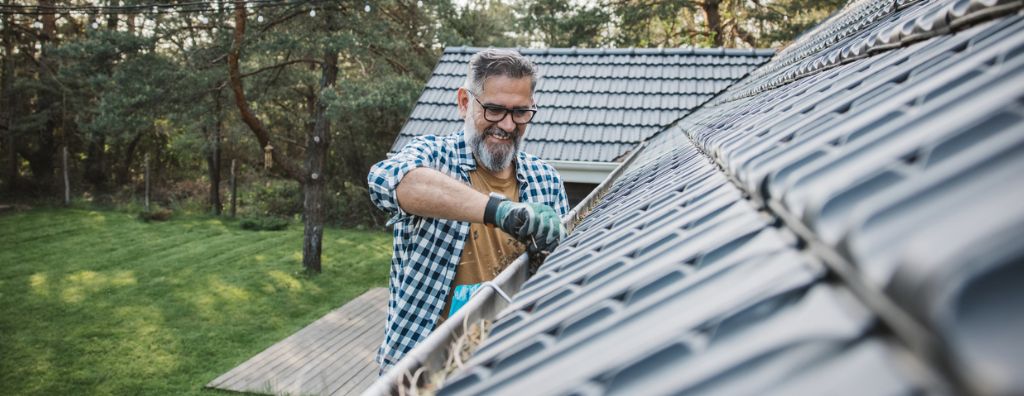
The leaves changing color is a sign that you may have some fall home maintenance tasks to tackle. With summer in the rearview and colder temperatures ahead, being proactive now will keep your home in pristine condition throughout the autumn days and nights. We’ve compiled a list of several tasks to tackle around your home this fall.
Fall Home Maintenance Checklist
Clean Gutters
Water damage can spell serious trouble for homeowners. And with many climates experiencing additional rainfall this time of year, it’s time to prepare accordingly.
- Start by ensuring that gutters and downspouts are functioning properly. (Don’t attempt this task yourself if you have a multi-story house with a steep roof; hire a professional instead.)
- If your home is surrounded by trees, you may need to clean out your gutters a few times a year, especially in the fall. Check to make sure your gutters are flush with the roof and attached securely, repairing any areas that sag or sections where the water can easily collect and overflow.
- Clean out the gutters and downspouts, checking that outlet strainers are in good shape, and are firmly in place. Finally, check that your downspouts direct water away from your house, not straight along the foundation.
- If you haven’t already, you may want to consider installing gutter guards. Gutter guards create a barrier so water can get through to your gutters, but debris can’t, limiting gutter buildup (and the time you spend cleaning out your gutters). There are DIY installation kits available, or you can always hire a professional to install a gutter guard system.
- If you have a sump pump under your house, now is a good time to test it. Run a hose to make sure draining water travels directly to the pump and that the pump removes the water efficiently and expels it well away from the foundation. For more information about how sump pumps work, go to howstuffworks.com.
Check for Leaks
The best opportunity to catch leaks is the first heavy rain after a long dry spell, when roofing materials are contracted. Check the underside of the roof, looking for signs of moisture on joints or insulation. Mark any leaks that you find and then hire a roofing specialist to repair them. Waiting for leaks to show up on your ceiling is a recipe for disaster. By then, it’s too late to act; insulation and sheet rock will have already sustained damaged, and you could have a mold problem on your hands.
Don’t forget the basement. Check your foundation for cracks, erosion, plants growing inside, broken windows, and gaps in the window and door weatherstripping. Make sure to properly seal any leaks while the weather is nice. This will ensure materials dry properly.
Fall Home Maintenance: Pest Prevention
Rodents are determined and opportunistic, and they can do tremendous amounts of property damage (and endanger your family’s health). As temperatures cool, take measures to prevent roof rats and other critters from moving in. Branches that touch your house and overhang your roof are convenient on-ramps for invaders, so trim back branches so they’re at least four feet from the house. If you do hear scuttling overhead or discover rodent droppings in your attic, crawl space or basement, take immediate action.
Maintain Your Heating and Cooling Systems
Preventative maintenance is especially crucial for your home’s heating and air-conditioning systems. Fall is a smart time to have your systems checked and tuned up if necessary. Don’t wait for extreme temperatures to arrive when service companies are slammed with emergency calls. Between tune-ups, keep your system performing optimally by cleaning and/or replacing air filters as needed.
If you have a wood-burning fireplace, a professional inspection and cleaning will help prevent potentially lethal chimney fires and carbon monoxide poisoning. Even if you don’t use your fireplace often, always keep a supply of dry firewood or sawdust-composite logs so you have a backup heat source in an emergency.
Insulate & Seal Your Home
Insulating your home is a cost-efficient investment, whether you’re trying to keep the interior warm in the winter or cool in the summer. Aside from more major improvements like energy-efficient windows and insulation, there are some quick fixes and projects that you can tackle DIY.
If an exterior door doesn’t have a snug seal when closed, replace the weather stripping; self-adhesive foam stripping is much simpler to install than traditional vinyl stripping. If there is a gap under the door (which can happen over time as a house settles), you may need to realign it and replace the vinyl door bottom and/or door sweep. Air also sneaks inside through electrical outlets and light switches on exterior walls. Dye-cut foam outlet seals placed behind the wall plates are a quick and inexpensive solution.
For more tips on seasonal home maintenance, home repair tips and more, visit the Living category of our blog:
Featured Image Source: Getty Images – Image Credit: svetikd
6 Home Cleaning Tips to Eliminate Household Odors

A home that smells fresh feels fresh. But as all homeowners know, even after spending hours cleaning your home top to bottom, musty and unclean smells somehow find a way to hang around. We’ll take a look at some of the most common household odors and offer home cleaning tips to eliminate them room by room. Plug your nose, throw on a pair of rubber gloves, and let’s dive in!
1. Get Rid of Kitchen Odors
In many ways, the kitchen is the heart and soul of a home, but all that cooking and baking comes with a consequence: bad odors. From rotting food to stale air, the kitchen can easily whip up bad smells to combat. Start by emptying your refrigerator and use warm, soapy water to wipe down the shelves. Dispose of expired food products and clean up leaking food containers. Deep clean your dishwasher next, scrubbing those tough-to-reach spots in the back and clearing out the food traps. Next time you take out your garbage and compost, give the trash cans a quick wash with soapy water. Natural cleaning solutions can also help to supercharge your cleaning efforts. Baking soda can easily cut through grease, while lemon and salt can make a powerful mixture to eliminate odors. For more, read the following blog post:
2. Bathroom Cleaning Tips
The toilet and the shower are the main culprits in the bathroom for unwanted odors. Proactively cleaning and regularly maintaining your toilet can prevent bad smells and potential water damage from material buildup. Don’t let that toilet scrubber collect dust; regularly clean the rings in your toilet bowl and use toilet spray to maintain freshness. Your shower is a magnet for mold growth, especially around the ring of your bathtub and along the bottom of your shower curtain. Use a one-part white vinegar to four-parts water mixture in a spray bottle to clean your shower curtain, or simply throw it in the wash for a solo cycle next time you do laundry.
3. Carpet Cleaning
Your carpet and flooring may not immediately come to mind as candidates for emitting household odors, but they are. It is generally recommended to clean all household rugs and carpets every six to twelve months. If you do not have a carpet cleaner at home, they are widely available for rent at local hardware and/or carpet cleaning stores. If you have hardwood floors, purchase a hardwood cleaning solution to mix with water. Consider picking up some knee pads, too!
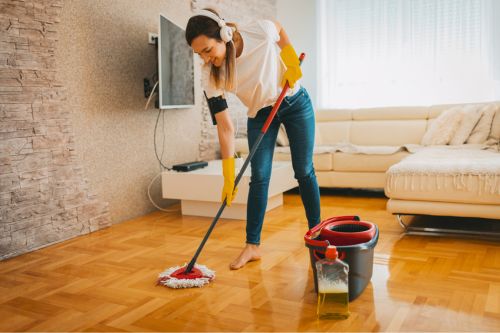
Image Source: Getty Images – Image Credit: Publishing Group
4. Eliminate Pet Odors
You can’t live without your furry friends, but sharing a home with them means you have to deal with some extra smells. Most importantly, clean up pet accidents right away to prevent lingering odors and potential damage. Regularly cleaning all pet toys eliminates germs and leaves them smelling fresh. The same goes for pet bedding and blankets: regularly run these items through the wash to absorb pet odors. And next time you’re at the store, consider picking up a pet-specific cleaning solution to really zap that pet must from the air.
5. Improve Home Air Quality
All odors travel to our noses by air. Improving air quality improves the health of your household while helping to eliminate odors. Consider investing in an air purifier with HEPA filters to remove dust, pollen, mold, and bacteria from the air in your home. Crack a window when cooking to let air cycle naturally and prevent it from getting stale.
6. Bedroom Cleaning Tips
In the bedroom, bad odors usually stem from fabrics and dirty clothes. Consider storing dirty laundry in the laundry room to banish all smelly clothing and add in a fabric freshener cleanse to your seasonal cleaning methods. After all, the bedroom is where you’re breathing air for hours at a time each night, so it’s worth it to purify your surroundings as much as possible. Also consider adding candles or essential oils to really sweeten the air in the bedroom.
For more helpful home cleaning tips, learn how to get your appliances cleaner than ever:
7 Tips for Cleaning Your Appliances
Featured Image Source: Getty Images – Image Credit: PeopleImages
Tips for Home Pest Control and Prevention
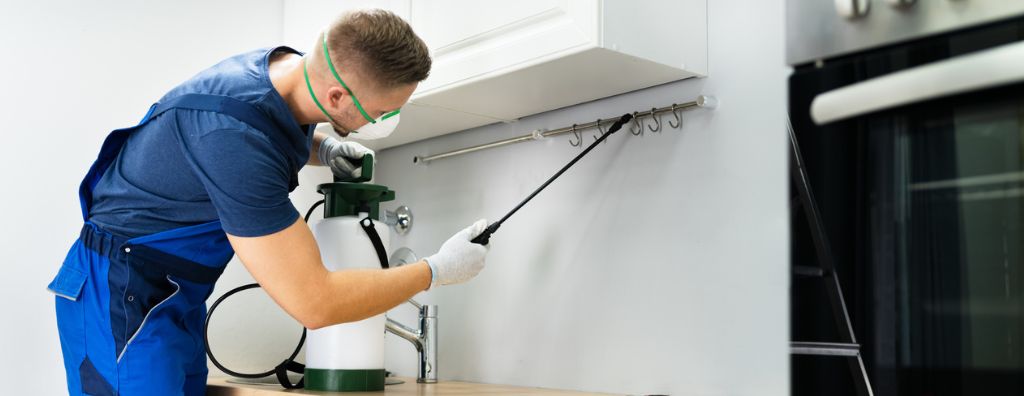
Any evidence of a pest infestation is a bad omen for homeowners. The last thing you want on your mind is the thought that critters could be crawling through your home, wreaking havoc as they go. Being proactive about home pest control can help you prevent an infiltration, and knowing what to do at the first signs of pest activity will help you limit the damage they cause.
Tips for Home Pest Control
Being a homeowner comes with the responsibility of protecting your property. Whether it’s a home security system to deter home burglaries, regularly cleaning to prevent mold growth, or testing for asbestos, you’ve got a lot on your plate. But these aren’t just nagging to-do-list items, they are important proactive steps that will help you avoid costly repairs. Preventing pests is no different; even the smallest bugs can do big damage. So, how do you stop them?
The best defense is a good offense, and keeping pests from getting inside will help reduce the damage they can cause. Though you may not be able to shut out every single bug, you can make it difficult for them. Cover holes with durable materials like steel wool and copper mesh to keep them out. Check all the seals and weatherstripping around your doors, windows, and on your roof, re-caulking as necessary to make them airtight, and patch up sections of torn window screens with new screen material. The gardener in you may enjoy the flourishing look of your plants, trees, and shrubs fully grown out, but if they’re touching your home’s siding or roof, it’s basically a highway express lane for pests headed indoors. Trim all landscaping away from your home to limit pest traffic and reduce your chances of them causing damage to your home.
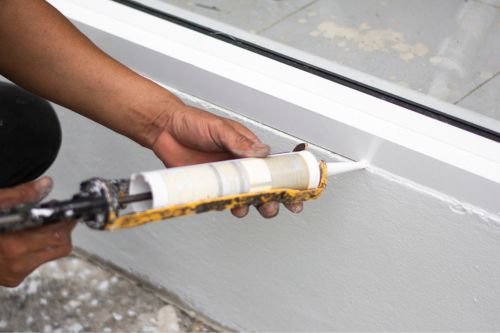
Image Source: Getty Images – Image Credit: StepPro
DIY Pest Control
Extra garbage, leftover food, and plumbing leaks will attract pests. Regularly take out your trash and dispose of compostable food scraps to keep the bugs at bay. If a leak springs, it’s like a magnet for certain pests looking to capitalize on the damage. This emphasizes the importance of taking steps to prevent water damage in your home and quickly repairing leaks when they happen.
- If you plan to use pesticides in your home to deter ants, bugs, and other pests, do so safely. Visit the Environmental Protection Agency (EPA) online for tips on how to correctly use pesticides in your home.
You can also use common pantry items to deter pests. A mixture of water and an essential oil like peppermint, lemon grass, or cedarwood sprayed along windows and doorways is a natural way to repel bugs. A little apple cider vinegar with dish soap in a small cup will help you attract and catch fruit flies, whipping up a quick white vinegar-and-water mixture will quickly clean up messes pests leave behind, and the strong smell of coffee grounds is powerful enough to stop them in their tracks. Learn more about how these food products can help you get your home sparkling clean:
If pests have gotten in your home and started causing damage, it very well may be too late for DIY preventative measures like these. In these situations, it’s best to contact a local licensed professional to exterminate as needed. Depending on the extent of the damage, you may be temporarily displaced from your home. Be sure to plan ahead if that’s the case.
For more information on home maintenance, read the following blog post on preventing mold growth:
How to Prevent and Deal with Mold
Featured Image Source: Getty Images – Image Credit: AndreyPopov
What Goes Into Owning a Waterfront Home?

A waterfront home offers surroundings unlike any other. Their prime locale and stunning views virtually guarantee a lifetime of relaxation, waterfront get-togethers, and summer nights under the stars. Waterfront homes have great potential as investment properties as well. But for all the perks waterfront homeownership offers, it comes with its own set of responsibilities, too.
Should I buy a waterfront home?
Beyond the lifestyle benefits, owning a waterfront home also has a significant financial upside. Because waterfront properties are more scarce than landlocked homes and their location is highly desirable, the buyer demand is generally high. As a homeowner of these special properties, you can rest assured that a well-maintained waterfront home will generate significant buyer interest when you’re ready to sell. A property with any combination of water views, boat slips, docks, and water access is a recipe for appreciation over time.
A waterfront property is a popular choice for homeowners who are in the market for a second home, or even as a primary residence for those looking to eventually move into their vacation home when the time is right. They’re also primed for converting into a short-term rental. Due to their location, they have a competitive advantage over many other short-term rentals. Depending on the local laws and any relevant Homeowners Association rules, waterfront homes can be rented out year-round or seasonally. For example, if you decide to rent out your home during the summer, you’re able to capitalize on seasonal demand.

Image Source: Getty Images – Image Credit: bradwieland
Owning a waterfront property also comes with extra risks you’ll need to keep in mind. Weather conditions can be extra harsh on these homes, given the fact that they’re situated face to face with nature in a way most homes aren’t. Make sure you have proper coverage through your homeowners insurance policy and inquire about the need to purchase additional wind, flood, or hazard coverage. Local climate dictates what a comprehensive coverage plan will look like for your home, but what’s important is that you’re fully covered.
Something else to keep in mind is that beyond the typical tasks associated with owning a home, waterfront structures like retaining walls, boat lifts, and docks require a certain amount of ongoing maintenance. As the seasons change, so will your responsibilities as a homeowner. Properly winterizing a waterfront property requires a few additional steps beyond the typical routine, depending on how low temperatures dip during winter in your area.
For more advice on home maintenance, repairs, remodeling and more, visit the Living section of our blog:
Featured Image Source: Getty Images – Image Credit: Markanja
How to Fix Your Toilet
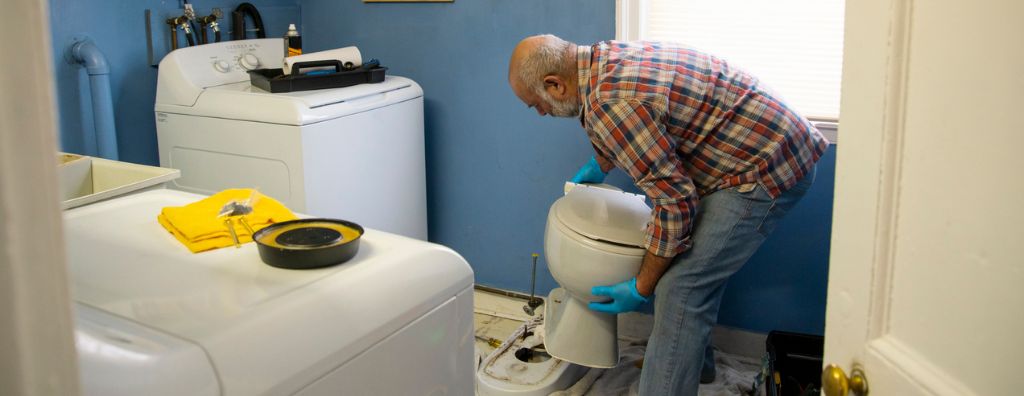
A homeowner’s life is filled with mini hazards that pop up at a moment’s notice. Our appliances make life easier, but they are subject to malfunction. A broken toilet interrupts your day and can cause serious water damage, which emphasizes the importance of timely repairs. The following tips to fix your toilet will help you get your water system and your home life flowing properly again.
If these repairs are beyond your capabilities, don’t hesitate to call a professional plumber.
Problem: there’s water around the base of the toilet
A leaking toilet can have you dealing with the perils of a water damage emergency in no time. If there’s water around the base of your toilet, that’s a telltale sign that the leak has sprung from the wax ring seal. You’ll have to remove your toilet to replace it.
How to Fix a Leaking Toilet
- Use a wrench to disconnect the water supply from the shutoff valve. Drain the tank until all water is removed from the bowl.
- Disconnect the water supply valve from the toilet tank. Using a screwdriver and wrench, remove the caps on the base of the toilet and the hex bolts beneath them.
- Grab the toilet by the bottom and lift it from the ground. Set it aside on material that will prevent damage to your bathroom floor, like a towel or blanket.
- Remove the old wax gasket from the flange and install a new one on it by centering it on the flange and pressing it down into place.
- Reinstall the toilet by placing it on the bolt holes, keeping it level as you go. Use your weight to press down on the toilet bowl before putting the bolts back in. This helps to compress the new gasket. Caulk around the base of the toilet if needed.
- Reconnect the water supply to the shutoff valve and open it before giving your new toilet a test flush. If there are no leaks, you’re done!
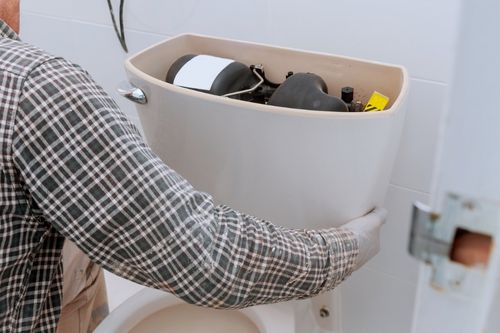
Image Source: Getty Images – Image Credit: photovs
Problem: the toilet won’t stop running
Another common issue homeowners face is a running toilet. The constant sound of running water coming from your bathroom isn’t just annoying; it wastes water and can cause spikes in your utility bills. A running toilet is typically due either to a faulty flapper or the water level being too high in the tank, causing overflow.
How to Fix a Running Toilet
- The most common cause of a running toilet is that the flapper chain is caught on something. To check for this issue, take the top off the tank to see if the chain is too taught. If so, see if you can release it, after which the flapper should fall into place and stop the run.
- If the flapper or the chain are compromised, they’ll need to be replaced. But no sweat, that’s easy! Start by shutting off the water supply and drain the tank by pulling up on the flapper chain. Remove the flapper by unhooking it or removing the ring that holds it in place. Pick up a new matching flapper at your local hardware store and reverse the process to install it and reconnect the chain. If this doesn’t solve your running toilet problem, it may be a larger issue, such as the flush valve.
Problem: the toilet isn’t flushing correctly
If your toilet isn’t flushing correctly, there’s likely something wrong with the flush handle or the water level, or it could be a clogging issue.
How to Fix Flushing Issues
- Tighten the flush handle if it’s loose and see if that solves the problem. When you do, make sure the flush lever is working properly. If there’s too much slack in your lift chain, it won’t trigger a proper flush. Make sure it’s not too loose, but not so tight that it can’t flush properly either.
Problem: the toilet has started wobbling
Sometimes homeowners will suddenly notice their toilet feels uneven or is rocking slightly. This is usually because the flange that connects to the drainpipe is sitting higher than the floor.
How to Fix a Wobbly Toilet
- The best fix is to wedge shims under the base of the toilet and caulk the area to solidify it.
For more tips on home maintenance, read the following blog post about controlling mold:
How to Prevent and Deal with Mold
Featured Image Source: Getty Images – Image Credit: Fertnig
Simple Garage Makeover Ideas
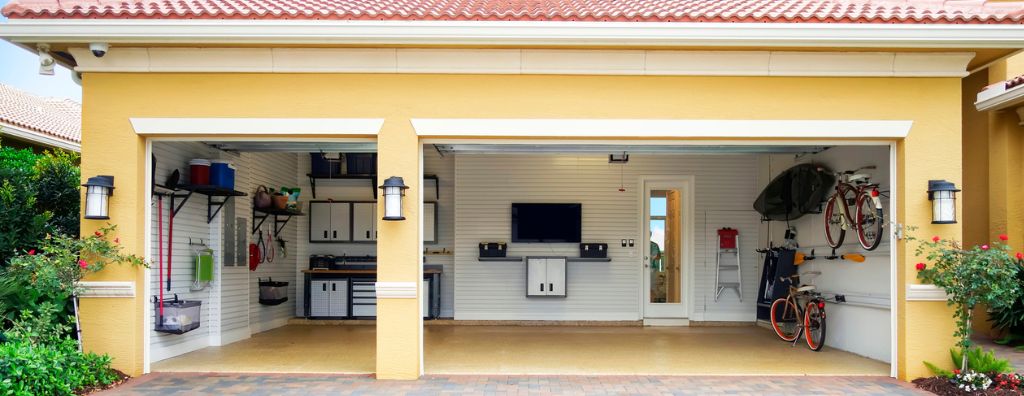
For some homeowners, the garage is the focal point of their home. For others, it is simply a storage space or a place to park their vehicle. Regardless of how you use your garage, these simple garage makeover ideas can help keep you organized, boost your curb appeal, and increase your home’s value.
Simple Garage Makeover Ideas
Garage Exterior
The garage door is a natural starting point for your garage makeover. A garage door replacement is a surefire way to increase the value of your home and is a common tactic for drumming up buyer interest when preparing to hit the market. But even if you don’t have the budget for a full-scale replacement, a DIY garage door makeover can still make a big difference.
Repaint Garage Exterior
Begin by prepping your garage door for a fresh coat of paint. Clean and scrub the surface with warm soapy water. Scrape off any loose paint with a putty knife or wire brush. If scraping manually is too taxing for you, use a wire wheel brush tool. Rinse and clean the door, letting it dry completely before you begin painting.
Once you’ve covered your driveway with a tarp or plastic sheeting to protect it from paint spills, you’re ready to begin painting. Choose a complimentary color for your trim to tie together your home’s exterior color scheme. Check out different styles of garage door hardware options that match the style of your home, choose your layout, and install the pieces.

Image Source: Getty Images – Image Credit: hikesterson
Garage Interior
As you turn your attention to your garage’s interior, consider refinishing the floor first. By starting with the floor, you won’t have to continually shuffle your garage items around as you continue your makeover. If you’re considering converting your garage into a home gym, factor that in as you work on the flooring.
Start by fixing any cracks or holes with a basic patch kit. Once the surface is flat, sweep and mop from end to end. If you are removing a previous layer of paint, use a buffer to jar the old paint loose before repainting. Finishing your garage floor off with epoxy will help protect it from stains and damage. Apply two coats of epoxy twenty-four hours apart, followed by a sealing topcoat.
Organize Your Garage
In just a few steps, you can turn your garage from a cluttered oversized closet into an organized storage space. Start by taking inventory of the items in your garage. Do you have lots of tools? Is the space filled with sports equipment? Grouping like items together will keep your storage orderly. Next, decide where you would like to store your items. Overhead storage racks, rollers, and ceiling storage can significantly cut down on clutter, but these storage options are best reserved for infrequently accessed or seasonal items like holiday decorations and camping gear.
Keep frequently used items within reach. Magnetic wall panels are a great resource for your everyday tools and gardening equipment. Install shelving and drawers near your workbench to keep smaller hand tools, screws, and nails tidy and organized and add labels so you can keep track of them. If space is limited, consider a wall-mounted foldable workbench.
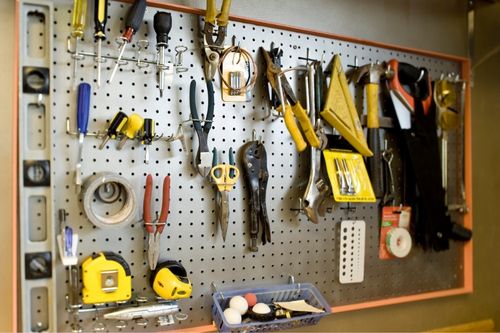
Image Source: Getty Images – Image Credit: Bluberries
Add Finishing Touches
Now it’s time to put the final touches on your garage makeover. Though installation may require the help of a professional, adding electrical outlets will pay dividends for the functionality of your garage. Installing bike hooks on the ceiling will help to save floor space and may provide just the clearance you need to park a vehicle inside. Lastly, consider upgrading your lighting. Newly installed lights will add value to your garage and make it safer.
For more simple design projects that can give your home a makeover, read the following:
5 Design Projects to Improve Your Backyard
Featured Image Source: Getty Images – Image Credit: JodiJacobson
13 Appliance Tips & Hacks for Household Chores
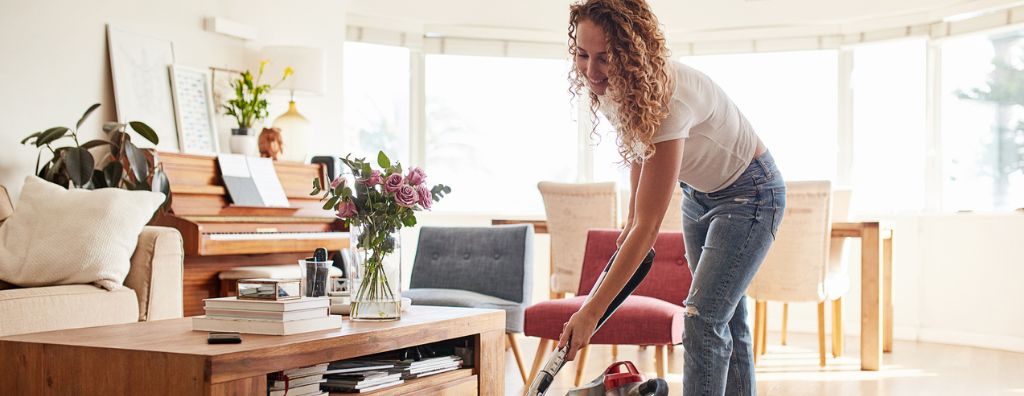
Modern home appliances make our lives so much easier: They tackle dreaded household chores, saving us time and effort. There are lots of ways to use them, however, that you may not have thought of before. From cleaning your ceiling fixtures in the dishwasher to vacuuming your pet, here are 13 little-known tricks for getting more than your money’s worth from your appliances.