Facebook
 X
X
 Pinterest
 Copy Link
Planning Ahead: A 12-Month Guide to Buying Your First Home

Thinking about buying a home can be daunting, especially if it’s your first time. What should be an exciting milestone can feel overwhelming without a clearly defined roadmap, and diving in headfirst without a solid plan can lead to unnecessary stress, financial surprises, and missed opportunities. However, by establishing a timeline and breaking the process down into manageable steps, you can move forward with confidence and clarity.
Here is your month-by-month guide to preparing for a successful home purchase in the following year.
12 – 10 Months Out
Know Your Why
Understand your motivation for buying. Are you relocating, growing your household, or ready to invest in your future? Clearly defining your “why” will help shape your search criteria and influence your budget, location, and timeline.
Set Clear Goals
Start to think about what you want in your new home. Create a list of your wants versus must-haves, including location, budget, size, and style of home. These goals will act as a compass throughout your search. Be sure to include your ideal timeline and what you hope to get out of the overall experience.
Find an Agent That Prioritizes Your Goals and Timeline
A trusted real estate agent is more than just a facilitator; they’re a guide, negotiator, and advocate. Look for someone who understands your timeline and long-term vision and is familiar with the local market. Ask them to provide a first-time buyer’s guide or checklist to help you get started. Building this relationship early allows your agent to understand your needs and preferences in advance, setting the stage for a smoother process when you’re ready to make your move.
9 – 7 Months Out
Assess Your Finances
Take a close look at your income, debt, and spending habits. Use this time to create a monthly budget that includes future mortgage payments, utilities, insurance, taxes, and home maintenance. Many experts recommend spending no more than 28% of your gross monthly income on housing costs.
Boost Your Credit
Your credit score has a significant impact on your buying power, including your mortgage rate and loan approval. Take the next few months to pay down high-interest debt, stay current on all payments, and avoid opening new credit accounts. Check your credit report for errors and work on improving your score if needed.
Start Saving
You’ll want to have enough set aside not only for a down payment, which is typically 3% to 20% of the purchase price, but also for closing costs, moving expenses, and initial home repairs or furnishings. During this time, try to avoid nonessential major purchases and think about setting up a dedicated home savings account to stay consistent.
6 – 4 Months Out
Talk to a Financial Advisor
A financial advisor can help you align your financial goals with your homebuying plans. They can offer advice on what you can realistically afford and help identify areas to strengthen your financial readiness. You can also use tools like an online mortgage calculator to get a clearer idea of what your future monthly payments might look like.
Research Homebuyer’s Courses & Guides
Take advantage of first-time homebuyer resources, guides, and online courses. The more you know earlier on, the more confident you’ll feel.
3 – 2 Months Out
Familiarize Yourself with the Market
Start browsing homes and monitoring prices in the neighborhoods you’re interested in. Learn whether your local market is currently favoring buyers or sellers and what that could mean for your strategy.
Meet with a Lender and Get Pre-Approved
Meeting with a lender and getting pre-approved can help give you a clear picture of how much you can borrow and what price range to shop within. It also shows sellers that you’re a serious buyer when the time comes to make an offer. Your realtor can recommend trusted lenders to work with and assist you through this process.
Start Your Home Search
Now that you have your list of wants and needs and know your price range, you’re ready to start searching for your dream home. Use online property research tools to filter by location, features, and price to see what’s available in the locations you like. Narrow down your top homes and start scheduling showings and comparing listings.
1 Month Out
Make an Offer
Once you find “the one,” your agent will help you craft a competitive offer, negotiate terms, and guide you through contingencies.
Get a Home Inspection
If your offer is accepted, a licensed inspector will identify any issues with the property before you finalize your purchase. Depending on what comes up, this can give you leverage to negotiate repairs or price adjustments.
The Time Has Come
Closing On Your New Home
You’ve made it! During closing, you’ll sign paperwork, pay final costs, and receive the keys to your new home. Your agent and lender will walk you through the final steps to ensure everything goes smoothly.
Buying a home may seem like a big leap, but with a solid 12-month plan and the right support, it can be an extremely rewarding experience. Take it one step at a time and know that a trusted agent is here to help whenever you’re ready.

Real Estate Contingencies: What They Are and Why They Matter

Imagine a home-buying scenario where you make an offer, the seller immediately accepts, and everything goes smoothly until you’re handed the keys. It’s possible, but more often, buying a home involves negotiation, counteroffers, and a back-and-forth dialogue between buyer and seller to reach a deal. And in some cases, the deal can fall through.
That’s where contingencies come in.
Contingencies are built-in protections within a real estate contract. They help both buyers and sellers navigate the natural ups and downs of the home-buying process by setting clear conditions that must be met for the sale to go through. For buyers, they also provide important safeguards, along with strategic tools to shape and strengthen their offer. Whether you’re a first-time home buyer or you’ve bought before, you should be aware of common real estate contingencies and the role they play in making an offer on a home.
Making a Contingent Offer on a Home
Once you and the seller agree on the price of a home, both parties have certain responsibilities before closing. Buyers are responsible for securing financing, scheduling a home inspection, and getting the property appraised. Sellers are responsible for prioritizing the offer on the table and opening their doors to the home inspector when the time comes. The agreed-upon contingencies included in the contract define what happens if something doesn’t go as planned.
Contingencies present a spectrum of options to home buyers, allowing them to walk away from a real estate transaction with their earnest money intact or renegotiate the contract. And while including contingencies offers protection and negotiation leverage, removing them can be an effective strategic move too, especially in a competitive market.
In a seller’s market, competition amongst buyers is high, and they often face multiple-offer situations. It’s not uncommon to see escalation clauses, bidding wars, and all-cash offers as buyers try to stand out and strengthen their position. To sweeten their offers in such market conditions, buyers will typically waive their contingencies. However, while waiving contingencies can make for a more attractive offer, it also presents increased risk due to lack of protection. That’s why it’s necessary to understand each contingency and carefully consider what makes the most sense for your situation.
Common Real Estate Contingencies
Home Inspection Contingency
After you’ve made an offer, a professional home inspector will thoroughly examine the property before the deal is finalized. If issues are uncovered, this contingency allows you and your agent to request repairs, present the seller with a new offer that accounts for the home’s lessened condition, or cancel the contract entirely.
Financing Contingency
Also known as a “mortgage contingency,” a financing contingency gives the buyer a specified period of time to secure adequate financing to purchase the home. Even if you are pre-approved for your mortgage, you may not be able to obtain the right loan for the home. If you are unable to finance the purchase, this contingency allows you to back out of the contract and recover your earnest money, and the seller can re-list the home.
Appraisal Contingency
An appraisal contingency states that the home must appraise for, at minimum, the sales price. In other words, it is to make sure the home is worth the agreed-upon price. It allows you to walk away from the deal if the property’s appraised value is lower than the sales price and typically guarantees that your earnest money will be returned.
Home Sale Contingency
If you’re buying a new home while selling your current one, you may want to include a home sale contingency in your offer. This contingency specifies the date by which you’ll need to sell your current home in order to move forward with your offer. If you don’t sell your home by the specified date, the contract is terminated. Home sale contingencies are financially appealing in that they allow buyers to use the proceeds from their home sale to fund their new home purchase. However, these contingencies force sellers to wait until the buyer’s current home sells, which means they likely won’t accept such offers in competitive markets.
Title Contingency
Before the sale of a home goes final, a search will be performed to ensure that any liens or judgments made against the property have been resolved. A title contingency allows you to raise any issues you may have with the title status of the property and stipulates that the seller must clear these issues up before the transfer of title can be completed. If an unpaid lien or unpaid taxes turn up in the home’s title search, this contingency also allows you to back out of the deal and look for another home.
To learn more about preparing a winning offer, connect with a local, experienced Windermere Real Estate agent.
Is Downsizing Right for You? Here’s How to Decide

Choosing less space often has to do with a desire to live a life that’s simpler. Whether you’re retiring, want an eco-friendly, low-maintenance lifestyle or your children have moved away, downsizing might be the best option for you. Here are the advantages and disadvantages to consider before making the move and questions to begin asking yourself now.
How to Increase Your Buying Power

One of the best ways prospective home buyers can empower themselves when purchasing a home is to improve their buying power. The numbers may seem daunting but identifying ways to strengthen your financial standing will help you each step of the way.
When visualizing your dream home, it’s common for buyers to focus on the physical characteristics. But to mortgage lenders, a home is a numbers game. The following categories related to your buying power demonstrate how lenders identify your financial standing and determine your eligibility for a home purchase. Improvements in these areas will increase your buying power, propelling the strength of your offer when you’re ready to put it on the table.
How to Increase Your Buying Power
Increase Savings For Your Down Payment
As the saying goes, cash is king. The down payment—often 20% of the home’s sale price—can sometimes be the deciding factor between competing offers for a particular home.
Try stashing away a little of each paycheck to build up your savings over time. Set a savings goal, commit a dedicated amount to each pay period, and watch the savings build as time goes on. If you prefer to keep your money separate, open a new account to which you can dedicate the added savings. Another way to save for your down payment is to generate additional income. If you have interest or experience in an area outside of your current job, explore opportunities for part-time work and dedicate the income earned to your down payment savings.
There are numerous benefits to offering a serious down payment. Putting 20% or more down can help your offer stand out, it may allow you to negotiate a lower interest rate on your mortgage and could remove the need for private mortgage insurance (PMI).
Improve Your Credit Score
Plain and simple—a better credit score leads to better interest rate on your mortgage. Your payment history, amounts owed, length of credit history, credit mix, and new credit all factor into your credit score. Although improving it will not happen overnight, a higher credit score will pay dividends in the long run.
To improve your credit score, focus on paying down your credit cards, especially those with high interest. Refrain from opening new lines of credit that aren’t necessary and stay away from large purchases leading up to the time when you are preparing to make an offer. Keep in mind that student loans factor into your financial picture. Paying them off consistently will improve your financial standing in the eyes of lenders.
Stabilize Your Debt to Increase Buying Power
When assessing what you can afford, banks will examine your debt-to-income ratio. Lenders want to know that you’ll be able to pay your mortgage on top of your remaining debt.
They do this by looking at your housing ratio, or front-end ratio, to determine what portion of your income will go to paying your mortgage. Your front-end ratio is calculated by taking your monthly mortgage payment and dividing by your monthly gross income. The higher the ratio, the higher risk of default.
Next, your back-end ratio, or debt-to-income ratio, is used to determine how much of your monthly income goes toward paying your debts. Your back-end ratio is calculated by taking your monthly debt expense (the principal, interest, taxes, and insurance of your mortgage payments, credit card payments, student loans, and any other loan payments), and dividing it by your gross monthly income.
Similar to your credit score, paying off credit cards, and making steady, consistent progress on your loans will help to decrease your debt and improve your debt-to-income ratios, which will increase your buying power.
Although these aspects of your finances don’t cover everything that goes into the purchase of a home, they do play a significant role in how lenders assess your financial standing and thereby eligibility for approval. Increasing your buying power takes time and strategy. Plan accordingly so that when you find your dream home, you’re in the best position possible to buy it.
To connect with an experienced Windermere agent, get started here:
Eco-friendly Upgrades to Consider When Buying a Home

Buying a home is one of the largest investments you’ll make in your lifetime, which is why it’s important to take a long-term approach when looking at potential properties. In addition to imagining what your living situation will be over the next few decades and how your future home will accommodate it, you may also want to consider the impact you and your household will have on the environment.
Whether you’re buying a fixer-upper, a home that is move-in ready, or something in between, here are some eco-conscious things to consider as you’re shopping for a home.
HVAC Systems
How you heat and cool your home’s interior is one of the biggest contributors to your energy expenditure.
As you look at homes, be sure to look at the furnace, heat pump, or AC unit. Are they up to date or could you replace them with something more efficient? If you have the opportunity, check to see how well insulated the house is. If that’s not an option, be sure to ask during the home inspection to see if there is enough to keep your home warm in winter and keep the heat out during warmer weather.
If you are one of the many would-be homeowners who are considering going solar, look for homes that have a significant area—usually the roof—that faces to the south and isn’t obstructed by trees or taller houses.
Appliances
In most cases, the home you purchase will come with the appliances that are already in it. Do the homes you’re viewing have Energy Star-certified appliances in the kitchen and laundry room? If not, is upgrading to a more energy-efficient oven, refrigerator, washing machine, or dryer in your budget?
. And be sure to look for rebates or tax credits in your city or state that reward these kinds of upgrades.
Windows
It doesn’t matter how efficient your heating and cooling systems are if your windows are letting the air escape through leaks in the seals or old, thin glass. Upgrading to properly sealed dual-paned windows can seem costly, but the savings in energy bills will quickly show an ROI. Tax credits and rebates may apply here as well.
More: Top Things to Consider When Choosing Your Window Style
Roof
If the home you’re making an offer on needs a new roof, you have lots of eco-friendly options to consider. Homes in sunnier climates could see energy savings by installing a “cool” roof that absorbs less heat due to its light or white color. Today’s roofing can be made of reclaimed materials, including recycled shingles, slate, or tile. These may cost a little more, but the peace of mind you get from keeping these things out of landfills is priceless.
If you’ve got a green thumb and want to show it off with the top of your house, a living roof may be right for you. Living roofs rely on native vegetation to both clean the air and insulate the home as well as absorb rainwater. This kind of roof is best for houses with less of an angled profile and that have easy access to the roof for regular maintenance.
Landscaping
The greenest yard isn’t the one with the most luxurious grass; it’s the one that requires the least amount of water and chemicals to maintain. Native plants and xeriscaping are natural choices for low-maintenance outdoor spaces. You can also consider gravel, paving stones, or turf instead of grass and decorate with large rocks or reclaimed wood. Trees that shed their leaves in the fall provide shade in the summer months, habitats for hibernating animals and insects in winter, and mulch for the rest of your yard in the spring.
More: Landscaping Tips that Can Increase Your Home’s Value
Water Heater
We all love a warm shower, of course, but traditional water heaters are one of the least efficient appliances in our homes. Heating up water takes a lot of energy and keeping it at a high temperature takes even more. Tankless water heaters, on the other hand, heat water on demand rather than wasting energy to maintain it. In addition to the energy savings, tankless water heaters mean you never run out of hot water—no more frigid showers!
What is Wire Fraud and How to Avoid It

A fast-growing form of cybercrime, wire fraud has led to major losses for homebuyers in recent years. Get to know what it is and what steps you can take to avoid it.
Buying with Your Pets in Mind

For many of us, pets play a central role in our home life, so taking into account what is best for them when buying a home is important for both their happiness and that of your entire household.
To Buy New or Old, That is the Question
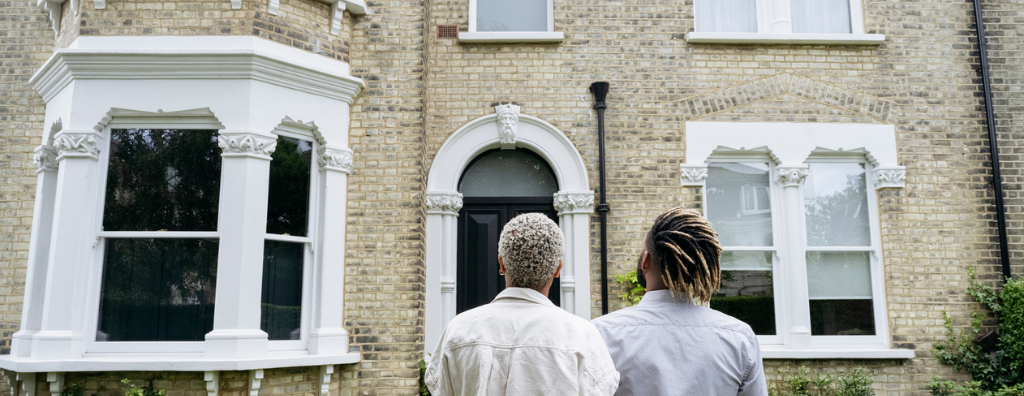
If you’re shopping for a new home, there are a number of factors you need to consider in order to narrow down your search criteria. Because before you can get too deep into your home search, you need to identify your needs, figure out your wants, and decide if there are any deal breakers that don’t work for you, such as the age, style, and location of your dream house. As you weigh the option between a new build or an older resale, here are six differences to note.
The Neighborhood
Surprisingly, one of the biggest factors in choosing a new home isn’t the property itself, but rather the surrounding neighborhood. While new homes occasionally spring up in established communities, most are built in new developments. The settings are quite different, each with their own unique benefits.
Older neighborhoods often feature tree-lined streets; larger property lots; a wide array of architectural styles; easy access to mass transportation, restaurants, and local shops; and more established relationships among neighbors.
New developments are better known for wider streets and quiet cul-de-sacs; controlled development; fewer above ground utilities; more parks; and often newer public facilities (schools, libraries, pools, etc.).
Consider your daily work commute, too. While not always true, older neighborhoods tend to be closer to major employment centers, mass transportation, and multiple car routes (neighborhood arterials, highways, and freeways), and new construction homes are usually found on the outskirts of city limits where there’s more land available for the development. The main exception being new townhouses on lots in the middle of established neighborhoods.
Design and Layout
If you like Victorian, Craftsman, or Cape Cod style homes, it used to be that you would have to buy an older home from the appropriate era. But with new-home builders now offering modern takes on those classic designs, that’s no longer the case. There are even modern log homes available.
Have you given much thought to what type of floor plan you want? If you have your heart set on an open-concept layout with an entertainment kitchen, spacious primary suite, and walk-in closets, you’ll likely want to buy a newer home—or plan to do some heavy remodeling of an older home. Unless they’ve already been remodeled, most older homes feature more closed floor plans with structural separation between rooms.
If you have a specific home décor style in mind, you’ll want to take that into consideration, as well. Professional designers say it’s typically best if the style and era of your furnishings match the style and era of your house. But if you are willing to adapt, then the options are wide open.
Materials and Craftsmanship
Homes built before material and labor costs spiked in the late 1950s have a reputation for higher-grade lumber and old-world craftsmanship like hardwood floors, old-growth timber supports, ornate siding, artistic molding, etc.
However, newer homes have the benefit of modern materials and more advanced building codes, such as copper or polyurethane plumbing, better insulation, double-pane windows, modern electrical wiring, earthquake/ windstorm supports, and so on.
Current Condition
The condition of a home for sale is a top consideration for any buyer, whether you plan to do a little work or not. However, age is a factor here, as well. For example, if the exterior of a newer home needs repainting, it’s a relatively easy task to determine the cost. But if it’s a home built before the 1970s, you have to also consider the fact that the underlying paint is most likely lead-based, and that the wood siding may have rot or other structural issues that need to be addressed before it can be re-coated.
On the flip side, the mechanicals in older homes (lights, heating systems, sump pump, etc.) tend to be better built and last longer.
Regardless of the age of the home or the apparent condition, it’s important to get a home inspection from a professional.
Outdoor Space
One of the great things about older homes is that they usually come with mature trees and bushes already in place. Buyers of new homes may have to wait years for ornamental trees, fruit trees, roses, ferns, and other long-term vegetation to fill in a yard, create shade, provide privacy, and develop into an inviting outdoor space. However, maybe you have the patience and interest in building the yard you want, or you’re one of the many homeowners who prefer the wide-open, low-maintenance benefits of a lightly planted yard.
Car Considerations
Like it or not, most of us are dependent on our cars for daily transportation. And here again, you’ll find a big difference between newer and older homes.
Newer homes in developments almost always feature ample off-street parking: usually a two-car garage and a wide driveway. Some new construction even includes electric vehicle charging stations as electric and hybrid cars become more mainstream. An older home, depending on just how old it is, may not offer a garage—and if it does, there’s often only enough space for one small or mid-sized car. For people who don’t want to leave their car on the street, this alone can be a determining factor.
Finalizing Your Decision
While the differences between older and newer homes are striking, there’s certainly no right or wrong answer. It is a matter of personal taste, and what is available in your desired area. To quickly determine which direction your taste trends, use the information above to make a list of your most desired features, then categorize those according to the type of house in which they’re most likely to be found. The results can often be telling.
If you have questions about newer versus older homes or are looking for a real estate agent in your area, we have professionals who can help you.
Buying an Equestrian Property: Prioritizing House vs Land

Equestrian properties are unique. If you’re thinking about buying equestrian property, you have to weigh different aspects of a listing than you would for a typical single-family home purchase. As you look at properties, you will face the dilemma of whether to prioritize the property’s land or the house itself. In the end, the right equestrian property depends on your specific needs. The following information will help you along that decision-making process to find the right home for you.
Buying an Equestrian Property
It’s vital that you work with an experienced equestrian real estate agent as you go about the process of searching for a home. Your agent will be able to pinpoint listings that match your criteria and reach out to the listing agent representing the seller. Learning more about how an equestrian property creates value for its owners will inform your discussions with your agent.
Equestrian Property: The House
A well-designed house will enhance your daily life and provide comfort for your household. Features like a spacious kitchen, an open living room area, outdoor living areas, and modern amenities can maximize your enjoyment of your time at home. Flexible interior spaces with the ability to be converted into a home gym or home office may be more valuable to you, depending on your lifestyle. If these characteristics are a top priority, communicate to your agent that these features are must-haves.
Equestrian Property: The Land
The equine lifestyle requires a property to have more than just ample backyard space. Whatever your goals as an equestrian homeowner, your horses’ experience will be dictated by the land. Consider the facilities you plan on setting up. The quality of the land and its suitability for the kinds of training you have in mind are very important, especially if your livelihood and your equestrian activities are intertwined. Different equestrian disciplines require different footing; consider each property’s ability to accommodate your specific discipline.
Equestrian operations often expand over time, so it pays to think about each property’s potential in terms of how it could grow in the future. The same can be said for customization: purchasing land with the potential to build custom equestrian facilities allows you to tailor the property to your goals and the needs of your horses.
House vs. Land
Finding the balance between the right house and the right land is a balancing act, but with the right communication between you and your agent, you’ll find it. Prioritize your needs and consider your budget throughout the process to continue to narrow down the list of fitting listings. As with any real estate purchase, location plays a significant role, but as an equestrian homeowner, you’ll be thinking about the future of your horses, your business, and your equine pursuits. If a property isn’t able to meet these standards, it may not be the right one for you.
For more information on finding the right property and for answers to all your home buying questions, connect with an experienced Equestrian Advisor:
Windermere Equestrian Advisors
Featured Image Source: Getty Images – Image Credit: JamesBrey
What Does DOM Mean in Real Estate?

As you start searching for homes, you’ll likely come across different terms that describe the status of different listings. One term, “Days on Market” (DOM), can play a role in your strategy for making an offer. Knowing what this term means will help to inform your discussions with your agent as you go about finding the right home for you.
What is Days on Market (DOM)?
Days on Market (DOM) is a metric used by real estate professionals (and home buyers) to measure the time that a certain property has been listed for sale. In other words, it’s the running total number of days since a home hit the market. Different factors contribute to how long a home is on the market, including the home’s features, its location, and the local market conditions. Brush up on seller’s and buyer’s markets to understand how these market conditions affect days on market.
Why does DOM matter?
- Buyer Hesitancy: Just like contingent and pending listings, a home with a longer Days on Market may make buyers think there is something wrong with the property. The right buyer may very well come along, not swayed in their decision by the DOM number, but for some, it raises questions about why the home hasn’t sold yet.
- Market Value: Over time, Days on Market can impact the home’s listing price and how much it ultimately sells for. If a property stays on the market for an extended period, the seller may need to reduce the price to prevent it from going stale. On the other hand, the longer the DOM, the more leverage a buyer potentially has to negotiate a more favorable offer.
- Local Market Conditions: Looking at trends in DOM can give both buyers and sellers a better understanding of local market conditions. If homes are flying off the market left and right with low DOM, it’s a competitive market that favors sellers. Buyers will be more likely to remove contingencies to make their offer stand out amongst the competition. If DOM is high across the board, the market is not as competitive, and buyers have more leverage.
- Negotiations: The leverage created by Days on Market flows through to negotiations. If you have leverage on your side, you can expect that the seller will be more willing to negotiate on price or repairs than they would if the tables were turned. Make sure you and your agent are on the same page regarding how the DOM figures you’re seeing locally will affect your strategy for making an offer on a house.
Talk to your real estate agent for more information about Days on Market (DOM) and how long homes are staying on the market near you. This one statistic could alter your strategy for approaching the market and, when the time comes, how you put together your offer on a home. Connect with an experienced Windermere Real Estate agent today to learn more:
Featured Image Source: Getty Images – Image Credit: SDI Productions