Facebook
 X
X
 Pinterest
 Copy Link
Planning Ahead: A 12-Month Guide to Buying Your First Home

Thinking about buying a home can be daunting, especially if it’s your first time. What should be an exciting milestone can feel overwhelming without a clearly defined roadmap, and diving in headfirst without a solid plan can lead to unnecessary stress, financial surprises, and missed opportunities. However, by establishing a timeline and breaking the process down into manageable steps, you can move forward with confidence and clarity.
Here is your month-by-month guide to preparing for a successful home purchase in the following year.
12 – 10 Months Out
Know Your Why
Understand your motivation for buying. Are you relocating, growing your household, or ready to invest in your future? Clearly defining your “why” will help shape your search criteria and influence your budget, location, and timeline.
Set Clear Goals
Start to think about what you want in your new home. Create a list of your wants versus must-haves, including location, budget, size, and style of home. These goals will act as a compass throughout your search. Be sure to include your ideal timeline and what you hope to get out of the overall experience.
Find an Agent That Prioritizes Your Goals and Timeline
A trusted real estate agent is more than just a facilitator; they’re a guide, negotiator, and advocate. Look for someone who understands your timeline and long-term vision and is familiar with the local market. Ask them to provide a first-time buyer’s guide or checklist to help you get started. Building this relationship early allows your agent to understand your needs and preferences in advance, setting the stage for a smoother process when you’re ready to make your move.
9 – 7 Months Out
Assess Your Finances
Take a close look at your income, debt, and spending habits. Use this time to create a monthly budget that includes future mortgage payments, utilities, insurance, taxes, and home maintenance. Many experts recommend spending no more than 28% of your gross monthly income on housing costs.
Boost Your Credit
Your credit score has a significant impact on your buying power, including your mortgage rate and loan approval. Take the next few months to pay down high-interest debt, stay current on all payments, and avoid opening new credit accounts. Check your credit report for errors and work on improving your score if needed.
Start Saving
You’ll want to have enough set aside not only for a down payment, which is typically 3% to 20% of the purchase price, but also for closing costs, moving expenses, and initial home repairs or furnishings. During this time, try to avoid nonessential major purchases and think about setting up a dedicated home savings account to stay consistent.
6 – 4 Months Out
Talk to a Financial Advisor
A financial advisor can help you align your financial goals with your homebuying plans. They can offer advice on what you can realistically afford and help identify areas to strengthen your financial readiness. You can also use tools like an online mortgage calculator to get a clearer idea of what your future monthly payments might look like.
Research Homebuyer’s Courses & Guides
Take advantage of first-time homebuyer resources, guides, and online courses. The more you know earlier on, the more confident you’ll feel.
3 – 2 Months Out
Familiarize Yourself with the Market
Start browsing homes and monitoring prices in the neighborhoods you’re interested in. Learn whether your local market is currently favoring buyers or sellers and what that could mean for your strategy.
Meet with a Lender and Get Pre-Approved
Meeting with a lender and getting pre-approved can help give you a clear picture of how much you can borrow and what price range to shop within. It also shows sellers that you’re a serious buyer when the time comes to make an offer. Your realtor can recommend trusted lenders to work with and assist you through this process.
Start Your Home Search
Now that you have your list of wants and needs and know your price range, you’re ready to start searching for your dream home. Use online property research tools to filter by location, features, and price to see what’s available in the locations you like. Narrow down your top homes and start scheduling showings and comparing listings.
1 Month Out
Make an Offer
Once you find “the one,” your agent will help you craft a competitive offer, negotiate terms, and guide you through contingencies.
Get a Home Inspection
If your offer is accepted, a licensed inspector will identify any issues with the property before you finalize your purchase. Depending on what comes up, this can give you leverage to negotiate repairs or price adjustments.
The Time Has Come
Closing On Your New Home
You’ve made it! During closing, you’ll sign paperwork, pay final costs, and receive the keys to your new home. Your agent and lender will walk you through the final steps to ensure everything goes smoothly.
Buying a home may seem like a big leap, but with a solid 12-month plan and the right support, it can be an extremely rewarding experience. Take it one step at a time and know that a trusted agent is here to help whenever you’re ready.

Real Estate Contingencies: What They Are and Why They Matter

Imagine a home-buying scenario where you make an offer, the seller immediately accepts, and everything goes smoothly until you’re handed the keys. It’s possible, but more often, buying a home involves negotiation, counteroffers, and a back-and-forth dialogue between buyer and seller to reach a deal. And in some cases, the deal can fall through.
That’s where contingencies come in.
Contingencies are built-in protections within a real estate contract. They help both buyers and sellers navigate the natural ups and downs of the home-buying process by setting clear conditions that must be met for the sale to go through. For buyers, they also provide important safeguards, along with strategic tools to shape and strengthen their offer. Whether you’re a first-time home buyer or you’ve bought before, you should be aware of common real estate contingencies and the role they play in making an offer on a home.
Making a Contingent Offer on a Home
Once you and the seller agree on the price of a home, both parties have certain responsibilities before closing. Buyers are responsible for securing financing, scheduling a home inspection, and getting the property appraised. Sellers are responsible for prioritizing the offer on the table and opening their doors to the home inspector when the time comes. The agreed-upon contingencies included in the contract define what happens if something doesn’t go as planned.
Contingencies present a spectrum of options to home buyers, allowing them to walk away from a real estate transaction with their earnest money intact or renegotiate the contract. And while including contingencies offers protection and negotiation leverage, removing them can be an effective strategic move too, especially in a competitive market.
In a seller’s market, competition amongst buyers is high, and they often face multiple-offer situations. It’s not uncommon to see escalation clauses, bidding wars, and all-cash offers as buyers try to stand out and strengthen their position. To sweeten their offers in such market conditions, buyers will typically waive their contingencies. However, while waiving contingencies can make for a more attractive offer, it also presents increased risk due to lack of protection. That’s why it’s necessary to understand each contingency and carefully consider what makes the most sense for your situation.
Common Real Estate Contingencies
Home Inspection Contingency
After you’ve made an offer, a professional home inspector will thoroughly examine the property before the deal is finalized. If issues are uncovered, this contingency allows you and your agent to request repairs, present the seller with a new offer that accounts for the home’s lessened condition, or cancel the contract entirely.
Financing Contingency
Also known as a “mortgage contingency,” a financing contingency gives the buyer a specified period of time to secure adequate financing to purchase the home. Even if you are pre-approved for your mortgage, you may not be able to obtain the right loan for the home. If you are unable to finance the purchase, this contingency allows you to back out of the contract and recover your earnest money, and the seller can re-list the home.
Appraisal Contingency
An appraisal contingency states that the home must appraise for, at minimum, the sales price. In other words, it is to make sure the home is worth the agreed-upon price. It allows you to walk away from the deal if the property’s appraised value is lower than the sales price and typically guarantees that your earnest money will be returned.
Home Sale Contingency
If you’re buying a new home while selling your current one, you may want to include a home sale contingency in your offer. This contingency specifies the date by which you’ll need to sell your current home in order to move forward with your offer. If you don’t sell your home by the specified date, the contract is terminated. Home sale contingencies are financially appealing in that they allow buyers to use the proceeds from their home sale to fund their new home purchase. However, these contingencies force sellers to wait until the buyer’s current home sells, which means they likely won’t accept such offers in competitive markets.
Title Contingency
Before the sale of a home goes final, a search will be performed to ensure that any liens or judgments made against the property have been resolved. A title contingency allows you to raise any issues you may have with the title status of the property and stipulates that the seller must clear these issues up before the transfer of title can be completed. If an unpaid lien or unpaid taxes turn up in the home’s title search, this contingency also allows you to back out of the deal and look for another home.
To learn more about preparing a winning offer, connect with a local, experienced Windermere Real Estate agent.
To Buy New or Old, That is the Question
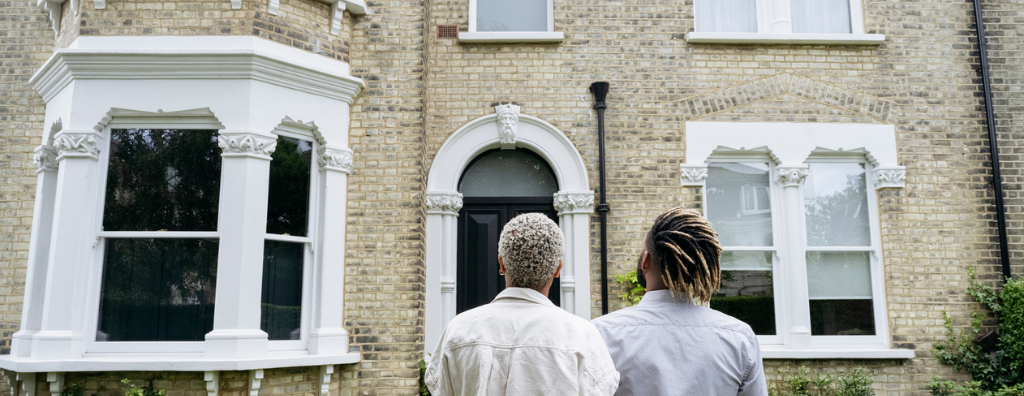
If you’re shopping for a new home, there are a number of factors you need to consider in order to narrow down your search criteria. Because before you can get too deep into your home search, you need to identify your needs, figure out your wants, and decide if there are any deal breakers that don’t work for you, such as the age, style, and location of your dream house. As you weigh the option between a new build or an older resale, here are six differences to note.
The Neighborhood
Surprisingly, one of the biggest factors in choosing a new home isn’t the property itself, but rather the surrounding neighborhood. While new homes occasionally spring up in established communities, most are built in new developments. The settings are quite different, each with their own unique benefits.
Older neighborhoods often feature tree-lined streets; larger property lots; a wide array of architectural styles; easy access to mass transportation, restaurants, and local shops; and more established relationships among neighbors.
New developments are better known for wider streets and quiet cul-de-sacs; controlled development; fewer above ground utilities; more parks; and often newer public facilities (schools, libraries, pools, etc.).
Consider your daily work commute, too. While not always true, older neighborhoods tend to be closer to major employment centers, mass transportation, and multiple car routes (neighborhood arterials, highways, and freeways), and new construction homes are usually found on the outskirts of city limits where there’s more land available for the development. The main exception being new townhouses on lots in the middle of established neighborhoods.
Design and Layout
If you like Victorian, Craftsman, or Cape Cod style homes, it used to be that you would have to buy an older home from the appropriate era. But with new-home builders now offering modern takes on those classic designs, that’s no longer the case. There are even modern log homes available.
Have you given much thought to what type of floor plan you want? If you have your heart set on an open-concept layout with an entertainment kitchen, spacious primary suite, and walk-in closets, you’ll likely want to buy a newer home—or plan to do some heavy remodeling of an older home. Unless they’ve already been remodeled, most older homes feature more closed floor plans with structural separation between rooms.
If you have a specific home décor style in mind, you’ll want to take that into consideration, as well. Professional designers say it’s typically best if the style and era of your furnishings match the style and era of your house. But if you are willing to adapt, then the options are wide open.
Materials and Craftsmanship
Homes built before material and labor costs spiked in the late 1950s have a reputation for higher-grade lumber and old-world craftsmanship like hardwood floors, old-growth timber supports, ornate siding, artistic molding, etc.
However, newer homes have the benefit of modern materials and more advanced building codes, such as copper or polyurethane plumbing, better insulation, double-pane windows, modern electrical wiring, earthquake/ windstorm supports, and so on.
Current Condition
The condition of a home for sale is a top consideration for any buyer, whether you plan to do a little work or not. However, age is a factor here, as well. For example, if the exterior of a newer home needs repainting, it’s a relatively easy task to determine the cost. But if it’s a home built before the 1970s, you have to also consider the fact that the underlying paint is most likely lead-based, and that the wood siding may have rot or other structural issues that need to be addressed before it can be re-coated.
On the flip side, the mechanicals in older homes (lights, heating systems, sump pump, etc.) tend to be better built and last longer.
Regardless of the age of the home or the apparent condition, it’s important to get a home inspection from a professional.
Outdoor Space
One of the great things about older homes is that they usually come with mature trees and bushes already in place. Buyers of new homes may have to wait years for ornamental trees, fruit trees, roses, ferns, and other long-term vegetation to fill in a yard, create shade, provide privacy, and develop into an inviting outdoor space. However, maybe you have the patience and interest in building the yard you want, or you’re one of the many homeowners who prefer the wide-open, low-maintenance benefits of a lightly planted yard.
Car Considerations
Like it or not, most of us are dependent on our cars for daily transportation. And here again, you’ll find a big difference between newer and older homes.
Newer homes in developments almost always feature ample off-street parking: usually a two-car garage and a wide driveway. Some new construction even includes electric vehicle charging stations as electric and hybrid cars become more mainstream. An older home, depending on just how old it is, may not offer a garage—and if it does, there’s often only enough space for one small or mid-sized car. For people who don’t want to leave their car on the street, this alone can be a determining factor.
Finalizing Your Decision
While the differences between older and newer homes are striking, there’s certainly no right or wrong answer. It is a matter of personal taste, and what is available in your desired area. To quickly determine which direction your taste trends, use the information above to make a list of your most desired features, then categorize those according to the type of house in which they’re most likely to be found. The results can often be telling.
If you have questions about newer versus older homes or are looking for a real estate agent in your area, we have professionals who can help you.
Multigenerational Home Buying Guide

For any family looking forward to multigenerational living, there’s much to consider when trying to find the right property. Whether you’re planning to welcome your parents or grandparents, provide a comfortable space for adult children, or simply want to create a home that accommodates your extended family, finding the right place takes time. Let’s take a look at some of the key factors that play a role in your home search.
Multigenerational Home Buying
Prioritize Location
Just as with any real estate purchase, location is vital to finding the right home for your extended family. For your young ones, you might consider the nearby schools. For the older folks in your home, you’ll want to know your proximity to healthcare facilities and community spaces. And for everyone under your roof, you’ll want to be close to the places that help you all enjoy life, such as parks, bodies of water, and other recreational areas.
Floor Plan
With more people living in a multigenerational home, layout can often take precedence over aesthetics. Of course, you still want your next home to look the part, but fundamentally, you have a lot of foot traffic to account for and future accessibility to think about. Homes with separate living spaces are a great option for accommodating a large family. Features like a furnished basement, a mother-in-law suite, an accessory dwelling unit (ADU), or a detached guesthouse can solve a lot of problems, present and future.
Private Spaces
Along with an ideal layout, it’s important to have private spaces so each person can enjoy their time at home. Make sure there are separate bedrooms, bathrooms, and if possible, separate living areas to allow family members to make the most of their personal space while still enjoying the benefits of living together. You can either look for homes that have defined private spaces or identify the ones that are good candidates for remodeling projects that can create them.
Buying with Remodeling in Mind
Home Inspection
A thorough home inspection is a necessity. With several people living with you—some of whom may be elderly—you need to know that your home can provide for everyone for years to come. The home inspection will help you to identify any potential issues with the property and make informed decisions about how to negotiate with the seller.
When looking for properties, look at the condition of the roof, plumbing, electrical systems, and identify any potential structural concerns. Talk to your agent about the findings of the home inspection and what it means for you as you prepare to make an offer.
Home Inspection: A Reality Check from a Pro
Think About the Future
How will your needs change at home in the future? Thinking about the long term can help you narrow your home search. Maybe you’ll need additional space as your children grow up or as your parents age into their elderly years.
A home with a more flexible design and layout may be a better investment for you in the long term.
For more information on finding the right home, connect with a local, experienced Windermere agent today:

Featured Image Source: Getty Images – Image Credit: PeopleImages
Is Co-Buying a Home Right For You?

For some buyers, purchasing a home independently may be out of reach. Co-buying a home is an alternative approach to homeownership where two or more individuals purchase the property together and take on a joint mortgage. Get to know the benefits and drawbacks of co-buying a home before deciding whether it’s right for you.
How Does Co-Buying Work?
Just like a traditional home purchase, lenders use the buyers’ debt-to-income ratios and credit scores to determine their mortgage eligibility and formulate the terms of their loan. The lender will use the lowest median credit score to determine whether the co-buyers qualify. Before you purchase with a co-buyer, work with a real estate attorney to flesh out the details of the agreement including the distribution of shares, the responsibility of each party for the down payment and subsequent mortgage payments, and the home’s title. There are two main options for taking title to a home with a co-buyer.
Tenancy in Common (TIC)
- When co-buyers hold a title as tenants in common, shares of the property can be divided equally or unequally. You and a co-buyer can decide to split ownership to reflect the amount invested. However, even if these amounts are unequal, no one individual may claim sole ownership of the property. If a co-buyer dies, their ownership passes along to their designated heir. With Tenancy in Common, a co-owner may sell their shares of the property at any time, without the need for approval from other co-owners.
Joint Tenancy
- Joint Tenancy—or Joint Tenancy with Right of Survivorship (JTWROS)—requires that all co-buyers hold an equal interest in the property and that they all come into ownership through the same title at the same time. If one co-owner dies, ownership passes to the other co-owner—this is known as Right of Survivorship. Unlike Tenancy in Common, co-owners must receive approval before selling any property shares.
Pros and Cons of Co-Buying
Pros of Co-Buying
For those who don’t have the buying power to purchase a home on their own, co-buying presents an opportunity to combine assets and enter the market. Since lenders will be factoring in both of your incomes, you and your co-buyer will increase your chances of being approved for a mortgage and securing a low interest rate. Both of you will build equity over time as you pay back your joint mortgage. Even after the down payment and mortgage payments, there are a handful of costs that come with being a homeowner. Co-buying allows you to split these costs, saving money on bills, utilities, maintenance costs, and the like.
Cons of Co-Buying
Co-buying a home means you are relinquishing some control over the homeownership costs. At the end of the day, you can’t control your co-buyer’s finances. If a sudden life change leaves them financially unstable, the burden will fall on your shoulders, and you’ll have to make up the difference. Similarly, your credit score could take a hit if your co-buyer is unable to make their mortgage payments, even if you’ve consistently made yours.
Before entering a co-buying agreement, it’s important that you and your co-buyer are on the same page about the terms of ownership and your expectations as joint homeowners. Working closely together will help maintain the health of your finances, and most importantly, your relationship. For more information on purchasing a home, visit the buying section on our blog:
To begin your home buying journey, connect with an experienced Windermere Real Estate agent:
Featured Image source: Getty Images – Image Credit: AntonioGuillem
Buying an Equestrian Property: Prioritizing House vs Land

Equestrian properties are unique. If you’re thinking about buying equestrian property, you have to weigh different aspects of a listing than you would for a typical single-family home purchase. As you look at properties, you will face the dilemma of whether to prioritize the property’s land or the house itself. In the end, the right equestrian property depends on your specific needs. The following information will help you along that decision-making process to find the right home for you.
Buying an Equestrian Property
It’s vital that you work with an experienced equestrian real estate agent as you go about the process of searching for a home. Your agent will be able to pinpoint listings that match your criteria and reach out to the listing agent representing the seller. Learning more about how an equestrian property creates value for its owners will inform your discussions with your agent.
Equestrian Property: The House
A well-designed house will enhance your daily life and provide comfort for your household. Features like a spacious kitchen, an open living room area, outdoor living areas, and modern amenities can maximize your enjoyment of your time at home. Flexible interior spaces with the ability to be converted into a home gym or home office may be more valuable to you, depending on your lifestyle. If these characteristics are a top priority, communicate to your agent that these features are must-haves.
Equestrian Property: The Land
The equine lifestyle requires a property to have more than just ample backyard space. Whatever your goals as an equestrian homeowner, your horses’ experience will be dictated by the land. Consider the facilities you plan on setting up. The quality of the land and its suitability for the kinds of training you have in mind are very important, especially if your livelihood and your equestrian activities are intertwined. Different equestrian disciplines require different footing; consider each property’s ability to accommodate your specific discipline.
Equestrian operations often expand over time, so it pays to think about each property’s potential in terms of how it could grow in the future. The same can be said for customization: purchasing land with the potential to build custom equestrian facilities allows you to tailor the property to your goals and the needs of your horses.
House vs. Land
Finding the balance between the right house and the right land is a balancing act, but with the right communication between you and your agent, you’ll find it. Prioritize your needs and consider your budget throughout the process to continue to narrow down the list of fitting listings. As with any real estate purchase, location plays a significant role, but as an equestrian homeowner, you’ll be thinking about the future of your horses, your business, and your equine pursuits. If a property isn’t able to meet these standards, it may not be the right one for you.
For more information on finding the right property and for answers to all your home buying questions, connect with an experienced Equestrian Advisor:
Windermere Equestrian Advisors
Featured Image Source: Getty Images – Image Credit: JamesBrey
Ten Qualities to Look For in Your Real Estate Agent

Buying a home is one of the most significant financial and emotional purchases of a person’s life. That’s why it is so important to find an agent that can not only help you navigate the home search process but one who can also answer your questions and represent your needs from start to finish.
Turnkey vs. Fixer-Upper: Pros and Cons
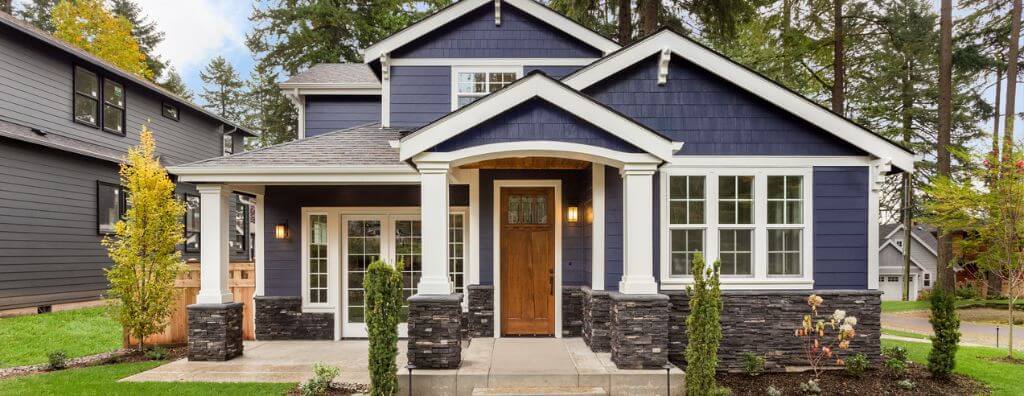
The beauty of real estate is that different properties satisfy different needs. Although single-family homes are great for putting down roots, that may not be your motivation for purchasing your next home. If you’re looking to buy a property with the intent of renting it, both turnkey and fixer-upper listings will cross your path during your home search. The main difference between the two is the condition of the property when you buy it. The right one for you depends on your needs as a homeowner and your goals as a landlord.
What is a turnkey property?
Turnkey properties are move-in ready from day one, which means they’re ready for you to rent them out immediately. Whether it’s a new construction home or a recently remodeled listing, these properties are in tip-top shape when they hit the market. Companies that specialize in renovating and selling these properties may also offer property management services, which may appeal to you if you’re looking for a more hands-off approach to managing your investment property.
What does fixer-upper mean in real estate?
Compared to turnkey listings, fixer-uppers are on the opposite end of the investment property spectrum. Buying a fixer-upper means you’re purchasing a home that needs repairs, remodeling, and some major TLC before it’s ready to rent out. These properties are diamonds in the rough; you’re betting on your ability to make high ROI home upgrades that will attract future renters and put money in your pocket.

Image Source: Getty Images – Image Credit: StefaNikolic
Turnkey vs. Fixer-Upper: Pros and Cons
Turnkey Pros
Because they are move-in ready, turnkey listings have the potential to generate cash flow right away. Without any pending renovations in your way, you can open up the property to renters as soon as you take possession. They’re primed and ready to place in the hands of a property management company, which means you’ll get passive income without having to deal with day-to-day operational tasks. You can also ask the listing agent for permission to use their photos, which can help your rental stand out amongst the competition in your area.
Turnkey Cons
So, what’s the catch? These benefits all come at a cost; turnkey properties typically cost more than fixer-uppers. You’ll pay a premium for the pristine condition and the buttoned-up appearance of these properties, so it’s important to have a strategy to save money for your home purchase. Also, handing off property management duties to a third party means you’ll have less control over the renting process. For more information on whether hiring a property management company is right for you, read the following blog post:
Fixer-Upper Pros
Searching for homes in less-than-pristine condition can give you a leg up as a buyer. Fixer-upper homes tend to have less competition from buyers than turnkey properties, since not everyone is willing to take on a major remodeling project. Talk to your agent about how to make the best offer. Given their lessened condition, you can oftentimes get a great deal on these homes with the right strategy. And the best part is, your remodeling efforts will increase the home’s value over time. The more effort you put in, the more the property will be worth, which means higher ROI potential.
Fixer-Upper Cons
Here’s the downside with fixer-uppers: tapping into their potential requires pouring money into the property. Exactly how much you can expect to spend on a fixer-upper varies by location, the size of the home, and the scope of repairs and renovations needed. Tackling some remodeling projects DIY can save you money, but if certain projects require more skilled hands, it may be best to hire a professional. And for all your planning, it’s impossible to predict the future. Projects may go over budget, material costs may rise, and the market may look completely different when you’re ready to rent out your property than it did when you bought it. For more information on buying a fixer-upper and the special financing options available to you, read the following blog post:
Your real estate agent is your greatest asset in helping you determine which property type is right for you. Connect with a local Windermere agent to see which turnkey and fixer-upper properties are available in your area:
Featured Image Source: Getty Images – Image Credit: hikesterson
How to Pay for a House

Buying a home is, for many people, the largest financial undertaking of their lives. So, how do the numbers work? How is the price of a property converted into a transaction? Let’s take a look at how to pay for a house by focusing on some of the major components in a real estate purchase, namely the down payment, earnest money, and the mortgage payments required to successfully buy a home.
How to Pay for a House
If you have enough money available, it is possible to make an all-cash offer on a house. Most home buyers, however, save enough money to make a down payment that works for them and finance the remainder of a home purchase with a mortgage. Saving money to buy a house requires significant planning, but by being proactive, you’ll eventually put yourself in a position of higher buying power. Reducing debt, increasing savings contributions, and finding additional streams of income are all helpful ways of generating some extra cash to pay for a house.
Making a Down Payment on a Home
The down payment is a lump sum paid upfront by the buyer. The actual down payment amount varies by transaction, but it’s usually somewhere between 3% and 20% of the home’s purchase price. It’s one of the most important home buying costs, given how much planning goes into it. There’s a snowball effect with the down payment; once you figure out how much of a down payment you can afford, that will determine your home loan’s principal amount. The higher the down payment, the less risk for the mortgage lender. When buyers aren’t able to make a down payment of 20% of the purchase price, lenders will require they purchase additional mortgage insurance to protect the investment.
To get an idea of how different down payment amounts affect the financial structure of a home purchase, use our Home Monthly Payment Calculator by clicking the button below. With current rates based on national averages and customizable mortgage terms, you can experiment with different values to get an estimate of your monthly payment for any listing price.


Image Source: Getty Images – Image Credit: Perawit Boonchu
Earnest Money and Escrow
A real estate transaction is not your typical purchase. With so much money being moved around, it requires a little extra protection. This is where escrow comes in. Escrow ensures that your earnest money or “good faith deposit” gets properly disbursed according to plan during the home buying process, and holds property tax and homeowners insurance funds during the life of your home loan.
Making Mortgage Payments
Searching for a home loan is similar to searching for a home: there are many options, but based on what’s affordable and what works for your situation, you’ll eventually find the right one. When looking at the different types of home loans, you’ll compare the loans’ terms, interest rates, and conditions for repayment. For example, 15-year and 30-year mortgages are two of the most common home loan products. You’ll have lower monthly payments with a 30-year loan, but you’ll pay more interest over the life of the loan. With a 15-year mortgage, you’ll have higher monthly payments but pay less in total interest. Work with your mortgage broker to find the best home loan for you.
For more information on the home buying process, connect with a local Windermere agent:
Featured Image Source: Getty Images – Image Credit: Hispanolistic
Buying a Fixer-Upper
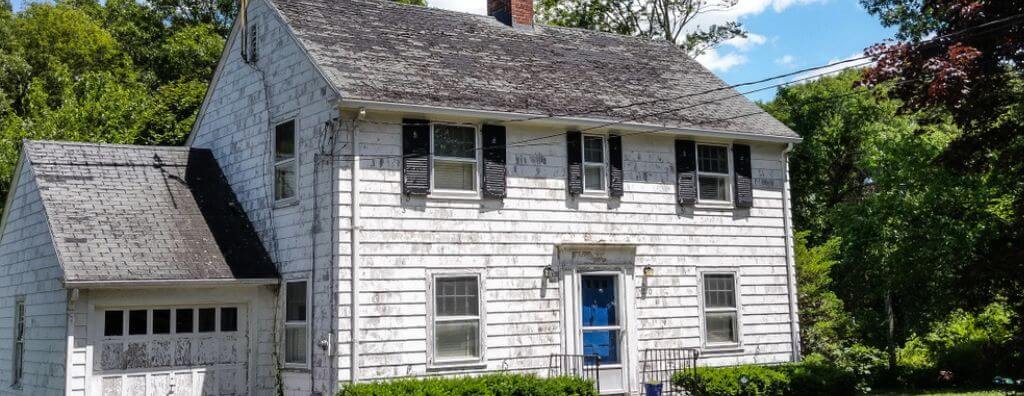
For some home buyers, a fixer-upper is their idea of a dream home. Preparing for the process comes down to creating a plan, knowing what to look for, and understanding what financing options are available.