Facebook
 X
 Pinterest
 Copy Link
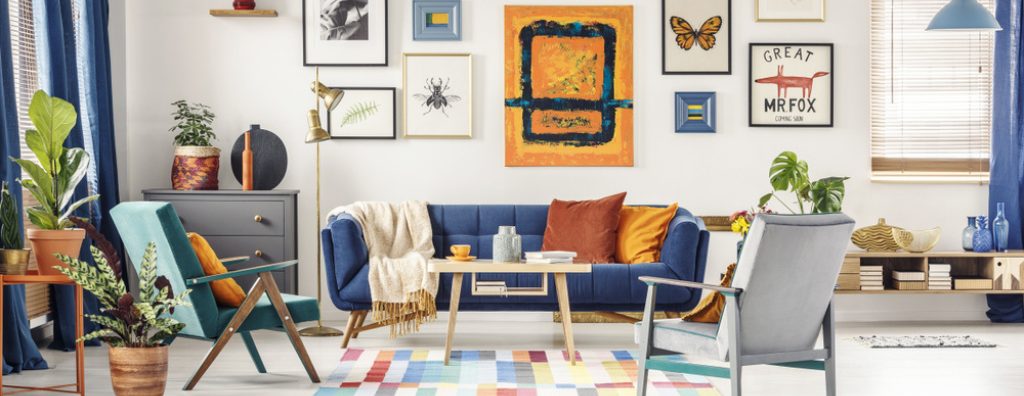
Over the past decade, we’ve seen countless home design trends come and go. From the rise of modern farmhouse interiors to the growing popularity of vintage furniture and textured fabrics, these styles have shaped the way we decorate and personalize our homes. While some have become lasting design favorites, others have been embraced a little too enthusiastically.
Of course, there’s nothing wrong with following a trend, especially if it’s something you genuinely love. But when certain colors, materials, and decorative elements start appearing in every room, even the most popular design choices can begin to feel overdone.
Whether you’re planning a home refresh or simply looking for a little design inspiration, here are ten of the most overused home design trends of the past decade, along with a few ways to give them a fresh perspective.
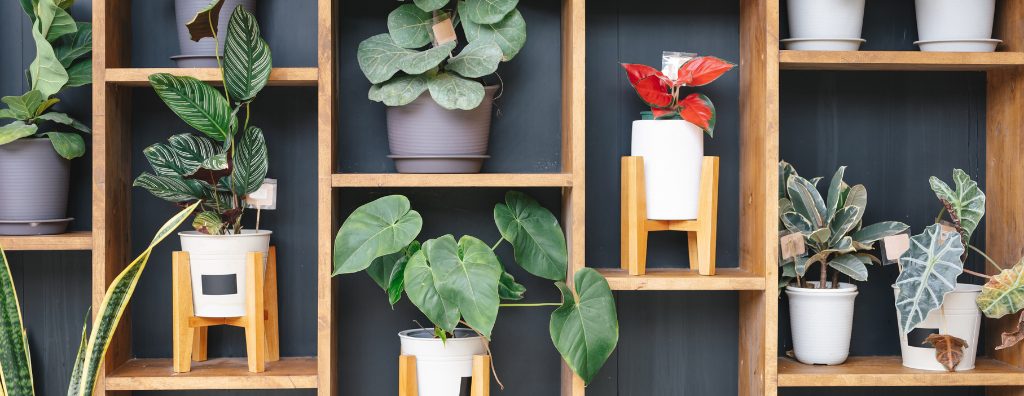
Faux Plants and the Indoor Greenery Overload
Bringing the outdoors in has been a major focus of interior design over the past decade, and for good reason. Plants add color, texture, and a natural element to a room. But somewhere along the way, a few carefully placed houseplants turned into entire collections of artificial greenery, oversized faux trees, and trailing vines covering nearly every available surface.
While faux plants can be a great low-maintenance alternative to the real thing, too many can make a space feel cluttered rather than inviting. Instead of filling every corner with greenery, choose one or two statement plants that complement your home’s décor style, and incorporate natural materials like wood, stone, or woven textiles to create a similar connection to the outdoors.
Matching Furniture Sets in Every Room
There was a time when purchasing a complete matching bedroom or living room set was the easiest way to create a cohesive space. Matching dressers, nightstands, coffee tables, and side tables offered a polished, coordinated look without much guesswork. However, when every piece of furniture has the same finish, shape, and style, a room can start to feel more like a furniture showroom than a home. Today’s interiors often benefit from a more collected approach that combines complementary materials, finishes, and furniture styles, borrowing from the principles of eclectic interior design.
Try pairing an upholstered bed frame with wooden nightstands or mixing modern sofa with a vintage coffee table. The goal isn’t to eliminate coordination, but to create a space that feels thoughtfully put together.
Word Art and Decorative Signs
From oversized signs in dining rooms to “Live, Laugh, Love” wall décor, decorative word art became one of the most recognizable home accessories of the 2010s. While these pieces were originally intended to add warmth and personality, their widespread popularity eventually made them feel a little predictable.
Instead of relying on words to define a room’s atmosphere, consider incorporating artwork, photography, or meaningful objects that reflect your interests and experiences. A framed photograph from a favorite destination or a piece of art collected while traveling can add just as much personality while feeling more personal to your home.
Scalloped Edges on Everything
Scalloped edges have made a noticeable comeback in recent years, appearing on everything from mirrors and lampshades to furniture, bedding, and decorative accessories. Their soft curves and playful details can bring a charming, whimsical quality to a space, especially when paired with more traditional design elements.
But like many statement details, scalloped edges can lose some of their appeal when they’re repeated throughout an entire room. Rather than incorporating the shape into every accessory, choose one or two pieces that add character without overwhelming the overall design. A scalloped mirror or decorative tray can add enough visual interest while keeping the rest of the room balanced.
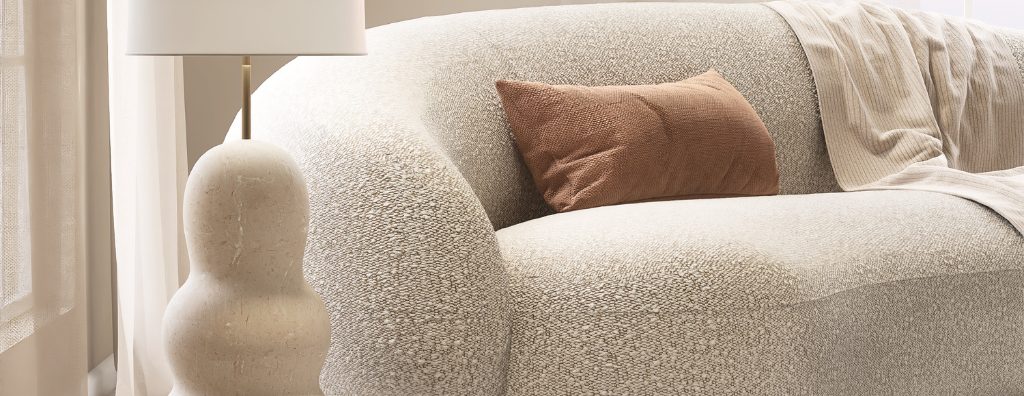
Bouclé Furniture and Textured Fabrics
Soft, cozy, and instantly recognizable, bouclé became one of the defining furniture trends of the early 2020s. Its looped texture and inviting appearance made it especially popular for accent chairs, sofas, ottomans, and upholstered beds.
While bouclé can add warmth and dimension to a room, its popularity has also led to interiors filled with nearly identical cream-colored, textured furniture. When every upholstered piece features the same material, a space can begin to lose contrast and visual interest.
For a more balanced look, try mixing bouclé with smoother fabrics, leather, wood, or other natural materials. Keeping the texture to a single statement piece can help it stand out while maintaining the cozy atmosphere that made it popular in the first place.
The Modern Farmhouse Overload
Few design styles have had as much influence over the past decade as modern farmhouse. With its shiplap walls, sliding barn doors, black metal fixtures, distressed wood, and neutral color palettes, the style brought a casual, welcoming aesthetic into homes across the country.
However, incorporating every farmhouse-inspired element into one space can make a home feel overly themed, particularly when those details don’t complement its original architecture.
Rather than abandoning the style altogether, consider focusing on the elements that make it appealing, like natural materials, comfortable furnishings, and the warmth and character of American Country interior design. A rustic wooden dining table or thoughtfully chosen vintage piece can bring farmhouse charm into a home without requiring shiplap on every wall.
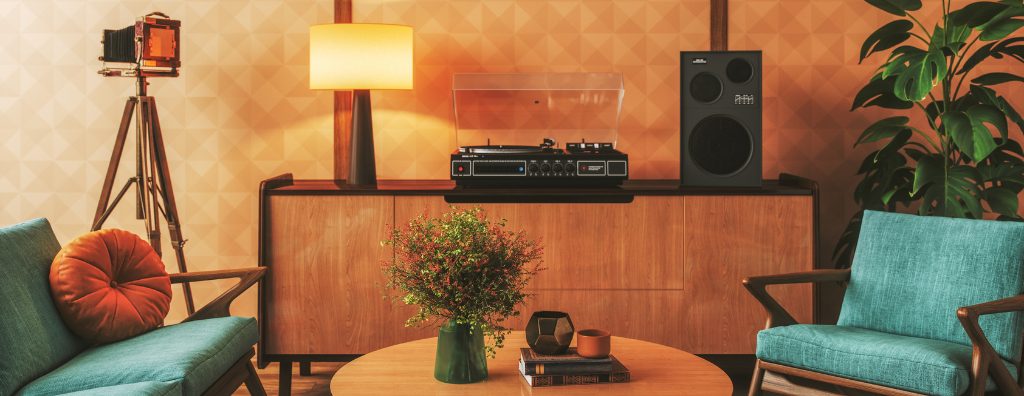
Too Much Vintage and Antique Décor
Vintage and antique furnishings have experienced a resurgence as homeowners look for ways to add character, craftsmanship, and individuality to their spaces. Mixing older pieces with contemporary furniture can create an inviting, collected look that feels both personal and timeless. But even this approach can become overwhelming when every surface is filled with thrifted finds, antique accessories, and decorative objects. Without a little balance, a carefully curated vintage aesthetic can quickly begin to feel cluttered.
Instead of trying to fill every corner, focus on a few meaningful pieces that complement your home’s existing style. Pairing an antique dresser with modern lighting or displaying a small collection of vintage ceramics can give these items room to shine.
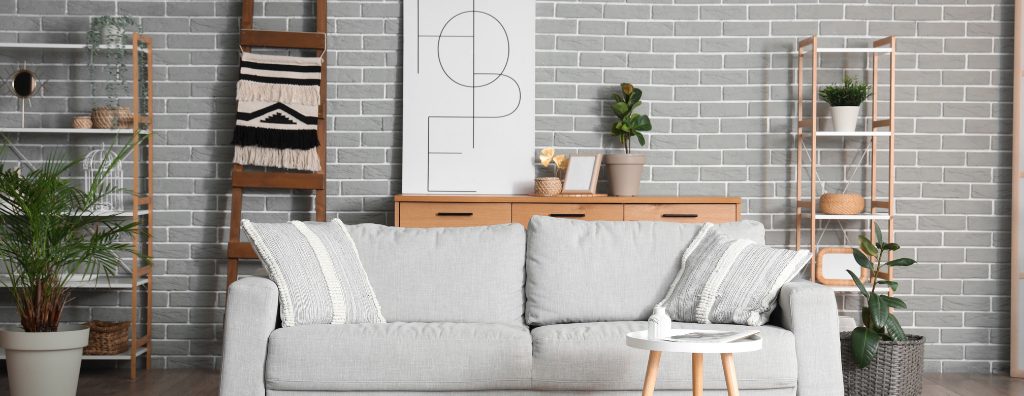
All Gray Interiors and Monochromatic Color Palettes
For years, gray was the go-to neutral for everything from walls and flooring to kitchen cabinets and upholstered furniture. Its versatility made it an appealing choice for homeowners looking to create a clean, modern space.
But when cool gray tones are used throughout an entire home, the result can feel flat or lack warmth. The same can be true of any monochromatic color palette when there isn’t enough variation in texture, tone, or material.
If your home features a predominantly gray palette, there’s no need to start from scratch. Introducing warmer wood finishes, colorful artwork, natural textiles, or a few contrasting accent colors can make a significant difference.
Open Shelving in Every Room
Open shelving became especially popular in kitchens, offering an alternative to traditional upper cabinets and a chance to display dishes, glassware, and decorative accessories. The trend eventually expanded into bathrooms, living rooms, and nearly every other space in the home.
While open shelves can make a room feel more spacious and provide an opportunity for personal expression, too many can create visual clutter and require more upkeep than traditional storage. Consider combining open shelving with closed cabinetry to get the best of both worlds. A few thoughtfully styled shelves can display your favorite pieces, while everyday essentials remain tucked away and organized.
Overly Curated and Picture-Perfect Interiors
With endless home inspiration available through social media, it’s easier than ever to recreate a particular aesthetic. From perfectly styled coffee tables to color-coordinated bookshelves, many interiors have become increasingly focused on looking picture-perfect.
But a home doesn’t need to look like a magazine spread to be beautiful. In fact, some of the most inviting spaces reflect the people who live there, even if that means mixing design styles, displaying sentimental objects, or choosing comfort over the latest trend.
Rather than trying to recreate every detail of a room you’ve seen online, use those images for inspiration and make design choices that suit your lifestyle, personal taste, and how you use your home. After all, the best home design isn’t necessarily the most on-trend. It’s the one you’ll continue to love long after the trend has passed.