Facebook
 X
X
 Pinterest
 Copy Link

Homeownership isn’t a one-size-fits-all, and neither are the financial decisions that come with it. At some point, many homeowners reach a familiar fork in the road: Should I refinance my mortgage, or is it time to sell?
The right answer depends on a mix of factors, including your financial health, today’s interest rate environment, your home’s equity, and where you see yourself and your household in the next few years. Let’s walk through both options so you can decide what makes the most sense for you, not just on paper, but in real life.
Refinancing vs. Selling
If your current mortgage no longer feels like the right fit, you generally have two paths forward: refinancing or selling. Refinancing your home allows you to renegotiate the terms of your existing loan, potentially changing your interest rate, loan term, or monthly payment. Selling, on the other hand, can free up equity and open the door to your next chapter. So, how do you decide between the two? The key is to understand what each one offers and what it requires so you can move forward with confidence.
Refinancing Your Home
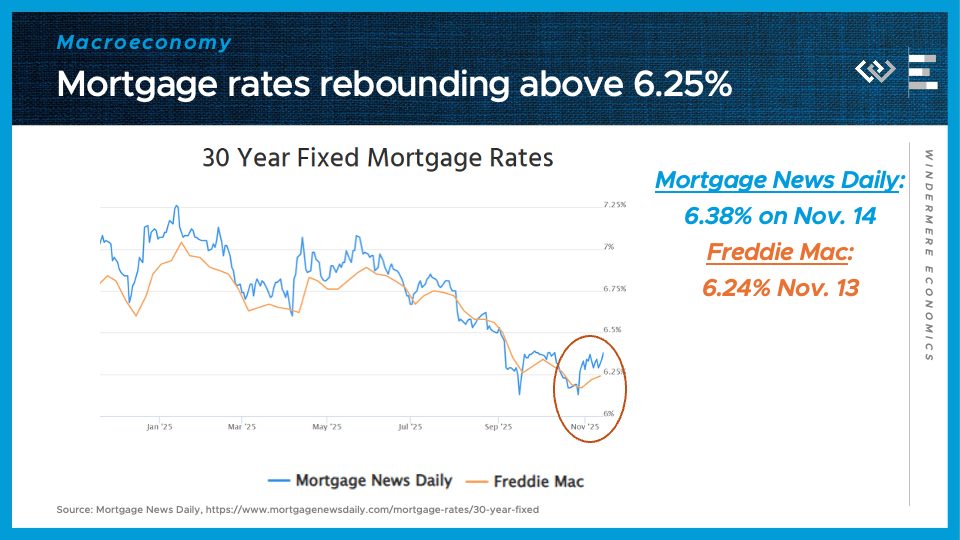
There are a few reasons homeowners typically refinance their mortgages, the most common being falling interest rates. Lower interest rates after a mortgage reassessment translate into lower monthly payments and significant savings over the life of the loan. If your finances have improved since you initially secured your mortgage—for example, your debt-to-income ratio has improved, or you’ve bumped up your credit score—you may be able to lock in a better rate with your lender. Refinancing your home could also put cash in your pocket. “Cash-out refinancing” allows you to accept a mortgage for more than your principal balance and use the extra money at your discretion. Typically, homeowners will use such funds for significant expenses, such as a major renovation or home improvement project.
Homeowners with Adjustable-Rate Mortgages (ARMs) often refinance into a Fixed-Rate Mortgage to lock in a stable rate for the remainder of the loan term.
Refinancing can also change the length of your loan. Moving from a 30-year mortgage to a 15-year term may reduce the total interest you pay over time, while extending a loan term can lower monthly payments if cash flow is a concern. As with most financial decisions, it’s about balance and knowing the tradeoffs.
Keep in mind that refinancing your home involves getting a new mortgage, so you’ll have to go through the qualification process again. Assess your financial health and equity before you apply. Once you’re ready to move forward, your Windermere agent can recommend a few trusted lenders or mortgage brokers to provide you with a quote.
Selling Your Home
Selling your home is a bigger shift—but sometimes it’s the right one. If your home no longer fits your lifestyle, or if you’re sitting on significant equity, selling can provide financial flexibility to move forward on your terms. Your agent will start by conducting a Comparative Market Analysis (CMA) to determine your home’s value, taking into account current market conditions, location, seasonality, and your home’s unique features.
Although you stand to receive a lump-sum cash payment, selling your home comes with its own set of costs. Paying for repairs, home inspections, staging expenses, agent commissions, not to mention buying or renting your next home, as well as moving fees. This can add up, so it’s important to budget appropriately. Selling your home also means you’ll be uprooting the life you and your household have established there, so it’s necessary to have a plan for your next steps before the “For Sale” sign goes in the ground.
For personalized guidance on selling or refinancing, connect with a Windermere agent today: