More March 28, 2018

Windermere Foundation by the Numbers


For the past 29 years, the Windermere Foundation has been helping those in need in our communities through donations to local organizations that provide services to low-income and homeless families. In 2017, the Windermere Foundation raised over $2.4 million in donations, bringing the total to over $35 million raised since we started this effort in 1989. The following infographic details exactly how these funds were dispersed in 2017 and the types of organizations that benefited from them. For more information please visit windermere.com/foundation.


Market News March 26, 2018

How Tax Reform Affects Homeowners


New tax legislation was signed into law at the end of 2017, and it included some significant changes for homeowners. These changes took effect in 2018 and do not influence your 2017 taxes.  Here’s a brief overview of this year’s tax changes and how they may affect you*.


The amount of mortgage interest you can deduct has decreased.

Under the old law, taxpayers could deduct the interest they paid on a mortgage of up to $1 million. The new law reduces the mortgage interest deduction from $1 million to $750,000. These changes do not affect mortgages taken out before December 15, 2017.


The home equity loan deduction has changed.

The IRS states that, despite newly-enacted restrictions on home mortgages, taxpayers can often still deduct interest on a home equity loan, home equity line of credit (HELOC) or second mortgage, regardless of how the loan is labeled. The Tax Cuts and Jobs Act of 2017, enacted December 22, suspends from 2018 until 2026 the deduction for interest paid on home equity loans and lines of credit, unless they are used to buy, build or substantially improve the taxpayer’s home that secures the loan.


The property tax deduction is capped at $10,000.

Previously taxpayers could deduct all the state, local and foreign real estate taxes they paid with no cap on the amount. The new law limits the deduction for all state and local taxes – including income, sales, real estate, and personal property taxes – to $10,000.


The casualty loss deduction has been repealed.

Homeowners previously could deduct unreimbursed casualty, disaster and theft losses on their property. That deduction has been repealed, with an exception for losses on property located in a federally declared disaster area.


The capital gains exclusion remains unchanged.

Homeowners can continue to exclude up to $500,000 for joint filers or $250,000 for single filers for capital gains when selling their primary residence as long as they have lived in the home for two of the past five years. An earlier proposal would have increased that requirement to five out of the last eight years and phase out the exclusion for high-income households, but it was struck down. Find out more about 2018 tax reform.


How does tax reform affect your plans for buying or selling a home?

The changes in real estate related taxes may change your strategy. Contact your Windermere agent to learn more. If you need help finding an agent, we’re happy to help.


*Please consult your tax advisor if you have any questions about how the new tax reform impacts you

Living March 21, 2018

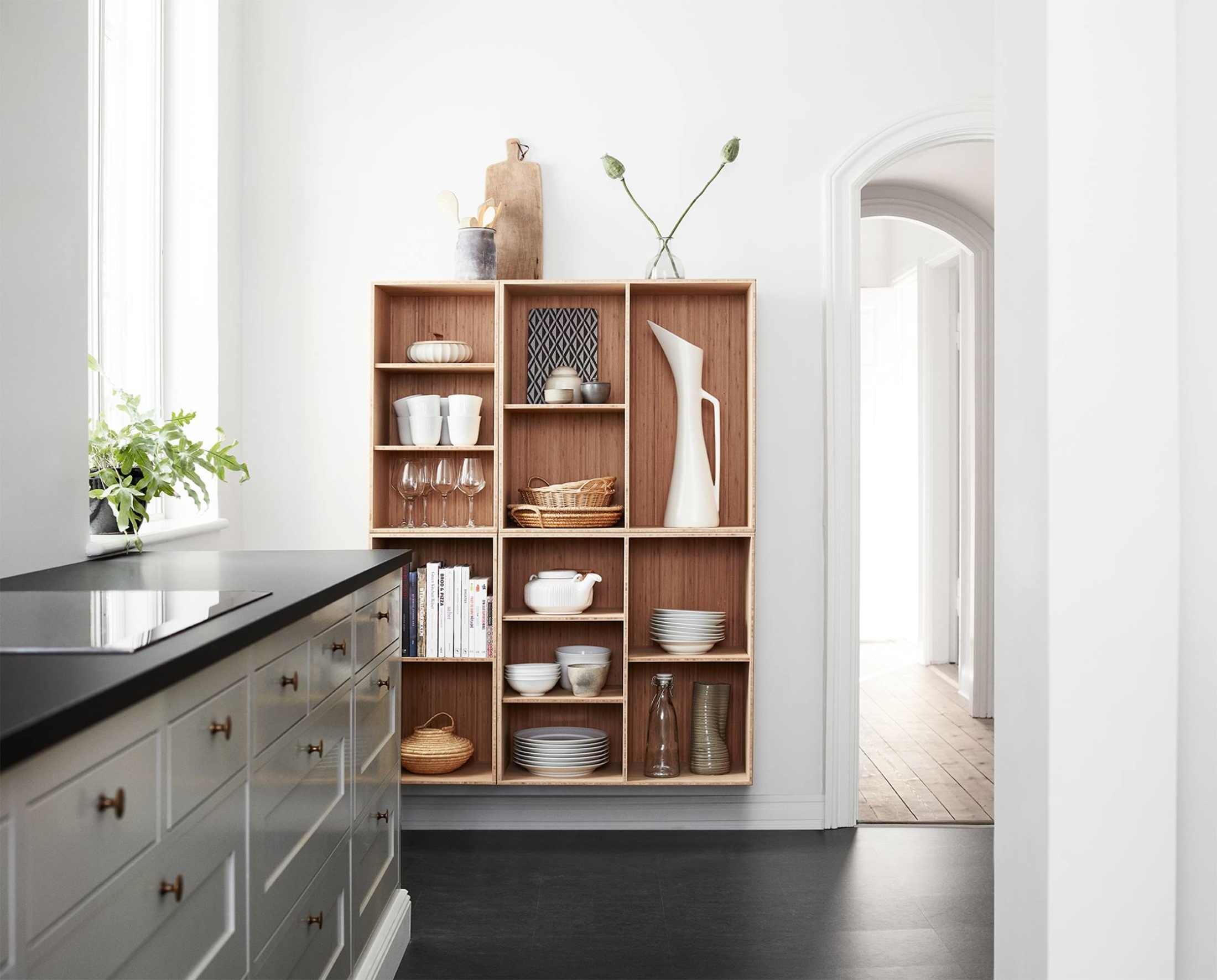
Artfully Organizing Your Bookshelf


When it comes to organizing a bookshelf, there are a multitude of directions you can go. For example, a simple Pinterest search will turn up endless results of bookshelves stylishly organized by color, but what if that entails separating books from within a series? For some of us, that’s like separating our children. Ultimately, how you organize your bookshelf is a personal choice based on your own aesthetic, but if you’re looking for inspiration, here are some tips to help give your reading space photo-worthy style.


Sorting by color:

  • One color per shelf (a blue shelf, a green shelf, and so on). If you're having trouble filling a shelf, wrap some of the books in craft paper.
  • A gradual "rainbow" flowing from one color to the next or from the most saturated colors to pastels.
  • A pattern that creates a flag or other simple image when the whole bookcase is filled. This is time-consuming but impressive.


Sorting by size:

  • Large, heavy books should be shelved on sturdy shelves, below head height.
  • Start by placing the tallest and largest books on the lowest shelf, placing smaller and smaller books as you move upward. This creates a tidy, organized appearance. On some bookcases, this is a necessity to adapt to the height of each shelf.
  • Large decorative objects and oversized books look best if they are spaced out between different spots in the bookcase, leaving plenty of space between them to create separate focal points. They also make excellent bookends and will help to keep books in place. A zig-zag pattern works well.


Design effects to consider:

  • Create a dark backdrop. The bookcase will look more striking if the backdrop is darker than the surrounding walls and shelves. Consider painting the back of the bookshelves to create this vivid effect. This can be anything from basic black to pale beige. For open-backed bookshelves, hang a cloth between them and the wall.


  • Stack books on top of each other on some shelves, and vertically next to each other on others. Shelving books in different orientations by varying the position of the books is eye-catching and chic.


  • Try a pyramid of books, topped with a small trinket.


  • Leave plenty of empty space. Gaps often look better than a shelf clogged with paperbacks and origami. This is especially important for open-backed bookcases placed in the middle of a room, which need a large amount of space to let light through.


Design March 19, 2018

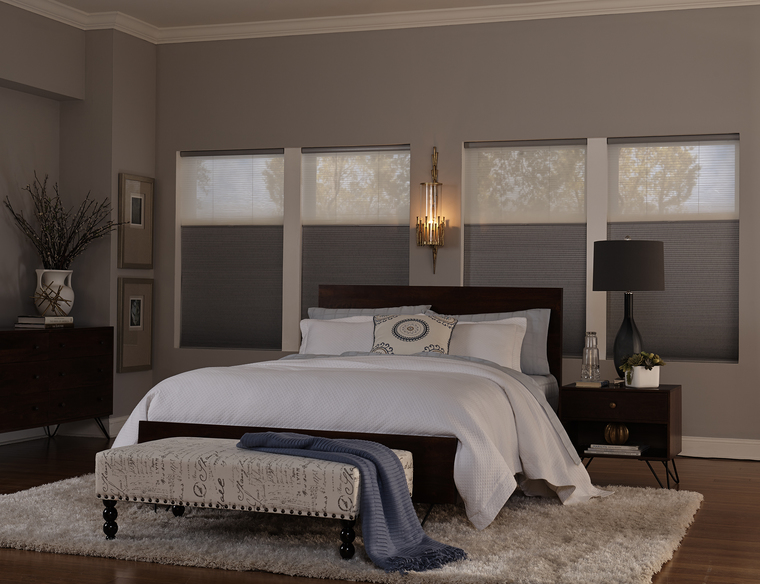
12 Tips for Making Your Bedroom Cozier


At the end of a long day, your bedroom should be a sanctuary of comfort that welcomes you in. But, as a room that guests rarely see and in which homeowners spend most of their time with their eyes closed, its upkeep frequently gets pushed to the bottom of the to-do list. Thankfully, there are some little design tricks that can make a big difference. Turn your bedroom into a restful retreat when you up its coziness factor with a few of these easy ideas.


  1. Layer textures. Sheepskin rugs, a down comforter, plush pillows and knit blankets can add a softness to the room that will make you want to sink right in. Lift these textures upward, with a canopy, tufted headboard, billowy curtains and hanging textiles (like a weaving) so even the walls and ceiling feel snuggly.
  2. Pick the right paint. Dark, saturated colors make a room feel like it’s embracing you, which is ideal for setting a sleepy environment. But if you’re nervous to commit to a dark color on the wall, choose a pale dusty blue, sage green or another light natural color for a soothing tone (just steer clear of energetic hues). Have you ever wanted to sleep on a cloud? Go with all-white paint and decor which makes even a basic bedroom feel soft and spa-like.
  3. Personalize it with reminders of the places and things that make you feel at home. Do you have a fondness for flowers? Bring floral patterns in on your textiles. Do you dream of vacation at the lake? Frame a photo of your favorite spot! Photos or paintings of uncluttered natural landscapes—like a sunset reflecting on water or a hammock under the shade of an oak—can rekindle memories of relaxation and are perfect for creating a sense of calm.
  4. Add mood lighting. Soften the light to mimic dusk for an intimate mood with dimmer switches, lamps, lanterns or even string lights. Just make sure you can reach the switch from bed, so you don’t have to disturb your peace to get up and turn it off when you’re ready to roll over and fall asleep.
  5. Skip metallic finishes. Choose warm natural decor options like wood and fabric instead of cold, manufactured metallics. This goes for everything from your bedroom furniture to window treatments. Faux wood blinds, especially when paired with floating curtains, fit with a cozy aesthetic and let you filter out harsh sunlight and maintain privacy for a truly sheltered slumber.
  6. Bring on the books! Stacks of good reads invite you to snuggle in and get lost in another world. A true retreat is a room with plenty of books that begs you to stay.
  7. Fix up—or fake—a fireplace. If your bed sits hearthside, embrace this romantic accent with styled logs and a decorated mantle. If you don’t have such a luxury, create a faux fireplace to add comfort and warmth through your décor: Arrange oversized candles and lanterns safely within a homemade hearth to bring in that cozy fireside feeling without changing the structure of your home.
  8. Keep the room uncluttered. When you want to settle in, a mess distracts you from finding comfort, so minimize the amount of stuff that makes it to your bedroom. Watch your nightstand, which often becomes a catch-all, by making a point to rehome any wandering wares now, and put things away as soon as they enter the room in the future. If you’re apt to let laundry pile up, keep it behind the closed doors of your closet so it doesn’t crowd your peace.
  9. Create a sense of timelessness. Tuck clocks and electronics away so they’re nearby if you need them, but their wires and harsh silhouettes aren’t reminding you of life outside your sanctuary. The hush that falls in a room devoid of gadgets will allow you to easily disengage from the stresses of reality.
  10. Rethink your bedding. Add a pillow-top pad to your mattress so it feels like your bed is hugging you when you climb in. Or, bring in a contoured body pillow which actually can hug you! Linen sheets feel luxe compared to cotton and are a simple swap to boost your bower. Many people also swear by skipping the top sheet while dressing their beds, which allows them to burrow directly into a fluffy comforter.
  11. Appeal to your sense of smell. Aromatherapy can have a huge impact on your perception of a space, so find some soothing essential oils or a sweet candle to blanket the room with an ambiance you adore. As soon as you open the door, you’ll be eager to plunge into your little oasis.
  12. Nestle into nooks. A window seat, a reading nook or an upholstered seating area are all inviting spaces that can draw you in from the doorway. The more intimate alcoves you can create, the cozier your bedroom will feel!


Flooded with soft lighting, plush textures and other comfy touches, your bedroom environment will envelope you at day’s end. And, perhaps even better than the idea of your bedroom refresh itself, is knowing that none of these tips take longer than a weekend to complete! So, slide into your slippers as you settle on which cozy updates you’ll select for your new favorite room of the house.

Buying March 14, 2018

Homeowners Insurance: Protecting Your Home


In addition to providing shelter and comfort, our home is often our single greatest asset. And it’s important that we protect that precious investment. Most homeowners realize the importance of homeowners insurance in safeguarding the value of a home. However, what they may not know is that about two-thirds of all homeowners are under-insured. According to a national survey, the average homeowner has enough insurance to rebuild only about 80% of his or her house.


What a standard homeowners policy covers

A standard homeowner’s insurance policy typically covers your home, your belongings, injury or property damage to others, and living expenses if you are unable to live in your home temporarily because of an insured disaster.

The policy likely pays to repair or rebuild your home if it is damaged or destroyed by disasters, such as fire or lighting. Your belongings, such as furniture and clothing, are also insured against these types of disasters, as well as theft. Some risks, such as flooding or acts of war, are routinely excluded from homeowner policies.

Other coverage in a standard homeowner’s policy typically includes the legal costs for injury or property damage that you or family members, including your pets, cause to other people. For example, if someone is injured on your property and decides to sue, the insurance would cover the cost of defending you in court and any damages you may have to pay. Policies also provide medical coverage in the event someone other than your family is injured in your home.

If your home is seriously damaged and needs to be rebuilt, a standard policy will usually cover hotel bills, restaurant meals and other living expenses incurred while you are temporarily relocated.


How much insurance do you need?

Homeowners should review their policy each year to make sure they have sufficient coverage for their home. The three questions to ask yourself are:

·      Do I have enough insurance to protect my assets?

·      Do I have enough insurance to rebuild my home?

·      Do I have enough insurance to replace all my possessions?

Here’s some more information that will help you determine how much insurance is enough to meet your needs and ensure that your home will be sufficiently protected.


Protect your assets

Make sure you have enough liability insurance to protect your assets in case of a lawsuit due to injury or property damage. Most homeowner’s insurance policies provide a minimum of $100,000 worth of liability coverage. With the increasingly higher costs of litigation and monetary compensation, many homeowners now purchase $300,000 or more in liability protection. If that sounds like a lot, consider that the average dog bite claim is about $20,000. Talk with your insurance agent about the best coverage for your situation.


Rebuild your home

You need enough insurance to finance the cost of rebuilding your home at current construction costs, which vary by area. Don’t confuse the amount of coverage you need with the market value of your home. You’re not insuring the land your home is built on, which makes up a significant portion of the overall value of your property. In pricey markets such as San Francisco, land costs account for over 75 percent of a home’s value.

The average policy is designed to cover the cost of rebuilding your home using today’s standard building materials and techniques. If you have an unusual, historical or custom-built home, you may want to contact a specialty insurer to ensure that you have sufficient coverage to replicate any special architectural elements. Those with older homes should consider additions to the policy that pay the cost of rebuilding their home to meet new building codes.

Finally, if you’ve done any recent remodeling, make sure your insurance reflects the increased value of your home.

Remember that a standard policy does not pay for damage caused by a flood or earthquake. Special coverage is needed to protect against these incidents. Your insurance company can let you know if your area is flood or earthquake prone. The cost of coverage depends on your home’s location and corresponding risk.


Replacing your valuables

If something happens to your home, chances are the things inside will be damaged or destroyed as well. Your coverage depends on the type of policy you have. A cost value policy pays the cost to replace your belongings minus depreciation. A replacement cost policy reimburses you for the cost to replace the item.

There are limits on the losses that can be claimed for expensive items, such as artwork, jewelry, and collectables. You can get additional coverage for these types of items by purchasing supplemental premiums.

To determine if you have enough insurance, you need to have a good handle on the value of your personal items. Create a detailed home inventory file that keeps track of the items in your home and the cost to replace them.


Create a home inventory file

It takes time to inventory your possessions, but it’s time well spent. The little bit of extra preparation can also keep your mind at ease.  The best method for creating a home inventory list is to go through each room of your home and individually record the items of significant value. Simple inventory lists are available online. You can also sweep through each room with a video or digital camera and document each of your belongings. Your home inventory file should include the following items:

·      Item description and quantity

·      Manufacturer or brand name

·      Serial number or model number

·      Where the item was purchased

·      Receipt or other proof of purchase \Photocopies of any appraisals, along with the name and address of the appraiser

·      Date of purchase (or age)

·      Current value

·      Replacement cost

Pay special attention to highly valuable items such as electronics, artwork, jewelry, and collectibles.


Storing your home inventory list

Make sure your inventory list and images will be safe incase your home is damaged or destroyed. Store them in a safe deposit box, at the home of a friend or relative, or on an online Web storage site. Some insurance companies provide online storage for digital files. (Storing them on your home computer does you no good if your computer is stolen or damaged). Once you have an inventory file set up, be sure to update it as you make new purchases.

We invest a lot in our homes, so it’s important we take the necessary measures to safeguard it against financial and emotional loss in the wake of a disaster.

Design March 12, 2018

A Home Addition: What to Consider Before Starting to Build


Adding on to your current home may be your best bet if you’re short on space, but you don’t want to move or can’t find another house in the area with all the qualities you’re seeking. It’s also an attractive option if the house you have is lacking just one significant element (a family room, another bedroom, a larger kitchen, a separate apartment, etc.).

On the other hand, even a modest addition can turn into a major construction project, with architects and contractors to manage, construction workers traipsing through your home, hammers pounding, and sawdust everywhere. And although new additions can be a very good investment, the cost per-square-foot is typically more than building a new home, and much more than buying a larger existing home.


Define your needs

To determine if an addition makes sense for your particular situation, start by defining exactly what it is you want and need. By focusing on core needs, you won’t get carried away with a wish list that can push the project out of reach financially.

If it’s a matter of needing more space, be specific. For example, instead of just jotting down “more kitchen space,” figure out just how much more space is going to make the difference, e.g., “150 square feet of floor space and six additional feet of counter space.”

If the addition will be for aging parents, consult with their doctors or an age-in-place expert to define exactly what they’ll require for living conditions, both now and over the next five to ten years.


Types of additions

Bump-out addition—“Bumping out” one of more walls to make a first floor room slightly larger is something most homeowners think about at one time or another. However, when you consider the work required, and the limited amount of space created, it often figures to be one of your most expensive approaches.

First floor addition—Adding a whole new room (or rooms) to the first floor of your home is one of the most common ways to add a family room, apartment or sunroom. But this approach can also take away yard space.

Dormer addition—For homes with steep rooflines, adding an upper floor dormer may be all that’s needed to transform an awkward space with limited headroom. The cost is affordable and, when done well, a dormer can also improve the curb-appeal of your house.

Second-story addition—For homes without an upper floor, adding a second story can double the size of the house without reducing surrounding yard space.

Garage addition—Building above the garage is ideal for a space that requires more privacy, such as a rentable apartment, a teen’s bedroom, guest bedroom, guest quarters, or a family bonus room.


Permits required

You’ll need a building permit to construct an addition—which will require professional blueprints. Your local building department will not only want to make sure that the addition adheres to the latest building codes, but also ensure it isn’t too tall for the neighborhood or positioned too close to the property line. Some building departments will also want to ask your neighbors for their input before giving you the go-ahead.


Requirements for a legal apartment

While the idea of having a renter that provides an additional stream of revenue may be enticing, the realities of building and renting a legal add-on apartment can be sobering. Among the things you’ll need to consider:

  • Special permitting—Some communities don’t like the idea of “mother-in-law” units and therefore have regulations against it, or zone-approval requirements.
  • Separate utilities—In many cities, you can’t charge a tenant for heat, electricity, and water unless utilities are separated from the rest of the house (and separately controlled by the tenant).
  • ADU Requirements—When building an “accessory dwelling unit” (the formal name for a second dwelling located on a property where a primary residence already exists), building codes often contain special requirements regarding emergency exists, windows, ceiling height, off-street parking spaces, the location of main entrances, the number of bedrooms, and more.

In addition, renters have special rights while landlords have added responsibilities. You’ll need to learn those rights and responsibilities and be prepared to adhere to them.


Average costs

The cost to construct an addition depends on a wide variety of factors, such as the quality of materials used, the laborers doing the work, the type of addition and its size, the age of your house and its current condition. For ballpark purposes, however, you can figure on spending about $200 per square food if your home is located in a more expensive real estate area, or about $100 per food in a lower-priced market.

You might be wondering how much of that money might the project return if you were to sell the home a couple years later? The answer to that question depends on the aforementioned details; but the average “recoup” rate for a family-room addition is typically more than 80 percent.


The bottom line

While you should certainly research the existing-home marketplace before hiring an architect to map out the plans, building an addition onto your current home can be a great way to expand your living quarters, customize your home, and remain in the same neighborhood.


Buying March 7, 2018

Myths and Truths About Millennial Home Buyers


In recent years there has been a lot written about millennials and their impact on the housing market. Because of this, there are also a lot of misconceptions about what this generation wants from a home. To start, it’s important to know that there are more than 71 millennials, which are defined as those aged 22-37. They also represent 34 percent of all home buyers which makes them tremendously important to the real estate market. We were curious if what we’ve read about millennial home buying habits is true and here’s what we found.


Simple, Functional, Minimal Maintenance


Millennials do not appear to be drawn to fixer uppers in the same way as prior generations. They want something that is “move-in” ready with minimal maintenance. They also value simplicity and function over extravagance which means they’re drawn to spaces that serve dual purposes and furniture that doubles as storage. The old adage “less is more” takes on new meaning for millennial buyers.


Location


Similar to older generations, millennials place a great deal of importance on location. The convenience to their job, friends, family, entertainment, and shopping is a must. But the rumor out there that they only want to live in city dwellings is a myth. Millennials are getting older and starting to have families, so like prior generations, many of them are moving away from the hustle and bustle of the city and into nearby neighborhoods with good schools and family-friendly amenities.


Digitally Engaged


Millennials have grown up surrounded by technology, so smart home technology is a high priority for these buyers. And they’re willing to pay more for it: a survey conducted by Wakefield Research states that millennials are willing to pay a 20 percent premium for smart home technology, such as voice assisted devices, smart phone-controlled security systems, electronic door locks, and doorbell cameras.


Experience over Luxuries


One of the main things we’ve learned about millennials is that they are not prone to conformity. They’re a practical bunch who places a very high priority on experiences and quality of life. Studies show that millennials would rather have discretionary income to pay for things like healthy food, gym memberships, and international travel than blowing their budget on an expensive home. In other words, they’re happy with a modest space so they have money left to spend on their quality of life.

In the end, millennial buyers aren’t that different from prior generations. They’re clearly a pragmatic group that sees their home more as a functional space than a symbol of their success. Technology definitely plays a far greater role for them than their baby boomer parents, but ultimately they still want a home in a nice neighborhood with good schools and access to friends, family, and nearby amenities.

Living March 5, 2018

Gardening Trends For 2018

Outdoor living during the spring and summer months is extremely popular. Months of cold, wet winters are followed by glorious spring colors and warm summer days of vivid blue skies. In this post, we thought that now would be the best time to share some pretty garden trends for 2018.


Wabi-Sabi

Leisure time should be just that: relaxing and rejuvenating. So why labor relentlessly to create and maintain a perfect landscape? Wabi-sabi is the Japanese art of accepting transience and imperfect beauty. Relax and appreciate nature as it is, with humble imperfections, weeds and all. Recognize (and tell others) that dandelions and clover in untreated lawns are not blights. They are status symbols for ecological horticulture. Consider natural grasses and groundcovers as low-maintenance substitutes for sod. Opt for perennials instead of annuals, let flowers go to seed and give nature license to evolve on her own.


Reclaiming Small Outside Spaces

For many of us these days, space is at a premium and with house prices continually on the rise, more and more people are living in apartment blocks or tiny lots. Garden designers are determined to make even the smallest of spaces useful and attractive, and manufacturers have taken notice. Look for a better choice in planters that slot onto balcony rails. New models will have coverings for protecting plants from cold temperatures so that you can even grow seeds and vegetables on your balcony alongside your flowers.

Self-watering wall planter systems have been improved for 2018 and the hanging macramé plant holder is having a bit of a revival. Add a small patio heater and you have an outside space you can enjoy all year round with minimal effort.


Purple Passion

Pantone’s Ultra Violet is the color of the year. Maybe that’s why you find purple flowers in this year’s plant varieties and garden design. It’s easy to incorporate this color in the garden as there are many flowers and shrubs with this beautiful color. However, there are also several edible purple plants that you can grow. Purple vegetables are not only interesting and pretty, their unique color denotes anthocyanins which are very beneficial to your health.


Re-Wilding

This is a style that keeps popping up time and again. However, 2018 has taken the re-wilding trend up another notch. It is still all about working with nature, growing wildflowers and supporting our pollinating insects. Re-wilding means adjusting plant selections to better support local wildlife and growing both seed-producing and berry-bearing plants. However, now it is also about using ‘green’ gardening products, natural solutions to bug and slug killers instead of chemicals and insecticides and using peat-free products.


Alfresco Living

Outdoor entertaining and kitchen areas are tipped to be a key trend for Spring/Summer 2018. We are not talking about a little nook corner just off the kitchen. Alfresco dining spaces are being pushed out into the garden itself and made into a major feature. These dedicated outdoor dining areas are surrounded by in-ground and container plants for that lush feeling. Special flooring, comfy furniture, and mood lighting turn it into a little haven. Complete the trend with a sunken fire pit, barbecue or pizza oven and you might never want to leave.


Lighting The Way

Adding lighting to your garden is not a new thing. However, in this age of renewable energy, garden lighting companies are turning away from the more traditional lighting solutions we have seen in the past. The advances in solar energy capture mean that we can light up our gardens in a variety of fun, affordable and better ways. No more changing batteries or wiring up the garden with electricity.

The wide range of lighting methods allows you to create whatever ambiance you want. Simple stand-alone lights can mark pathways, either discreetly embedded into the path edges or standing loud and proud along the side. Multi-colored fairy lights can be tangled among the overhead branches of a tree creating dazzling shapes and textures. Solar Mason jars can be hung from above or used as table lighting. Festoon lights can create an ambient glow around any outdoor space creating romantic nooks. 

Market News March 2, 2018

Windermere and Zillow Economists Come Together To Discuss Housing


Earlier this week, nearly 200 Windermere brokers came together at Windermere’s monthly luxury breakfast at Overlake Golf Club in Medina, WA. The featured speakers were Windermere Chief Economist, Matthew Gardner, and Zillow Senior Economist, Skylar Olsen. Matthew interviewed Skylar on a number of topics related to the housing market and economy, including interest rates, inventory levels, Millennials, and where they predict Amazon will open their second headquarters (they both are betting on Austin, TX).


The two economists discussed the overall health of the housing market. Both predict sales to soften a little this year, but still remain strong overall. When asked about interest rates, Skylar stated that she believes they will land just below 5 percent by the end of 2018 and rise to around 6 percent by early 2019. They noted that luxury home prices have slowed a little in certain cities, with the exception of places like Seattle and San Francisco, where the economies and job growth are very strong.


On the opposite end of the spectrum, Matthew and Skylar addressed first time buyers – and more specifically – Millennial home buyers. Both say this generation will play an increasingly important role in the health of the housing market, but their biggest obstacle is saving enough money for a down payment. Skylar stated that more than 25 percent of first time buyers end up borrowing from the “bank of Mom and Dad” in order to be able to afford a home. With rapidly rising prices in many cities across the US, both agree that there probably isn’t much relief in sight in the near term for these buyers.


It was an honor to have two such well-respected economists on hand to provide their insights into the housing market. For more information about Matthew Gardner, and to read his analysis of regional markets throughout the Western. U.S., please visit: https://www.windermere.com/economics.

More February 28, 2018

Read Across America Day: Assisting Our Communities with Literacy Programs

“Step with care and great tact, and remember that life’s a great balancing act.”  – Dr. Seuss


What is Read Across America Day

Read Across America Day was created by the National Education Association (NEA) and is held annually to promote reading for children and young adults. This day was created on March 2, 1998, and coincides with the popular American children’s book writer Dr. Seuss’s birthday. Schools and education systems across the country create events and activities on this day to bring people together and participate in reading books. This day is tremendously important to educators, parents, and children across the nation as the NEA represents about 3 million teachers, faculty and administrators that are provide activities and resources.


How do schools celebrate the day?

The NEA launched Read Across America last year by having a reading extravaganza with over 400 public school students. This kick off was in Washington D.C. where special guests The Cat in the Hat, Thing One and Thing Two, and The Great Zucchini entertained and read to the public-school students who attended.  In hundreds of other schools across the U.S., teachers read students their favorite Dr. Seuss books. Some also dressed up as the Cat in the Hat and prepared green eggs and ham.


How is Windermere Involved?

Last year, the Windermere Foundation was proud to assist many community and school programs that provide resources for students in need. One example is Olympic Hills Elementary School in North Seattle which was able to purchase 130 new books for their library from a grant that came from the Windermere Foundation.


You can help support local schools and programs like the one described above by clicking the Donate button and selecting the Windermere Real Estate office near you. These donations go a long way towards helping non-profit organizations in your community.


*Photo courtesy of neaToday