Facebook
 X
X
 Pinterest
 Copy Link

When it comes to your dream home, you have options! Condos, town homes and single family homes are all great opportunities to invest in a place to live to match your lifestyle. Consider what home style is right for you by asking yourself the following questions:
More •
September 9, 2015
Introducing the New Windermere Ad Campaign: #YourStoryIsOurStory

We love nothing more than hearing the remarkable stories about your homeownership journey and how your real estate agent helped you start the next chapter of your life. That's why we launched the #YourStoryIsOurStory campaign, as it really speaks to the heart of what makes Windermere special: our agents and the amazing relationships they cultivate with you, their clients.
This is the sentiment that we’ve tried to capture in our new advertising campaign, and we’re excited to give you an exclusive first look!
If you have a remarkable story to share about your home buying or selling journey, we would love to hear from you!
Over the next year, we will be collecting videos, photos, essays, and more. Tag your tweets, Instagram photos, and vine videos with #YourStoryIsOurStory, or upload your photos with captions directly to this gallery page. If you would like to share a video or post to our blog, contact us in the comments. We aren’t looking for agent testimonials or reviews; rather, we want to hear about your unique buying or selling journey and how your agent helped you get there.
Throughout the year we will be posting some of our favorite #YourStoryIsOurStory videos, photos, and blog posts. Please take a minute to share your experiences, and follow #YourStoryIsOurStory on our blog, Facebook, Twitter, Instagram, YouTube, and Pinterest pages.
More •
September 8, 2015
Should You Buy or Should You Rent?
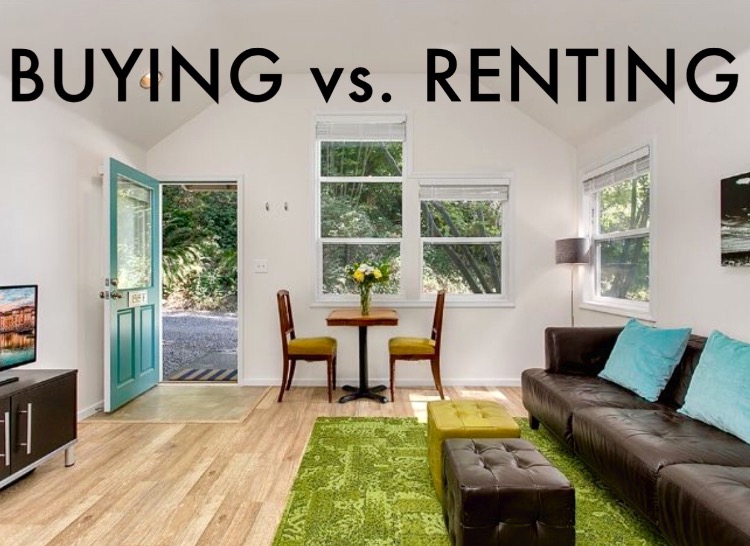
Do you dream of owning your own home? Or are you happy to rent a place where a landlord takes care of all your home issues? There are pros and cons of both renting and owning your home. Here are some issues to consider if you are on the fence:
Buying •
September 4, 2015
#YourStoryIsOurStory: Paradise Found. Paradise Lost. Paradise … SOLD!
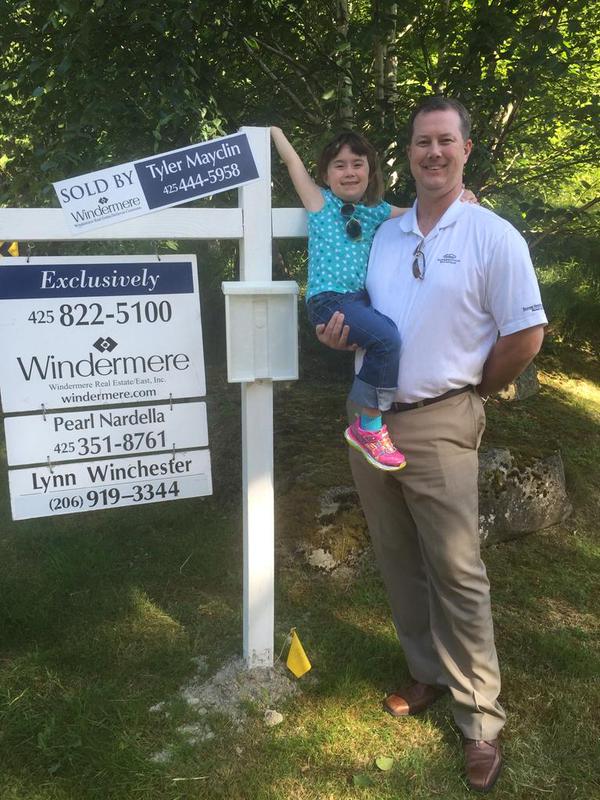
Making the decision to move is never easy. With the last of the kids out of the house and on to their own adventures, an epiphany in early April got me thinking about downsizing. The idea made sense to me – and to Mister Maven after a few days of deliberation, too. Yet while the general idea was exciting, the reality of slogging through real estate listings, packing boxes and actually moving from one place to another was absolutely dizzying.
Imagine my surprise when mere hours after this downsize-lightbulb went off over my head, an email arrived from a friend-turned-real-estate agent – Tyler Mayclin – who was spreading the word about his endeavor into the real estate world. “It has to be a sign!”, I told myself, so I emailed Tyler back with a declaration of my idea:
Like many endeavors in life, things started moving like wildfire – my downsizing spark turning into a flame burning wildly through the east side of Lake Sammamish. Weekly firestorms of emails culminated with weekend visits to townhomes in Issaquah, Klahanie and Sammamish. As expected, our search turned up the good, the bad, and the hideously ugly reality of the current real estate market.
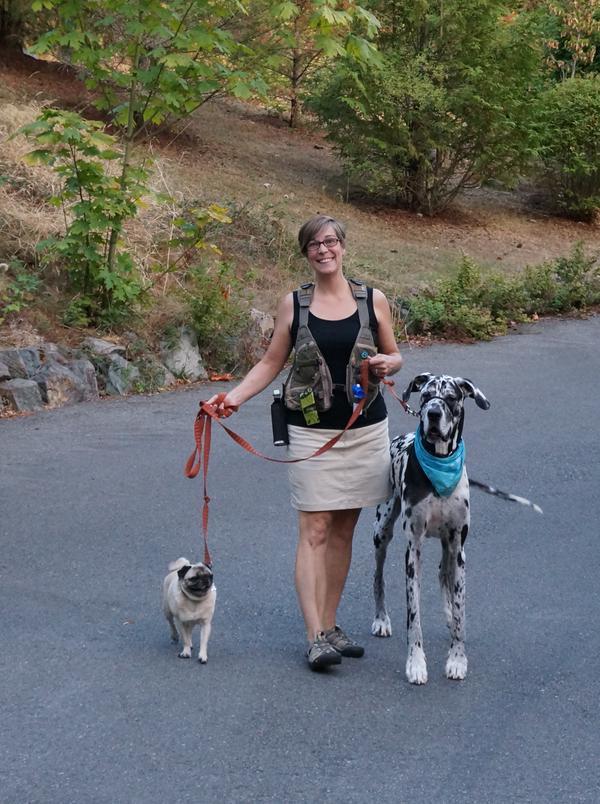
Our needs were specific: Although our kids were away, Anjou and Bartlett – our pug and great dane – would need a lawn for frolicking and doin’ their doggie “business.” My husband and I wanted something woodsy with trees, trails and wildlife. Throughout each weekend, our agent picked our brains methodically to try to identify exactly what we were looking for beyond the scenic setting: a soaking tub for Mike; views for me; room for the pups; a well-equipped kitchen; privacy and space. What seemed to me the easiest request in the world, wasn’t necessarily so. Tyler found townhomes with many of our must-haves ticked off, but a few lacking. He canvassed neighborhoods seeking properties not-yet-for-sale. Within the first exhausting month we came to the realization that we might be in this process for the long-haul. Our list was long, but the availability of properties matching our hit-list was short. Then came the Saturday morning that would start a rollercoaster of emotions:
 With a short-list in hand, we set out again on an eastside search-and-consider mission. Only a few stops were on the list, since so few properties were on the market within our criteria. Our first stop of the day was at a townhome nestled along a greenbelt on Tibbett’s Creek – significantly above our original price point, but worth viewing because of how many items on our list we could tick off. Indeed, the property held three stories of everything we’d been looking for: gorgeous views, three decks (and a patio!), a spacious kitchen and high ceilings that showcased the tall conifers outside. We drove back home considering what we’d seen and decided it was worth a second look. Unfortunately, when we pulled up the listing to view photos again, it switched from “On the Market” to “Pending”. We were crushed.
We immediate called Tyler and discussed what options were available as second-in-line. We knew this gem on Tibbett’s creek was one-of-a-kind. Tyler promised to contact the seller’s agent and to let us know if anything were to fall through in the existing deal. And then, we solemnly continued with the process, knowing it’d be hard to find anything that would compare.
Two weeks later, getting more fed up with the lack of options available, we optimistically set out with Tyler on another Sunday adventure. While showing a home near Redmond, he nonchalantly mentioned that he “had some interesting news” for us later in the day. Sure enough, he elaborated that the deal with the Tibbett’s Creek home might not be rock-solid. As with most real estate deals, a give-and-take was happening between the owner and buyer after the inspection was complete. Hoping for the best, we sat down with Tyler and wrote up an offer – to be presented only in the case that the previous deal were to fall through. An important date was looming: that which the purchaser could accept or reject the seller’s counter offer. We were given a 9:00 p.m. deadline on a Thursday night with hopes that our phone would ring with news that we’d be next in line. Sadly, the news was not good. The deadline passed with no word, so we assumed the buyer came to mutual agreement. Tyler called the next morning to tell us that there was one last-minute chance that the buyer could back out by not accepting the HOA guidelines, but that the likelihood was a reach. So we mustered our energy, went out to our favorite brewhouse, and lamented over a beer about how we’d find a way to move forward with our search. We’d have to push the visions of decks and trees and spacious kitchens from our memories. We’d need to forget the short commutes and hiking trails and small community. So we went to bed (very early) – hopes crushed – hoping for a brighter tomorrow.
Just after 8:00 p.m. on the same night, once our weary eyes had closed, the phone rang. I answered to hear Tyler’s grave voice offering apologies, which I accepted and commented that we’d find a way to move on. Tyler’s voice changed, however, when he said, “No – I’m sorry to tell you that you’re going to need to start packing!”. Imagine waking from a fast sleep with visions of townhouses gone by, to be told that suddenly your dream was to be a reality. Befuddled headshakes and literal pinches followed as the news sunk in: We were moving to Issaquah!
The ups and downs are thankfully behind us now. The boxes are unpacked and the pups are contently settled in. The kitchen is awaft with aromas of home cooking and the fridge now has chilled glasses ready for a cold brew on a Friday night. I look back on the past three months as an adventure that wouldn’t have happened without my spark, nor without the care and ability of our agent Tyler. Instead, we’re walking our trails, meeting new neighbors, and loving life on the Eastside!
 Ann Peavey is a Seattle area blogger who writes about things to do, places to see and where to dine all around the Pacific Northwest. You can learn more about her adventures on her blog, twitter and Instagram sites.
More •
September 2, 2015
Windermere Offices Gear Up for Back-To-School
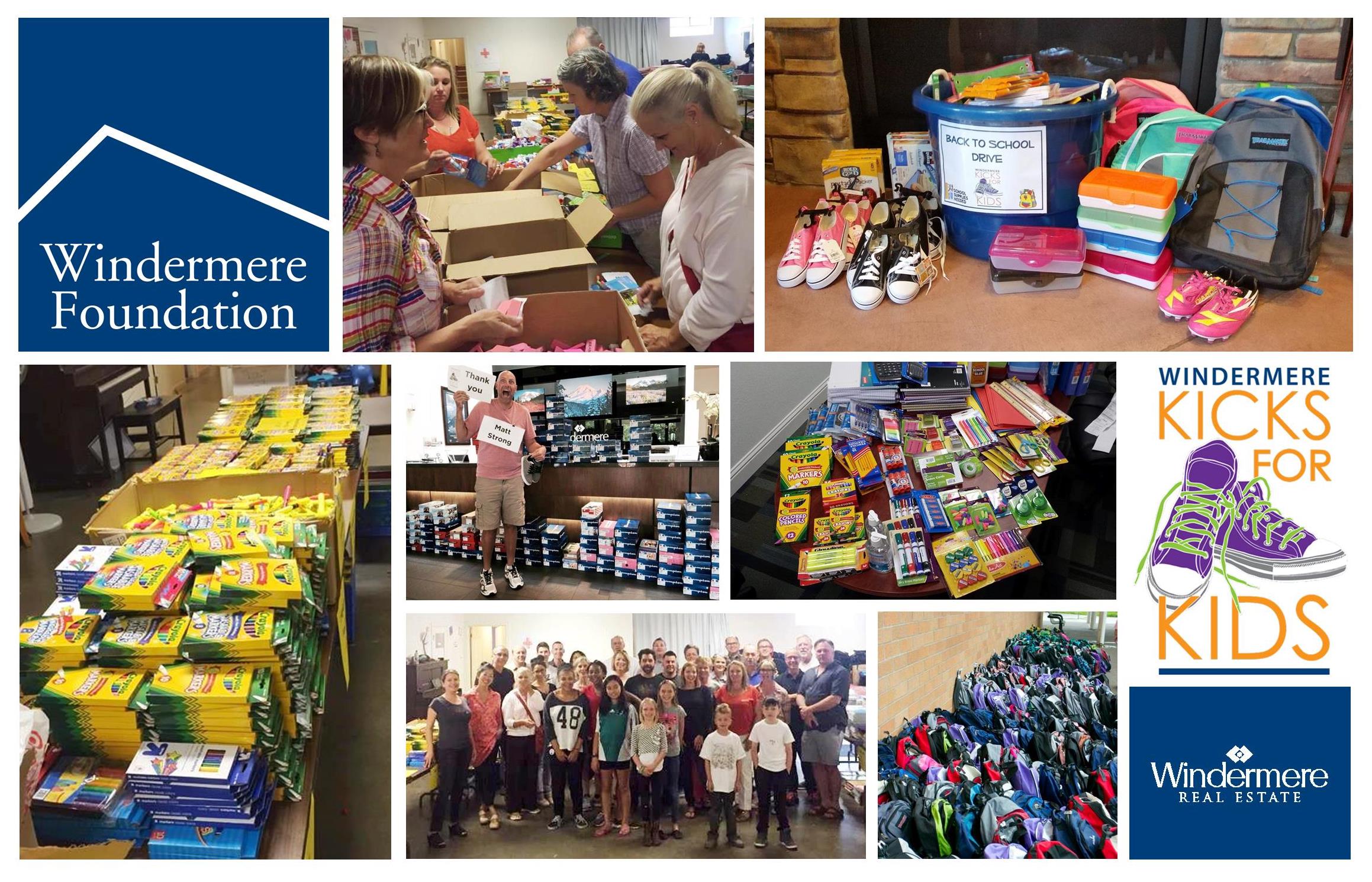
As students wrapped up their summer vacations and got ready to head back to school, our Windermere offices were busy collecting back-to-school supplies for low-income and homeless students.
Some offices began their efforts well before the end of summer, like the Windermere Mount Baker office, which assisted the Seattle King County Coalition on Homelessness’ “Project Cool” by collecting supplies during the months of June and July. Then on July 13, 35 agents and their families got together to help stuff backpacks at the Columbia City Church of Hope. This was the office’s third year helping Project Cool provide backpacks filled with school supplies to homeless children. Thanks to the donations and volunteers’ efforts, Project Cool says they will be able to help over 1,450 kids get a good start to their school year.
The Windermere El Sobrante office teamed up with a local lender and collected donations for a school supply and backpack drive. The supplies collected were distributed to two local area schools through Community Cares, serving approximately 1,200 students.
The Windermere West Sound, Inc. offices (Kingston, Poulsbo and Silverdale) supported Sharenet Food Bank’s annual backpack and school supply drive by presenting a $1,000 grant to the Greater Kingston Kiwanis Foundation. The offices also held a Kicks for Kids sneaker drive in August, in which they collected new school shoes for low-income youth.
The Windermere Mercer Island office also held a Kicks for Kids shoe drive this summer. Their goal was to collect 300 pairs of shoes and 50 twenty-dollar gifts cards for kids receiving services at Mary’s Place, an organization that supports homeless women and their children. They exceeded their goal and collected over 330 pairs of shoes and 60 gift cards, which were handed out to the kids at Mary’s Place on August 24 – just in time for the first day of school.
Windermere Van Vleet & Associates, Inc. offices (Ashland, Medford and Jacksonville) participated in the Rogue Valley Association of Realtors’ school drive benefiting the Maslow Project, which provides underprivileged kids with backpacks filled with school supplies. Windermere agents donated over $500 and collected enough funds from individual and office donations for 350 backpacks.
The Windermere Alderwood office supported the Edmonds School District’s Back-to-School and Health Fair on August 27 at Cedar Valley School. With a $1,000 donation through the Windermere Foundation, they helped provide backpacks full of school supplies, as well as volunteering their time at the event. Over 1,100 students registered for the event, with an expected attendance of over 1,300. Along with a backpack of supplies, kids were offered free haircuts, dental and eye exams, free immunizations, and many other helpful services to help them prepare for their first day of school.
The Windermere Salem office used their Windermere Foundation funds to purchase 30 backpacks filled with school supplies for children in need at Liberty Elementary School.
The Seattle-area Windermere Real Estate Company offices in Sand Point, Wedgwood, Lakeview and Northgate partnered with local elementary schools to provide backpacks and school supplies for students from low-income families. Armed with a supply list and a number of backpacks to fill, the offices purchased everything via funds through the Windermere Foundation. Then agents from all of the offices came together to prepare the backpacks for delivery to the schools at the end of August.
The Windermere Tri-Cities Kennewick office supported the Tri-City Union Gospel Mission Women’s and Children’s Back-to-School event on August 15. Using their Windermere Foundation funds, the office purchased backpacks and supplies to donate to the cause.
The Windermere Bellevue Commons office held a back-to-school drive in August and collected school supplies and cash donations to assist 1,600 students in the Bellevue School District.
The Windermere Burien office donated Windermere Foundation funds in support of back-to-school drives for Lutheran Community Services Northwest and the Highline Schools Foundation.
Windermere offices in Spokane (City Group, Cornerstone, Liberty Lake, Manito, North, Valley) hosted their annual Shoes and Socks event for local school kids on August 29. Children referred by Family Promise of Spokane, Spear, and local area schools picked out shoes and received a pair of socks from event partner Big 5 Sporting Goods. The event served around 150 children.
The Windermere Lake Stevens office partnered with the Lake Stevens Family Center to help with their back-to-school event on August 29. Through their Kicks for Kids shoe drive, the office collected over 70 pairs of shoes to give to local children in need.
At the Windermere Northlake office, agent Amanda Mayberry organized a donation drive in support of the YWCA supply drive to benefit homeless youth and kids in transitional housing.
Windermere Relocation, Madison Park and Windermere Coeur d’Alene offices also supported local back-to-school and backpack programs in their areas.
Thanks to the efforts of these offices, thousands of children from low-income families will have the tools they need to be successful and start the school year with dignity. We are very grateful to everyone involved.
To learn more about the Windermere Foundation, visit http://www.windermere.com/foundation
More •
August 31, 2015
Questions to Ask Yourself when You’re Thinking about Selling

When you make the decision to sell your home, the end goal is to get the best price and most favorable terms in a time-frame that meets your needs. But before the sign goes up in your front yard, there’s a lot to be done to get you and your home in prime selling condition.
More •
August 28, 2015
#YourStoryIsOurStory: Finding the Best Place to Play

Jayden and loyal pal Marley needed more space to play. With the help of Windermere Kennewick, they found the right place to roam and grow.
Throughout the year we will be posting some of our favorite #YourStoryIsOurStory videos, photos, and blog posts. Please take a minute to share your experiences, and follow #YourStoryIsOurStory on our blog, Facebook, Twitter, Instagram, YouTube, and Pinterest pages.
More •
August 27, 2015
7 Helpful Back to School Organization Ideas
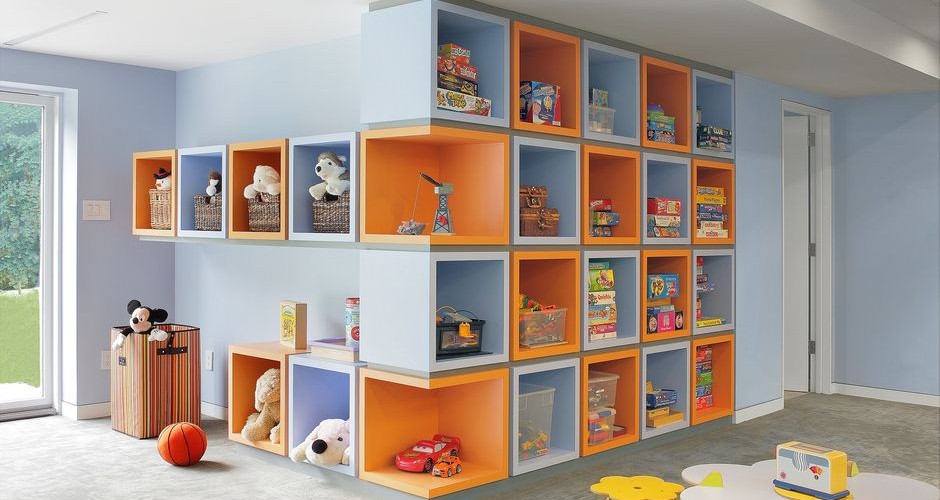
This article originally appeared on Porch.com
Written by Mady Dahlstrom
Skip the stress of staying organized this school year with these helpful DIYs!
The new school year is almost here! Worried about your home staying in tip-top shape during busy school days? Make the back to school transition a breeze by keeping your family and your home organized. From a menu board to a daily closet organizer, stay on track with these helpful tips and tricks that you can DIY at home!
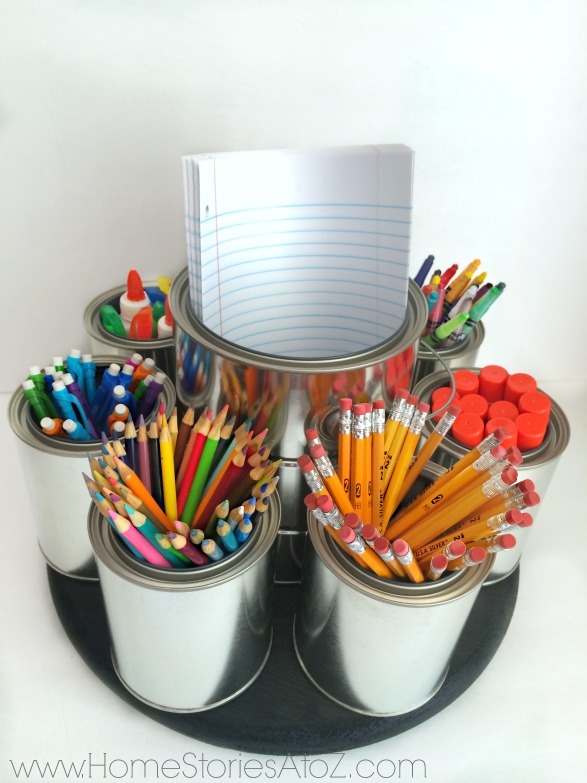
1. Lazy Susan Homework Caddy
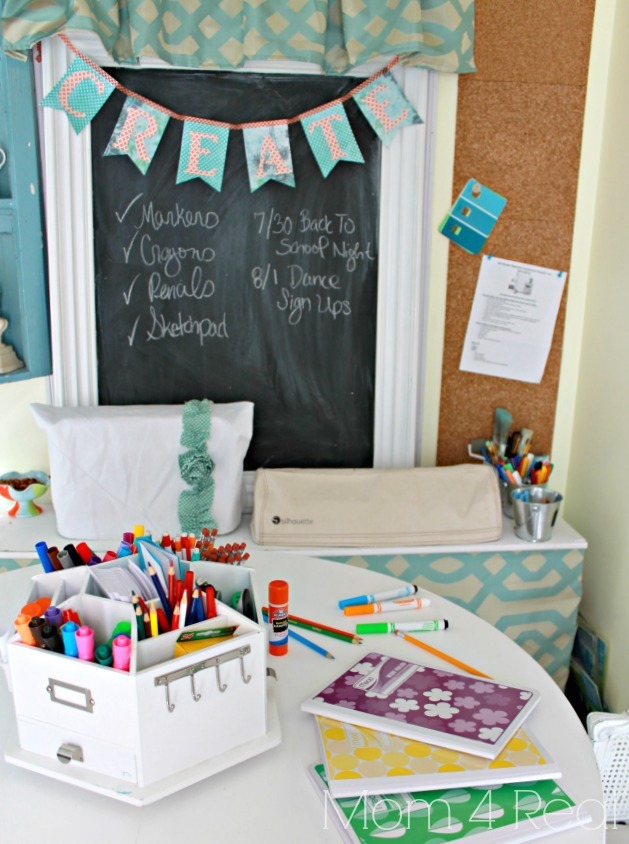
Be prepared for the many homework hours ahead of you with this DIY homework caddy. If your kids like to do homework at the kitchen table, this lazy susan homework caddy makes every supply easily accessible.
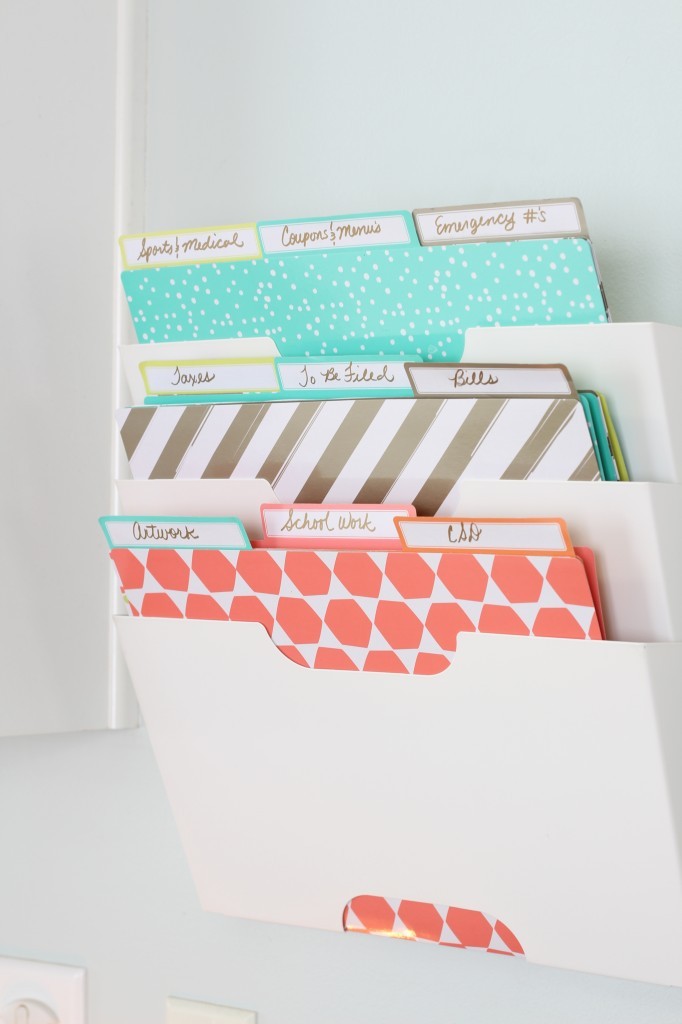
2. Paper Clutter Organization
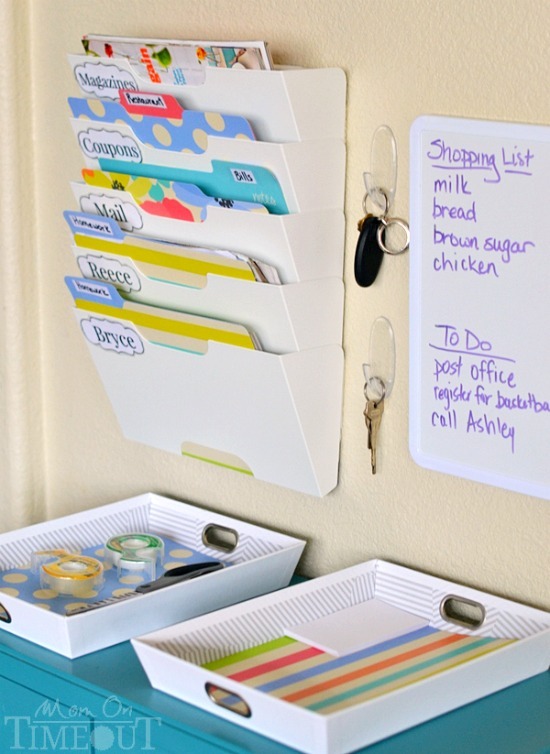
Keep your mail and school papers from cluttering your countertops with this wall file folder organization. Categorize the files to your personal needs, such as sports, medical, coupons, and emergency numbers.
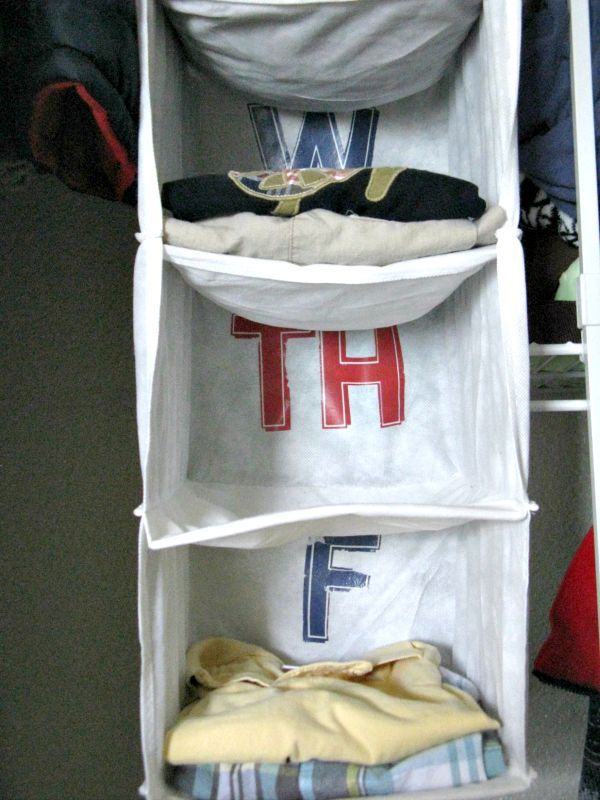
3. Kids Closet Organizer
Make your mornings a little easier with this kids closet organizer. With a hanging cubby and iron-on letters you can designate daily outfits for the whole week.
4. Family Command Center
Get the whole family organized by creating a command center! A place for backpacks, filing, to-do lists, keys, and much more, a family command center will keep all of your important items in one area.
5. Meal Planning Board
Plan ahead for the week by organizing your meals with a meal planning board. Whether you’re going out to eat or staying in, your kids will love to help pick out what’s for dinner each week, and it will help you know what should be on your shopping list.

6. Homework Station
Give your kids a creative and inspiring space to learn with a personalized homework station! Gather school supplies, art supplies, and colorful decorations for a fun space to work, learn, and create.
7. Library Book Basket
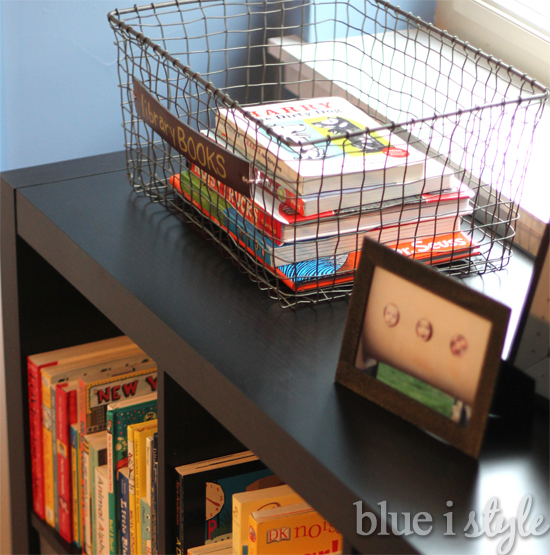
Never worry about another late library book with this DIY library book basket. A bin dedicated to only library books will make sure you keep library books separate from your personal collection.
How do you get your home ready for the school year? Share your tips and tricks in the comments below!
Top Image Credit: Eisner Design LLC
 Porch.com is the free home network that connects homeowners and renters with the right home service professionals.
More •
August 25, 2015
The Windermere Foundation Wildfire Fund

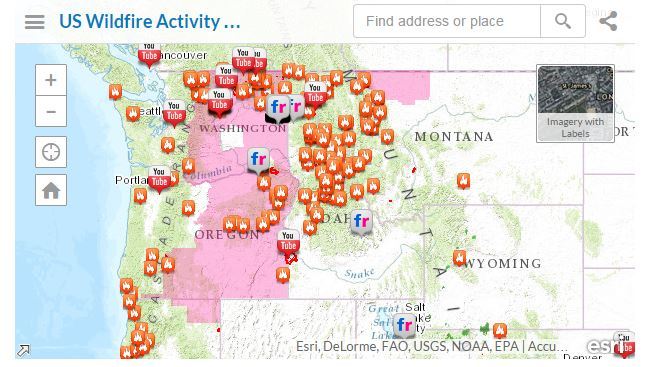
We are deeply concerned about the ongoing impact of wildfires throughout the Western United States this year. Eastern and Western Washington, Oregon, Idaho, California and Western Montana have been hit particularly hard by rampant wildfires this summer. According to the National Interagency Fire Center, 65 known fires are raging throughout the states we serve, displacing thousands of families. We have heard that many of you wish to support the emergency relief for those who have lost their homes.
The Windermere Foundation is now accepting donations to support the families that have been affected by wildfires. We will disburse donations to organizations that are serving local families based on the region you designate or by your billing zip code. One hundred percent of the funds designated to the Windermere Foundation Wildfire Fund will go to local organizations that are providing immediate assistance to those who are affected by the fires.
You can donate online at: https://store.windermere.com/content/FoundationWildfireFund Anyone can make a donation through this fund, so please feel free to share this email with your friends and family.
Our hearts go out to everyone who is affected by these terrible fires.
Thank you for your support!
More •
August 24, 2015
How to Get Started on Your Home Search

Whatever your reasons for buying, finding the right home in the perfect neighborhood, and at a cost that is within your budget, is no small task. But if you do your research and approach the process with confidence, you are much more likely to emerge at the end of the day with a house you'll be proud to call home.