Facebook
 X
X
 Pinterest
 Copy Link
Strategic Investments to Increase Home Value and Market Appeal

When it’s time to sell your home, one of the biggest questions is how to make it as appealing as possible to today’s buyers. While market conditions, location, and timing all play a role, the updates you choose before listing can make a meaningful difference in both your selling price and how quickly your home goes under contract. The key is knowing where to invest your time and money. Not every project pays off, but some smart upgrades can give your home a competitive edge, help it stand out in online listings, and create the kind of first impression that gets buyers excited.
Here are some of the most impactful ways to invest in your home before putting it on the market.
Fresh Paint and a Neutral Palette
Few improvements have a more substantial return on investment than paint. A fresh coat instantly refreshes a space, making it feel clean, updated, and well-maintained. Neutral tones for interiors, such as soft grays, light beige, and crisp whites, appeal to the broadest audience and allows buyers to envision their own style in the home. It’s crucial not to overlook trim, doors, and even ceilings, as these small details help create a polished, move-in-ready feel. And if your front door could use a pop of personality, consider a bold, welcoming color that complements the rest of the exterior.
Curb Appeal That Counts
Buyers often form an impression before they even step inside. Landscaping, exterior lighting, and simple maintenance go a long way toward making your home inviting. Think trimmed hedges, fresh mulch, pressure-washed walkways, and a tidy lawn. It’s also smart to ensure outdoor areas are safe, from repairing uneven paths to addressing any obvious hazards.
Adding planters with seasonal flowers, updating house numbers, or swapping out an old mailbox can elevate your home’s appearance without requiring a significant investment. For buyers scrolling through listings, that curbside charm can be a deciding factor that gets them to schedule a showing.
Kitchen and Bathroom Touch-Ups
Kitchens and bathrooms continue to be high priorities for buyers, but you don’t need to take on a full remodel to make an impact. Small upgrades like replacing outdated cabinet hardware, installing new light fixtures, or swapping in modern faucets can transform the look of these spaces.
In the kitchen, consider updating your backsplash with a clean, timeless tile or refreshing worn countertops with a durable surface. In bathrooms, regrouting tile, caulking any cracks, replacing mirrors, or updating vanities are simple ways to modernize without overspending.
Flooring Matters
Floors are often one of the first things buyers notice when touring a home. If your carpets are worn or stained, professional cleaning or even replacement can make a big difference. Hardwood floors are especially appealing and refinishing them is often more cost-effective than replacing them.
For areas where replacement makes the most sense, consider durable and stylish options like engineered wood or luxury vinyl plank. Consistent flooring throughout the main living areas can also help a home feel more spacious and cohesive.
Energy-Efficient Features
Today’s buyers are increasingly focused on efficiency and sustainability. Investments like LED lighting, programmable thermostats, and updated appliances not only lower utility bills but also signal to buyers that the home is modern and thoughtfully maintained.
If your budget allows, new windows or improved insulation can add value while appealing to environmentally conscious buyers. Highlighting these upgrades in your listing helps showcase both comfort and cost savings.
Decluttering and Staging
Sometimes the most impactful upgrade isn’t about new finishes, it’s about presentation. Decluttering each room, minimizing personal items, and rearranging furniture to optimize space can dramatically change how buyers perceive your home. And the best part? It’s completely free.
Professional staging takes this one step further, creating a warm and welcoming atmosphere that helps buyers envision living in the space. Even small touches, like fresh flowers, cozy throws, and well-placed artwork, can make your home feel more stylish, comfortable, and truly move-in ready.
Making Smart Choices
The goal of any pre-sale investment is to spend strategically, choosing projects that increase appeal without overextending your budget.
At Windermere, our agents are experts at helping sellers decide which upgrades matter most. From recommending paint colors to connecting you with trusted contractors, we’re here to make sure you get the best return on your investment. Through our Windermere Ready program, we can even front the cost of improvements like painting, landscaping, cleaning, and staging so your home shines its brightest when it hits the market. With concierge-level service and no payments due until closing, it’s a simple way to maximize your home’s value and sell faster.
Connect with an experienced Windermere agent today to learn more about how we can help you prepare your home for the market with confidence:

Sustainable Upgrades That Help Your Home Sell for More
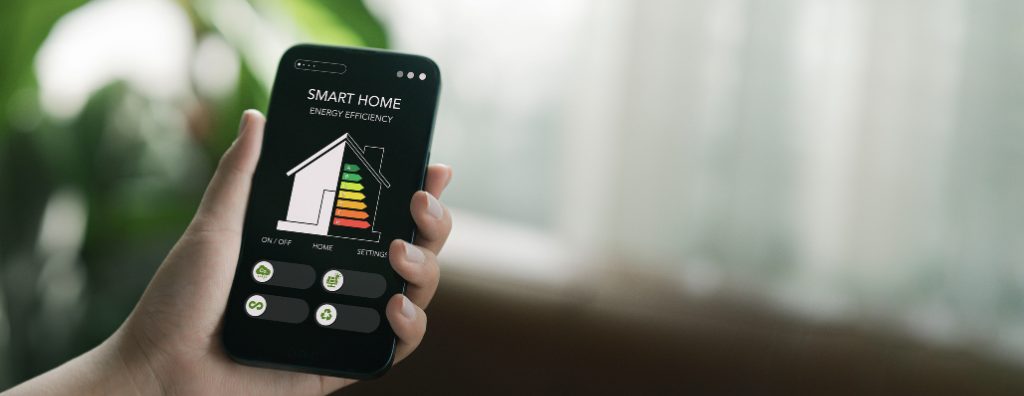
Selling a home begins with understanding how much it’s worth. After an initial assessment, you may want to make some updates to increase the value of your property. There are several ways to do that, including boosting your curb appeal or making renovations with significant ROI potential. As you research potential projects, keep in mind that making your home more sustainable can boost its value to potential buyers. In today’s market, many buyers are looking for eco-conscious features that offer long-term savings, lower utility bills, and improved health and comfort at home. Making the right green upgrades can help your home stand out. Talk with your agent to identify which of these five upgrades makes sense for your home before it hits the market.
Five Green Upgrades that Increase Your Home Value
1. Energy-Efficient Appliances
It’s no secret that appliances use a significant amount of energy, which means there is plenty of opportunity to cut back on their output. Installing energy-efficient appliances can do wonders for creating a more eco-friendly home, while appealing to buyers who value sustainability. And as many cities move toward energy codes that limit or eliminate the use of natural gas, energy-efficient electric appliances are becoming an important part of future-proofing your home. When shopping around, look for appliances with high-efficiency or Energy Star certifications. They may cost more to purchase, but their ability to generate long-term savings is a concrete selling point.
2. Tankless Water Heater
As the shift toward eco-friendly appliances has picked up steam, so too has the preference for tankless water heaters. Whereas standard storage tank water heaters keep a reservoir of hot water at the ready, tankless water heaters heat your home’s water supply on demand. It’s similar to a new car that shuts off its engine when sitting idle, as opposed to an older car whose engine is running all the time. Tankless water heaters don’t come without their share of costs. An upfront investment will be required for purchase and installation, but it will deliver immediate savings on energy bills.
3. Solar Panels
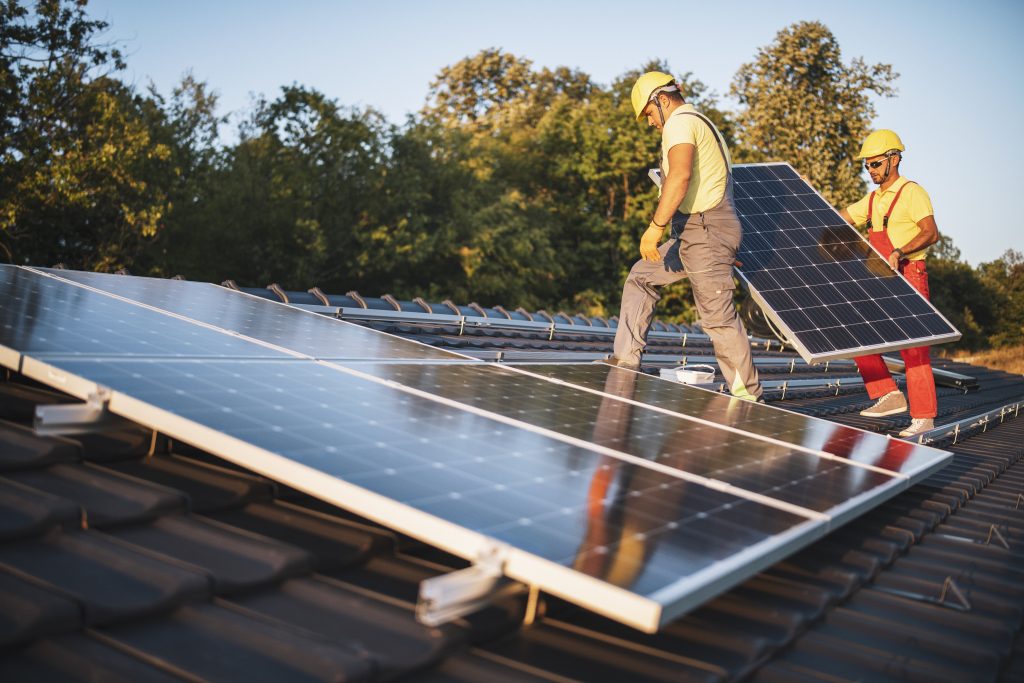
There are many benefits to going solar, but for sellers, the positive effect solar energy has on home values is chief among them. A solar-capable home is a surefire way to drum up buyer interest. By taking care of the upfront installation costs, you allow the buyer to focus on the benefits of solar energy, i.e., the long-term energy savings, the reduced utility bills, and the reduction in the property’s carbon footprint. Depending on your location, you may also be eligible for local or federal tax credits, utility rebates, or other incentives that can offset these installation costs. Work closely with your real estate agent to understand how solar energy has affected home prices in your area to get an idea of the project’s ROI potential.
4. Water Filtration
Installing a home water filtration system is one of the best ways to cut down on your home’s waste while increasing its value. These filtration systems appeal to buyers for a variety of reasons. Of course, there are an array of health benefits to having filtered water running through the entire house. Buyers can be assured that the water is safe to drink, they will be bathing and showering in clean water, and there is a reduced risk of plumbing issues due to contaminated water. Beyond the personal health benefits, it can also cut down on bottled water costs and the amount of landfill waste produced within the home. Some whole-home water filtration systems also come with smart sensors that track usage, detect leaks, and monitor filter lifespan, adding a layer of convenience and long-term savings for homeowners.
5. Energy-Efficient Windows
Alternatives to traditional windows have become more popular in recent years. Energy-efficient windows are better insulated, which helps to regulate temperatures inside the home and protects against harmful ultraviolet rays. Their ability to help regulate your home’s heating and cooling leads to energy savings and reduced carbon emissions. Energy-saving windows can be highly valuable to potential buyers, especially if you live in a climate with extreme temperatures.
In addition to temperature regulation, many buyers also appreciate how modern energy-efficient windows help with soundproofing—a big plus in urban or suburban neighborhoods.
Bonus Upgrades to Consider
If you’re looking to go a step further, here are a few more eco-friendly upgrades that may increase your home’s value and appeal:
- Smart thermostats automatically adjust heating and cooling based on your schedule, saving energy and offering buyers convenience.
- Upgrading to high-efficiency insulation in walls, attics, or crawl spaces can significantly reduce energy costs.
- With electronic vehicles becoming more common, having a dedicated outlet or charging setup at home is a huge plus for future-minded buyers.
For more tips on the selling process, visit the selling section of our blog.
Blog – Selling
Looking to boost your home’s market value with smart, sustainable upgrades? A Windermere agent can help you decide which projects will give you the best return in your neighborhood.
Click the button below to connect with an experienced Windermere Real Estate agent.
Selling Your Home with Pets? Here’s What to Know

For pet owners, it’s hard to imagine their home without a furry friend. However, when it comes time to sell, showcasing the qualities of a home should take precedence over the pets that live in it. This creates additional steps in the process of preparing your home for sale, but it makes all the difference in the minds of buyers.
Selling a Home with Pets
Staging Your Home
A well-staged home makes it appealing to the widest variety of buyers and has significant ROI potential when it hits the market. However, having a pet can complicate the staging process. Buyers may lose interest in the home if they see traces of pets, so it’s a good idea to hide any signs of their presence.
It’s especially important to hide evidence of your pet in marketing photos. Prepare for your home’s listing photos by cleaning and vacuuming, making sure all pet stains are gone and any pet-related damage is repaired. Stow any pet carriers, cages, toys, food bowls, and other supplies that may hinder the photographer’s ability to capture the essence of a room.
Showing Your Home
Before inviting potential buyers inside, it’s best to give your home a deep clean to improve your home’s air quality and to rid your carpets, flooring, and surfaces of pet odors and any dirt they may have tracked in over time. Provided you’re using your own furniture, vacuum and clean everything to extract as much fur and pet dander as possible. Talk to your agent to see if it’s a better idea to stage your home with rented furniture. If your pets have caused any damage in the home, make repairs or replacements as needed. After tending to your home’s interior, don’t forget to clean up after your pets in your yard as well. Fill in any holes in the lawn, freshen up your flower beds, and tidy up any areas of the landscaping where your pets may have dug.
After you’ve prepared your home for showings, there’s the question of what to do with your pets once buyers start taking tours. Ask a family member, friend, pet sitter, or neighbor to watch your pets while the showings take place. If you’re not able to find someone to watch them, form a strategy to temporarily relocate your pets during showings. If they must stay in the home, garage, or backyard during tours, it’s best to give buyers advanced notice that there are pets on the property. Talk to your agent about posting signage communicating their presence so that there are no surprises as guests make their way through the house.
Taking all these precautions will help to present your home in the best light without deterring certain buyers, for whom the signs of a pet may cause them to lose interest. On the other hand, if any buyers inquire about how the home can accommodate their pet, you and your agent will be more than ready to answer any questions they may have.
Selling Your Home
For more information on the process of selling your home, visit the Selling Page on our blog. To get an idea of what your home is worth, try our free home value calculator below:
What is my home worth?
A Step-by-Step Guide to a Smooth and Successful Sale
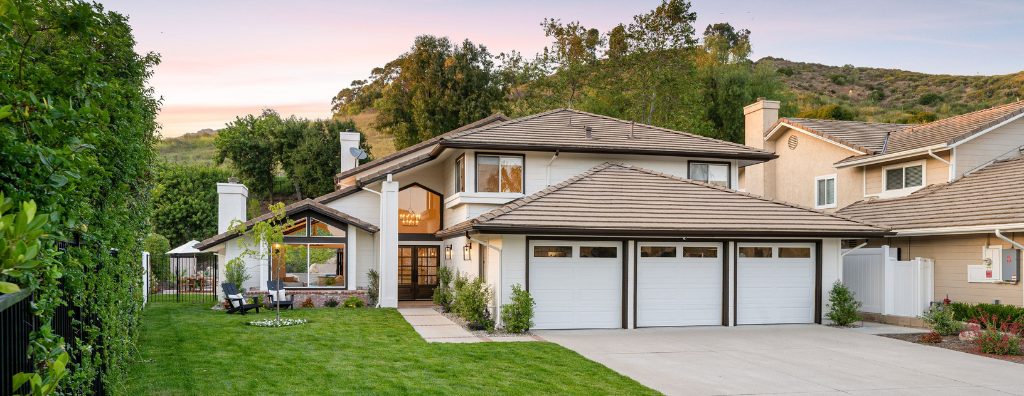
Navigating everything involved with selling your home can seem intimidating. Breaking the process down step by step will keep you organized and ready to work with your agent toward a successful home sale.
1. Choose an Agent
A lot goes into choosing the right agent. If you’re unsure where to start, get referrals from trusted friends, family, and neighbors. Although the ultimate goal is the sale, think about your compatibility outside of the transaction. Their ability to connect with you on a human level through the ups and downs of a home sale is just as important as their expertise and knowledge of the market.
Pro tip: Look for someone who communicates the way you do—whether that’s testing, emailing, or good old-fashioned phone calls. Feeling heard and understood can make all the difference in building trust and making the process more enjoyable.
2. Set a Timeline
Depending on your local housing market conditions, your timeline for selling your home may vary. However, a timeline is valuable in that it will keep you organized throughout the selling process and allows you to adjust if circumstances change. Your agent will work with you to build the ideal timeline, one that reflects your personal goals, the local marketplace, and any milestones you may be working around. Having a clear plan reduces stress and ensures everyone is on the same page.
3. What is Your Home Worth?
The key to selling quickly is correctly pricing your home from the first day it hits the market. In particular, overpricing can lead to serious complications in the selling process. Your agent can provide you with a Comparative Market Analysis (CMA) to better determine the best price of your home. CMAs provide information on comparable home sales in your area, both pending and sold, within the past six months.
While an agent will always have the best information, you can also explore your home’s potential value with our real-time automated value estimate tool before connecting with your agent. Our seller page features home values and market information about what buyers are looking for in your area.
4. Repair & Upgrade
Now it’s time to get to work on the house! This is the perfect time to tackle any and all outstanding projects or repairs. Create a list separating which repairs can be done yourself and which need professional attention. This is also a great opportunity to consider a pre-sale home inspection to identify structural and mechanical issues or outdated features that could benefit from attention. Even small updates can go a long way—especially those that boost energy efficiency or add smart home appeal.
5. Make the Best First Impression
Creating a strong first impression can have a lasting impact on buyers, so roll up your sleeves and prepare to check off that to-do-list. Start by cleaning up the garden and lawn, clearing out gutters, and adding color to your flower beds. Apply a fresh coat of paint anywhere you spot peeling or cracked paint. A great way to make an impact is by staging your home, with the goal of making each room feel as spacious and welcoming as possible. Professional photography and even a little social media buzz can make your home stand out from the start.
6. Show Your Home
Discuss virtual home tour options with your agent and other ways to generate maximum buyer interest. Consider 3D tours, virtual staging, or even drone footage if your property has outdoor highlights. These features can help your home stand out online and attract more attention, especially as many buyers now begin their home search digitally. For in-person showings, it’s best that you leave the premises so the buyer can freely ask their agent questions and visualize the home as their own.
7. Offers & Negotiation
If you are in a seller’s market—defined by low inventory and high buyer competition—it is likely that you will receive offers at – or above – asking price. You can respond to an offer by a) accepting the offer, b) making a counteroffer, or c) rejecting the offer. Counteroffers should always be made in writing and provide a short window of time for the potential buyer to respond. If you are selling in a buyer’s market, you may have to be more open to negotiation. Discuss negotiation strategies with your agent to work toward a satisfying final price.
8. Prepare for Closing Costs
There are costs throughout the selling process, and as the close date approaches, that remains true. Be sure to budget for your real estate agent’s commission, and other common seller’s costs like title insurance, recording fees, and government transfer tax, among others.
9. Home Inspection
Buyer offers are usually contingent upon a professional home inspection. Ask your agent for a home inspection checklist, so you know what the inspector is looking for ahead of time. They typically inspect the home’s foundation, structure, roof, plumbing and electrical systems, floors, windows, doors, and more for signs of damage and weathering. Some buyers now opt for additional specialized inspections—like sewer scopes or radon testing—so it’s helpful to be prepared in advance for what might come up.
10. Closing Time
Congratulations! Your home is sold, but there are still some final steps before the deal is done. This is the time to ask the buyer to release any contingencies, sign the title, and close escrow before handing over the keys. Consult your real estate agent for any questions about legal documentation and settlement costs.
Whether you’re just starting to think about selling or ready to take on the next step, a Windermere agent is here to guide you. Click the button below to connect today.
The Biggest Home Buying and Selling Mistakes (and How to Avoid Them)

There’s nothing more exciting, rewarding, and fulfilling than buying a home. However, it’s a complex transaction, and there are a number of steps along the path that can confuse, betwixt, and befuddle even the most seasoned buyers and sellers.
How can you avoid those potential pitfalls and common mistakes? Look to your real estate professional for advice and keep these guidelines in mind:
Making the Most of a Home Inspection

For many people, a home inspection is a hurdle that every homeowner must overcome during the process of selling a home, but it’s a useful tool for sellers looking to get the greatest possible value from their home.
10 Costs Associated with Selling Your Home

Selling a home is an exciting time for homeowners. Once you and your household have decided that you’ll hit the market, it’s easy to think solely about the revenue that comes with the sale. However, selling a home comes with its own set of costs. Knowing what these costs are will help you budget throughout the selling process. Here are ten most of the most common costs that come with selling a home.
1. Commission Fees
Of all the expenses that come with the sale of a home, agent commission fees are usually the largest and for good reason. Real estate agents are professionals, wielding their industry knowledge and local expertise to get the job done and save countless hours of work for the homeowner. The commission is split by the agents representing both buyer and seller
2. Pre-sale Home Inspection
Pre-sale home inspections are not mandatory; however, if a seller does not conduct one, it could lead to major costs down the road. The inspection allows the seller to find any issues with the home and properly disclose them to the buyer. If the buyer’s home inspector finds repairs that need to be made, they can ask the seller for a price reduction or require that they be fixed in order for the sale to go through.
3. Home Repairs
There are varying degrees of home repairs that can increase the value of your home. Cosmetic fixes like improving your landscaping will do wonders for your curb appeal. Painting and decluttering help to present the home in the best light for buyers. Larger projects like replacing appliances, roofing, plumbing, and full-scale upgrades are a more significant investment but can increase your home’s value.
4. Staging Costs
During the selling process, it pays to put effort into the presentation of your home. Staging helps buyers to visualize living in the home. Professional stagers will enhance your home’s qualities while minimizing its deficiencies. Their cost will depend on the level of staging your home requires.
5. Utilities
In the interim period between when you move out and the buyers move in, you’ll want to continue paying utilities. Without running water, electricity, and heat, your home could be difficult to show to buyers.
6. Remaining Mortgage
Another cost of selling your home is the remaining loan balance on your mortgage. If you have been steadily paying your mortgage, your home sale will greatly aid in paying back the remaining amount, if not cover it completely.
7. Escrow Fees
In a home sale, there’s always the question: Who handles the cash? That’s where escrow comes in. It’s common for buyers and sellers to split the cost of escrow services. Be mindful of additional costs during escrow such as transfer fees and notary services.
8. Capital Gains Tax
The capital gains tax is assessed by taking the difference between what you paid for your house and what you sold it for. There are common exclusions for the tax, but there are situations where the exclusions may not apply. For example, if the home was not your primary residence, you could end up paying taxes on the whole gain. Talk to your Windermere agent for more information.
9. Property Tax
If your home sale takes place after you’ve paid taxes for the year, you may get a rebate at closing. In this case, the buyer reimburses the seller for the applicable taxes paid. Otherwise, the seller should pay the prorated share of property tax until the sale closes, placing the money in escrow.
10. Moving costs
Finally, the home sale is final, and you’re ready to move. Whether you’re moving locally or across the country, moving costs can add up quickly. Moving as many of your items yourself can save money, but for larger, more difficult to transport items, you’ll likely need to incur the cost of hiring professional movers to ensure your items arrive at your new home safely.
These are just some of the costs associated with selling your home. Each home sale is different, and the costs vary accordingly. Knowing what you can expect to spend throughout the selling process will help you budget accordingly. For more information on the costs in the selling process and how to sell your home, connect with an experienced Windermere agent today.
Minimize Stress While Selling Your Home

After years of collecting furniture, plants, and memories, the thought of preparing your home to sell and moving to a new one can be daunting and stir up a lot of emotions. But selling your home doesn’t have to be stressful; here are a few tips to help make it easier.
Involve your agent early
The earlier you involve your Windermere Real Estate agent, the better they can set you up for success. When you reach out to them, they’ll be able to evaluate your home with their expert opinion based on their experience, and determine what needs to be done.
You and your agent will come up with a plan and timeline that works for you. After they do a comparative market analysis, they’ll have a good idea of what it will take to get the best price for your home. They may suggest you move out so the home can be professionally staged and easily accessed by potential buyers, or if that’s not an option, they will provide insights on what you can do yourself so you can live there while it’s on the market.
They may also see opportunities that are easy to implement, like improving the landscaping for curb appeal or minor projects that can increase your home value.
Working with a real estate agent will help move you through the process of selling your home more efficiently. If you don’t already have an agent and would like to be connected to one, click the button below.
Get an inspection & make necessary repairs
Some sellers may be concerned that their property isn’t in the best condition and that this will impact their home’s value. While some repairs may need to be done before putting your home on the market, you might be surprised that you don’t have to fix everything.
By getting a pre-inspection you’ll know what all needs to be done right away and what can wait. Your Windermere agent will be able to help you understand the inspection report and make decisions based on the condition of your home and the current market. Some repairs will be more important than others, things like a new roof or water heater can help new buyers feel more comfortable in their purchase while a trending remodel may interfere with the buyers own plans for the space.
Split up the selling process into approachable pieces
Once you have a vision for everything that you need to do to get your home prepared to sell, it’s a good idea to split the full project into smaller pieces that you can tackle one by one. You’ll want to determine what needs to be done first, like an inspection or small remodel, and what items can be done at the same time, like moving out and staging. If you take this approach, the final preparations will feel less overwhelming.
When you prepare well ahead of time, the actual process of selling will be less overwhelming, and you’ll have the confidence that you’ve done everything you can to make the most of the investment you put into your home.
Then comes packing and moving, but don’t worry, we have some tips to make that easier too, read here.
Should I Tell Buyers My House is Haunted?

This time of year is full of spooky moments. If you’re selling a home that has a history of paranormal activity, it could scare buyers away, or intrigue them. Haunted houses are a great attraction for thrill seekers, but buying one is a completely different matter. There’s one central question that haunts sellers who find themselves in this situation: Do I have to disclose that my house is haunted?
Selling a Haunted House
All sellers have to provide disclosure forms to illuminate issues with the property and the home listed for sale. Regulations vary by state, with some having certain language requiring that sellers disclose material facts that could affect the value and/or desirability of the home, while others do not have these requirements and caveat emptor or “buyer beware” applies instead. So, where does paranormal activity fit in? Again, it depends on where you live, but many states do not require such disclosures.
However, there have been legal cases where buyers have sued sellers for neglecting to mention the fact that the house they purchased was haunted. In the classic 1991 case Stambovsky v. Ackley, new homeowner Jeffrey Stambovsky won a lawsuit against the seller for not disclosing the home’s haunted history. In this case, stories about the previous owner’s experiences with paranormal activity in the home had been published in Reader’s Digest and the local newspaper, establishing the home as one with a spooky reputation. Though this case had a ripple effect in the housing industry, you should still check with your agent regarding the seller disclosure laws in your local market.
Although the laws around haunted disclosures are a bit murky, if a buyer asks about the history of the home, you as the seller have a duty to be honest. State laws even vary when it comes to disclosing recent deaths in the home, but if a buyer asks you specifically about whether such an event occurred, withholding that information from them could come back to haunt you, especially during negotiations.
This time of year is full of ghostly tales, and there’s nothing more thrilling than that moment of fright we experience during a spooky story. But unfortunately, failing to disclose the fact that your house is haunted could send chills up your spine and cause the buyer to back out of the deal. As always, lean on your agent’s expertise for the best way to handle your unique situation. You never know, your haunted home may generate added interest to buyers who have an affinity for the paranormal!
For more tips on selling your home from list to closing, visit our comprehensive selling guide:
Featured Image Source: Getty Images – Image Credit: liquidfog
What Is Fair Market Value (FMV) in Real Estate?

You know your home is a valuable asset, but what is it actually worth? One of the most important figures to understand as you get ready to sell your home is Fair Market Value (FMV); it is key to a successful home sale. We’ll break down what Fair Market Value is and why it plays such a crucial role in the home selling process.
What Is Fair Market Value?
Fair Market Value (FMV) is the estimated price a property would sell for between a willing buyer and a willing seller, given that each party knows all the relevant information associated with the property. In other words, it’s the price your home is likely to sell for under the current conditions of your local real estate market.
The Important of Fair Market Value
Yes, you can research home prices on your own and get an idea of what your home is worth. However, accurately pricing your home requires a more in-depth approach. Your agent’s Comparative Market Analysis (CMA) will take into account the various factors that influence home prices using comprehensive data available to real estate agents on the Multiple Listing Service (MLS).
So, what’s the point of this detailed analysis? Pricing your home accurately is paramount. If it’s overpriced, you may deter potential buyers and it will lose value over time as it continues to sit on the market. If it’s priced too low, you might leave money on the table. FMV helps you strike the right balance.
You can also use Automated Valuation Models (AVMs) to see what your home could be worth. (That was the last acronym in this post, we promise!) These calculators give you a general idea of your home’s value, but AVMs are not 100% accurate. They’re a great starting point, but again, your agent’s resources will ultimately determine the right price for your home.
To get an estimate of how much your home is worth, try our Home Worth Calculator here:

Fair Market Value sets the stage for smooth negotiations later in the home selling process. With a solid price in place, you’ll get reasonable offers from buyers. You and your agent will discuss whether to accept or counter the buyer’s offer and how to handle their contingencies. Finally, FMV makes the home appraisal process easier. With an accurate valuation in place, you can proceed knowing that the chances of a mismatching appraisal are low.
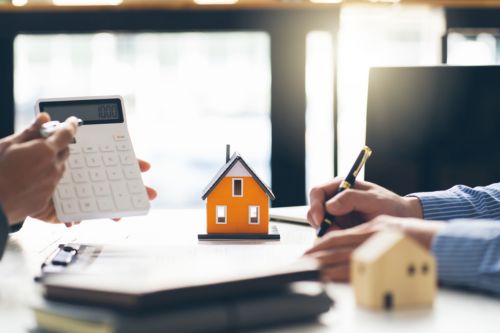
Image Source: Getty Images – Image Credit: Perawit Boonchu
How Is FMV Calculated?
Several factors influence the Fair Market Value of a property. Comparable sales or “comps” play a significant role in determining FMV. Real estate professionals analyze recently sold homes in your area that are similar to yours, providing a benchmark for pricing your property. The property’s condition, its size, and location all factor into the math as well. Appraisers may also use a cost-based approach to determine FMV if they can’t find sufficient comparable homes in your area.
You can get a ballpark estimate of your home’s value by looking at tools online but determining a precise value will require the expertise of your real estate agent. To see what your home is worth, or for answers to all your home selling questions, connect with an experienced local Windermere agent today:
Featured Image Source: Getty Images – Image Credit: AzmanL