Facebook
 X
X
 Pinterest
 Copy Link
So You Bought an Investment Property, Now What?
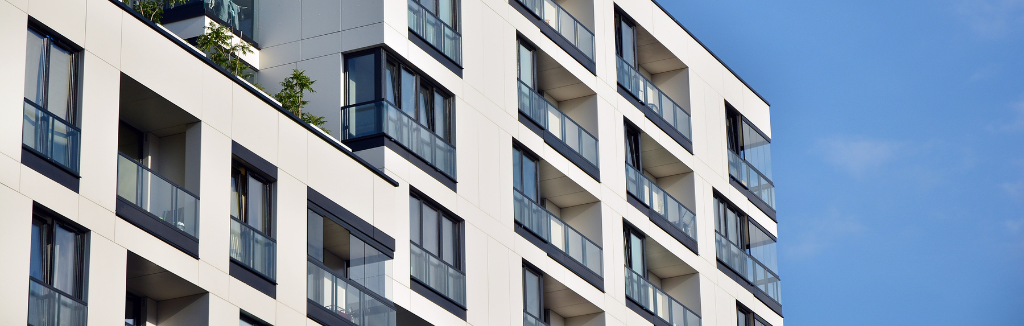
Investing in a home is a great way to build passive income but earning from your investment will take a little groundwork to become a well-oiled machine. This is your beginner’s guide to owning an investment property so you can set up that foundation properly to avoid future headaches.
Designing Your Rental To Feel Like Home

Stylizing your own home can be a daunting but rewarding challenge. When you own your living space, it’s easy to feel a sense of ownership over every piece of your design. But for renters, the challenge is a bit different. Despite limitations, it’s no less important to one’s well-being for a residence to convey a sense of ownership and self.
How to Rent Out Your Vacation Home this Summer

A second home can be more than an escape from daily living, it can be a source of income. For those who own a vacation home, summer is full of opportunities to open your doors to renters while still enjoying the benefits of having your own personal getaway. This approach to home ownership can be a balancing act, but with the right preparation and know-how, you can turn your vacation property into an income-producing investment.
How to Rent Out Your Vacation Home this Summer
Splitting the use of your vacation home with renters can oftentimes result in quick turnaround times between visits, so it’s important to avoid falling behind on your task list to keep each transition and visit as smooth as possible. To help with this process, consider hiring professional cleaners to ensure the home is presentable, clean, and fresh for each guest’s stay. Listing your property on short-term rental sites like AirBnB and VRBO help increase your property’s visibility and can be a useful tool for managing the rental process, especially if you’re having a difficult time attracting renters.
If you’ll be staying at your vacation home between renters, be sure to schedule those dates ahead of time so you can block them off from visitors. A mix-up in scheduling only creates added stress and will negatively impact your guests’ experience, and potentially the online reviews.
Pricing Your Vacation Rental
Get the best return on your investment by offering a competitive rate, including on popular weekends. It’s common for homeowners to increase prices for popular summer dates like the Fourth of July and Labor Day weekend. These are the times when people are flocking to vacation getaways and your prices should reflect the increase in demand. Because competition among renters is high during summer, making your home stand out amongst other properties in your area is a worthy investment. Boosting the curb appeal, replacing appliances, upgrading linens, installing high-speed Wi-Fi, and providing a workspace are all ways you can give your vacation home a competitive advantage.
Personalize Your Vacation Rental
As a host, it’s a good idea to add personal touches to improve your guests’ experience and make them feel at home. Add décor and treats tailored to your guests’ stay, especially if they’re celebrating a special occasion or life event. Little details like adding a personalized note, flowers, and treats from local hot spots will help make their experience one they won’t soon forget.
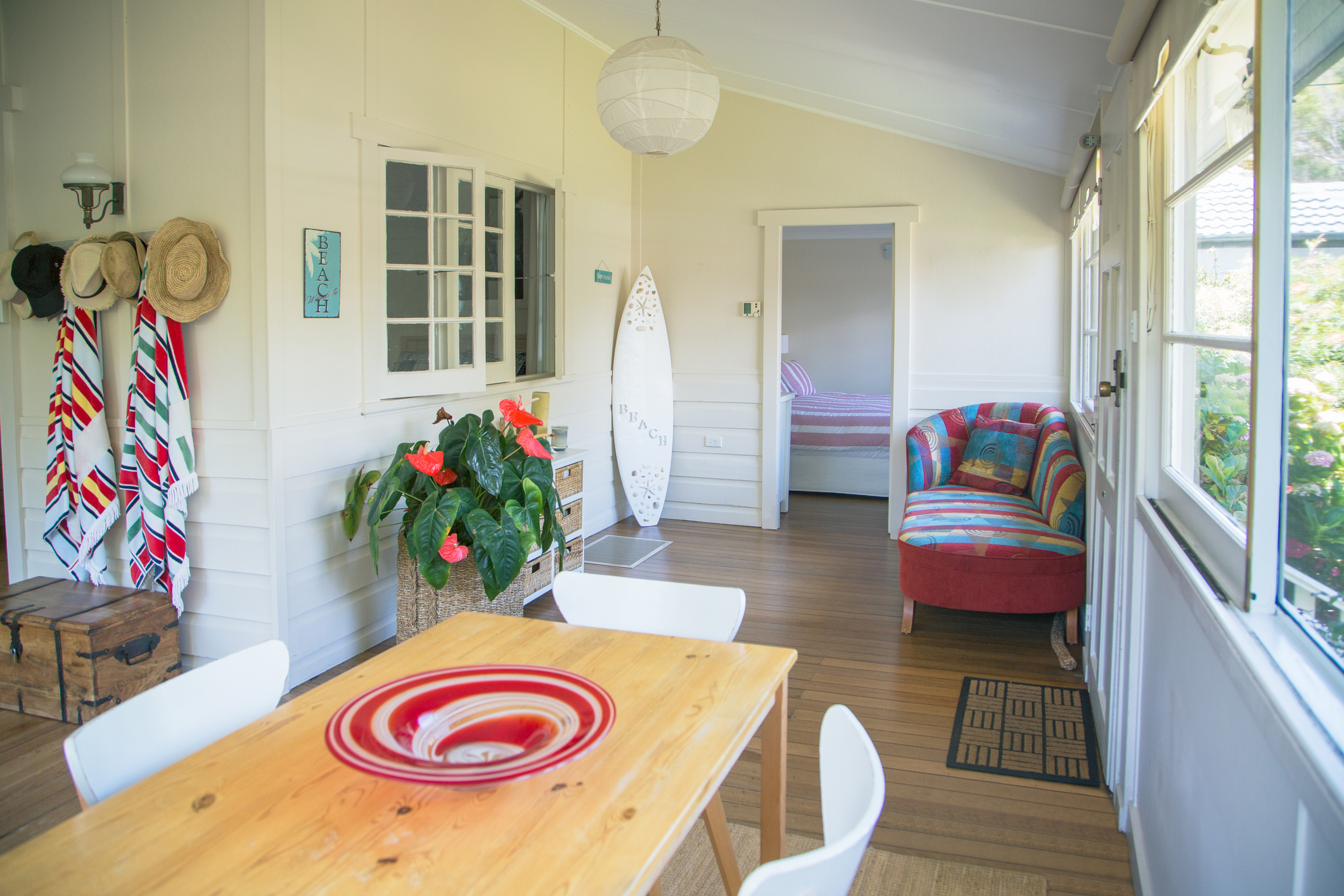
Image Source: Getty Images
Before Renting Out Your Vacation Home
The regulations of the short-term rental market vary by location. Before you rent out your vacation home this summer, understand the rules in your area. For instance, if you belong to a homeowners association, they may have by-laws in place that restrict your ability to rent your property.
Review your homeowners insurance policy to understand whether you are covered while guests are staying in your home. It is likely that you will need to obtain a landlord insurance policy to cover your property while it’s being rented. While some companies offer it as a rider policy that can be added onto your existing homeowners insurance, obtaining a separate policy may be required for adequate coverage. A typical landlord insurance policy will cover property damage, liability, and rental income loss. When shopping around for landlord insurance, find the policy that best fits the needs of your property.
What Is Landlord Insurance and Why Do You Need It?

If you are a landlord, it’s important to take steps to properly protect yourself and your property before the renters move in. Landlord insurance helps fill in the gaps of coverage where homeowners insurance policies don’t apply and allows you to rest easy knowing your home is sufficiently covered while tenants occupy your property.
What is Landlord Insurance?
While homeowners insurance provides coverage for a home occupied by its owner(s), landlord insurance covers properties that are rented to short-term guests or long-term renters. If you plan on renting out a room while you stay in the home, your homeowners insurance policy may offer coverage, but it depends on factors like the number of renters and the length of their rental agreement(s), so check your policy first.
A typical landlord insurance policy will cover the following:
Property Damage
Property damage insurance ensures your home is protected against damage caused by natural disasters, fire, electrical mishaps, and more while your home is being rented. This typically covers the home itself, any detached structures on the rental property such as ADUs or garages, and any personal property you use to maintain the home.
Liability
If a renter or visitor suffers an injury on your property, your landlord insurance will help cover their medical costs and, if legal action is taken, legal costs. Liability costs can snowball quickly, and it’s important to have coverage in place to protect yourself from having to pay out a lump sum for hospital bills or a settlement. For example, if a renter steps through a floorboard while walking on the deck and hurts their leg, a court may decide that a lack of property maintenance was the cause of the injury, thus leaving you responsible. However unlikely the scenario may seem, having coverage in place is better than the alternative.
Rental Income Loss
Homes are prone to accidents and issues that can render them uninhabitable. If this happens at your rental, you won’t see rental income until the problem has been fixed. Most policies provide reimbursement for lost income during a time when you’re unable to rent out the property, as long the cause of the underlying issue is covered. For example—if you live in a climate that’s conducive to mold growth, a rapid spread of mold could put a halt on renting your property. Accordingly, you’d want to make sure your policy provides adequate coverage against damage caused by mold.
Why Do You Need Landlord Insurance?
In short, renting out your property and having landlord insurance go hand-in-hand. Because homeowners insurance is unlikely to provide sufficient coverage for your rental, you’ll need a separate policy that covers you specifically as a landlord. When shopping around for landlord insurance, make comparisons based on the needs of your rental property. For instance, if you have separate dwellings on the property, prioritize additional structures coverage when looking at different policies. If you’re looking to bundle your landlord insurance with your existing coverage, keep an eye out for bundling discounts.
For more information on managing your rental, read our article on how to Give Your Rental A Competitive Advantage.
7 Tips to Give Your Short-Term Rental a Competitive Advantage

As the usage of short-term rental services has increased over the years, so too has the competition between rental owners to make their properties stand out. There are a variety of marketing tactics you, as a rental owner, can employ to give your home an edge, but ultimately, making the property as appealing as possible is the best way to ensure your strategies are effective.
7 Tips to Give Your Short-Term Rental a Competitive Advantage
1. Boost Your Curb Appeal
Renters are scrolling through pages and pages of properties, looking for something that catches their eye at first glance. To make your property stand out, invest time and energy into the home’s curb appeal. Making these improvements doesn’t necessarily require breaking the bank, either. Simple projects like a fresh coat of exterior paint, refinishing the patio or deck, and creating a beautiful yard will go a long way towards helping your home stand out amongst the competition.
2. High-Quality Photography
Once you’ve spent time curating and beautifying your rental, it’s important to communicate its feel to potential renters. High-quality photos give renters the best impression of what it’s like to spend time in the home. Photograph every room in bright lighting to make the space as inviting as possible. Be sure to thoroughly clean every room before taking photos to have it looking as inviting as possible.
3. Improve Your Description
After potential guests explore your photos, they’ll read your property’s description. While it’s helpful to read descriptions of other listings in your area to get an idea of what tenants are looking for, it’s important to communicate the unique attributes of your home. Talk about what makes it special, emphasize the selling points, and reference what renters are seeing in the photos you’ve provided.
4. Repair or Replace Your Appliances
When guests are paying for a rental, they expect everything to be in fine working order. To make your property stand out, consider repairing or replacing your appliances. This makes for a more enjoyable stay and could potentially offer you a competitive advantage. All appliances have a certain life expectancy, so if you haven’t replaced your appliances in a while, it just may be time to do so.
5. Upgrade Your Bedroom and Bathroom
Renters are looking to relax, so any luxury you can provide them will do wonders for giving your property an edge amongst the competition. Two areas of the home where you can deliver on luxury are the bedroom and the bathroom. From the bedspread and pillows to the curtains and rugs, experiment with different textures in the bedroom to make it as comfortable as can be. A high-quality mattress is also a worthy investment to make your guests’ stay all the more memorable.
By making simple upgrades to your bathroom, you can give the guests the feeling of having their own personal spa. High-quality shower heads and a spacious, relaxing tub will help to deliver a luxurious atmosphere to your bathroom, as will meticulously cleaning the space and keeping your surfaces well organized.
6. Upgrade Your Kitchen
A welcoming kitchen is the key to making your rental feel like home. Kitchen makeovers often come at a high cost, but there are ways to transform your kitchen without breaking the bank. Start by upgrading your lighting, giving your walls a fresh coat of paint, and refinishing your cabinets. If your kitchen needs new appliances, remember to select them first before making any renovations to ensure their dimensions are correct.
7. Provide a Workspace
With more people working remotely than ever before, some renters will likely look at your property as a potential place to conduct their work. Accommodating these guests with a quality workspace can make your rental stand out. Consider making the workspace multifunctional using items like a folding desk. This gives remote workers the option to stow their home office setup at the end of the day while ensuring that the workspace won’t be a permanent fixture for guests on vacation.
Making a Rental Feel Like Home
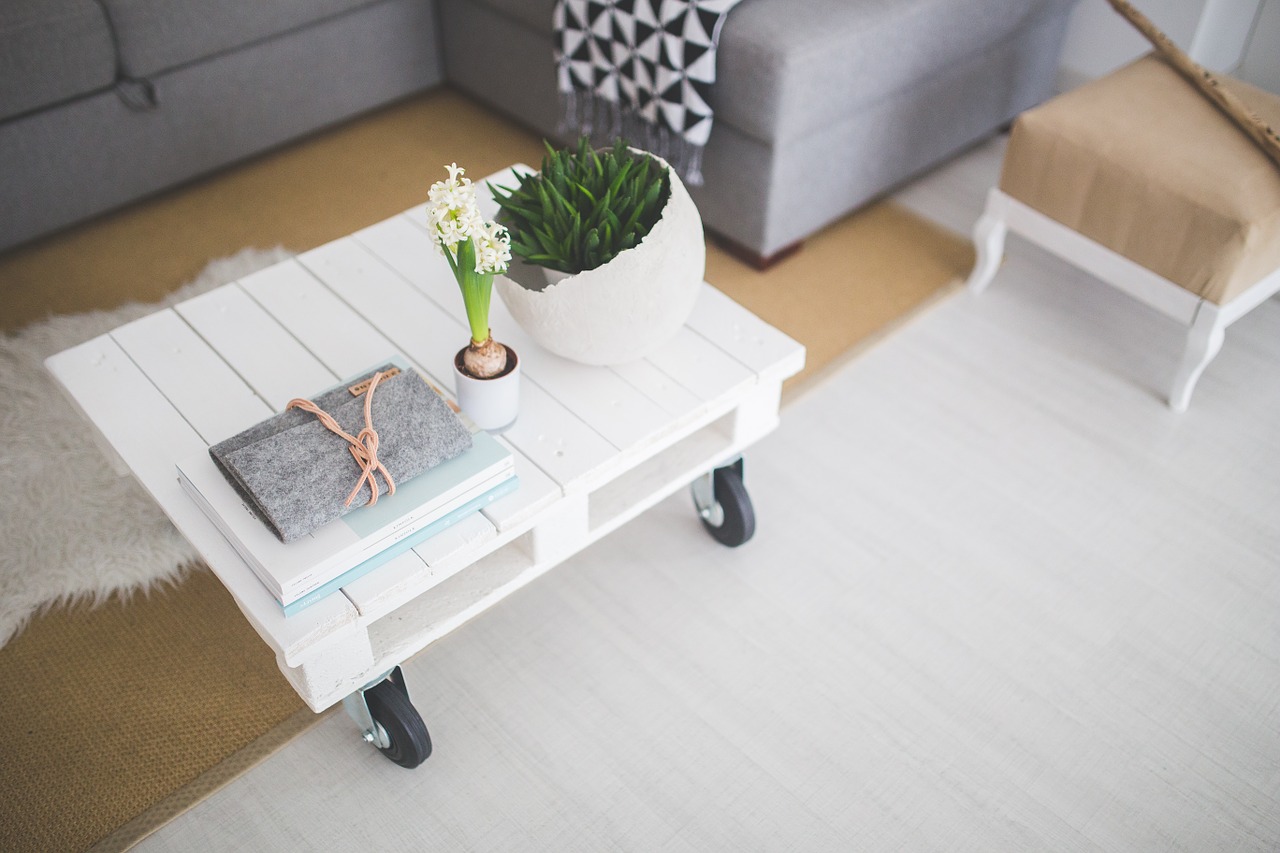
Stylizing your own home can be a daunting but rewarding challenge. When you own your living space, it’s easy to feel a sense of ownership over every piece of your design. But for renters, the challenge is a bit different. Despite limitations, it’s no less important to one’s well-being for a residence to convey a sense of ownership and self. To make a rental unit feel a bit more like home, we…
How to Decorate a Rental
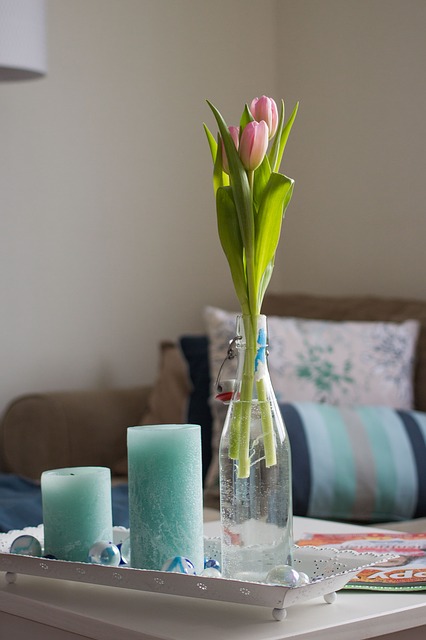
Abiding by rental rules is important, but so is style and making a house feel more like a home. Thus, we’ve put together a little list for you to help personalize your home, while still insuring you get your security deposit back by the end of it.
Homeownership Has Declined, But It Won’t Be Forever
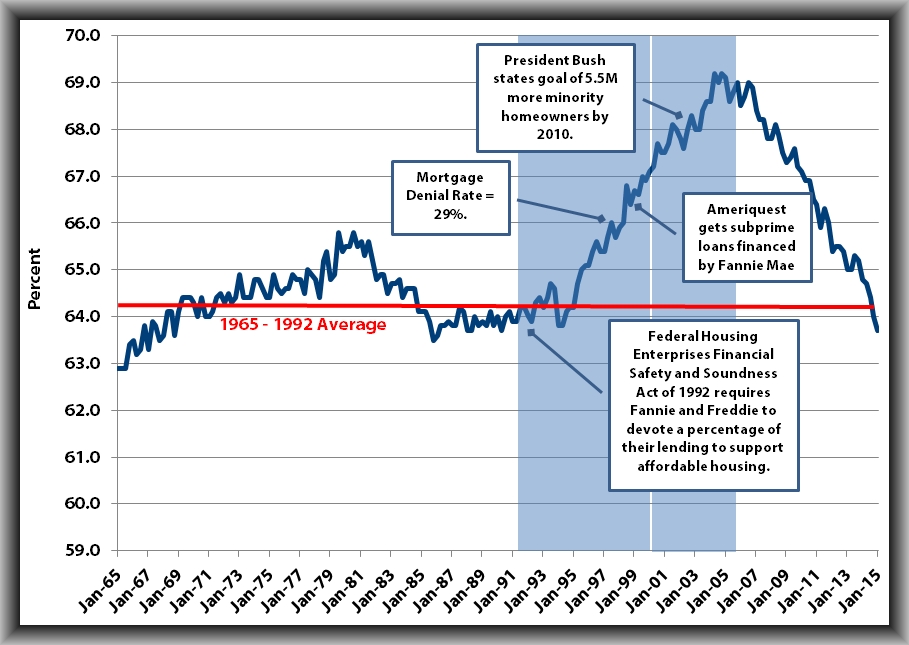
In addition to talking about housing bubbles, another topic that is becoming popular among housing scaremongers is the ongoing decline in the U.S. homeownership rate. Remarks range from the direct, “American homeownership is at its lowest level in more than two decades,” to the downright inflammatory, “Rental surge to drop homeownership rate to 61.3% by 2030”.