Facebook
 X
X
 Pinterest
 Copy Link
9 Options to Remove, Hide or Play Down a Popcorn Ceiling

Don’t love your popcorn ceiling? You’re not the only one stuck with some unwanted stucco overhead. There are many options for moving on from it, but not all of them are equally effective — or equally easy. To help you decide how to address your popcorn problem, here are some top ways to remove, cover or distract from stucco ceilings.
5 Creative Ways to Dress Up a Ceiling
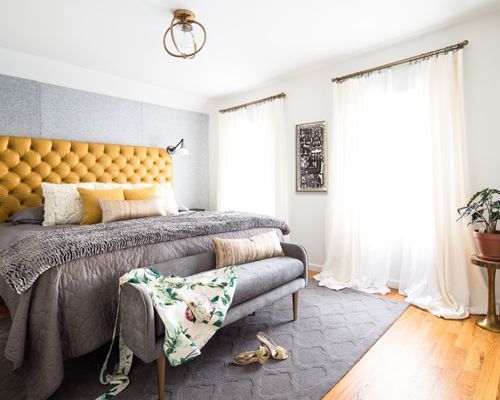
A crisp white ceiling is a classic look, but it’s not the only option for making a room look polished. Here are a few other design considerations to bring some personality to your ceiling.
The sky is the limit when it comes to the amount of creativity and beautiful layering you can put into creating a decorative statement on the ceiling. But before we discuss the many stylish or unusual…
8 Laundry Room Updates to Fit Any Budget

Hoping to transform your tired laundry room into a sparkling clean, efficiently working space, but without the major costs of a full remodel? By not changing the layout or adding square feet, you can bring costs down while still making meaningful changes to your space. Use this guide to help you decide what to prioritize and what to put on the back burner, and give your laundry room an update…
Keep Herbs Alive and Well in Winter With These 5 Tactics
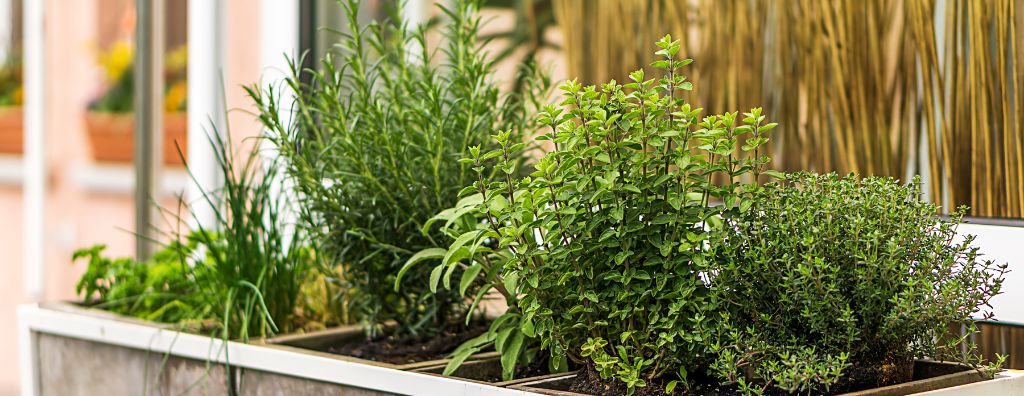
Temperatures may be dropping, but that doesn’t mean we have to bid farewell to our herb gardens. Cold-hardy herbs, such as chives, mint, oregano, parsley, sage and thyme, can often survive cold-winter temperatures while continuing to produce flavorful foliage, as long as they are provided with some protection or grown indoors. Even herbs like rosemary that are more cold-sensitive can survive winter using additional methods of protection. Let’s explore different ways we can prolong the herb harvest and enjoy the fresh taste of our favorite herbs throughout the cold of winter.

Herbs 1: Bachman’s Landscape Design – Tom Haugo, original photo on Houzz
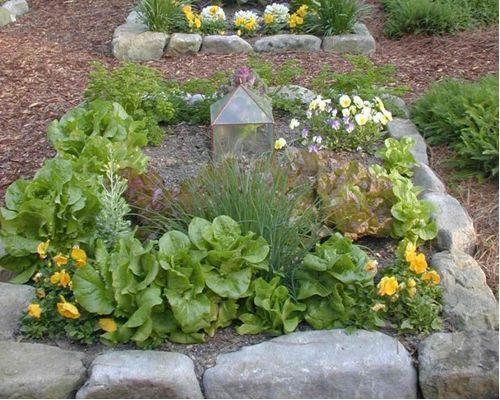
Herbs 2: Home & Garden Design, Atlanta – Danna Cain, ASLA, original photo on Houzz
A glass cloche protects plants in the center of this raised bed in Atlanta.
1. Protect herbs from the cold by placing them in a cold frame or cloche. Covering herbs helps trap the heat that rises from the soil, elevating the temperature inside by several degrees. This can extend the growing season in both fall and spring.
Cold frames are topped with glass panes that slope downward and are situated so they face south. This ensures that the most sunlight will reach the plants inside, creating an environment that is several degrees warmer than outside.
Cloches are a smaller and more portable way to protect plants from the cold. Traditional ones are bell-shaped and made from glass. They can be expensive, but you can make your own by cutting off the bottom of a 1-gallon plastic milk jug or other large plastic container. Place each one over individual herb plants and nestle the bottom inch or two of the cloche into the soil to anchor it.
Herbs 3: The Room Illuminated, original photo on Houzz
2. Add a thick layer of coarse mulch over herbs. Many herbs can grow through the winter under the insulation provided from straw, shredded bark or other coarse mulch. In areas that experience moderate-winter cold, USDA Zone 6 and warmer, herbs will continue to produce some new growth despite some winter cold. Simply pull back the mulch and cut the herbs you need, then cover them back up. While they won’t produce as much new growth as they do in the warm season, you should be able to obtain a small harvest. Don’t worry if a layer of snow falls, as it will provide additional insulation for the herbs below. Once spring arrives, you can turn the mulch into the soil.
3. Pot up herbs and move them into a frost-free greenhouse or sun porch. If you’re growing herbs in the ground, you can transfer them to pots and move them to a protected spot. Select the herbs you want to keep growing over winter, such as chives, oregano, sage and thyme. Cut them back to 1 inch tall and, using a sharp shovel, divide them at their base, making sure to include the roots so each one will fit into the container. Use well-draining planting mix in the containers and plant each herb in a separate pot. They will grow back and you’ll be able to harvest their flavorful leaves until you transplant them back into the garden once spring arrives.
Related: Move Herbs to a Sunroom for Full Sun
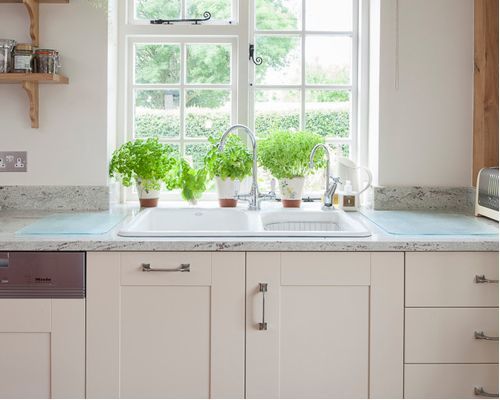
Herbs 4: J M Interiors, original photo on Houzz
4. Grow herbs in front of a sunny window. Herbs can be grown from seed or cuttings and make a great addition to a sunny kitchen window that gets at least six hours of sunlight. If using artificial lighting, 14 hours is usually sufficient. The temperature should range between 60 and 70 degrees Fahrenheit, or 15.6 and 21.1 degrees Celsius, for best results. You can transplant herbs from the garden or begin from scratch by sowing seed.
The rewards of growing herbs indoors throughout the winter are great when the fresh flavor of summer is within arm’s reach. Chives, oregano, parsley and thyme are just a few of the easiest herbs to grow on a sunny windowsill. Use a well-draining planting mix in your container. Water deeply when the top inch of soil is almost completely dry.
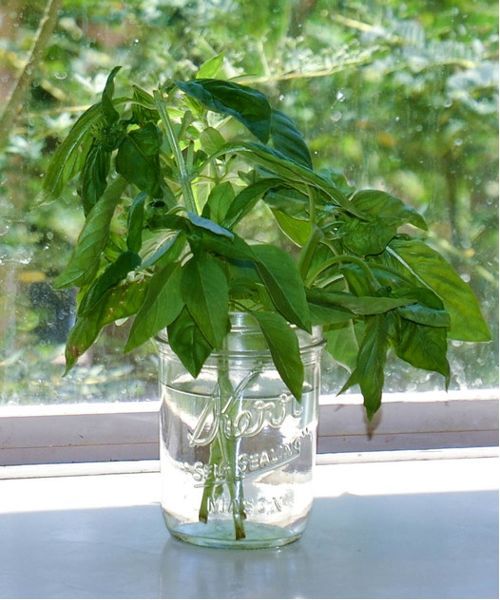
Herbs 5: Noelle Johnson Landscape Consulting, original photo on Houzz
5. Extend the life of fresh herbs by putting them in water. Herbs such as basil and mint grow quickly when placed in a container of water for a few weeks. Other herbs that work well in water are sage, oregano and thyme. When placed in water, they begin to produce roots and will grow new leaves. This is a useful way to prolong the harvest, whether you bring in cuttings from the garden or buy fresh herbs at the grocery store.
The process is easy. Simply cut the ends of each stem and put them in a small jar or cup filled with water. Be sure to remove any lower leaves so they won’t be submerged in the water. Place on a sunny windowsill.
The leaves produced indoors will be thinner and slightly less flavorful than those grown outdoors but will still add welcome flavor to your favorite dishes. Refill the water as needed and enjoy the prolonged harvest for several weeks to come.
Related: Elevate Plants to Reach Sunny Windows With These Plant Stands
By Noelle Johnson, Houzz
Energize Your Home This Winter With Bright Hues

Bright hues are eye catching, confident and cheering — so if winter’s got you feeling less than energized, why not tap into the power of bright colors to lift your spirits and your decor? Read on for 10 reasons to give bright, zesty hues a try in your home this winter.
6 Extreme Interior Paint Makeovers
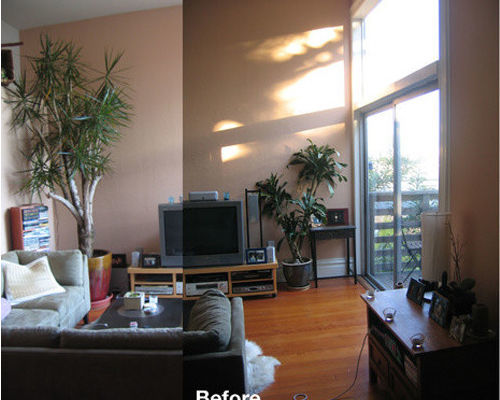
Today we’re looking at how paint has changed your rooms, from the kitchen to the bedroom, from the living room to the laundry room.
11 Ways to Uncover Your Personal Color Palette

Where do you find the colors you love? And just because you love a hue, does that mean it’s right for your walls? Let’s take a closer look at color inspiration. Here you’ll find tips for how to get your creative juices flowing and zero in on the color palettes that speak to you.
How to Decide Where to Put the Toilet in Your New Bathroom

From the beginning of your bathroom renovation, your plumbers and framers need to know where your toilet should go — whether it’ll be mounted on the floor or wall and where the water supply should be positioned. If that’s not complicated enough, wall paneling, tile installation, shower doors and baseboards will all factor into the equation for your toilet location, too.
6 Dramatic Exterior Makeovers to Inspire Your Own

Upgrading your home’s exterior has many benefits, not the least of which is a nice welcome home every day. Whether you freshen up your finishes, add a new garage door or redo your landscape, there are many ways to elevate your home’s curb appeal. These six before-and-after projects offer a sample of what can be done. See the exteriors, then take a look at the rest of each home.
Perk Up Your Home’s Exterior With a Splash of Green

Whether you choose a softer, more neutral green that picks up hues in your landscape or you go for a bright hue, first consider the following examples of how to work in a green accent to the exterior, along with paint color palettes to try out on your own home.