Facebook
 X
X
 Pinterest
 Copy Link
How to Stay Safe at Home During a Power Outage
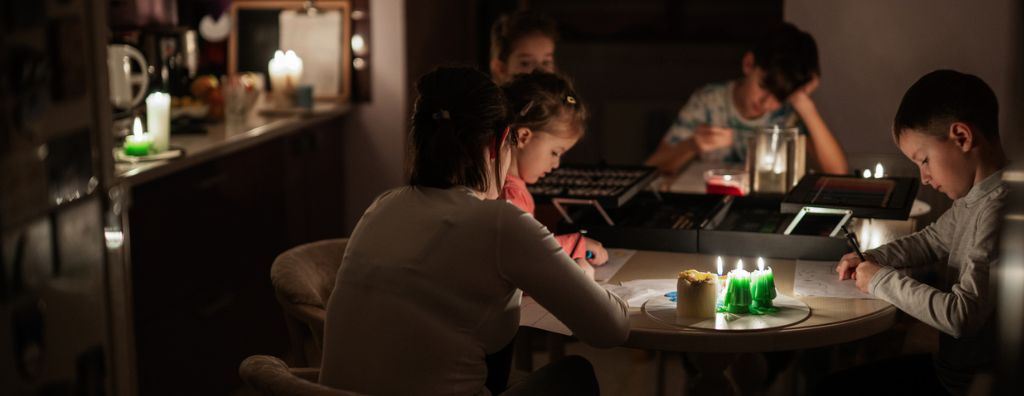
A stormy night with the lights out can complicate things at home. But with the right preparation, you and your household can switch gears quickly and ride out the blackout period, however long it may last. Power outages can happen unexpectedly, so taking the necessary steps to have a plan in place should be a priority. We’ll walk through some essential steps to stay safe, calm, and cozy when the lights go out.
Lighting During a Power Outage
The first thing you’ll miss during a power outage is light. Make sure you have flashlights, candles, lanterns, and plenty of batteries readily available. Check your devices to see which size batteries they require and make sure you have all the necessary sizes on hand. LED lanterns are energy-efficient and will stay lit for a long time to provide some illumination during an extended blackout.
Emergency Kit
A well-stocked emergency kit is essential during a power outage. Make sure you have a substantial supply of non-perishable food, bottled water, and an assortment of basic utensils. Along with your emergency kit, keep a first aid kit handy to ensure you’re fully prepared for a blackout-related emergency.
Staying Warm During a Power Outage
Even though the lights in your home are out, that doesn’t mean you have to be uncomfortable as you wait for them to come back on. This is especially important if the power outage occurs during the colder months of the year. Keep plenty of blankets and extra layers of clothing close by to make sure you and your family stay cozy. If you have a portable heater that you plan to use, pay attention to the manufacturer instructions to avoid possible carbon monoxide poisoning.
Home Security
Home safety and security is vital during a power outage. Make sure your home’s security system’s motion-activation is still functioning properly, and if it has a backup system, check that too. Unfortunately, some burglars may see a blackout as an opportunity to take advantage of the low-visibility conditions. Lock your windows and secure the deadbolts on your door so you and your household can wait out the power outage in peace.
Preserve Food
Try to keep your refrigerator and freezer closed as much as possible. Use your perishable food rations in your emergency kit as a first option for a meal during the power outage and stick to other non-perishable food items in your pantry. Hopefully, the power will come back on soon enough and you’ll be able to resume your normal food preparation. But if you’re constantly opening the fridge and freezer while the power’s out, your food will spoil quickly, and you could have quite a mess on your hands. 7 Tips for Cleaning Your Appliances
Staying Entertained
Who says you can’t have fun during a power outage? With all your preparations in place, a blackout presents the chance for you and your household to enjoy some electronic-free activities. Have board games, books, arts and crafts materials, and decks of cards at the ready. If you have kids, plan some fun activities ahead of time that they’ll enjoy.
For more tips on emergency planning at home, visit the Living section of our blog:
Featured Image Source: Getty Images – Image Credit: ASphotowed
What’s a Home Warranty and Why Do You Need One?

To be a homeowner is to understand that things can change at a moment’s notice. It’s only a matter of time before the systems in your home break and your appliances are on the fritz. But this inevitable truth isn’t meant to be all doom and gloom. Fortunately, you can protect yourself against these events with a home warranty.
What is a home warranty?
A home warranty and homeowners insurance both protect homeowners against unexpected events. A standard homeowners insurance policy typically covers your home, your belongings, injury, or property damage to others, and living expenses if you are unable to live in your home temporarily because of an insured disaster.
The policy likely pays to repair or rebuild your home if it is damaged or destroyed by disasters, such as wildfires, a winter storm, or lightning. Your belongings, such as furniture and clothing, are also insured against these types of disasters, as well as theft. Some risks, such as your home flooding, are routinely excluded from homeowners insurance policies.
A home warranty picks up where homeowners insurance leaves off by covering some or all of your HVAC, electrical systems, plumbing, and major appliances. A home warranty contract pays for the repair costs associated with these household items. However, if something in your home has not been properly maintained, your home warranty likely won’t cover it. Clarify the specifics of your policy’s language regarding proper maintenance with your warranty provider to avoid potential disagreements. Most home warranties are good for one year with the ability to renew annually.
What does a home warranty cover?
Home warranty policies vary by provider and location. Different coverages offer different protections among your home’s systems and appliances, or a combination of the two. Fees vary as well, based on your plan’s coverages and applicable service fees.

Image Source: Getty Images – Image Credit: PeopleImages
Why do you need a home warranty?
Home warranties have several benefits both for buyers and sellers. For buyers, you can rest assured that your appliances are covered if and when they break down. This saves you from unexpected repair bills from having to hire a contractor. And when selling your home, a home warranty can serve as a way to differentiate your property over other listings. When buyers know a home is protected with a warranty, they can buy with confidence.
Finding the Right Home Warranty
As with anything in the home buying or selling process, it’s important to shop around when searching for the right home warranty policy. During your discovery process, ask questions about the policy’s costs, its dollar amount limit, which items it covers, and its applicable fees including service calls. Talk to your agent about trusted warranty providers in your area.
For more information on protecting your home, visit the Living section on our blog:
Featured Image Source: Getty Images – Image Credit: Pekic
5 Pet-Friendly House Cleaning Tips

Pets make a house a home. But as much as you love your furry friends, they do add a few entries to your list of chores. Keeping your home clean requires a bit of extra work, and some methods of upkeep are more pet-friendly than others. The following tips will help you keep your house clean and your pets happy.
5 Pet-Friendly House Cleaning Tips
1. Safely Clean Up Accidents
When pet owners buy a home, they proceed knowing full well that pet accidents and messes are bound to happen. Cleaning up messes quickly is important for keeping your home clean, but it will also remove the scent, so your pets don’t come back to that same area with the same intentions. When shopping around, look for cleaning products that are safe for animals and don’t contain any toxic chemicals.
2. Deep Clean to Reduce Smells
Pets have a knack for leaving a scent behind. Every pet owner knows the feeling of going through their normal cleaning routine to extinguish the pet smell from their home, only for it to linger after they’re done. To really get your home smelling fresh again, you’ll need to target your pets’ favorite areas as well as the commonly missed cleaning spots throughout your home like underneath furniture, along the baseboards, etc. You’ll be surprised at how much dirt and fur you find in these places.

Image Source: Getty Images – Image Credit: Marco VDM
3. Clean Pet Toys Regularly
Your pets’ toys are magnets for dirt, fur, drool, and other unwanted substances. It’s a homeowner’s nightmare to imagine spending hours cleaning your home top to bottom, only for a muddy ball your pets have been chewing on to roll across the carpet. Cleaning toys regularly is also healthier for your pets as it helps to reduce the spread of germs. If your pets’ toys are dishwasher safe, pop them in the dishwasher every once in a while to get them squeaky clean.
4. Keep the Air Clean
Even after you’ve exhausted all your cleaning efforts on the surfaces throughout your home, pet fur and dander can still travel through the air. It’s important to clean the air in your home, especially if members of your household have allergies. Consider investing in an air purifier, which will filter air particles to remove dust and odors, giving everyone in your home—pets included—cleaner air to enjoy.
5. The Importance of Well-Groomed Pets
In the context of a clean, pet-friendly home, there’s one surface that’s more important than any—your pets themselves. Every pet owner has their routine; whether that’s regularly maintaining their cat’s litter box, wiping off the dog’s paws in the mudroom before letting them inside, regular baths and brushing, or keeping nails trimmed to avoid furniture and carpet damage, these are the boxes that must be checked to keep your home clean. For all your cleaning efforts, if your pets are still messy, then the spaces in your home will follow suit.
Read the following blog post for more information on maintaining a pet-friendly home as you look to sell:
Featured Image Source: Getty Images – Image Credit: Prostock-Studio
How to Handle Asbestos in Your Home
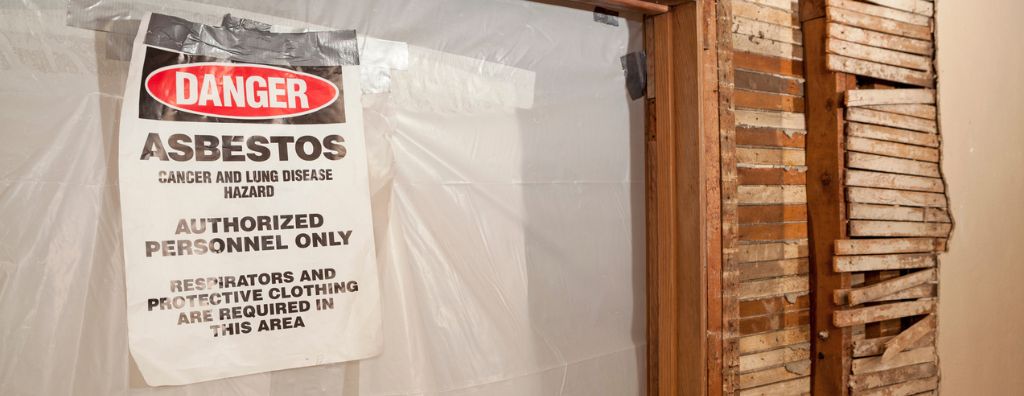
Throughout the mid twentieth century, asbestos was commonly used throughout the homebuilding process. It was typically used as insulation, but would also pop up in vinyl flooring, cement siding, walls, pipes—you name it. After it was discovered that inhaling asbestos fibers has serious health effects, its domestic production slowed, and legislation was put forth to ban it altogether.
However, just like lead paint, homes that were built in the asbestos era still carry a dormant risk. If your home contains asbestos, you should be aware of its dangers, how to handle it, and how to go about removing it safely.
How to Handle Asbestos in Your Home
Having asbestos material in your home is not inherently hazardous if the material is left undisturbed. So, if your asbestos material is intact and in good condition, the best thing to do is to leave it be. However, the moment asbestos material becomes damaged—either from degrading over time or because of a sudden accident—it becomes dangerous. Once asbestos fibers are released, it can spell trouble for you and your household.
Testing for Asbestos
If you find damaged asbestos material, you should cordon off the area to the best of your ability to limit exposure. If restricting the area means you could disturb the asbestos, then it’s best to refrain from interacting with it and let a professional handle it.
DIY asbestos testing is possible, but it can be highly toxic if you don’t take the proper precautions. An asbestos inspector will conduct a thorough examination of your home to determine the extent of its presence and provide their recommended course of action. It is advised to test for asbestos before making an addition or a large-scale remodel to your home.
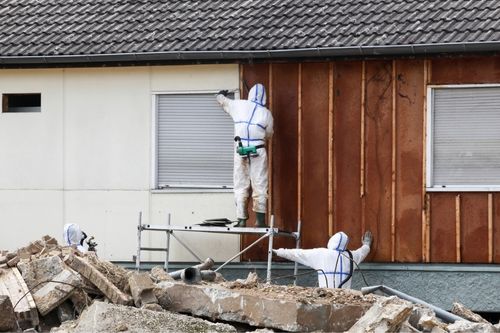
Image Source: Getty Images – Image Credit: ricochet64
Removing Asbestos
You can either repair existing asbestos exposure or have it removed. Repairs can be cheaper in the short term but may simply be prolonging the inevitable. Making repairs on your own is generally not recommended, since the slightest mishandling of the exposed asbestos can create a much bigger problem.
When it comes to removing asbestos, you’ll want to enlist the help of a professional. As with any contractor, ask for quotes and make comparisons before deciding who you’ll hire. Before the job is finalized, have your home tested to ensure that all asbestos has been safely removed from the premises.
For more tips on home safety, home maintenance, and avoiding dangers caused by the systems in your home, read our blog post on How to Prevent and Deal with Mold.
Featured Image Source: Getty Images – Image Credit: BanksPhotos
Lead Paint: Tips for Testing and Removal
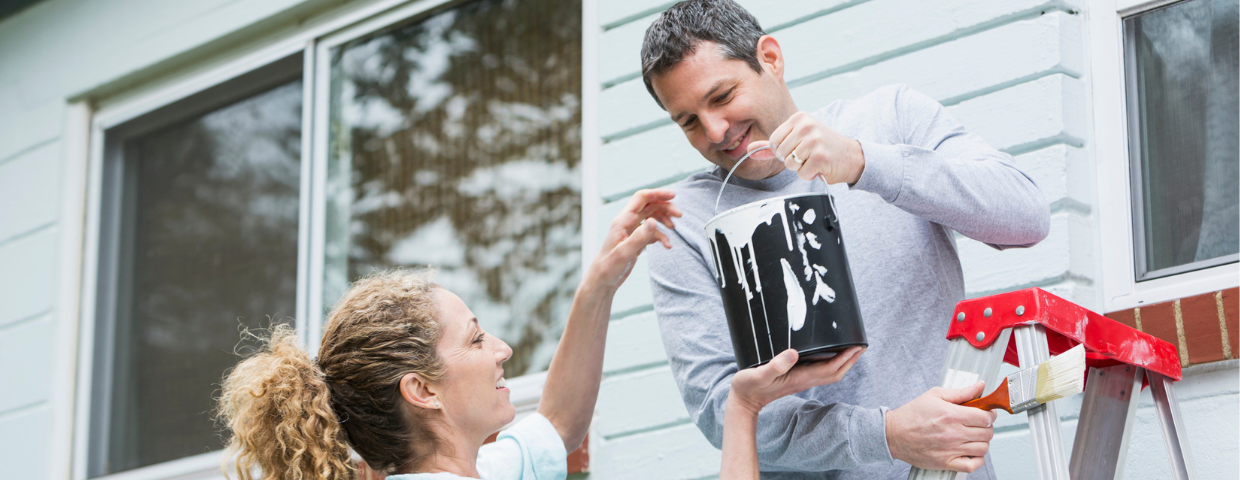
In the past, lead paint was commonly used to paint homes. Its durability and resistance to moisture were its greatest assets, but it was only a matter of time until health officials discovered its poisonous properties, and in 1978 it was officially banned. Lead paint causes a variety of health issues and is especially harmful to children, so those living in homes built during the lead paint era should be aware of its dangers, how to detect it, and how to go about removing it safely.
Testing for Lead Paint
You won’t know whether lead paint exists in your home unless you test for it. There are a variety of do-it-yourself testing kits available, but their results may vary and can sometimes be prone to false positives, depending on the active testing agent. Given the variability with DIY testing, it may be best to hire a professional to test for lead paint in your home—both for accuracy and peace of mind. You can also choose to send a paint sample into a lab for testing.
Dealing with Lead Paint
If you discover lead paint in your home but it is still intact, encapsulation may solve the problem without having to remove it. Encapsulation is the process of painting over the areas where lead paint exists using a special coating that seals in the lead paint layer underneath. This is often the more affordable way of dealing with lead paint, but the coating may wear off over time, leaving you back at square one.
If you’re thinking about selling your home, the presence of lead paint is a necessary disclosure. Know that buyers generally view a home with lead paint as unfavorable, given its serious health risks and dangers. If you’re thinking about remodeling, testing for lead paint is a wise first step before you start knocking down walls or ripping through sheetrock.
Removing Lead Paint
The more your paint is cracked, chipped, or damaged in any way, the riskier it is. Any signs of deterioration in a lead paint-based home should be dealt with by removing it as soon as possible.
Removing lead paint on your own is generally not advised. It requires specific training and materials, as well as many preventative measures including creating a sealed exit, wearing protective clothing, properly covering the various surfaces in your home, and proper execution of removal to ensure you’ve vanquished all the lead—just to name a few.
Like any other home improvement project, it’s best to consult lead paint removal professionals in your local area and compare their quotes before making your choice. Before the pros come, you can prepare by clearing away any paint chips that have fallen, thoroughly cleaning the surfaces in your home, and encouraging your household and guests to refrain from touching those surfaces.
For more information on preventing damage to your home, read our guide to dealing with mold.
Home Safety and Security
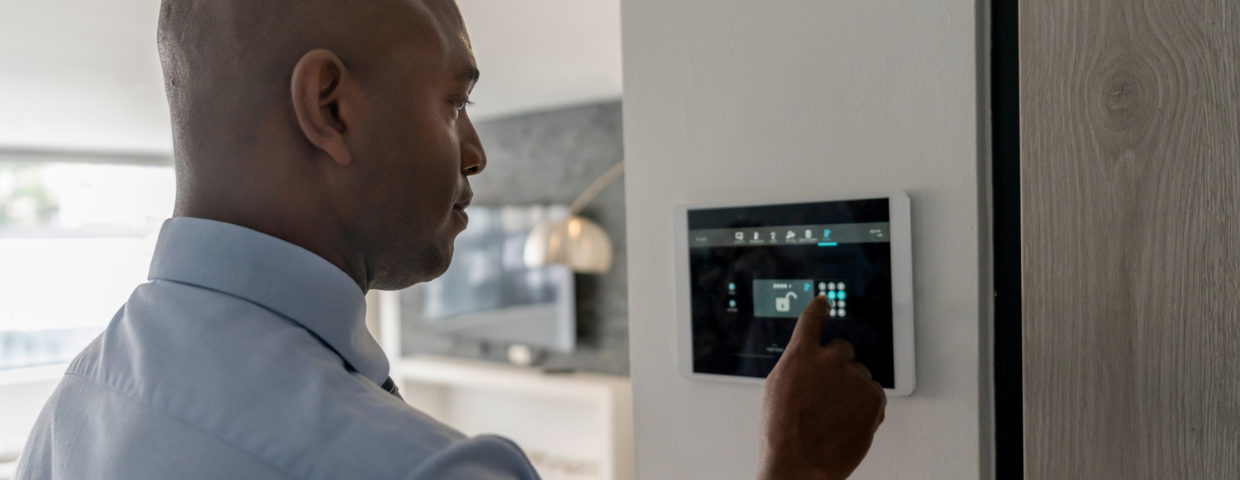
It’s true that your home is an investment and an asset, but most importantly, it’s your livelihood, so taking measures to adequately protect it is well worth your time. An unfortunate reality of being a homeowner is that your home can be a target for mischievous and/or criminal acts.
Fortunately, there are tools and systems you can use to mitigate damage from these kinds of attacks and keep your home safe, in both everyday home life and during the selling process. Sometimes the best part of security systems is the peace of mind that comes with knowing your home is protected. Many of our personal items can be replaced thanks to homeowners insurance, but you cannot put a price on feeling safe at home.
Home Safety and Security
Technology
As time goes on, home technology continues to improve and become more closely integrated with the way we think about a home’s basic functions. There are countless products that can help to automate the systems in your home while better protecting it. When considering these tools, educate yourself about the risks the devices may pose if the proper safeguards aren’t in place. For example, some smart speakers and voice-activated assistants may make everyday home life easier but can leave the door open for potential breaches of personal information if the proper security measures aren’t taken.
Smart Home Devices
The concept of a “smart” home has shifted over the years, but what does this term really mean? And what makes a device “smart”? In essence, a smart device is one that uses technology to make home life easier, more efficient, and more convenient, saving you time in the process. Often using automation and/or remote control, these products allow you to customize the systems in your home to best fit your lifestyle and the needs of your household.
Home Security Apps
Home security apps help to manage your home’s security systems all in one, centralized location. This makes it easy to closely monitor your home even when you’re far away. These apps are typically capable of connecting to door and window sensors, cameras, thermostats, and control lights while allowing you to set alarms and various other home protectants. These apps can offer peace of mind that your home is safe, even when you’re not there.
Alarm Systems
If you are considering an alarm, you have an array of options that vary from self-install motion detection kits to full-service home security systems. If you choose to set up your alarm system yourself, you’ll want to install motion detectors on your doors and windows, especially if they can be easily accessed on the ground floor. These kits will often offer a 24-hour support line whose services may come at an extra fee.
Full-service security systems can include everything from an alarm system and panic buttons to and integration with your smoke detectors and/or fire prevention system. These services can be expensive up front, but usually have a reasonable monthly rate. In some cases, having a home security system installed can reduce your insurance rates.
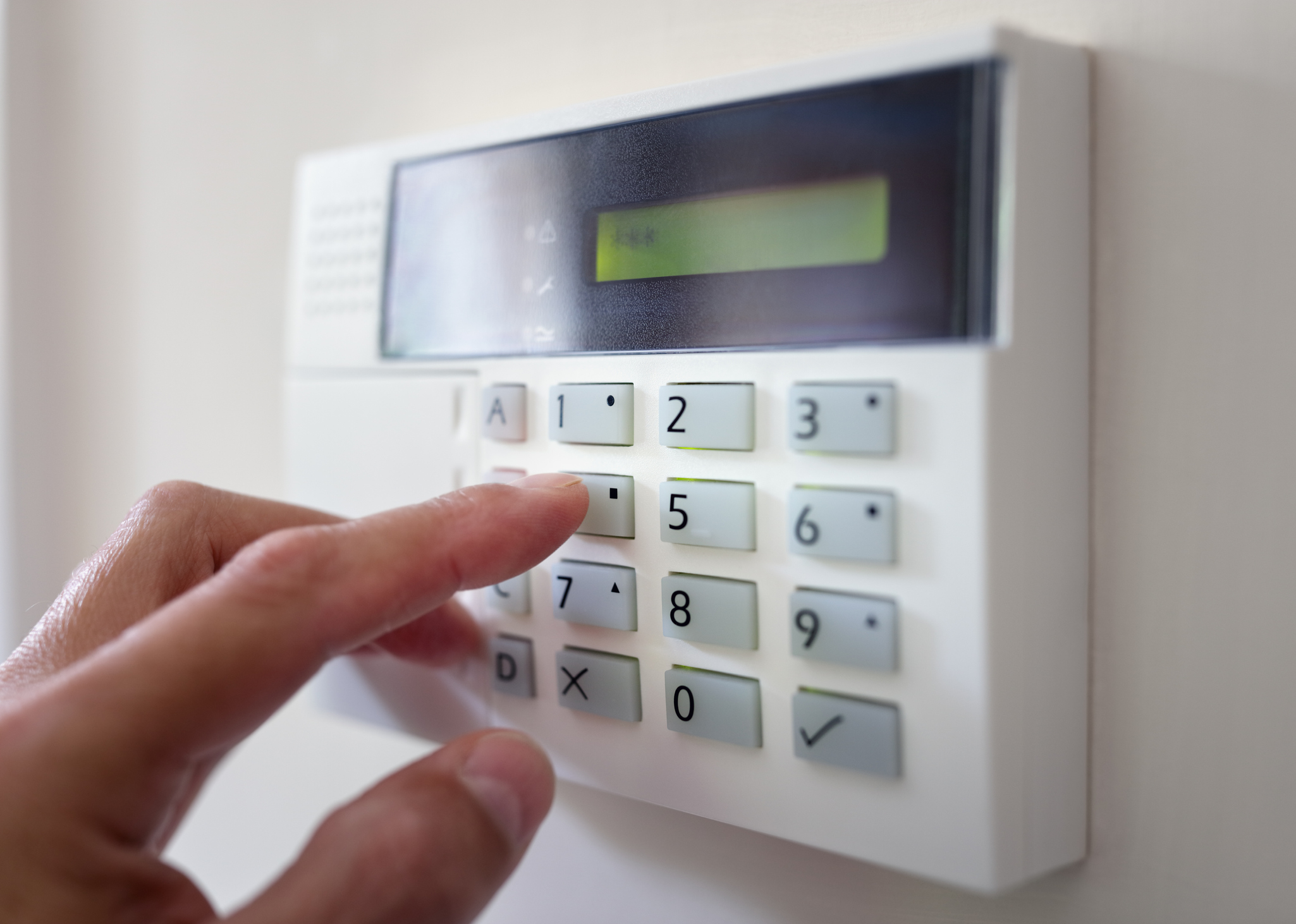
Image Source: Getty Images – Image Credit: BrianAJackson
Upgrade Your Locks
After you’ve moved into your home, it’s a good idea to change the locks. This will give you peace of mind that, once the new locks are installed, no one outside of your household will be able to access your home. Also consider getting a high-quality front-door deadbolt. A poorly installed or weak one can make it easier for an intruder to kick in your door. Front door locks come in many forms, from the traditional models with keys to digital options that require passcodes or fingerprints. It’s also a good idea to check all the locks on your windows. Some older models are easy to jimmy open with a little wiggling. For ground floor windows, you may want to consider double locks.
Security Cameras
Nowadays, security cameras are widely available for home installation. When shopping around, compare different products’ capabilities to find the one that best suits your own security needs. Installing security cameras in high-visibility locations with clear sight lines can help to deter intruders. At the very least, they ensure that you’ll have evidence of an intrusion, should one occur. With so many home security products available, you won’t have trouble finding a system that’s easy to set up. Professional systems, however, generally have more robust monitoring services and require professional expertise to install.
Exterior and Interior Home Lighting
Having exterior lights and/or flood lights on timers or motion sensors is a good way to deter nighttime intruders. Add sensor lights to key entry points on your home, including the front door, back door, and/or basement entries. If you have an unused side yard, consider lighting there too. Keeping your home well-lit makes unwanted visitors weary of being seen.
If you will be gone from your home for an extended period of time, consider using timed lighting options in your home to give the appearance that someone is home. You can select timers for bedrooms or living areas and program a radio or TV to provide some white noise while you’re away.
The Importance of Community for Home Safety
Programs like Neighborhood Watch and NextDoor are very successful in some communities, by creating an environment where everyone is looking out for each other. Building close-knit relationships with your neighbors can go a long way in making you feel safe at home. Whether this is through a formalized program, or a shared agreement with your community, developing relationships with your neighbors is a great way to keep your home safe.
Tips For Emergency Preparedness
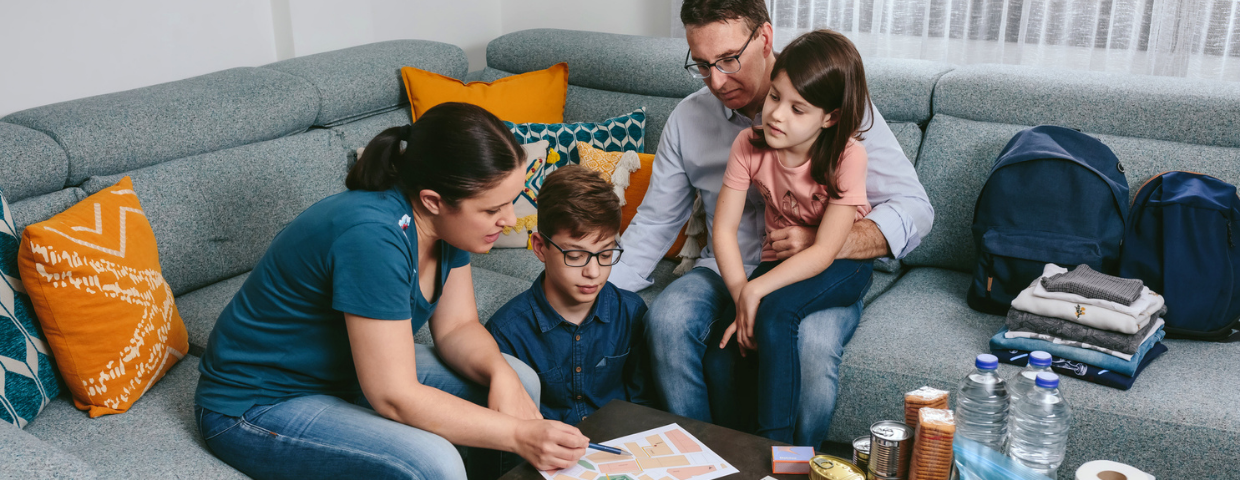
Over the last few weeks, we have been sharing valuable information about preventative home maintenance and preparing your home for winter storms. The start of the New Year is a great time to take stock of your emergency kit. It’s a good idea to do this every year in order to replenish and adjust the contents to your families changing needs.
How to Prepare for a Fire at Home
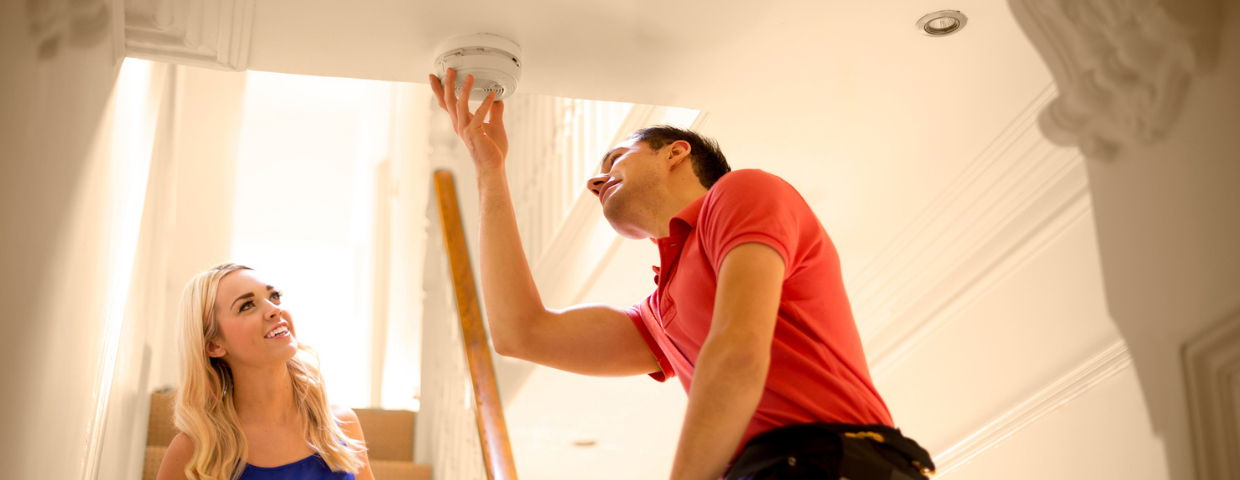
A fire breaking out in your home is a serious potential hazard. Fortunately, there are simple steps you can take to identify the early signs of a fire and to prepare for an emergency. The following list will help you and your household put together your fire safety plan.
How to Prepare for a Fire at Home
Fire safety
Having properly functioning smoke and CO2 detectors is crucial to your safety. Test your smoke and CO2 detectors frequently and swap out the batteries when necessary. It is recommended to have a smoke detector outside each sleeping area and on each level of your home.
Always keep a fire extinguisher near the kitchen to combat flame outbursts from the stove or oven. It is best to have at least one fire extinguisher per floor for easy access. Keep in mind that fire extinguishers are used to control and extinguish small, contained fires. If a fire has spread throughout an entire room, or is beginning to engulf your home, know that fire extinguishers are no match for the blaze, and you should escape immediately.
Evacuation plan
A home fire can be very disorienting. During an emergency, it is critical that all members of your household know how to properly evacuate the home. Identify two ways to escape from each room in case one route is unsafe. Choose a meeting spot somewhere outside for everyone to meet a safe distance away from the fire. This can be across the street, down the block, at a neighbor’s house, or wherever makes most sense for you and your family. The most important thing is that you all have an agreed-upon rendezvous. Select an emergency contact whom you can reach out to if something goes wrong in the evacuation process or if a family member is missing.
Best practices
When escaping your home, crawl as low as possible to stay beneath the smoke. Test closed doors before using them to escape. If they are hot, that’s a sign that there are flames on the other side of the door and you should use an alternative escape strategy. Be careful that you don’t burn your hand when testing closed doors. Make sure everyone in your household knows the procedure for calling 9-1-1 and properly alerting the fire department. If you have pets at home, include them in your evacuation plans. If you are forced to decide between evacuating safely and trying to rescue a pet, know that firefighters are trained experts at saving animals from house fires.
For more tips on how to plan for fire-related emergencies at home, read our blog for Wildfire Preparation and Evacuation Tips.
How to Fall Proof Your Home
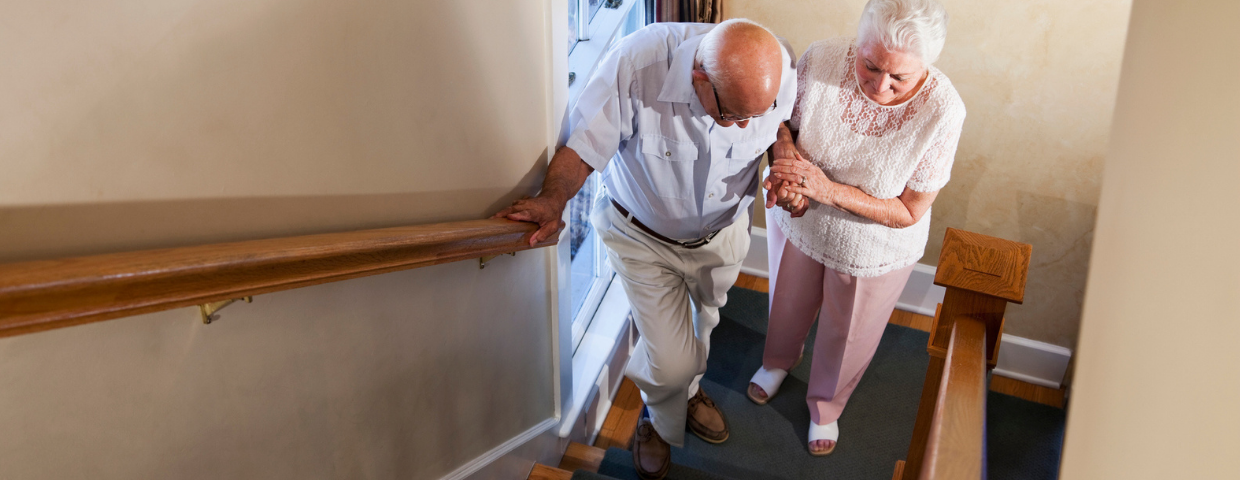
Each object in a home serves a purpose, but for those who experience dizziness and numbness, many of them can also be a potential hazard. Taking steps to reduce the risk of falling in your home is a worthy exercise for any homeowner, especially if you have elderly family members or young children living in your home or visiting often. Here are some ways you can fall proof the rooms in your home.
How to Fall Proof Your Home
Kitchen
The kitchen is synonymous with spills and messes. When these accidents happen, be sure to clean them up quickly and thoroughly to reduce the risk of a falling injury. Slippery floors have been the culprit of countless broken bones and bruises, so it’s best to wait until the cleaned spot is dry until you resume cooking.
Stay low to the ground as much as possible by keeping your most used items like spices, cooking utensils, and hand towels within reach to reduce the number of times you need to use a step stool.
Bathroom
In the bathroom surfaces are often slippery and slick, and the hard tile makes for an unforgiving landing spot. It’s common for homeowners to place a non-slip mat in the shower or tub to reduce the risk of slipping and falling. Grab bars are a more permanent option for making the bathroom safer. For those interested in installing a grab bar but have reservations about the aesthetics of installing a grab bar, look at pieces that align with your existing décor. Match the grab bar with your shower head, shower rod, and towel racks to make it fit with the space.
Bedroom
The key to preventing falls in the bedroom is visibility. Bedrooms are cozy, intimate spaces, which means that space can often be limited. Keep all pathways clear and make sure that your nightstands and bedside lamps are well within reach. Stow any cords next to your bed to avoid tripping over them in the night.
Staircases
We’ve all taken a tumble on the stairs at some point or another. To mitigate the risk of falling, keep your stairs organized at all times. It’s easy for clutter to build up at the top or bottom of the stairs or on platforms between floors, but these objects are tripping hazards. Consider installing a handrail if you don’t have one or add a second one if you currently only have a handrail on one side.
For more information on home safety, cleaning tips, and more, visit the living section of our blog.
The Importance of Homeowners Insurance

In addition to providing shelter and comfort, our home is often our single greatest asset, and it’s important that we protect that precious investment. Most homeowners realize the importance of homeowner’s insurance in safeguarding the value of a home. However, what they may not know is that about two-thirds of all homeowners are under-insured.