Facebook
 X
X
 Pinterest
 Copy Link
The Benefits of Shared Second Home Ownership

The idea of owning a second home is a dream for many—but the reality often comes with high costs, logistical hurdles, and much more upkeep than expected. And as home prices continue to climb and travel habits shift, buyers are starting to ask: is there a better way?
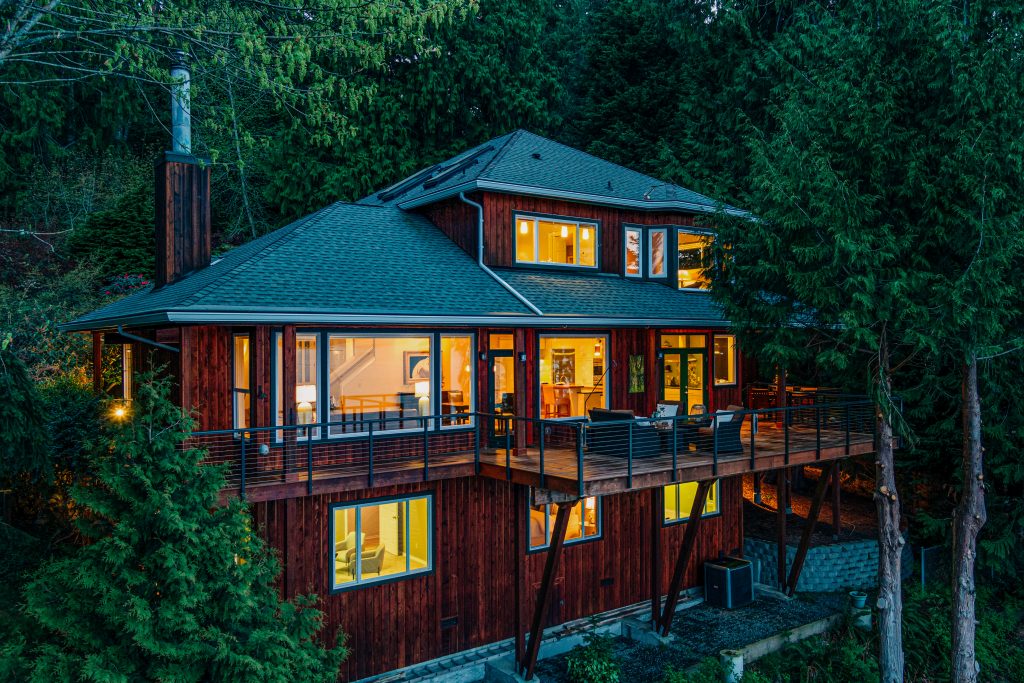
In partnership with Windermere, Esterre offers a fresh new answer to that question with an innovative shared second home ownership model, allowing buyers to co-own a thoughtfully curated portfolio of vacation homes—without taking on the full-time costs, upkeep, or responsibilities of owning a second home on their own.
Understanding A Shared Ownership Model
Shared, or fractional, ownership is quickly emerging as a practical and flexible alternative to second homeownership—one that makes vacation homes more attainable without the stress of going it alone. It’s a concept that’s been around for years, but today’s models offer a more refined, accessible experience. So, what does shared ownership really mean, and how does it work?
Shared ownership allows multiple buyers to co-own a home, splitting both the costs and the responsibilities. Each owner typically holds a defined share of the property, with usage and expectations outlined in a clear agreement. While different models exist, many shared ownership opportunities offer real estate equity, meaning owners can benefit from long-term use as well as a potential share in the home’s value over time. When applied to vacation homes, shared ownership presents a more accessible way to enjoy meaningful time away—without the full-time costs or commitment of owning a second property outright.
Below are some key benefits of shared ownership.
Benefits of Shared Ownership
- Lower upfront cost compared to buying a whole property.
- Shared responsibility for maintenance and property management.
- More efficient use of the home throughout the year. Greater flexibility in travel and vacation options.
- Real equity, with the potential for long-term financial return.
- Accessible entry point into luxury vacation real estate.
How Esterre is Reimagining Shared Ownership
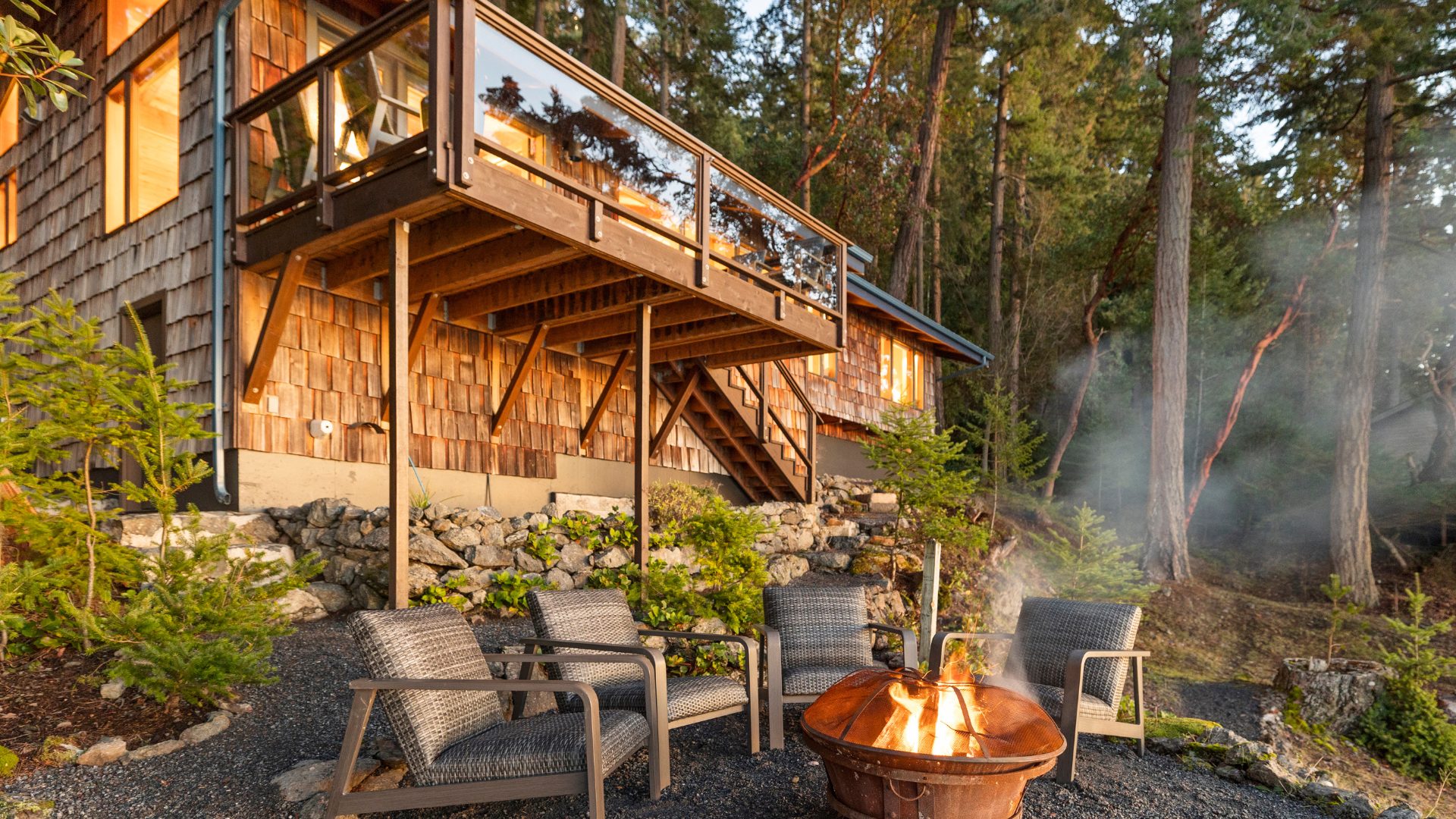
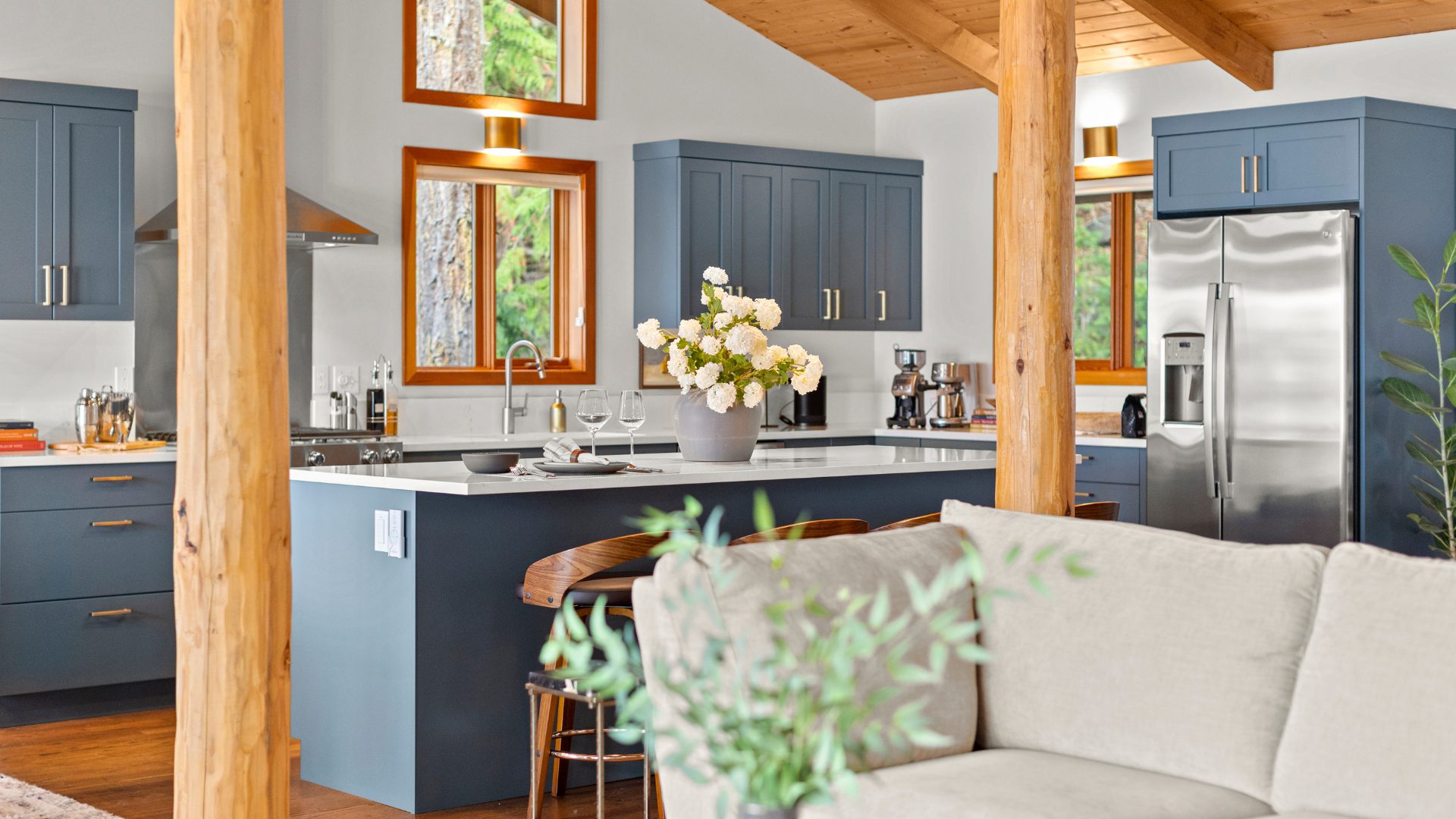
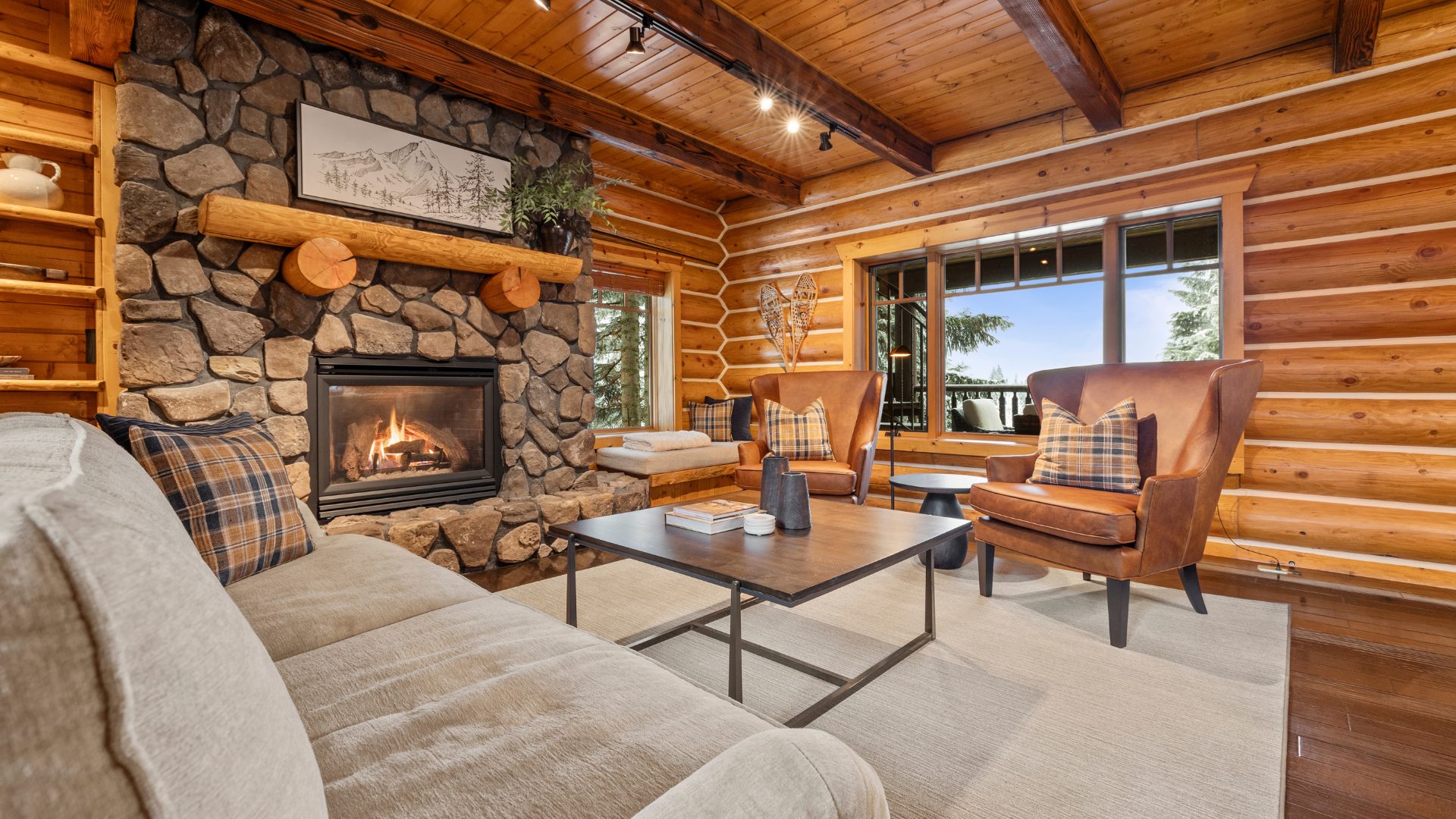
Esterre is bringing a fresh take to the shared ownership space. Unlike traditional timeshares or fractional ownership models, Esterre offers co-ownership in a curated portfolio of fully managed, high-end vacation homes across Washington State. Each property is thoughtfully chosen for its location, design, and year-round appeal. Rather than being tied to a single home, owners hold real equity in the entire portfolio and benefit from a growing collection of properties as new homes are added. With access to over a month of stays annually at any home in the portfolio, owners can enjoy variety and flexibility without sacrificing comfort or quality.
Esterre also simplifies the process from start to finish. Maintenance, furnishing, landscaping, and cleaning are all handled on your behalf so you can focus on enjoying your time away. A standout feature of Esterre’s model is its built-in 12-year exit strategy. When the time comes, the homes are sold, and the proceeds are divided among the owners, with 20% of the appreciated value going to Esterre. It’s a modern approach to second homeownership—designed to offer ease, flexibility, and a clear path forward.
Discover more at esterre-wa.com.

Windermere Partners with Esterre to Reimagine Second Home Ownership

As more and more people desire an escape from everyday life, the appeal of second home ownership has grown stronger. But when the dream of owning a vacation home meets the reality of maintenance, expenses, and logistics, many buyers begin to question whether the rewards outweigh the challenges. Esterre, in partnership with Windermere Real Estate, is changing the narrative by introducing a fresh, innovative approach to second homeownership that redefines what’s possible. Here’s all you need to know about this exciting new partnership.
The Challenges of Owning a Vacation Home
Beyond the upfront purchase of a vacation home, the ongoing costs of maintenance, landscaping, and furnishing can quickly add up, making the experience feel less like a relaxing retreat and more like managing a second job. On top of that, many owners find themselves traveling less and tied to their vacation homes to make the most of their investment. While the idea of having a dedicated getaway is appealing, it can limit the freedom to explore new destinations and create diverse experiences. These common hurdles have left many wondering if there’s a more flexible, hassle-free way to enjoy the benefits of second home ownership.
Meet Esterre
Esterre, founded in Seattle in partnership with Windermere in 2024, is redefining what it means to own a second home. By introducing a fresh approach to second homeownership, Esterre enables individuals to have an equal equity ownership in a portfolio of carefully curated properties in some of Washington State’s most desirable destinations. This model eliminates the headaches and stress of maintenance, furnishing, landscaping, cleaning, and financial management, offering owners a seamless, stress-free experience. Each home in the portfolio is thoughtfully designed and fully managed, allowing owners to simply enjoy their time away.
How Windermere and Esterre Are Simplifying Second Home Ownership
Windermere’s collaboration with Esterre marks an exciting step forward in the real estate world. Combining Windermere’s trusted expertise with Esterre’s innovative concept, this partnership offers a flexible, transparent, and economically sensible solution to traditional vacation home ownership challenges. For a fraction of the cost of purchasing a single vacation home, buyers gain equity in a portfolio of high-end properties across Washington State’s most scenic destinations, including Snoqualmie Summit, San Juan Island, Whidbey Island, Fidalgo Island, and the Olympic Peninsula, with more locations to come. These homes, all within a 2- to 3-hour drive from Seattle, are thoughtfully chosen to provide guests with various environments and experiences. Owners can enjoy over a month of annual access to these luxurious properties, with unlimited short notice stays available within 5 days of booking. And, unlike traditional timeshares, Esterre also incorporates a built-in exit strategy, selling the portfolio after 12 years and distributing the proceeds to owners.
Whether it’s a serene island retreat or a mountain escape, this partnership creates a unique opportunity for agents to connect with clients who dream of owning a second home but are deterred by the high costs and responsibilities. Together, Windermere and Esterre are opening doors to a more accessible, flexible, and memorable way to explore Washington State and build lasting memories.
Discover more at esterre-wa.com.

What is Wire Fraud and How to Avoid It

A fast-growing form of cybercrime, wire fraud has led to major losses for homebuyers in recent years. Get to know what it is and what steps you can take to avoid it.
Is Co-Buying a Home Right For You?

For some buyers, purchasing a home independently may be out of reach. Co-buying a home is an alternative approach to homeownership where two or more individuals purchase the property together and take on a joint mortgage. Get to know the benefits and drawbacks of co-buying a home before deciding whether it’s right for you.
How Does Co-Buying Work?
Just like a traditional home purchase, lenders use the buyers’ debt-to-income ratios and credit scores to determine their mortgage eligibility and formulate the terms of their loan. The lender will use the lowest median credit score to determine whether the co-buyers qualify. Before you purchase with a co-buyer, work with a real estate attorney to flesh out the details of the agreement including the distribution of shares, the responsibility of each party for the down payment and subsequent mortgage payments, and the home’s title. There are two main options for taking title to a home with a co-buyer.
Tenancy in Common (TIC)
- When co-buyers hold a title as tenants in common, shares of the property can be divided equally or unequally. You and a co-buyer can decide to split ownership to reflect the amount invested. However, even if these amounts are unequal, no one individual may claim sole ownership of the property. If a co-buyer dies, their ownership passes along to their designated heir. With Tenancy in Common, a co-owner may sell their shares of the property at any time, without the need for approval from other co-owners.
Joint Tenancy
- Joint Tenancy—or Joint Tenancy with Right of Survivorship (JTWROS)—requires that all co-buyers hold an equal interest in the property and that they all come into ownership through the same title at the same time. If one co-owner dies, ownership passes to the other co-owner—this is known as Right of Survivorship. Unlike Tenancy in Common, co-owners must receive approval before selling any property shares.
Pros and Cons of Co-Buying
Pros of Co-Buying
For those who don’t have the buying power to purchase a home on their own, co-buying presents an opportunity to combine assets and enter the market. Since lenders will be factoring in both of your incomes, you and your co-buyer will increase your chances of being approved for a mortgage and securing a low interest rate. Both of you will build equity over time as you pay back your joint mortgage. Even after the down payment and mortgage payments, there are a handful of costs that come with being a homeowner. Co-buying allows you to split these costs, saving money on bills, utilities, maintenance costs, and the like.
Cons of Co-Buying
Co-buying a home means you are relinquishing some control over the homeownership costs. At the end of the day, you can’t control your co-buyer’s finances. If a sudden life change leaves them financially unstable, the burden will fall on your shoulders, and you’ll have to make up the difference. Similarly, your credit score could take a hit if your co-buyer is unable to make their mortgage payments, even if you’ve consistently made yours.
Before entering a co-buying agreement, it’s important that you and your co-buyer are on the same page about the terms of ownership and your expectations as joint homeowners. Working closely together will help maintain the health of your finances, and most importantly, your relationship. For more information on purchasing a home, visit the buying section on our blog:
To begin your home buying journey, connect with an experienced Windermere Real Estate agent:

Featured Image source: Getty Images – Image Credit: AntonioGuillem
How to Reduce Your Interest Rate: Mortgage Buydowns

This blog post contains contributions from Penrith Home Loans.
When mortgage rates are up, prospective buyers can often feel like they’re at a disadvantage as they go about securing a home loan. Fortunately, there are ways to lower your interest rate to make your monthly mortgage payments more affordable.
What are mortgage buydowns?
A mortgage rate buydown is a form of financing that allows you to secure a lower interest rate on your mortgage by paying more money upfront in the form of discount points, also known as mortgage points, at closing. Each discount point is equal to one percent of your total loan amount. Especially attractive in times of high mortgage rates, buydowns are offered by sellers, builders, or lenders depending on the transaction. There are two main types of mortgage interest rate buydowns: permanent and temporary.
Permanent Mortgage Buydowns
With a permanent interest rate buydown, typically the borrower, seller, or builder will contribute to the cost of buying down the rate permanently. In this situation, the borrower qualifies at the bought-down rate for the life of the loan.
Temporary Mortgage Buydowns
A temporary interest rate buydown provides cash flow for the borrower during the temporary period, but they still qualify at the higher note rate. Typically, the seller or builder will contribute to the cost of buying the rate down temporarily.
Use our Home Monthly Payment Calculator to experiment with different down payments, principal amounts, interest rates, taxes, and more for any listing price.
How do temporary mortgage buydowns work?
Temporary mortgage interest rate buydowns have their own unique structure. Below are three common types:
- 1-0 Buydown Mortgage: The borrower gets a 1% discounted interest rate for the first year.
- 2-1 Buydown Mortgage: The borrower gets a discounted interest rate for the first two years of the loan. The first year, the interest rate is 2% lower, decreasing to 1% lower the second year.
- 3-2-1 Buydown Mortgage: The borrower gets a 3% discounted rate the first year, dropping to 2% in the second year and 1% in the third year.
Although they share certain characteristics with adjustable-rate mortgages (ARMs), temporary mortgage buydowns are slightly different. ARMs initially have a fixed interest rate period. Once the adjustable-rate period kicks in, both the interest rate and monthly payments are subject to change. With buydowns, the buyer’s interest rate doesn’t change; either the seller or lender covers part of the interest payments as outlined by the buydown’s structure.

Image Source: Getty Images – Image Credit: kate_sept2004
Should I permanently buy down my mortgage?
Though buying down your mortgage interest rate permanently can make the payments more affordable, if you are contributing to this cost, make sure you can withstand the heavier financial load before proceeding. It also depends on how long you plan to live in the home. For example, if you plan to move shortly after buying, the short-term savings on your mortgage may not yet break even on your upfront costs by the time you’re ready to purchase again.
Pros of Mortgage Buydowns
- Savings on monthly mortgage payments
- A lower rate means you could qualify for a higher loan
- Discount points = prepaid mortgage interest, which is often tax-deductible
Cons of Mortgage Buydowns
- Higher upfront costs of buying a home
- If payments increase, higher risk of foreclosure
- Less cash available for remodeling, home improvements, etc.

Image Source: Getty Images – Image Credit: cnythzl
How much can I save with a mortgage buydown?
Here’s an example of the savings you could see with a 3-2-1 temporary mortgage buydown. Let’s say you qualify for a 30-year mortgage with a $400,000 loan amount at an interest rate of 7%. With a 3-2-1 buydown, you’d pay a 4% interest rate the first year, 5% the second year, and 6% the third year. From year four on, you’d pay 7%.
| Purchase Price | Down Payment | Loan Amount | Interest Rate | APR | Loan Term |
| $500,000 | $100,000 | $400,000 | 7% | 7.125% | 30 years |
3-2-1 Temporary Mortgage Interest Rate Buydown
| Year 1 | Year 2 | Year 3 | Years 4-30 | |
| Interest Rate | 4% | 5% | 6% | 7% |
| Number of Payments | 12 | 12 | 12 | 336 |
| Monthly P&I Payment | $1,909.66 | $2,147.29 | $2,398.20 | $2,661.21 |
| Total PITI Payment | $1,909.66 | $2,147.29 | $2,398.20 | $2,661.21 |
| Monthly Reduction | $751.55 | $513.92 | $263.01 | – |
- Calculations provided by Penrith Home Loans
- Temporary buydown cost as % of purchase price 3.67%
With this structure, you’d save $9,018.60 the first year, $6,167.04 the second, and $3,156.12 the third, for a total three-year savings of $18,341.76.
Thinking about buying a home? Connect with a local, experienced Windermere agent to begin your home buying journey:
Featured Image Source: Getty Images – Image Credit: kate_sept2004
8 Costs of Renting a Home

If you’re not quite ready to buy a house, it may be better to rent for the time being. Though renting can be the more affordable option, being a tenant in someone else’s home still comes with its own unique set of costs. Here are eight common costs you should be aware of before signing a lease.
8 Costs of Renting
1. Renting Application Fee
One of the first costs you’ll run into is the application fee. Landlords want to make sure you’re a good candidate for signing onto their lease, so they’ll go through a process to verify the information listed on your application including your employment, financial history, credit score, past tenancy, etc. The application fee covers the clerical work required to verify this info.
2. Security Deposit
Similar to making a down payment on a house, a security deposit is a large upfront expense that solidifies your application. Security deposits vary based on the terms of the agreement. They can be a flat fee but are more often equal to one month’s rent, and sometimes more. Fortunately, they are usually refundable when you move out, as long as you have taken good care of the property and have adhered to the terms of your lease. You must account for the security deposit when renting, since you’re essentially paying double a normal month’s rent to move in.
3. Pet Deposit and Pet Fee
Finding a place that allows pets will be your first challenge as a renter. Some landlords forbid pets altogether, while others typically require that you pay a pet deposit and/or an additional monthly pet fee on top of your rent. These fees vary based on the number, type, and size of your pet(s). Keep in mind that renting with pets will most likely cost you extra.
4. Rent
The renting equivalent of a monthly mortgage payment, your rent will be the largest slice in your pie chart of monthly renting expenses. The general rule of thumb is that your rent should not exceed 30% of your monthly income. If it’s higher, you’ll have less money to cover other important living expenses. And if your rent increases—which is beyond your control—things can get unaffordable in a hurry.
Image Source: Getty Images – Image Credit: sturti
5. Parking
Your parking arrangement will vary depending on your living situation. If you live in a condo or apartment building, you may be able to pay an additional fee in exchange for your own parking spot on-site. For those who live in densely populated areas or places where the endeavor of trying to find available parking is a daily nightmare, the value of having your own parking space often outweighs the extra cost.
6. Homeowners Association (HOA) Dues
Landlords will typically include Homeowners Association (HOA) fees in your rent if applicable. HOA fees go toward maintaining the community’s properties and help pay for shared amenities. If you plan to live in an HOA community as a renter, the dues you’re paying will help to ensure the property stays well maintained.
7. Utilities
Utilities are another significant chunk of your recurring expenses as a renter. Your utilities costs will vary depending on how much energy you use at home. For example, your heating costs will likely be higher during the winter. If your bills are too high, audit your energy consumption to find more affordable ways of using it. 7 Tips for Sustainable Living at Home
8. Renters Insurance
Not only is obtaining renters insurance vital to protecting yourself as a renter, but it’s also usually required by landlords and property management companies. Renters insurance protects you against unexpected events that may occur at home. Fortunately for you, renters insurance policies are very affordable, usually around $15 to $20 a month.
Learn more about the pros and cons of renting vs. buying a house:
Renting vs. Buying: Which is Better for You?
Featured Image Source: Getty Images – Image Credit: StefaNikolic
How to Save Money to Buy a House

It’s no secret that buying a home is a serious financial undertaking, but aspiring homeowners are often left wondering what the methods behind the process actually look like. One of the telltale signs that you’re ready to buy a home is having substantial savings to use toward the purchase. The following information goes under the hood of the buying process to explain how much you need to save and some useful methods of saving money.
Making a Down Payment on a Home
The down payment is a large payment made by the buyer upfront to help fund the purchase of a home. Although a down payment of 20 percent of the home’s purchase price will avoid the need to purchase private mortgage insurance (PMI), down payments of this size are not the norm. According to the National Association of REALTORS®, in 2021, the typical down payment was seven percent for first-time home buyers and 17 percent for repeat buyers (NAR)1.
So, how long does it take to save up for the down payment? The answer is unique to each buyer. It depends on your needs as a homeowner, whether you have a deadline, and what you’re able to afford. Your mortgage will factor into the equation, too. Different mortgage types have different down payment requirements, with certain loan products requiring as little as 3% down to qualify. Remember that in general, a higher down payment equates to a lower interest rate and lower monthly payments for your mortgage.
To get an idea of what’s affordable, use our free Home Monthly Payment Calculator by clicking the button below. With current rates based on national averages and customizable mortgage terms, you can experiment with different down payment amounts to get estimates of your monthly payment for any listing price.

Image Source: Getty Images – Image Credit: damircudic
How to Save Money to Buy a House
No matter where your savings stand, these strategies can help to beef up your savings account as you prepare to buy a home.
- Reduce Debt: Carrying extra debt can weigh you down throughout the home buying process. And even if you make progress on your savings, you’ll be stuck in limbo if you’re not able to qualify for a mortgage. Consider refinancing existing loans and explore ways to reduce credit card debt to set yourself up for success. This will also put you in a better position when you enter the pre-approval process for your mortgage.
- Rethink Your Budget: Are your streaming subscriptions piling up? Is now the best time for that five-star vacation you had planned? Saving up to buy a home doesn’t mean you need to abandon all your leisurely expenses, but it is worth it to look at them from a new perspective to find ways you can save. It’s also a good time to examine your bills and self-audit your current living expenses.
- Increase Your Savings: Once you go through your expenditures with a fine-toothed comb, you may find there’s ample opportunity to increase your savings. Regularly contributing to a high-yield savings account will put you on the fast track to pile up your extra funds and ensure that you’re setting them aside.
- Additional Streams of Income: If you’ve ever thought of using your unique skills to generate some extra dollars, now is the time to act. Whether it’s teaching music lessons, offering tutoring classes, selling your handmade goodies at the local farmer’s market, etc., the extra revenue from a side hustle can help you purchase a home.
Budget for Additional Home Purchase Costs
Once you’ve got your head wrapped around the down payment and formed your saving strategy, you can shift your financial preparations toward the remaining costs of buying a home. Here are a few to keep in mind:
- Closing Costs: Closing costs for buyers typically range anywhere between 2% and 6% of the home loan amount but vary by transaction.
- Homeowners Insurance: Lenders will usually require that your purchase a homeowners insurance policy, which covers your home, your belongings, injury or property damage to others, and living expenses if you are unable to live in your home temporarily because of an insured disaster.
- Repairs and Remodeling: The home you end up buying may very well be in need of repair, and you may have certain remodeling projects in mind. These costs can stack up quickly, so be sure to carve out ample room in your home buying budget accordingly.
- Homeowners Association (HOA) Fees: If the home you’re purchasing is governed by a Homeowners Association (HOA), you will be required to pay monthly HOA fees on top of your existing mortgage monthly payment.
For more information on preparing to buy a house, visit our Guide to Buying a Home:

1: National Association of REALTORS® (2021) Profile of Home Buyers and Sellers
Featured Image Source: Getty Images – Image Credit: tdub303
What Is an Adjustable-Rate Mortgage (ARM)?

An integral part of the formula to successfully buying a home is securing the correct amount of financing. Once you’ve found the home you’d like to pursue, one of your primary tasks is exploring different loan products to see which best fits your situation. Eventually, you’ll come to a fork in the road where you’ll need to decide between a fixed-rate mortgage and an adjustable-rate mortgage (ARM). The following information will help you gain a better understanding of ARMs to help you decide whether they’re right for you.
What Is an Adjustable-Rate Mortgage (ARM)?
After your down payment, your mortgage will finance the remainder of your home purchase. Whereas fixed-rate mortgages allow you to lock in a specific interest rate and payment for the life of your loan, adjustable-rate mortgages’ interest rates will fluctuate over time, thus changing your loan payment. It’s typical for ARMs to begin with a low introductory interest rate, but once that first stage of the loan has passed, they will begin to shift up and down. ARMs generally have a cap that specifies the maximum rate that can occur for that loan.
Let’s say you secure an adjustable-rate mortgage with 30-year terms, the first five of which are at a fixed rate. When the variable interest portion of the loan kicks in, your mortgage’s fluctuations will be measured against an index. If the index is higher than when you secured the loan, your rate and loan payment will go up—and vice versa. How often your ARM rates change depends on your agreement with your lender. Talk to your mortgage broker to learn more about the characteristics of adjustable-rate mortgages.

Image Source: Getty Images – Image Credit: FG Trade
Different Types of Adjustable-Rate Mortgages (ARMs)
Payment-Option ARM: You’ll have flexibility to choose your monthly payments with a payment-option ARM, including interest-only payments and minimum payments that don’t cover interest. These loan products can get home buyers into hot water quickly when rates increase.
Interest-Only ARM: With an interest-only ARM, you pay just the interest on the loan for a specified introductory period, then the principal payments kick in on top. The longer the introductory period, the higher your payments will be when the delayed principal payments enter the equation.
Hybrid ARM: As outlined above, a hybrid ARM begins with a fixed-rate introductory period followed by an adjustable-rate period. Typically, a hybrid ARM’s fixed-rate period lasts anywhere between three to 10 years, and its rates adjust at an agreed-upon frequency during the adjustable-rate period, such as once every six months or once a year.
Pros and Cons of an Adjustable-Rate Mortgage (ARM)
|
Pros |
Cons |
|
|
|
|
|
|
Home Monthly Payment Calculator
To get an idea of how your mortgage payment will fit into your budget, use our free Home Monthly Payment Calculator by clicking the button below. With current rates based on national averages and customizable mortgage terms, you can experiment with different values to get an estimate of your monthly payment for any listing price.
For more information on financing your next home purchase, connect with an experienced, local Windermere agent.
Featured Image Source: Getty Images – Image Credit: Pekic
Making a Down Payment on a Home

Imagine the process of financing a home purchase as a relay race. From start to finish, the baton must be passed several times between interconnected transactions. The down payment plays an important role in the relay race and will help you cross the finish line, but how much money do you put down? And when do you make the down payment? Understanding its characteristics will help you see where it fits in the home buying process.
What is a down payment?
The down payment is a large payment made upfront to help fund a home purchase. Unlike the financing obtained through a mortgage loan, the down payment comes out of the buyer’s pocket, not from a lender.
For example, let’s say the house you want to buy is priced at $500,000. If you put $25,000 down, or five percent of the purchase price, that would leave $475,000 you’d need to pay for with a mortgage. If you put down $100,000, or 20 percent, that would leave a $400,000 mortgage principal. In general, a higher down payment equates to a lower interest rate since that financial structure is viewed as less risky by lenders. It also means your monthly payments will be lower since your loan balance is smaller.
However, making a large down payment isn’t feasible for everyone. In fact, according to the National Association of REALTORS® Profile of Home Buyers and Sellers1, the typical down payment was seven percent for first-time home buyers and 17 percent for repeat buyers in 2021. If you’re not able to put down 20 percent of the home’s purchase price, your lender will typically require that you obtain Private Mortgage Insurance (PMI), which protects them against the possibility of a mortgage default. The benefit of PMI is that it creates a pathway to homeownership by allowing you to move in and start building equity right away.
Different loan products have different down payment requirements. Conventional loans have a minimum down payment requirement of three percent, while government-backed loan products like VA loans or USDA loans may allow you to purchase a home with no money down if you qualify.
Down Payment: Home Monthly Payment Calculator
As you prepare to buy a house, it’s helpful to see what you can afford. Your down payment will have a direct impact on your loan terms and your monthly mortgage payment. Use our Home Monthly Payment Calculator to experiment with different down payments, principal amounts, interest rates, taxes, and more for any listing price.

Image Source: Getty Images – Image Credit: Paperkites
How to Save for a Down Payment
Though your lender will need to verify that you have the funds available to make your down payment early on in the mortgage approval process, the down payment is officially due at closing. Saving up for such a payment may seem like a daunting task, but with the right planning, you’ll make steady progress. Having a strategy in place for compiling your down payment is a telltale sign that you’re ready to buy a home. Here are some methods of generating savings to consider:
- Consider downsizing to reduce your living expenses and increase your savings over time.
- Reduce your debt before applying for a mortgage to give yourself a better shot at favorable mortgage terms—i.e., a lower down payment requirement and reduced interest rates.
- Explore down payment assistance programs to see if you qualify.
- Ask family members for support.
If you’re in the process of selling your current home while looking for a new one, know that you can use the proceeds of the home sale to help finance your new home purchase.
For more information on financing a home purchase, helpful tips on the buying process from start to finish, and more, visit our Home Buying Guide.
1. National Association of REALTORS® (2021) Profile of Home Buyers and Sellers
Featured Image Source: Getty Images – Image Credit: ridvan_celik
Understanding the Value of Your Home: Market Value vs. Assessed Value and More

The math of a home sale is relatively straightforward. Sellers list their home at a certain price, a buyer makes an offer, and eventually the two parties reach a final, agreed-upon price. However, between these two points in the selling process, there are several other figures that go into to setting a home’s value that you should be aware of. Your real estate agent will be your best resource in interpreting the different values associated with your home and what they mean as you prepare to sell.
Understanding the Value of Your Home
Listed Price (Asking Price)
Also known as an asking price, the listing price of a home is the price at which a seller lists their property when it goes on the market. The listing price is a gross price, meaning the costs associated with selling the home are not included. A real estate agent’s Comparative Market Analysis (CMA) will accurately set your home’s listing price, accounting for the various factors that influence home prices including location, condition, seasonality, local market conditions, and more.
The listing price is a starting point for negotiations with buyers. You may receive an offer that matches your asking price, but it’s common for buyers to make offers at other price points. You can either accept, reject, or make a counteroffer in response until you and the buyer reach an agreement.
Whether you’re selling in a buyer’s market or a seller’s market may determine you and your agent’s approach to the listing price of your home. There may be certain pricing tactics you can employ to either drive buyer attention or increase competition, but if your home’s listing price strays too far from its market value (see below), it could stay on the market for longer than you expected.
Market Value
As a seller, you’re interested in what buyers are willing to pay for your home. By taking into account a home’s condition, size, curb appeal, and features, as well as local market conditions and what comparable homes are selling for, a home’s market value reflects the price buyers will pay for a property.

Image Source: Getty Images – Image Credit: damircudic
Appraised Value
A home’s appraised value is determined by a professional appraiser to ensure that the lender is loaning the correct amount of money for the home. Appraisers assess the home’s layout and features, square footage, gross living area (GLA), overall condition inside and out, home updates and remodels, and more. If the appraised value comes in too low or too high, the buyer and seller must renegotiate for the deal to go through. In competitive markets, buyers may include an appraisal gap guarantee in their offer, which states that the buyer will cover the difference between the price of the home and the appraised value.
Sale Price (Purchase Price)
Also known as the purchase price, your home’s sale price is what it ultimately ends up selling for. Once you and the buyer have reached an agreement on the terms of the transaction, the buyer will have the home inspected and final negotiations may occur based on the findings of the inspection. Familiarize yourself with the Common Real Estate Contingencies buyers may include in their offer and what they mean when selling your home.
Net Proceeds
So, how much do you actually make on the sale of your home? After subtracting the total costs of selling from your home’s sale price, you’ll arrive at your net proceeds. This is the amount you walk away with from the transaction.
Assessed Value
Your agent’s CMA is a reliable method of determining your home’s value for its eventual sale, but its assessed value is used for taxation purposes. Employed by local municipal or county entities, an assessor will conduct a review of your property to determine its assessed value. The assessor’s findings are passed to local tax officials, who use that number to calculate the home’s property taxes.
For answers to all your home selling questions, connect with a local, experienced Windermere agent today by clicking on the button below.
Featured Image Source: Getty Images – Image Credit: kupicoo