Facebook
 X
X
 Pinterest
 Copy Link
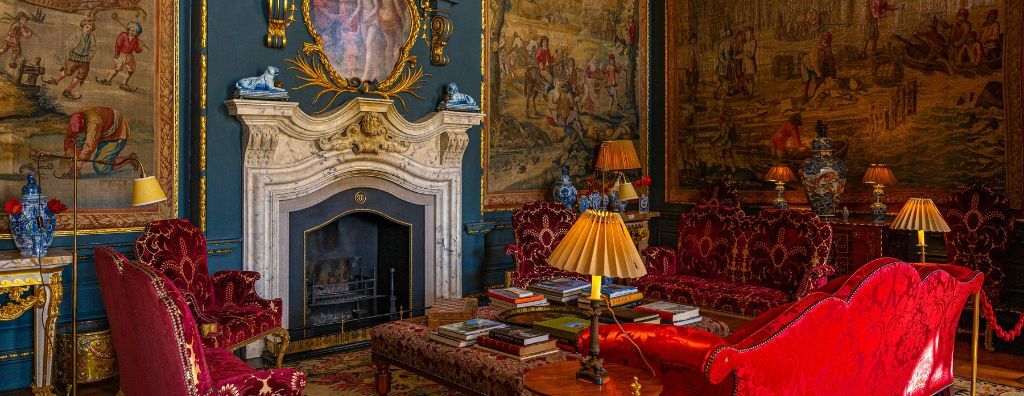
Victorian interior design is known for richness, detail, and a sense that nearly every element of a room deserves attention. Ornate woodwork, patterned wallpaper, saturated colors, layered textiles, and collected objects all have a place within the style. Yet incorporating Victorian design into a home today doesn’t have to mean recreating a nineteenth-century parlor. With a thoughtful approach, its signature details can add warmth, character, and sophistication to both historic and contemporary spaces.
What Is Victorian Interior Design?
Victorian design takes its name from the reign of Queen Victoria in nineteenth-century Britain. Rather than describing one distinct aesthetic, the term encompasses a range of styles and influences that became popular during the era.
As manufacturing expanded and decorative goods became increasingly accessible, interiors offered homeowners more opportunities to express their interests and personal tastes. Rooms were often richly furnished, with decorative objects, artwork, textiles, and furniture occupying nearly every available surface. Formal entertaining spaces, including parlors and dining rooms, also played an important role in the Victorian home.
Today, Victorian-inspired interiors can be far more restrained. Instead of reproducing every element of the period, homeowners can borrow its emphasis on craftsmanship, ornamentation, color, and texture to create rooms that feel collected and distinctive.
Embrace Rich Color
Victorian interiors provide plenty of inspiration for homeowners ready to venture beyond an all-neutral palette. Deep greens, burgundy, navy, plum, and other saturated shades can establish a rich backdrop, while warmer metallic tones and natural wood bring additional depth.
You don’t need to envelop an entire room in dark color to achieve the effect. Try introducing a deeper shade on built-in cabinetry, in a powder room, or through an accent wall. Against lighter surroundings, even a small amount of saturated color can provide the dramatic contrast associated with Victorian design.
Add Pattern to the Walls
Walls were rarely an afterthought in Victorian interiors. Elaborate wallpapers, botanical motifs, and repeating patterns brought decoration to the room itself, while wainscoting and decorative molding added dimension.
Wallpaper remains one of the easiest ways to introduce this sensibility today. A floral botanical print can transform a dining room, bedroom, entryway, or powder room without requiring additional ornamentation throughout the space. For a quieter interpretation, consider painted millwork, picture-frame molding, or wainscoting. These architectural details add visual interest while working well with both traditional and modern furnishings.
If your home already has original molding, ceiling medallions, a detailed staircase, or other historic features, consider making them part of the design rather than competing with them.
Layer Fabrics and Textures
Victorian design is anything but flat. Velvet, embroidery, lace, patterned rugs, and substantial drapery were traditionally layered throughout the home, giving a room a sense of softness and luxury.
In a contemporary space, a few carefully chosen textiles can accomplish the same thing without becoming overwhelming. A velvet sofa or accent chair can act as a focal point, while patterned rugs, upholstered furniture, and curtains introduce additional layers. Mixing materials is part of the appeal, so don’t be afraid to place soft textiles alongside wood, marble, brass, iron, or other harder finishes.
The goal is not for every surface to compete for attention, but for the room to reveal more detail the longer you spend in it.
Look for Furniture with Character
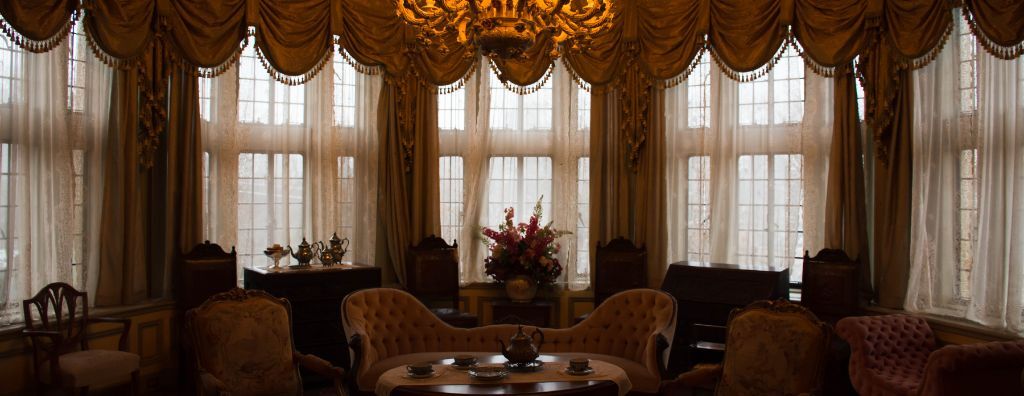
Traditional Victorian furniture tends to favor dark woods such as walnut and mahogany, often embellished with carved legs, curved forms, decorative inlays, or marble tops. Sideboards, occasional tables, upholstered chairs, and settees can all introduce these characteristics.
Rather than furnishing an entire room with period-inspired pieces, consider choosing one or two that provide contrast. An antique sideboard in an otherwise streamlined dining room or a carved wood chair beside a contemporary table can create a more layered look.
Antique and vintage pieces are especially well suited to this approach. Their natural variations and signs of age reinforce the sense that a room has developed over time rather than being assembled all at once.
Create a Collected Look
Where some contemporary styles celebrate empty surfaces, Victorian interiors embraced display. Artwork, books, ceramics, framed photographs, vases, and other personal objects were part of the home’s visual.
That makes Victorian design particularly adaptable for people who enjoy decorating with meaningful belongings. Instead of buying accessories to fill a room, use objects that tell a story. A collection of framed artwork can become a gallery wall, while books and heirlooms can give shelves and tabletops personality.
There is still room for editing. Grouping objects intentionally and leaving some visual breathing room can preserve the collected quality of Victorian design while keeping a modern home from feeling cluttered.
Make Lighting Part of the Design
Lighting offers another opportunity to introduce Victorian influence. Chandeliers, decorative sconces, and table lamps can function as design elements, particularly when they incorporate materials such as brass, glass, or crystal.
A statement fixture can also help establish the character of an otherwise simple room. Consider a chandelier above a dining table, sconces alongside a fireplace or mirror, or decorative Victorian lamps that create softer pools of light throughout a living space. Layering multiple light sources creates warmth and atmosphere while allowing ornate fixtures to stand out.
Mix Victorian and Modern Design
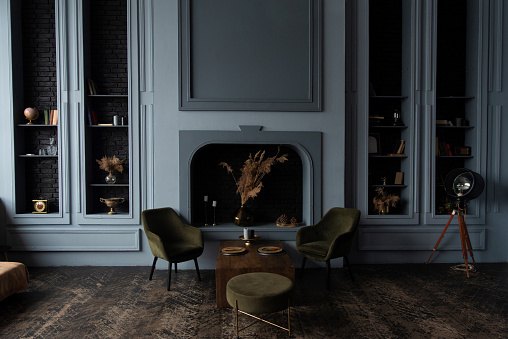
One of the most effective ways to use Victorian design today is through contrast. Pairing decorative architectural details with contemporary furniture—or ornate furniture with a simpler backdrop—allows each element to stand on its own.
A freestanding tub can provide a traditional focal point in a streamlined bathroom. Detailed molding can frame minimalist artwork. A vintage wood table can sit beneath a modern pendant. Even smaller details, such as decorative cabinet hardware or an antique mirror, can introduce Victorian character without determining the style of the entire room.
This balance is particularly useful in historic homes, where preserving original character must mean sacrificing contemporary comfort or functionality.
Whether you’re restoring a period home or simply looking to give a newer space more personality, Victorian design offers plenty of room to make the style your own. Start with the elements that speak to you, layer them thoughtfully, and allow your home to tell its story through the things you choose to surround yourself with.
For more ways to find a style that feels like home, explore the Design section of the Windermere blog.