Facebook
 X
X
 Pinterest
 Copy Link
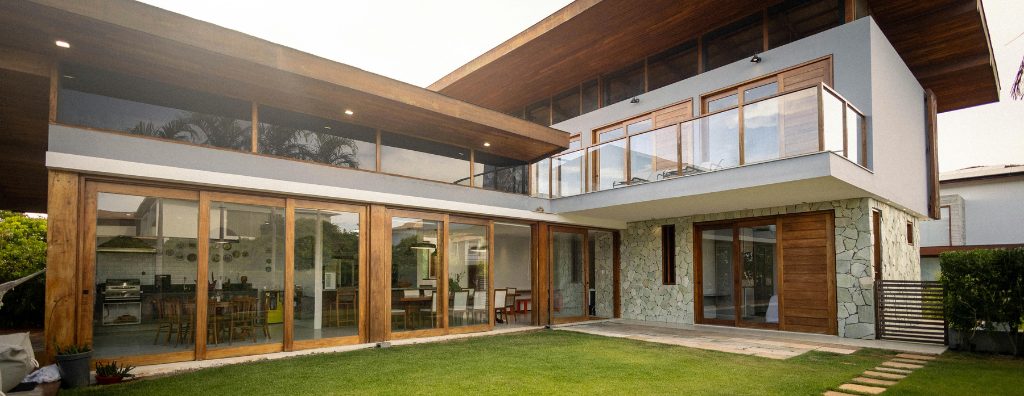
In the Pacific Northwest, architecture is as much about the environment as it is about the home itself. With long stretches of gray skies, evergreen landscapes, and a strong connection to the outdoors, homes in the region are designed to feel both grounded and expansive.
Northwest Contemporary architecture, sometimes called Pacific Northwest style or Northwest Modern, reflects that balance. It’s a design approach shaped by climate, landscape, and a lifestyle that values comfort, simplicity, and a seamless connection to nature. Influenced heavily by the region’s natural surroundings, this style prioritizes livability, light, and a design that feels in tune with its environment.
Designed for the Pacific Northwest way of living
The Pacific Northwest is known for its natural beauty, but much of the area is also known for its long, rainy seasons. Because of this, homes are designed to enhance the experience of being indoors without losing that connection to the outside, while also being well-suited to handle the region’s climate, including frequent rain and moisture.
Northwest Contemporary homes often feel open and airy, with open floor plans that let light flow freely throughout the space. Large windows are a defining feature, bringing in natural light even on overcast days and framing views of trees, water, and surrounding landscapes. Rather than separating indoors from outdoors, these homes are designed to blur the line between the two. This approach creates spaces that feel calm, comfortable, and connected to their surroundings year-round.
A focus on natural materials and simplicity
At the core of Northwest Contemporary design is a commitment to natural materials and understated finishes. Wood, stone, and glass are used not just for aesthetics, but to reflect the textures and tones of the surrounding environment.
You’ll often see an emphasis on regionally sourced materials alongside wood beams, stone fireplaces, and clean-lined cabinetry that highlight craftsmanship without feeling overly ornate. The overall look leans minimalist, but not cold. Instead, it feels warm, intentional, and grounded.
There is also a growing focus on sustainability within this style, with many homes incorporating energy-efficient design, durable materials, and thoughtful siting to work with the landscape rather than against it.
This simplicity allows the home itself to complement the landscape rather than compete with it, resulting in a timeless aesthetic that doesn’t rely on trends.
Influences that shape the style
Northwest Contemporary architecture is influenced by a mix of design movements, most notably modern architecture and the international design principles popularized by architects like Frank Lloyd Wright. His emphasis on harmony between structure and environment is clearly reflected in homes throughout the region.
There are also strong ties to Japanese design, particularly in the use of clean lines, natural materials, and a focus on balance and tranquility. In many homes, you’ll also find elements inspired by Indigenous art and culture, adding depth and regional identity to the overall design. Together, these influences create a style that feels both modern and deeply rooted in place.
A style that continues to evolve
Like the region itself, Northwest Contemporary architecture is not defined by strict rules. It continues to evolve with new materials, technologies, and interpretations of modern living.
Some homes lean more modern, with sharper lines and more minimalist finishes, while others incorporate elements of related styles, such as Pacific Lodge or Japanese Modern. No matter the variation, the foundation remains the same: a connection to nature, thoughtful use of materials, and spaces designed for how people truly live.
If you’re drawn to Northwest Contemporary design or are considering buying or selling a home, a Windermere agent can help you better understand the architectural styles that define your local market.