Facebook
 X
X
 Pinterest
 Copy Link
Springtime Gardening Tips by Region
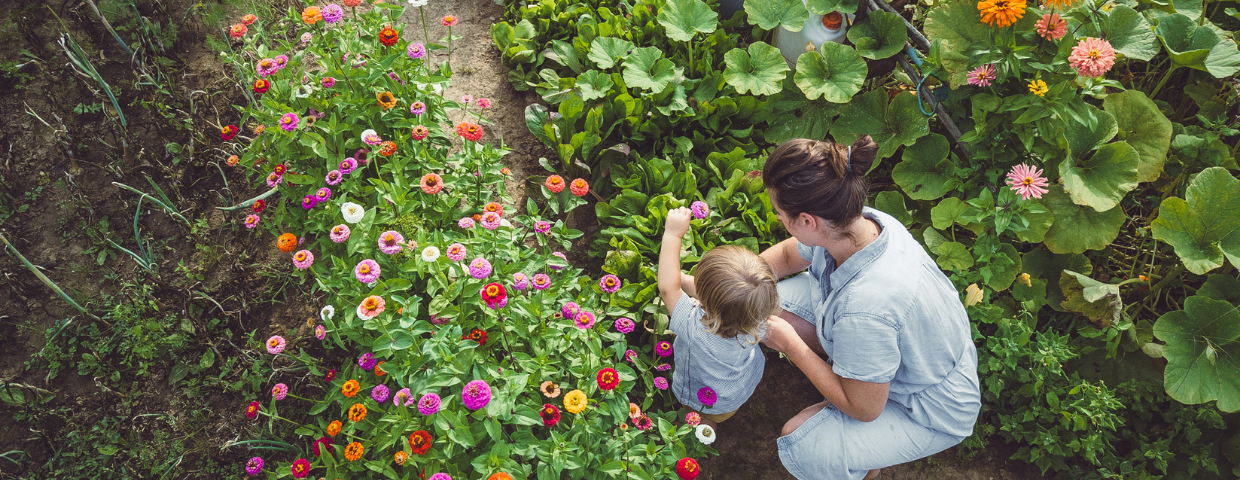
This time of year, there is much to be done in the garden. Whether you tend to a few veggie plants, have a sprawling urban farm, or tend to a flourishing, flowering sanctuary, spring is a critical time of the year to focus on the health of your garden to keep it fertile heading into summer. Geography and climate play a large role in what a garden needs at different times throughout the year. The following information will help you build out your springtime gardening to-do list depending on where you live. But first, here are a few tips that apply to gardeners of all regions and climates.
Gardening During Spring
Weeding
No matter where you live, weeds can be an issue for your garden. By carving out some time to weed your flower beds and garden in spring, you’ll be ahead of the curve when summer comes around. Use this time to check for any infestations or fungi growing on your plants and flowers.
Watering
Water is the lifeblood of a healthy garden. Keeping your plants and flowers irrigated is paramount, especially so in the spring, since proper watering now will have your garden in top shape as the months get warmer and drier. For plants that require significant watering, place saucers under their pots to catch the excess.
Mulching
Spring is a great time of year to mulch your garden. Mulch helps to keep your soil moisturized when temperatures rise, keeps weeds at bay, and enriches your soil with organic matter.
Clean Your Water Features
Throughout the warmer months of the year, ponds, bird baths, and other water features become a magnet for rapid algae growth. Clean your water filters and remove decaying leaves to keep them clean and algae-free.
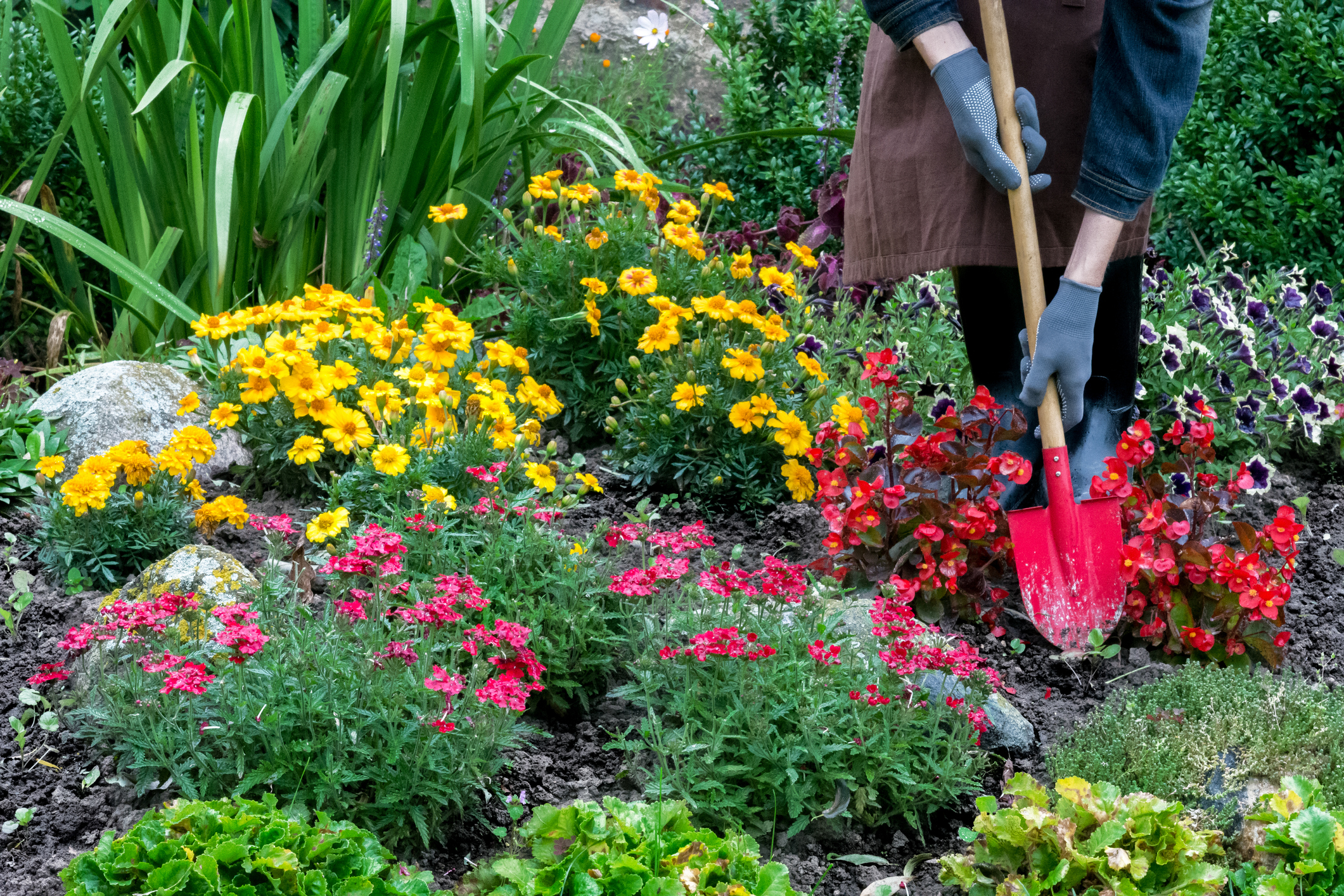
Image Source: Getty Images – Image Credit: Jurgute
Springtime Gardening Tips by Region
Pacific Northwest
Pacific Northwesterners can expect to continue to divide perennials while it is still wet out. Once the sun becomes more consistent in late spring, it’s time to transfer any plants you seeded indoors to the outdoors. This time of year brings more sun breaks, which, combined with steady rain, creates rich gardening conditions. Deadhead your rose bushes of any old blooms and begin seeding your annuals.
Northern California
By April, gardeners in Northern California can begin to plant warm-season plants and fertilize perennials. With sunny and dry days dominating the weather pattern, temperatures will begin to rise. Accordingly, it’s important to check your sprinkler and irrigation systems and make repairs/replacements as needed before it gets hot. Check for signs of fungal diseases or evidence of insects throughout the garden before their damage spreads.
Southern California
As the days get hotter in Southern California, gardeners can plant tropical plants and perennials outdoors. This is a great time of year to check whether you have substantial mulch around the base of your plants and trees and add as necessary. If you plan to grow tomato plants, potatoes, or bell peppers, they should be planted by mid-spring.
Southwest
Southwesterners should fertilize their perennials and plant warm-season plants in early spring. When adding mulch, be mindful of your garden’s mulching limit. Adding too much can make it difficult for plants to push up through the ground. Given the fact that this climate typically experiences very few rainy days in mid-Spring and beyond, it’s the right time to plant palm trees and cacti. It’s also the right time of year to give your sprinklers and irrigation system a complete checkup.
Mountain West
There is a bit of waiting game with springtime gardening in the Mountain West, but once the snow has melted, the green thumbs have the green light to get out in the garden. Plant fruit trees and strawberries once it has begun to warm up in April and spread compost around the garden to help reduce weeds and enrich the soil. Once frost is a thing of the past, turn on your irrigation system and check for any leaks. Early May is usually a good time of year to begin planting your vegetable garden.
For more tips on working out in the garden, read our guide to sustainable gardening:
10 Tips for Sustainable Gardening
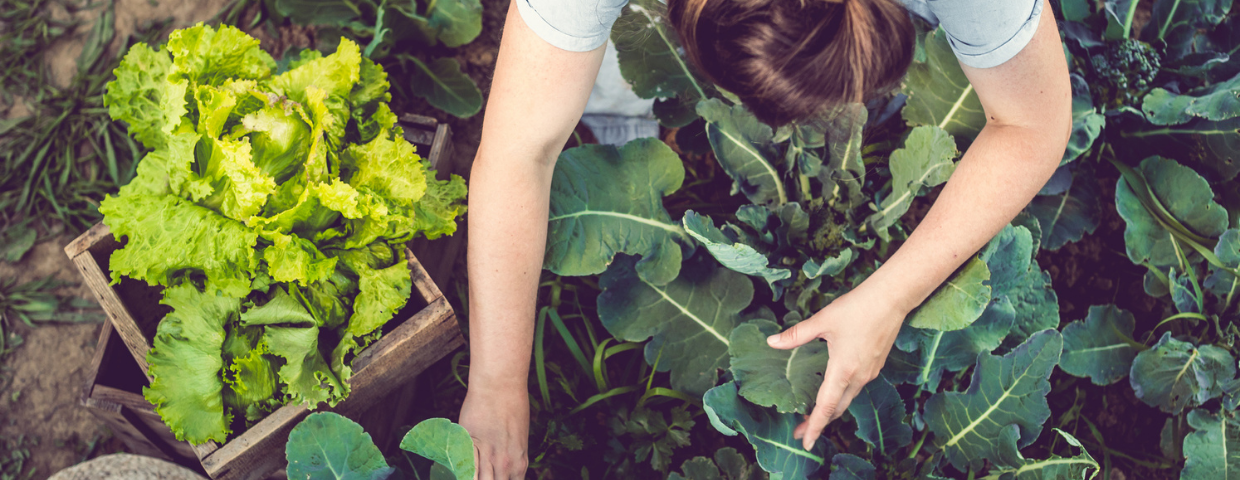
Spring is calling and the flowers are in bloom. It’s the time of the year that many homeowners start spending more time in the garden. Having a healthy garden is one of the best ways to create a sustainable home and reduce your household’s carbon footprint. Here are some eco-friendly tips that will help to make your garden even more sustainable.
10 Tips for Sustainable Gardening
1. Compost Your Waste
Composting, which puts your natural waste to good use, is the cornerstone of any sustainable garden. All grass clippings, dead leaves, plants, flowers, and the like are rich in nutrients. By composting, you provide your garden with a natural fertilizer, free of contaminants. Not only will this provide nourishment, but it will also help to produce healthier and tastier food.
2. Mulching
If having a sustainable garden is your goal, it’s important to treat your soil with care. Mulching enriches the soil and ensures it’s as healthy as can be. Mulch conserves the moisture in your soil, ensuring it won’t dry out. It also reduces weed growth and naturally moderates the temperature of the soil. Mulching can cover either bare soil or freshly planted food and flowers.
3. Garden Design
It’s natural to want to accentuate the beauty of your garden when designing it, but the sustainable gardener will prioritize giving plants what they need. Take into consideration which plants need direct access to sunlight, which need the most space in the garden, and any special requirements a plant may need to inhabit optimal growing conditions.
4. Use Natural Weed Killers
One of the pillars of organic gardening is to reduce the use of chemicals whenever and wherever possible. Homemade recipes involving vinegar and corn gluten meal are effective substitutes for harmful, chemical-based weed killers. Whichever method you choose, it’s important to weed by hand often.
5. Use Water Efficiently
Substantial watering is critical to keeping your garden healthy, but overwatering is a common practice and leads to an unsustainable garden. Research the amount of water your plants and flowers need to make sure you aren’t overwatering. If you live in a rainy climate, rain barrels are a useful tool as their function is to catch and conserve the water from your downspouts.
6. Animal Manure
For a more sustainable garden and even healthier soil, consider adding animal manure. Chicken, sheep, and cow manure are all popular choices. Rich in nutrients, it can be used both as a fertilizer and as a soil conditioner. Make sure the manure you purchase is free of pathogens and ask about the recommended window of time from application to harvest before you begin using it.
7. Go Local
Planting natively is a fast ticket to sustainable gardening. Native plants are innately acclimated to local climate conditions, making them easier to grow and maintain. Native plants often require less water to grow due to their familiarity with the soil and rainfall in your region, which cuts down on your garden’s total water intake.
8. Collect Dried Seeds
Believe it or not, you can save your seeds and sow them next year. Wait until the seed is fully ripe before you collect it. It’s important to gather seeds when the weather is dry and to store them in a dry place. To produce healthy plants in the future, the seed must be completely dry.
9. Control Garden Slugs
Slugs are known to wreak havoc on gardens, eating through leaves and fruit, leaving a trail of destruction. There are many ways of controlling slugs in your gardens, but some may do more harm than good. If you choose to use slug bait, go organic. Many slug baits contain chemicals that are highly toxic to other animals.
10. Replace Your Gas Mower
How else can you reduce your garden’s carbon footprint? Replace your gas mower with a more sustainable alternative. Electric mowers and push mowers are functional and more eco-friendly replacements. For added sustainability, consider replacing your other gas-powered equipment, such as trimmers and leaf blowers.
Your Guide to Spring Cleaning

When it comes to wellness, your health and the health of your home go hand in hand. Here are some tips to guide you through your spring cleaning this year.
Let’s Make Your Memorial Day a DIY Breeze

If you have ever had the responsibility of hosting a get-together over Memorial Day weekend, you probably know that it can be a daunting task. Between barbecuing, decorating, and general mayhem, the three-day weekend can feel like its own brand of work. To ease those stresses, we’ve gathered up a few of our favorite DIY Memorial Day traditions that can make everyone’s lives easier.
Here’s Your Spring Maintenance Checklist

Now that spring has sprung, let’s clear the cobwebs and get your home ready! Here is our quick guide to spring home maintenance:
2014 Spring Home Trends

Throw open the windows and freshen up your space with some of these fun spring and summer design trends!