Facebook
 X
X
 Pinterest
 Copy Link
Wildfire Preparation and Evacuation Tips
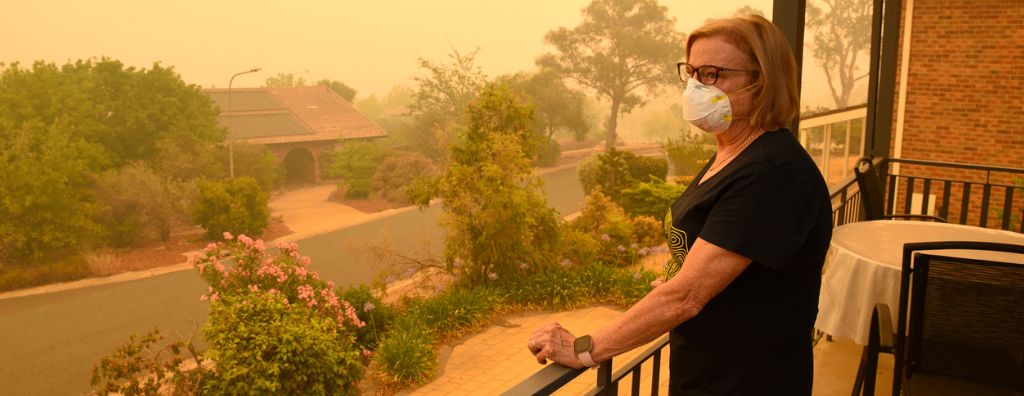
The following tips are meant to inform your household’s wildfire evacuation protocol, whatever your evacuation timeline may be.
How to Prevent Water Damage to Your Home

Water is constantly coursing through your home, flowing in and out of drain pipes, sinks, tubs, and showers. Numerous systems in our homes are dependent upon water, but the minute it runs rampant it begins to cause damage. The consequences of water damage run the gamut, from rotted drywall and mold growth to serious structural issues. The following guide will help you understand what you can do to prevent water damage in your home.
How to Prevent Water Damage
Leaks
Leaks soften wood, which invites all sorts of unwanted activity from termites, while simultaneously creating a perfect habitat for mold and mildew growth. To prevent leaks, keep your drains healthy by frequently cleaning out your drain strainers and refraining from dumping grease down your drains. Check to make sure none of your drains are leaking and if need be, repair or replace your p-traps. Drips, dark stains around your pipes, and discoloration on your ceilings and walls are all strong indicators that a leak has sprung. If you notice an inexplicable spike in your water bill, this is also a sign of a potential leak. By identifying these signs, you can begin repairs right away and stop the water damage in its tracks.
Gutter Drainage
A home with weak gutter drainage is an open invitation for water damage to occur. Cleaning your gutters routinely is the best way to prevent them from clogging, which helps to avoid damage to your siding and foundation. Make sure your downspouts expel the gutter water away from your house parallel to the ground. Take a trip to the hardware store for downspout extensions and elbows to make sure that water won’t build up around your home’s foundation, especially if you live in a rainy climate.
Sump Pump
Your sump pump can be your saving grace should a water emergency occur. Sump pumps move excess groundwater away from your home, preventing it from infiltrating your basement or crawl space. They are connected to the Ground Fault Circuit Interrupter (GFCI) electrical outlet, which protects it from electrical shorts. There are two ways to test your sump pump. The first is by pouring in enough water to raise the float. If it’s working properly, the pump should activate and begin removing water from its pit. The other method is to unplug the pump’s power and plug it back in. If it does not turn on, it requires repair or replacement.
More
There are some additional steps you can take to prevent water damage to your home. Inspect your roof to identify any damaged shingles or cracks. While you’re up on the roof, take a look at your chimney. Repair any cracked or broken bricks and consider a chimney cap if you don’t already have one in place.
Water damage can be harmful to your home and your finances. Even the smallest leak can snowball into larger problems if neglected. By following the steps to prevent water damage, you’ll know if your home needs repairs before it’s too late. For more advice on preventing damage to your home, read our guides to wildfire and winter storm prevention.
How to Cover Unexpected Costs with a Personal Loan

Owning a home comes with its rewards — it’s an investment, a cozy haven to kick-up your feet after a long day of work, and a welcoming place to bring family and friends together. Although all of this makes homeownership fulfilling, owning a home also opens the door for unexpected (but necessary) expenses.
Prepare Your Home for Winter
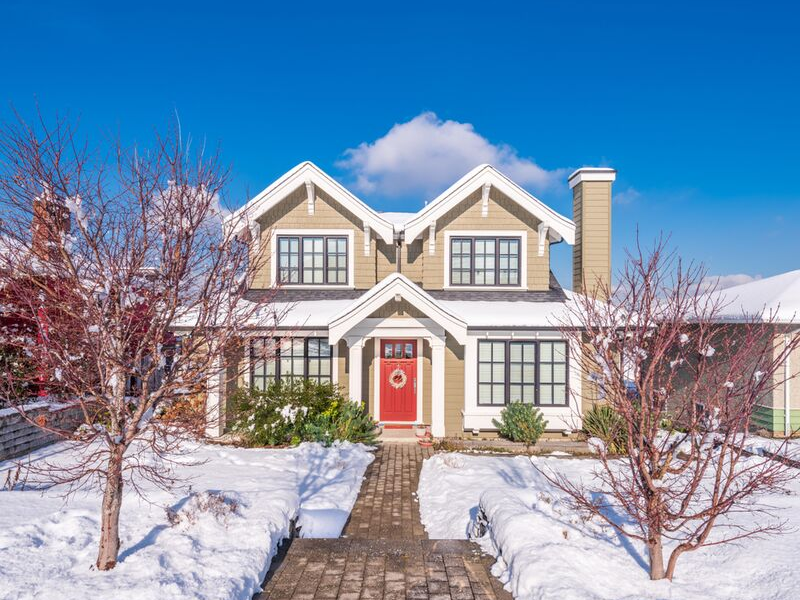
As the days shorten, you can mitigate many mid-winter headaches with some preemptive prep. Proper weatherizing can help protect your home from preventable damage, save money on energy costs, and, most importantly, keep you and your loved ones safe and warm throughout the winter season. Here is a useful checklist to manage your weatherization project.
Prepare For and Prevent Damage This Wildfire Season Before It Happens
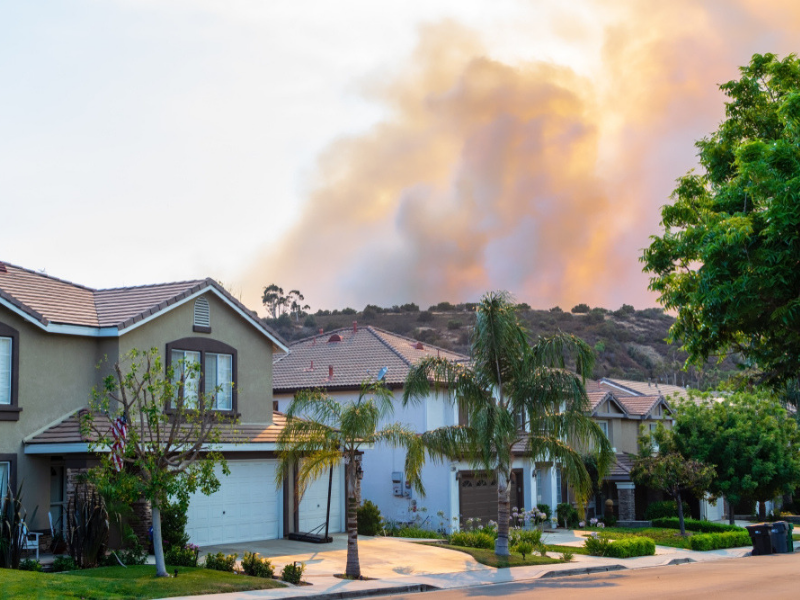
After last year’s wildfires, some of the largest and deadliest in recent memory, spread along the west coast, homeowners are on edge as to what this fire season will bring. The questions of whether their home will be burnt, or if they will be affected by poor air quality, hang in the air much like the smoke of a nearby fire.
More Than a Yard: Finding the Right Home for Your Pooch
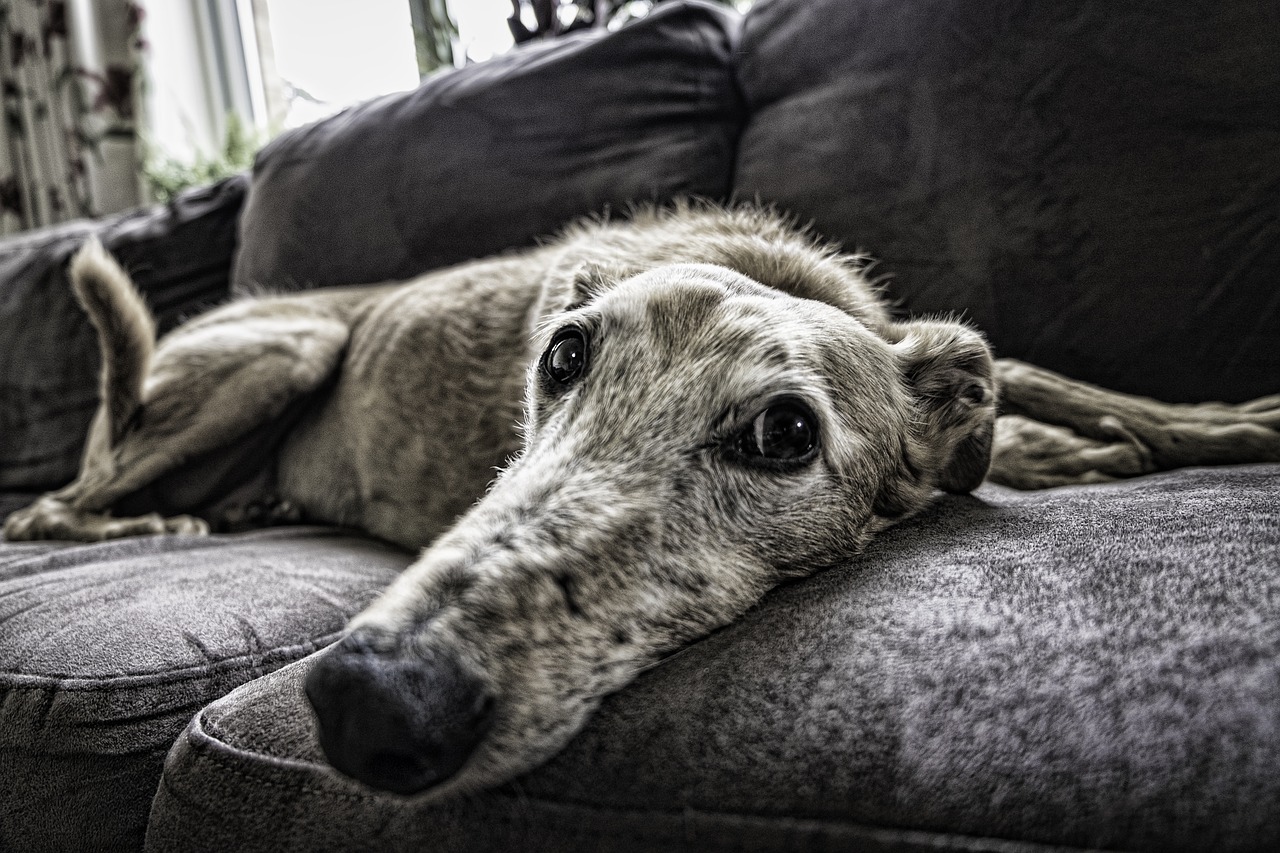
For many house hunters, a dream home isn’t complete without being a good fit for the family dog. Some might see the fenced in yard, and consider the box checked. However, if you are looking for your next home, you may want to look a little deeper to be sure the fit is right before signing on the dotted line.
It’s worth taking a little extra time to consider your pooch in a little more depth…
Planning for the Life Expectancy of Your Home

Nothing in life lasts forever – and the same can be said for your home. From the roof to the furnace, every component of your home has a lifespan, so it’s a good idea to know approximately how many years of service you can expect from them. This information can help when buying or selling your home, budgeting for improvements, and deciding between repairing or replacing when problems arise…
Outfitting Your Home to Survive the Threat of Wildfires
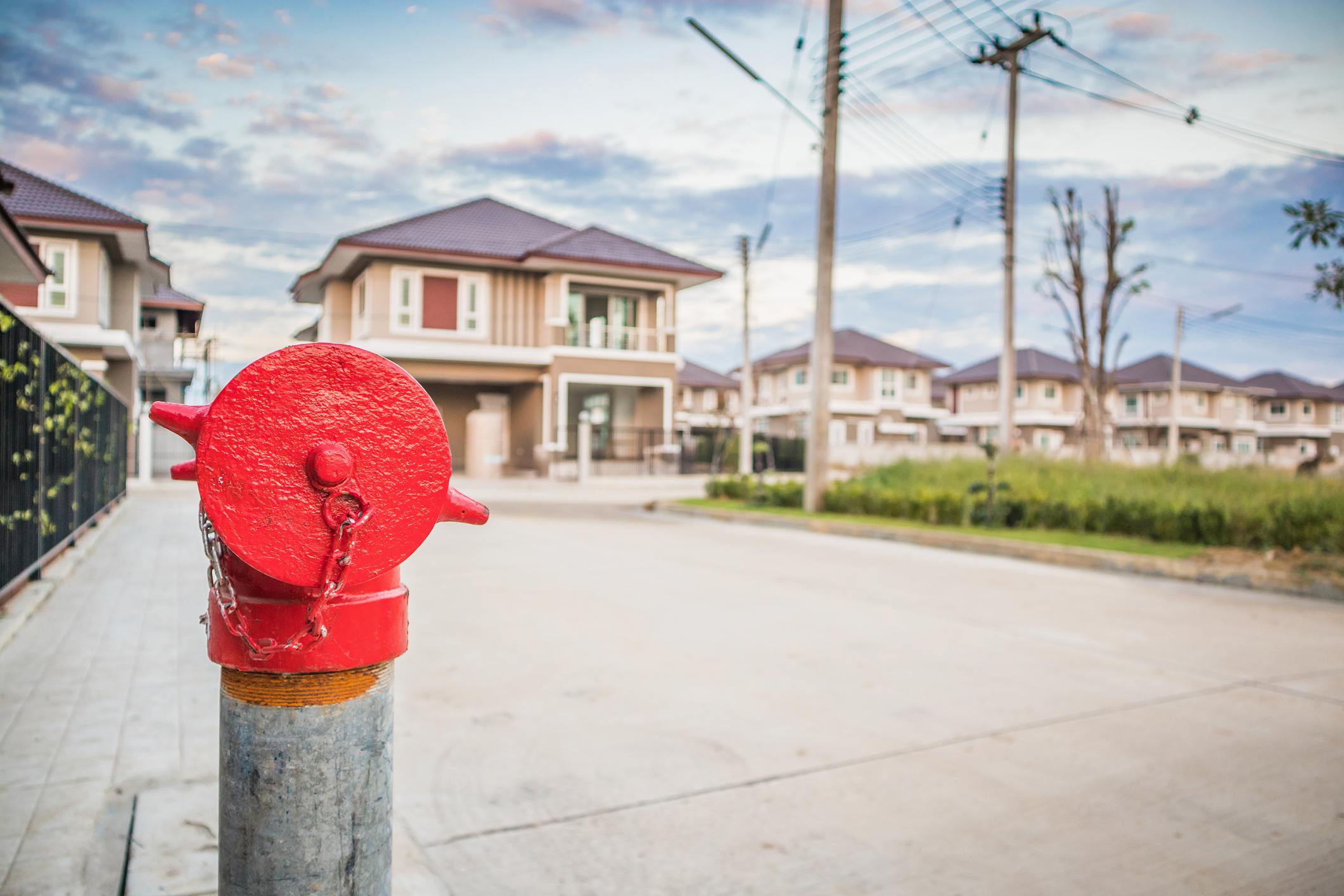
Much of the Western United States is grappling with the same issue this summer – the specter of smoke and fire from some of the largest forest fires in recent memory. For individuals, even the decreased air quality can be a threat, while the destruction that the fires themselves can wreak is devastating. Homeowners living near impacted areas are often left with an impossible choice…
Weatherizing your home: protecting your investment through the harsh winter months
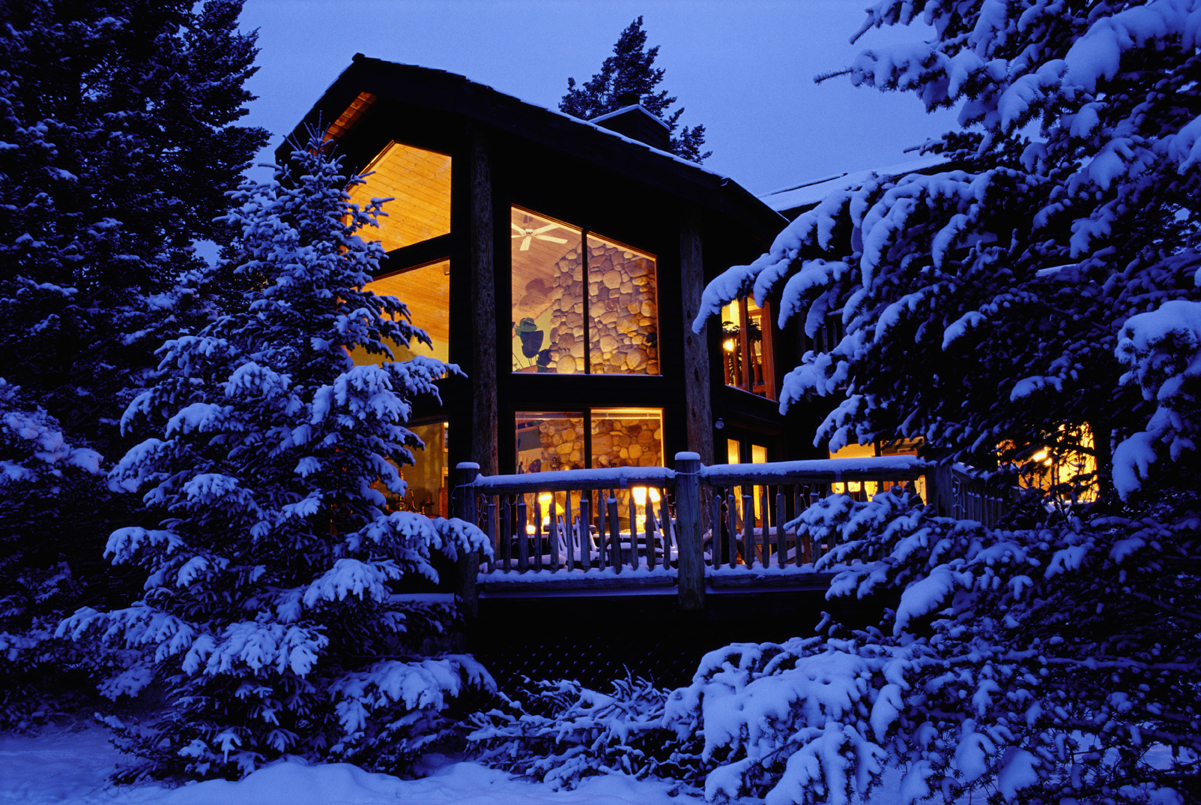
Weatherizing your home–especially in light of harsh warnings–will protect your investment from preventable damage, save money on energy costs and, most importantly, keep your home safe and warm for you and your loved ones throughout the winter season.