Facebook
 X
X
 Pinterest
 Copy Link
Pros and Cons of Buying New Construction
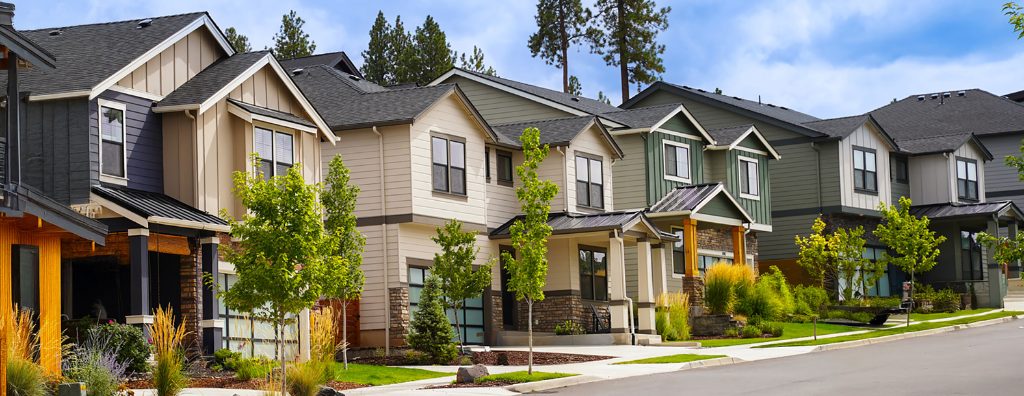
For many buyers, there’s something exciting about being the first person to live in a home. New construction offers modern layouts, updated finishes, and the opportunity to start fresh without taking on someone else’s renovation projects. While buying a newly built home has plenty of advantages, it also comes with a few tradeoffs that are worth considering before you make an offer.
Whether you’re comparing a brand-new home to an existing property or simply exploring your options, understanding the benefits and potential drawbacks can help you make a more informed decision.
The Benefits of Buying New Construction
One of the biggest reasons buyers choose new construction is that everything is designed with today’s lifestyle in mind. Many newly built homes feature open-concept floor plans, spacious kitchens, dedicated home office space, walk-in closets, and flexible living areas that can easily adapt as your needs change.
Because every component of the home is brand new, maintenance costs are often lower during the first several years of ownership. Instead of budgeting for the replacement of an aging roof, outdated plumbing, or an older furnace, many homeowners can spend more time enjoying their new space and less time worrying about repairs.
New homes are also generally more energy efficient than older properties. Modern insulation, high-performance windows, efficient HVAC systems, ENERGY STAR® appliances, smart thermostats, and other connected home technology can reduce utility costs while adding everyday convenience through features like smart locks, video doorbells, and integrated security systems.
Many builders also include warranties covering workmanship, major systems, and structural components for a specified period after closing, providing added peace of mind in case issues arise after you move in. And if you’re purchasing before construction is complete, you may have the opportunity to personalize finishes such as flooring, cabinetry, countertops, paint colors, and lighting to better reflect your style.
Perhaps one of the most appealing benefits is that a new home is truly move-in ready. Everything is clean, unused, and built to current building codes and standards, meaning you likely won’t need to plan for immediate renovations or major updates after closing.
Potential Drawbacks of Buying New Construction
One of the biggest considerations is cost. New homes often carry a higher purchase price than comparable resale homes, and the advertised base price doesn’t always include everything you see in the model home (if located within a new construction development). Premium flooring, upgraded cabinetry, designer lighting, landscaping, appliances, and lot premiums can quickly increase the final purchase price.
Timing can also be a factor. If the home hasn’t been completed yet, construction schedules may change due to weather, labor shortages, permitting delays, or supply chain delays. Buyers who need to move on a specific timeline may find that an existing home offers more certainty.
When buying in a new community, there are some additional factors to consider. While the homes themselves may be complete, neighborhoods can take years to fully mature. Landscaping is still growing, trees are often smaller, construction may continue nearby, and community amenities such as parks, clubhouses, or walking trails may still be under development. Lot sizes are another consideration. Many newer developments maximize land use by placing homes closer together than older neighborhoods, which can mean smaller yards and less outdoor space.
When it comes to negotiating, builders typically have less flexibility on the purchase price of the home than individual sellers do. Instead of reducing the asking price, they may offer incentives such as closing cost assistance, financing promotions, appliance packages, or design upgrades.
Finally, many new developments include homeowners’ associations (HOAs). In addition to monthly dues, HOAs may establish guidelines for landscaping, exterior paint colors, parking, fencing, and other aspects of the property. Understanding those rules before purchasing can help ensure the community is a good fit for your lifestyle.
Is Buying New Construction Right for You?
There’s no one-size-fits-all answer. The right choice ultimately depends on your priorities, budget, and long-term goals.
New construction may be an excellent option if you’re looking for a move-in-ready home with modern features, lower maintenance requirements, improved energy efficiency, and the opportunity to personalize finishes before moving in. It can be especially appealing if you plan to stay in the home for several years and want the convenience of starting fresh.
On the other hand, an existing home may be a better fit if you value mature neighborhoods, larger lots, distinctive architectural character, or greater flexibility when negotiating price. Resale homes can also offer advantages for buyers who need to move quickly or have a more limited budget.
No matter which path you choose, understanding the tradeoffs between new construction and existing homes can help you feel more confident throughout the buying process. A Windermere agent can help you compare your options, evaluate builder contracts, navigate inspections, and find a home that supports your lifestyle and future plans.

Buying a New Construction Home
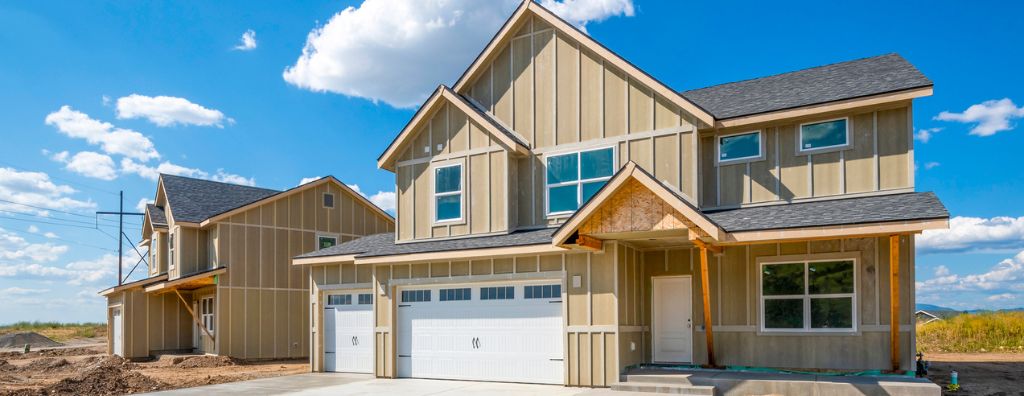
You’ve got several options to choose from when buying your next home. With existing homes, it’s in sellers’ best interest to spruce up their properties, so they’ll usually complete some kind of upgrades, curb appeal projects, and remodeling before hitting the market. A new construction home, however, has no previous owner; it comes brand new. Learning about the new construction buying process will help you understand how it differs from other types of housing, such as existing single-family homes, townhouses, condominiums, etc.
What is a new construction home?
New construction homes are kick-started from two primary sources: the homeowners themselves and developers. When a homeowner is having a home custom built, they work with contractors to build it to their desired specifications on a lot they’ve purchased. This tailored approach comes at a price; building a custom home generally costs more than purchasing a new build from a developer.
When going the developer route, buyers have options to choose from, namely tract homes and spec homes.
Tract homes make up new neighborhoods on land bought by the builder. They bear a strong resemblance to each other but may offer customizable floor plan and design options to tailor the home to the buyer’s liking.
Spec homes are finished, move-in-ready new builds. Though they offer little to no customization, they may be the right option for you if you’re looking to move right away.
There are four component parts of building a new construction home: land, labor, materials, and regulation. Builders combine those costs to determine what price they need to sell the home to make a profit, accounting for local real estate market trends. However, if the market is driving up those costs, builders are less likely to continue building. As a buyer, keeping tabs on the housing market will help you understand the landscape of available new construction homes.
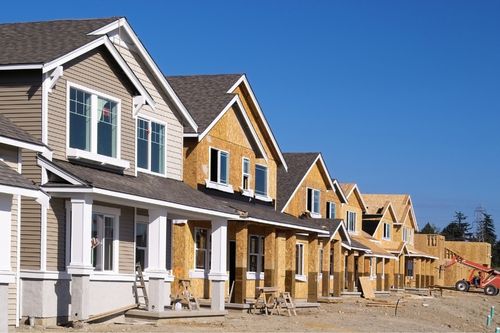
Image Source: Getty Images – Image Credit: jhorrocks
Pros of a New Construction Home
- New materials, appliances, and fixtures
- Customization without having to remodel
- Less maintenance than an older home
Cons of a New Construction Home
- Custom home costs can be high
- Move-in date dictated by builder’s timeline
- Market conditions can drive up prices/halt production
Buying a New Construction Home
The financial preparations you’d take for purchasing an existing home apply to buying a new construction home. You’ll get pre-approved for a mortgage early on and form a saving strategy for how to make a down payment.
There’s less room for negotiation in new construction home transactions, so you and your agent should thoroughly discuss what kind of offer you’re able to make. Your agent is your greatest asset during this part of the process; lean on them to understand how to make an offer. You’ll also want to know whether a home warranty comes with the purchase of the new construction home and its cost structure.
Even though these homes are brand new, it’s still worth it to get a home inspection to discover any outstanding repairs that need to be made and begin a dialogue with the builder about fixing them before you move in.
Going into the buying process, it helps to know which new construction homes you’re able to afford. This allows you and your agent to work together to find the best candidate properties. To get an idea of what’s affordable, use our free Home Monthly Payment Calculator by clicking the button below. With current rates based on national averages and customizable mortgage terms, you can experiment with different down payment amounts to get estimates of your monthly payment for any listing price.

Featured Image Source: Getty Images – Image Credit: Kirk Fisher
Challenges Builders Face With New Construction

Housing demand remains high across the Western United States, but home-building is still struggling to keep up. What can be done to help encourage construction of new homes? Windermere Real Estate’s Chief Economist Matthew Gardner has insight.
New Home Construction Trends to Watch Out For

Earlier this week, at the Windermere Builder Solutions Breakfast, more than 100 Windermere brokers came together to listen to Windermere President OB Jacobi lead a panel discussion on new home construction trends in the greater Seattle area.
Design Trends That Sell New Homes
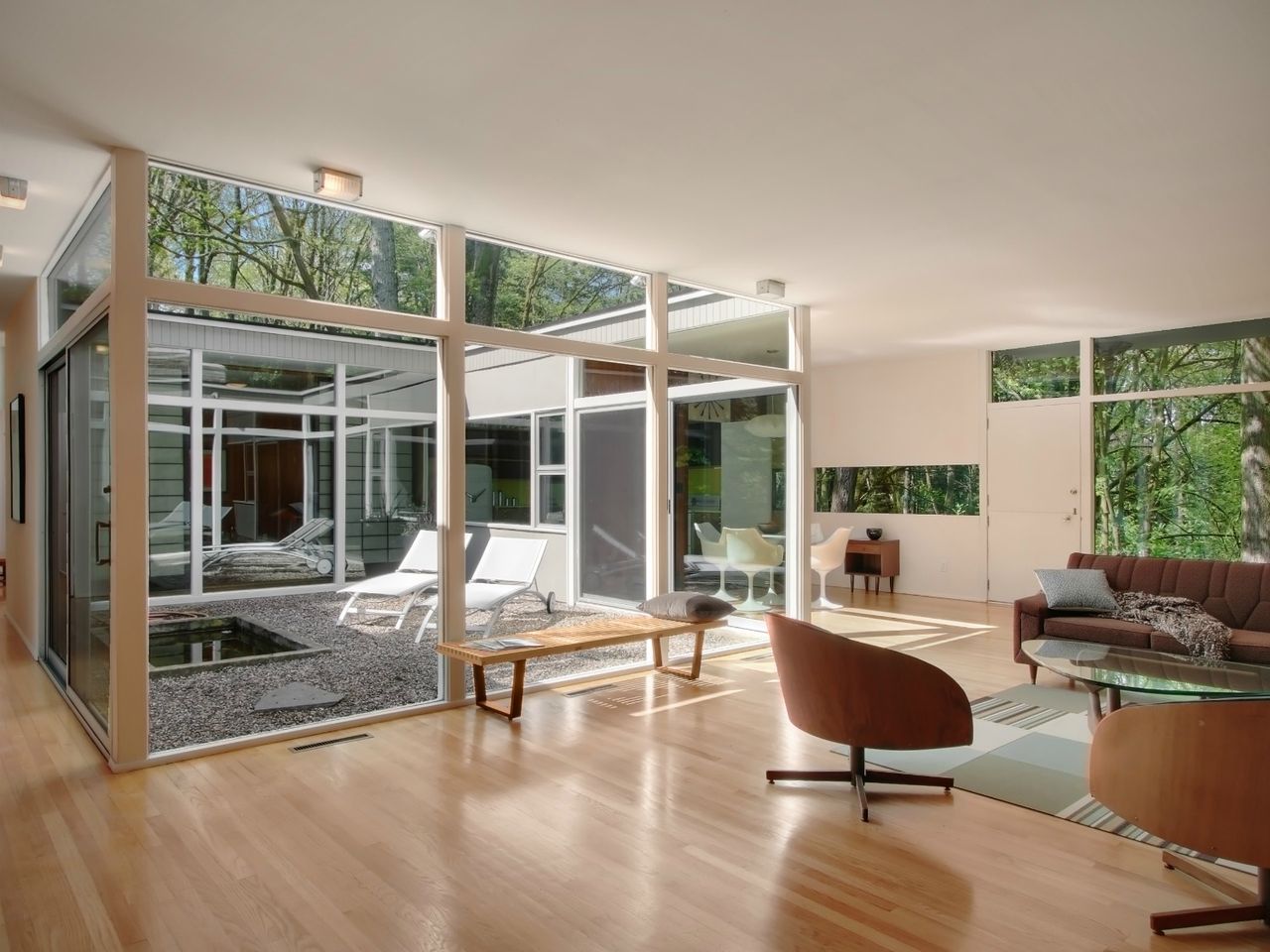
Are you drawn to new construction homes? As a homeowner, do you ever wonder what design trends are most appealing to buyers? Well, at the Windermere Builder Solutions breakfast yesterday, agents from throughout the Seattle area came together to discuss the features and trends that are drawing buyers to new homes.
Can Mid-Century Modern Design Successfully Meet Today’s Energy Standards?

It was an open house. The buyers came in, fell in love, and wanted the home. The only problem was, it had just sold.