Facebook
 X
X
 Pinterest
 Copy Link
Buying an Equestrian Property: Prioritizing House vs Land
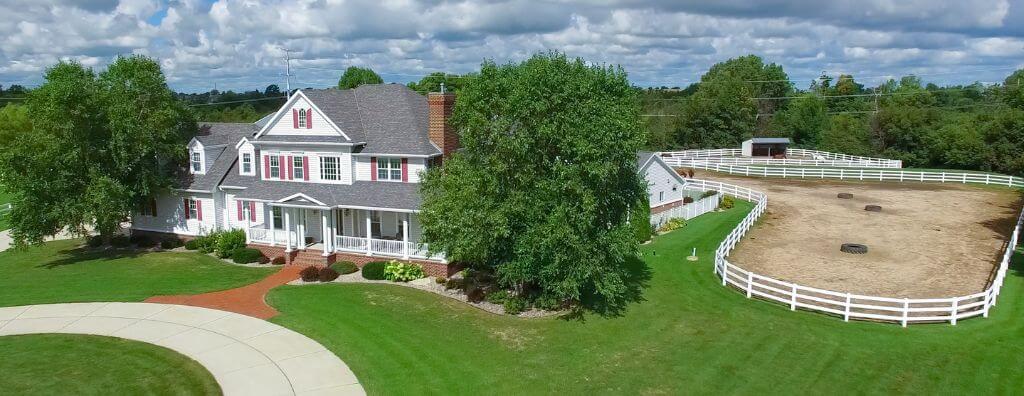
Equestrian properties are unique. If you’re thinking about buying equestrian property, you have to weigh different aspects of a listing than you would for a typical single-family home purchase. As you look at properties, you will face the dilemma of whether to prioritize the property’s land or the house itself. In the end, the right equestrian property depends on your specific needs. The following information will help you along that decision-making process to find the right home for you.
Buying an Equestrian Property
It’s vital that you work with an experienced equestrian real estate agent as you go about the process of searching for a home. Your agent will be able to pinpoint listings that match your criteria and reach out to the listing agent representing the seller. Learning more about how an equestrian property creates value for its owners will inform your discussions with your agent.
Equestrian Property: The House
A well-designed house will enhance your daily life and provide comfort for your household. Features like a spacious kitchen, an open living room area, outdoor living areas, and modern amenities can maximize your enjoyment of your time at home. Flexible interior spaces with the ability to be converted into a home gym or home office may be more valuable to you, depending on your lifestyle. If these characteristics are a top priority, communicate to your agent that these features are must-haves.
Equestrian Property: The Land
The equine lifestyle requires a property to have more than just ample backyard space. Whatever your goals as an equestrian homeowner, your horses’ experience will be dictated by the land. Consider the facilities you plan on setting up. The quality of the land and its suitability for the kinds of training you have in mind are very important, especially if your livelihood and your equestrian activities are intertwined. Different equestrian disciplines require different footing; consider each property’s ability to accommodate your specific discipline.
Equestrian operations often expand over time, so it pays to think about each property’s potential in terms of how it could grow in the future. The same can be said for customization: purchasing land with the potential to build custom equestrian facilities allows you to tailor the property to your goals and the needs of your horses.
House vs. Land
Finding the balance between the right house and the right land is a balancing act, but with the right communication between you and your agent, you’ll find it. Prioritize your needs and consider your budget throughout the process to continue to narrow down the list of fitting listings. As with any real estate purchase, location plays a significant role, but as an equestrian homeowner, you’ll be thinking about the future of your horses, your business, and your equine pursuits. If a property isn’t able to meet these standards, it may not be the right one for you.
For more information on finding the right property and for answers to all your home buying questions, connect with an experienced Equestrian Advisor:
Windermere Equestrian Advisors
Featured Image Source: Getty Images – Image Credit: JamesBrey
The Importance of Working with an Experienced Equestrian Real Estate Agent
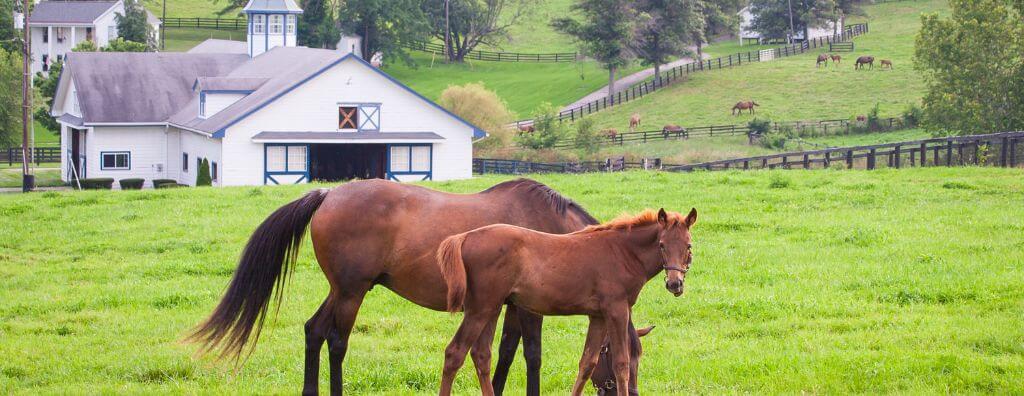
Equestrian properties are not your typical residential homes. The land serves a purpose beyond addressing the homeowner’s needs, and everything on the premises revolves around making sure the horses are at their best. And horses are not your average domestic pets. Tending to them is a full-time job that consists of constant hard work. When it comes to buying and selling these properties, it’s important to work with an agent who understands these facets of equestrian life and everything they entail.
The Importance of Working with an Experienced Equestrian Real Estate Agent
Real estate agents who either grew up around horses or have many years’ worth of experience working with equestrian buyers and sellers are uniquely qualified to understand your needs as a buyer or seller of an equestrian property.
A particular region’s climate, for example, will present unique challenges for equestrian buyers looking to build out their property to accommodate their specific riding discipline. Only an experienced equestrian agent can provide the proper guidance on property additions and maintenance, as well as how those recommendations align with local zoning regulations. For those looking to sell their equestrian property, it’s imperative that they work with a listing agent who understands the property and how to market it to the right buyers.
Equestrian advisors also understand the emotions that come with equestrian property ownership. Taking care of horses is a significant undertaking, financially and emotionally. Buyers and sellers may set logic to the side and make decisions based on emotions, rightfully so, given how heavily invested they are in the wellbeing of their animals. Equestrian advisors know how to interpret the emotions behind these decisions and guide their clients toward logical solutions throughout the buying/selling process.
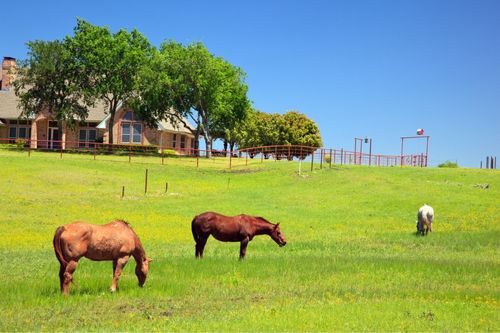
Image Source: Getty Images – Image Credit: narawon
Helpful Questions to Ask an Equestrian Real Estate Agent
Finding the right agent to sell your equestrian property or finding the right buyer’s agent takes time, but you can set yourself up for success by knowing which questions to ask. The following list of questions will help you identify a candidate with equestrian experience.
- Did you ride / were you around horses growing up?
- Do you have experience working on an equestrian property?
- Do you currently own horses?
- What are your real estate certifications and designations?
- Could you share testimonials from past clients?
For assistance planning an equestrian property sale or purchase, or for answers to your questions, connect with an experienced Equestrian Advisor:
Windermere Equestrian Advisors
Featured Image Source: Getty Images – Image Credit: volgariver
The Footing Needs of Different Equestrian Disciplines
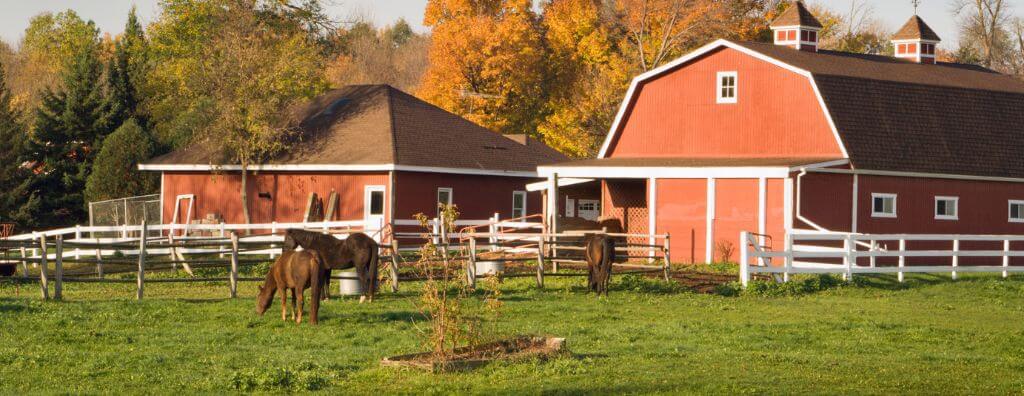
Horses are athletes, and athletes need proper support when they train. Owning an equestrian property comes with a long list of responsibilities and maintenance tasks, but at the end of the day, the property exists to serve its horses. The following information is a short guide to understanding which materials are typically used in different equestrian disciplines so you can ensure your horses have the support they need to train their best.
The Footing Needs of Different Equestrian Disciplines
Jumping
To maximize your horses’ training, it’s pivotal that they feel traction when taking off, landing, accelerating, and making turns. Jumping footing needs to be soft enough to cushion landings but solid enough to support horses during takeoff. Materials commonly found in jumping footing include rubber, fibers, and sand. These durable materials fit the mold for what is a physically intense equestrian discipline.
Dressage
Having the proper dressage footing will help to prevent injury amongst your horses and improve their performance. If your surface is too hard, it can create instability when your horses land, which will increase strain on their ligaments and joints over time. If it’s too soft, your horses will have to work too hard to spring up from the ground, overexerting their muscles. Aim for footing that’s the right combination of soft-but-not-too-soft and durable. Sand and felt or sand and silica are typically used for dressage arenas.
Barrel Racing
Like other disciplines, the perfect footing for barrel racing is a combination of traction and cushion. With fast acceleration and explosiveness at every turn, horses competing in barrel racing need proper support for optimum performance. Many equestrian property owners will use mixtures of sand, clay, wax coating, and synthetic fibers to coat their barrel racing arenas, often two to four inches deep. Compacted stone dust is also a common choice for a base, which allows for proper water drainage.
Boarding
If your facility is a boarding facility, you may have several different disciplines being practiced in the same arena. If this is the case, you’ll want to go with a footing that can handle the variability while limiting dust and providing ample support. Footing blends comprised of angular sand plus short and long fibers will typically do the trick. As always, check that your footing is compatible with your local climate.
For more information on preparing your equestrian property and for answers to all your questions, connect with an Equestrian Advisor:
Windermere Equestrian Advisors
Featured Image Source: Getty Images – Image Credit: YinYang
What to Consider When Buying an Equestrian Property
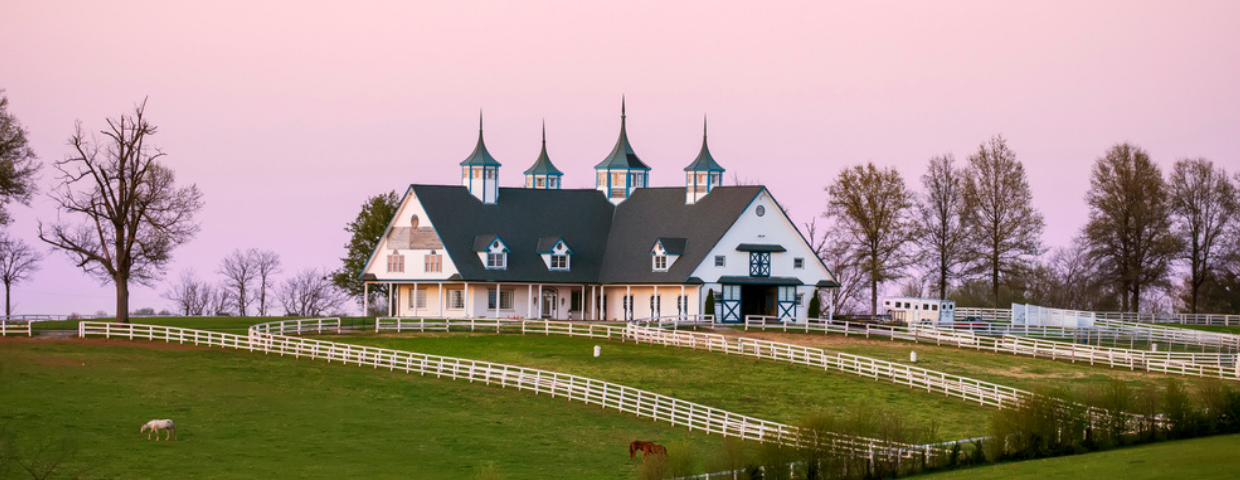
Buying a horse property is not your typical home purchase, especially for first time buyers. If you’ve never shopped for a horse property before, there is much to learn on the road to finding the best property for your needs. Working with an experienced Equestrian Advisor will also help ensure your home search and purchase go as smoothly as possible.
Horse Property Acreage
Just because a property has plentiful acreage doesn’t mean it will be suitable for horse care. The land must be flat-to-gently-sloped for grazing and provide adequate access to your horses’ basic needs. You want to look for properties with usable land – meaning there are not acres of unusable gullies, steep edges, or too many bodies of water that could make it difficult for your animals to navigate the property. Pay attention to local regulations about how much acreage is required per horse.
Zoning Instructions
If the property currently has horses or has in the past, do not assume it is an approved horse property. Part of your Equestrian Advisor’s job will be to ensure the property is in line with the local city, county, and/or HOA regulations for agriculture and livestock. Neglecting to verify the property could mean a significant financial setback if your horse property were the source of future legal issues and penalties.
Stable Inspections
When conducting the primary home inspection, be sure to have the barn and stables inspected as well. This could lead to higher upfront costs but skipping it could cause a huge headache later. Having a professional evaluate the barn and stables can reveal structural issues, electrical issues, or other potential problems that you would want to know about before you sign any paperwork.
Amenities
Housing horses and livestock on your property can be done with much more ease with a few convenient amenities. When touring prospective properties, look for the following:
- Frost-proof spigots in the pasture, arena, and turnouts
- Heated waterers in the stalls
- Sufficient hay storage area
- Tack room with a fridge for medication and supplements
- Wash bay
- Arena or training round pen
Your Routine
Transitioning to an equestrian lifestyle is a big adjustment, especially if this is your first time. Make sure you are taking your daily routine into consideration when looking at properties. How close are you to the barn? Where is the main water source? Careful planning every step of the way will make adapting to your new property much smoother and easier.
To connect with an experienced Equestrian Advisor today, click the link below:
Preparing Your Equestrian Property for Sale
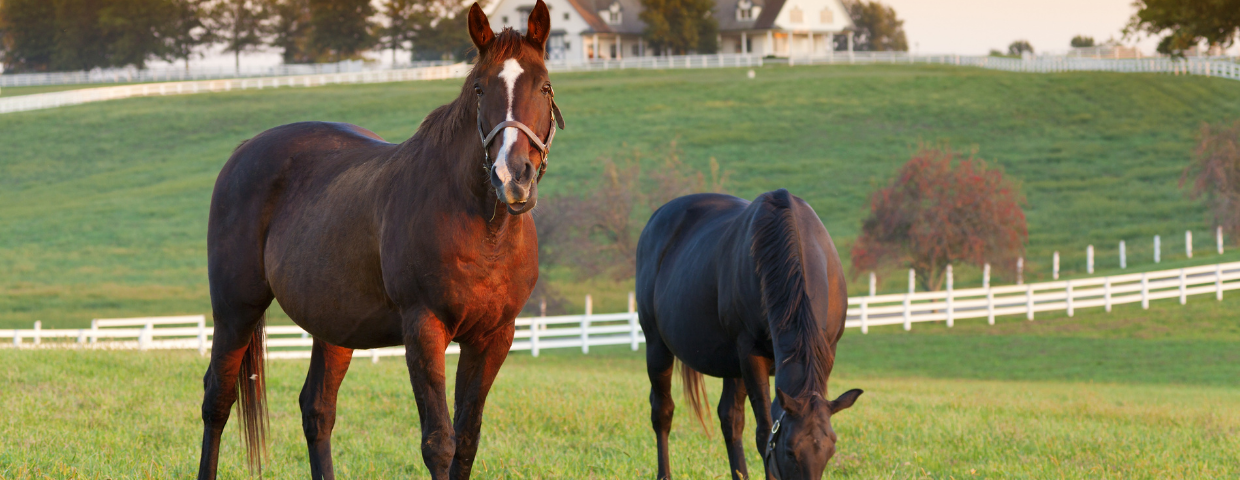
Selling a horse property is quite different to selling your typical single-family home and can present some unique challenges. Therefore, when marketing a property like this, there are certain things to consider in order to achieve a successful sale. Because equestrian properties aren’t usually located in heavily populated areas, when buyers take the time to visit your property, you need to do everything you can to make a lasting impression. Having an equestrian property is a major responsibility, but if you convey to interested buyers the value and joy it can bring, it will help with getting your property sold. Here are some ways you can prepare your equestrian property for sale.
Sell the Lifestyle
How your property is described and positioned in the marketing assets is key. You are selling a lifestyle, so it’s worthwhile to talk up the experience that comes from owning such a unique property. Elaborate on nearby vets, feed lots, co-ops and grocery stores. Describe the nearby trail rides and point out if there are neighborhood riding clubs. Paint the picture of what a potential buyer’s life could look like when they buy your property. Will they be enjoying the sunset on the patio overlooking the pasture? Does a stream trickle by the patio creating a relaxing ambiance? Can you watch the horses play in the field from the bedroom window? These are the visuals images that can capture a buyer’s imagination.
Organize your Documents
There are certain legal documents and records that come with owning and operating an equestrian property. Make sure you have the title and any land surveys or improvement location certificates ready to go as you prepare the property for sale. In addition to legal documents, make sure your agricultural records are current and updated. This includes plant health analyses, well permits, water or mineral rights, grazing leases or anything relating to natural resources on your property. Many buyers will ask to see records of past water and utility bills as well. This will make the process that much easier when you know the logistics have been taken care of.
Stage for Buyers
More than likely, the buyers who are touring your property either own horses or have been around equestrian properties before. Therefore, you will want to make sure the property appeals to horse owners. This includes making sure your fencing is intact, locks are secure, the barn is clean, and the pastures are mowed to perfection. This will also show buyers that they too can make the property look exactly the way they envision.
The Price is Right
A major factor in attracting buyers is the listing price. It’s important to work closely with an Equestrian Advisor who specializes in selling horse properties to ensure that yours is priced accurately. When potential buyers see that your equestrian property is properly priced, they are more likely to view it as a good investment. If you plan to include any equipment like a tractor, mower or other large items in the sale, price those separately and do not include them in the list price of your home. This will ensure that your property is listed at an appropriate price and that buyers will pay the necessary sales tax on those items outside of closing.
Tips for Sustainable Horse Property Management
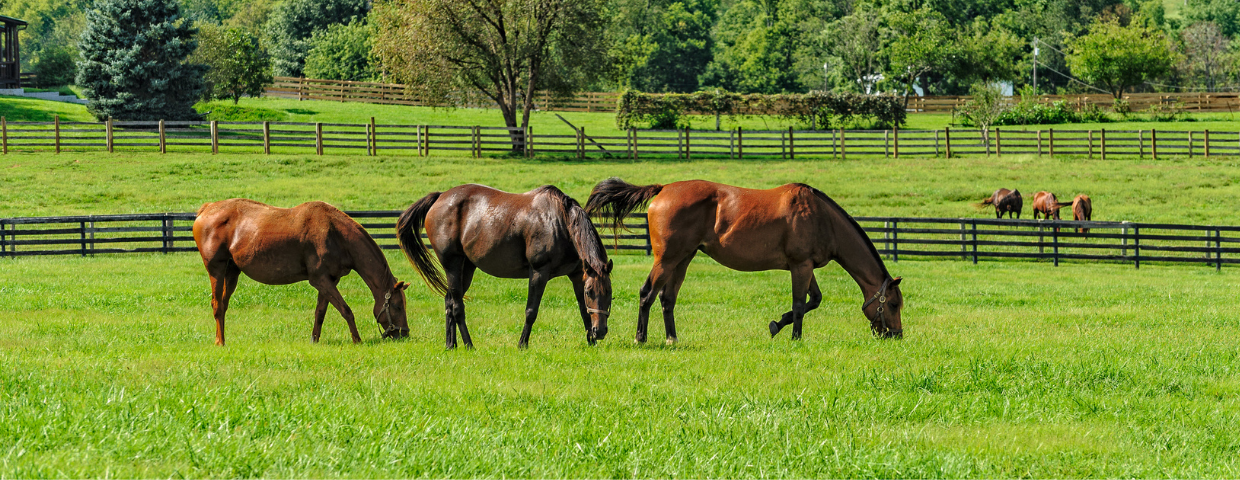
Caring for a horse property is no easy feat. This is especially true when you are committed to having an eco-friendly property as well. Making small changes in daily land management practices can have positive impacts on the environment and your animals. Here are some tips to help make your horse property more environmentally friendly.
Manure Management
The average horse can produce up to 50 pounds of manure in a day. The way the manure is stored, distributed, and treated can have a significant impact on its value. There are a couple of options when it comes to repurposing the manure on your farm:
1. Composting
You can use the manure for composting as well as fertilizer for your pastures and gardens. Composting at the proper temperature can kill fly eggs and larvae, parasites, pathogens, and weed seeds. Using it for your pastures and gardens acts a slow-release fertilizer and is the perfect soil conditioner.
2. Distribution
If composting is simply something you don’t have the time or money for, you can also ship out your horses’ manure. There are many different organizations that will connect you with gardeners who are looking for the excellent fertilizing properties of manure.
Regardless of what you choose, storage is an important factor to consider, as it is vital to safeguard against surface and groundwater contamination. Make sure your manure storage is safely distanced from water sources and ideally covered and contained to prevent pollutants from leaking, bugs, and odor.
2. Water Conservation
Horses are notoriously very thirsty animals and acreage properties require a lot of water to upkeep their pastures. There are numerous ways to conserve water on your horse property.
1. Install Rainwater Catchment
You might as well take advantage of the free water mother nature provides on a rainy day. Using a rainwater catchment system can help you catch and store water during rainy periods. Depending on where your barn is located on your property, you may be able to meet all your horse watering and irrigation needs with a large catchment basin.
2. Automatic Waterers
Installing automatic watering systems can help conserve water, as well as keep the water cleaner and fresher for your animals. Some water systems are powered by geothermic heat. Using this technique keeps water cool in the summer months, and above freezing in the winter. And since it is powered by geothermic heat, you aren’t using additional electricity!
3. Reuse Water
Another great way to conserve your water use is to reuse leftover water from other daily tasks. Leftover water from horses’ buckets can be used to water the garden. Also consider using a bucket and sponge for your horses’ baths to prevent any further water waste.
3. Preserve Pastures
Pastures are a great source of food for your horses but do require a good amount of work. Luckily, a lot of that work can be done in a way that is environmentally friendly. As discussed above, using the manure from your horses on your pastures work as a great nutrients rich fertilizer. Overgrazing horses can make the land more vulnerable to erosion and lead to less of a filter for runoff. To prevent this, incorporate rotational grazing. Rotational grazing moves horses from one pasture to another allowing for regrowth and optimizing the horses’ foraging diet. This method also allows for plant diversity and improved soil structure.
4. Reuse and Recycle
A tried and true method to property sustainability is reusing and recycling. Consider reusing equipment when available or even repurposing old containers and tools for other uses around your property. For example, old water troughs make for efficient gardening containers. If you are looking to make some improvements to structure on your property, consider using recycled or renewable materials whenever possible. Recycled rubber stall mats are an easy way to incorporate recycled materials into your barn.
5 Tips For Maintaining Your Property
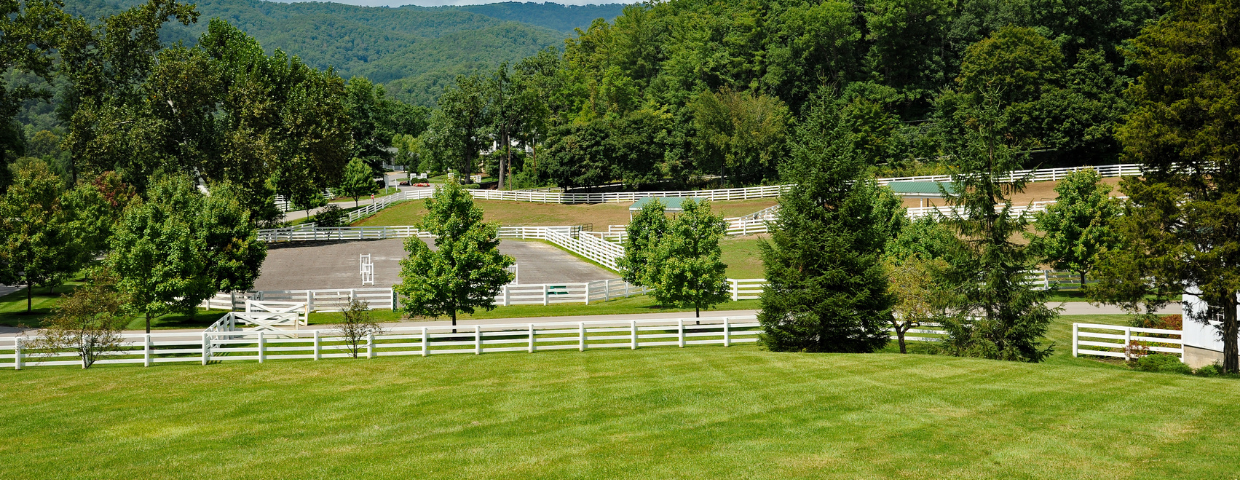
Owning an equestrian property can be an amazing asset, but it also requires a lot of hard work. With some attention and care, you can keep your property well-maintained and functioning smoothly. Here are some tips to help you maintain your equestrian property to the highest standard.
5 Tips For Maintaining Your Property
1. Investing in the Right Materials & Equipment
One of the smartest things you can do with your equestrian property from the beginning is to invest in high-quality materials and equipment. You don’t want to make maintaining your land any more difficult than it needs to be, which is why you should acquire tools that make the job easier, while giving your land the quality care it needs. This also means investing in high-quality materials for your horses and their quarters. Flooring, fencing, and bedding are all important to maintaining your horse’s health. These investments will extend the longevity of your indoor and outdoor structures, creating an environment where your animals can live comfortably.
Items to consider:
- Tractors, bailing and mowing equipment
- Stall floor mats
- Paddock and turnout panels and gates
- Arena sand
- Horse grooming supplies such as a wash station, vacuum, sheers and brushes
- Hay feeders and automatic/heated waterers
2. Fix the Small Things
With equestrian properties it’s best to fix a problem, no matter how big or small, as soon as it presents itself. Addressing any issue quickly will go a long way in keeping your stable in peak condition and your horses happy, healthy, and safe. A broken fence or leaning post can easily be pushed down, allowing a horse to roam without supervision or boundaries. Something as small as an exposed nail could lead to an injury of your animals or others.
3. Create a Cleaning Schedule
When you own a large plot of land the responsibilities add up. The more acreage, the greater the chance for a mess. It’s important to make sure your barns and stalls are regularly cleaned for the health and safety of your horses. Keeping those areas moisture-free is also critical for quality horse barn maintenance. A dirty horse stall often attracts unwanted insects, and an unkempt stall could bring disease and bacteria into your barn. Horses may experience thrush and other respiratory issues if their sensitive lungs breathe in ammonia from urine-soaked bedding.
4. Maintain Good Ventilation
Horses need access to fresh air. It’s important to maintain good ventilation in their stalls, keeping open passages for your horses so the air can cycle through the space. Consistent air flow will also help regulate and maintain temperatures as they change throughout the season. Without good ventilation, your horses are at risk for highly contagious illnesses like pneumonia.
5. Don’t Be Afraid to Ask for Help
Maintaining your equestrian property is not easy! There is absolutely nothing wrong with looking to outside help to make sure every task gets completed. Even something as simple as a gardener or another employee that would assist you with more specific needs like caring for horses. You can often look to youth or others in the community who would enjoy trading horseback riding with simple chores and caretaking duties. Bringing in some help makes it that much easier to stay on top of your tasks and allow you to enjoy your property at the same time.