Facebook
 X
X
 Pinterest
 Copy Link
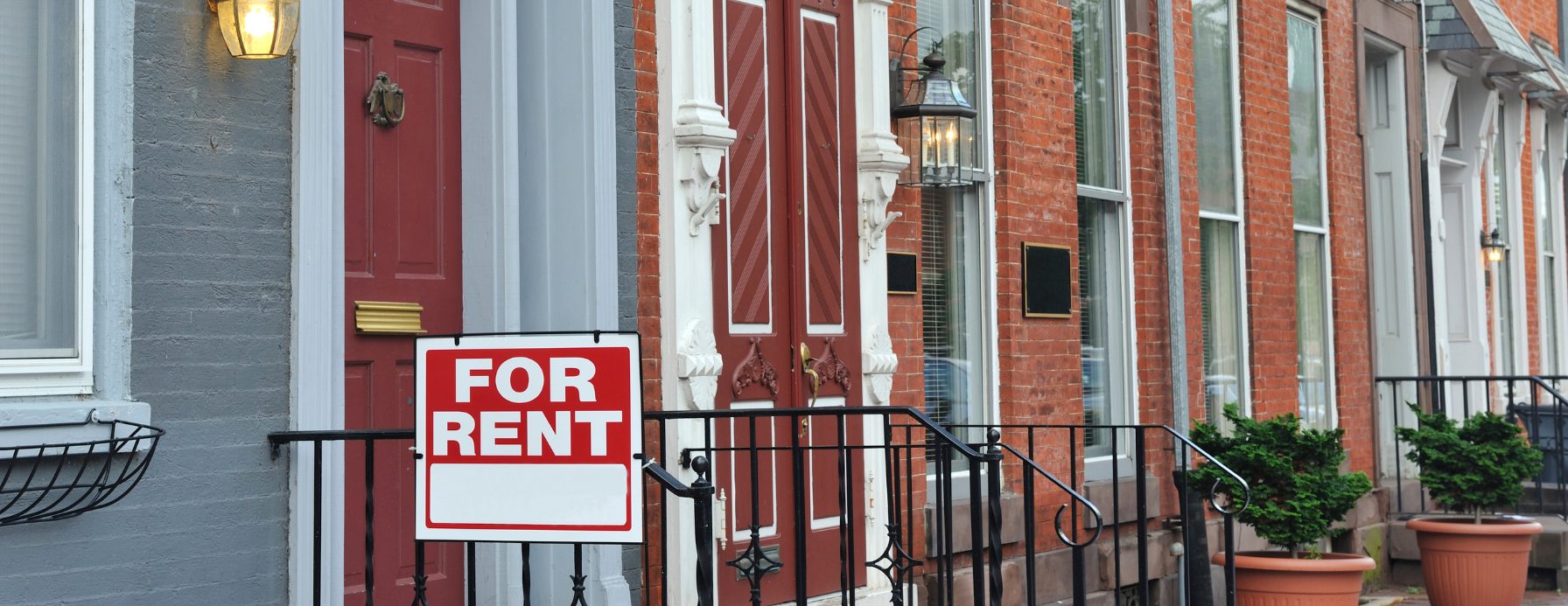
If you’re not quite ready to buy a house, renting may be the right choice for the time being. Though renting can be the more affordable option, being a tenant in someone else’s home still comes with its own unique set of costs. From application fees and security deposits to parking, utilities, and moving expenses, there are several costs to account for before signing a lease. Here are ten common rental expenses to include in your budget.
10 Costs of Renting
1. Renting Application and Screening Fees
One of the first expenses you’ll run into is a rental application fee. Landlords and property managers often use these fees to cover the cost of reviewing your application, verifying your income and rental history, and obtaining a credit or tenant-screening report.
2. Security Deposit
Similar to making a down payment on a house, a security deposit is a large upfront expense that solidifies your application. They are intended to protect the landlord against unpaid rent or damage beyond normal wear and tear. The amount may be a flat fee or based on the monthly rent, depending on the property and local laws. Fortunately, they are generally refundable if you follow the terms of your lease and leave the home in good condition. Make sure to review your lease carefully and document the home’s condition with photos or videos before moving in.
3. Pet Deposits and Monthly Pet Fee
Finding a rental that welcomes pets can sometimes be a challenge. Some landlords forbid pets altogether, while others typically require that you pay a pet deposit and/or an additional monthly pet fee on top of your rent. The amount may vary based on the number, type, or size of your pets. Before signing the lease, confirm which charges are refundable and whether the property has any breed, size, or number restrictions.
If your next move could include purchasing a home, consider these tips for buying a home with your pets in mind.
4. Monthly Rent
Rent will typically be the largest portion of your monthly housing expenses. Although 30% of gross income is often used as a general budgeting benchmark, the amount you can comfortably spend depends on your income, debt, transportation costs, saving goals, and other daily expenses. Make sure you understand when rent is due, which payment methods are accepted, whether they carry processing fees, and how late fees are calculated.
5. Parking
Your parking costs will depend on the type and location of your rental. If you live in a condo or apartment building, a reserved parking space or garage may require an additional monthly fee. Street parking may also come with expenses such as residential permits, meters, or garage rentals. If your new home is farther from work, school, or public transportation, remember to consider the potential increase in fuel, transit, or rideshare costs when comparing properties.
6. Utilities
Utilities are another significant chunk of your recurring expenses as a renter. Before signing a lease, ask which utilities are included in the rent and which ones you will be responsible for paying. Common expenses include electricity, natural gas, water, sewer, and garbage collection. Your costs can change throughout the year, especially if you pay for heating or cooling.
If your bills are too high, audit your energy consumption to find more affordable ways of using it.
7. Internet, Cable, and Other Monthly Services
Internet service is an essential household expense for many renters, especially those who work from home. Depending on the property, you may need to pay for equipment rental, professional installation, or an activation fee in addition to your monthly bill.
Your rental may also charge separately for services or amenities such as package delivery, pest control, storage, laundry, fitness facilities, or common-area maintenance. Ask for a complete list of required recurring fees so you can compare the true monthly cost of different rentals.
8. Renters Insurance
Not only is obtaining renters insurance vital to protecting yourself as a renter, but it’s also usually required by landlords and property management companies. Renters insurance helps protect your personal belongings against certain covered losses, such as theft, fire, or water damage. Fortunately, renters insurance policies are very affordable, usually around $15 to $20 a month.
9. Moving and Setup Costs
Whether you hire professional movers or rent a truck and handle the move yourself, relocating comes with its own set of expenses. Moving supplies, transportation, fuel, temporary storage, utility setup, cleaning, and time away from work can all add to the total.
You may also need to purchase furnishings, window coverings, cleaning supplies, or other household essentials after moving in. Planning these expenses ahead of time can make your transition easier. It might help to use a moving checklist to organize each stage of the process.
10. Lease-Related Fees and Potential Charges
A lease may include additional charges that are easy to overlook. Depending on the property, these could include administrative fees, payment-processing fees, lockout fees, lease-renewal fees, early-termination charges, or fees for replacing keys, parking permits, or building-access devices.
You could also be responsible for certain maintenance tasks, such as lawn care or snow removal, when renting a single-family home. Read the lease carefully and ask the landlord or property manager to explain every required fee before you sign.
Learn more about the pros and cons of renting vs. buying a house: