Facebook
 X
X
 Pinterest
 Copy Link
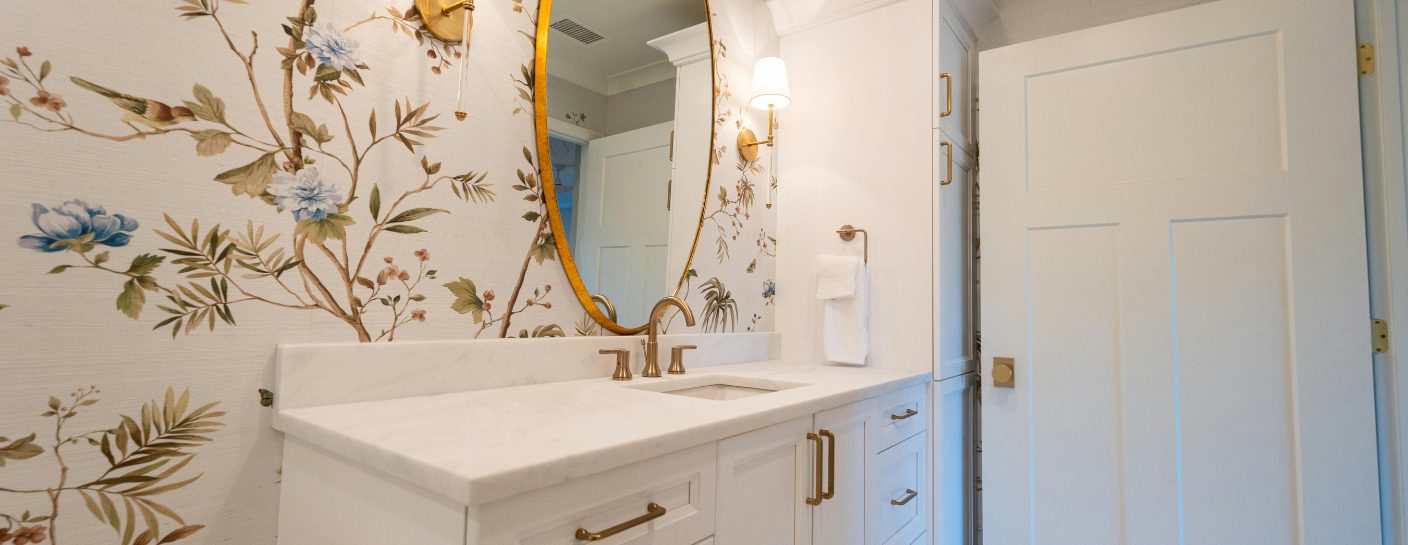
Wallpaper can transform a room in ways paint simply can’t. From subtle texture to bold pattern, the right wallcovering can add depth, personality, and a sense of intention to nearly any space in your home. And today’s wallpaper isn’t limited to a single statement wall. Homeowners and designers are finding creative ways to use wallpaper on ceilings, in small spaces, throughout entire rooms, and even in unexpected corners of the home.
Whether you’re planning a major renovation or looking for a smaller design project, here are some of the best places to use wallpaper in your home.
1. Make a Statement in the Powder Room
If you’re not ready to commit to wallpaper in a larger living space, a powder room is one of the best places to start.
Because half baths are typically small and separate from the home’s main living areas, they offer an opportunity to take more design risks. A botanical print, rich color, geometric pattern, or scenic design can turn an otherwise practical room into one of the most memorable spaces in your home.
Rather than limiting wallpaper to one wall, consider covering the entire room for a more immersive effect. Pair a busier pattern with a simple vanity and mirror, or pull a color from the wallpaper into your towels, fixtures, or other details to tie the room together. In bathrooms with showers and tubs, be mindful of moisture and ventilation. Look for wallcoverings specifically designed to withstand humid environments.
2. Give Your Mudroom or Entryway More Personality
Mudrooms and entryways are hardworking spaces, but practical doesn’t have to mean plain. Wallpaper can bring warmth and character to an entryway while helping establish the design style of your home from the moment you walk through the door. In a mudroom, pattern can also provide a playful backdrop for built-in benches, hooks, baskets, and storage.
If the space gets a lot of traffic, consider placing wallpaper above wainscoting, paneling, or another durable wall treatment. You’ll still get the visual impact of wallpaper while protecting the lower portion of the walls from shoes, bags, pets, and everyday wear.
3. Look Up: Wallpaper the Ceiling
The ceiling is sometimes called the “fifth wall,” and it’s becoming an increasingly popular place to make a design statement.
Wallpapering the ceiling draws the eye upward and can completely change how a room feels. A subtle print can add interest without competing with the rest of the décor, while a bold pattern can turn the ceiling into the room’s focal point.
Bedrooms, dining rooms, home offices, and powder rooms are all great candidates. You can also continue the same wallpaper from the walls onto the ceiling for a cozy, enveloping look. If your home has interesting architectural details like a tray ceiling, sloped ceiling, or recessed area, wallpaper can help highlight those features rather than letting them disappear into the background.
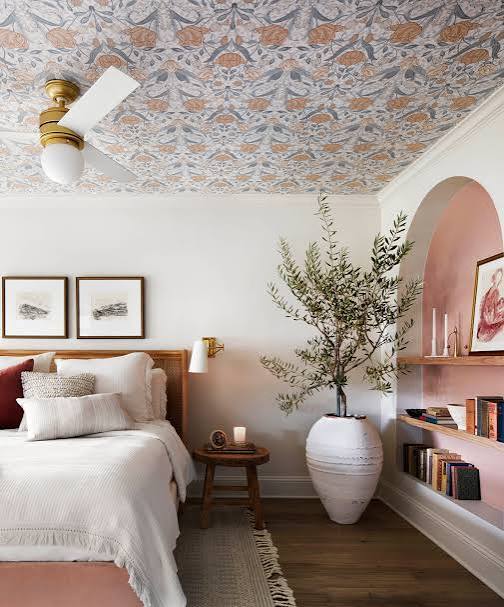
Source: Home and Gardens
4. Add Warmth to the Kitchen or Breakfast Nook
Wallpaper may not be the first material that comes to mind for a kitchen, but it can soften a room filled with cabinetry, countertops, tile, and appliances.
A breakfast nook or dining area is an easy place to introduce it. Wallpaper can visually distinguish the space from the rest of the kitchen while making it feel warmer and more inviting. There are also opportunities to use wallpaper in areas away from sinks, ranges, and other high-splash zones. Try it above a chair rail, around a built-in banquette, or on an open wall that needs a little more character. For a smaller dose of pattern, wallpaper can even be used along the back of glass-front or open cabinetry.
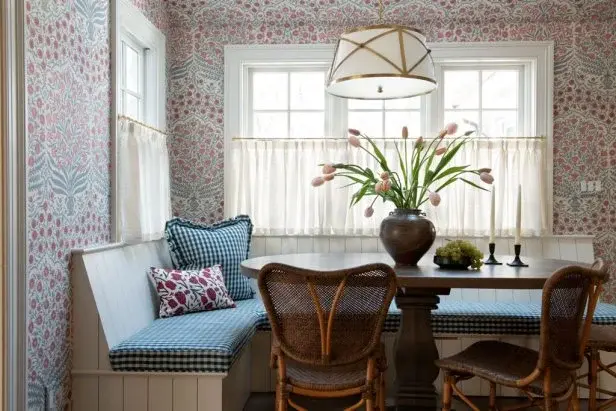
Source: HGTV
5. Transform a Closet, Pantry, or Laundry Room
Some of the most fun places to use wallpaper are the ones guests may never see. Closets, pantries, and laundry rooms are increasingly being treated as thoughtfully designed spaces rather than purely functional ones. Adding wallpaper is a relatively simple way to give these smaller rooms personality.
Try a cheerful pattern behind laundry room shelving, a classic print in a walk-in closet, or wallpaper above pantry countertops and cabinetry. Since these spaces tend to have limited square footage, they’re also a good place to experiment with a pattern or color you might hesitate to use throughout an entire bedroom or living room. Even a small amount of wallpaper can make an everyday task feel a little less ordinary.
6. Rethink the Accent Wall
The accent wall remains an approachable way to experiment with wallpaper, especially in larger rooms. But instead of choosing a wall at random, think about what you actually want to highlight.
Wallpaper can frame the wall behind a bed, define a dining area in an open floor plan, draw attention to a fireplace, or create a backdrop for built-in shelving. A mural or large-scale scenic wallpaper can even function like an oversized piece of art.
For a more current take on the traditional accent wall, consider how the wallpaper connects to the rest of the room. Repeating colors, textures, or patterns elsewhere can make the feature feel intentional rather than separate from the overall design.
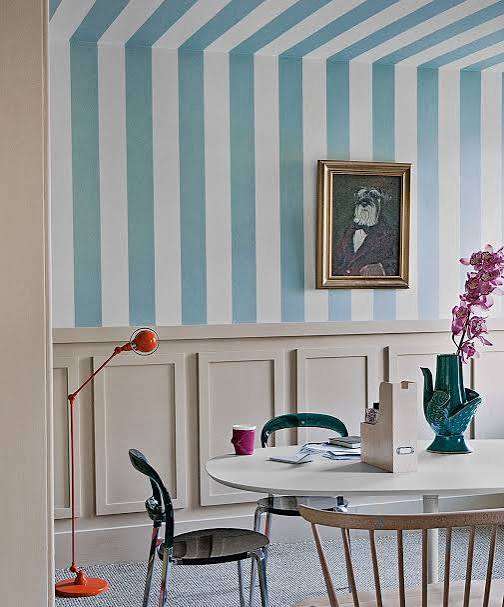
Source: Home and Gardens
7. Create an Immersive Bedroom
Wallpaper doesn’t always need to be the loudest element in a room. In a bedroom, it can help create a softer, more layered atmosphere. Textured wallcoverings such as grasscloth can add warmth and dimension without introducing a strong pattern. For something more decorative, traditional florals, stripes, and understated murals can create a cozy backdrop.
Instead of stopping behind the headboard, consider wallpapering all four walls. Keeping furnishings and bedding relatively simple can balance the pattern and make the room feel collected rather than busy.
8. Use Wallpaper to highlight Architectural Details
You don’t have to cover an entire wall to make wallpaper worthwhile. Small architectural features can provide the perfect place for a little pattern. Try wallpaper inside an alcove, behind built-in bookshelves, along the back of a cabinet, or within a recessed nook. These applications add an unexpected layer of detail and can help custom features stand out.
Wallpaper can also revive older built-ins without replacing them entirely. Paired with fresh paint or updated hardware, a wallpapered cabinet interior or bookshelf can make an existing feature feel much more intentional.
Choosing the Right Wallpaper for Your Space
Before choosing a wallpaper based on pattern alone, think about how the room is used.
High-moisture or high-traffic areas may call for washable, vinyl, or moisture-resistant options, while bedrooms and dining rooms offer more flexibility for delicate papers and natural materials. Peel-and-stick wallpaper can also help experiment with a look before making a longer-term commitment.
Scale matters, too. A large pattern can make a dramatic statement, while a smaller repeat or textured wallcovering may work better when you want something subtle. Bring home samples and look at them throughout the day to see how natural and artificial light affect the colors and details.
Most importantly, choose something that feels at home with the rest of your space. Wallpaper is an opportunity to add personality, but the best designs still feel connected to the architecture, furnishings, and character of the home.
Whether you start small with a powder room or go bold with a wallpapered ceiling, a little pattern can go a long way toward making your home feel more personal, layered, and uniquely yours.