Facebook
 X
X
 Pinterest
 Copy Link
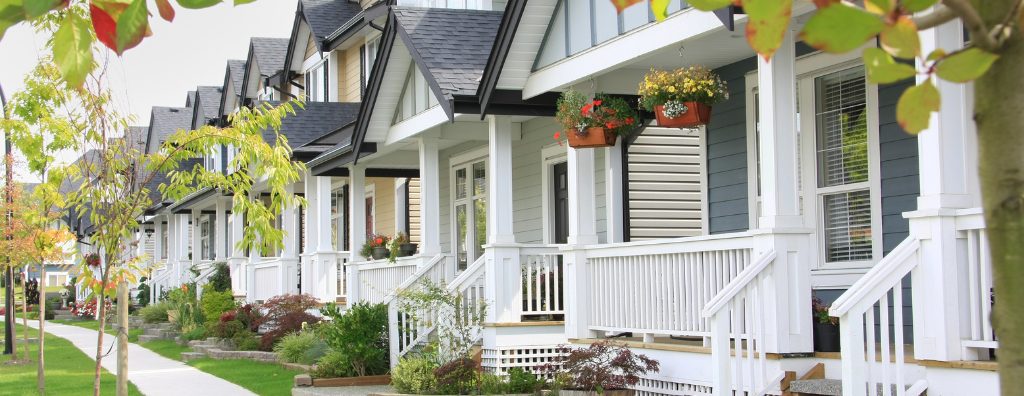
For many homebuyers, finding the right home isn’t just about square footage or the number of bedrooms—it’s about finding a place that feels connected. And as more people prioritize walkability, thoughtful design, and stronger neighborhood connections, a unique style of community has continued gaining attention: the pocket neighborhood.
Also known as cottage communities, cottage courts, or pocket communities, these thoughtfully planned neighborhoods offer a different approach to residential living. Instead of homes being separated by wide streets and expansive front yards, they’re intentionally arranged around shared green spaces that encourage neighbors to interact while preserving natural privacy.
While the concept originated in Washington State, pocket neighborhoods have continued to grow in popularity as homebuyers seek communities that balance privacy, connection, and thoughtful design.
What Is a Pocket Neighborhood?
Pocket neighborhoods are small clusters of detached homes—typically between eight and forty residences—that share a common outdoor gathering space such as a courtyard, garden, or landscaped lawn.
Unlike condominium developments or townhomes, each residence is an individual home with its own private living space. The difference lies in how the neighborhood is designed. Rather than orienting homes toward the street, front porches and entrances face a shared green space, creating opportunities for everyday conversations and a stronger sense of community.
The term “pocket neighborhood” was coined by architect Ross Chapin, whose award-winning Third Street Cottages in Langley, Washington helped introduce the concept to a wider audience. Since then, the idea has spread throughout the Pacific Northwest and beyond as communities search for housing that balances privacy with connection.
Designed Around Community
One of the defining characteristics of a pocket neighborhood is that the shared outdoor space becomes the heart of the community.
Instead of garages and driveways dominating the streetscape, many pocket neighborhoods place parking along the perimeter or in shared parking areas. This creates pedestrian-friendly pathways where neighbors naturally cross paths while walking home, tending gardens, or relaxing outdoors.
Covered front porches also play an important role. Rather than serving as purely decorative features, they’re designed as welcoming spaces that blur the line between private and shared living. It’s easy to imagine enjoying a morning cup of coffee, greeting neighbors on an evening walk, or watching children play in the central green space.
The result is a neighborhood where casual interactions become part of daily life.
Small Homes That Live Large
Although pocket neighborhoods often have a smaller footprint than traditional single-family residences, thoughtful design helps them feel surprisingly spacious.
Many feature open-concept floor plans, abundant natural light, efficient storage solutions, and strong connections between indoor and outdoor living areas. Every square foot is designed with intention, allowing homeowners to enjoy comfortable living without unnecessary space to maintain.
For many buyers, this approach aligns with a growing interest in simplifying daily life while still enjoying the benefits of homeownership.
Why Pocket Neighborhoods Are Becoming More Popular
The growing interest in pocket neighborhoods reflects broader changes in how people think about home.
Many buyers are seeking homes that are easier to maintain, more energy efficient, and located near amenities they use every day. At the same time, there’s a growing appreciation for neighborhoods that foster genuine relationships and a stronger sense of belonging.
Pocket neighborhoods also make efficient use of land while preserving many qualities people value in traditional single-family homes, including privacy, outdoor space, and individual ownership.
Many thoughtfully planned communities throughout the Pacific Northwest have embraced these same principles. Seabrook, for example, incorporates several pocket neighborhoods into its walkable coastal town, using shared green spaces, inviting front porches, and pedestrian-friendly streets to encourage the kind of everyday interactions that help neighbors become friends.
Finding the Right Neighborhood for Your Lifestyle
As housing preferences continue to evolve, pocket neighborhoods offer an alternative for buyers who value more than just the home itself. For some, that means simplifying maintenance. For others, it’s living closer to friends, enjoying more walkable surroundings, or finding a neighborhood where conversations with neighbors happen naturally.
Whether you’re exploring a cottage community, a traditional neighborhood, or a thoughtfully planned coastal town like Seabrook, a Windermere agent can help you determine the type of community that feels most like home.