Facebook
 X
X
 Pinterest
 Copy Link
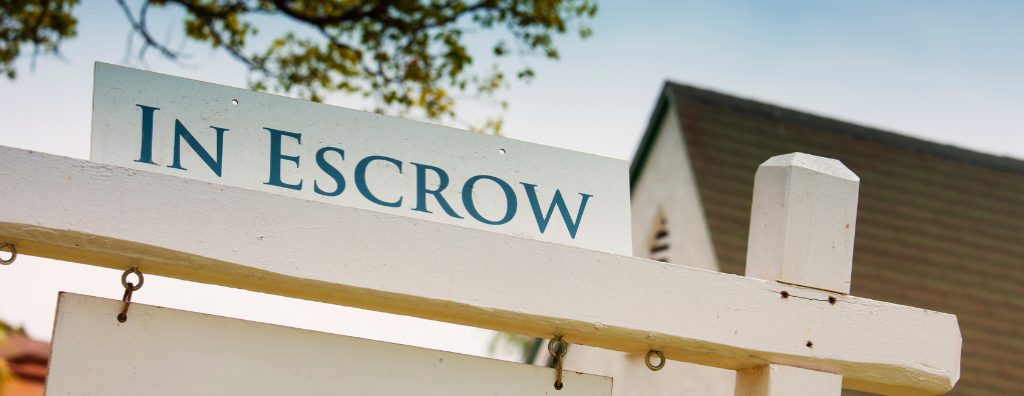
The process of buying a home includes several important steps. After early stages like getting pre-approved for a mortgage, searching for homes, and finding a buyer’s agent, the transaction moves into the contractual phase where agreements between buyer and seller take shape. One of the most important parts of this stage is escrow.
Escrow plays a key role in helping ensure that both parties meet the terms of the transaction before ownership officially changes hands. When everything is completed successfully, escrow ultimately leads to the moment every buyer looks forward to: receiving the keys to their new home. Here’s a simple guide to understanding escrow and how it works in a real estate transaction.
What is Escrow?
Escrow is a financial arrangement where a neutral third party temporarily holds funds and documents during a real estate transaction. These funds remain “in escrow” until the conditions outlined in the purchase agreement are fulfilled.
One of the primary purposes of escrow is to protect the buyer’s earnest money deposit (also called a good faith deposit). This deposit shows the seller that the buyer is serious about purchasing the home and intends to honor the terms of the offer. The escrow account ensures these funds are handled according to the terms agreed upon in the real estate contract.
Once a seller accepts your offer, the escrow process officially begins. Typically, the escrow account is opened soon after mutual acceptance of the purchase agreement. During this time, the buyer works on securing a mortgage, completing inspections, and arranging homeowners’ insurance.
When the transaction closes, the buyer’s earnest money deposit held in escrow is typically applied toward the down payment or closing costs.
In some cases, funds may remain in escrow temporarily after closing. This is known as an “escrow holdback” and may occur if repairs need to be completed or if an issue arises during the final walkthrough that requires resolution after closing.
Before you make an offer, get a better idea of which homes you can afford by using our Home Monthly Payment Calculator. With current rates based on national averages and customizable mortgage terms, you can experiment with different values to get an estimate of your monthly payment for any listing price.

How Does Escrow Work?
During the escrow period, several steps take place to finalize the transaction. This may include completing inspections, confirming financing, securing insurance, and preparing legal documents for closing. During escrow, the title company also conducts a title search to confirm the seller has clear ownership and can legally transfer the property.
Once all the requirements of the purchase agreement have been satisfied, the escrow officer or closing agent coordinates the final paperwork and works with the title company and local recording office to ensure the transfer of ownership is properly completed and recorded. Depending on the state, escrow services may be handled by an escrow company, title company, or real estate attorney. Funds are then transferred and distributed in accordance with the terms of the agreement.
These funds contribute to the buyer’s closing costs, which may include lender fees, title insurance, escrow services, and other transaction-related expenses.
Tips for Navigating the Escrow Process
While escrow helps organize and safeguard the transaction, it can still feel complex for buyers, especially first-time buyers. Taking the time to review documents carefully and ask questions can help ensure you fully understand each step of the process.
Before closing on a home, be sure to read through all documents thoroughly and confirm that everything aligns with the terms of your agreement.
If you’re preparing to buy a home or want to learn more about what to expect during escrow, connect with a knowledgeable Windermere agent in your area.